Equipment Guides · Manufacturers · Buying Resources

Packaging Machinery

Packaging machinery comprises the filling, forming, sealing, wrapping, labeling, inspection, case-packing, palletizing, and control systems used to prepare products for sale and distribution.

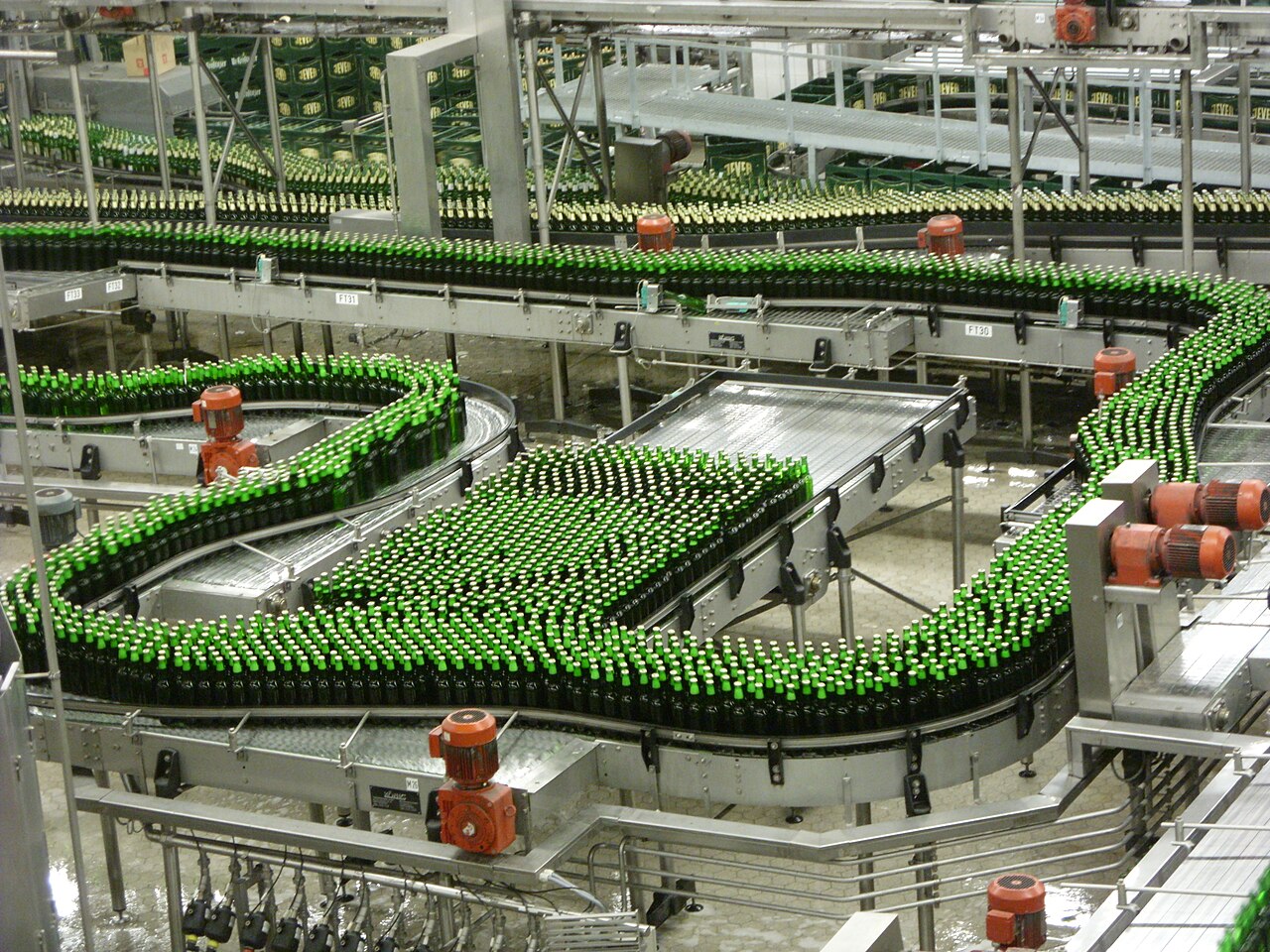
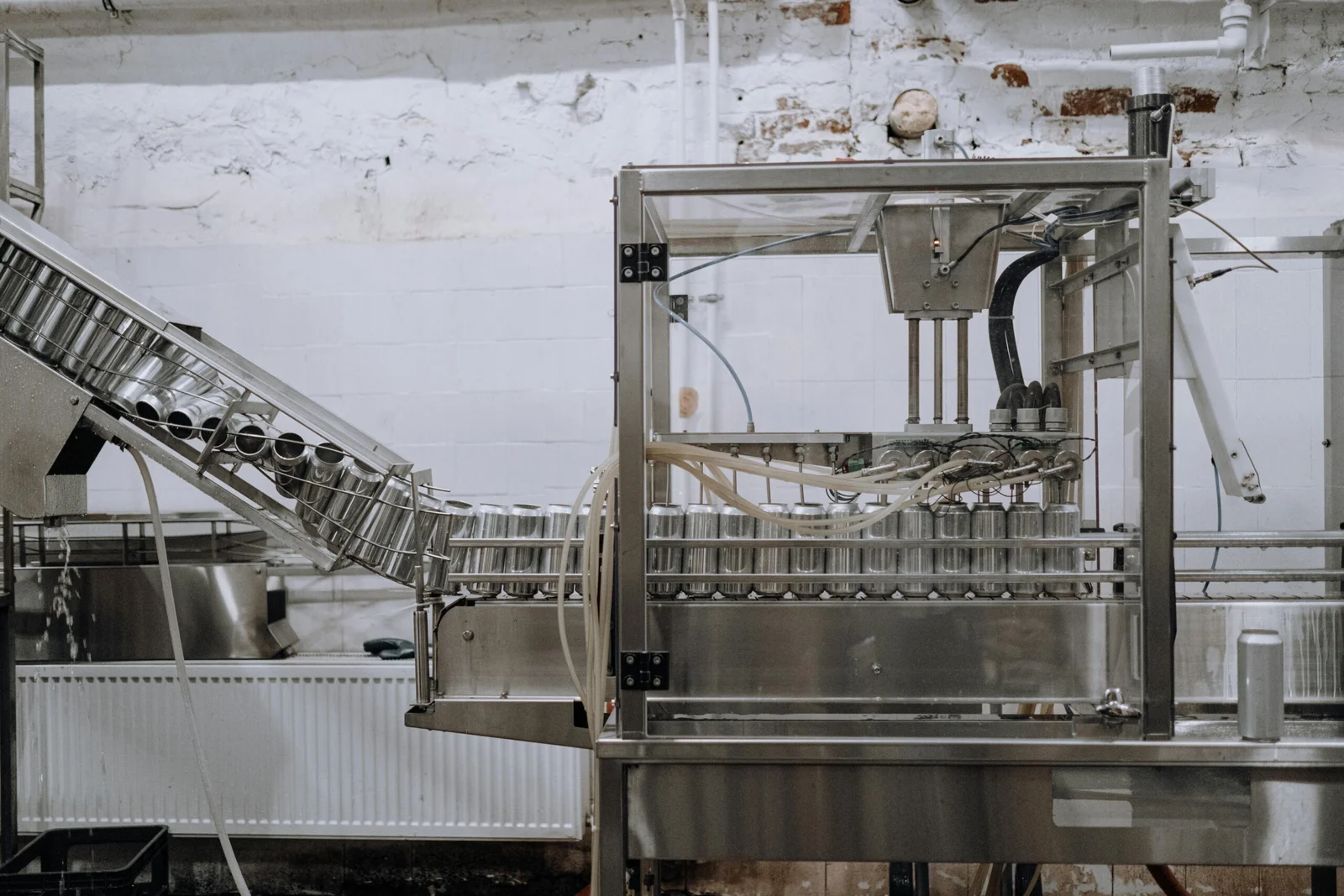
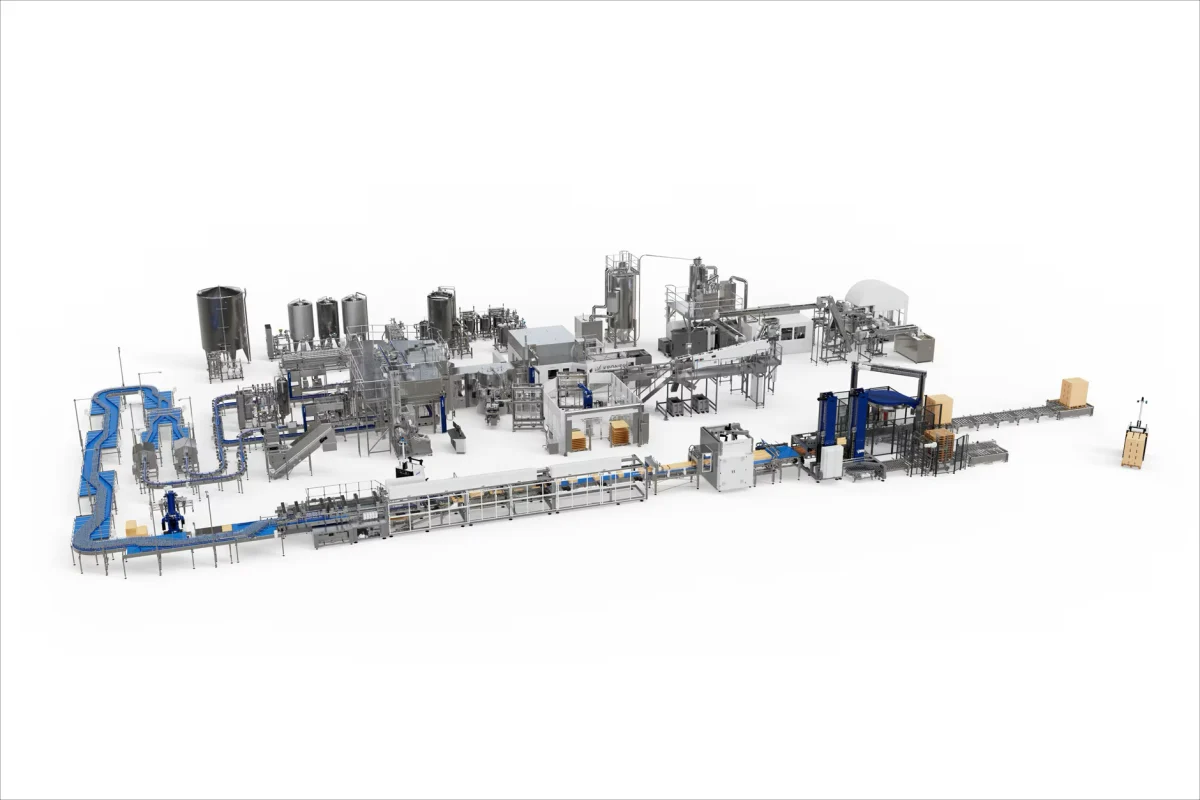
Automated packaging production line with filling, conveying and end-of-line equipment
43Total resources
16Buyer guides
14Manufacturers
2Equipment profiles

Last reviewed Jul 21, 2026

Topic master overview

Understanding Packaging Machinery

Packaging machinery includes equipment used to fill, form, seal, wrap, label, inspect, case-pack, and palletize products for distribution. This topic hub helps manufacturers, engineers, and procurement teams compare packaging machine types—including liquid filling, VFFS, HFFS, sealing, and end-of-line systems—and evaluate output, package format, changeover, hygiene, integration, service support, and total cost of ownership. Use the buying guides, manufacturer profiles, product examples, market analysis, and equipment updates below to plan a new packaging line, upgrade existing capacity, or shortlist suitable suppliers.

A packaging system is usually built around the product, package format, required output, and level of automation. Liquid products may require filling and capping equipment, while snacks, powders, frozen foods, and hardware often use vertical or horizontal form-fill-seal machines. Premade pouch machines, tray sealers, cartoners, case packers, palletizers, conveyors, checkweighers, and inspection equipment can then be combined into a complete line.

Buyers should compare more than maximum speed. Product characteristics, package dimensions, changeover time, sealing method, hygiene requirements, utilities, available floor space, operator skill, local service, spare parts, and integration with upstream and downstream equipment all influence the right choice. Total cost of ownership also includes installation, tooling, film or container compatibility, maintenance, downtime, and future capacity requirements.

Scope: Coverage includes equipment types, supplier research, line planning, operating requirements, and total cost of ownership.

Equipment taxonomy hub

Packaging Equipment Types & Selection Paths

Start with the equipment family that matches your product and package, then open the related technical selection guide.

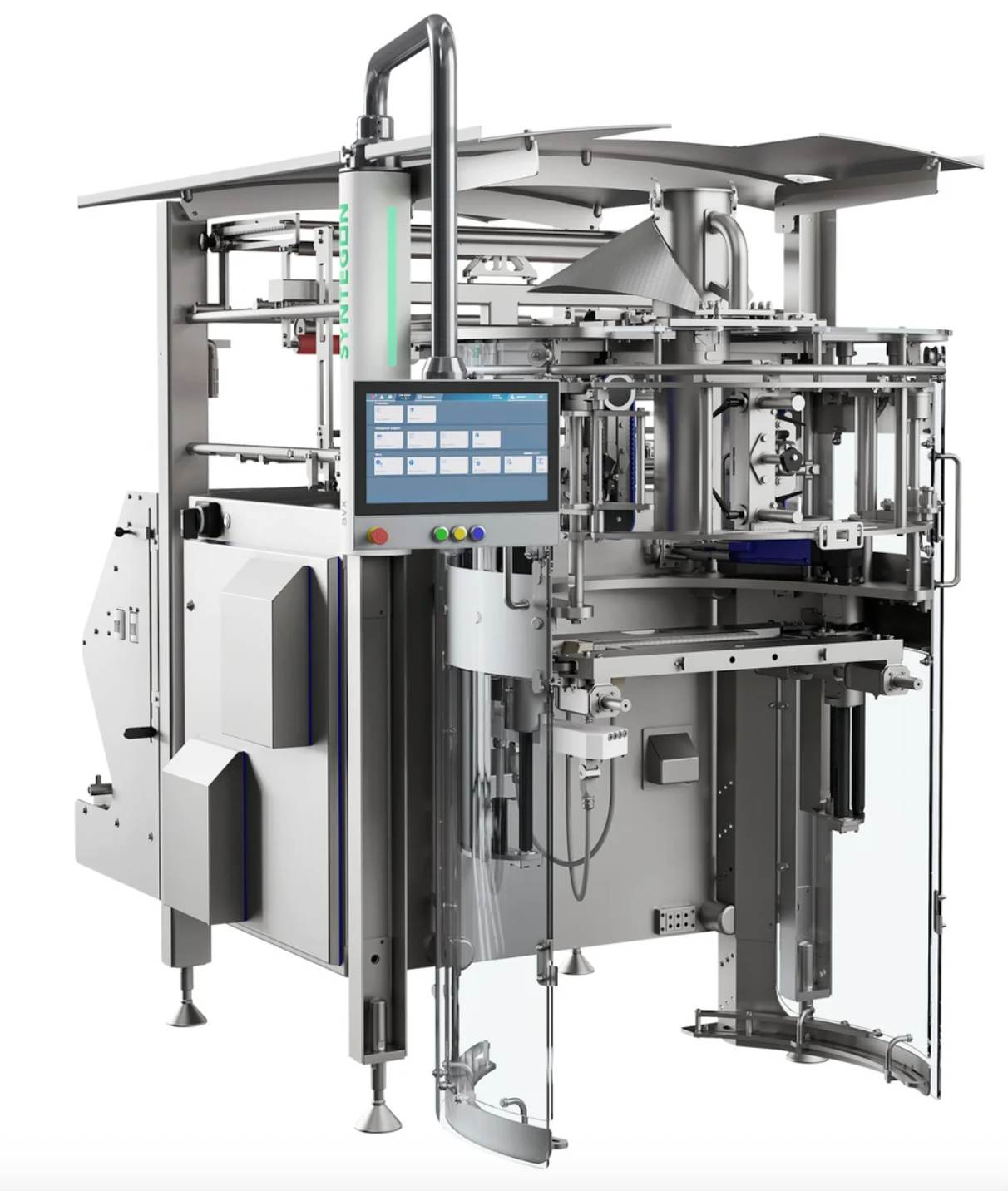
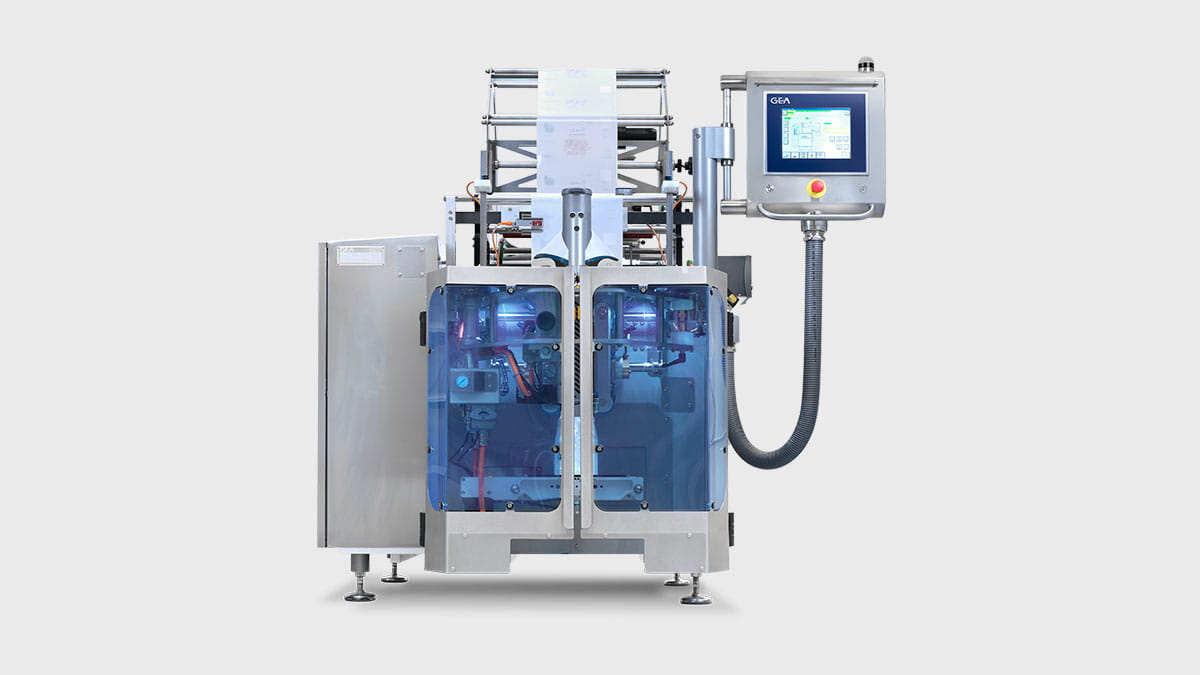
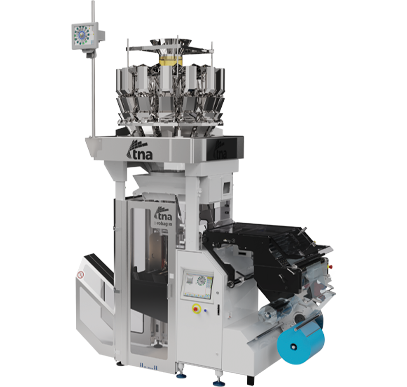
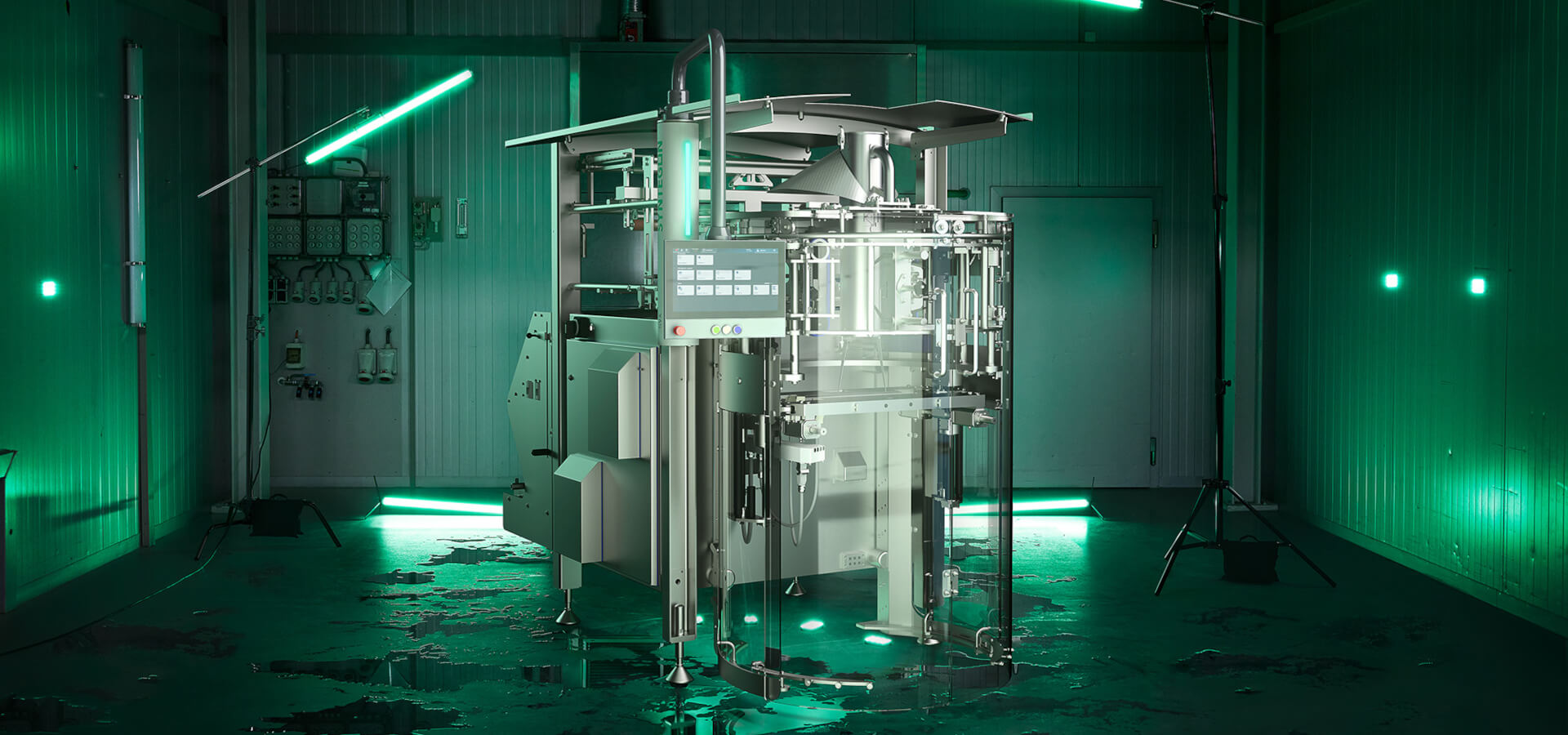
Vertical form-fill-seal packaging machine with film roll and forming tube

Form-Fill-Seal (FFS) Machines

Automated systems that form a package, fill it with product, and seal it in one continuous operation.

Best for
High-speed packaging of snacks, powders, liquids, and granular products.
Common formats
Pillow bags, gusseted bags, stick packs, sachets, flow wraps.
Explore this equipment category
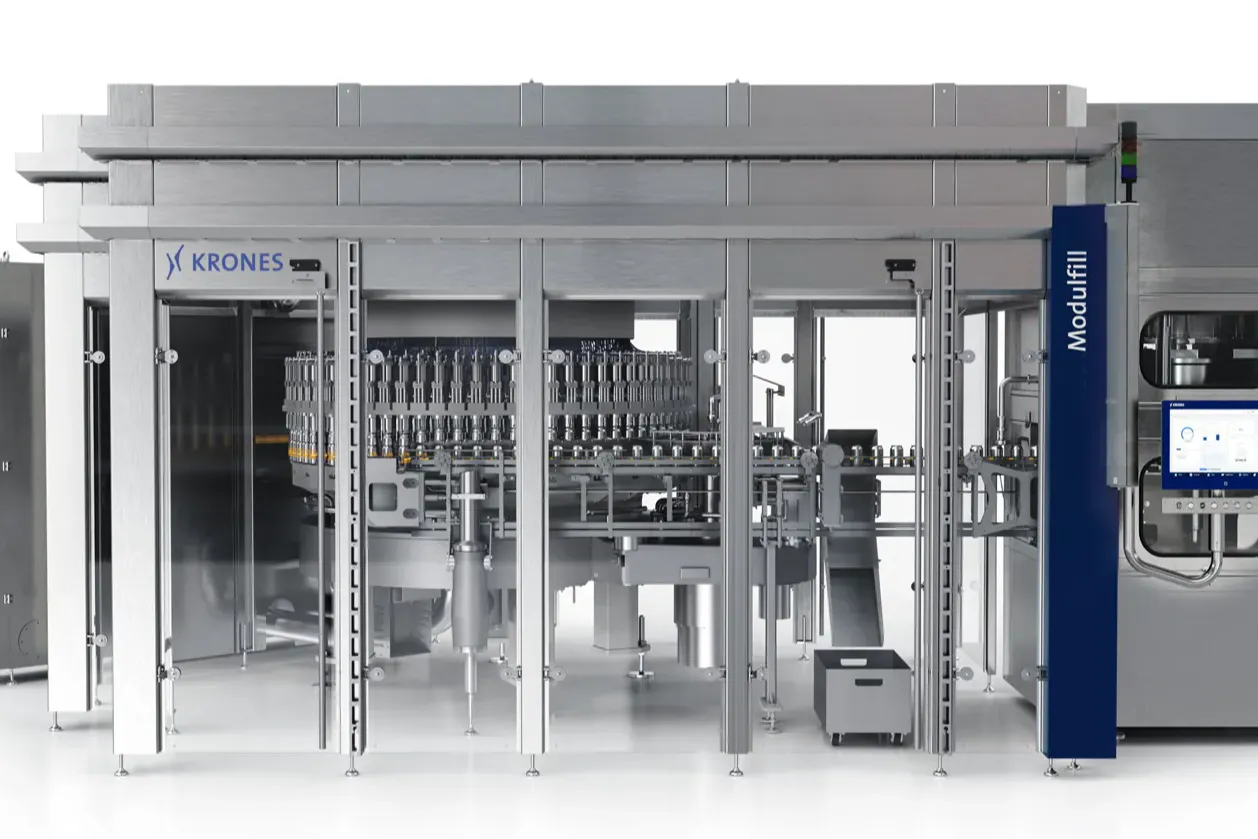
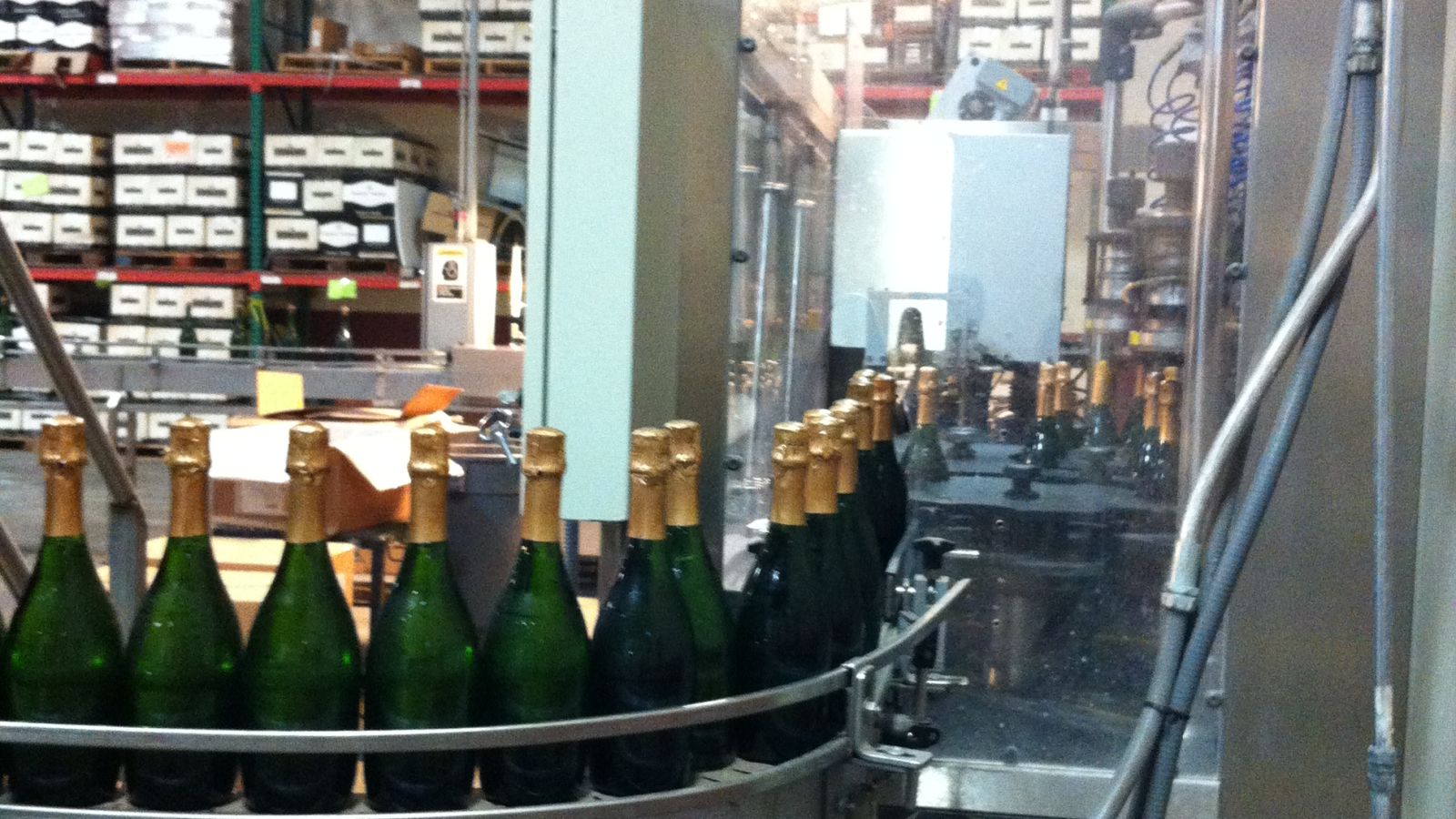
Krones Modulfill rotary filling machine for beverage bottles

Filling & Dosing Equipment

Precision machines designed to measure and dispense exact quantities of product into containers.

Best for
Beverages, sauces, cosmetics, pharmaceutical powders, and dry foods.
Common formats
Bottles, jars, vials, tubes, pre-made pouches.
Explore this equipment category
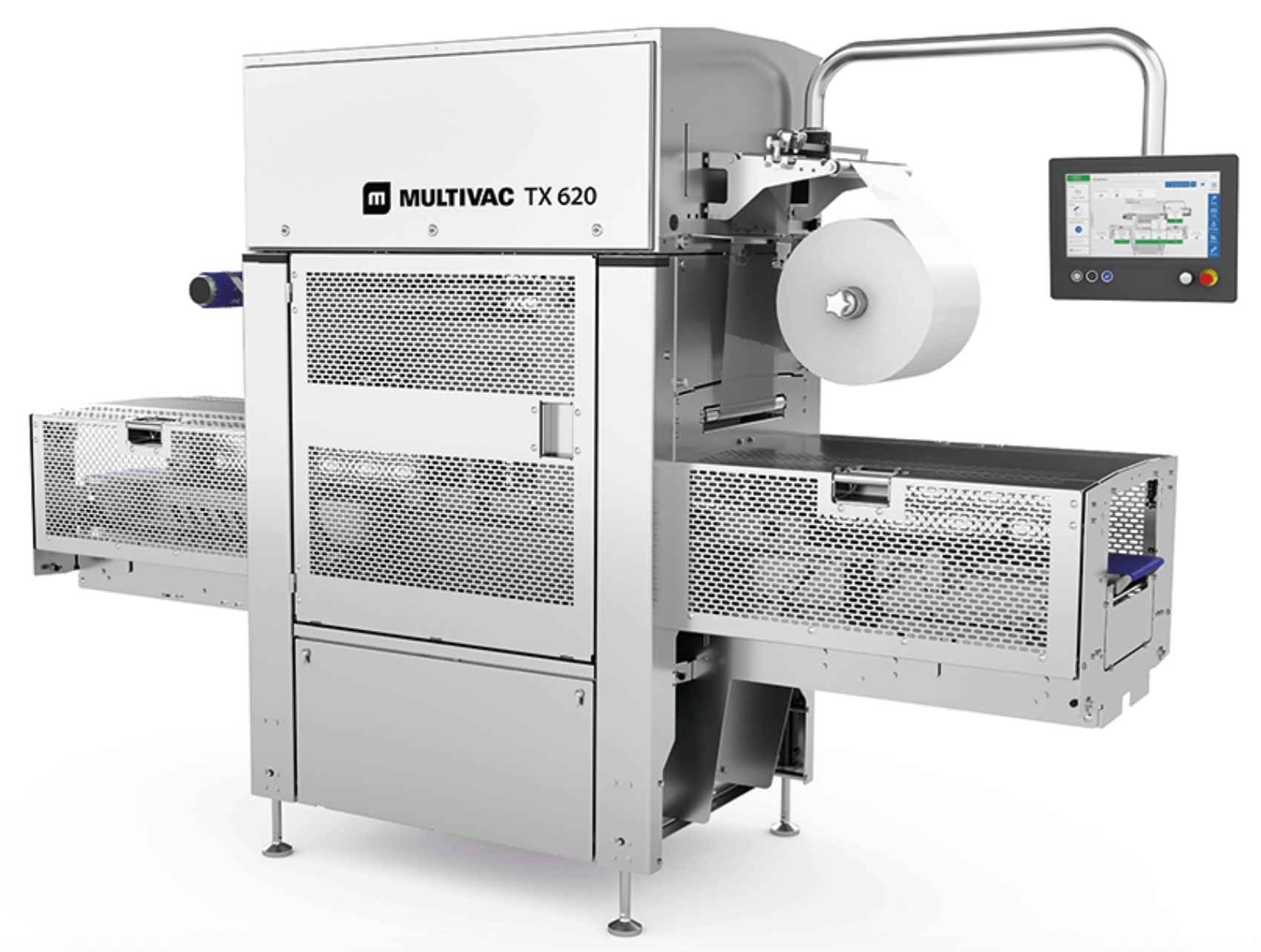
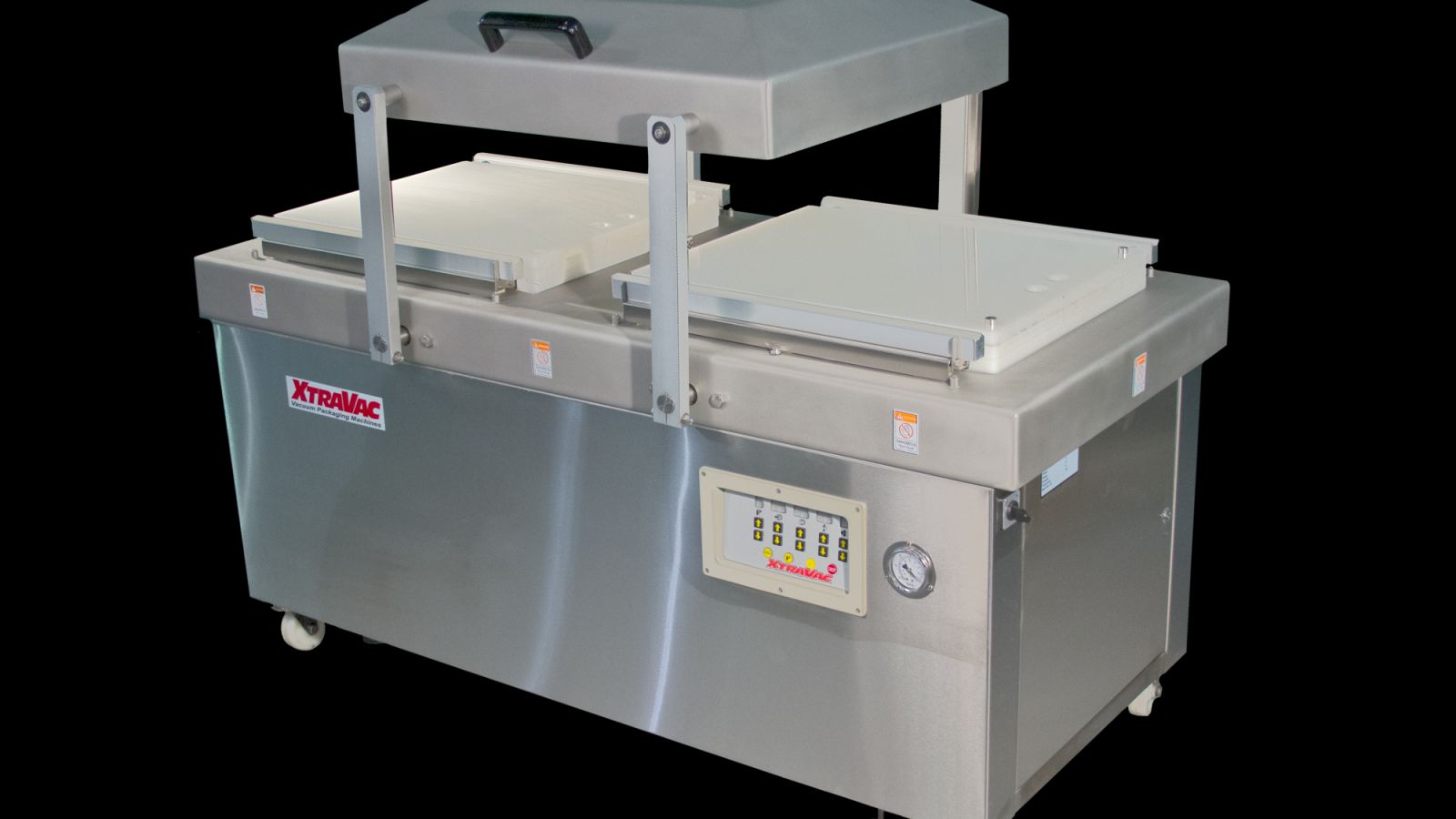
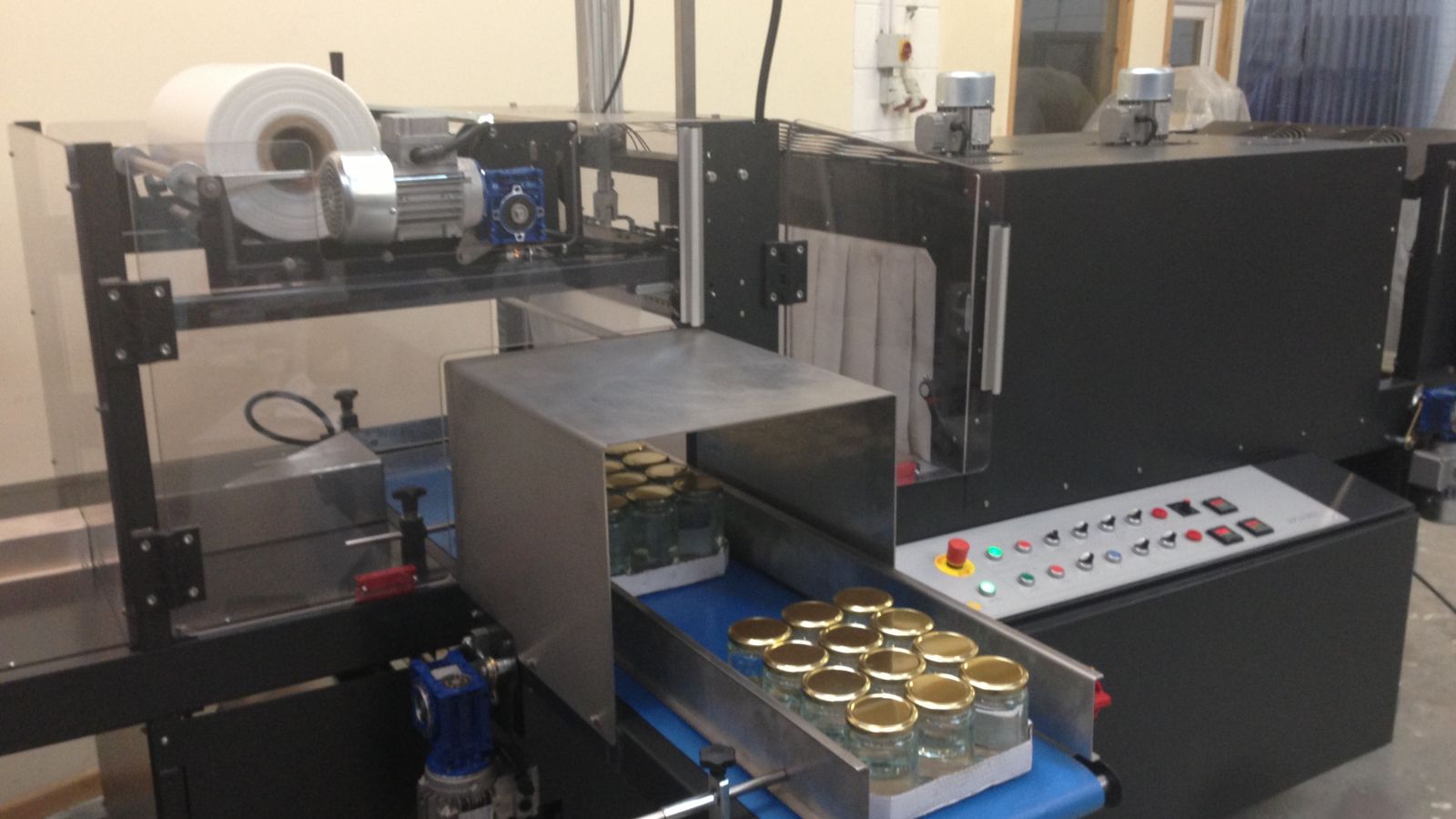
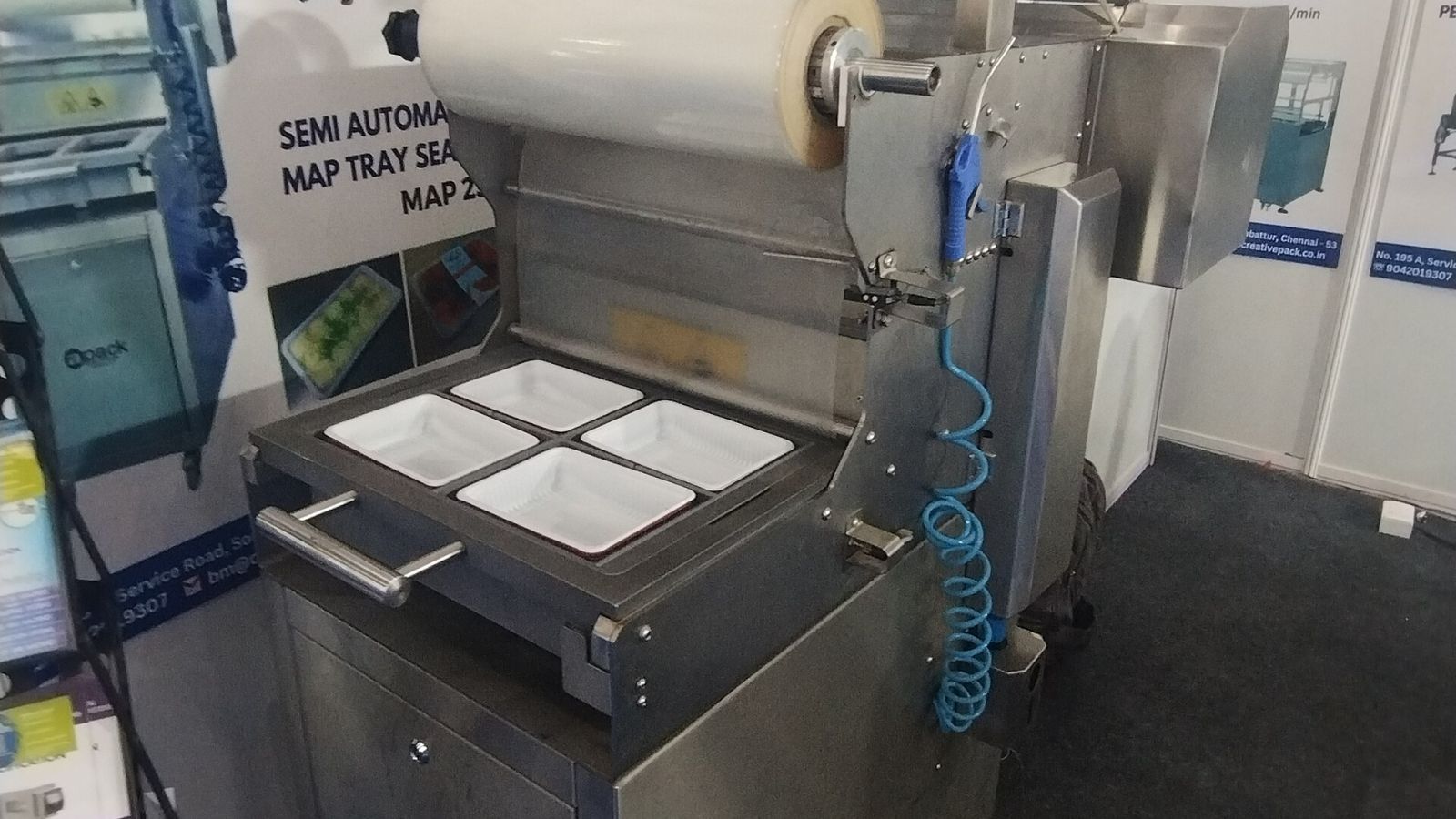
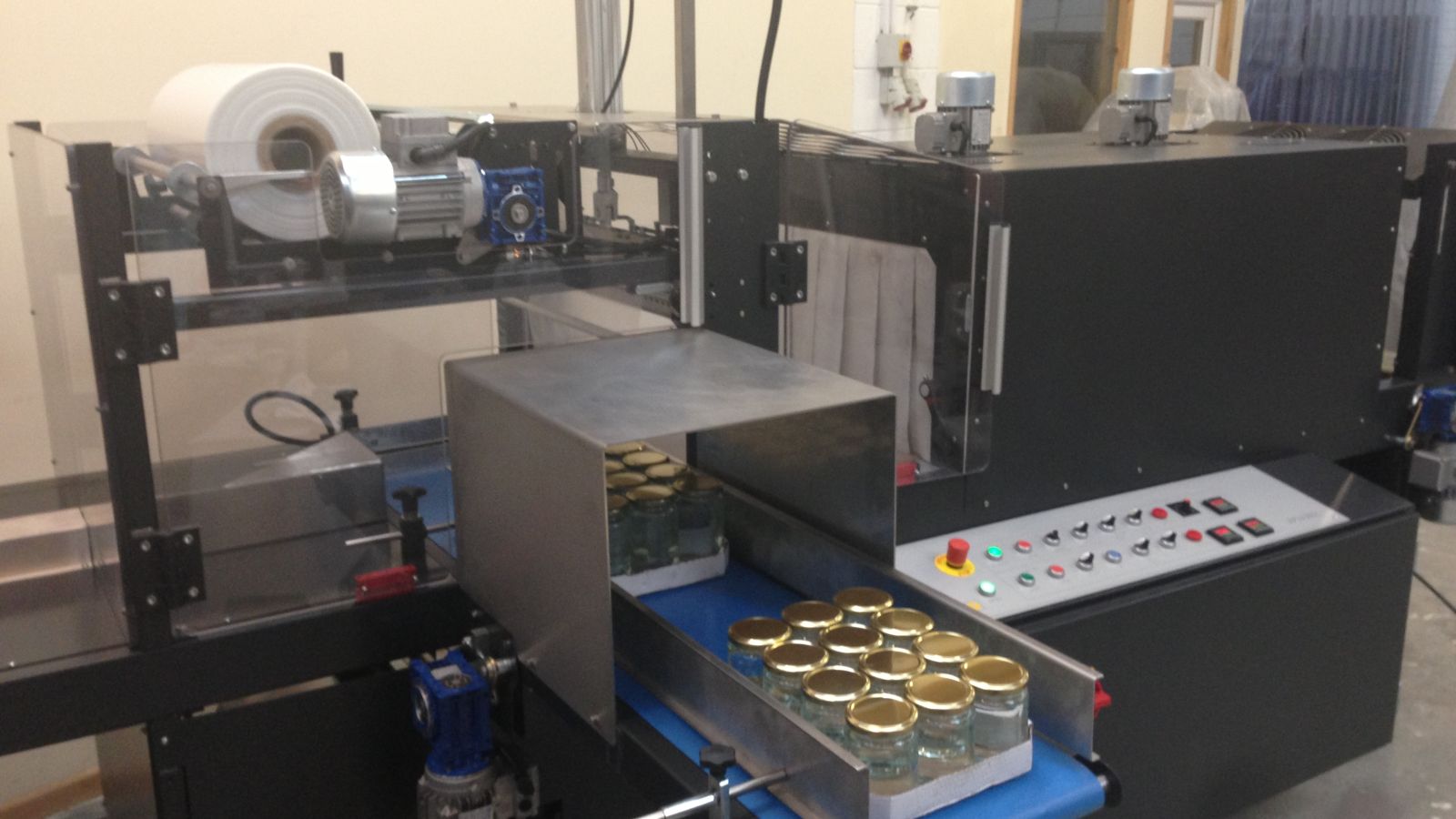
Industrial heat sealing machine securing packaging material

Sealing & Closing Machines

Equipment that securely closes packages to protect contents and ensure shelf life.

Best for
Fresh produce, meats, ready meals, beverages, and industrial parts.
Common formats
Trays, cups, bottles, vacuum bags, blister packs.
Explore this equipment category
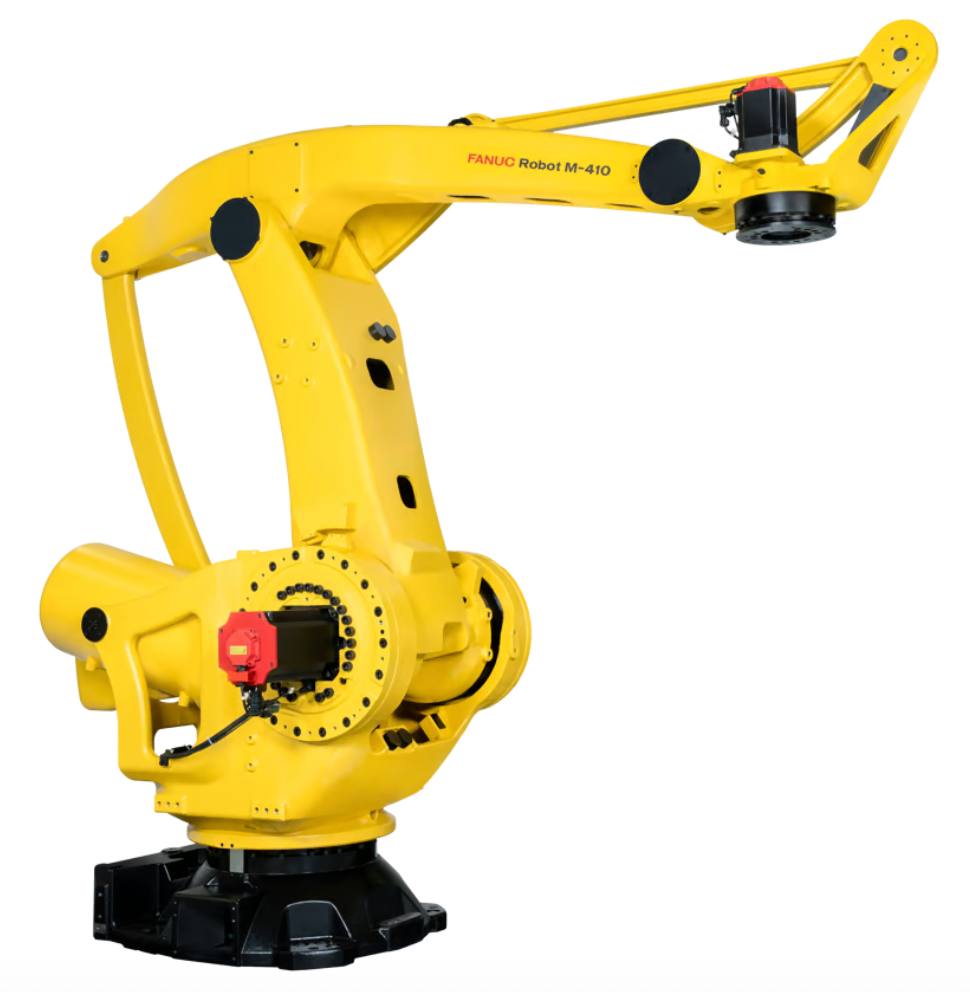
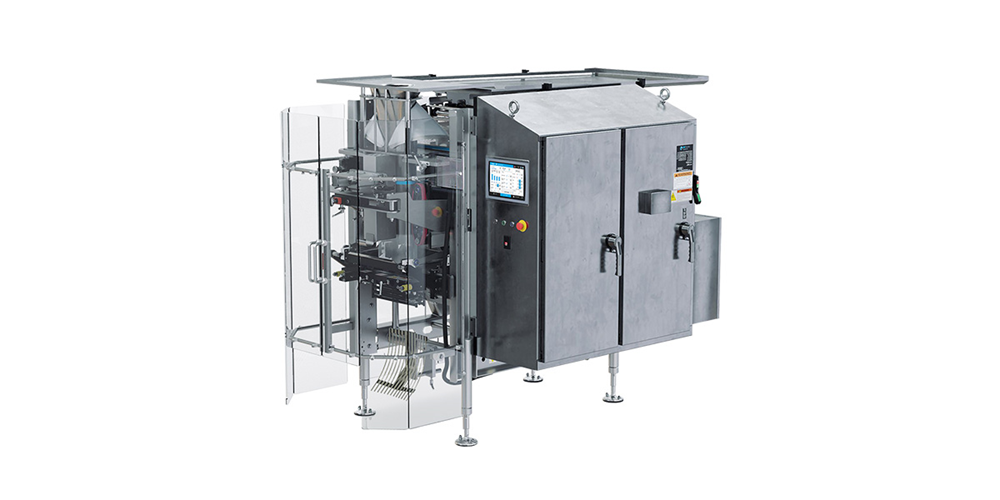
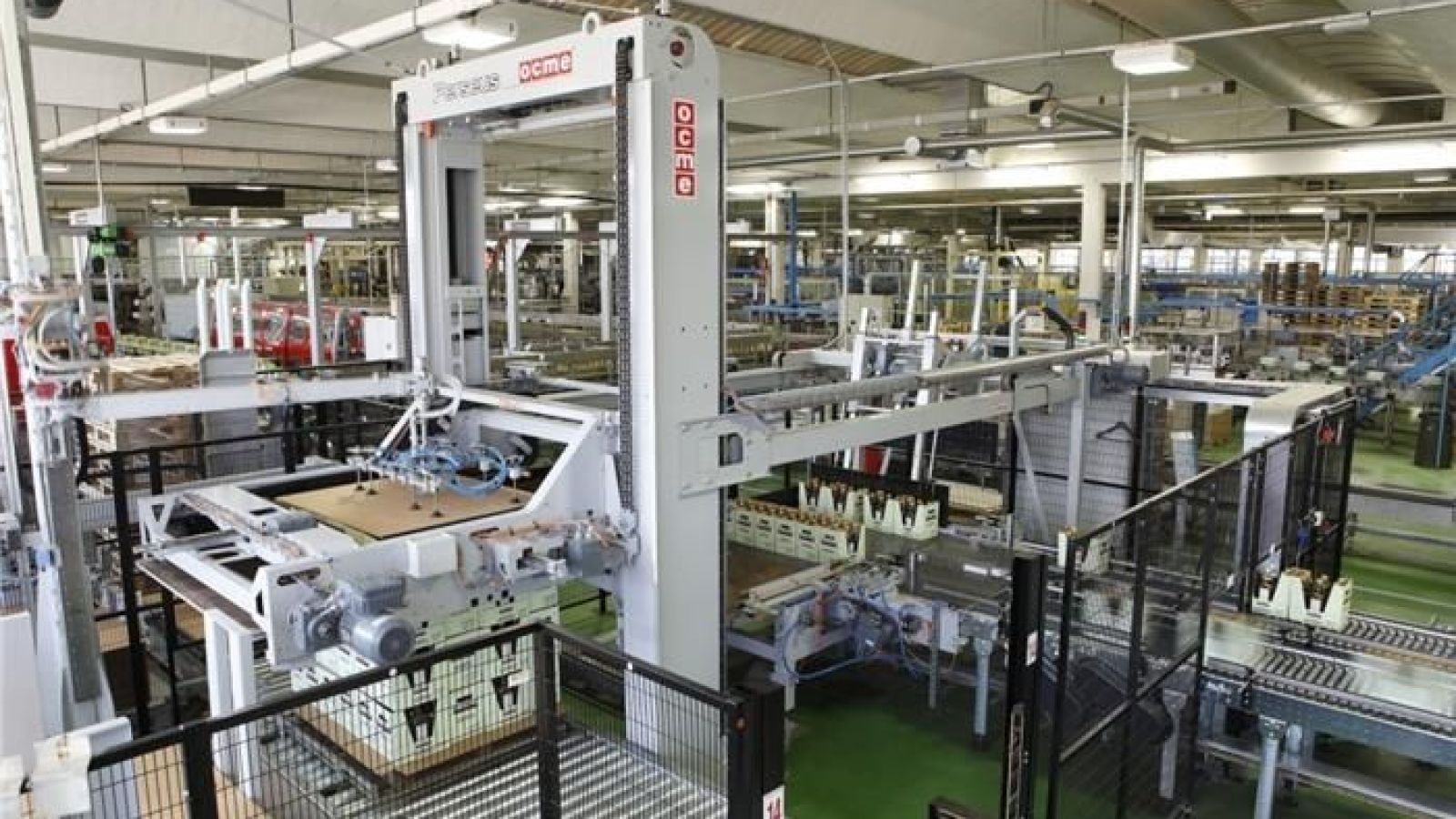
End-of-line packaging system with case conveying and palletizing

End-of-Line Packaging

Machines that group, pack, and palletize primary packages for distribution and retail display.

Best for
Preparing bulk quantities for shipping and warehousing.
Common formats
Cartons, corrugated cases, shrink-wrapped bundles, pallets.
Explore this equipment category
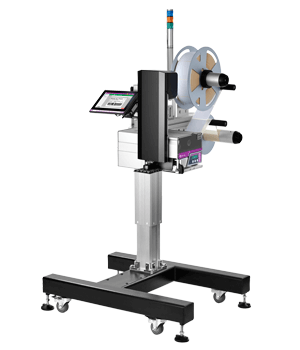
Markem-Imaje 2200 print-and-apply labeler applying a printed label

Labeling & Coding

Systems for applying labels and printing crucial traceability data directly onto packaging.

Best for
Compliance, branding, lot tracking, and expiration dating.
Common formats
Wraparound labels, top/bottom labels, ink jet codes, laser marks.
Explore labeling & coding
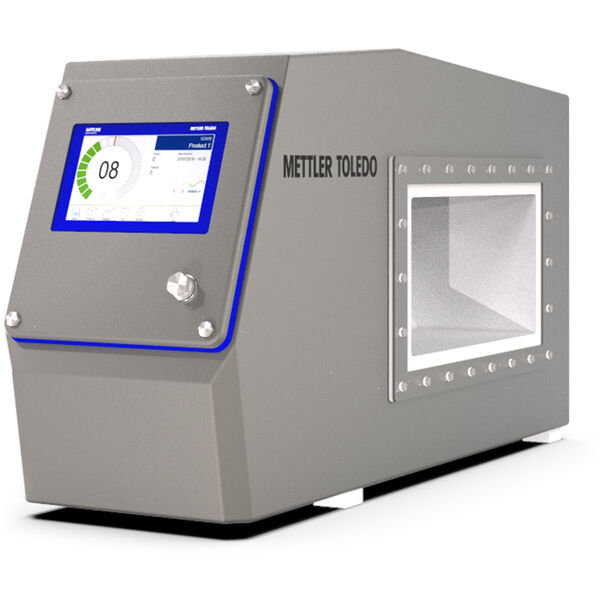
Metal detector conveyor inspecting packaged products on a production line

Inspection Systems

Quality control machines that detect contaminants, verify weights, and check seal integrity.

Best for
Food safety compliance, pharmaceutical regulations, and brand protection.
Common formats
Metal detection, X-ray imaging, checkweighing, vision systems.
Explore inspection systems
Compare equipment side by sideProducts, pack formats, advantages, limitations, and related guides
Equipment type Best for Pack formats Key advantages Main limitations Related guide
01 Liquid Filling Machines Free-flowing liquids, viscous products, creams, sauces, and products with small particulates. Bottles, jars, cans, tubes, and rigid containers. High dosing accuracy, broad filling-method choice, and straightforward line integration. Performance depends on viscosity, foaming, particles, temperature, and cleaning requirements. View filling guide
02 Sealing Machines Food, medical, industrial, and consumer products that need a reliable package closure. Bags, pouches, trays, cups, cartons, bottles, and containers with films or lids. Flexible sealing technologies, compact options, and strong package-integrity control. Seal quality is sensitive to material, contamination, temperature, pressure, and dwell time. View sealing guide
03 VFFS Machines Powders, granules, snacks, frozen foods, coffee, hardware, and other free-flowing products. Pillow bags, gusseted bags, block-bottom bags, sachets, and stick packs. High speed, compact footprint, efficient rollstock use, and wide dosing-system compatibility. Less suitable for some fragile, irregular, sticky, or difficult-to-drop products. Compare VFFS and HFFS
04 HFFS / Flow Wrappers Bakery items, bars, produce, medical devices, household goods, and discrete solid products. Pillow packs, fin-seal packs, flow wraps, and supported or tray-based packs. Gentle horizontal product handling, continuous operation, and clear product presentation. Usually requires more floor space and stable product spacing and orientation. Compare VFFS and HFFS
05 Cartoners & Case Packers Products requiring secondary packaging, retail cartons, grouped packs, or shipping cases. Folding cartons, trays, wraparound cases, regular slotted cases, and multipacks. Improves product protection, retail presentation, case consistency, and downstream handling. Format tooling, carton quality, changeover range, and product collation add complexity. Explore machine types
06 End-of-Line Systems Complete lines that need conveying, inspection, case handling, palletizing, and load stabilization. Cases, trays, bundles, pallets, and mixed downstream transport units. Reduces manual handling, improves throughput consistency, and connects the complete line. Integration, controls, safety, footprint, and upstream bottlenecks require system-level planning. View end-of-line guide

Use this table for initial screening only. Final selection should be validated with your actual product, packaging material, target output, and line conditions.

Commercial research directory

Suppliers & Featured Equipment

Move directly from equipment taxonomy into representative product specifications and manually ordered manufacturer profiles.

Procurement center

Buyer’s Guide & Procurement Center

Define the project, build a complete budget, and use task-based guides to move from initial research to a comparable RFQ.

Selection overview

6 decisions before requesting a quotation

  1. 1Analyze Your Product
  2. 2Define the Pack Format
  3. 3Set the Target Output
  4. 4Choose the Automation Level
  5. 5Check Space & Interfaces
  6. 6Compare Suppliers & TCO
Use the detailed machine-selection workflow
Budget overview

8 factors in total project cost

  • Base equipment
  • Tooling & change parts
  • Conveying & integration
  • Installation & commissioning
  • Freight, duties & taxes
  • Training
  • Spare parts
  • Maintenance & downtime
Build a complete packaging machinery budget

Guide Library

Filter the remaining guides by the task you need to complete.

Showing all 15 guides.

Industry evidence & updates

Industry Insights & Market Data

Use sourced market context for strategic planning, then follow time-sensitive equipment and company updates separately from evergreen guides.

2024 base yearUSD 6.145B

Estimated global end-of-line packaging market size.

2035 forecastUSD 9.675B

Forecast market value, not a current-year figure.

2025–20354.21% CAGR

Estimated compound annual growth rate over the forecast window.

Growth equipment

Case packing, palletizing, stretch wrapping, labeling, conveying, and sortation.

Automation trend

Flexible robotics, connected performance monitoring, containment engineering, and modular controls.

Key applications

Food and beverage, pharma and healthcare, consumer goods, industrial products, and logistics.

Latest equipment updates

Long-tail technical reference

Technical Wiki & FAQ

Clarify machinery terminology with reviewed references and concise answers to common packaging-equipment questions.

Technical Wiki

Frequently asked questions

What is packaging machinery?

Packaging machinery is the equipment used to fill, form, seal, wrap, label, inspect, case-pack, palletize, and otherwise prepare products for storage, sale, or distribution. A packaging line may combine several machines with conveyors, controls, inspection, and material-handling systems.

What are the main types of packaging machines?

Major categories include filling and dosing machines, sealing machines, VFFS and HFFS systems, premade-pouch machines, cartoners, case packers, labeling and coding equipment, inspection systems, palletizers, and other end-of-line equipment.

How do I choose a packaging machine?

Start with the product, package format, target output, changeover range, hygiene requirements, automation level, available space, utilities, and line interfaces. Then compare suppliers using the same application brief, test materials, acceptance criteria, service requirements, and total-cost model.

How much does a packaging machine cost?

Cost depends on machine type, speed, dosing or handling complexity, format range, controls, guarding, integration, and validation requirements. A complete budget should also include tooling, conveyors, freight, installation, training, spares, maintenance, and expected downtime.

What is the difference between VFFS and HFFS?

VFFS forms packages around product moving vertically and is often compact and fast for powders, granules, snacks, and similar products. HFFS moves discrete products horizontally and is often better for bakery items, bars, produce, and products that need gentler or controlled orientation.

What information should I include in an equipment RFQ?

Include product properties, samples, package drawings, materials, SKU range, target and sustained output, changeover expectations, utilities, environment, cleaning rules, layout, interfaces, safety standards, documentation, training, spare-parts expectations, and FAT/SAT acceptance tests.

How do I compare packaging machinery manufacturers?

Compare verified application performance, reference installations, engineering depth, test capability, changeover results, documentation, local service, spare-parts lead times, controls standards, warranty, training, project execution, and lifecycle cost—not only quoted speed and purchase price.

What affects packaging line speed?

Real line speed is affected by product flow, dosing accuracy, package material, seal time, product spacing, changeovers, rejects, accumulation, downstream bottlenecks, operator response, maintenance condition, and the slowest sustained station—not simply the highest nameplate speed.

E-E-A-T transparency

Editorial Trust & Methodology

Understand how resources, manufacturers, market figures, and technical guidance are selected and reviewed.

Editorial review

Global Machinery Hub Editorial Team

Editorial review covering topic relevance, source attribution, internal links, and the separation of evergreen guidance from time-sensitive market updates.

Last reviewed Jul 21, 2026
01

Selection standard

Resources are chosen for relevance, practical usefulness, technical depth, and a clear role in the buyer journey.

02

Manufacturer policy

Directory inclusion and manual order are editorial decisions. Companies do not pay for placement or position.

03

Data verification

Market claims retain source context, base year, forecast window, and links to the supporting analysis.

04

Review cycle

This Topic is reviewed at least every 12 months and earlier when sources, links, or market conditions materially change.