Last updated: July 17, 2026. The cheapest maintenance task is the one that happens before the breakdown. This checklist turns that principle into a working schedule: what to inspect at each frequency, what to record, which spares to stock and when to escalate. Follow the machine manufacturer’s manuals, site safety rules and lockout/tagout procedures for the specific equipment in use — this page organizes the program around them.
For the broader equipment and procurement path, visit the Packaging Machinery topic.
Build the baseline before production starts
- Collect the operating manual, drawings, parts list, lubrication schedule, safety documentation and commissioning records; store current versions where operators can reach them.
- Record normal output, reject rate, quality-check results, air use, temperature and pressure settings, and changeover time.
- Without this baseline, gradual deterioration stays invisible until it becomes downtime.
Maintenance checklist by frequency
| Frequency | Typical checks | Record or escalation trigger |
|---|---|---|
| Each shift | Guarding, abnormal noise/vibration, leaks, product buildup, sensors, pack quality, reject function and housekeeping | Stop or escalate for safety defects, repeated rejects, damaged guards or abnormal movement |
| Daily | Clean product-contact and accessible areas, inspect belts/chains, check air and electrical connections, review alarms | Log recurring alarms, cleaning findings and parts nearing replacement |
| Weekly | Inspect wear parts, verify fasteners, check lubrication points and examine conveyors or guides | Schedule replacement before wear affects quality or safety |
| Monthly | Review performance trend, safety devices, calibration checks, spare-parts stock and maintenance backlog | Update corrective actions and planned shutdown work |
| Planned shutdown | Detailed inspection, replacement of critical wear items, electrical/pneumatic checks, software backup | Document completed work and compare restart performance to baseline |
Subsystem quick checks
Conveying and product handling: belt tracking, loose components, jam points, sensor alignment, wear that damages packs.
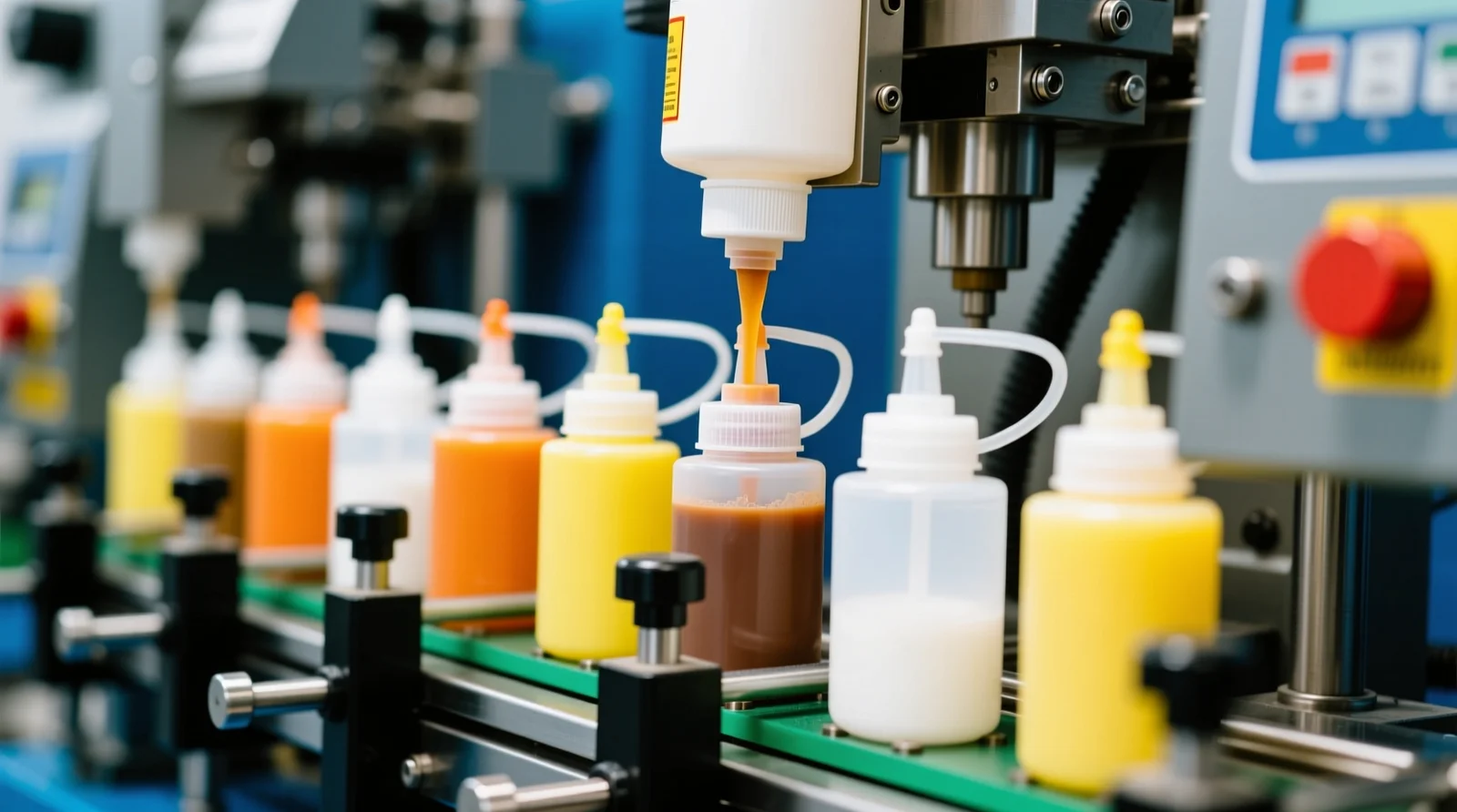
Filling and dosing: product-contact seals, hoses, pumps, valves and dosing feedback — residue and drift affect fill accuracy before they trigger any alarm, so use the defined verification method rather than a visual pass.
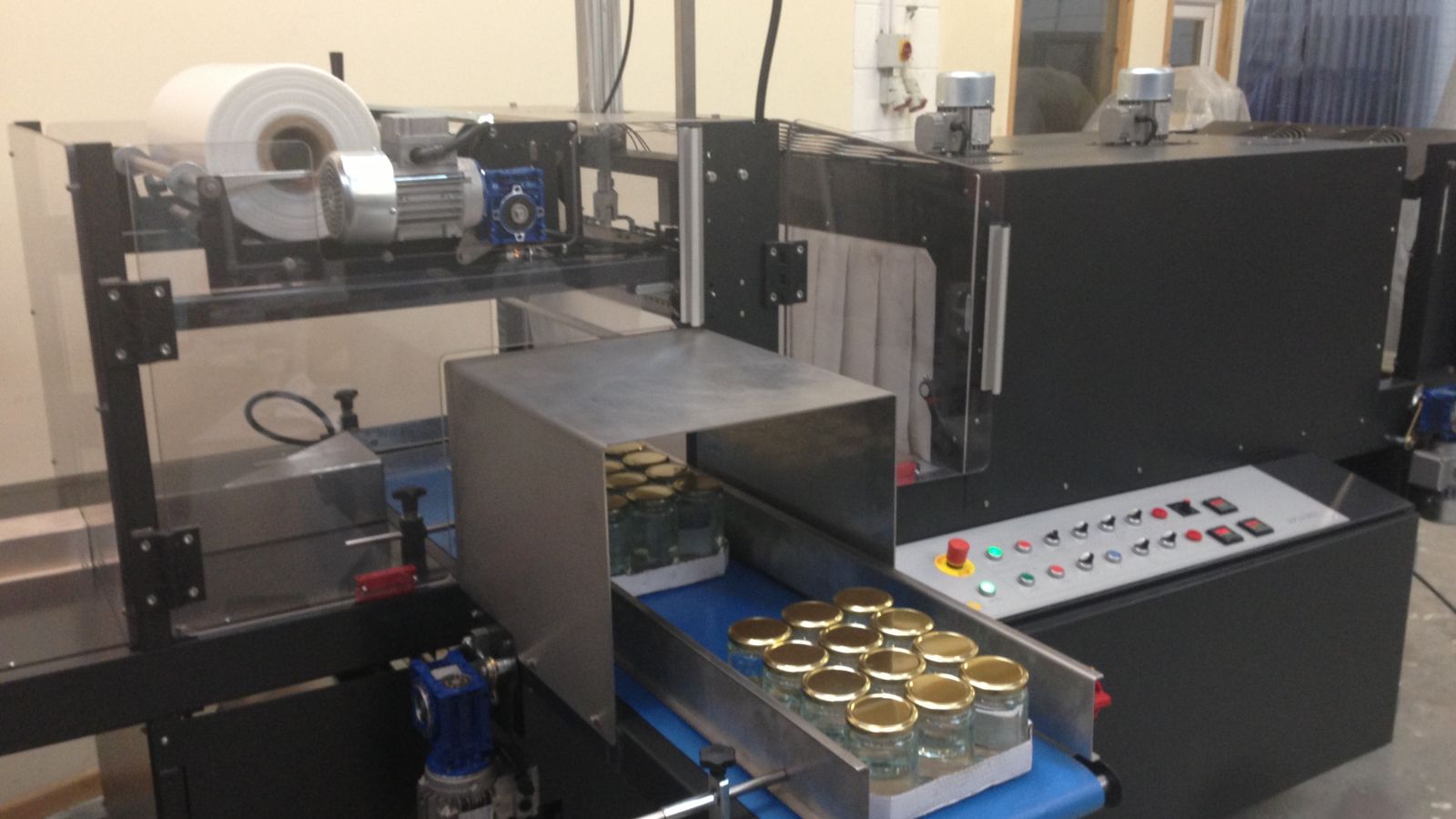
Sealing, cutting and forming: heating elements, sealing surfaces, PTFE belts, knives, film path, temperature and pressure settings. Track seal defects by type and SKU; a defect that follows the SKU points at material or settings, one that stays with the machine points at wear.
Cartoning, case packing and palletizing: vacuum and grippers, forming components, safety devices, case and pallet pattern conformity, safe reject handling.
Critical spare-parts strategy
Stock by failure impact rather than by catalogue. The list belongs with the machine serial number and current configuration, and it earns its keep on four part types: routine wear items and consumables; long-lead or single-source components; parts whose failure stops the line or creates a safety risk; and approved alternates with the sign-off required before substitution.
Make the data prevent the next failure
Log fault code, machine state, SKU, pack material, operator observation, corrective action, replaced parts and restart result. Review recurring failures weekly with one goal: remove the underlying condition instead of resetting the alarm again. Escalate to the supplier when a safety device fails, defects repeat after normal adjustment, a setting drifts without explanation, or the repair falls outside the approved site procedure — and send the serial number, alarm history, photos and recent changes with the request.
Related equipment and operating guidance
Hayssen VFFS Packaging Machine is linked as a product card for teams running vertical form-fill-seal equipment. Types of Packaging Machines identifies the relevant subsystem. The Packaging Machine Buying Guide shows how to put maintenance, spares and support into the purchase contract, and What Is an End-of-Line Packaging System? gives the downstream context.
Frequently asked questions
Should operators perform maintenance?
Yes, within a defined scope: inspection, cleaning and basic checks they are trained and authorized for. Isolation work, technical repairs and anything outside approved procedures stays with maintenance or specialist teams.
How often should packaging equipment be serviced?
Start from the manufacturer’s schedule, then let your own operating hours, product conditions and performance data adjust it. A calendar interval that ignores the real duty cycle services some machines too often and others far too late.