- 01What is woodworking machinery?
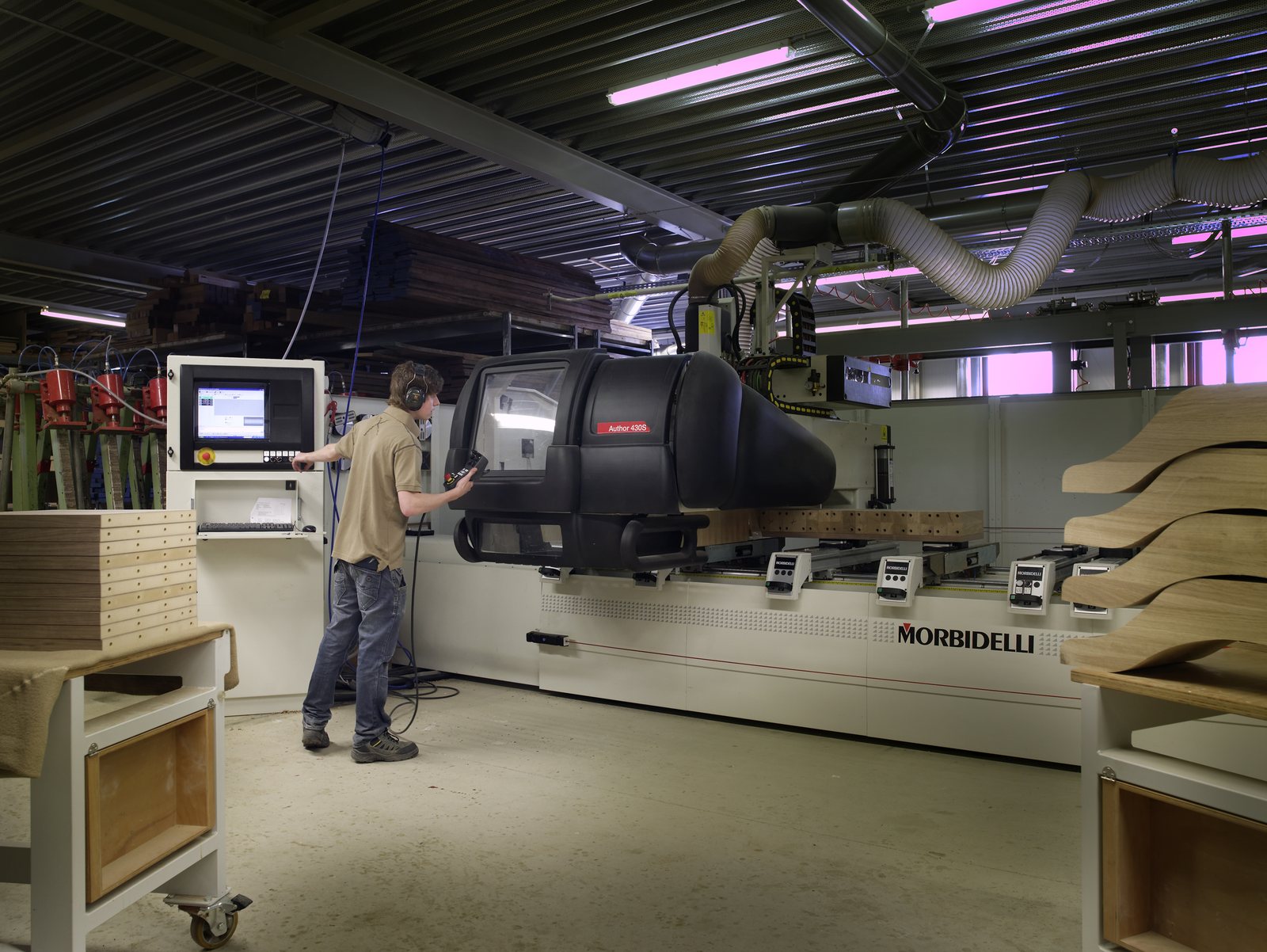
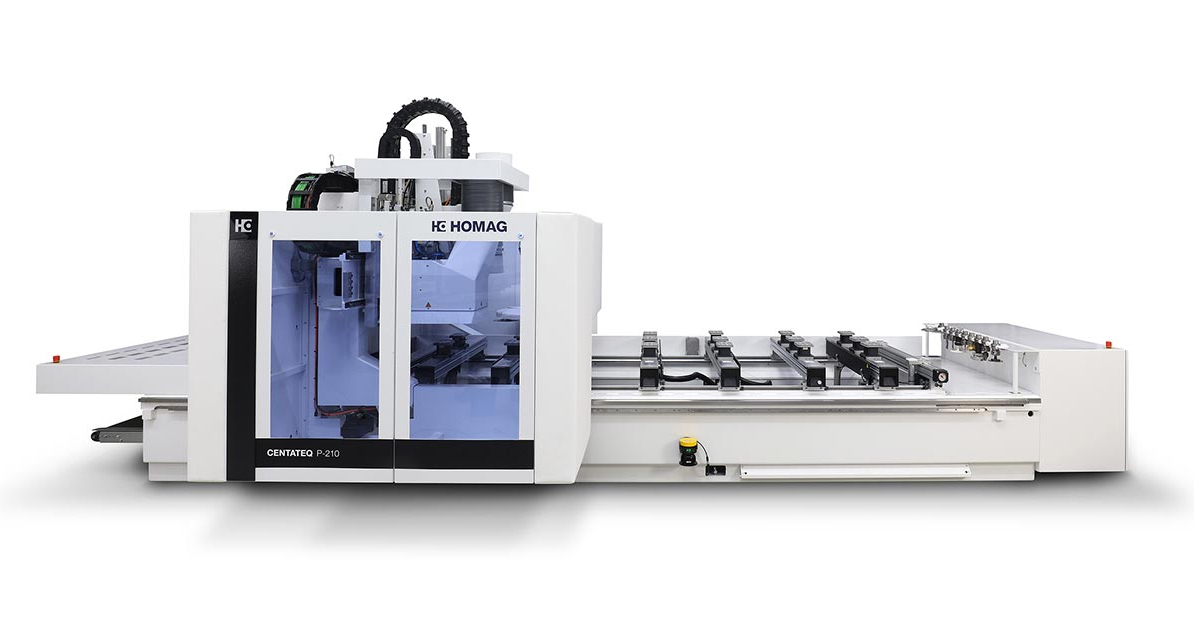
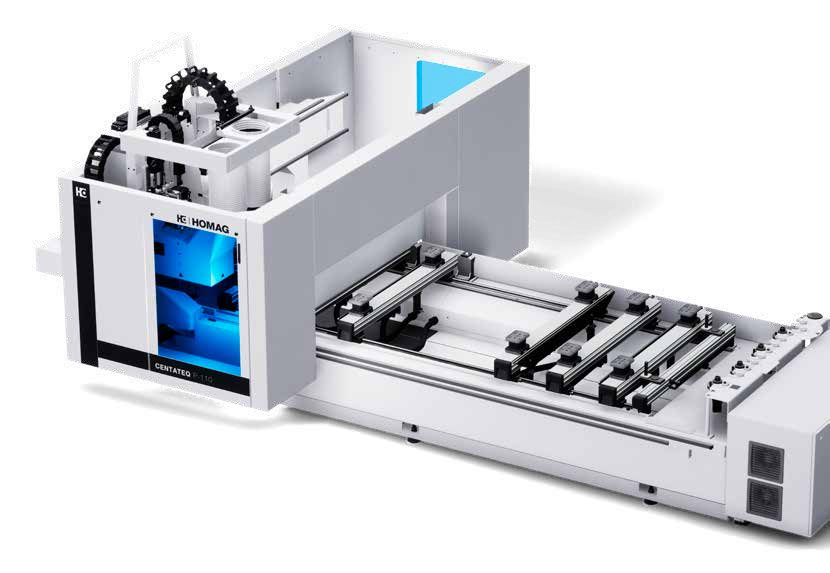
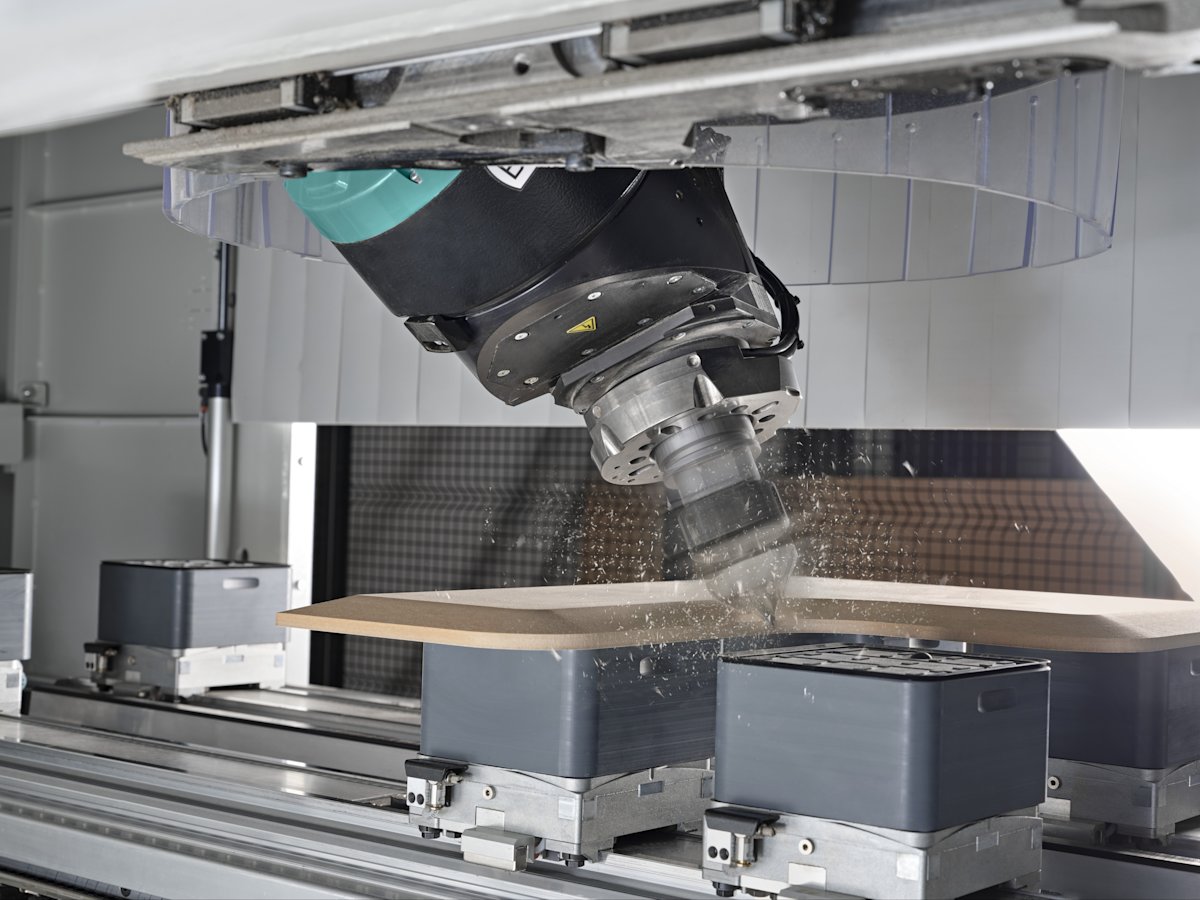
- Woodworking machinery covers industrial and workshop machines used to cut, shape, drill, rout, edgeband, sand and assemble solid wood and engineered wood panels (MDF, particleboard, plywood). Core families include CNC routers and machining centers, automatic edgebanders, sliding table saws and computer beam saws, four-side moulders, planers, and wide-belt sanders.
- 02What is the difference between panel processing and solid-wood machinery?
- Panel processing machinery is designed for sheet goods (melamine-faced particleboard, MDF, plywood) used in cabinetry and flat-pack furniture; a typical line combines a CNC nesting router or beam saw, an automatic edgebander, and a six-sided CNC drilling machine. Solid-wood machinery processes timber boards and blanks using rip saws, four-side moulders, tenoners, planers and 5-axis joinery centers.
- 03How much does industrial woodworking machinery cost?
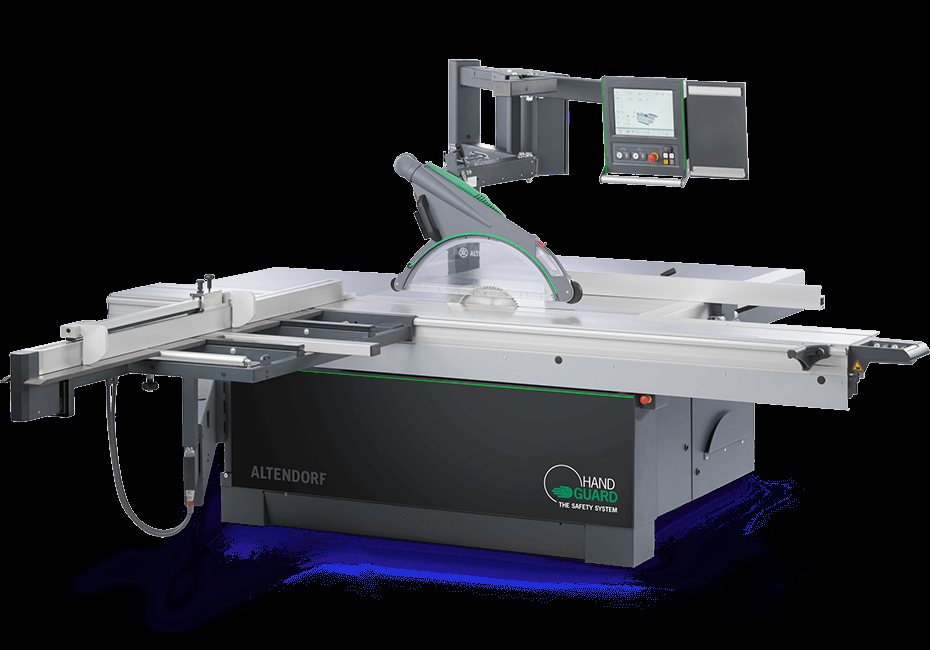
- Entry industrial sliding table saws typically cost $4,500–$15,000 FOB, while European precision saws (such as Altendorf F 45 configurations) run $20,000–$38,000+. Automatic edgebanders range from $9,000–$35,000 for standard EVA/PUR models up to $60,000–$180,000 for high-speed industrial return-conveyor lines. 3-axis CNC nesting cells run $12,000–$65,000 from Chinese exporters and $65,000–$160,000+ from European manufacturers, while 5-axis CNC machining centers range from $85,000 to $350,000+.
- 04Should I choose a CNC nesting router or a beam saw for panel furniture?
- Choose a CNC nesting router when you produce custom cabinetry, shaped parts, or batch-size-one orders where cutting, vertical routing and face drilling in one clamping reduces handling. Choose a computer beam saw when you cut rectangular panels in stacks at high volume, or pair a beam saw for straight cuts with a nesting cell for shaped parts.
- 05What is the difference between EVA and PUR edgebanding?
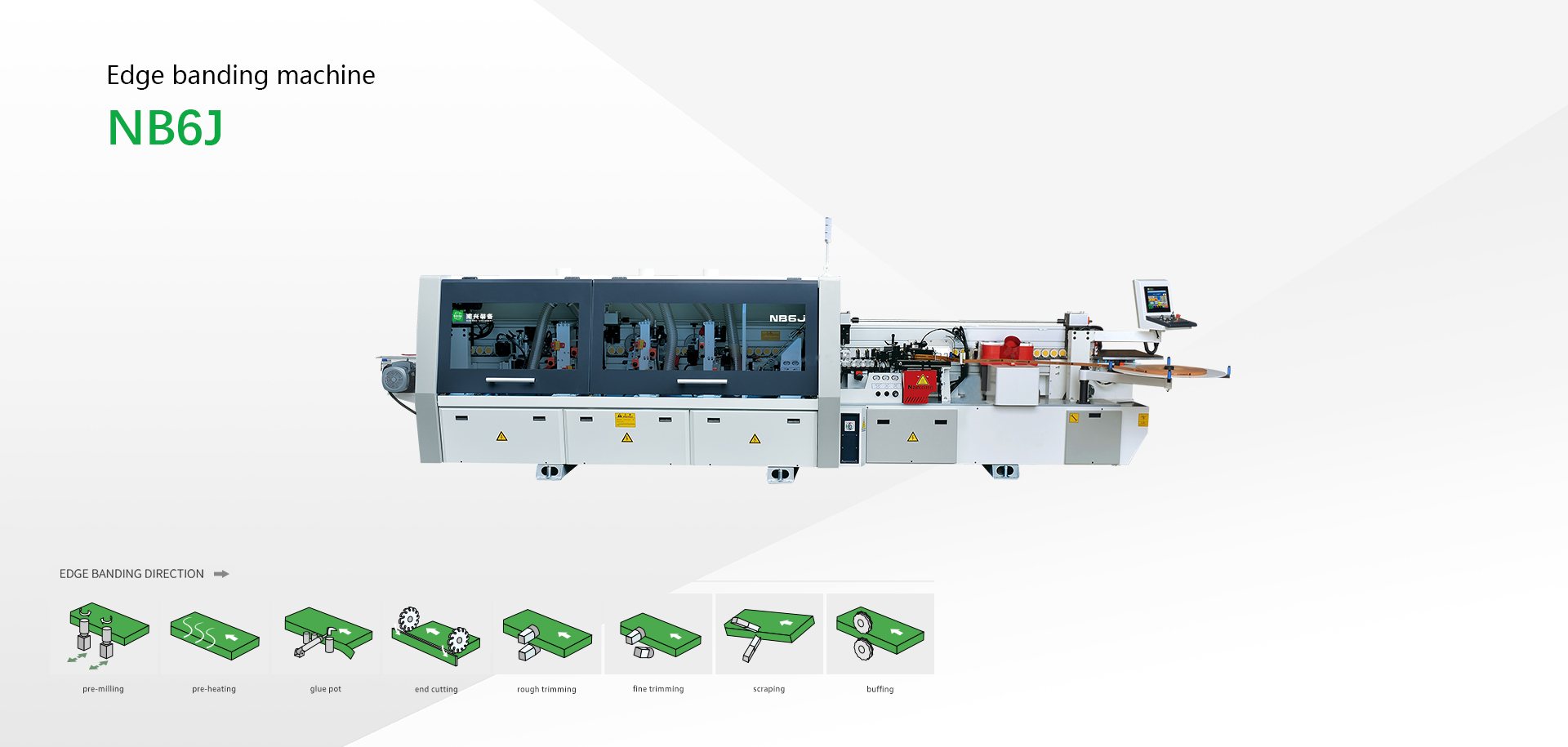
- EVA (ethylene-vinyl acetate) is a thermoplastic hot-melt adhesive that is easy to run and clean but can soften at high temperatures (above 70–80 °C) and leaves a visible glue line. PUR (polyurethane reactive) cures chemically with moisture to form a heat-, water- and solvent-resistant bond with a near-zero glue line, making it the standard for kitchen, bathroom and export furniture—though it requires nitrogen-sealed glue pots or disciplined purging.
- 06How do I compare European and Chinese woodworking machinery manufacturers?
- European leaders (HOMAG, Biesse, SCM, Weinig, IMA Schelling, Altendorf, Felder) lead in batch-size-one software integration, high-speed servo axes, zero-joint laser/hot-air edgebanding, and global service networks. Tier-1 Chinese manufacturers (KDT, Nanxing, Weho) use global sub-components (HSD/HQD spindles, Yaskawa/Delta servos, Syntec/Beckhoff controls, Schmalz vacuum pumps) and deliver 40–60% lower capex for standard panel furniture production.
- 07What dust extraction and utilities do woodworking machines require?
- High-speed CNC routers and edgebanders require 25–30 m/s air velocity at each extraction port, clean dry compressed air (typically 6–7 bar with a refrigerated air dryer), and stable 3-phase power. Undersized dust collection causes chip recutting, premature tool wear, optical sensor faults on edgebanders, and fire or ATEX/NFPA combustible-dust hazards.
- 08What should I verify during a woodworking machine FAT (Factory Acceptance Test)?
- Run your own panel material, edge tape and DXF/MPR files at rated feed speed. Measure diagonal squareness and positioning repeatability across a full sheet, inspect edgeband glue-line thickness and corner-trimming quality on both thin (0.4–0.8 mm) and thick (2 mm) PVC/ABS tape, verify tool-change cycle time, and confirm post-processor compatibility with your cabinet CAD/CAM software.