- What is the difference between EVA, PUR and laser/hot-air zero-joint edgebanding?
- EVA hot-melt adhesive is low cost and easy to maintain but leaves a visible glue line and softens above 70–80 °C. PUR (polyurethane reactive) adhesive cross-links with moisture to create a waterproof, heat-resistant bond with a minimal glue line. Laser and compressed hot-air systems (such as HOMAG airTec/laserTec or Biesse AirForce) melt a functional polymer layer on the tape itself, producing a true zero-joint finish without glue pots.
- What working units are required on an industrial automatic edgebander?
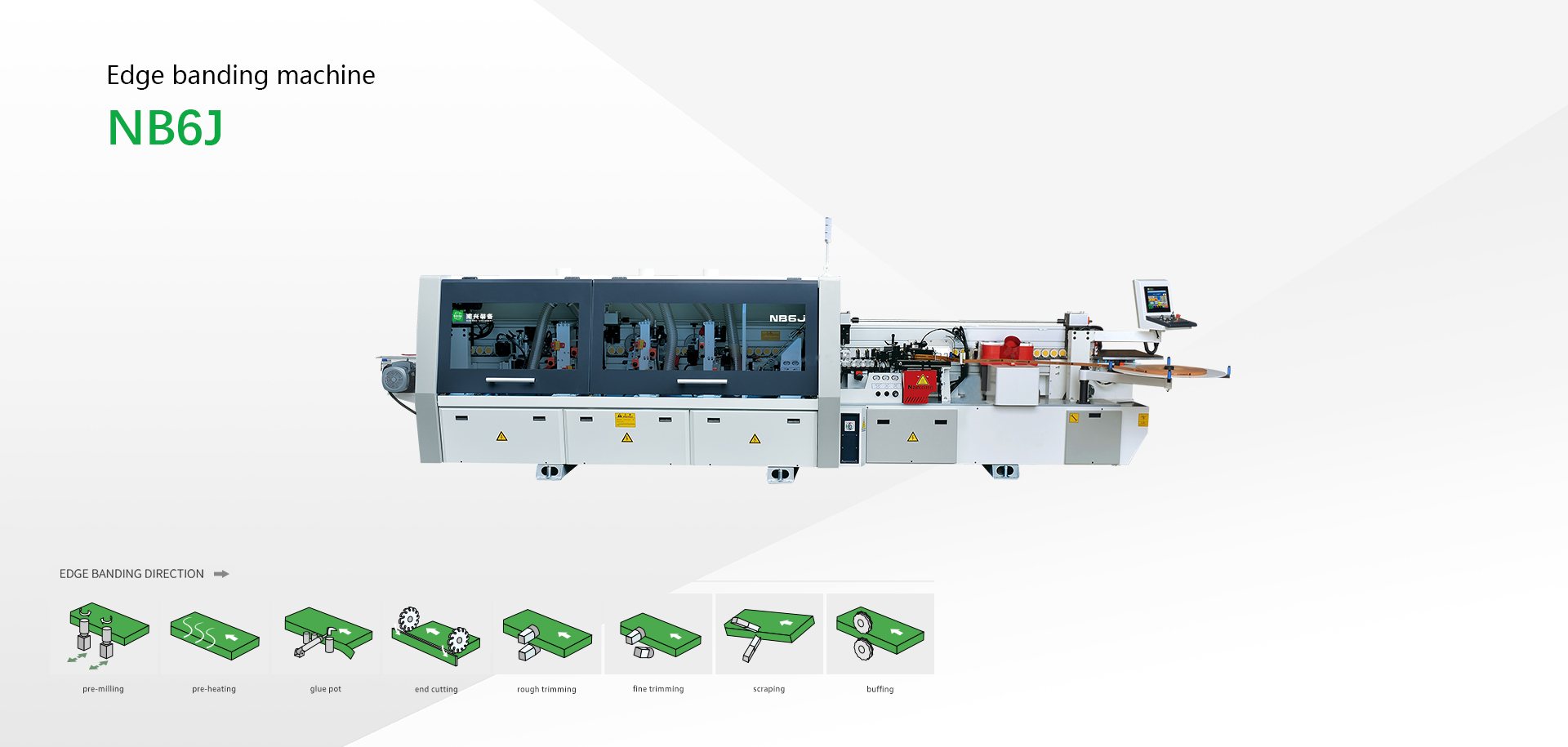
- A production cabinet edgebander should include twin diamond pre-milling cutters (to remove saw scoring steps), pre-heating, glue application and pressure rollers, two-motor end trimming, rough and fine top/bottom trimming, two-motor corner rounding (contour trimming), radius scraping, glue scraping, and buffing.
- How much does an automatic woodworking edgebander cost?
- Compact entry industrial edgebanders cost $9,000–$22,000 FOB. Heavy-duty high-speed edgebanders with pre-milling, two-motor corner rounding and PUR/EVA systems run $25,000–$60,000 from leading Chinese manufacturers (KDT, Nanxing) and $55,000–$160,000+ from European manufacturers (HOMAG, Biesse, SCM, IMA Schelling) when equipped with servo axes and panel return conveyors.
- When does a panel return conveyor pay for itself on an edgebander?
- A boomerang return conveyor allows one operator to feed and stack panels continuously at 18–25 m/min instead of requiring a second catcher at the outfeed, typically paying back its capex in 9 to 18 months on single- or two-shift cabinet lines.