- What is the difference between a 3-axis CNC nesting router and a 5-axis CNC machining center?
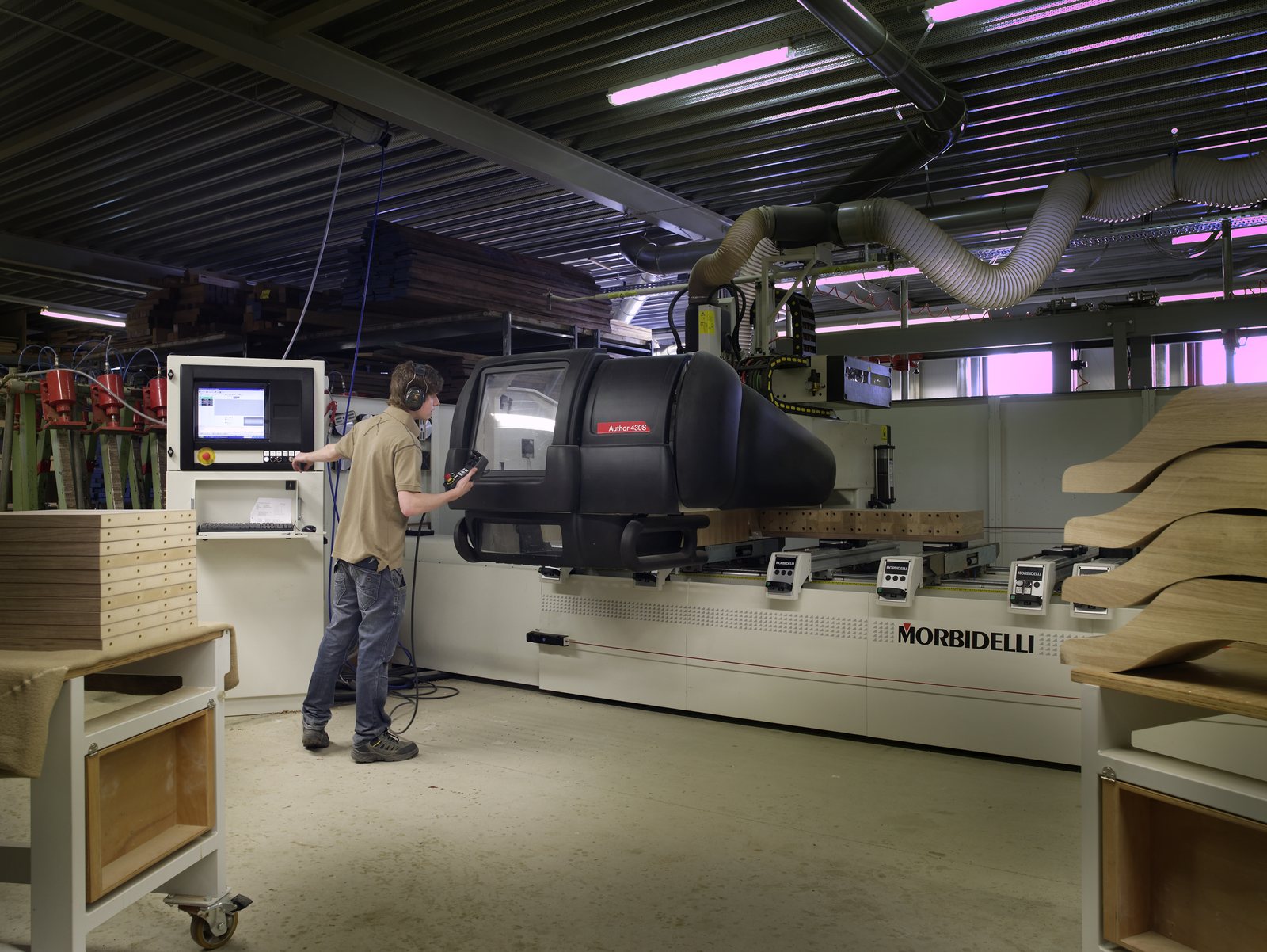
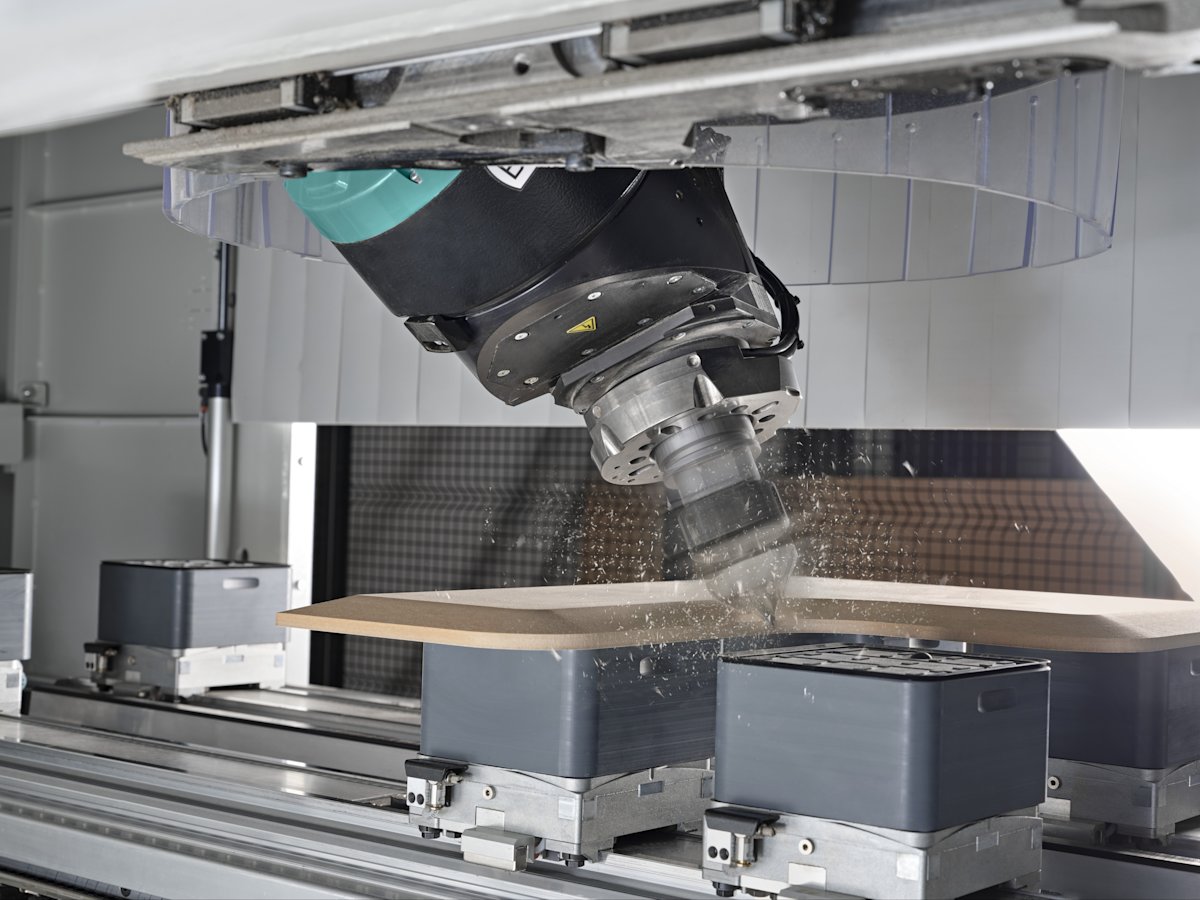
- A 3-axis CNC nesting router cuts, profiles and face-drills flat panels (such as melamine particleboard, MDF and plywood) on a vacuum table and is the workhorse of cabinet and wardrobe lines. A 5-axis CNC machining center adds two rotary axes on the spindle head, enabling angled mortising, compound curves, stair stringers, architectural millwork and solid-wood joinery in a single clamping.
- Should I choose a flat-table nesting CNC or a pod-and-rail CNC machining center?
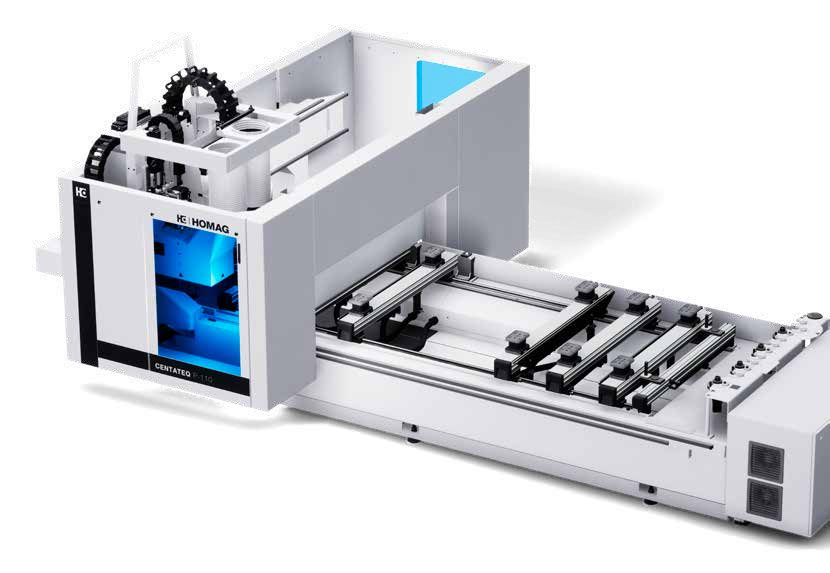
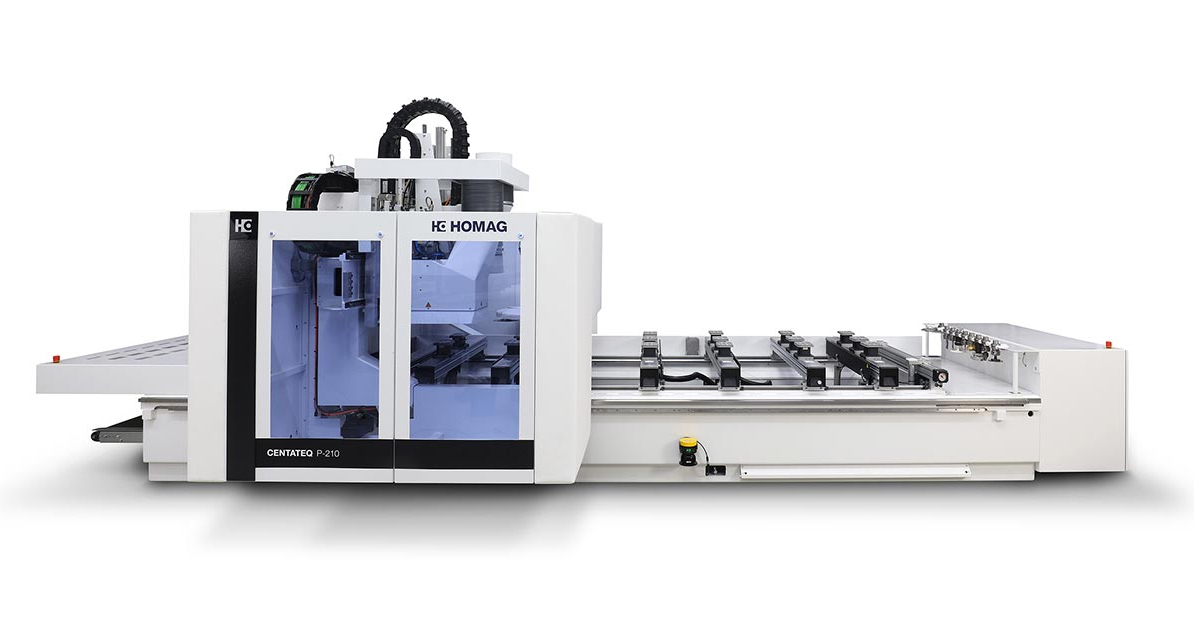
- Choose a flat vacuum-table nesting CNC when you process full sheets into cabinet parts using a sacrificial spoilboard. Choose a pod-and-rail (console) CNC machining center when you run pre-cut parts, doors, windows or solid-wood components that require horizontal edge routing, deep mortising or bottom-side access.
- How much does an industrial woodworking CNC router cost?
- Industrial 3-axis CNC nesting routers from tier-1 Chinese exporters (with auto-labeling, loading and unloading) typically range from $18,000 to $55,000 FOB, while European nesting and pod-and-rail centers (HOMAG, Biesse, SCM) range from $65,000 to $180,000+. Full 5-axis industrial machining centers typically run $95,000 to $350,000+ depending on spindle kW, tool changer slots and table automation.
- What spindle power and vacuum pump capacity do I need for panel nesting?
- For continuous 18 mm MDF or particleboard nesting at 18–25 m/min feed speeds, specify at least a 9–12 kW air-cooled electrospindle (ISO 30 or HSK-F63) with an 8–12-slot automatic tool changer and a multi-zone vacuum table backed by at least 250–500 m³/h of dry claw or rotary-vane vacuum capacity so small cabinet parts do not shift during final cut-through.
- Why does six-sided CNC drilling matter in panel furniture lines?
- A nested router drills only the top face of the sheet. Adding a pass-through six-sided CNC drilling machine (such as HOMAG DRILLTEQ, KDT KD-612 or Nanxing NCG) drills all four edges plus both faces in one barcode-scanned pass without flipping the panel, eliminating manual dowel-drilling bottlenecks.