Heavy Equipment & Machinery

Construction & Mining Machinery

Construction and mining machinery covers the heavy equipment that moves earth and rock, lifts and hauls material, drills and tunnels, and processes aggregate and ore. This hub connects equipment families, manufacturers, market data and buying guidance for buyers, fleet managers and site operators.

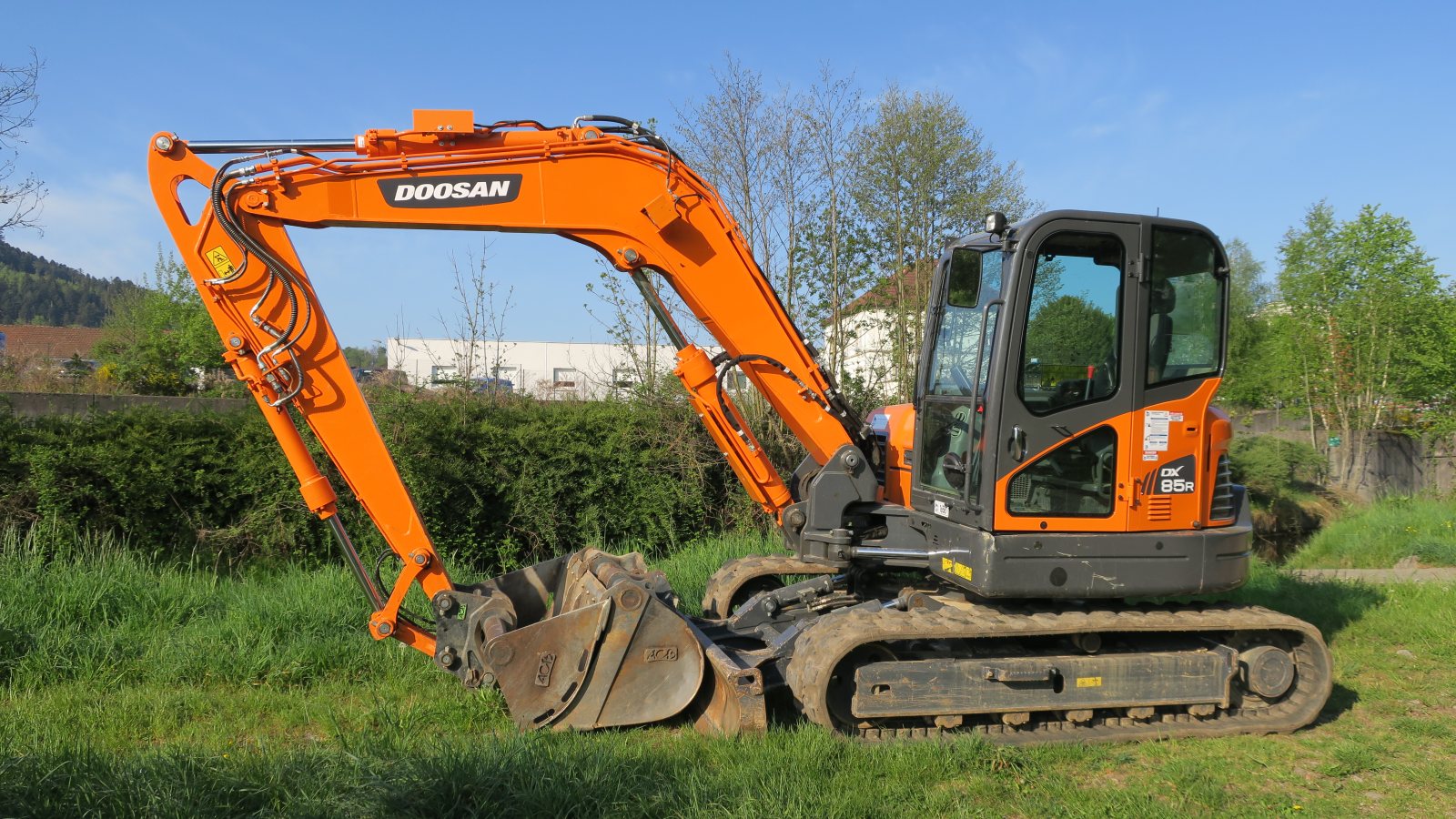
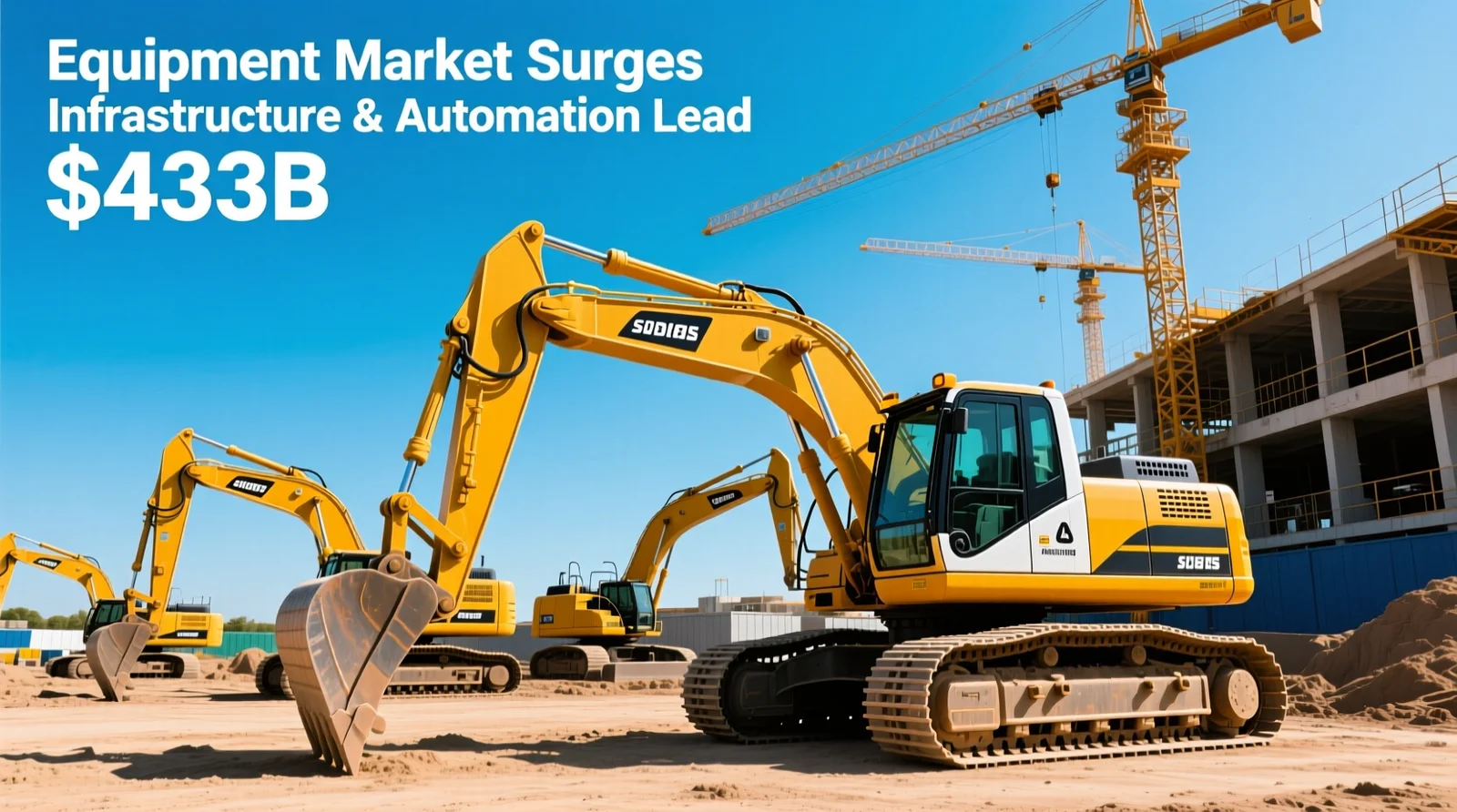
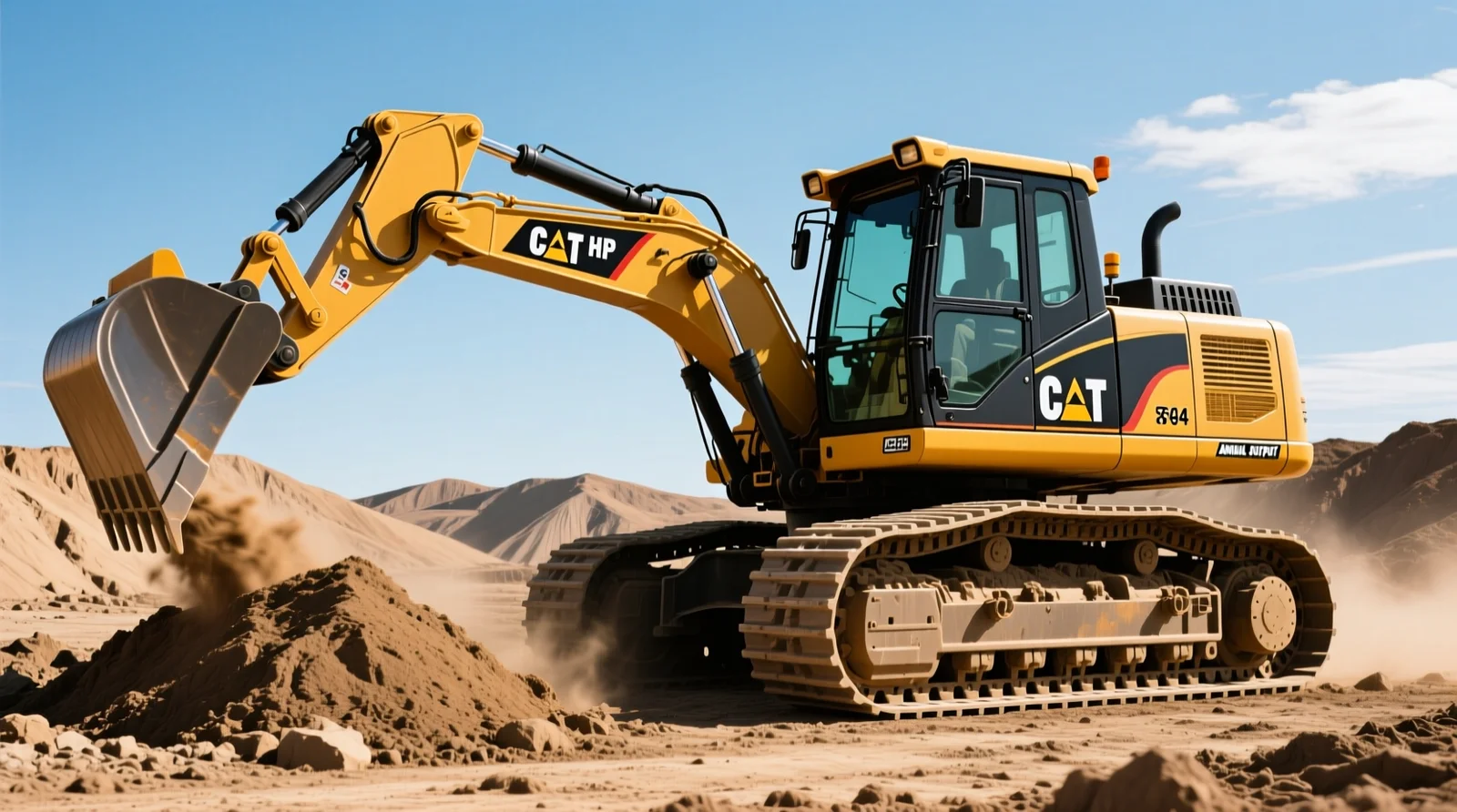
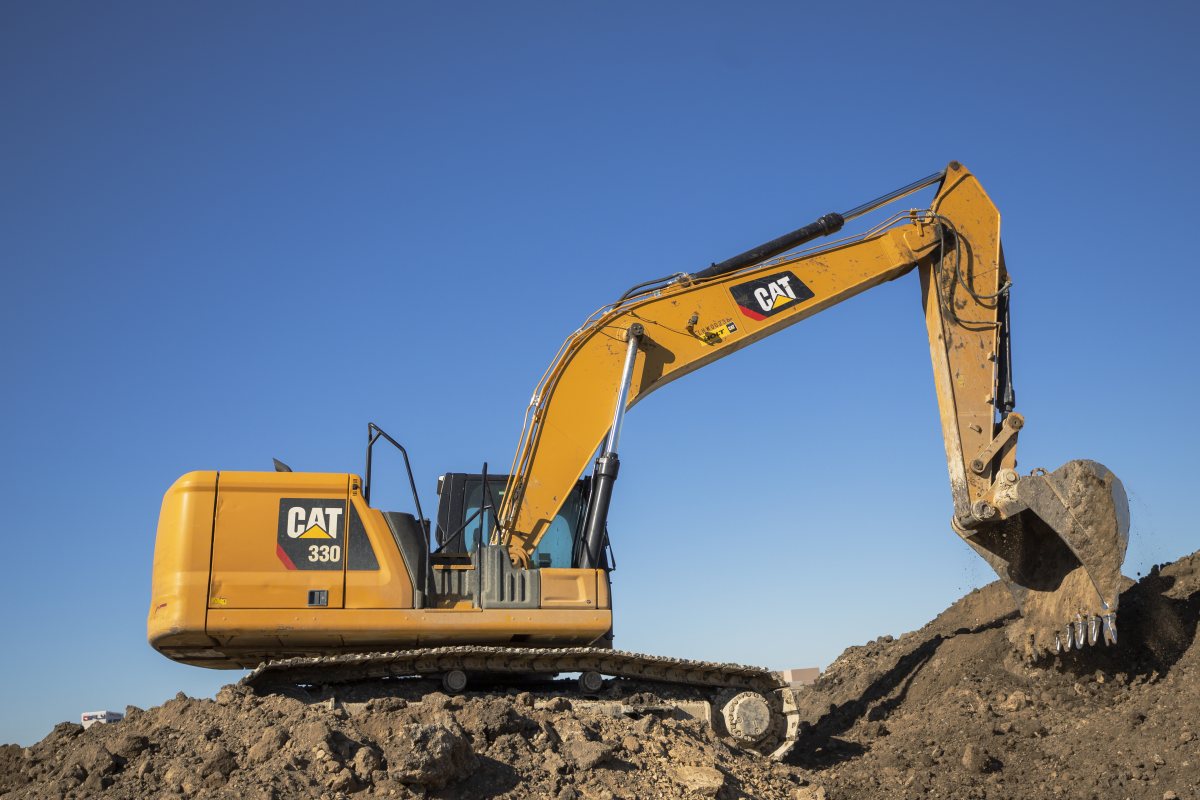
Hydraulic excavator moving earth at a construction site
22Total resources
0Core guides
3Companies
0Products

Last reviewed Nov 2, 2026 · Earthmoving, haulage, lifting, drilling and tunneling, crushing and screening, and road and concrete equipment for construction and mining buyers.

Equipment category map

Equipment Taxonomy

Compare the role, applications, and common machine types of the main equipment categories used in construction and mining.

Excavators & Earthmoving

Excavators & Earthmoving

Hydraulic excavators, wheel loaders, bulldozers, motor graders and backhoe loaders that move earth on construction and mining sites.

Best for
Hydraulic excavators, wheel loaders, bulldozers, motor graders and backhoe loaders that move earth on construction and mining sites.
Common formats
Explore this equipment category
Crushing & Screening

Crushing & Screening

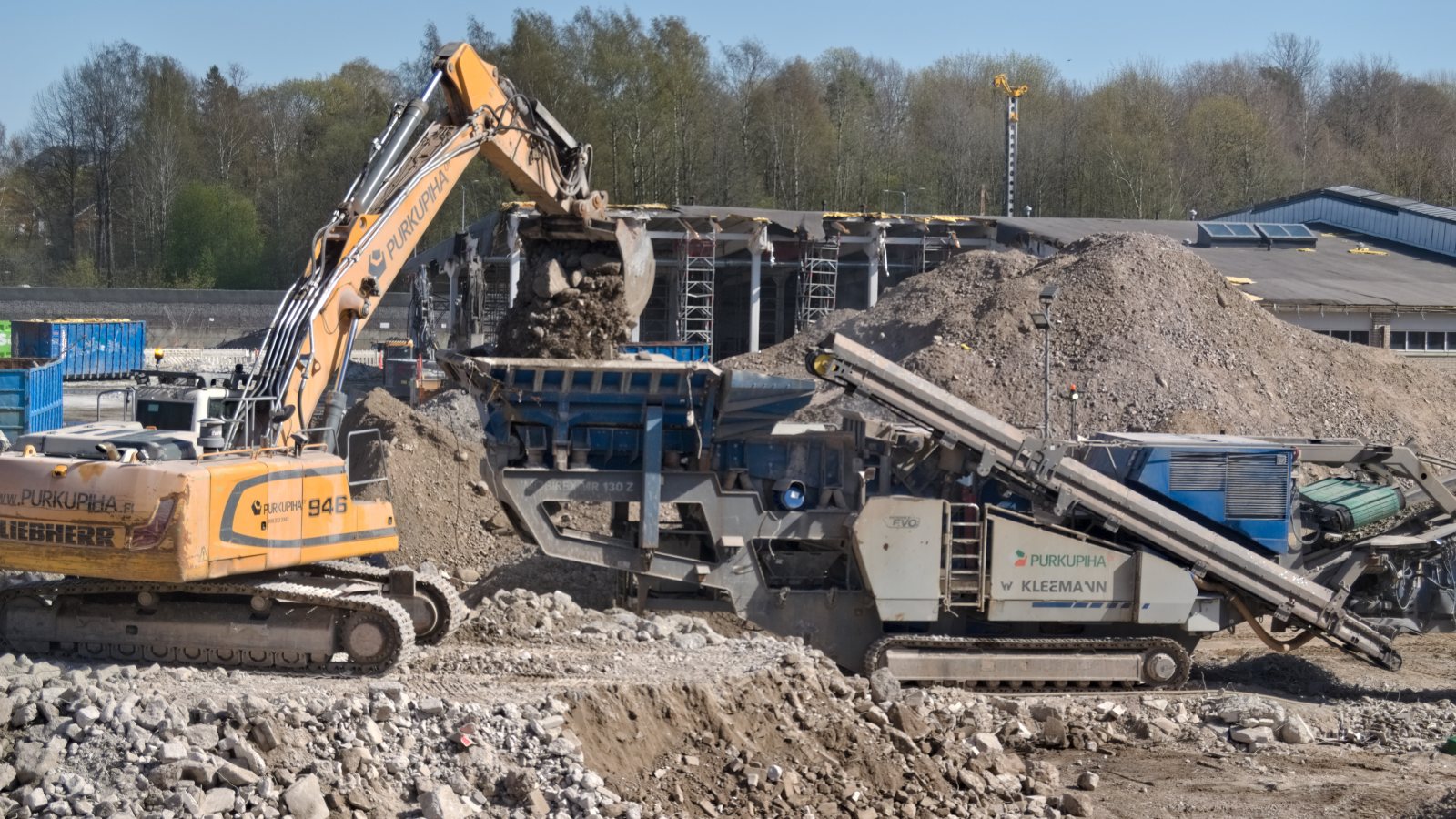
Jaw, cone, impact and gyratory crushers, vibrating screens and feeders that reduce blasted rock, ore, demolition material and aggregate to size, and separate it into saleable fractions.

Best for
Primary, secondary and tertiary crushing plus sizing in quarries, mines, recycling and aggregate production.
Common formats
Jaw crushers, cone crushers, impact crushers, gyratory crushers, vibrating screens, grizzly and apron feeders.
Read the crushing & screening buying guide
Drilling & Tunneling

Drilling & Tunneling

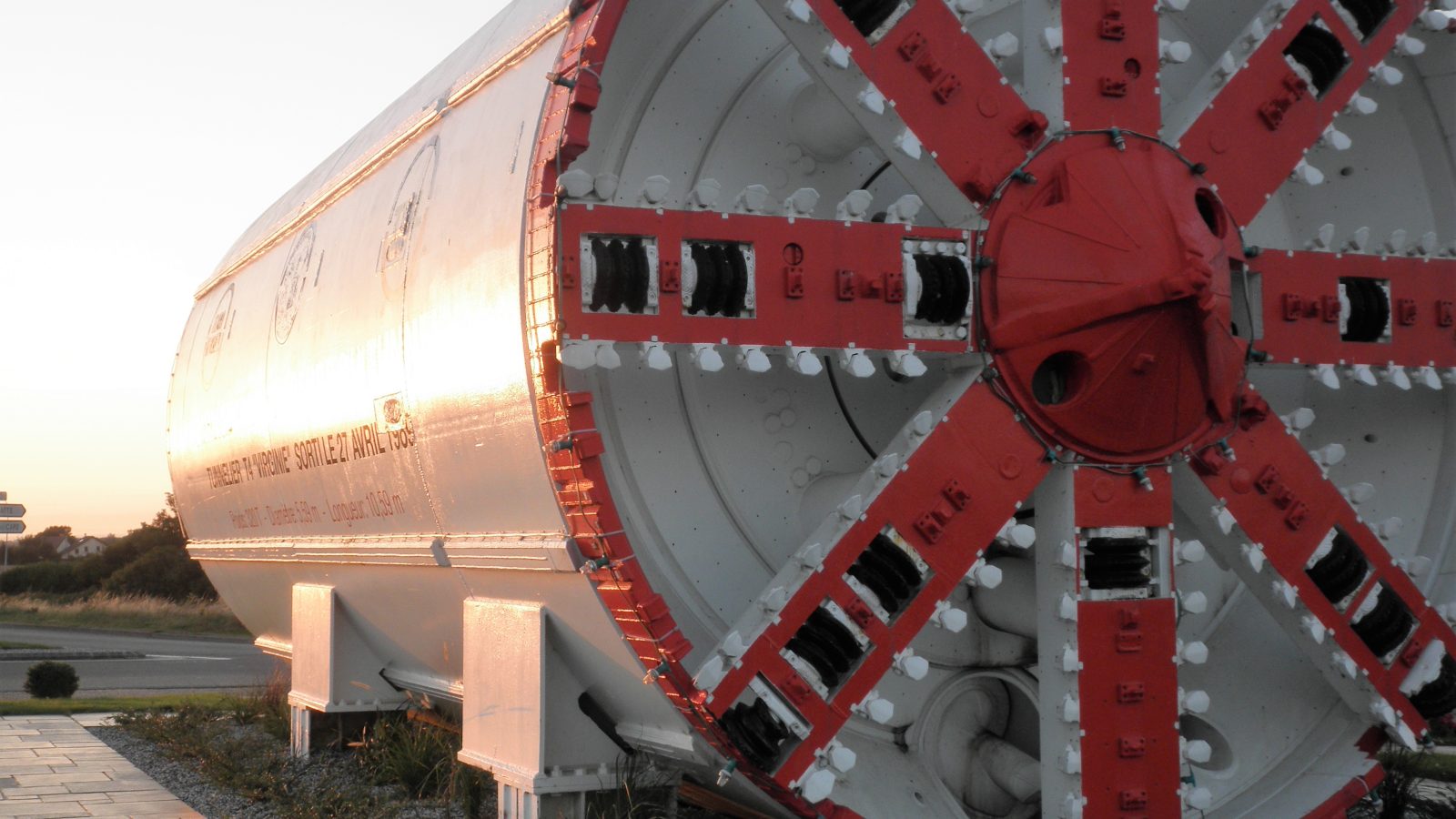
Surface drill rigs, underground drill jumbos, rotary piling rigs and tunnel boring machines (TBMs) that drill blast holes, bore tunnels, install rock reinforcement and drive foundations.

Best for
Blast-hole drilling in surface and underground mining, tunneling and shaft boring, rock bolting, and piling for construction and infrastructure.
Common formats
Top-hammer and DTH drill rigs, underground drill jumbos, rotary piling rigs, raise borers and tunnel boring machines.
Read the drilling & tunneling buying guide
Buying decision process

How to Choose the Right Heavy Equipment

Turn your site conditions and production targets into a clear machine specification before comparing models or requesting quotations.

6 essential decisions
  1. Step 1

    Define the Application & Site

    Confirm material, ground conditions, terrain, climate, duty cycle, and operating hours per shift.

  2. Step 2

    Set the Production Target

    Fix tons or cubic metres per hour, shift patterns, peak demand, and future capacity headroom.

  3. Step 3

    Choose the Machine Class & Attachments

    Match excavator, loader, hauler, crusher or crane size and attachments to the material and cycle.

  4. Step 4

    Define Technology & Automation

    Decide telematics, grade control, weighing, autonomy level, and the required emissions tier.

  5. Step 5

    Check Transport, Support & Site Fit

    Confirm delivery route, site access, utilities, and dealer parts and service coverage at the location.

  6. Step 6

    Compare Suppliers & TCO

    Evaluate demonstrated performance, fuel or energy, maintenance cost, residual value, and lifecycle cost.

Understanding Construction & Mining Machinery

Key equipment, selection factors, and automation considerations for machinery buyers.

Construction and mining machinery includes heavy equipment for earthmoving, excavation, haulage, demolition, infrastructure work, and resource extraction. This cluster connects equipment market news, manufacturers, fleet technology, safety, and supplier references for buyers and industry operators.

Start Here

Get an overview of the topic before comparing equipment, suppliers or project options.

Manufacturers & Suppliers

Companies providing machinery, systems, integration, and related services.

Company
Zhejiang Dingli Machinery Co., Ltd.

Zhejiang Dingli Machinery Co., Ltd. is a leading manufacturer of aerial work platforms and construction machinery in China. The company focu...

Sep 11, 2025
Company
Lingong Heavy Machinery Co., Ltd.

Lingong Heavy Machinery Co., Ltd. is a leading Chinese manufacturer specializing in the production of construction machinery and heavy equip...

Sep 11, 2025

Market Insights

Demand, investment, and technology developments shaping the equipment market.

Practical buyer questions

Construction & Mining Machinery FAQ

Direct answers to common equipment, selection, budgeting, supplier, and performance questions.

01What is construction and mining machinery?
Construction and mining machinery is heavy equipment used to move earth and rock, lift and position loads, haul material, break and process ore or aggregate, and build infrastructure. Common classes include hydraulic excavators, wheel loaders, dozers, graders, haul trucks, crushers, screens, drill rigs, cranes, pavers, rollers, and concrete equipment.
02What are the main types of construction and mining equipment?
The main families are earthmoving (excavators, loaders, dozers, graders), haulage (dump trucks, articulated haulers, conveyors), lifting (cranes, telehandlers), drilling and tunneling (rigs, jumbos, TBMs), crushing and screening (crushers, screens, feeders), and road and concrete (pavers, rollers, milling machines, pumps, batching plants).
03How do I choose the right excavator or earthmoving machine?
Start from the material, site conditions and production target, not the brand. Fix the required bucket capacity, digging depth, reach, breakout force, swing and travel performance, then confirm the carrier matches the attachments, the emissions tier matches the site, and the dealer can support parts and service at the operating location.
04What is the difference between construction and mining equipment?
Mining machines are usually built for higher duty cycles, abrasive material and around-the-clock operation, with heavier structures, larger buckets and often autonomous or semi-autonomous options. Construction machines are typically lighter, more transportable and sized for shorter cycles and varied jobsites. Many platforms, such as excavators and haulers, serve both with different specifications.
05How much does construction or mining equipment cost?
Price depends on machine class, size, attachments, technology, and configuration. A complete budget should include the machine, attachments, freight and delivery, operator and technician training, parts and consumables, scheduled maintenance, fuel or energy, insurance, and expected downtime or rental during service.
06What should I include in an equipment RFQ?
Include the application and material, site conditions and duty cycle, required production rate, attachment and tool requirements, emissions or safety standards, transport constraints, technology needs (telematics, grade control, autonomy), warranty and service expectations, parts availability, and delivery and commissioning terms.
07How do I compare construction and mining equipment manufacturers?
Compare demonstrated performance on your material, dealer and service coverage at the site, parts lead times, fuel or energy efficiency, operator comfort and safety, telematics and fleet-management capability, residual value, warranty terms, and total lifecycle cost—not only the headline purchase price or nameplate power.
08What affects heavy equipment uptime and total cost of ownership?
Uptime is driven by maintenance quality, parts availability, operator behaviour, duty cycle, site conditions, and how quickly faults are diagnosed and repaired. Total cost of ownership is dominated by fuel or energy, maintenance and repairs, operator cost, and depreciation—so residual value and dealer support often outweigh a small difference in purchase price.

News & Equipment Updates

Recent launches, exhibitions, partnerships, and machinery developments.

Transparency & review

Editorial Methodology

This Topic is designed as a practical research path for engineers, operators, and machinery buyers—not as a paid ranking page.

Last reviewed Nov 2, 2026 · Reviewer not yet recorded
01

How content is selected

Resources are chosen for direct relevance, practical usefulness, technical depth, and their role in the buyer’s research journey.

02

Manufacturer inclusion

Directory inclusion and order are editorial decisions. Companies do not pay for placement or a higher position in this Topic.

03

How data is checked

Market figures retain their source context, base year, forecast period, and link to the underlying analysis. Unsupported numbers are not promoted as facts.

04

Review frequency

The target review cycle is at least once every 12 months, with earlier updates when specifications, sources, links, or market conditions materially change.