Last updated: October 20, 2026. Construction and mining machinery is the heavy equipment that moves earth and rock, lifts and hauls material, drills and tunnels, and processes aggregate and ore. The same base platforms — excavators, loaders, haulers and crushers — appear on both a city jobsite and a surface mine, but they are specified very differently. This overview maps the equipment families and the buying path, so you can go from “we need a machine” to a comparable RFQ.
The six equipment families
The cluster is organised around six families, each with its own selection logic:
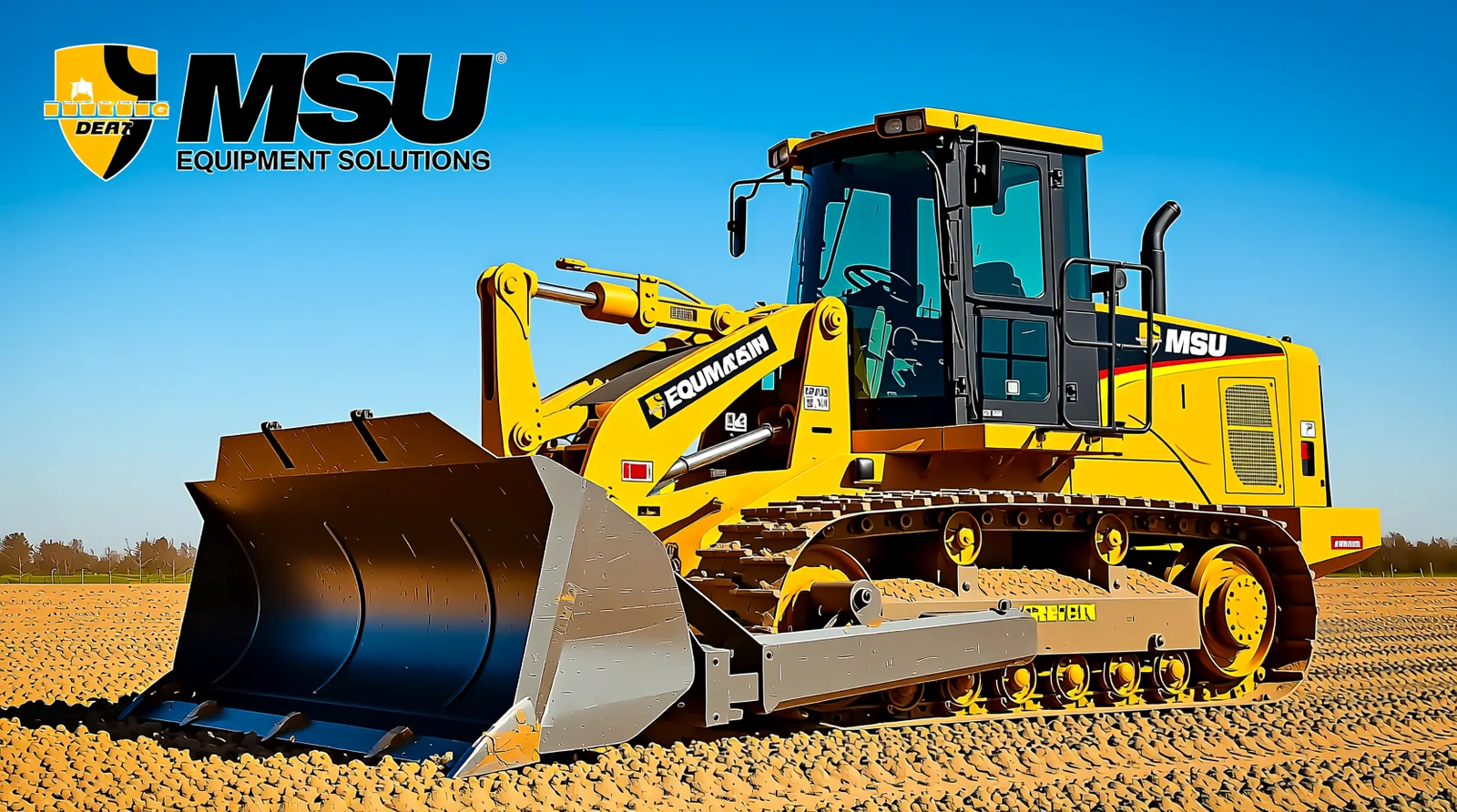
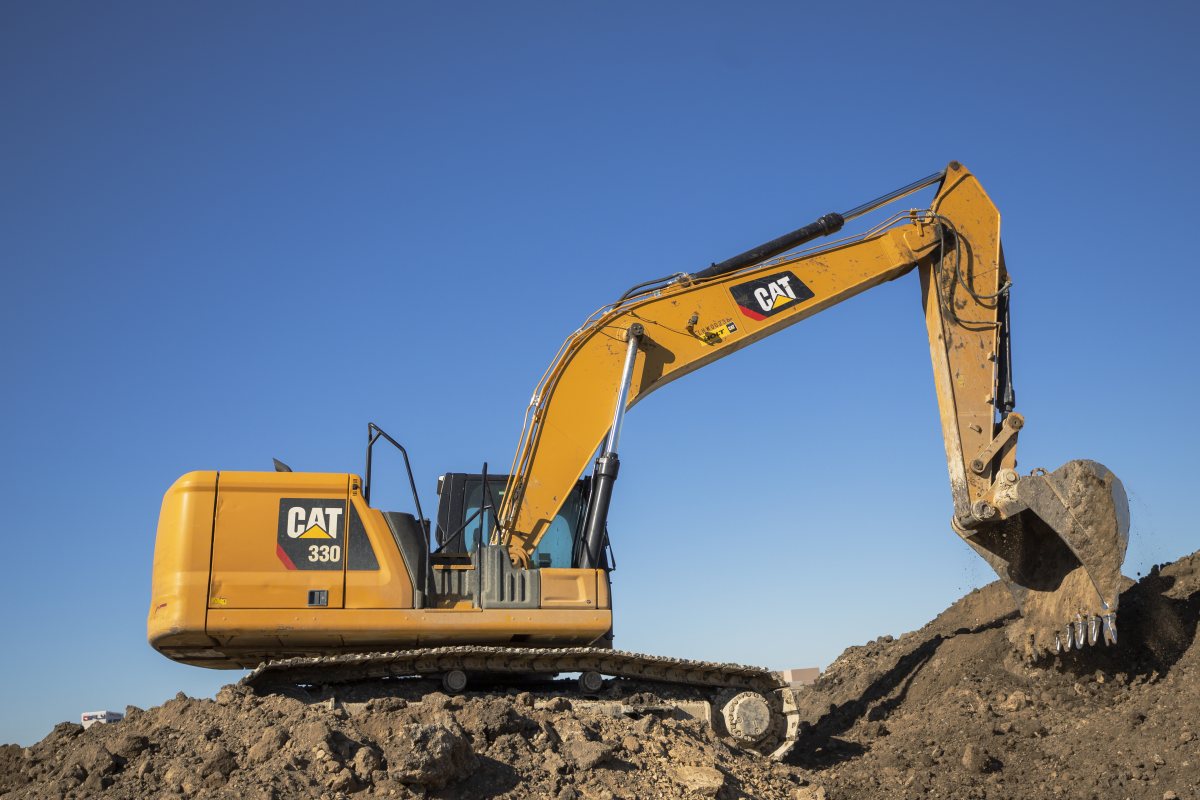
- Excavators & Earthmoving — hydraulic excavators, wheel loaders, dozers, graders and backhoes that dig, load and move material. See the Excavators & Earthmoving category.
- Crushing & Screening — jaw, cone and impact crushers, screens and feeders that reduce and classify rock, ore and aggregate.
- Drilling & Tunneling — surface drill rigs, underground jumbos, piling rigs and tunnel boring machines.
- Lifting & Cranes — mobile, crawler and tower cranes and telehandlers that lift and position loads.
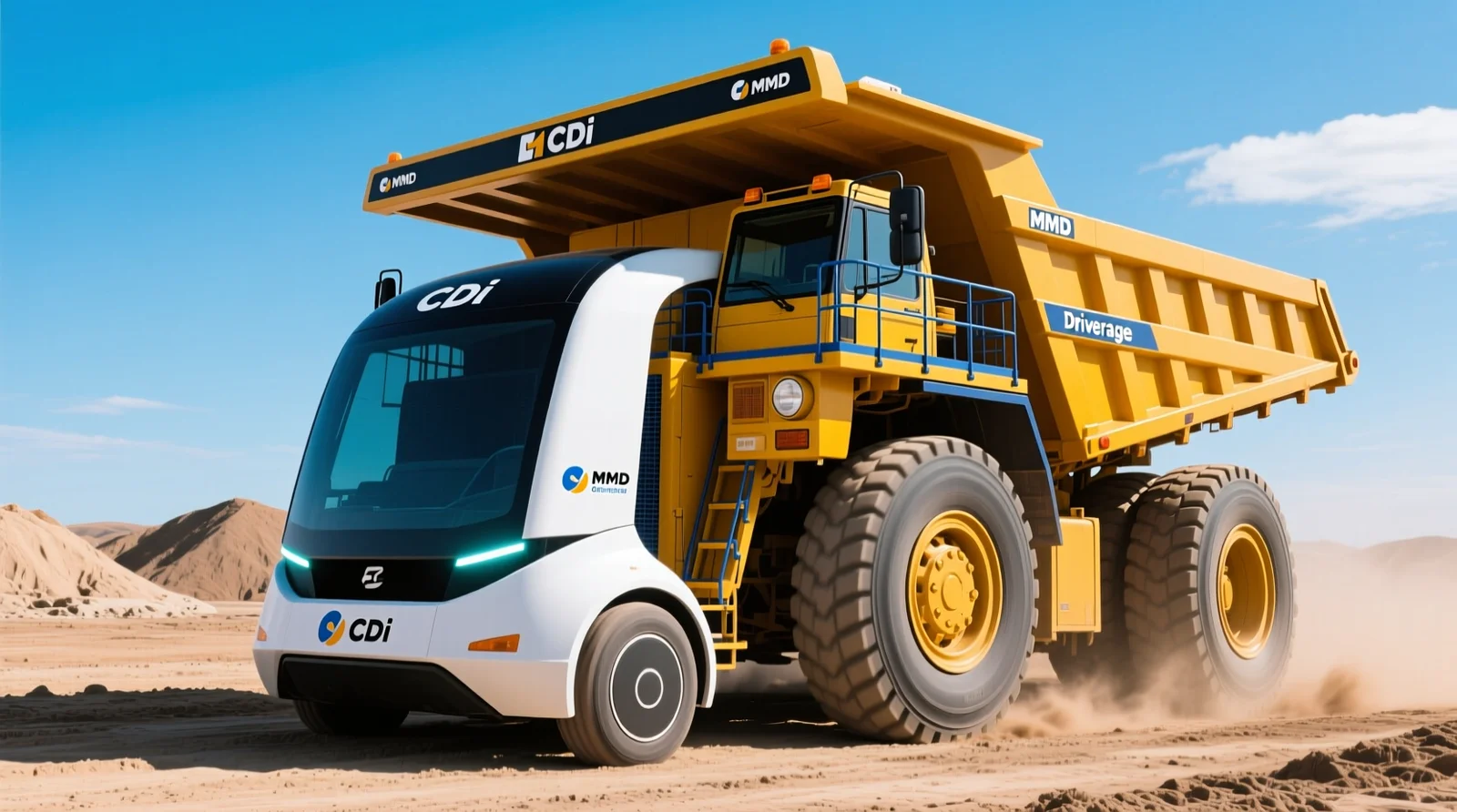
- Haulage & Material Handling — rigid and articulated dump trucks, conveyors, stackers and reclaimers that move bulk material.
- Road & Concrete — asphalt pavers, rollers, milling machines, concrete pumps, mixers and batching plants.
Construction vs mining: the same platform, different duty
Construction equipment is sized for varied jobsites, transport between projects and moderate duty cycles. Mining equipment is built for abrasive material, higher utilisation and around-the-clock operation, with heavier structures, larger buckets and often autonomous or semi-autonomous capability. An excavator that is ideal for utility work may be undersized for a production mine — the difference is in the structure, the wear package and the duty rating, not the paint.
How to plan a purchase
Buying heavy equipment is a sequence of eliminations, not a brand choice. Fix the material and site conditions first, then the production target, then the machine class and attachments, then the technology and emissions tier, and finally the dealer support and total cost of ownership. The six-step process is laid out in the How to Choose the Right Heavy Equipment section of this hub.
What decides the real cost
Purchase price is a small part of heavy-equipment cost. Fuel or energy, scheduled maintenance, unscheduled repairs, operator cost and depreciation dominate the lifecycle — and residual value plus dealer parts coverage often outweigh a lower sticker price. Ask for a total-cost model on your duty cycle, not a headline discount.
Frequently asked questions
Is a mining machine more expensive than a construction machine?
Usually, because mining specifications add structure, wear protection, duty rating and often automation — but the lifecycle cost per tonne moved can be lower. Compare on total cost of ownership, not purchase price.
Should I buy new or used heavy equipment?
New suits high-utilisation, warranty-sensitive or technology-driven work; used suits lower utilisation, budget-constrained or shorter-horizon projects. Verify service history, hours, and remaining life on wear components either way.
Last verified: October 20, 2026.