
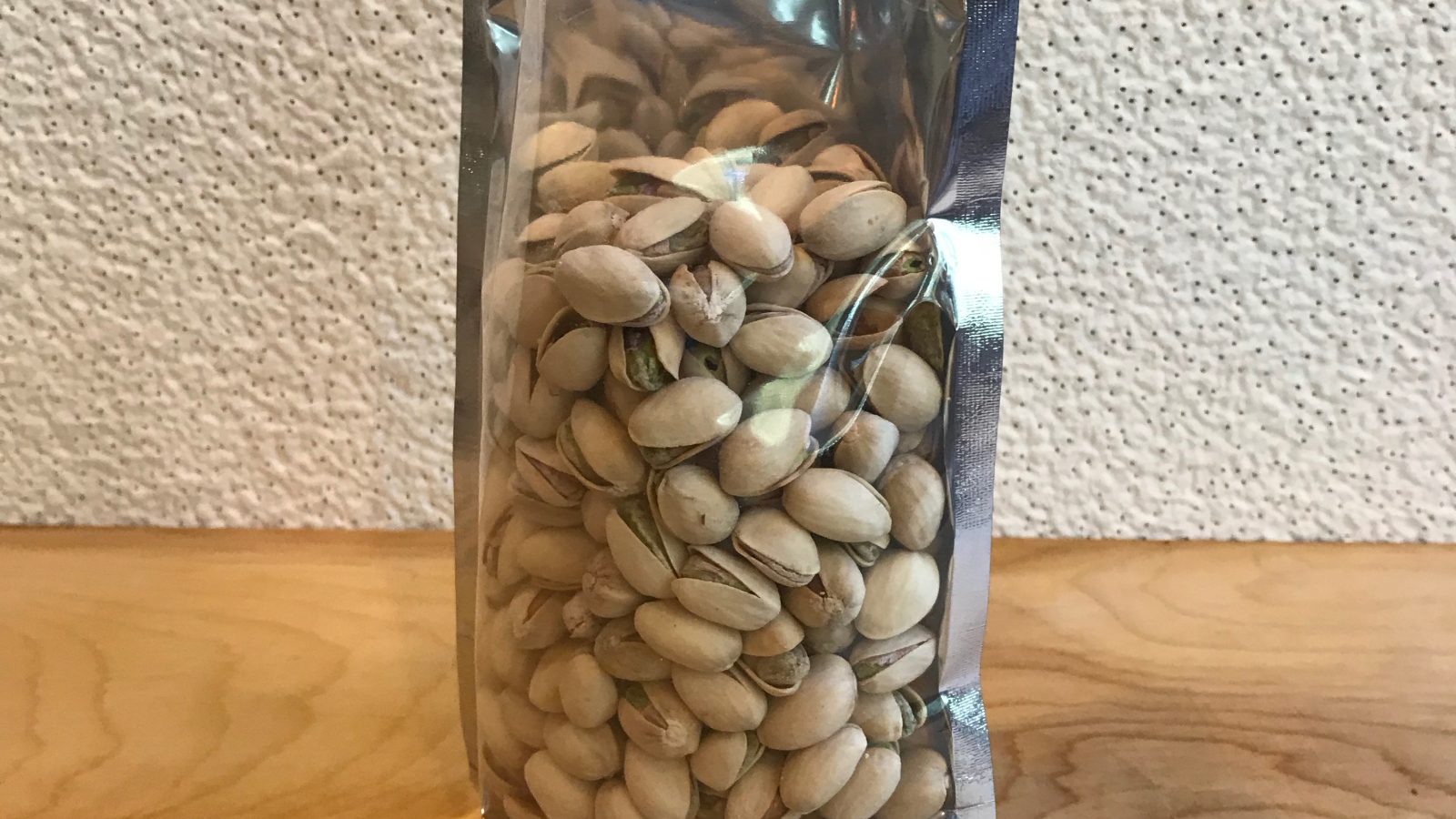
The core idea of this page: a stand-up pouch is a flat laminate folded and sealed so that a gusset opens into a base. The base is what makes it stand; the laminate is what makes it barrier; the seals are what make it survive. Get any one of the three wrong and the pack fails on shelf or in transit.
Construction
The bottom gusset
The gusset is folded into the web and sealed into a W or K shape so the pouch opens into an oval base. Gusset geometry sets the standing stability and the fill volume; a deeper gusset stands better but uses more film and can trap product during filling.
The body and seals
Three seals define the pack: the back fin or lap seal, the bottom seal and the top seal. The top seal may carry a zipper, a slider, a spout or a tear notch. Each addition changes the seal geometry and therefore the sealing window.
Fitments
Spouts, valves and zippers are inserted before or during pouch making and become the weakest point of the pack if the insertion seal is not controlled. Spout pouches dominate liquid and paste applications for this reason.
Materials and barrier structure
Most doypacks are laminates: a printable outer layer, a barrier layer and a sealant layer. The sealant layer determines the sealing window and contamination tolerance; the barrier layer (aluminium foil, metallised film, EVOH) determines shelf life. The combination is chosen against the product's sensitivity to oxygen, moisture and light, and against the process — retort pouches need heat-resistant structures and different sealant behaviour from ambient-filled ones.
Filling systems for pouches
The filler decides how much of the machine's potential you actually get. Auger fillers suit powders but throw dust into the seal; piston fillers suit pastes but can string at cut-off; gravity and net-weight fillers suit free-flowing solids and are gentler on the pouch mouth. For liquids, a bottom-up fill nozzle reduces foaming and keeps the seal zone dry, and a post-fill squeeze cycle recovers volume from the gusset before sealing.
Pouch filling also constrains speed: the pouch must be opened reliably by air, vacuum cups or mechanical fingers, held open against the fill stream, then handed to the sealer without product sloshing into the seal. Most lost cycles on a pouch line are opening and transfer problems, not sealing problems.
Premade versus form-fill-seal
Premade pouches are bought ready and run on a pouch filler: lower capital, faster changeover, better print quality, but higher unit cost and a film inventory to manage. Form-fill-seal doypacks are made inline from rollstock: lower unit cost at volume, but the machine must form the gusset reliably and the changeover is longer. The choice is usually volume and print complexity, not technology preference.
Filling and sealing requirements
Product in the seal area is the number-one cause of leakers. Machines handle this with a squeeze cycle, a clean seal zone, gas flush and sometimes a product cut-off before sealing. Fill temperature matters for hot-fill: too hot and the sealant softens before the jaws close; too cold and the product does not flow into the gusset.
For powders, the enemy is dust in the seal. For liquids, it is droplets on the inside of the film. Both are controlled by nozzle design and a squeeze sequence as much as by the sealer.
Print, finish and shelf presence
Pouches are printed on the web before pouch making, so registration, matt/gloss contrast and the position of the gusset relative to the design all matter. A design that ignores the gusset fold puts the logo across a crease. Matte finishes hide scuffing; high gloss looks premium but shows every handling mark. These are not cosmetic details on a shelf where the pack competes with rigid containers.
Sustainability and mono-material
The recyclability conversation has moved from marketing to specification. Mono-material structures (all-polyolefin) recycle in the streams that exist, at the cost of a narrower sealing window and lower barrier than foil laminates. The practical route for many products is a mono-material structure plus a barrier coating or an EVOH layer, validated by shelf-life testing rather than assumed from a data sheet.
Failure modes
Gusset cracking
Flex cracking at the gusset fold after handling, visible as pinholes on leak test. Caused by film structure too stiff for the fold radius or by excessive drop loads.
Leakers at the fitment
Spout and zipper insertion seals fail when the insertion temperature, pressure or dwell drifts, or when the fitment material differs lot to lot.
Standing failure
A pouch that flops forward usually has a gusset geometry or fill-volume mismatch, or the film is too flexible for the pack height.
Seal contamination
Product in the seal zone produces a channel leak that passes visual inspection and fails in transit. Detection needs a leak test, not eyes.
Verification checklist
Confirm: laminate structure and sealant specified against the product, the fill temperature and the distribution route rather than against a generic data sheet; seal parameters recorded per format; leak testing with a defined method and sample size; drop and compression tests for transit; gusset flex testing for the intended handling; and spout/zipper insertion seals validated separately from body seals.
Source: Stand-up pouch — Wikipedia
"A stand-up pouch or doypack is a type of flexible packaging that is able to stand erect on its bottom for display, storage, and convenience."
Frequently asked questions
Is a doypack the same as a stand-up pouch?
Yes in common usage. Doypack was originally a brand name and became the generic term for a bottom-gusset stand-up pouch.
Can doypacks be retorted?
Some can, with heat-resistant laminates and retort-grade sealants, but the gusset is the limiting feature — it traps air and flexes during the retort cycle.
What causes pouches to leak after filling?
Most often product contamination in the seal, followed by seal-parameter drift and fitment insertion defects. Leak testing with a defined method is the only reliable way to find them.
Related reading: seal integrity, changeover and SMED, line design and integration, and the form-fill-seal category.
Related guides
- VFFS Baggers: Top 10 Machines Compared (2026) — Ten vertical form-fill-seal (VFFS) machines compared across speed, mot…
- Intermittent vs Continuous vs Rotary VFFS: Motion Type Drives Speed, Seal and Cost — How the three VFFS motion types — intermittent, continuous and rotary …
- Heat Seal vs Ultrasonic vs Long-Dwell: Choosing FFS Sealing Technology — How heat seal, ultrasonic and long-dwell sealing compare for VFFS/HFFS…
- Multihead Weigher vs Volumetric Cup vs Auger Filler: Choosing FFS Dosing — How multihead weighers, volumetric cups and auger fillers compare for …
- Packaging Machine Changeover Optimization: Cut Setup Time With SMED — changeover is lost output you schedule yourself, which makes it the mo…
- How a Vertical Form-Fill-Seal (VFFS) Machine Works: Film Path, Sealing and Fill — a vertical form-fill-seal machine makes the bag around the product. Fi…
- How a Horizontal Flow Wrapper (HFFS) Works — a horizontal flow wrapper turns a flat film into a tube around the pro…
- How a Multihead Weigher Achieves Accuracy — a multihead weigher does not weigh a portion — it weighs many sm…