VFFS vs HFFS Packaging Machines: How to Choose the Right Form-Fill-Seal System
Compare vertical and horizontal form-fill-seal systems by pack style, product handling, line layout, changeover and validation requirements.
Read the guide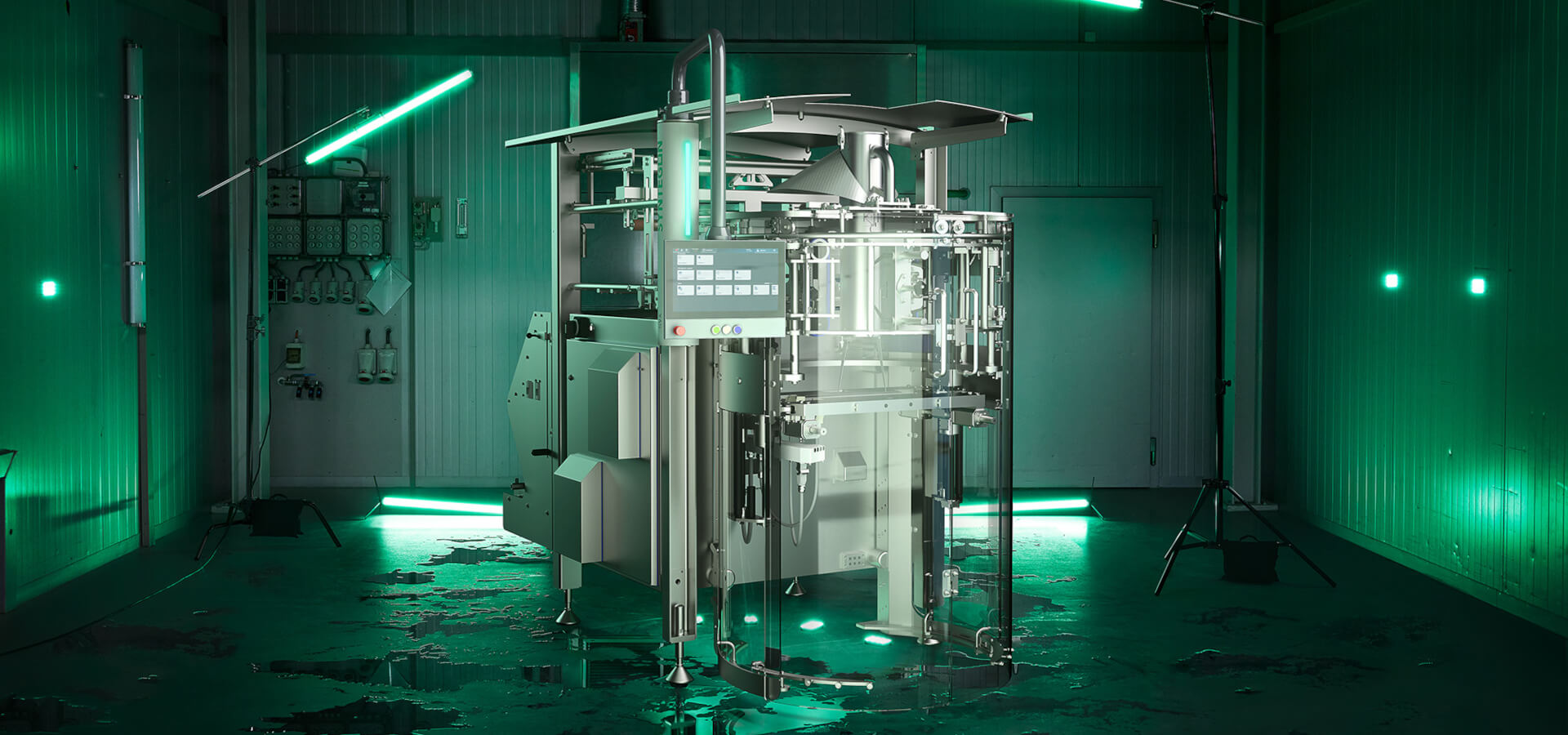

Automated systems that form a package, fill it with product, and seal it in one continuous operation.
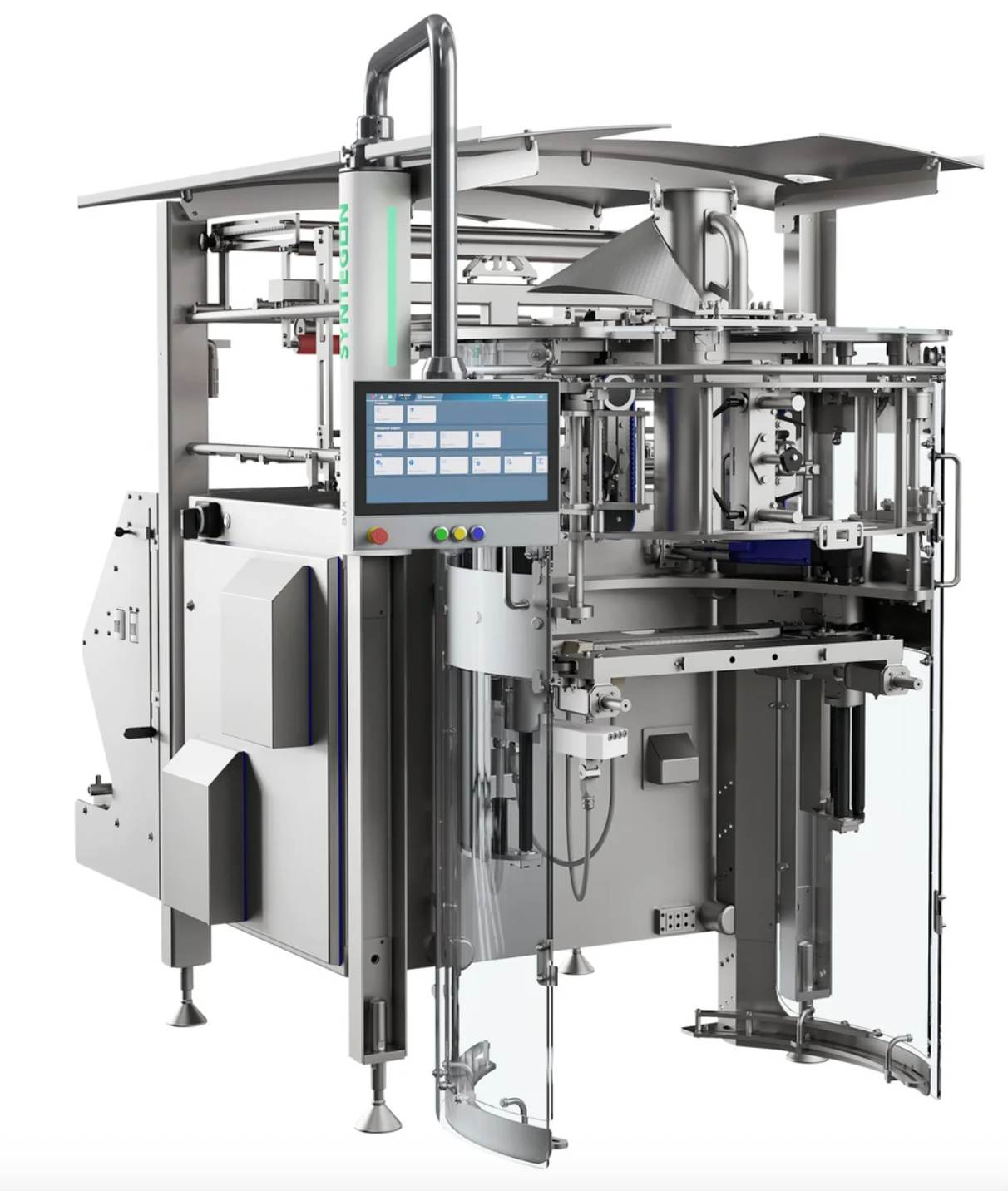
Form-fill-seal (FFS) equipment forms a package from rollstock film, fills it with product, and seals it in one continuous operation — no premade container required. The category splits into two architectures: vertical (VFFS) and horizontal (HFFS, or flow wrapping). A VFFS machine folds film into a vertical tube and drops the product in from above; an HFFS machine carries the pack horizontally past forming, filling and sealing stations.
The first filter is whether your product can free-fall. Granules, powders, snacks and frozen pieces suit VFFS; fragile, flat or irregularly shaped products, and premium pouch or flow-wrap formats, suit HFFS. The same geometry that makes VFFS compact and film-efficient also limits it to products that tolerate a vertical drop. See VFFS vs HFFS Packaging Machines for the full comparison.
Rank candidates on your product, your film and your output — not on brochure speed. The Top 10 Form-Fill-Seal Machine Manufacturers ranking profiles the leading VFFS and HFFS builders, and the engineering behind the seal is covered in How a VFFS Machine Works. Browse the manufacturer directory below to shortlist suppliers for a witnessed trial.
Compare vertical and horizontal form-fill-seal systems by pack style, product handling, line layout, changeover and validation requirements.
Read the guide
How the three VFFS motion types — intermittent, continuous and rotary — set the ceiling on speed, seal quality and machine price.
How heat seal, ultrasonic and long-dwell sealing compare for VFFS/HFFS — and which one survives contamination, thick films and high speed.
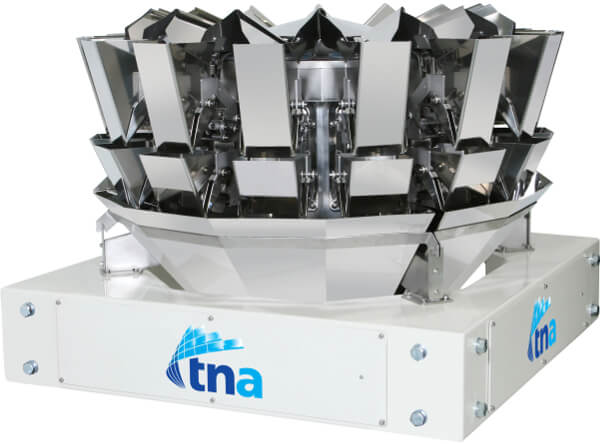
How multihead weighers, volumetric cups and auger fillers compare for form-fill-seal dosing — accuracy, speed and which product each one sui...

German manufacturer of vertical form-fill-seal machines (SVX, SVE series), formed in 2020 from the packaging business spun out of Bosch.

Japanese manufacturer of VFFS bagmakers (INSPIRA, ATLAS series) and multihead weighers, founded in 1893.

Publicly listed Düsseldorf systems supplier founded in 1881 (GEA name from 1920); its Filling & Packaging unit builds SmartPacker V...

Australian manufacturer of VFFS baggers (robag series) and integrated snack lines, founded in 1982.

American manufacturer of sanitary VFFS baggers (X-Series, Delta), founded in 1923 in Chicago.

American VFFS manufacturer (MVC, MVI, MVX series), founded in 1988 and part of ProMach.

Chinese band sealer, vacuum packer and shrink packing machine maker.

Shanghai packaging-automation manufacturer founded in 1993, producing pillow-type, vertical form-fill-seal and premade-bag machines.

Zhengzhou manufacturer of powder auger fillers, granular weigh fillers, liquid piston fillers and VFFS baggers, founded in 2001.

Hangzhou manufacturer of vertical form-fill-seal machines and turnkey packaging lines, founded in 2008.

Shanghai manufacturer of doypack, spout-pouch and premade-pouch packing machines, founded in 2005.

Shanghai manufacturer of HFFS, VFFS stick-pack and premade-pouch equipment for flexible packaging, founded in 2012.
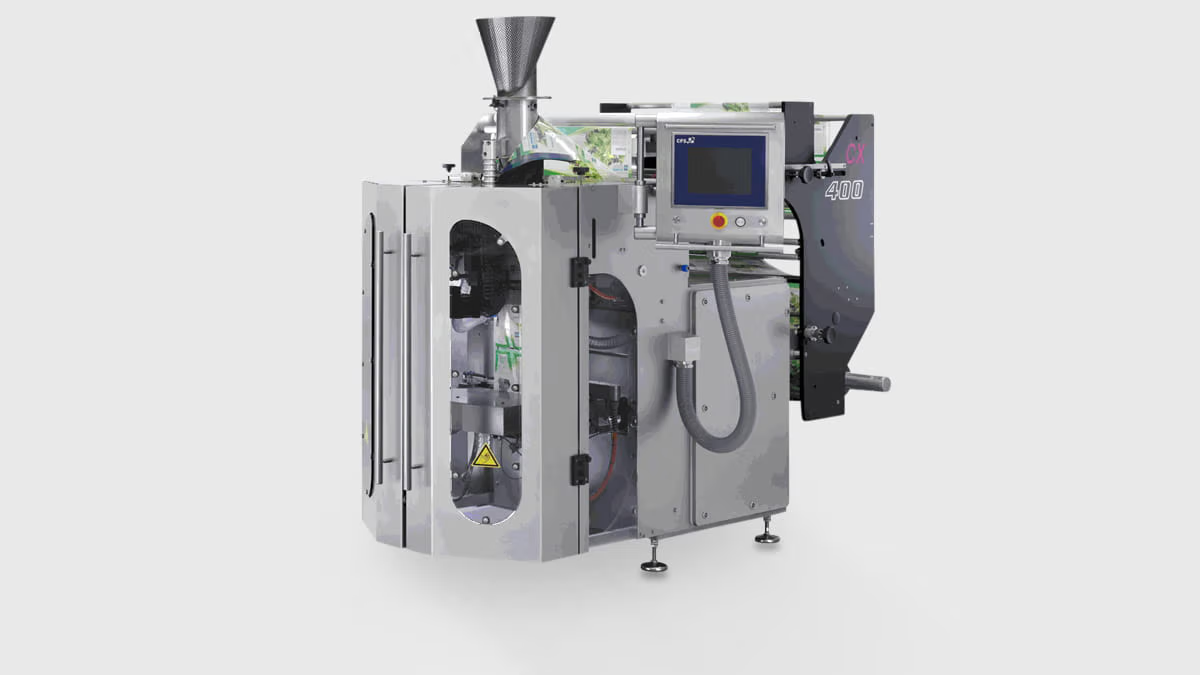
Continuous-motion vertical form-fill-seal machine for the food industry, handling bag styles up to 400 mm wide.
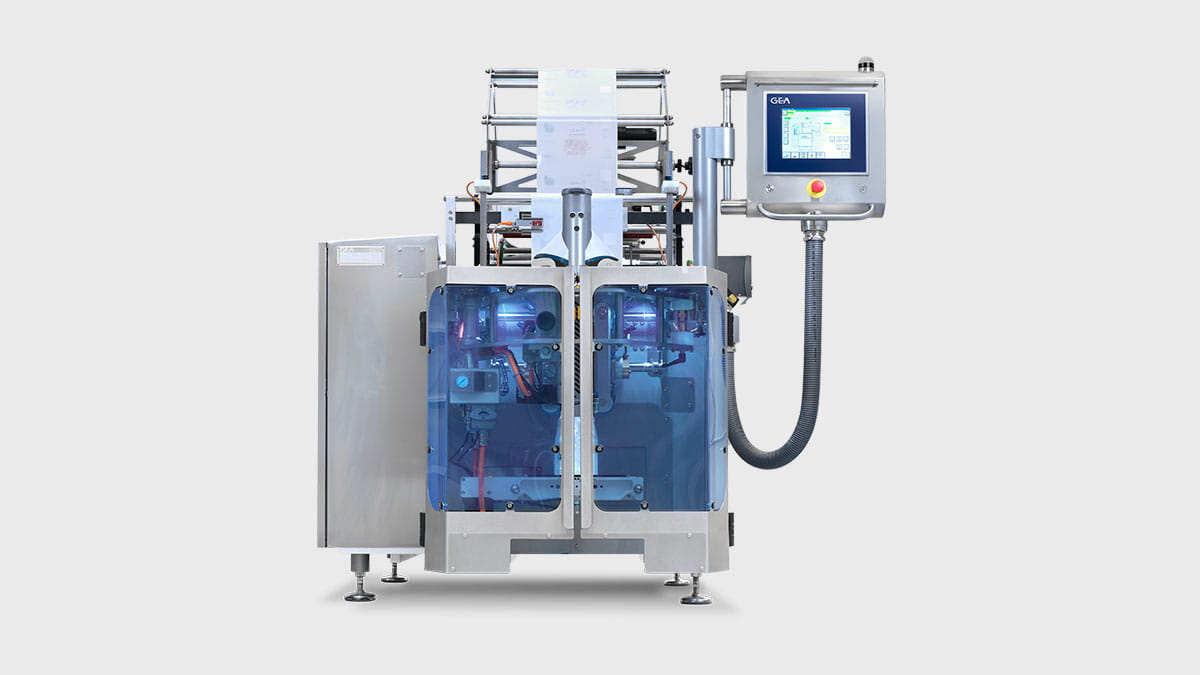
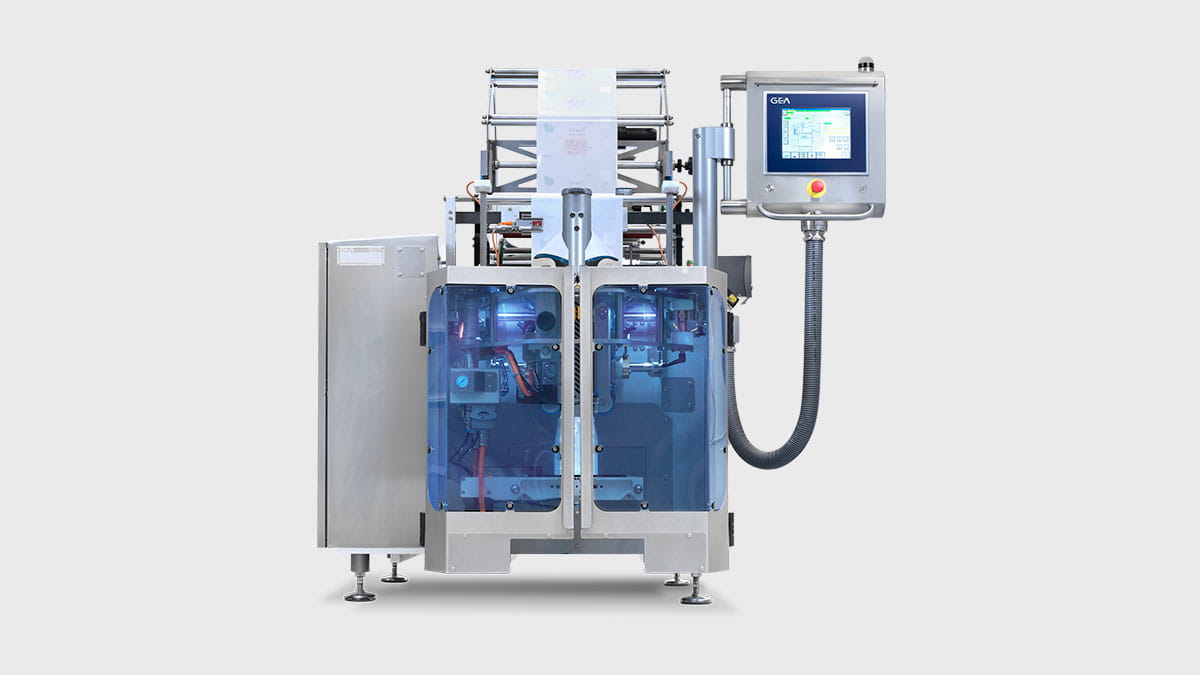
Continuous-motion vertical form-fill-seal machine for high-speed pillow packs, up to 250 bags/min with 70–250 mm bag width, from GEA.
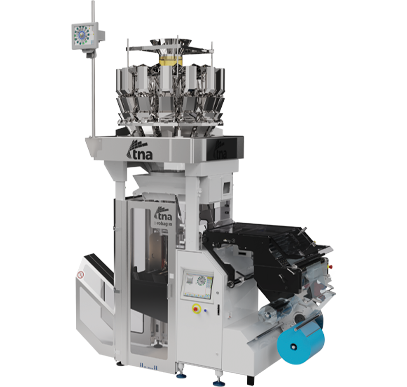
Continuous-motion vertical form-fill-seal bagger with rotary sealing jaws, up to 250 bags/min with changeover under 1 minute, from tna.
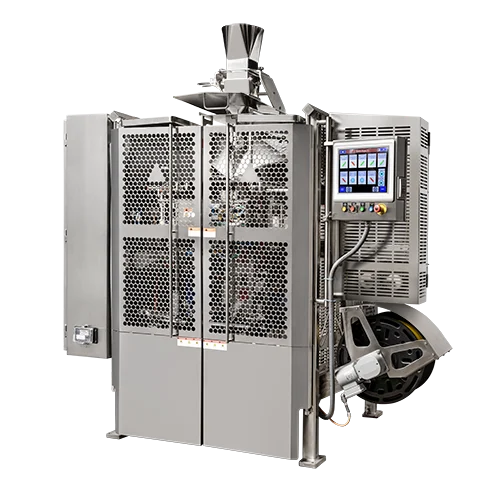
Continuous-motion vertical form-fill-seal bagger up to 150 bags/min with USDA-3-A sanitary options, from Triangle Package Machinery.
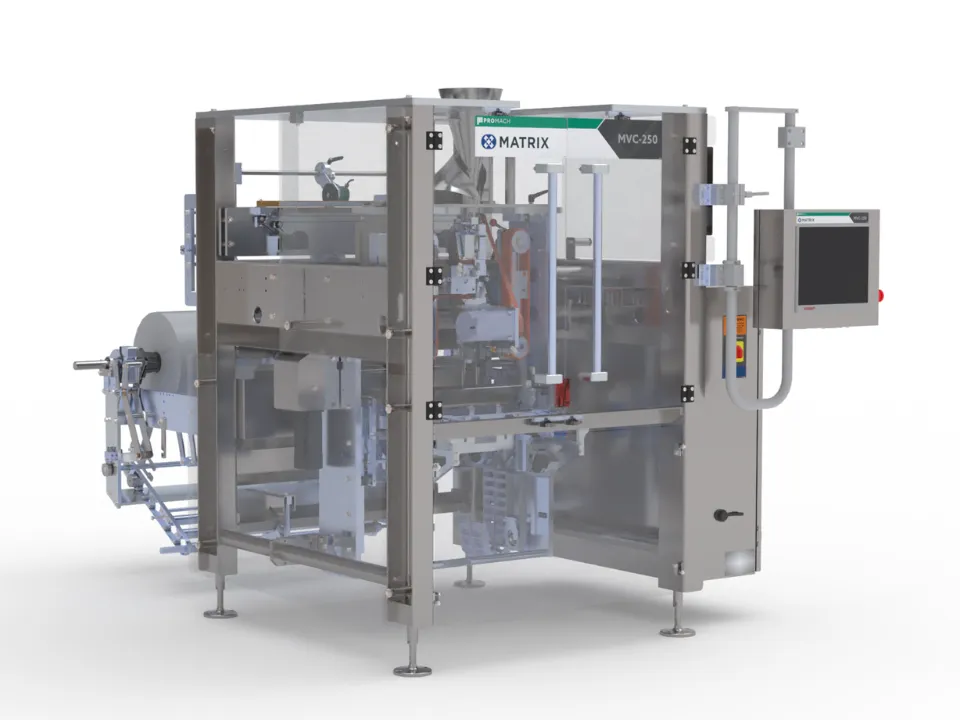
Continuous-motion vertical form-fill-seal bagger up to 240 cycles/min with AutoPro servo changeover, from Matrix Packaging Machinery.
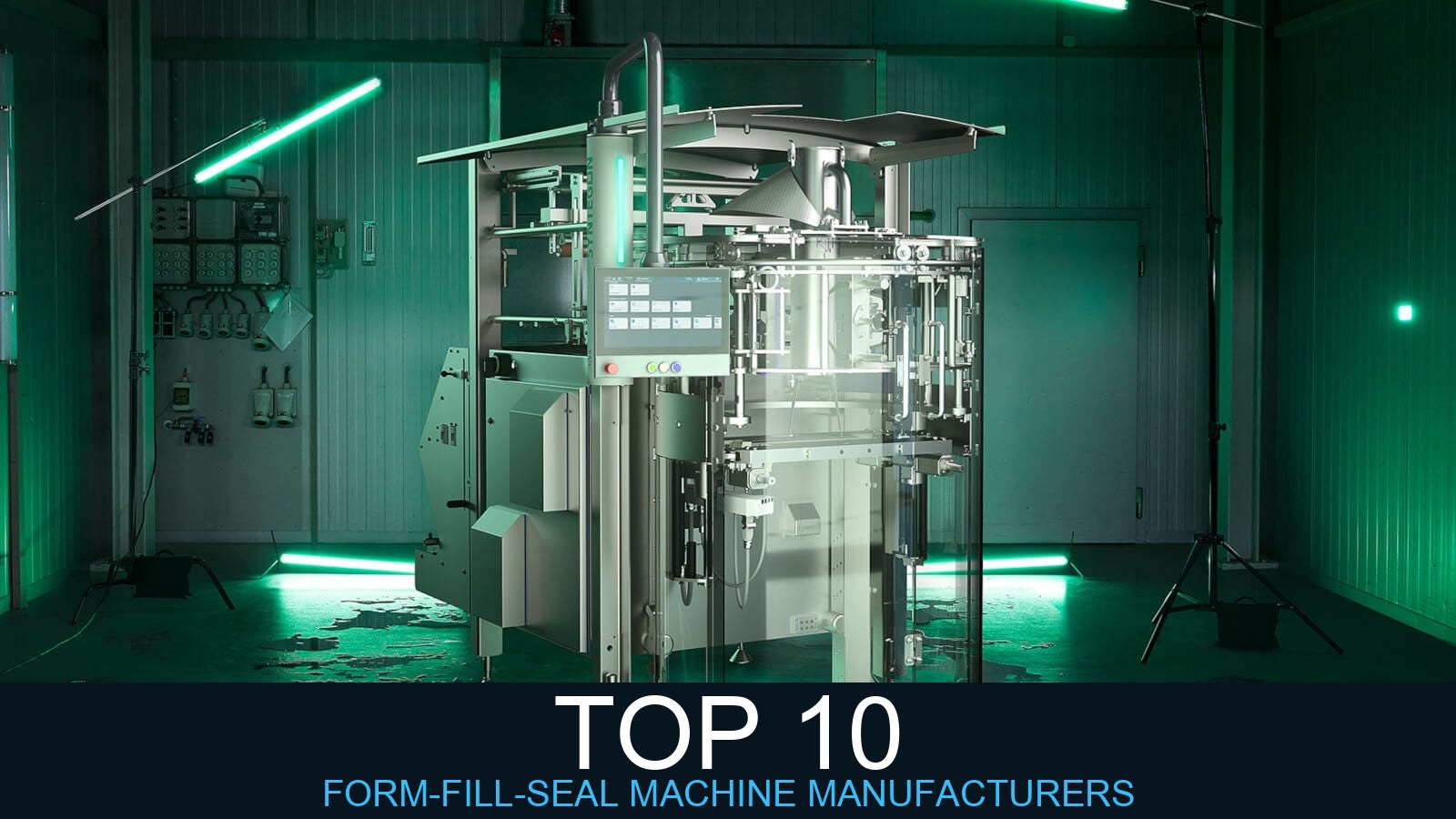
An independent ranking of the top global VFFS and HFFS machine manufacturers, with core technologies, flagship models and the selection fact...
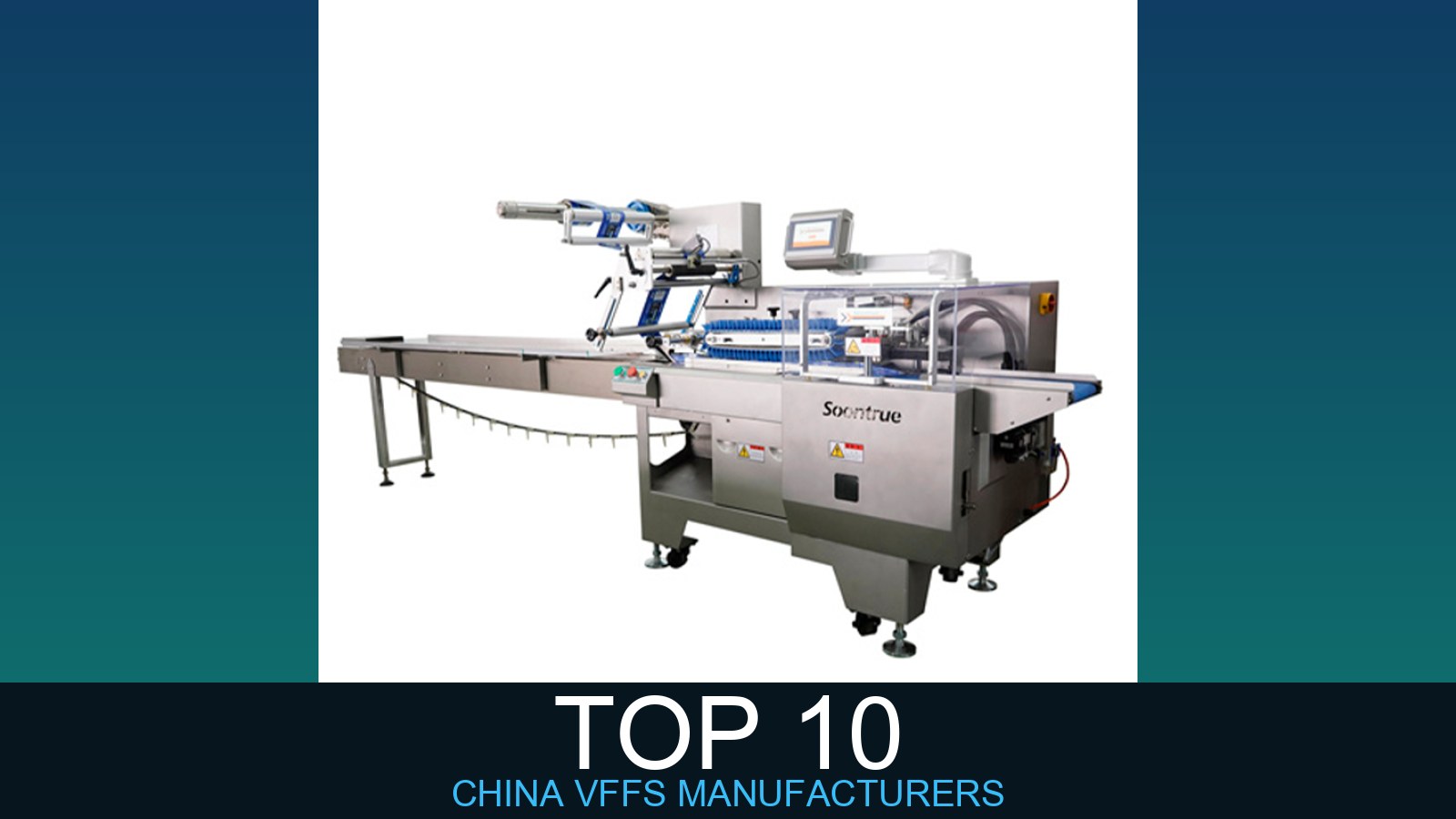
An independent ranking of Chinese vertical and horizontal form-fill-seal machine builders, with verifiable specs, certifications and procure...
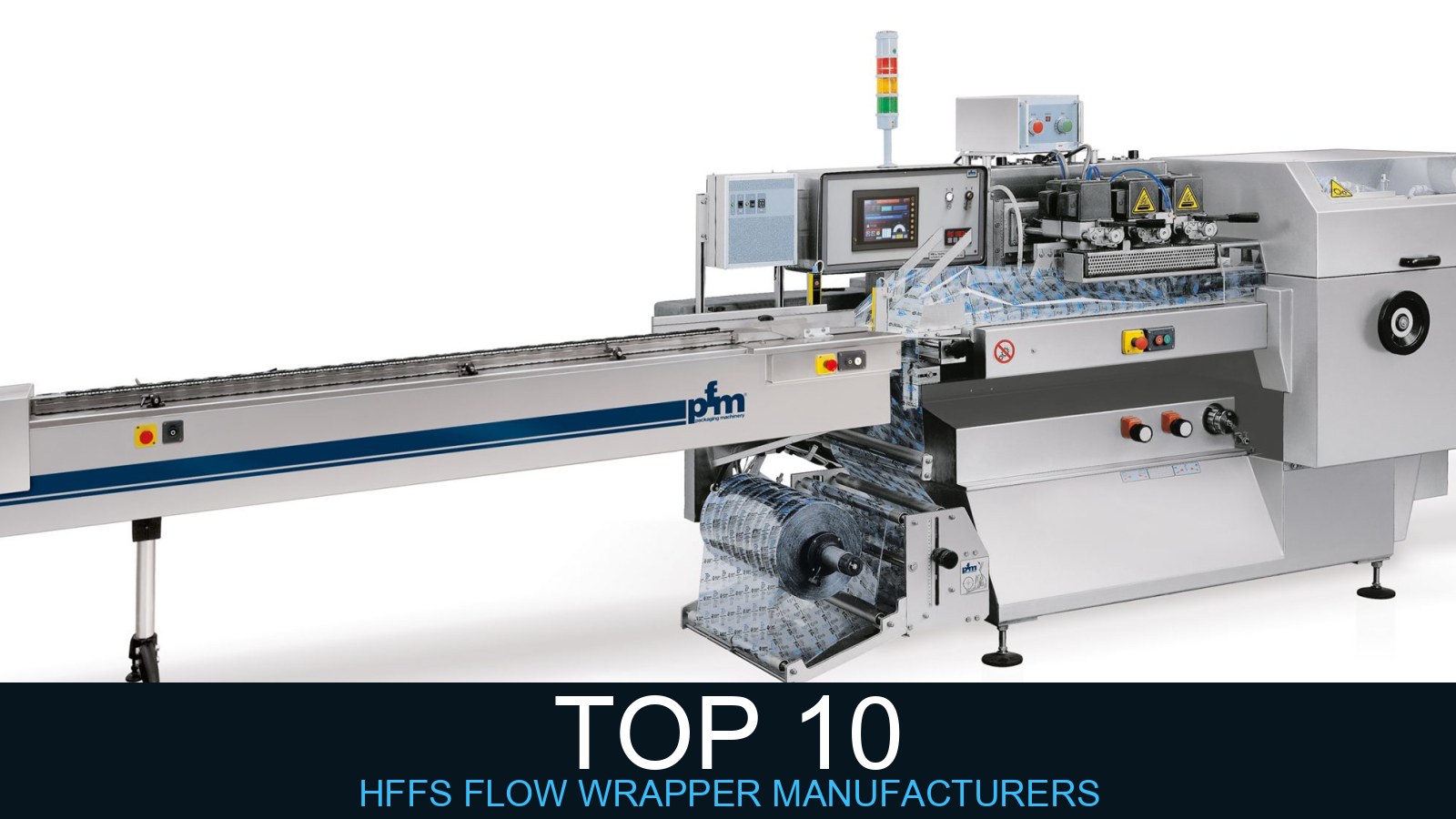
An independent ranking of horizontal form-fill-seal flow wrapper builders, with verifiable speeds, sealing systems and film-width capability...
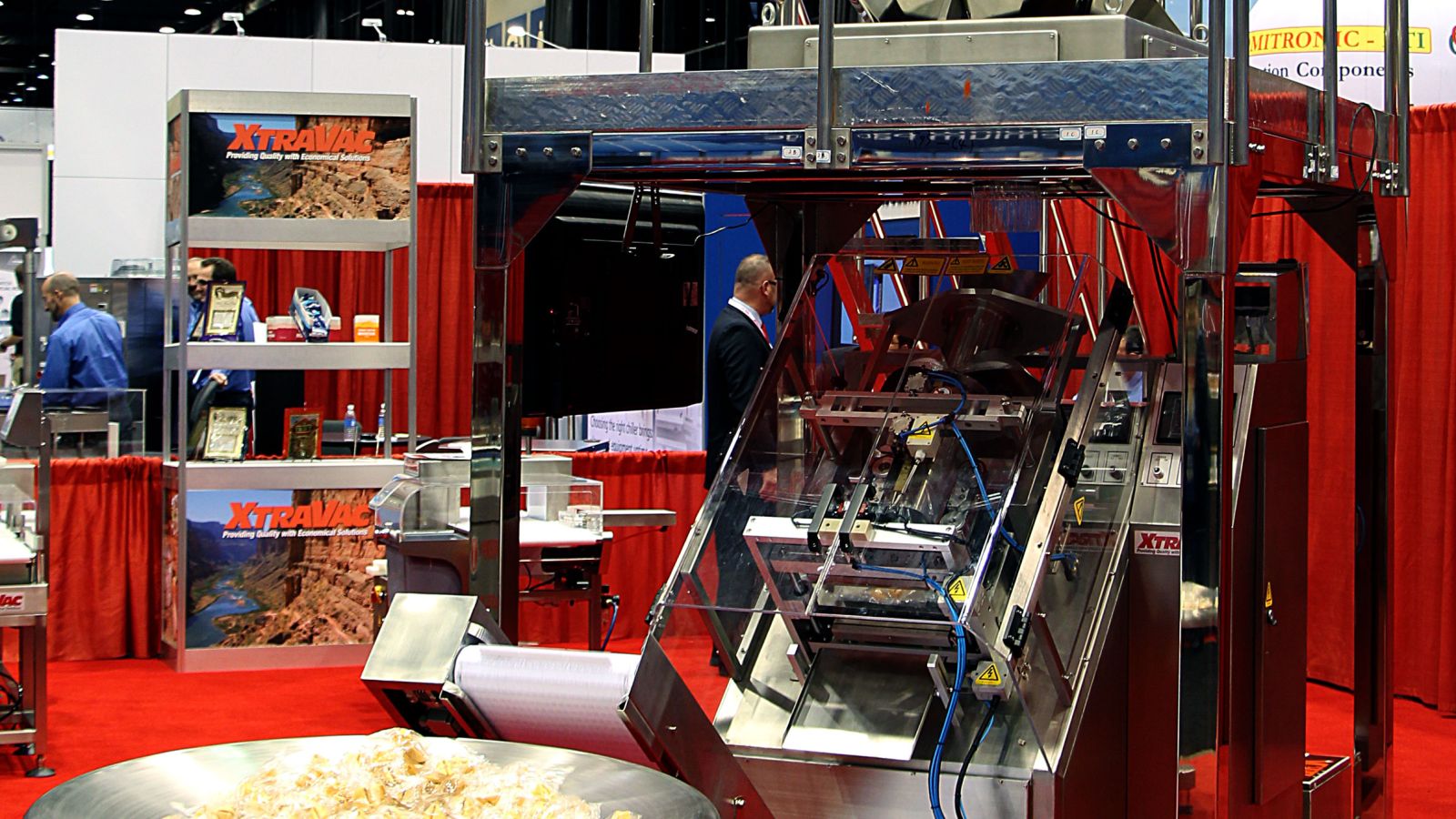
Ten vertical form-fill-seal (VFFS) machines compared across speed, motion type, dosing integration and verifiable data — the shortlist for s...
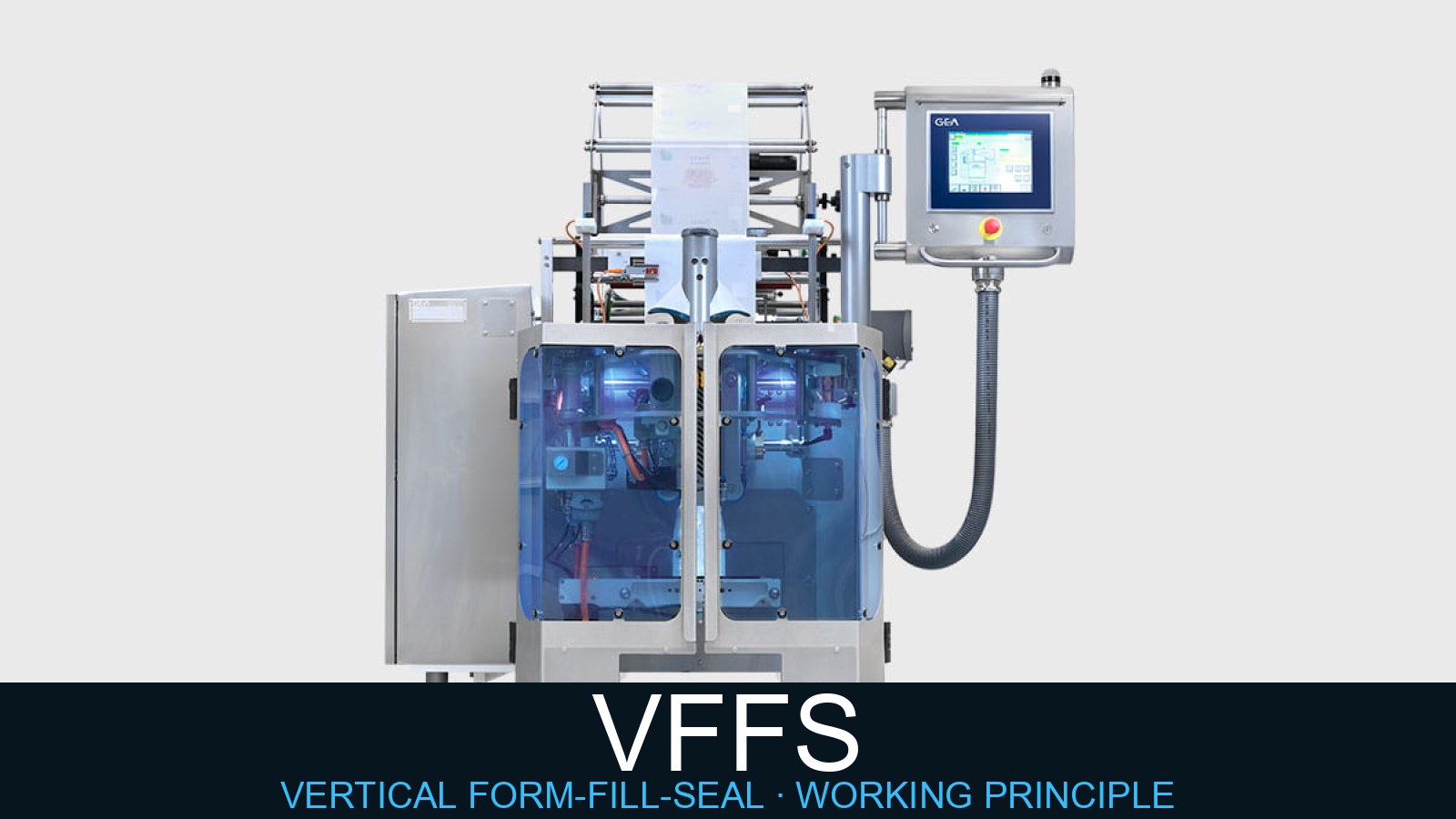
An engineering explanation of how a VFFS machine folds rollstock into a tube, seals it vertically and horizontally, and fills it in one cont...
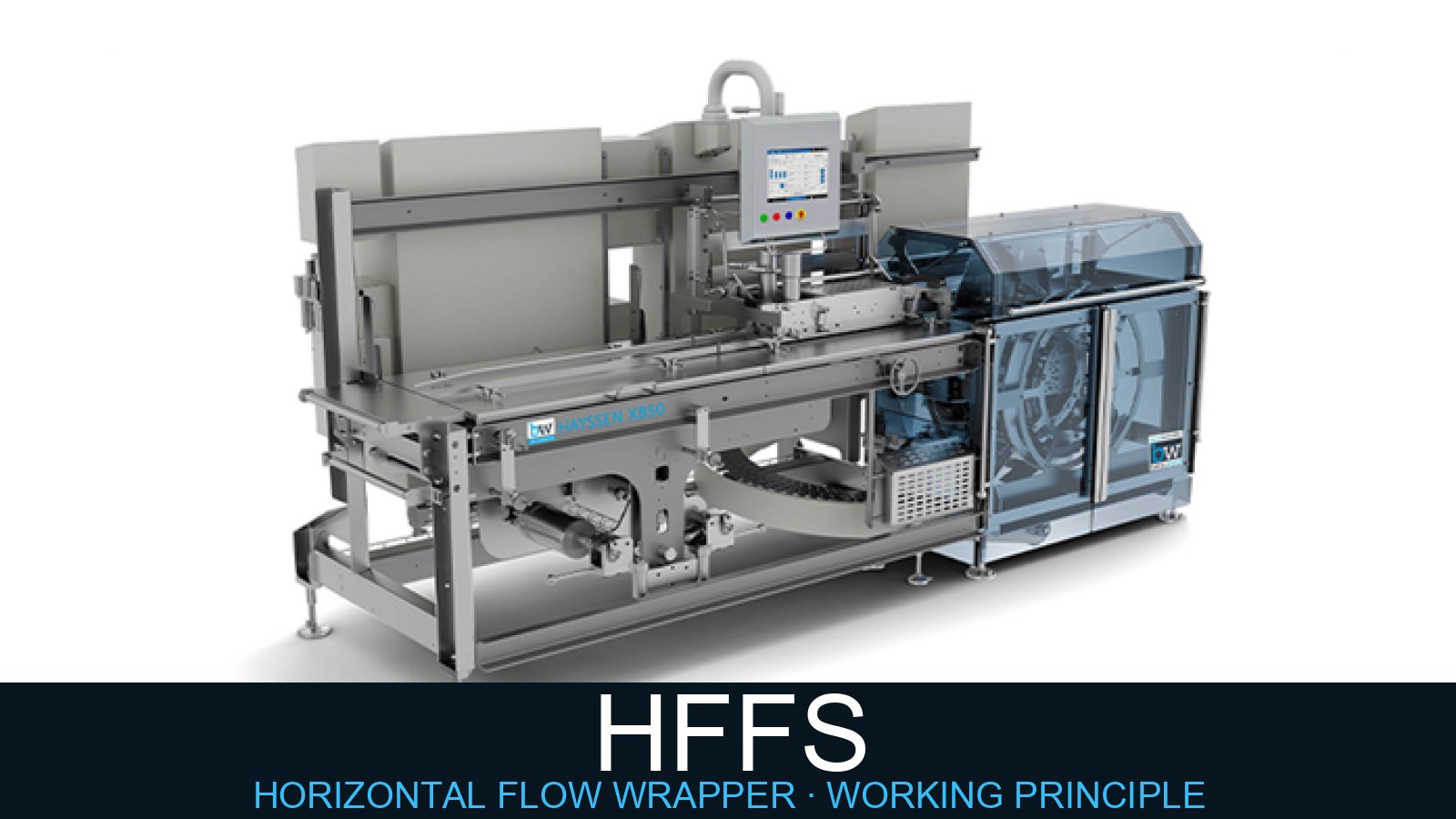
How a horizontal form-fill-seal flow wrapper carries the product sideways through film forming, filling and cross-sealing — and why the cros...
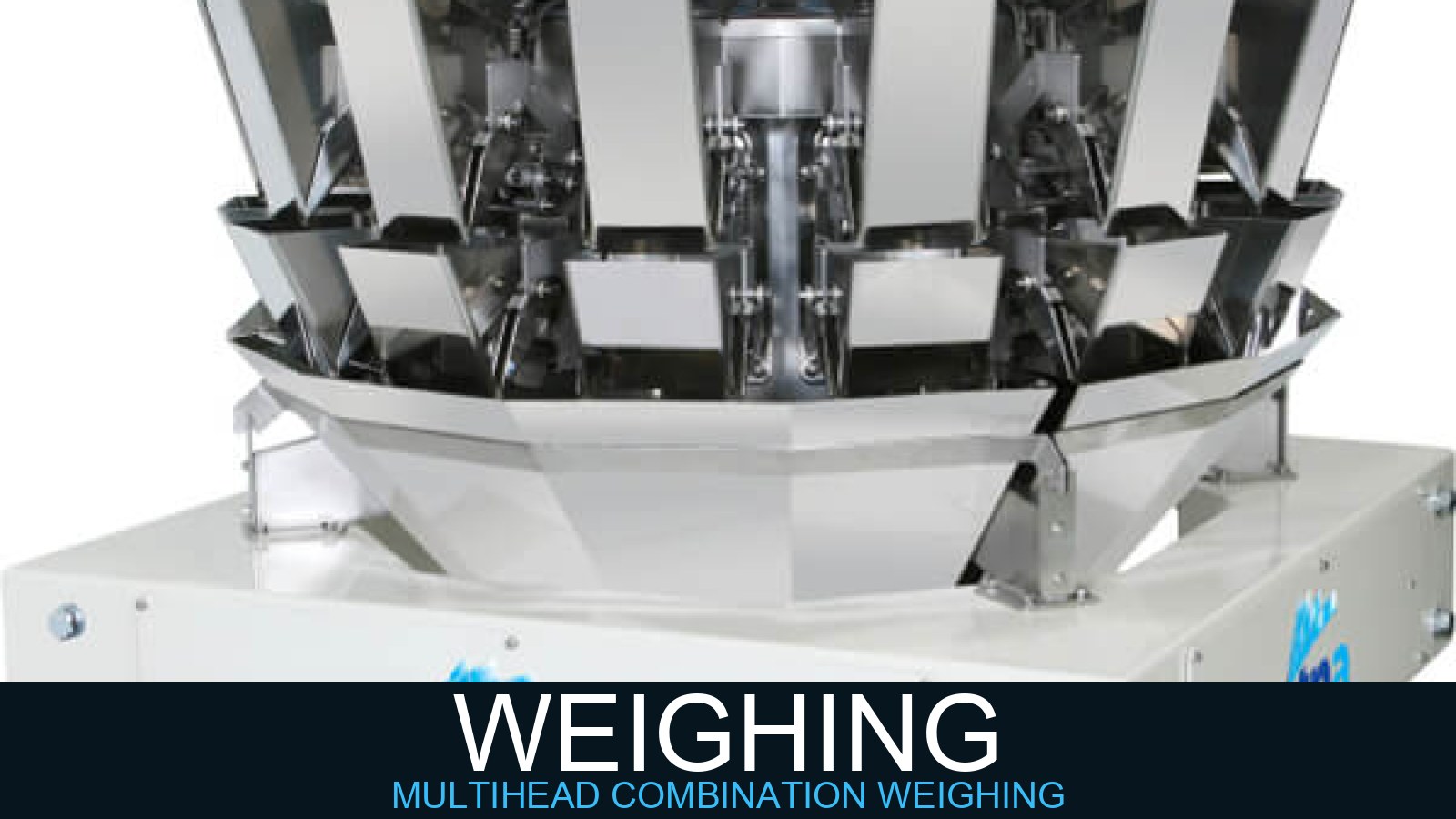
How a multihead weigher combines partial doses across many weigh heads to hit a target weight accurately at speed — and why combination weig...