Packaging Machinery · Equipment category

Labeling & Coding

Systems for applying labels and printing crucial traceability data directly onto packaging.

Best for
Compliance, branding, lot tracking, and expiration dating.
Common formats
Wraparound labels, top/bottom labels, ink jet codes, laser marks.
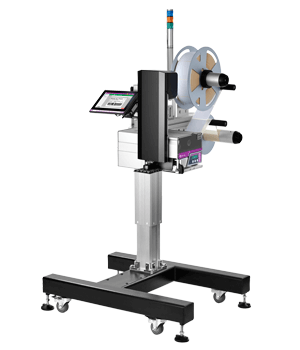
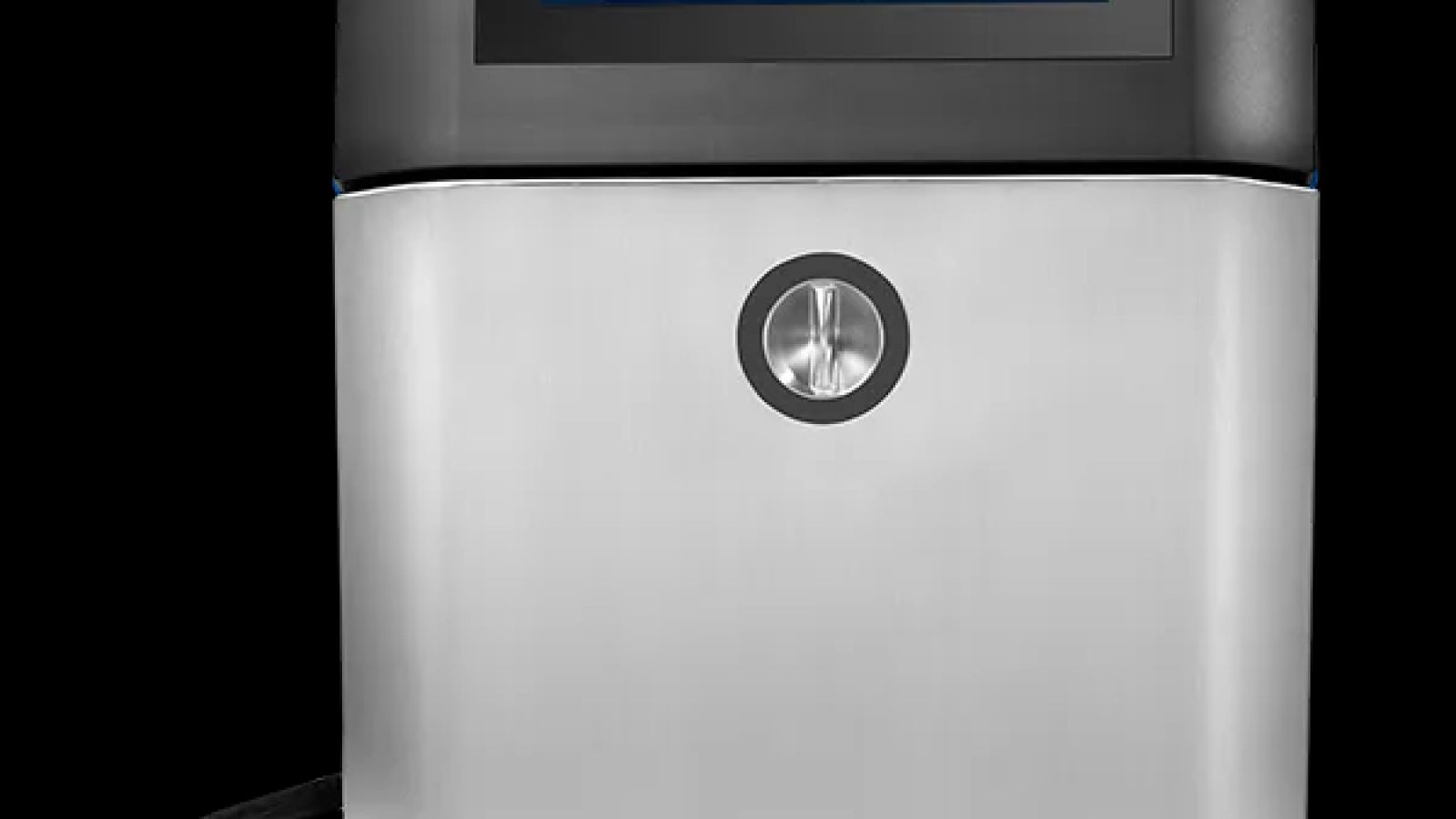
Markem-Imaje 2200 print-and-apply labeler applying a printed label

Labeling and coding are two machines

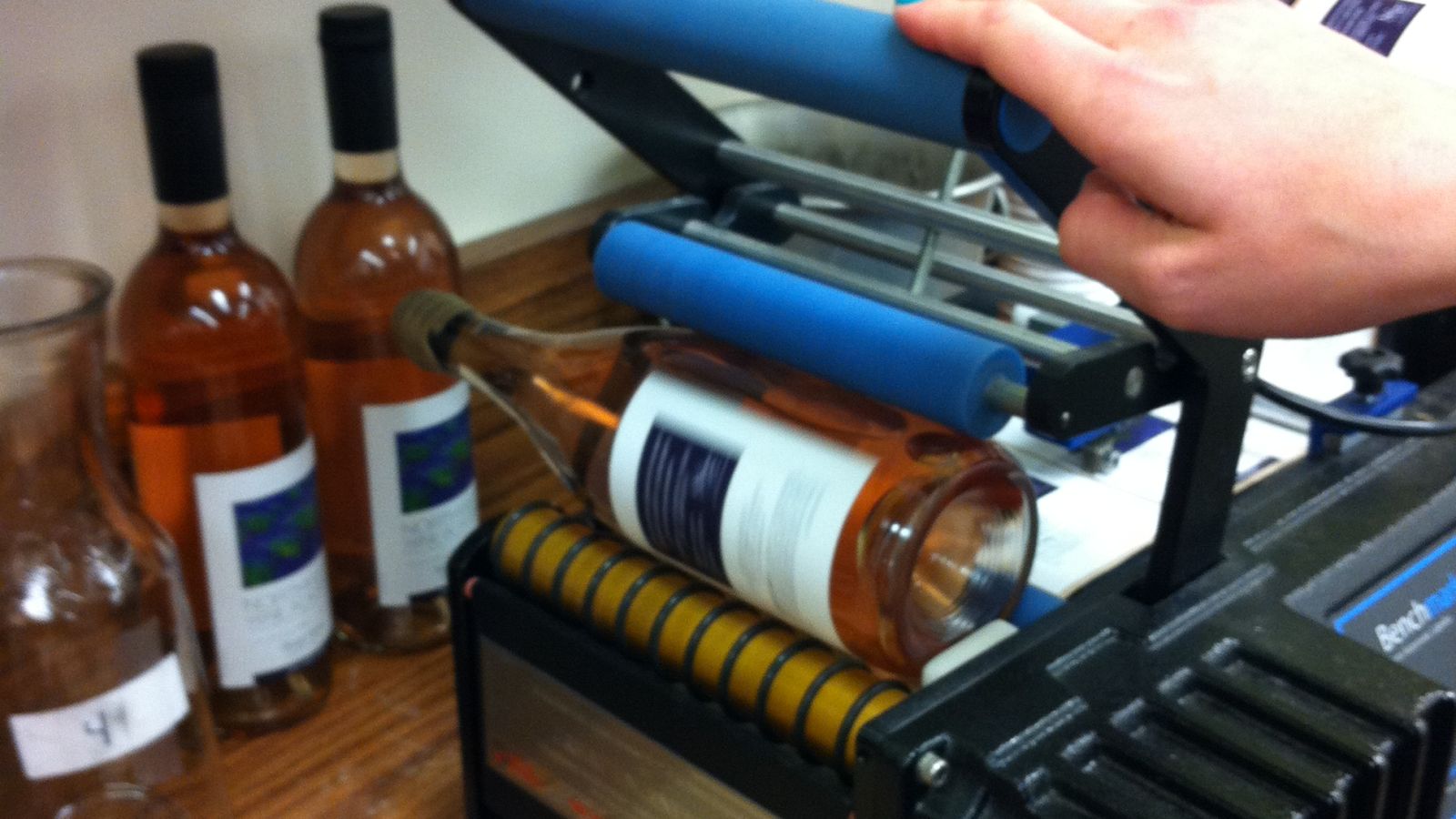
A labeler applies a physical label — pressure-sensitive, sleeve or roll-fed — to the pack. A coder prints a date, lot or barcode directly onto the pack or label. The shortlist splits at that line, and splitting it wrong is the most common sourcing mistake in this category.

The technologies

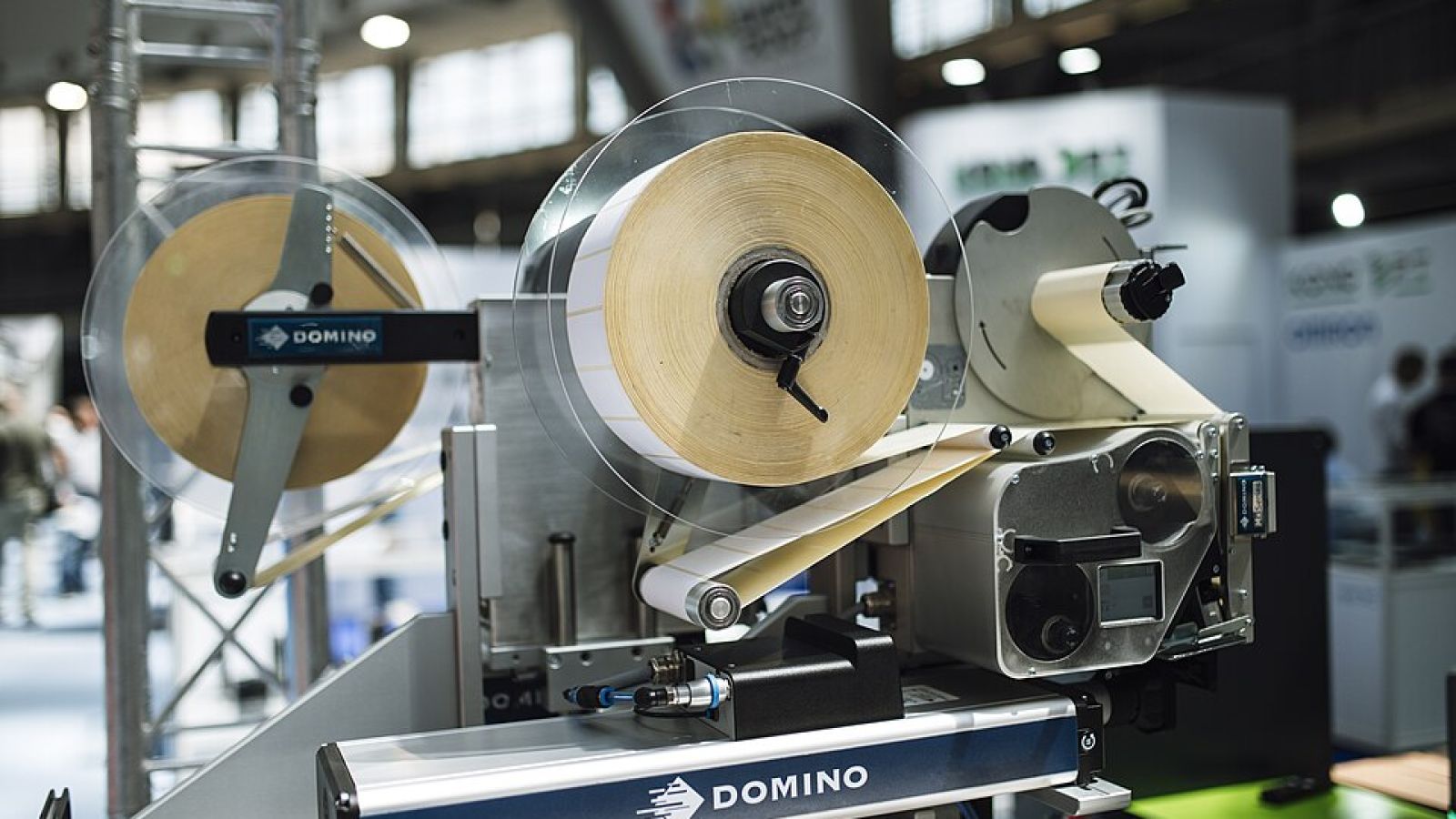
Pressure-sensitive labelers peel a pre-cut label from a liner and apply it with a tamp, blow-on or wipe-on head. Sleeve labelers drop a shrink sleeve and heat it to conform. Continuous inkjet (CIJ) sprays ink to form characters; thermal transfer (TTO) melts a ribbon for a crisp, durable code; laser etches with no consumable ink. Print-and-apply combines printing and labeling in one station.

Selection factors that decide the machine

  • Label or code first: start with the labeler if the pack carries a printed label, the coder if it needs a date, lot or barcode.
  • What the code must survive: scuffing, condensation, freezer or retort push the choice toward TTO or laser.
  • Speed and substrate: a labeler for wet glass at high speed is not a case labeler.
  • Consumables: ink, ribbon and label stock dwarf the machine price over its life.

Choose the supplier on substrate and permanence

Start with the Top 10 Labeling & Coding Machine Manufacturers ranking, and see How Labeling and Coding Machines Work for the principles. Browse the manufacturer directory below to shortlist suppliers for a code-permanence trial.

Decision guides

Start with this guide

self-adhesive-vs-roll-fed-vs-sleeve-labeling
Compare
Self-Adhesive vs Roll-Fed vs Sleeve Labeling

The core idea of this page: three label application methods solve different jobs — self-adhesive for placement accuracy on flat and shaped...

Jul 14, 2026 · 1 min read
labeling-vs-coding
Compare
Labeling vs Coding: Which Comes First

The core idea of this page: labeling and coding are two different machines — a labeler applies a pre-printed label, a coder prints variable...

Jun 30, 2026 · 1 min read
cij-vs-tto-vs-laser-coding
Compare
CIJ vs TTO vs Laser Coding

The core idea of this page: three coding technologies differ in durability and cost — CIJ is the fast non-contact workhorse for date and lo...

Jul 29, 2026 · 1 min read
Top companies

Featured manufacturers

Company Ranked #1
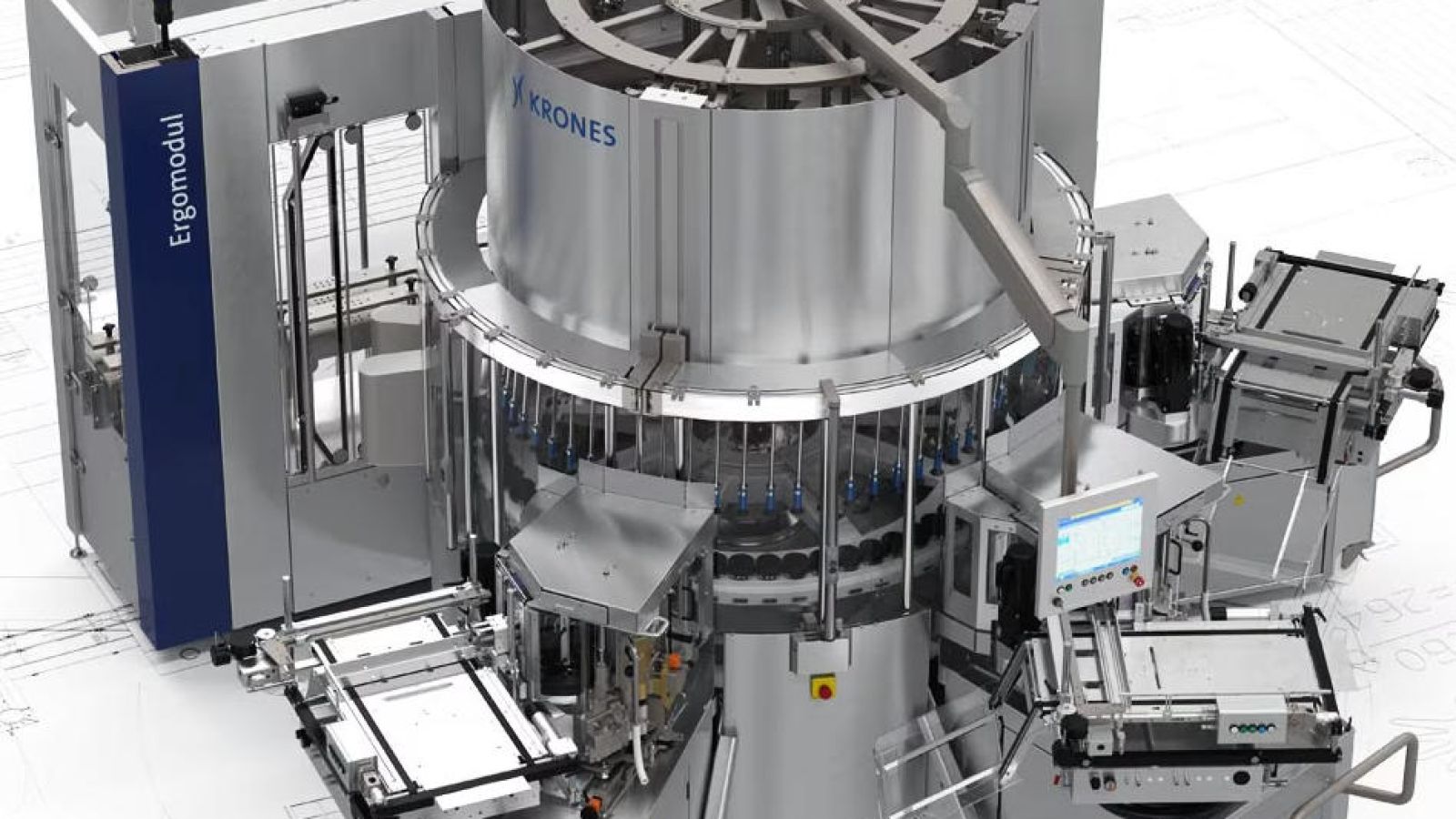
Krones AG

German beverage-filling and packaging giant known for ultra-high-speed rotary fillers and aseptic block systems.

Sep 1, 2025
Company Ranked #2
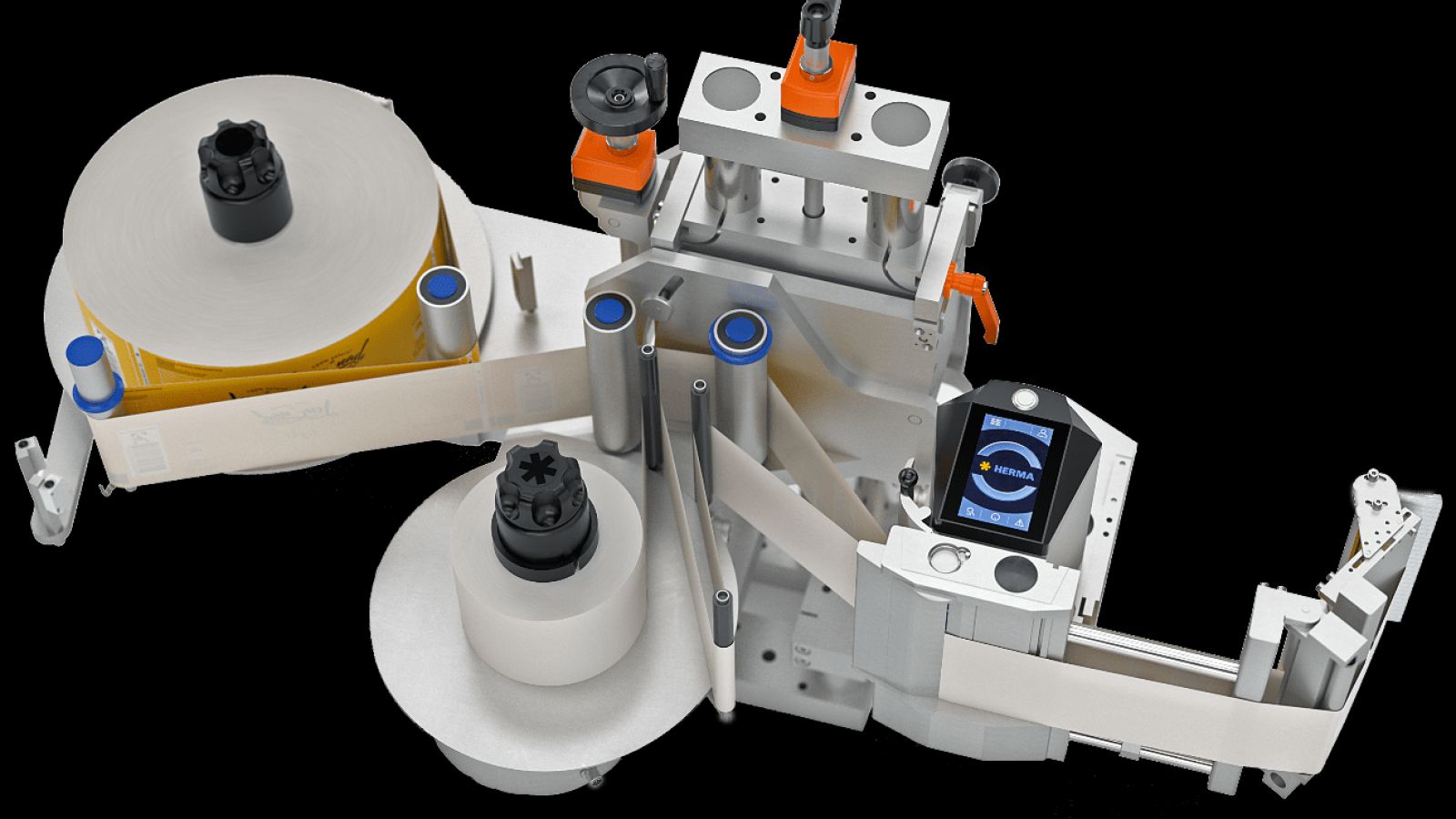
Herma

German self-adhesive labeling specialist (HERMA 500 applicator).

Apr 2, 2026
Company Ranked #3
Markem-Imaje (Dover)

Coding and marking leader across CIJ, TTO and laser.

Apr 20, 2026
Company Ranked #6
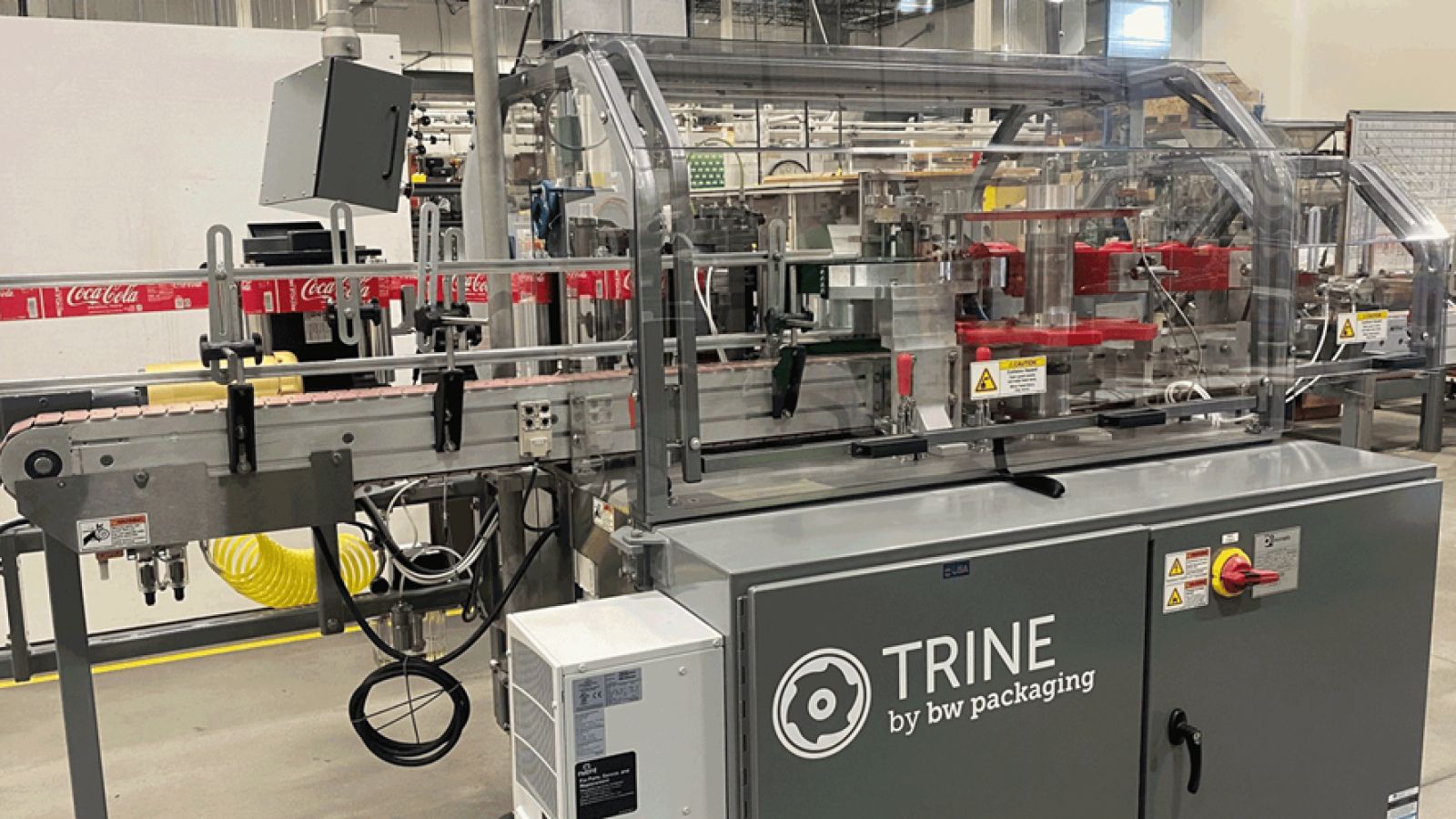
Accraply / BW Labeling

Roll-fed, shrink-sleeve and pressure-sensitive labeler builder.

Jun 12, 2026
Company Ranked #2
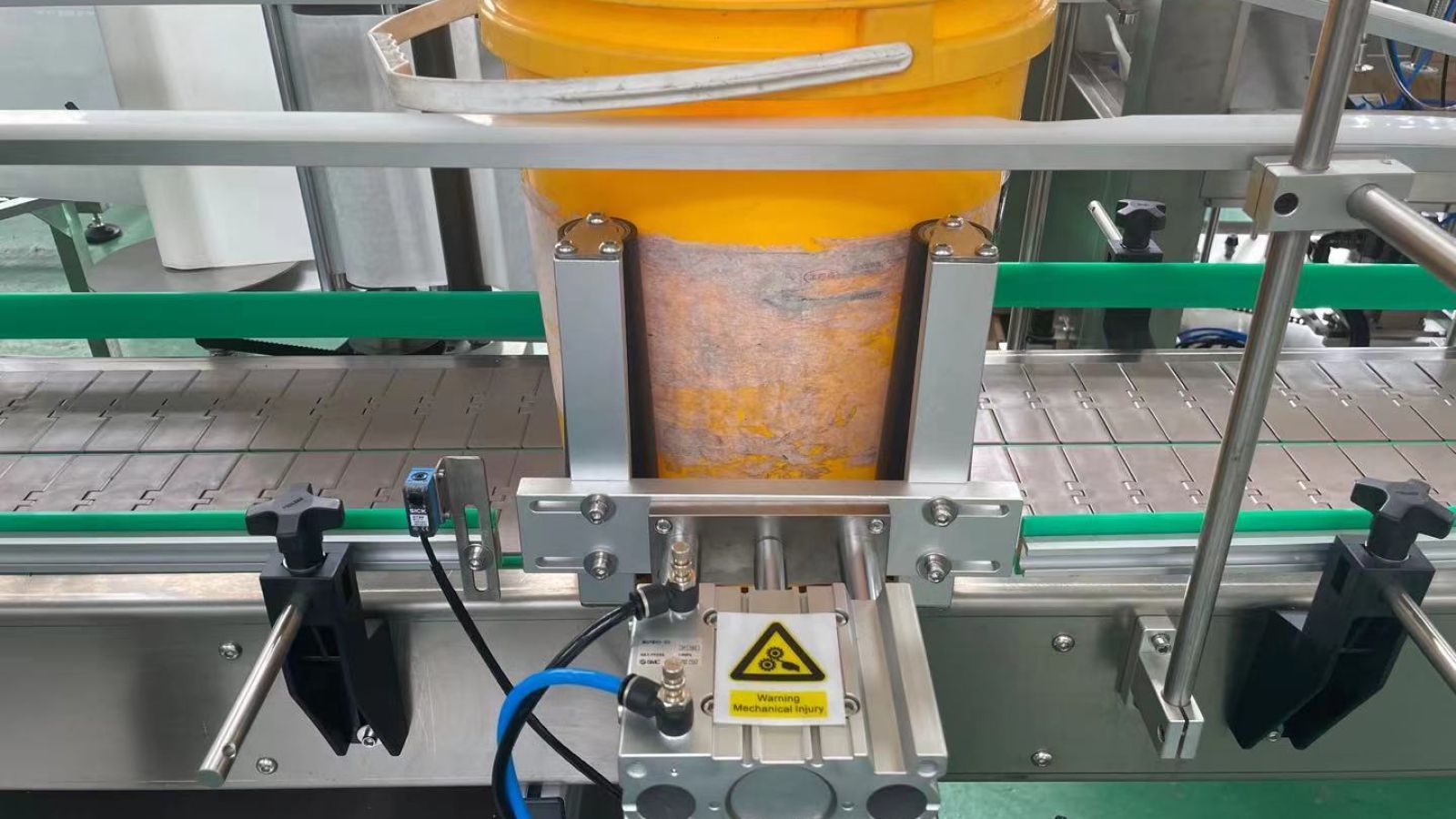
ZONESUN

Chinese packaging machinery brand spanning labeling, cartoning, filling and sealing.

Oct 6, 2025
Company Ranked #4
URMACHINE

Chinese pharmaceutical packaging machinery maker with a self-adhesive labeling line.

Nov 29, 2025
Company Ranked #6
LEAD TECH

Chinese CIJ inkjet coding machine maker.

Jan 3, 2026
Featured products

Representative equipment

Videojet 1860 CIJ
Product
Videojet 1860 CIJ

Continuous inkjet coder, up to 960 fpm.

Aug 6, 2026 · 1 min read
Technical reference

Knowledge

Frequently asked questions

Common questions

What is the difference between labeling and coding?
A labeler applies a physical label — pressure-sensitive, sleeve or roll-fed — to the pack. A coder prints a date, lot or barcode directly onto the pack or label using CIJ, thermal transfer or laser. Print-and-apply systems combine both in one station.
Which coding technology should I choose?
CIJ is the workhorse for high-speed date and lot codes; thermal transfer (TTO) gives a crisp, durable code on film and labels; laser needs no consumable ink and suits permanent marking. The choice is driven by what the code must survive — scuffing, condensation, freezer or retort — and the substrate.
How do I choose a labeling machine?
Specify the container, surface and line speed, then match the technology — a pressure-sensitive labeler for flat packs, a sleeve labeler for shrink decoration, or a roll-fed labeler for high-speed round bottles. Confirm label and machine are qualified together.
What are the running costs of coding and labeling?
CIJ ink and make-up, thermal-transfer ribbon and label stock are recurring costs that dwarf the machine price over its life. Quote consumables together with the machine, not separately.
Which label application method should I use?
Pressure-sensitive (self-adhesive) suits flat and shaped packs with high placement accuracy; sleeve labeling gives 360-degree shrink decoration and tamper evidence; roll-fed (wrap-around) is the lowest cost per label for high-volume round bottles.
How fast do labeling and coding machines run?
Self-adhesive applicators run from tens to hundreds of labels per minute, roll-fed labelers reach tens of thousands of containers per hour, and CIJ coders print at hundreds of metres per minute. Always validate on your container and surface, not the brochure figure.
What makes a code or label durable enough?
The substrate and the code life decide the technology — CIJ ink can be removed by solvents, TTO gives a crisp durable code on film, and laser etches a permanent mark. Test adhesion and scuff resistance on your actual pack and distribution chain.
Do I need a labeler, a coder, or both?
If the pack carries a pre-printed label, start with the labeler; if it needs a date, lot or barcode, start with the coder. A line with both needs both — often a print-and-apply system bridges labeling and coding.