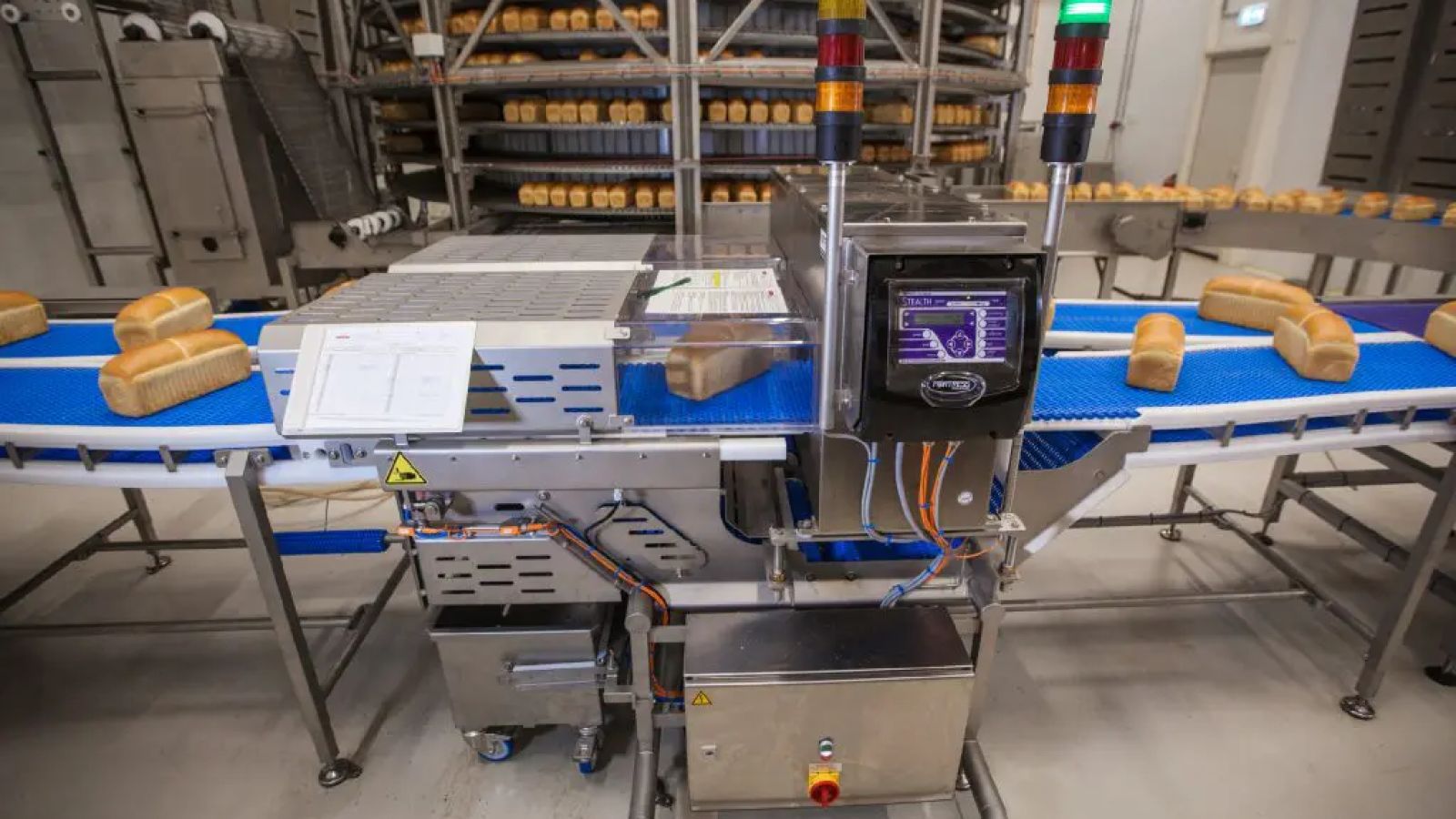
Top 10 Product Inspection System Manufacturers (2026)
An independent ranking of the top product inspection system manufacturers across metal detection, checkweighing, X-ray and vision inspection, with cited specifications.
Read the guide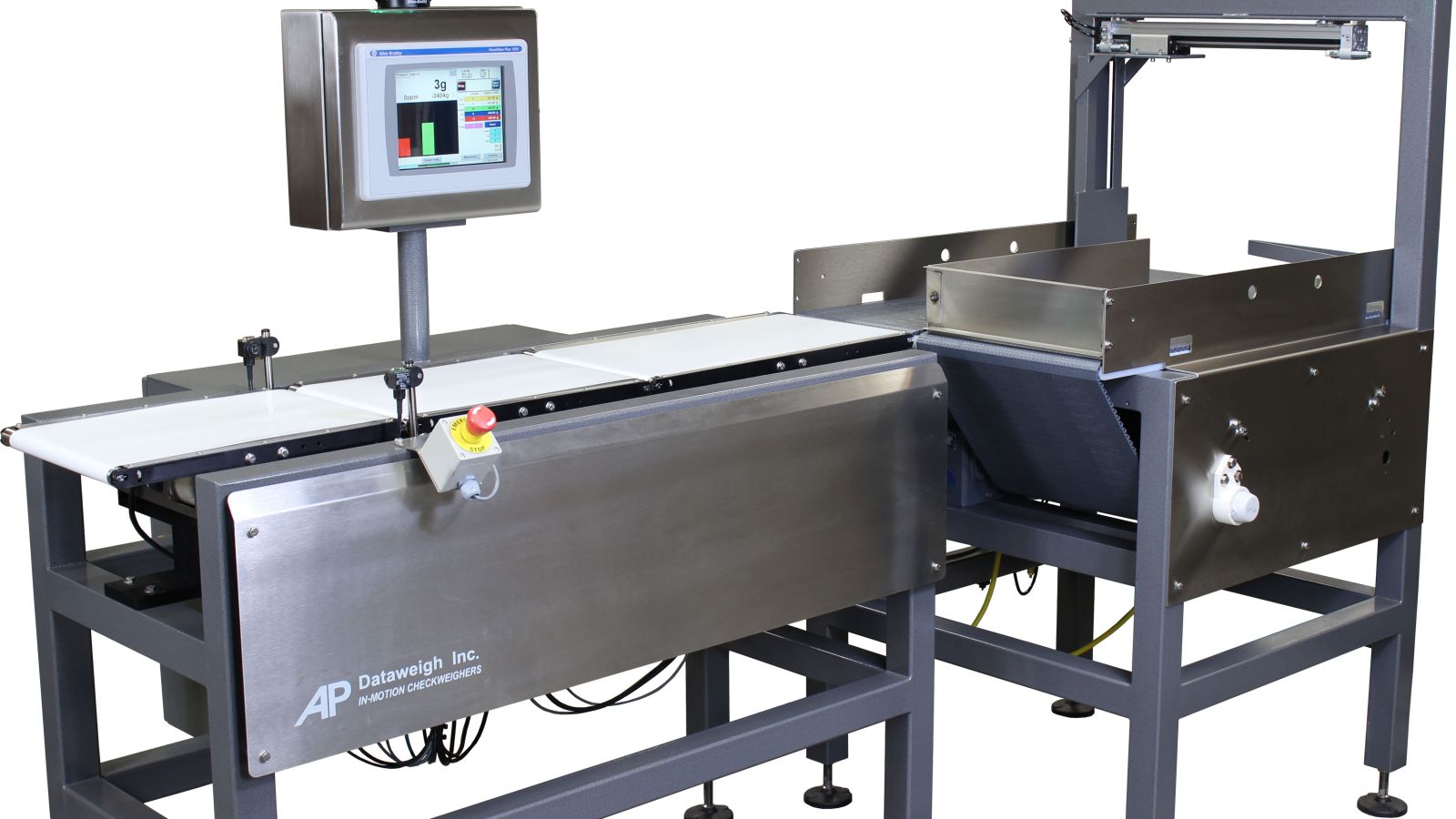

Quality control machines that detect contaminants, verify weights, and check seal integrity.
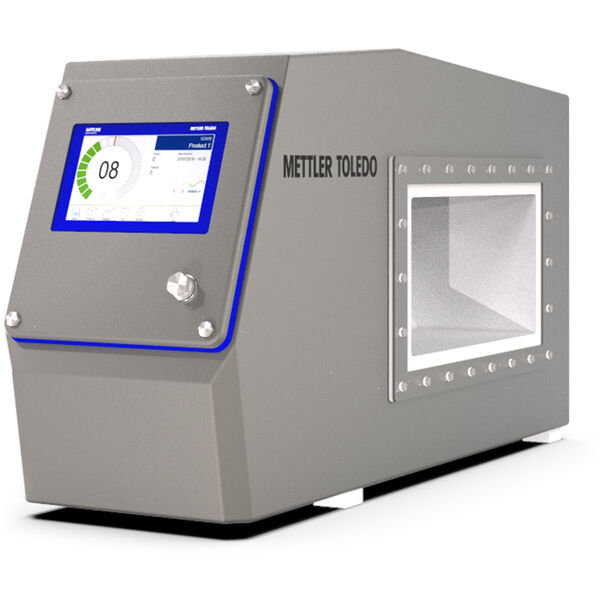
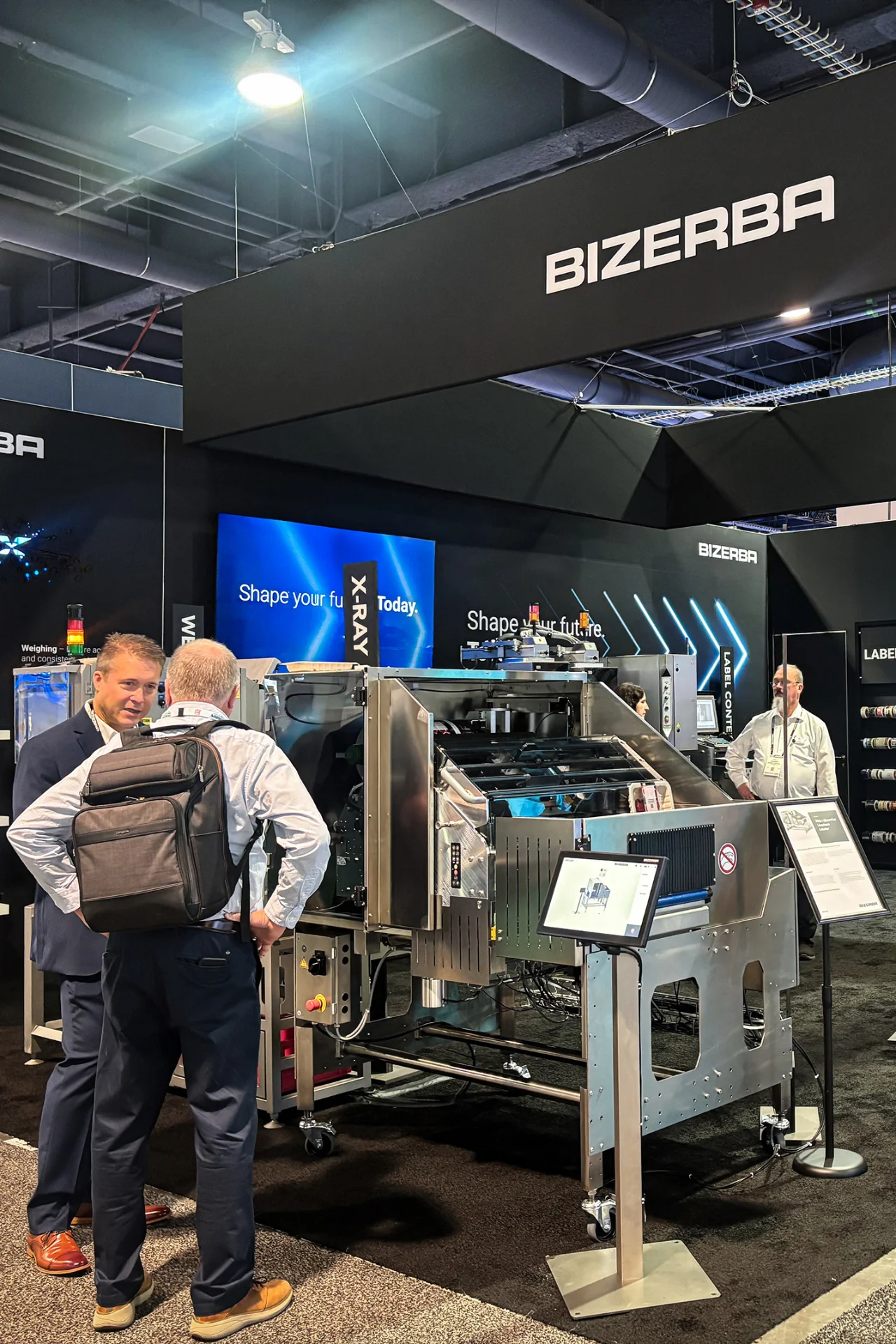
Inspection systems are the last check before a package leaves the line — and they answer different questions. A metal detector finds ferrous and non-ferrous metal; an X-ray system finds metal, glass, stone, bone and dense plastics by density; a checkweigher verifies weight; vision checks the label and visible defects. Choosing the right one starts with naming the risk you are actually trying to catch.
Metal detection passes the package through a balanced electromagnetic field; X-ray measures density and flags anything denser than expected; checkweighing weighs every package in motion against legal or cost tolerances. A conductive product such as meat, cheese or brine defeats a basic metal detector and pushes you toward X-ray or a product-compensated detector.
Start with the Top 10 Product Inspection System Manufacturers ranking, and see How Product Inspection Systems Work for the principles. Ask each supplier to detect a known test contaminant on your product at line speed before you buy.
An independent ranking of the top product inspection system manufacturers across metal detection, checkweighing, X-ray and vision inspection, with cited specifications.
Read the guide

The core idea of this page: in-line inspection sits on the production line and checks every pack at speed; standalone inspection is an offl...
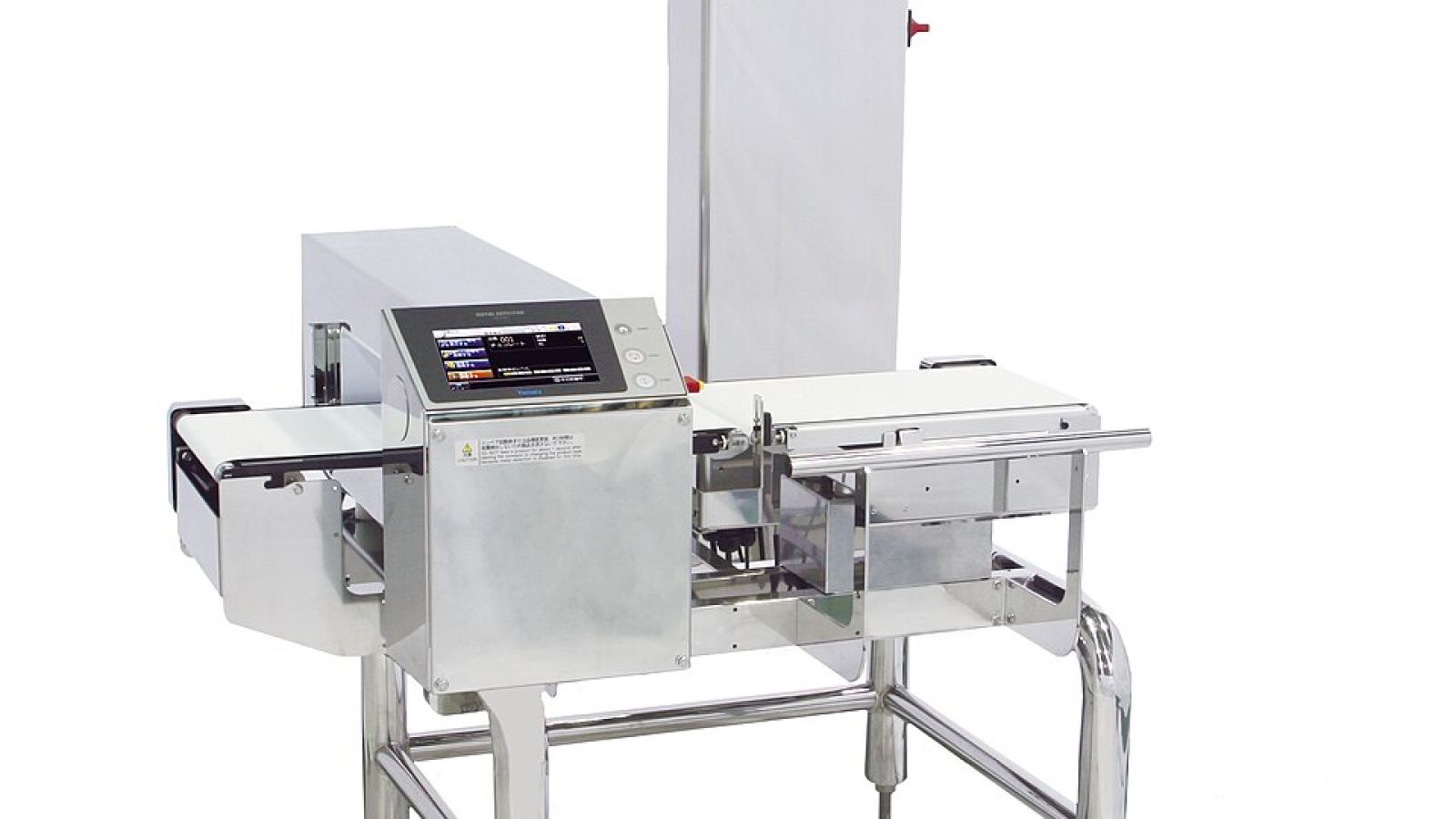
The core idea of this page: a checkweigher catches under/overfill by weighing every pack; a metal detector catches metal contamination. The...
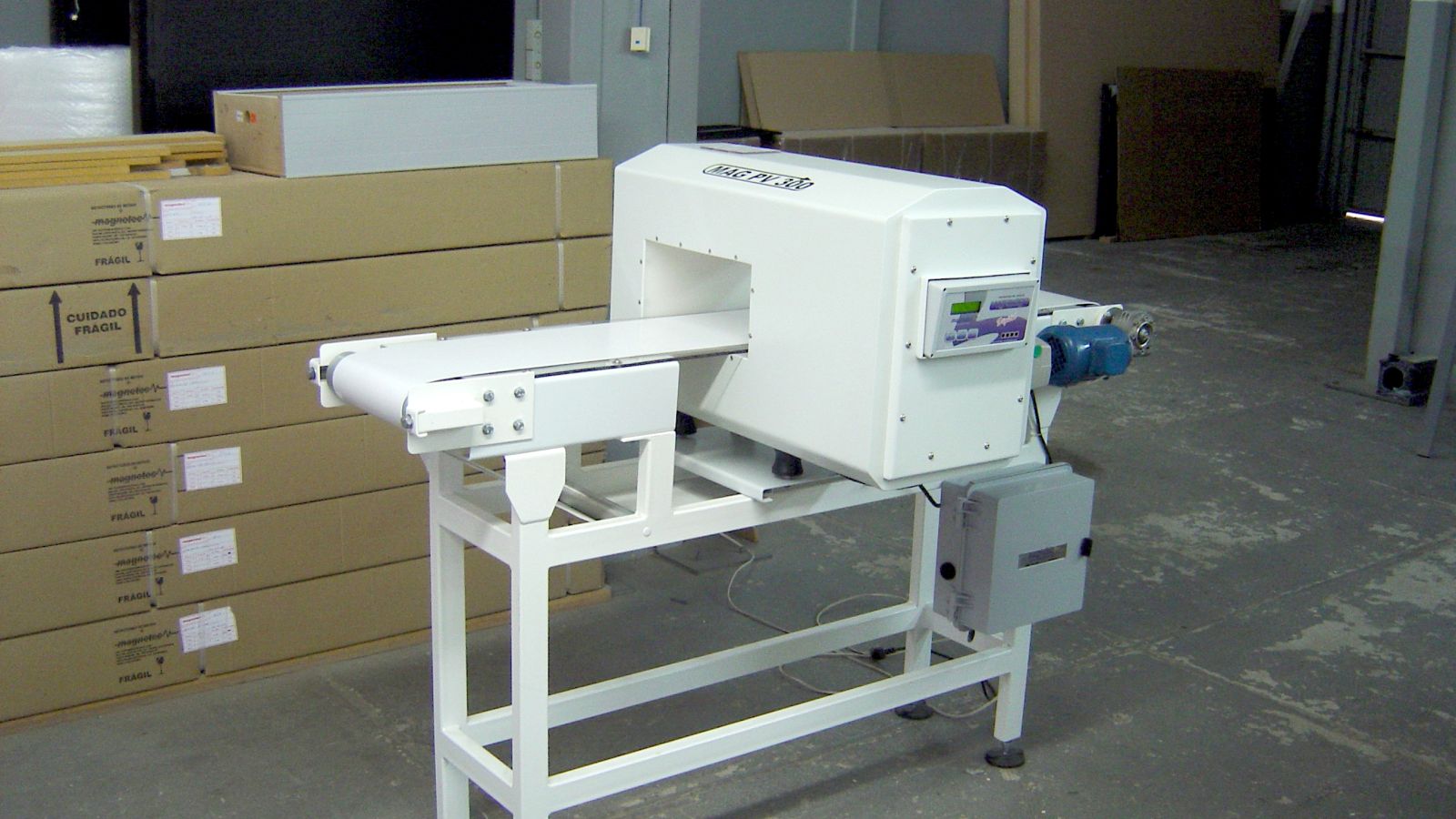
The core idea of this page: a metal detector finds metal only; an X-ray finds metal plus glass, stone and bone by density. Choose by the co...

Swiss manufacturer of product inspection systems, including Safeline metal detection, checkweighing and X-ray inspection.

Product inspection: Sentinel metal detection, Versa checkweighing, NextGuard X-ray.

Japanese manufacturer of VFFS bagmakers (INSPIRA, ATLAS series) and multihead weighers, founded in 1893.
Metal detection, checkweighing and X-ray builder (IQ4, CW3, X5).

Metal detection, checkweighing and X-ray with dual-frequency technology.

Leading Chinese inspection equipment maker spanning metal detection, checkweighing and X-ray.

Listed Chinese optoelectronic sorting and X-ray inspection maker (002690).



Chinese seal/leak testing and packaging inspection instrument maker.
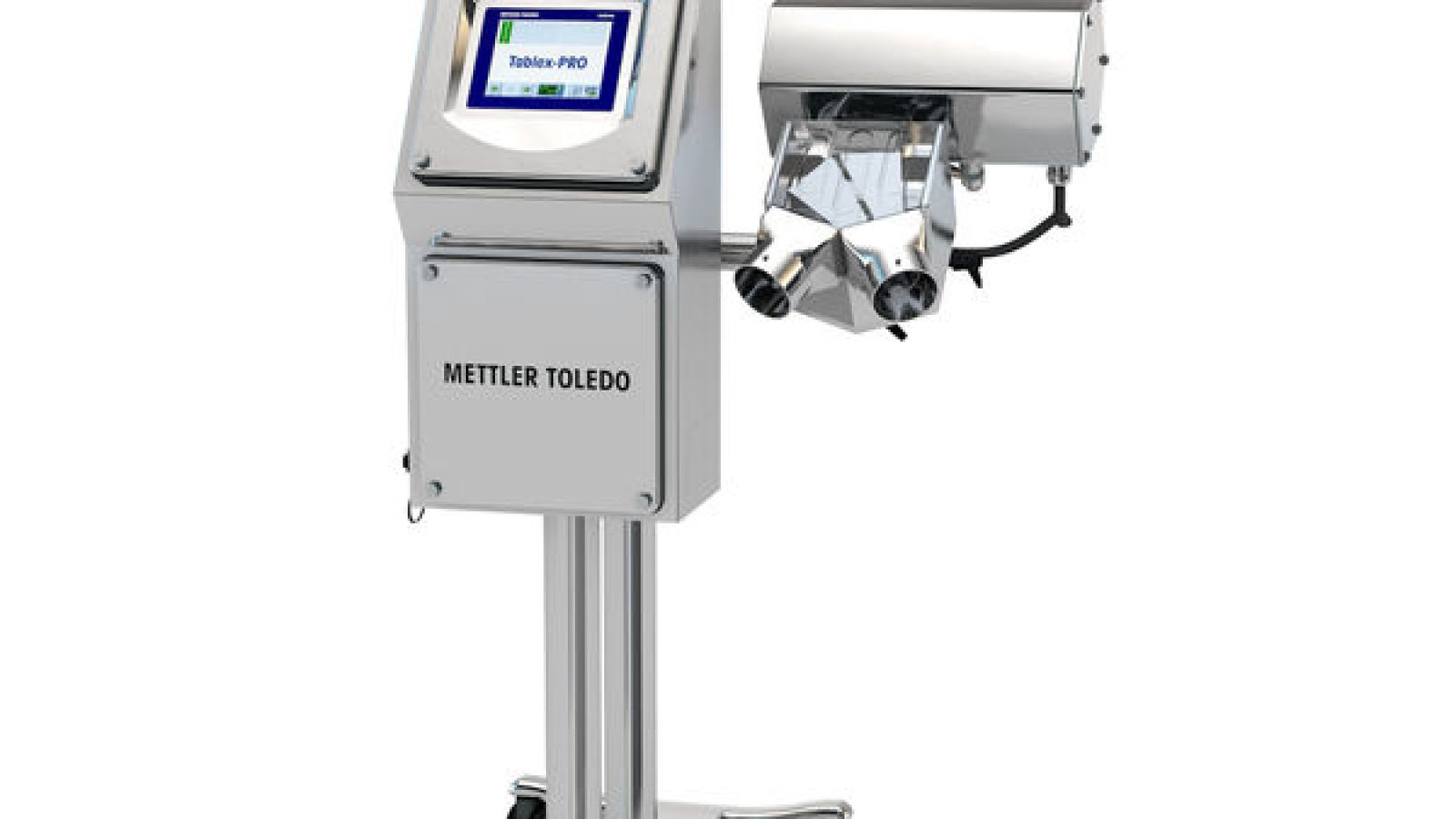
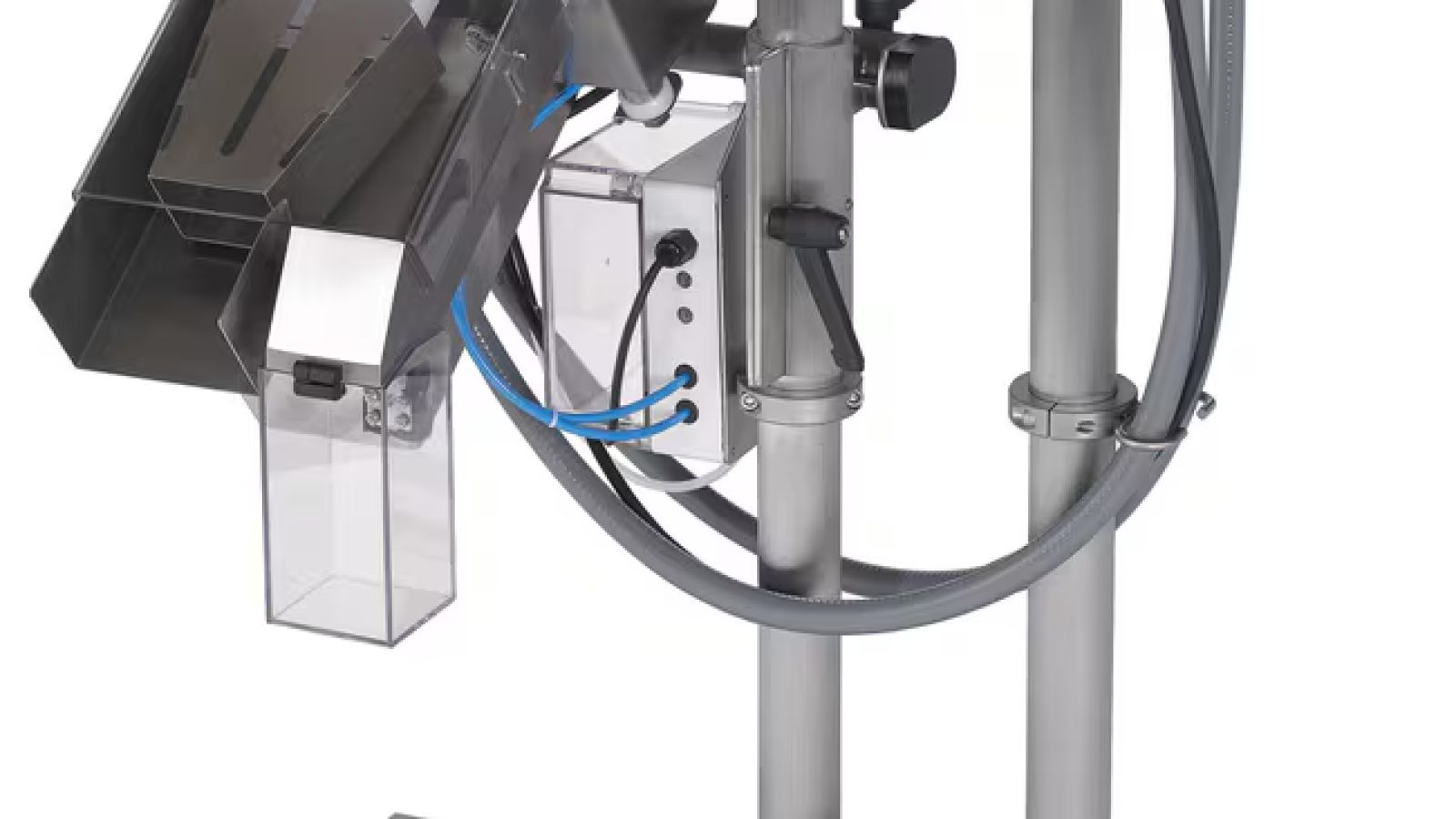
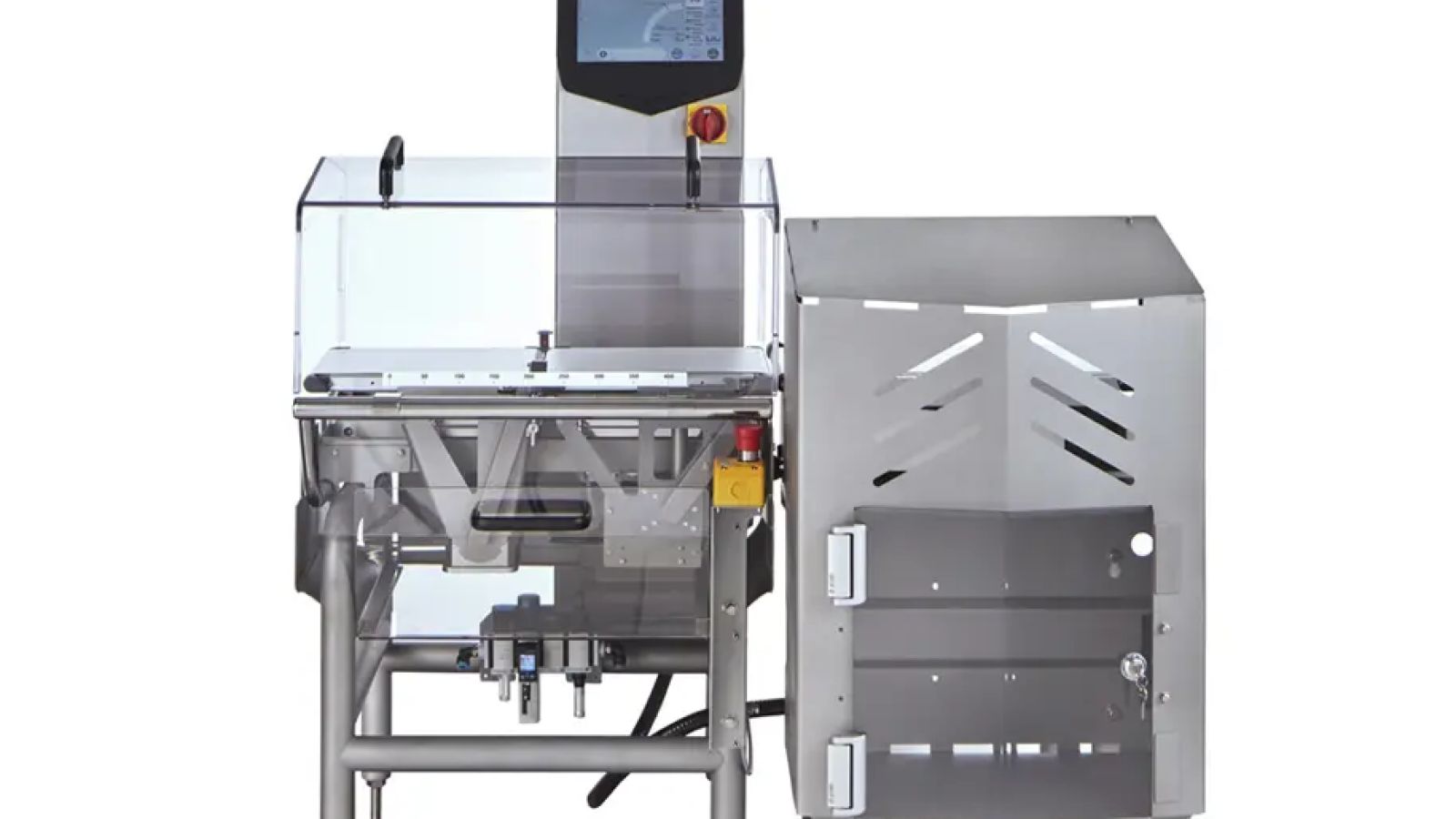
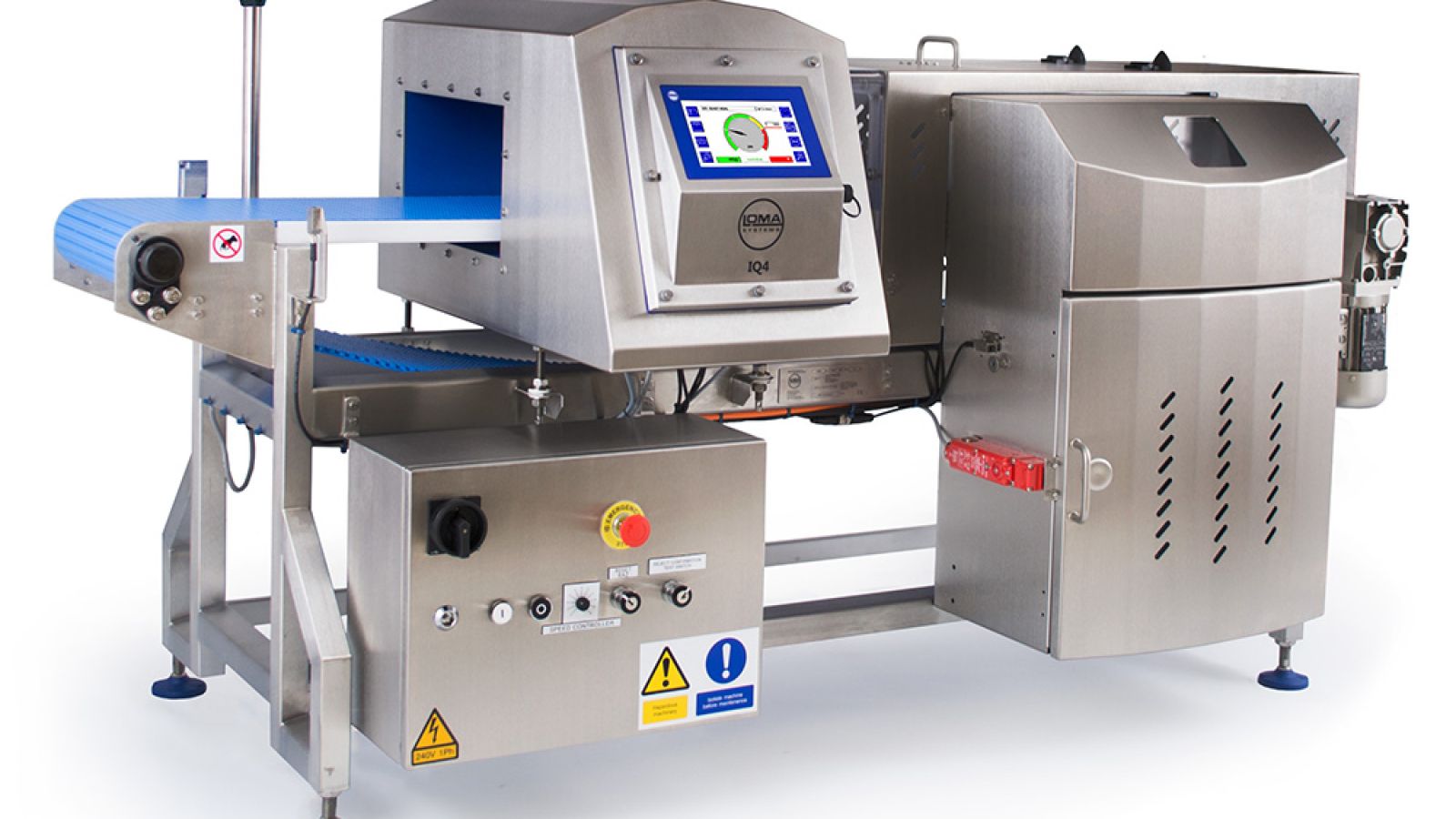
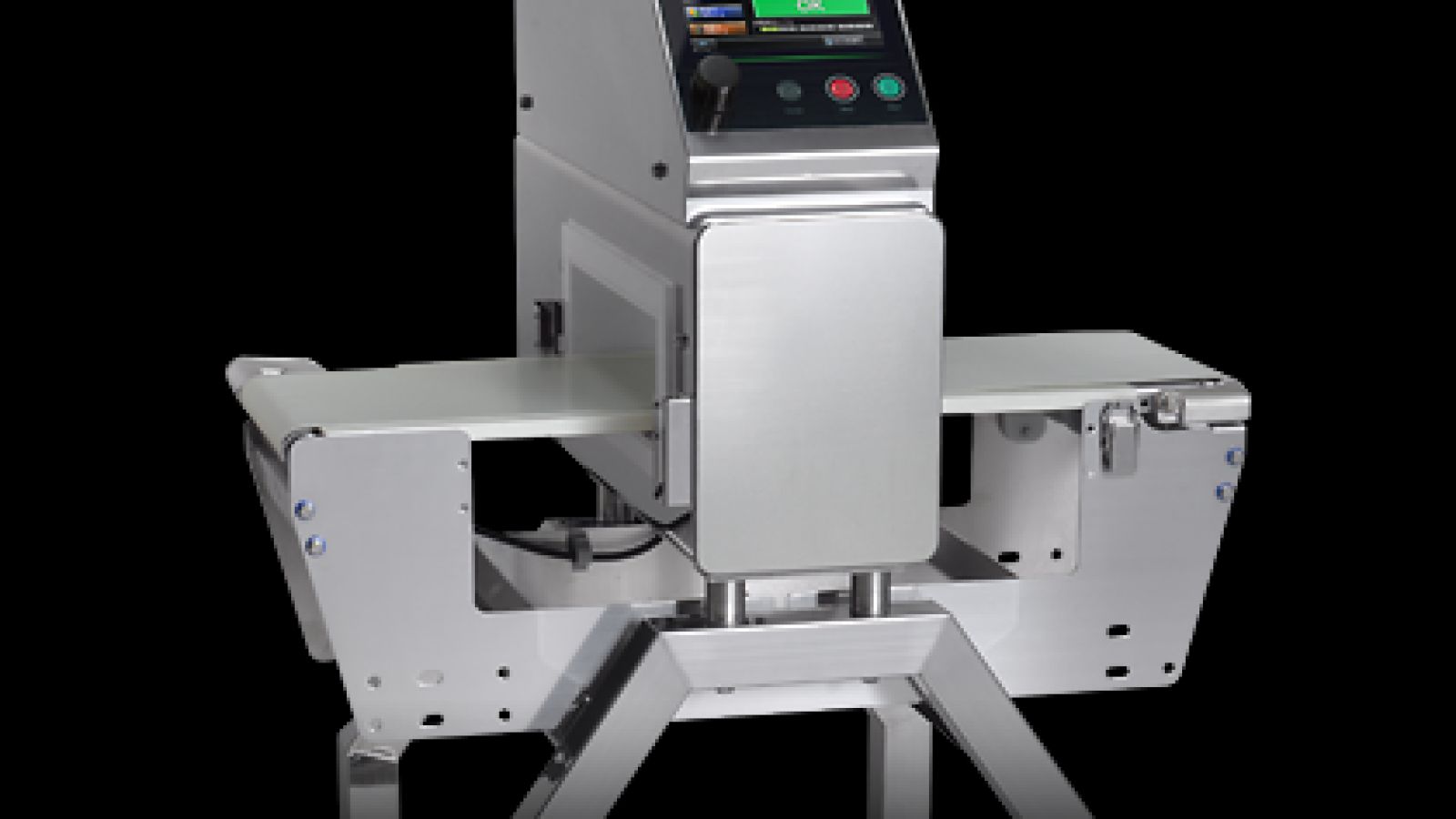
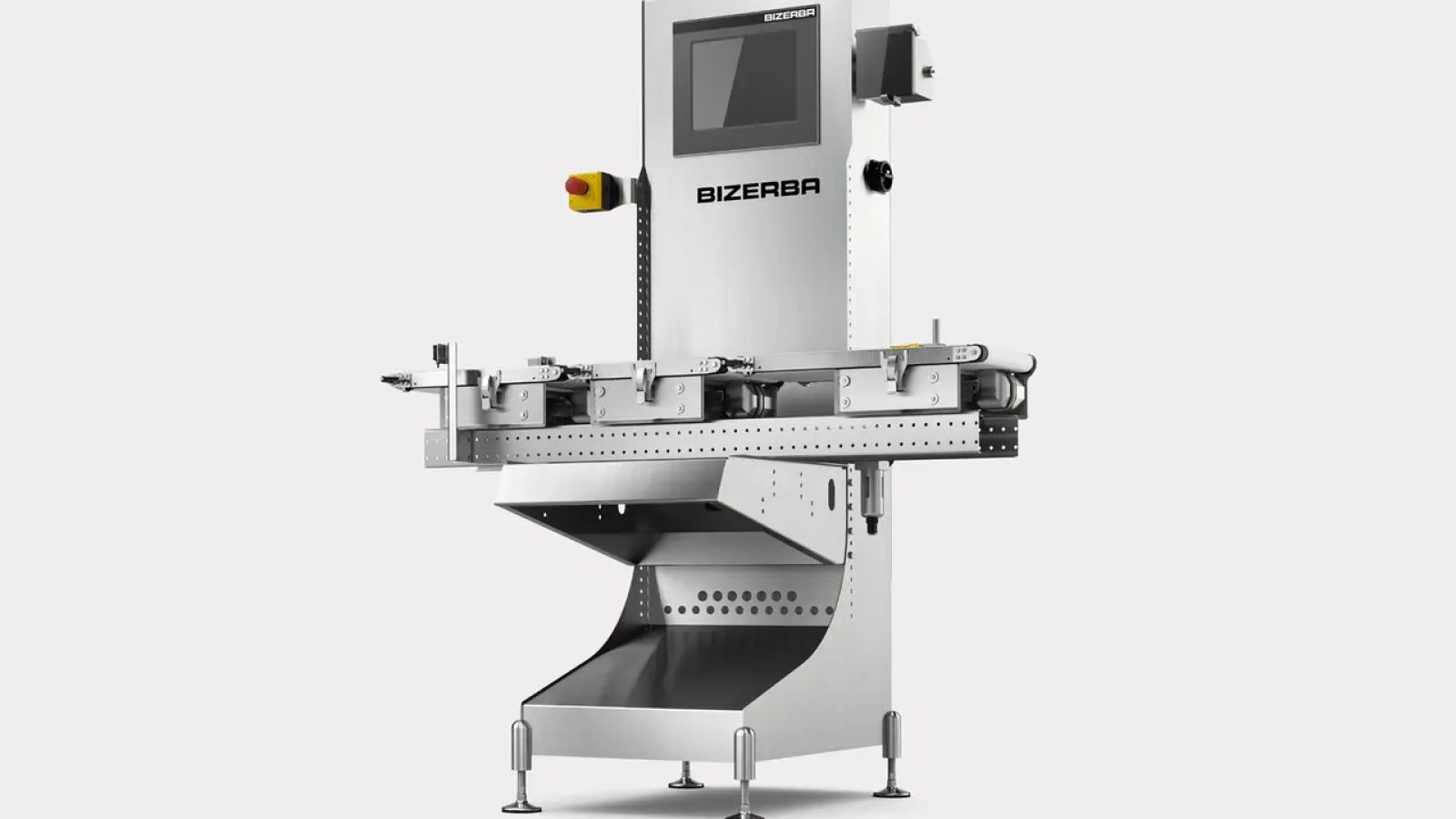
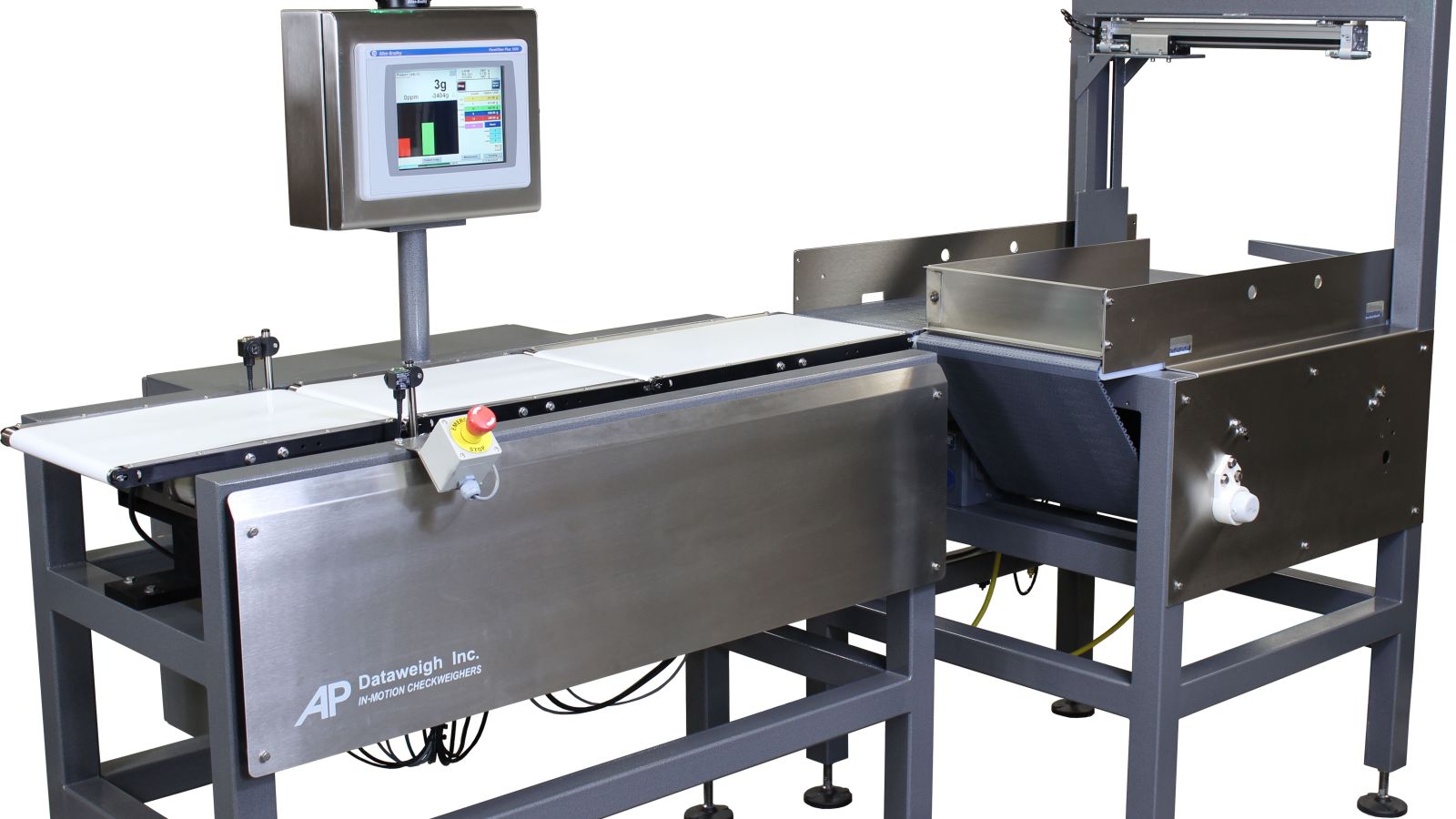
Ten product inspection machines compared across metal detection, checkweighing and X-ray.
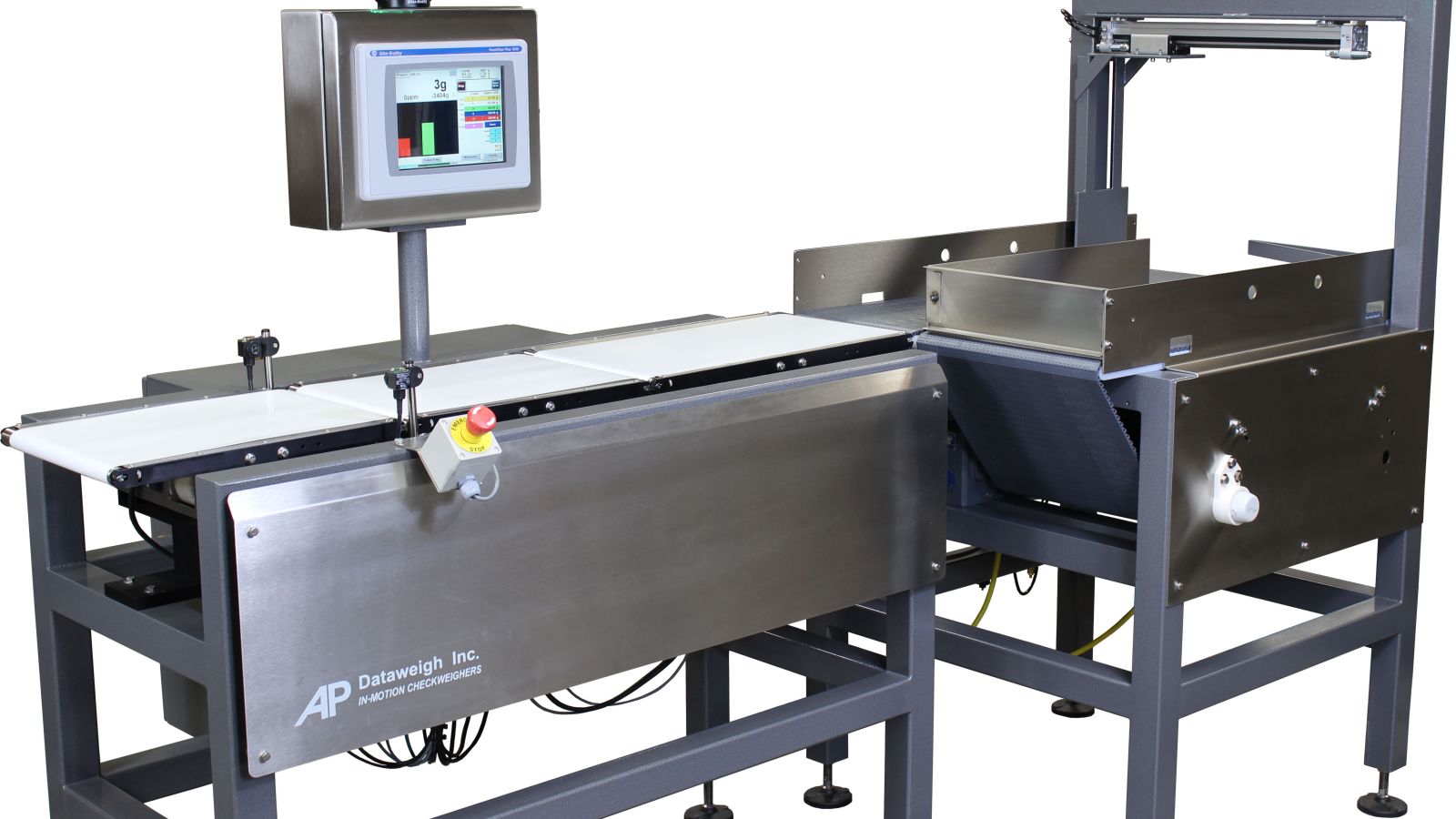
An independent ranking of Chinese product inspection machine builders across metal detection, checkweighing, X-ray and seal/leak testing, wi...
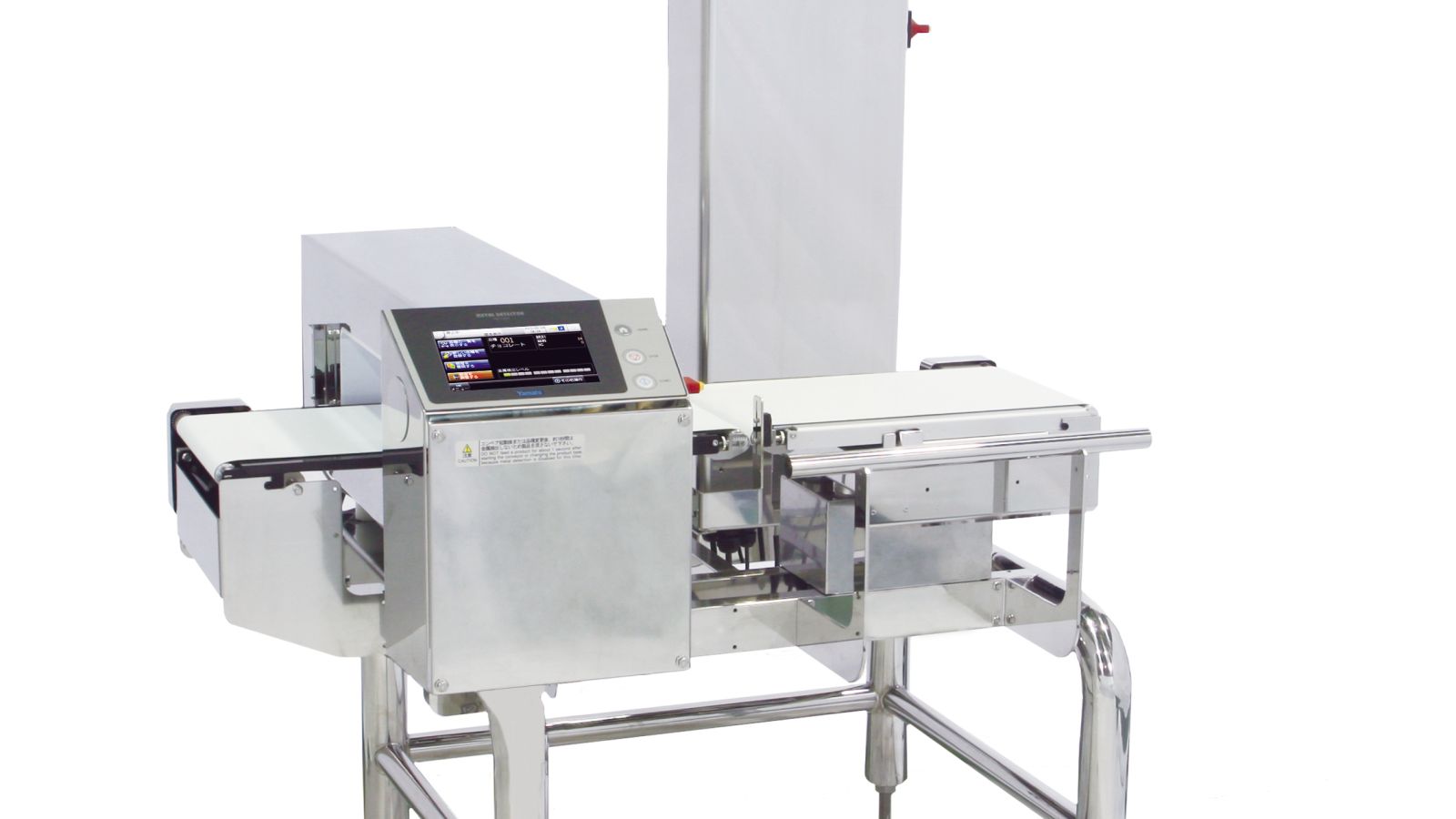
The working principles of metal detection, checkweighing and X-ray inspection, and why inspection is a separate machine decision from fillin...