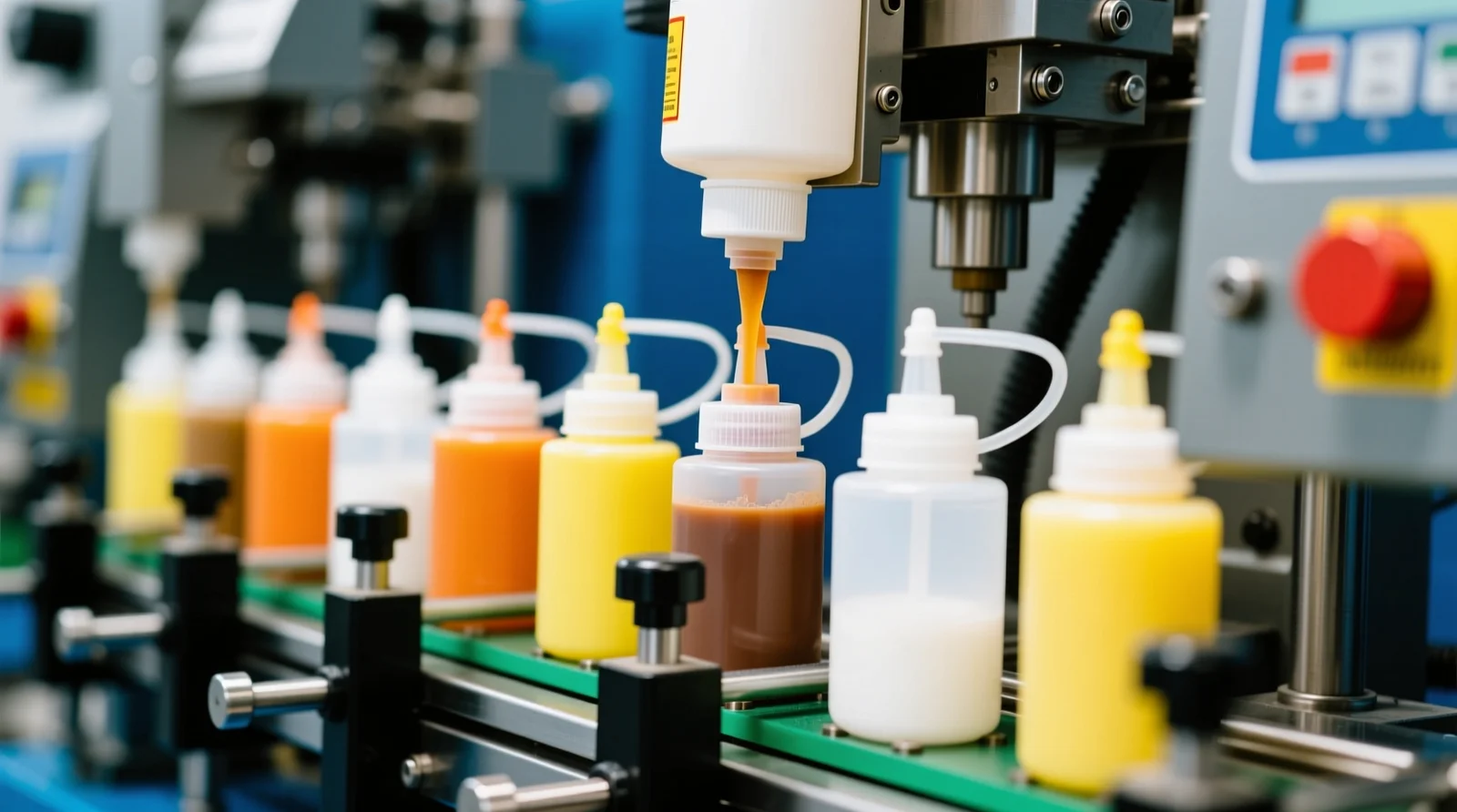
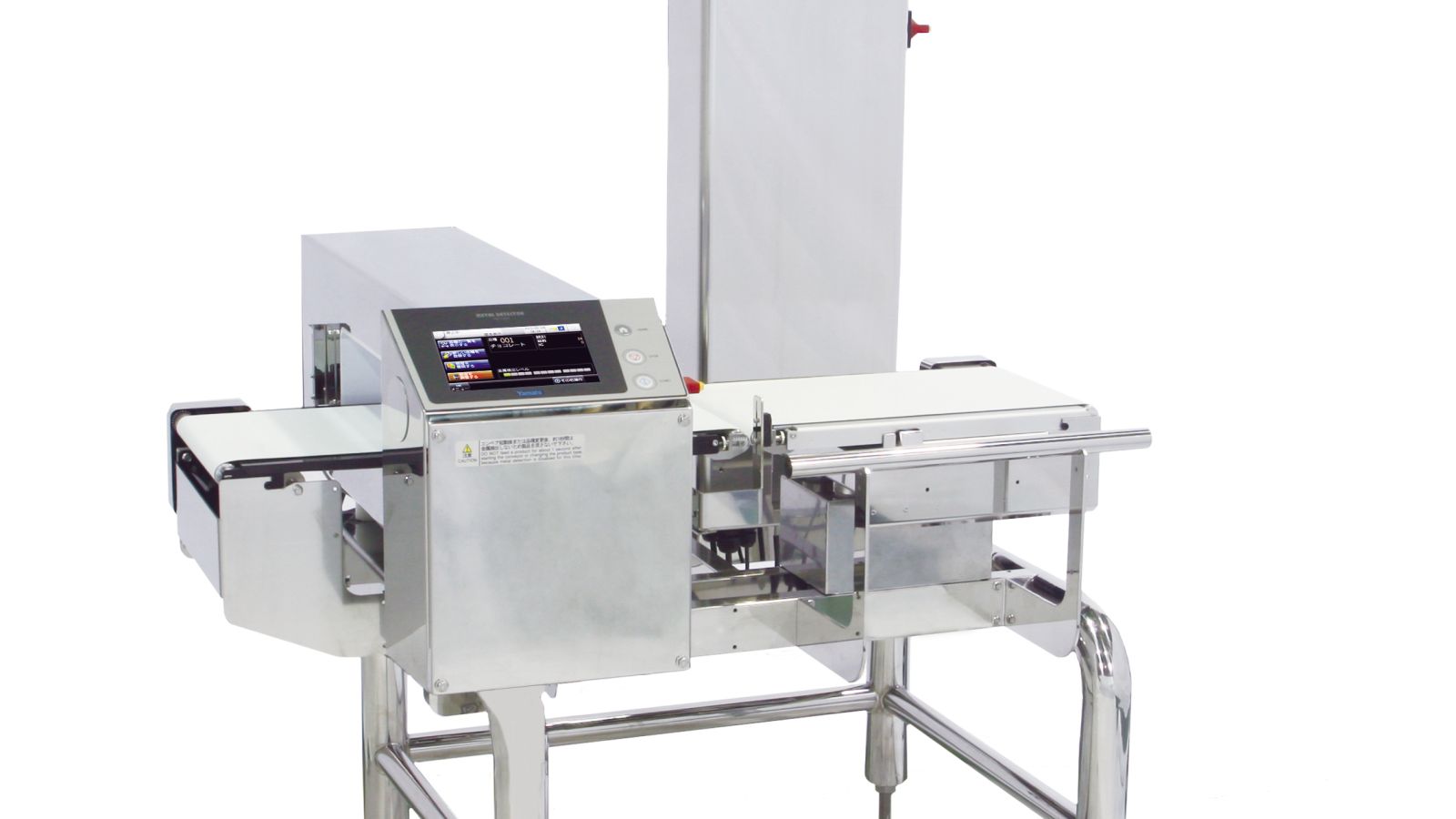
The core idea of this page: product inspection is not one technology but four — metal detection, checkweighing, X-ray and seal testing — and each catches a different failure. Choose by the contaminant and the pack you actually run: a metal detector finds metal, a checkweigher finds under/overfill, an X-ray finds dense foreign bodies including stone and glass, and a seal tester finds leaks. No single machine does all four.
For the supplier landscape, see the Top 10 Product Inspection System Manufacturers ranking and the Top 10 China Product Inspection ranking; browse the Inspection Systems equipment category.
Metal detection
A metal detector passes the product through an electromagnetic field and triggers when a conductive or magnetic particle disturbs it. It finds ferrous and non-ferrous metals and stainless steel, and it is the default first gate on food lines. Its blind spot is the product effect — wet, salty or high-mineral products conduct electricity themselves, which raises the detection threshold and lets small metal pass.
What sensitivity means
Sensitivity is quoted as the smallest metal sphere the detector can find (e.g. Fe Φ0.5mm, SUS304 Φ1.0mm). It is aperture-dependent — a taller, wider aperture is less sensitive than a small one — and it is meaningless without the false-reject rate that comes with it.
Checkweighing
A checkweigher weighs every pack in motion and rejects those outside a target band. It catches under-fill (legal/regulatory risk) and over-fill (giveaway). Its key spec is accuracy at speed — a checkweigher quoted at ±0.5g on a 50g pack at 300 ppm is a different machine from one doing ±10g on a 10kg case.
X-ray inspection
An X-ray system images the pack by density and finds metal plus non-metal contaminants that a metal detector cannot — glass, stone, bone, dense plastic and rubber. It also verifies fill level, missing product and broken pieces. It costs more and needs radiation shielding and compliance, so it is usually added where the contaminant risk includes glass or stone.
Seal / leak testing
A seal tester applies vacuum or pressure to a sealed pack and detects the leak rate, confirming the closure is hermetic. It is the last gate for MAP and vacuum packs where a leak silently destroys shelf life — metal and X-ray cannot see a leak.
Failure modes to design around
- Product effect masking metal. A metal detector on wet or salty product needs a higher threshold; test on your product, not a dry reference.
- False rejects. An over-tight detector rejects good product and erodes operator trust. Ask for the false-reject rate with the sensitivity.
- Vibration and speed. A checkweigher loses accuracy on an unstable conveyor or at the top of its speed range.
- X-ray radiation compliance. X-ray needs shielding, interlocks and local radiation-safety registration — budget and plan for it.
How to verify an inspection machine
- Challenged test: run certified test pieces (ferrous, non-ferrous and stainless spheres; glass/stone for X-ray) through the machine and confirm detection and rejection.
- False-reject measurement: run a batch of known-good product and count false rejects.
- Accuracy at speed: verify checkweigher accuracy on your pack at your line speed.
- Washdown rating: confirm the IP rating (IP65/IP69K) matches your cleaning regime.
Frequently asked questions
Does a metal detector find glass or plastic?
No — a metal detector only finds metal. For glass, stone or dense plastic you need X-ray inspection.
What is the difference between a metal detector and an X-ray system?
A metal detector senses conductive/magnetic metal only; an X-ray images the pack by density and finds metal plus non-metal contaminants like glass and bone, and can also verify fill level.
Why do metal detectors struggle with wet or salty products?
Wet, salty or high-mineral products conduct electricity and produce a "product effect" that raises the detection threshold — so sensitivity must be validated on your actual product.
Is a checkweigher legally required?
Not always, but if you sell by weight, the checkweigher may need MID/OIML approval for legal metrology — confirm for your market before buying.
Last verified: September 10, 2026.