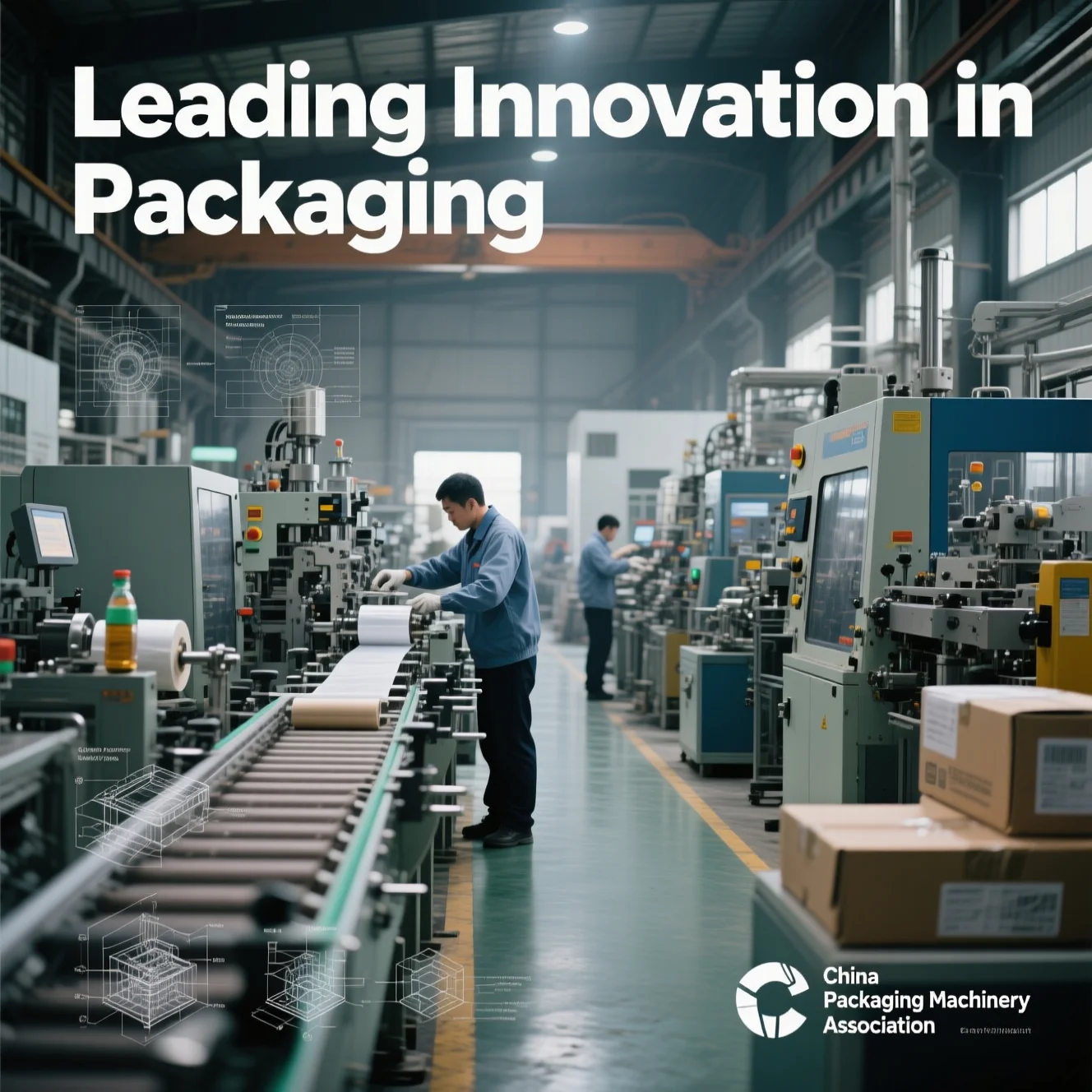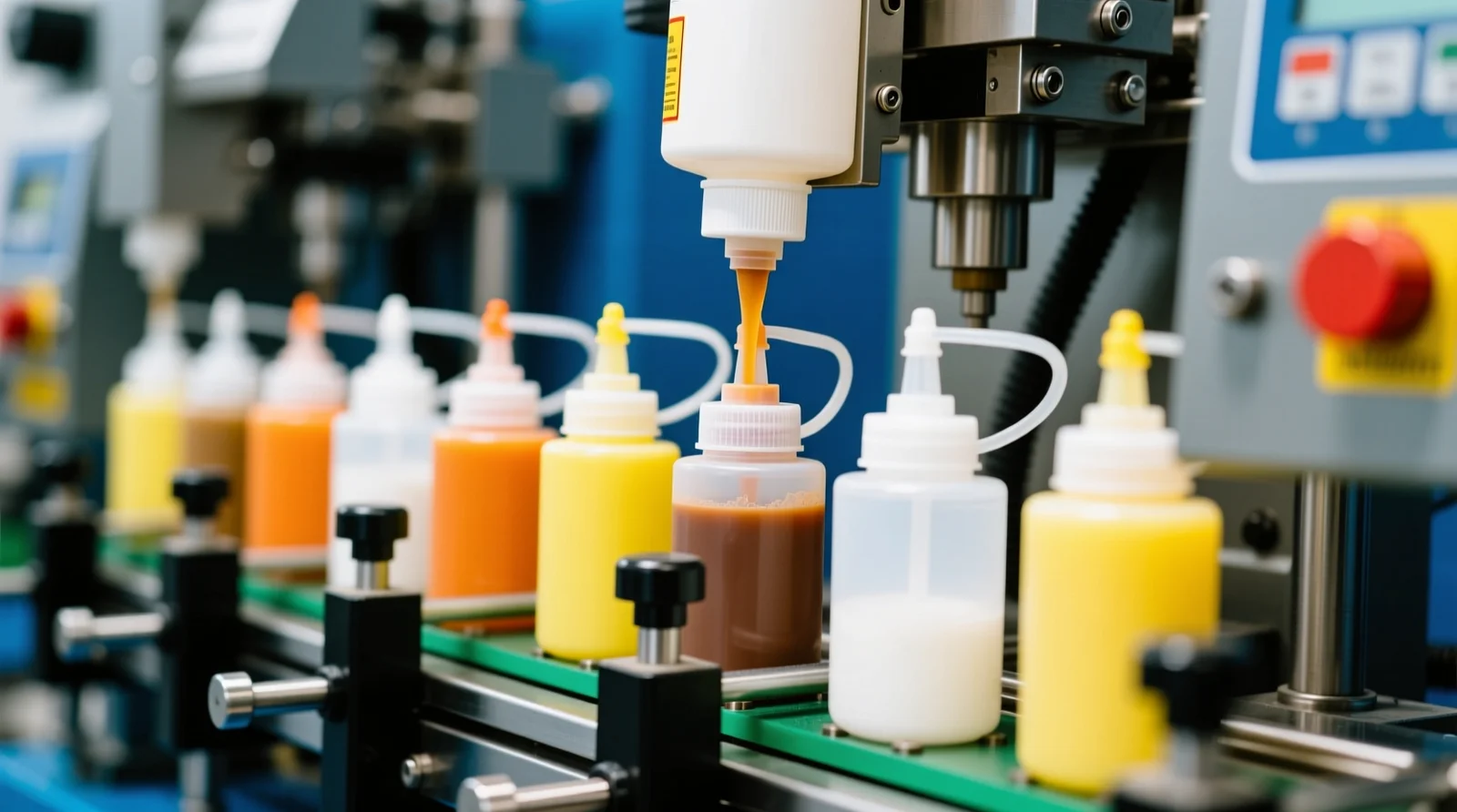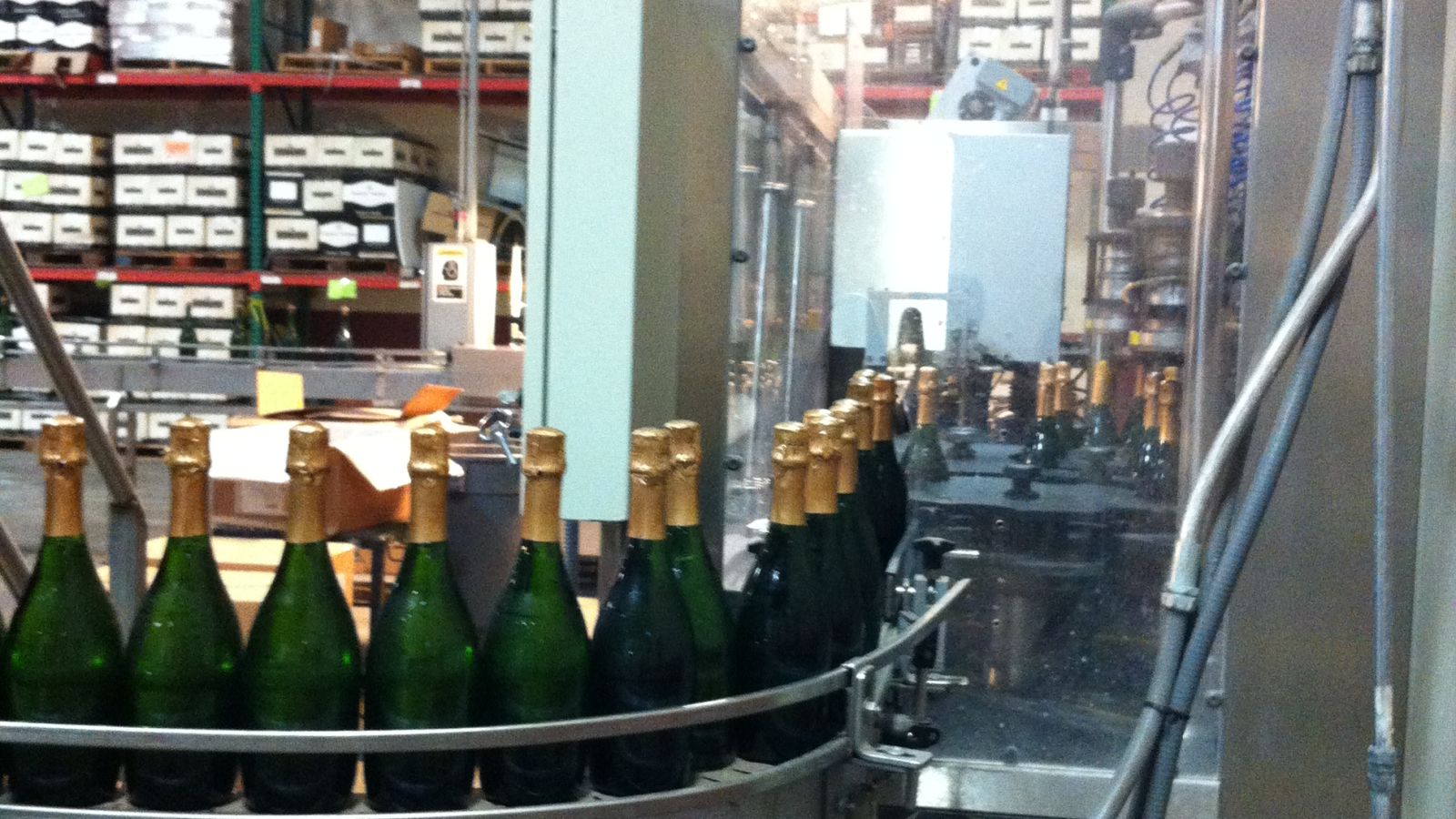
Last updated: July 17, 2026. Packaging machinery is the equipment that prepares products for sale, storage and distribution. Depending on the application it doses or fills product, forms and seals a pack, applies labels and codes, inspects the result and packs finished goods into cases and pallet loads. The category is wide enough that the European EN 415 machine-safety series dedicates separate parts to form-fill-seal machines (EN 415-3), palletizers (EN 415-4) and group/secondary packaging machines (EN 415-7).
This page is the entry point for the Packaging Machinery topic. It defines the scope of the category, then points to the detailed guide for each decision a buyer actually faces.
What does packaging machinery include?
| Process stage | Equipment role | Examples of the decision to make |
|---|---|---|
| Product preparation and feeding | Presents product consistently to the packaging process | How will the product be accumulated, oriented, counted or dosed? |
| Filling and dosing | Measures product into a container or flexible package | What accuracy, hygiene and product-handling method are required? |
| Package forming, wrapping and sealing | Creates, closes or wraps the primary package | Which package format, material and seal performance are needed? |
| Coding, labeling and inspection | Identifies, verifies and rejects packs where needed | What traceability and quality checks must be documented? |
| Secondary and end-of-line packaging | Groups packs into cartons/cases and prepares loads for dispatch | How will packs be collated, protected and made warehouse-ready? |
A machine, a work cell and a packaging line are different scopes
A standalone machine performs one operation, such as filling or sealing. A work cell adds feeding, guarding, coding or rejection around that machine. A packaging line connects every stage from product infeed to the finished case or pallet.
The distinction decides what a quotation means. A price for a bare machine and a price for a commissioned line can differ several times over for the same nominal function, because the second includes conveyors, controls integration, acceptance testing and training. Before comparing any numbers, state where product enters the supplier’s scope and where the finished pack leaves it.
Where to start, by question
Most readers arrive here with one of these questions. Each has its own guide:
- Which machines exist? Types of Packaging Machines maps the seven main equipment families and matches them to common products.
- Vertical or horizontal bagging? VFFS vs HFFS compares the two form-fill-seal architectures and gives a decision path.
- What will it cost? How Much Does a Packaging Machine Cost? breaks a project budget into its real line items.
- How do I run the purchase? The Packaging Machine Buying Guide covers the application brief, RFQ, supplier scorecard and FAT/SAT acceptance testing.
- Liquid products? What Is a Liquid Filling Machine? explains the filling methods and when each applies.
- After the primary pack? What Is an End-of-Line Packaging System? covers case packing, palletizing and load stabilization, and the Packaging Machine Maintenance Checklist keeps the equipment running once installed.
Frequently asked questions
Is packaging machinery only for large factories?
No — a bench-top band sealer and a fully integrated bottling line both belong to the category. Small producers typically start with a single sealing or filling machine and automate the surrounding steps only when volume justifies it.
What should a supplier demonstrate before purchase?
Your product and your packaging material running on the quoted configuration, against written acceptance criteria covering output, pack quality, changeover and reject handling. A demonstration using the supplier’s own sample product proves very little.