
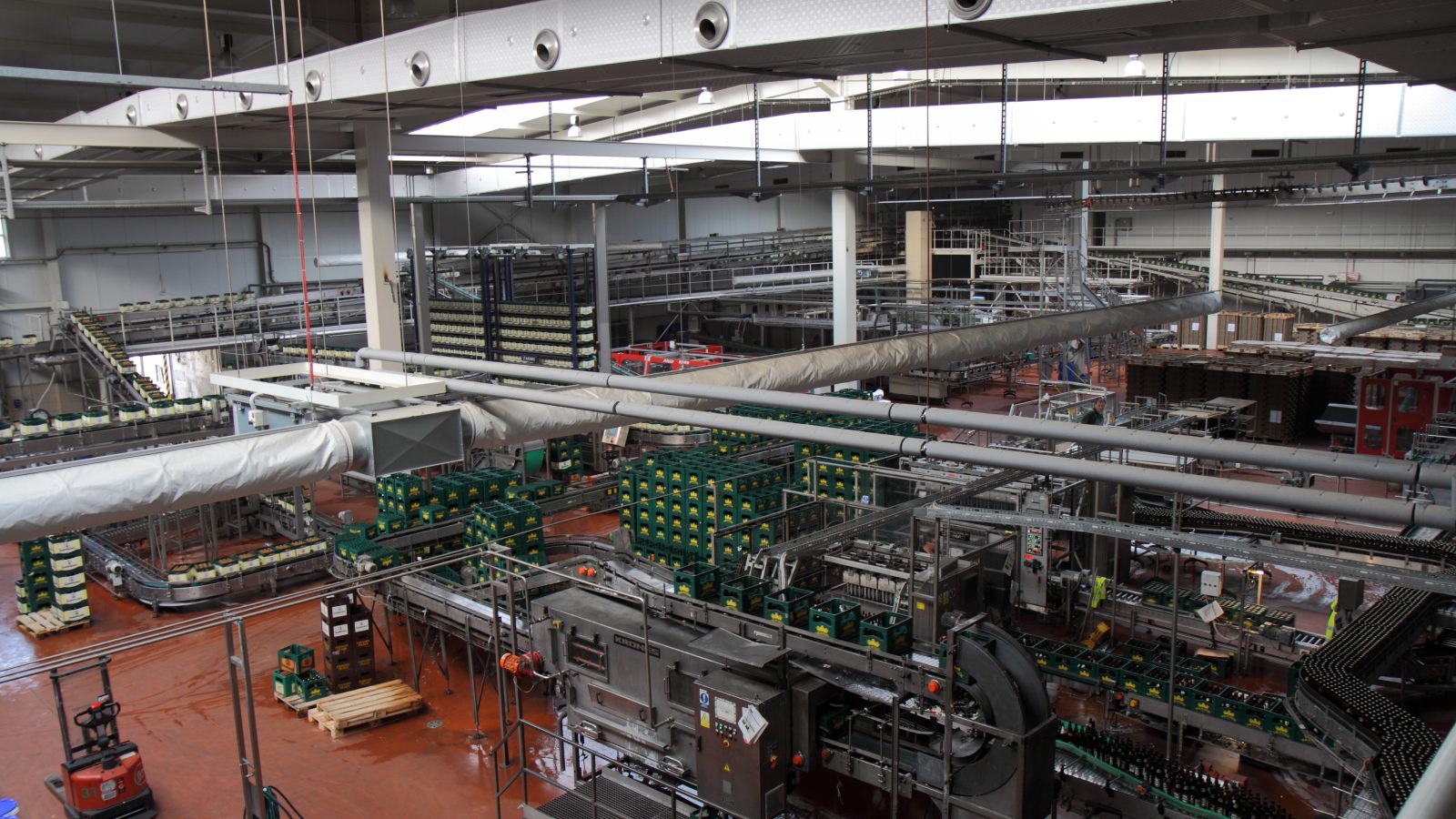
The core idea of this page: FAT and SAT are the two acceptance gates that transfer risk from the supplier to you. FAT proves the machine works at the factory before it ships; SAT proves it works on your floor, on your product and utilities, after installation. Both must be planned and written into the contract before the machine is built.
Last updated: October 20, 2026. Factory Acceptance Test (FAT) and Site Acceptance Test (SAT) are not the same test in two locations — they answer different questions, and skipping either is how a machine that ran beautifully on the supplier’s floor fails on yours. For the procurement path that leads up to acceptance, start from the Packaging Machine Buying Guide.
What a FAT proves
The FAT is performed at the supplier’s facility before shipment. Its job is to confirm the machine meets the agreed specification before it leaves the factory, where corrections are cheap. It covers:
- Mechanical: construction to the drawing, materials, finishes, guarding and access.
- Electrical & controls: wiring, safety circuits, alarms, recipe handling and the agreed control system.
- Performance: a witnessed run on agreed test product, at an agreed rate, with measured rejects and changeover where specified.
- Hygiene (where applicable): cleanability, drainage and the CIP/SIP provisions described in CIP vs SIP.
What a SAT proves
The SAT is performed at your site after installation and commissioning. Its job is to confirm the machine performs in your environment — on your real product, your utilities, your operators and your integration to the rest of the line. A SAT re-runs the core FAT checks on real product and adds:
- Performance with your actual product and pack materials, not the supplier’s test product.
- Integration to upstream and downstream machines and to your utilities (air, power, network).
- Safety and guarding in the final installed layout.
- Operator and maintenance training completion.
Write the acceptance criteria into the purchase order
Acceptance criteria belong in the contract, not in a meeting after the machine arrives. Agree, in writing: the test product and quantity, the pass rate and measurement period, the reject threshold, the changeover test where relevant, and who supplies the test materials. A vague “run at rated speed” is unenforceable; “X good packs per minute for Y consecutive minutes with ≤Z% rejects” is enforceable.
The checks buyers most often miss
- Using the supplier’s test product. A machine that fills water at speed may not fill your sauce or powder at speed — insist on representative product, and on your film, tray or bottle for the SAT.
- Not timing the measurement window. A 60-second burst is not a shift. Define a sustained run and hold it.
- Skipping the reject function test. Confirm the reject station actually separates a known bad pack at line speed.
- No changeover test. If the line runs multiple SKUs, time a full changeover and write the result into the record — see Packaging Machine Changeover Optimization.
- Accepting before documentation. Manuals, parts list, drawings, software backup and training sign-off are part of acceptance, not an afterthought.
Documentation and sign-off
Record every test with the measured values, who witnessed it and the punch list of open items. Classify punch-list items as blocking (must fix before sign-off) or non-blocking (can follow after). Sign off only when blocking items are closed, and keep the FAT/SAT record with the machine’s serial number — it becomes the baseline for future maintenance and for the OEE you measure afterwards.
Frequently asked questions
Can I skip the FAT and rely on the SAT?
You can, but you should not. The FAT catches build errors where they are cheapest to fix — at the factory. By the time a machine reaches your floor, a missed FAT finding is a site repair, often with your line stopped.
Who pays for the FAT?
Normally the supplier performs the FAT as part of the order; travel for your witnesses is typically your cost. Put both the FAT and the SAT, and who attends, in the purchase order.
What should the pass criteria be?
A measurable rate over a defined time window on representative product, plus a reject threshold and any agreed changeover time — stated as numbers, not as “rated speed”.
Source: Acceptance testing — Wikipedia
"In engineering and its various subdisciplines, acceptance testing is a test conducted to determine if the requirements of a specification or contract are met."
Related guides
- End-of-Line Machines: Top 10 Compared (2026) — Ten end-of-line machines compared across case packing, palletizing, sh…
- Case Packing vs Palletizing: Which to Automate First — case packing and palletizing are two different automation decisions — …
- Conventional vs Robotic Palletizing — conventional (layer) palletizers build a whole layer at once and win o…
- Shrink Wrapping vs Stretch Hooding — shrink wrapping and stretch hooding both stabilize a pallet load with …
- Packaging Line Design and Integration Guide: Plan a Line That Runs — a packaging line is designed from the product out, not from the machin…
- Packaging Line OEE and Downtime Analysis: Measure the Losses That Matter — OEE turns a vague “the line is down too much” into three m…
- How a Case Packer Works — a case packer takes individual packs and builds them into a shipping c…
- How a Robotic Palletizer Works — a palletizer takes cases or packs and builds them into a stable pallet…
Last verified: October 20, 2026.