
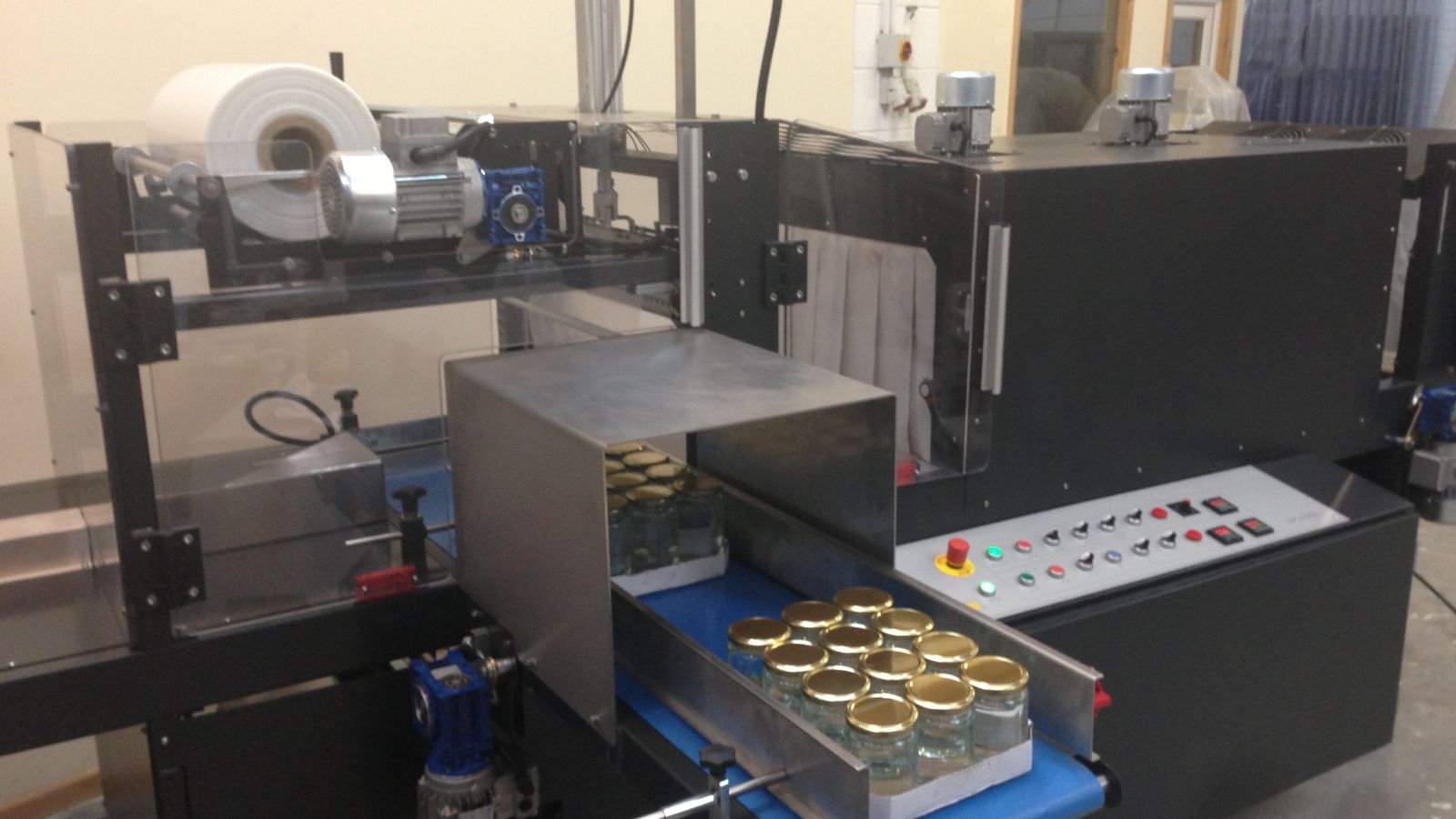
The core idea of this page: a case packer takes finished primary packs (bottles, pouches, cartons) and collates them into a corrugated case or tray — and the value is in how the product is loaded. Side-load, top-load and robotic packers differ in speed, gentle handling and format flexibility, so the choice follows your pack shape, speed and changeover pattern.
For the machine shortlist, see Top 10 End-of-Line Machines Compared and the Top 10 End-of-Line Machine Manufacturers ranking.
How a case packer works
Case forming and product collation
Flat corrugated blanks are erected into cases or trays, and the product is collated into the pack pattern (a grid of bottles, a stack of pouches). The collation is the core engineering problem — it must hold the pattern at speed without damaging the product.
Loading: side-load, top-load and robotic
Side-load packers push the collated product horizontally into an open case — the fastest approach for rigid, upright products. Top-load packers lower the product vertically — gentler for fragile or flexible packs. Robotic packers use a pick arm to place products one or a few at a time — the most flexible for mixed formats and slow changeovers.
Sealing and discharge
The case is closed (taped, glued or shrink-wrapped) and discharged. The sealing method and the case quality (burst strength, score lines) decide whether the pack survives distribution.
Failure modes to design around
- Product jams at the collation. A pouch or bottle that shifts out of pattern jams the packer — the collation and infeed are the most common failure point.
- Case crush or poor seals. A mis-set case erector or sealer crushes the case or leaves a weak seal — a distribution failure downstream.
- Format changeover time. Case size and product pattern changes are tooling-heavy; on many SKUs the changeover time is the real cost.
- Gentle-handling mismatch. A side-load packer on fragile product causes breakage; choose top-load or robotic for delicate packs.
How to verify a case packer
- Witnessed case output: confirm measured cases/min on your case and pack pattern.
- Jam-rate measurement: run a batch and count jams and stoppages.
- Case-integrity check: inspect seals, case squareness and crush on output cases.
- Changeover timing: time a full case-size and pattern change.
Frequently asked questions
What is the difference between a case packer and a case erector?
A case erector only forms the box; a case packer forms the box, collates the product and loads it. A full case-packing line has both.
Side-load or top-load?
Side-load is faster for rigid upright products; top-load is gentler for fragile or flexible packs. Robotic loading adds flexibility for mixed formats.
Why does changeover cost so much?
Case size and product pattern changes need tooling and adjustment, and every minute of changeover is lost output — time a real changeover before buying.
Last verified: September 10, 2026.