The core idea of this page: modified atmosphere packaging (MAP) extends shelf life by replacing the air inside the pack with a protective gas mixture — but the gas that helps depends entirely on the product. High oxygen keeps red meat red, no oxygen protects oily and cured foods, and carbon dioxide slows microbial growth. Get the mix wrong and the pack looks fine while the product spoils.
For the sealing machines that create MAP, see MAP vs Vacuum Skin Packaging and Top 10 Sealing Machine Manufacturers.
The three gases and what they do
Oxygen (O2)
Oxygen is included in high concentrations for red meat to keep the myoglobin in its red, oxygenated form — the familiar "bloom". A typical red-meat mix is 70–80% O2 with 20–30% CO2. Oxygen is removed for oily, cured and fresh-cut products because it drives oxidation and rancidity.
Carbon dioxide (CO2)
CO2 is the antimicrobial workhorse — it slows the growth of bacteria and mould. It dissolves into the product and can cause pack collapse (the "suck-down" effect), so it is usually balanced with an inert gas.
Nitrogen (N2)
Nitrogen is inert — it displaces oxygen to prevent oxidation and provides pack structure without reacting. It is the filler gas in most MAP mixes.
Source: Air Products — MAP gas applications
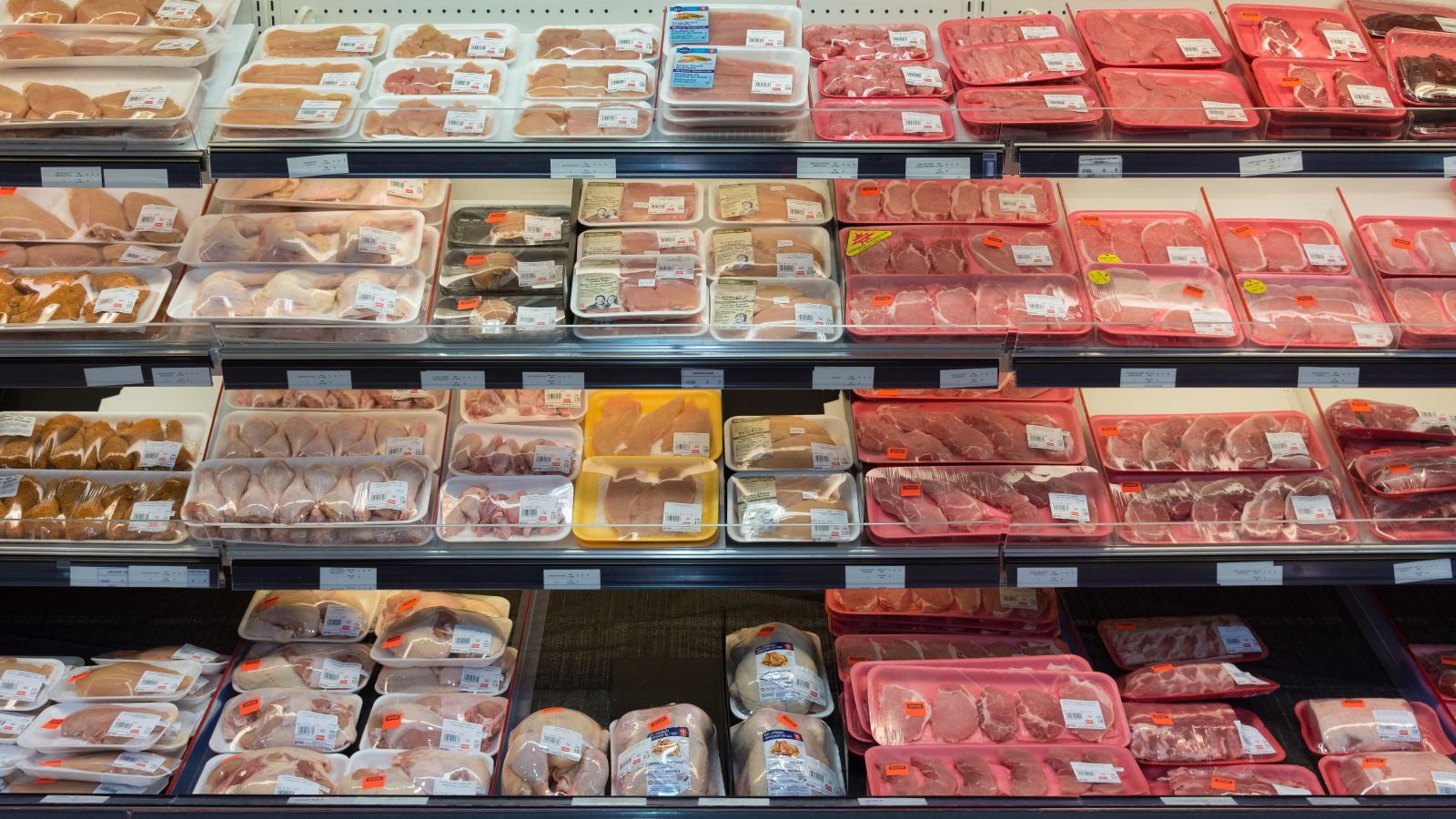
Red-meat MAP uses a high-oxygen mix (typically 70–80% O2) to keep the red colour; cured and oily foods use oxygen-free mixes.
What the gas mix must match
The mix is set by the product’s respiration, fat content and the target shelf life — and it is validated, not guessed. The sealing step must then hold the mix: a leaking seal lets the protective gas escape and air back in, which silently undoes the shelf-life gain.
Failure modes to design around
- Wrong gas mix. A high-oxygen mix on a cured product accelerates rancidity; a low-oxygen mix on red meat turns it brown. The mix is product-specific.
- Seal leaks. A leaking MAP seal lets the gas escape — the most common reason MAP packs fail early. Seal integrity must be verified.
- Pack collapse. CO2 dissolves into moist product and collapses the pack; balance CO2 with nitrogen and use the right film.
- Residual oxygen. The residual O2 level after flushing is the real spec — typically a target of <1–2%, measured, not assumed.
How to verify a MAP process
- Residual-oxygen measurement: measure the O2 level inside sealed packs over shelf life, not just at sealing.
- Seal-integrity test: run a leak or burst test on the seals.
- Gas-mix verification: confirm the gas mixer delivers the intended O2/CO2/N2 ratio.
- Shelf-life trial: validate colour, odour and microbial load over the target shelf life.
Frequently asked questions
Why is oxygen used in meat MAP?
High oxygen keeps the myoglobin in red meat in its red, oxygenated form — the "bloom" buyers expect. Oxygen is removed for oily and cured products to prevent rancidity.
What is the difference between MAP and vacuum packaging?
MAP flushes the pack with a protective gas; vacuum removes the air. MAP suits products that need a gas atmosphere (red meat), vacuum suits products that need oxygen removed (cheese, cured meat).
How much residual oxygen should remain?
For most oxygen-sensitive MAP, the target is under 1–2% residual O2, measured inside the sealed pack — confirm the actual level, not the machine setting.
Last verified: September 10, 2026.