Excavator Buying Guide: Types, Sizes and How to Choose (2026)
The core idea of this page: buy the excavator the job needs, not the biggest machine in budget. Fix the operating weight from the work (dig depth, lift, ground
Read the guide
Hydraulic excavators, wheel loaders, bulldozers, motor graders and backhoe loaders that move earth on construction and mining sites.
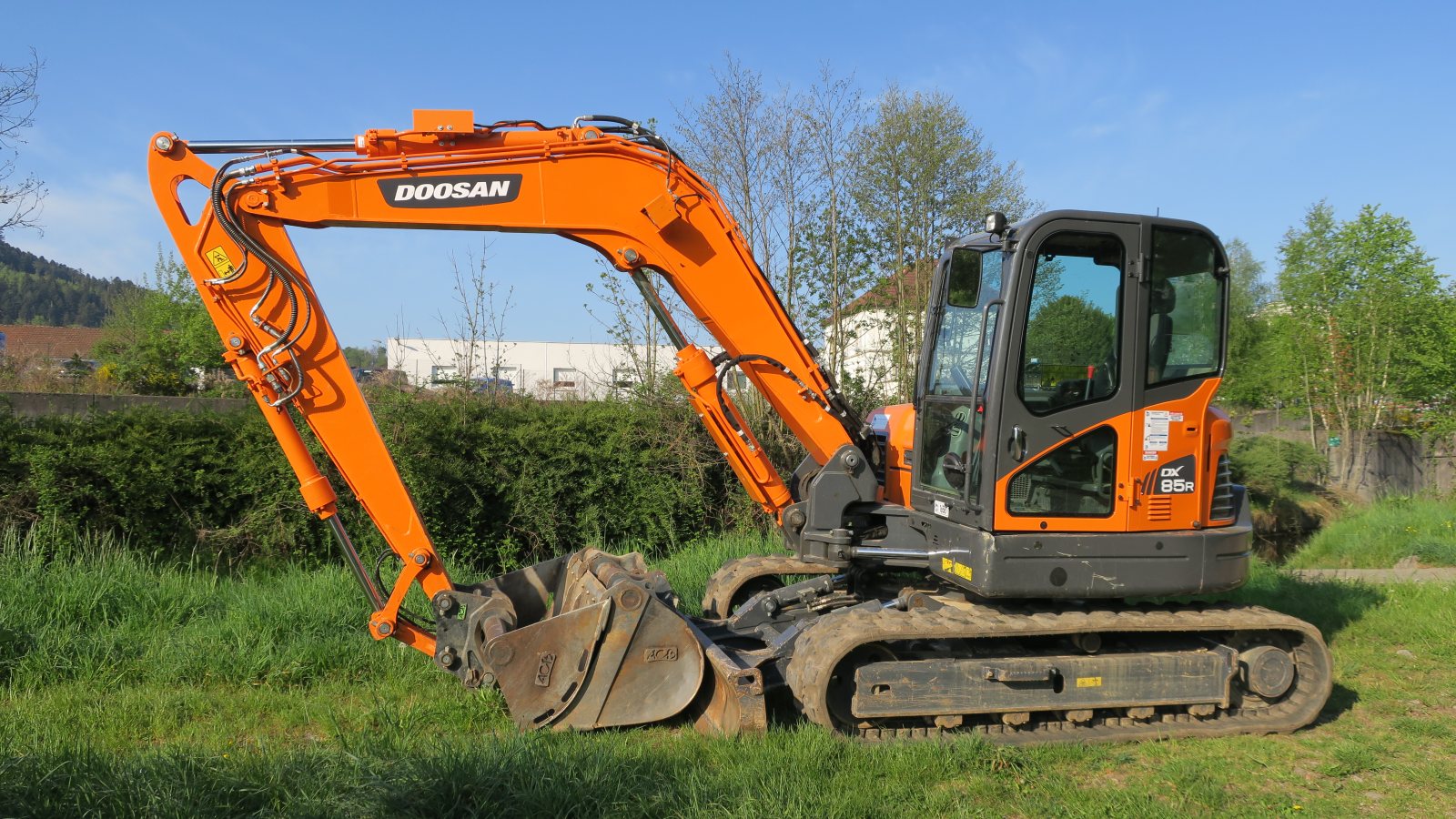
The core idea of this page: buy the excavator the job needs, not the biggest machine in budget. Fix the operating weight from the work (dig depth, lift, ground
Read the guide
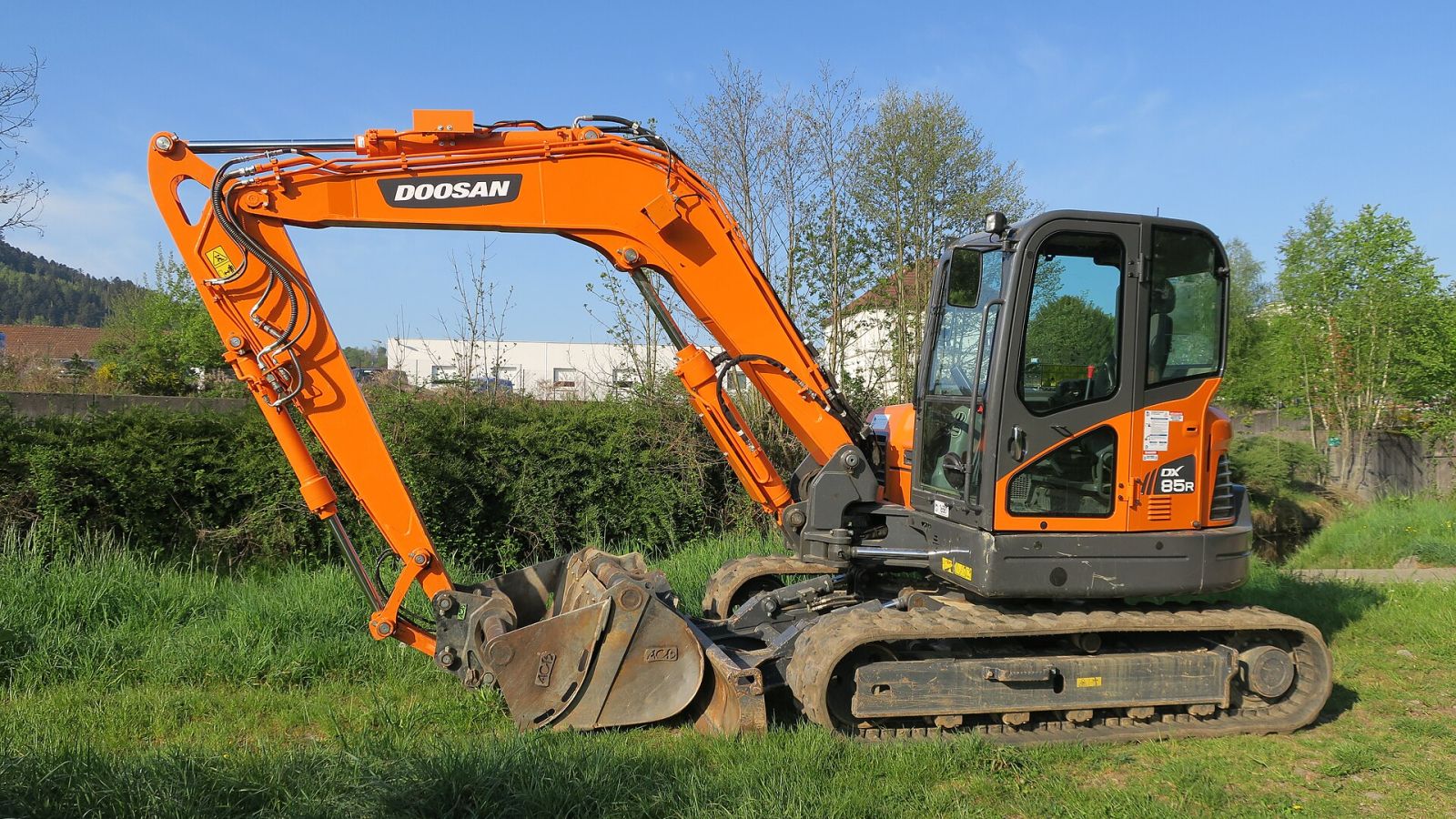
The core idea of this page: crawler (tracked) excavators trade travel speed for stability and low ground pressure; wheeled excavators trade...
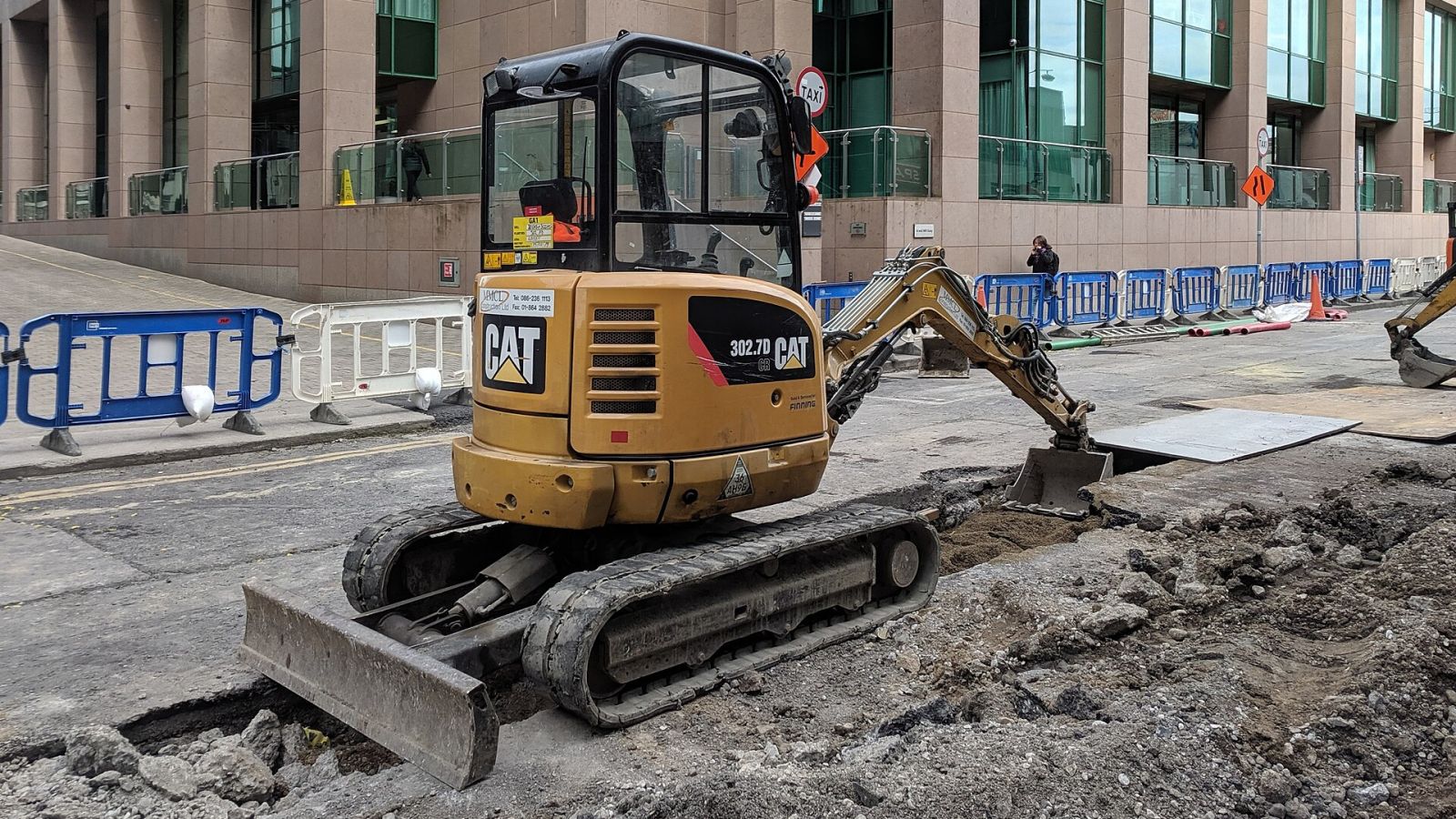
The core idea of this page: an excavator is a dedicated 360-degree digging machine; a backhoe loader is a two-in-one machine that loads wit...
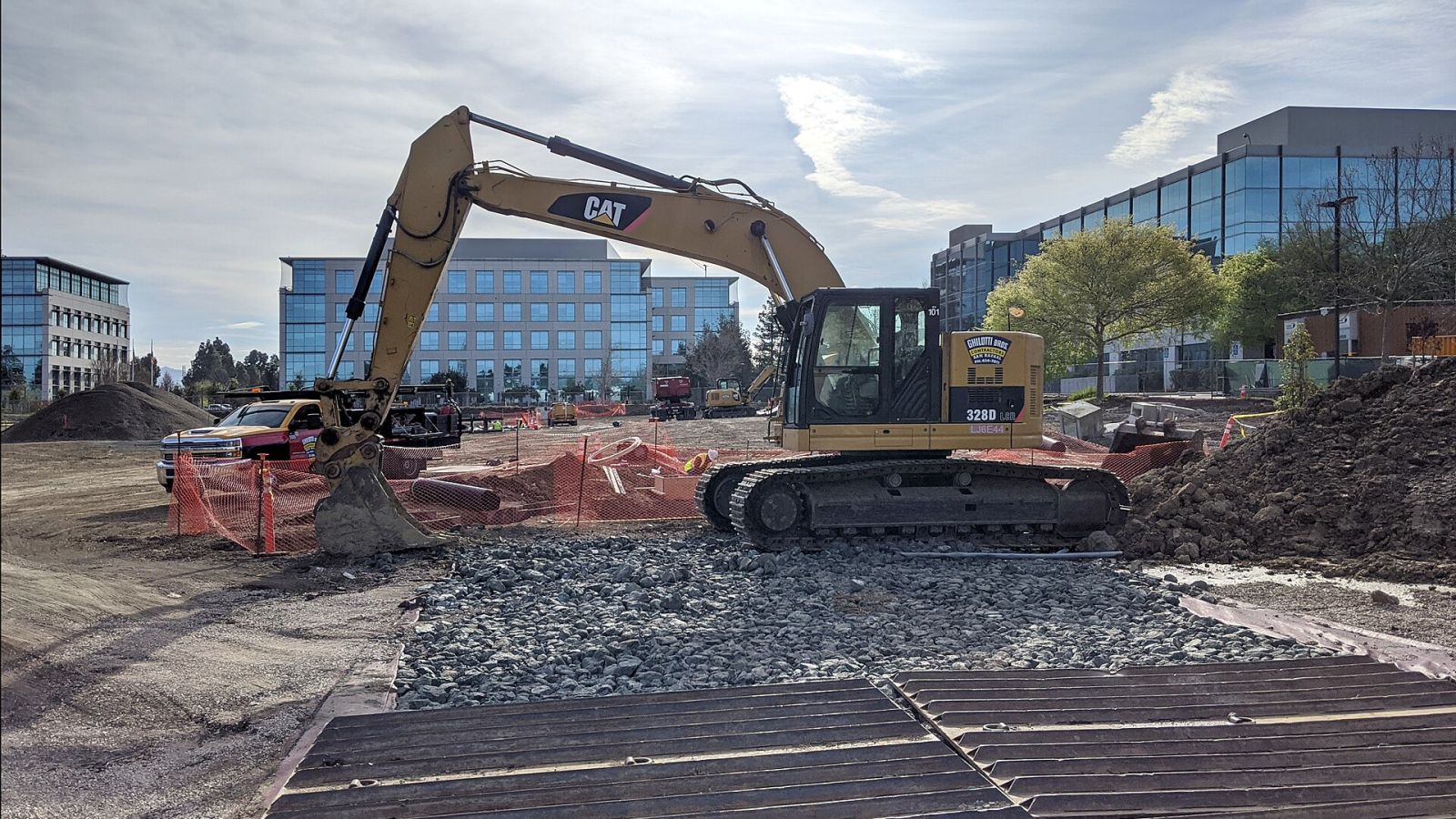
The core idea of this page: the decision is not the sticker price — it is total cost of ownership plus downtime risk. New buys predictable...

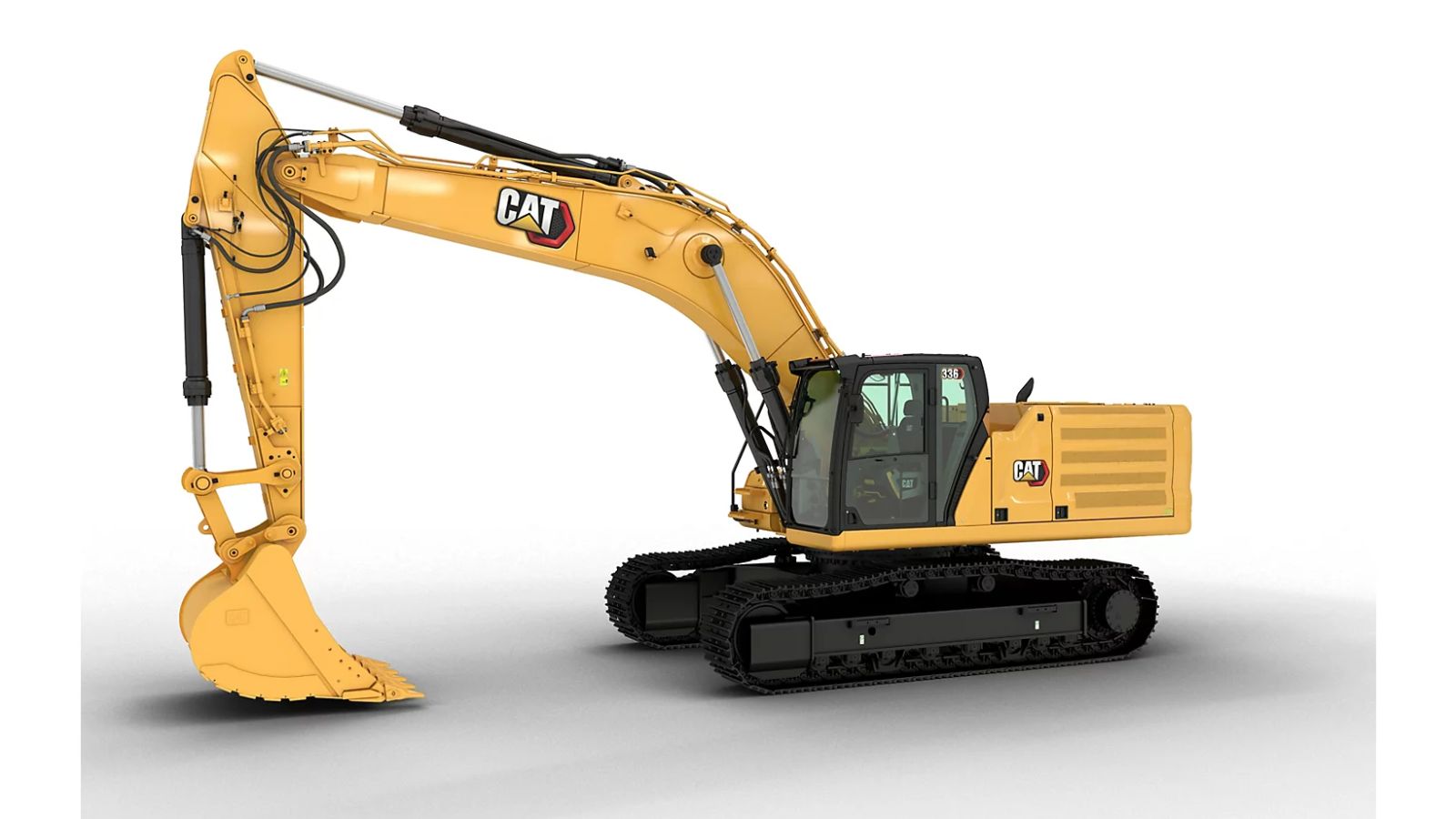
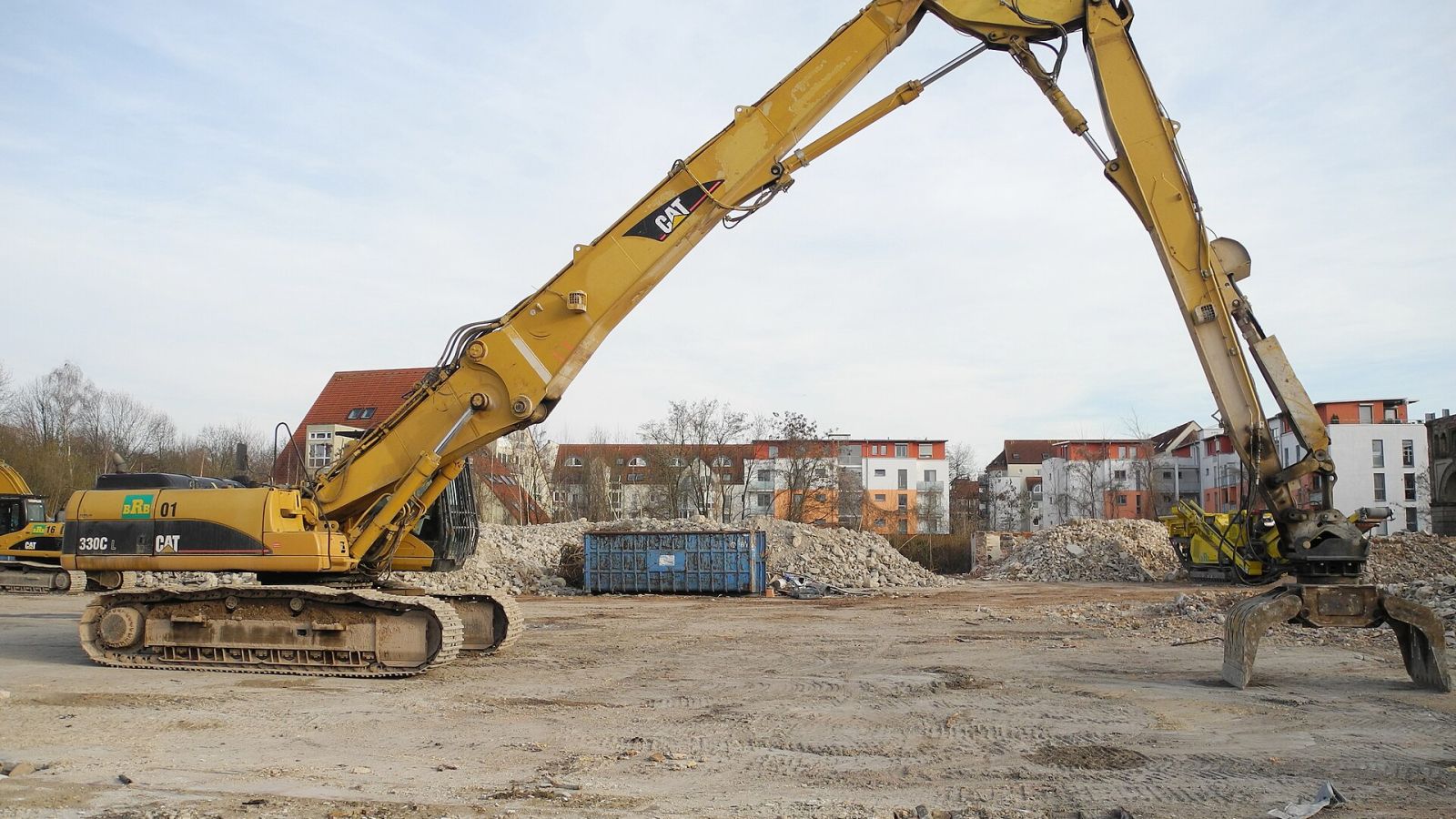
World's largest maker of heavy earthmoving machinery; the Cat 336 is a leading 36-tonne hydraulic excavator.

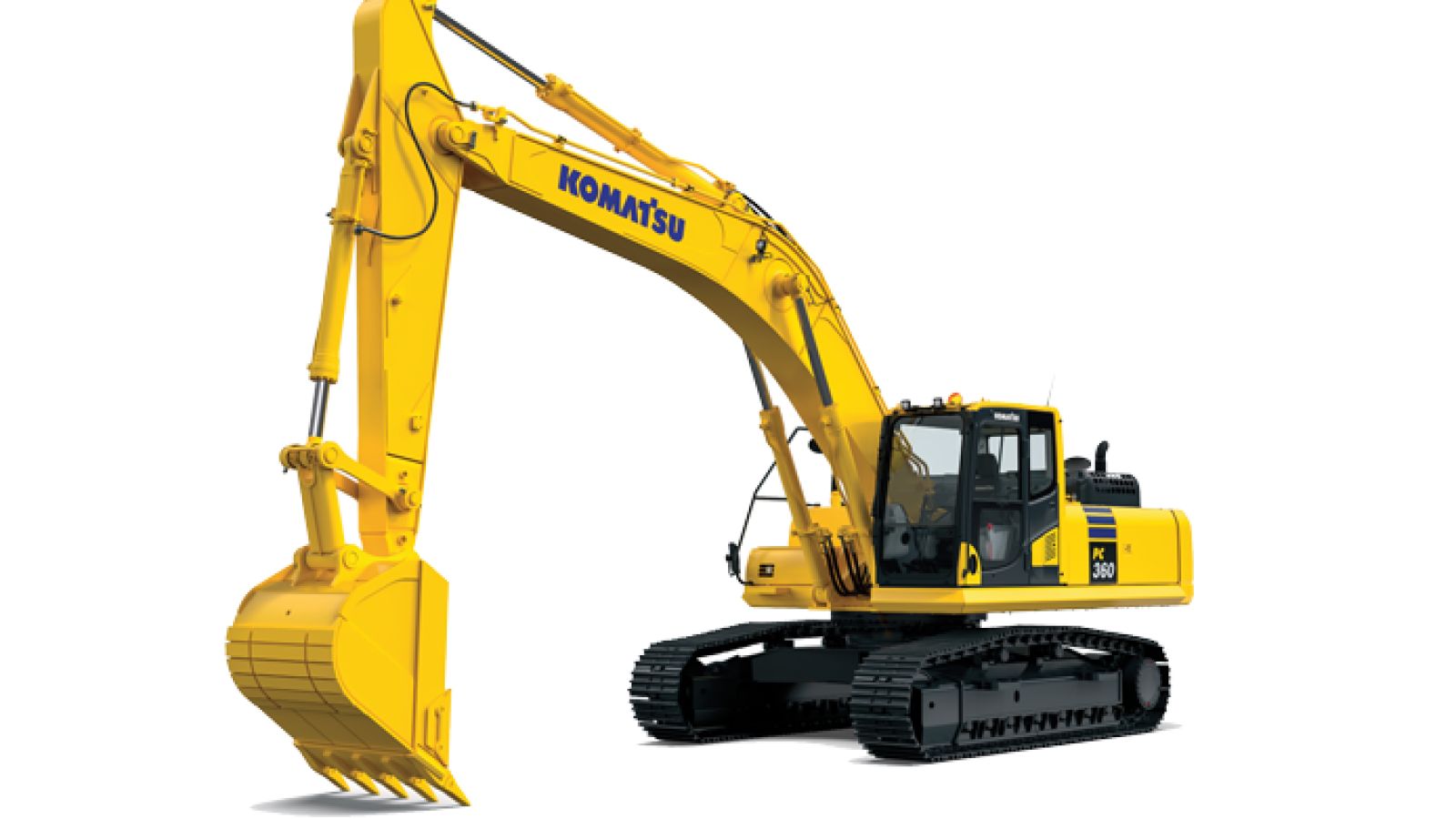
Japanese multinational construction and mining equipment maker; PC360 large excavator.
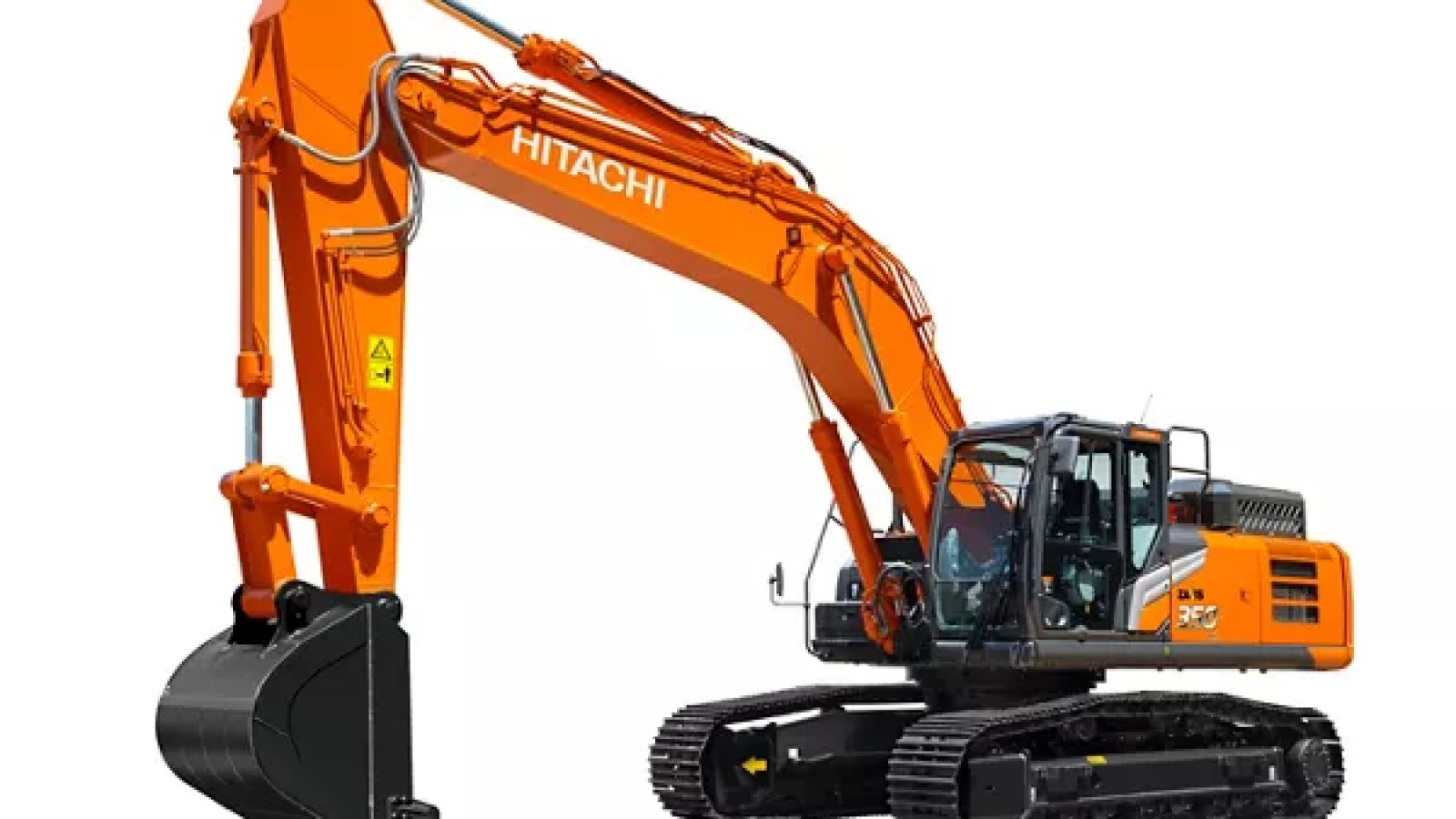
Japanese maker of hydraulic excavators and mining equipment (ZAXIS-7 range).

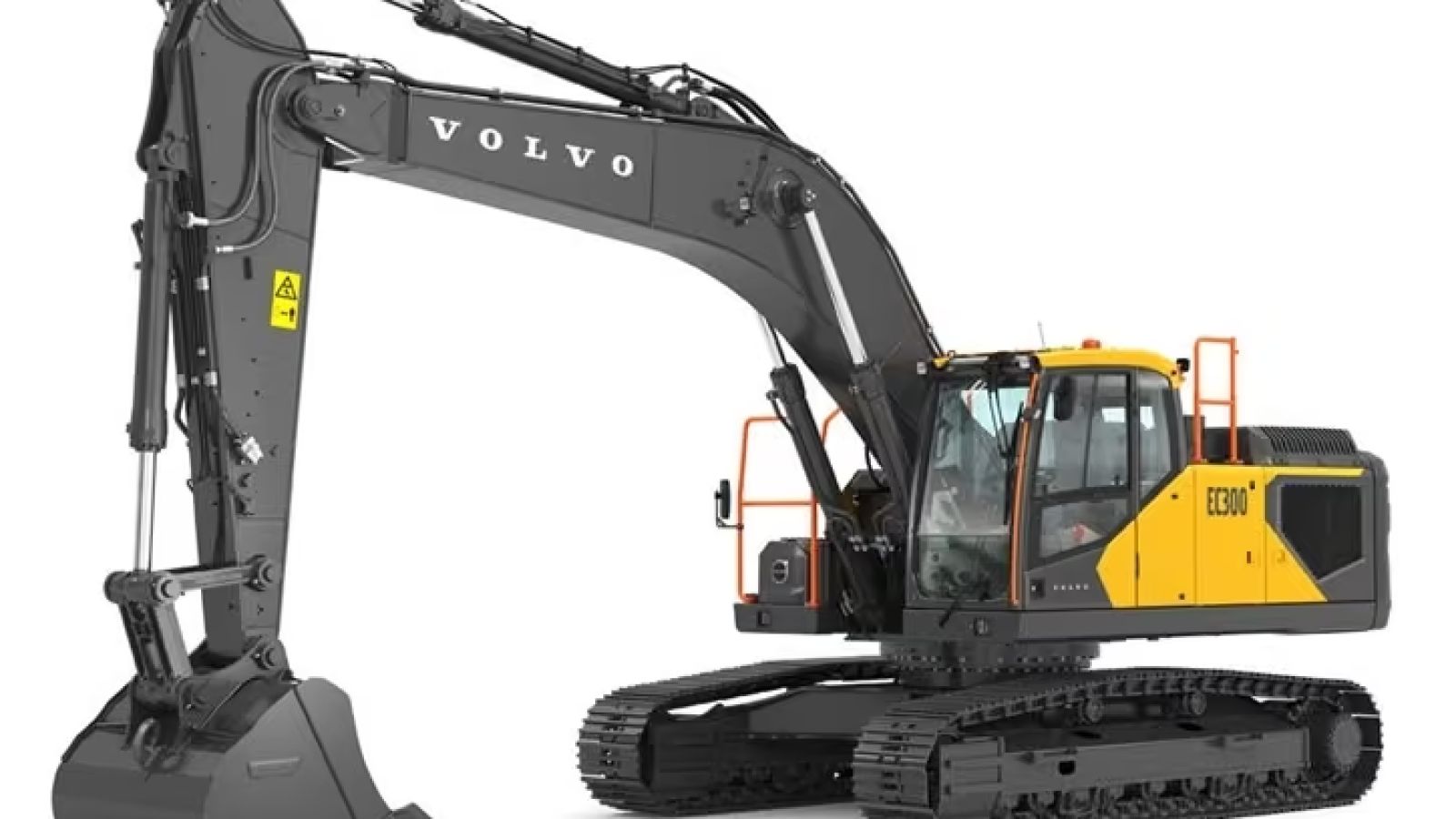
Swedish maker of excavators, wheel loaders and articulated haulers (Volvo Group).

German-Swiss family-owned construction machinery and mining equipment maker.

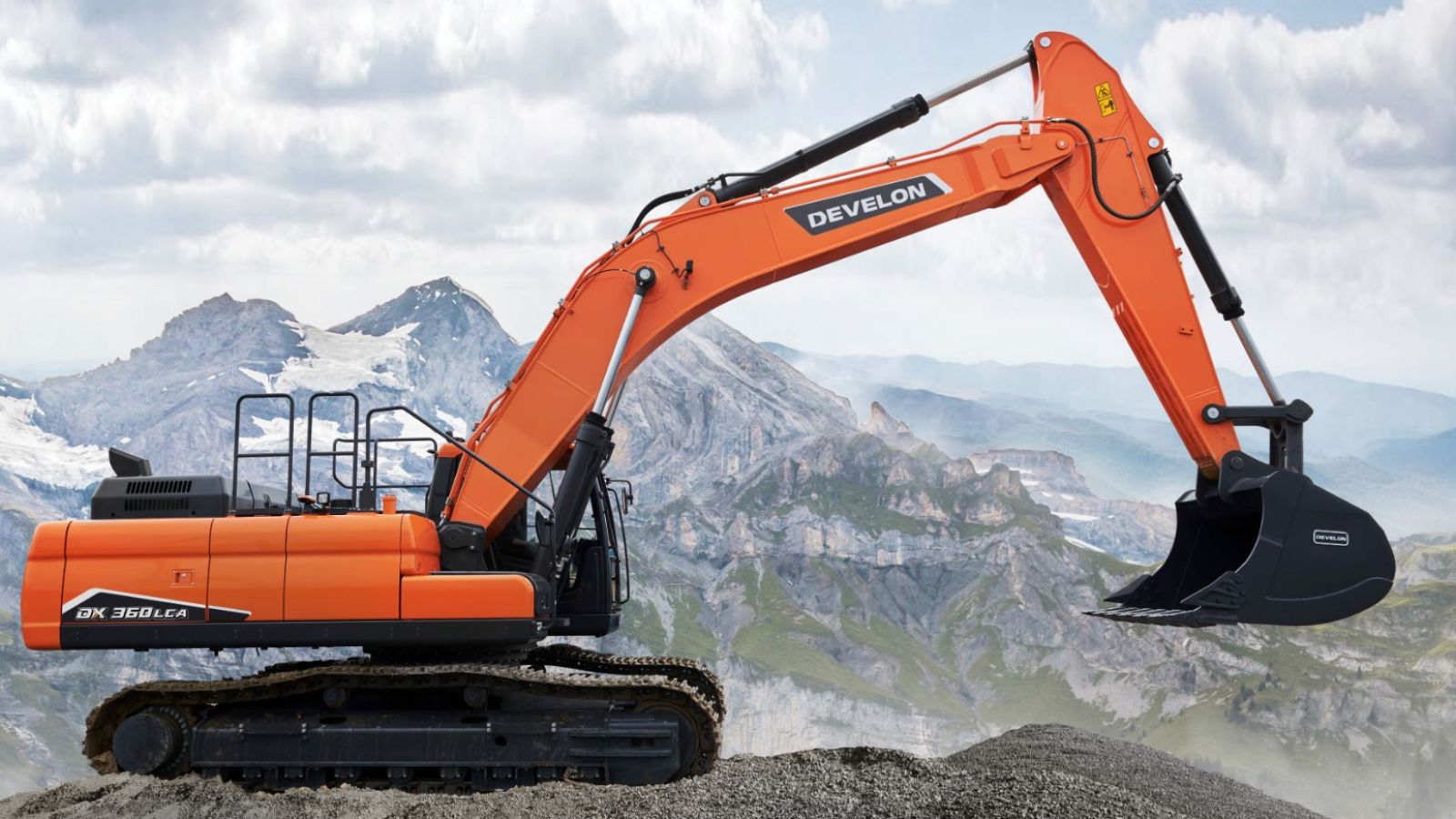
South Korean construction equipment maker (HD Hyundai), rebranded Develon in 2023.

Major Chinese construction machinery group (roots to 1943); XE335C crawler excavator.

Chinese heavy-equipment group (founded 1986); SY375H large excavator.

Zoomlion Heavy Industry Science & Technology Co., Ltd. is a leading manufacturer of construction machinery and agricultural machinery in...

China's oldest wheel-loader maker (1958), now a full-line machinery group.

Shandong Heavy Industry subsidiary; bulldozers + SE-series excavators.

Hong Kong-listed maker of wheel loaders, excavators and forklifts.
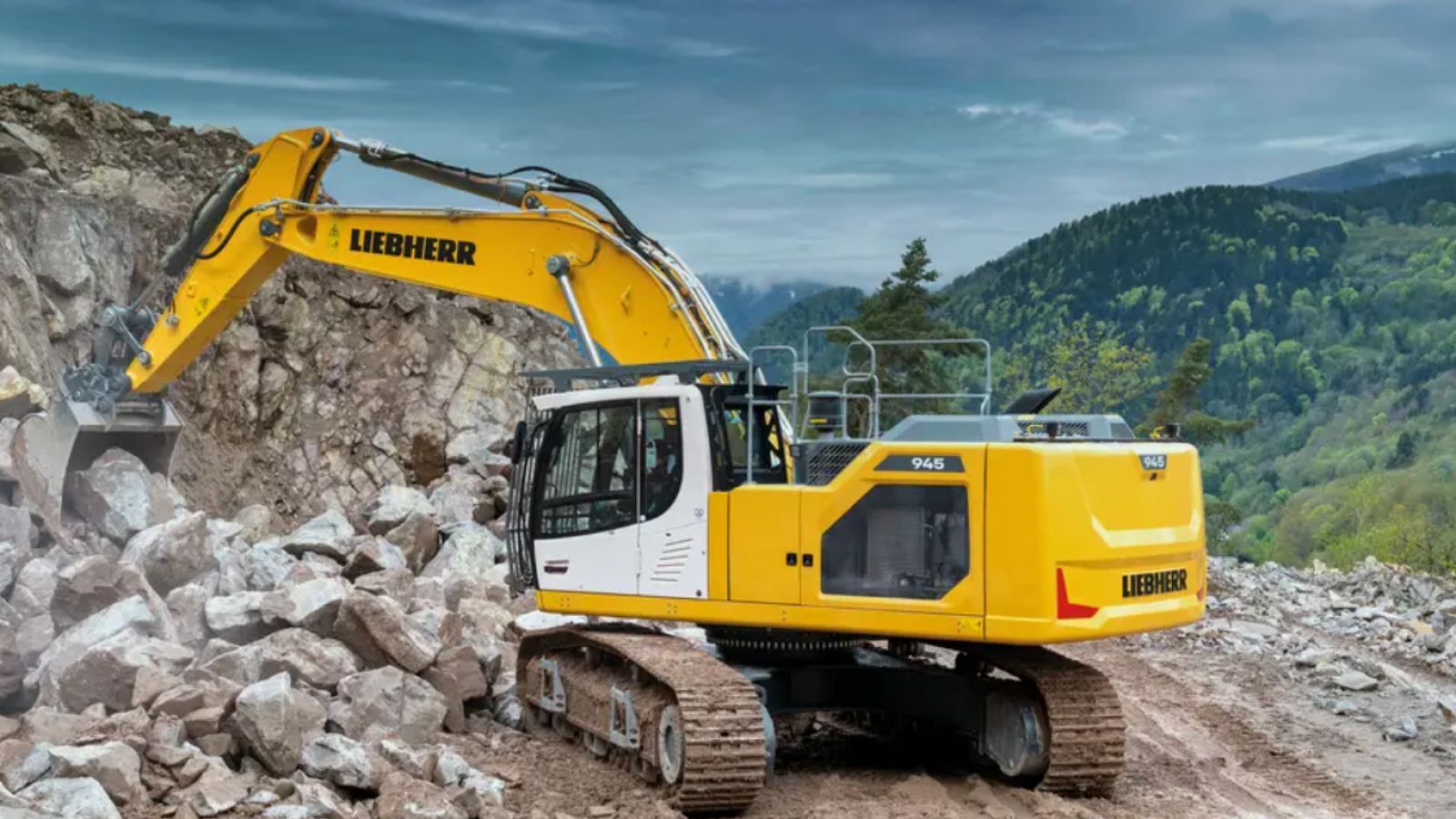
Gen-8 crawler excavator, 41,400–48,250 kg, bucket 2.00–3.00 m³.
Last updated: September 10, 2026. Excavators do the heavy lifting of every construction and mining site, and the category is led by a small...
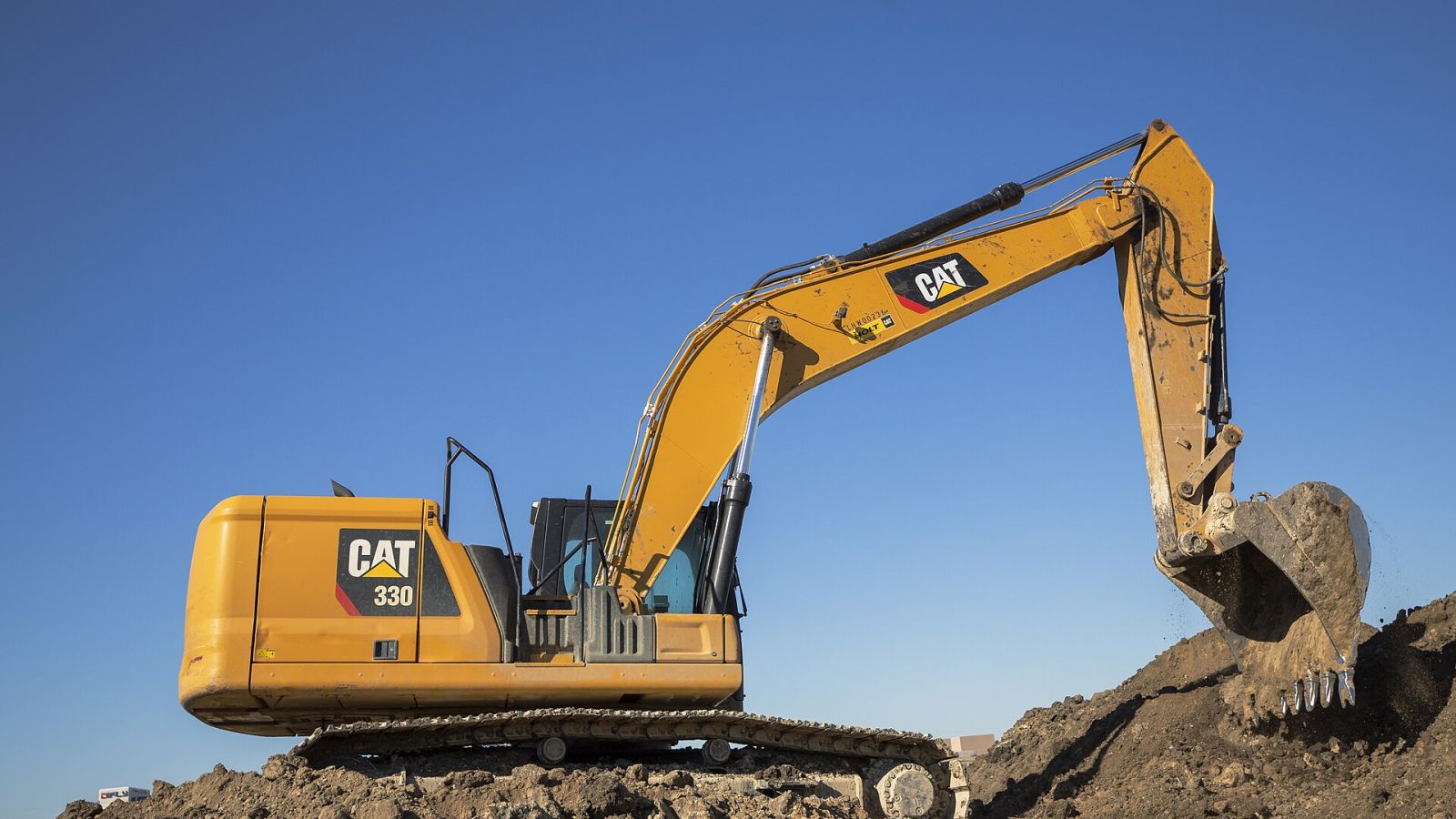
Last updated: September 10, 2026. This ranking compares ten crawler excavators across operating weight and bucket capacity — the two specs t...
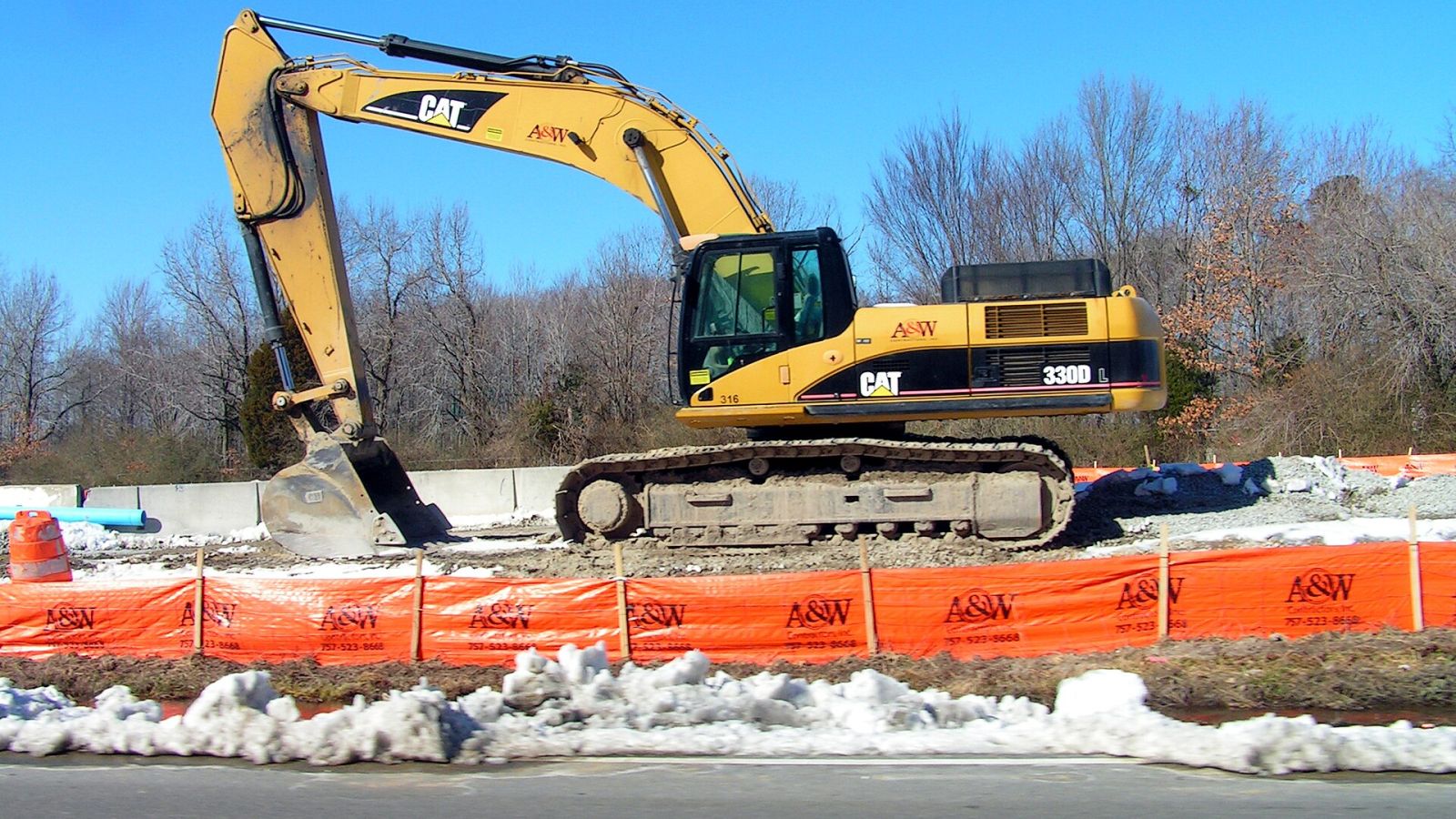
Last updated: September 10, 2026. China is the world's largest excavator market and home to manufacturers that now compete globally on 20–40...