Drilling & Tunneling Buying Guide: Rigs, Jumbos & TBMs
The core idea of this page: drilling and tunneling equipment is specified from three facts — the ground, the hole diameter and the advance rate — t
Read the guide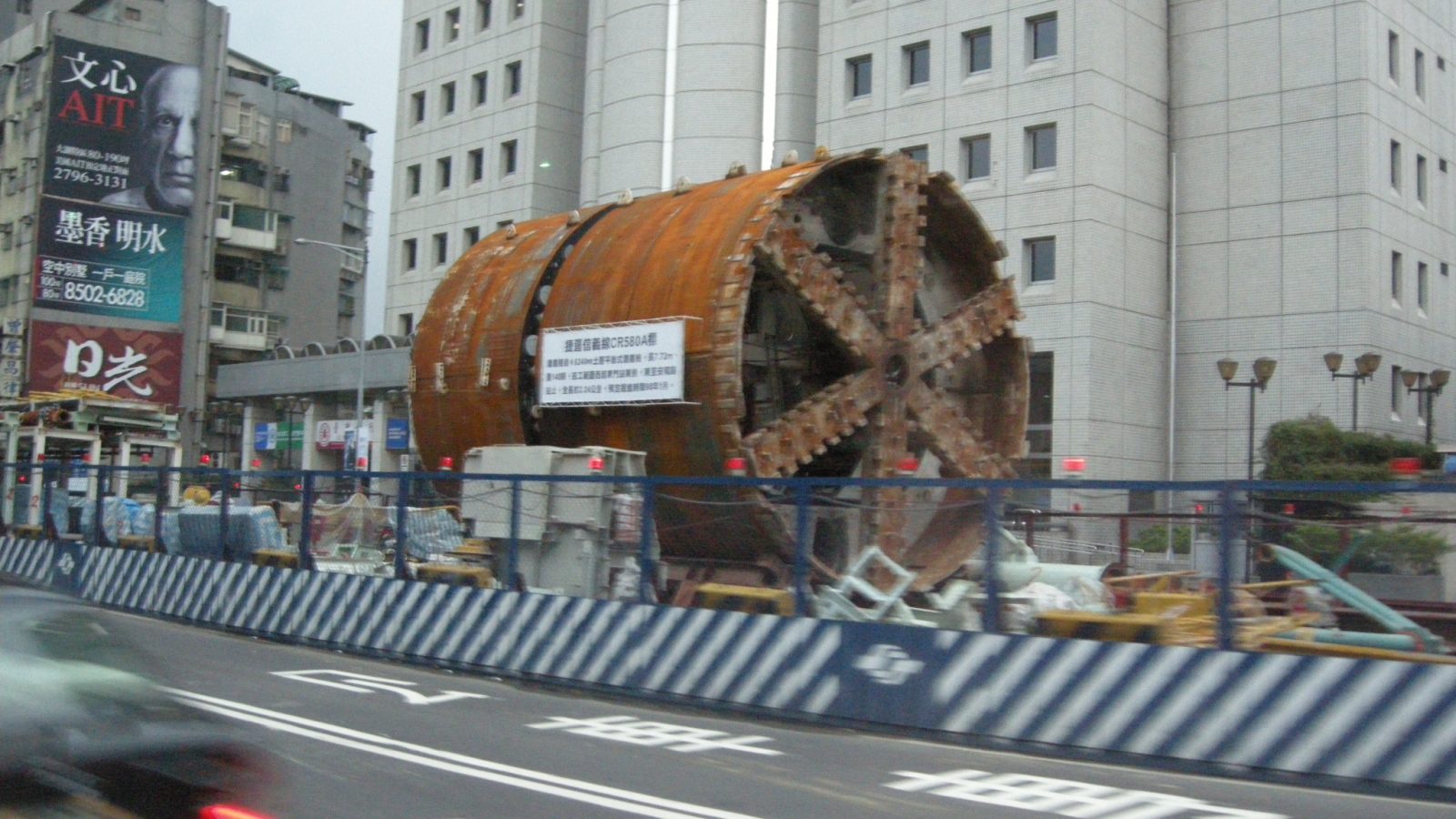

Surface drill rigs, underground drill jumbos, rotary piling rigs and tunnel boring machines (TBMs) that drill blast holes, bore tunnels, install rock reinforcement and drive foundations.
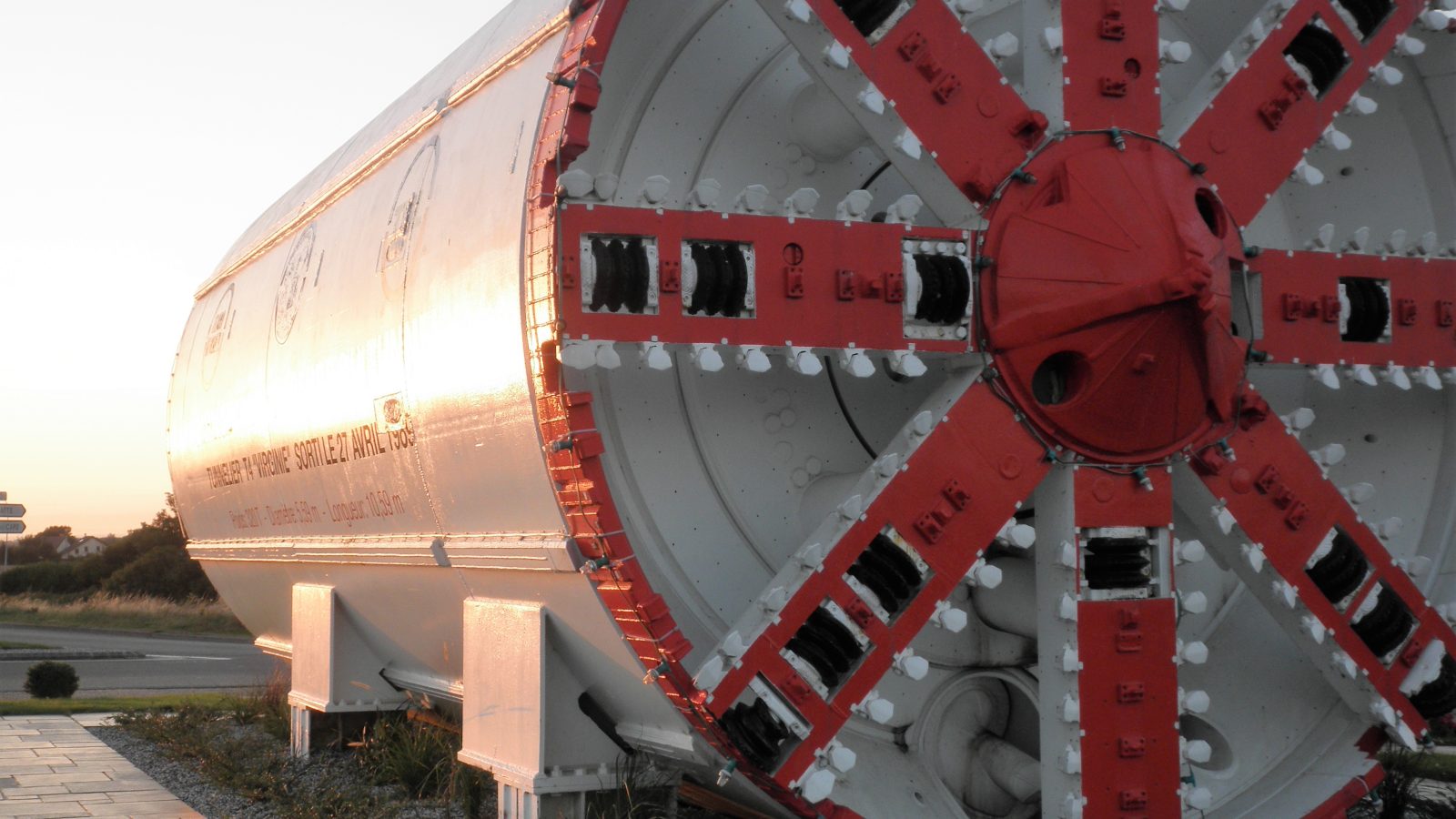
The core idea of this page: drilling and tunneling equipment is specified from three facts — the ground, the hole diameter and the advance rate — t
Read the guide
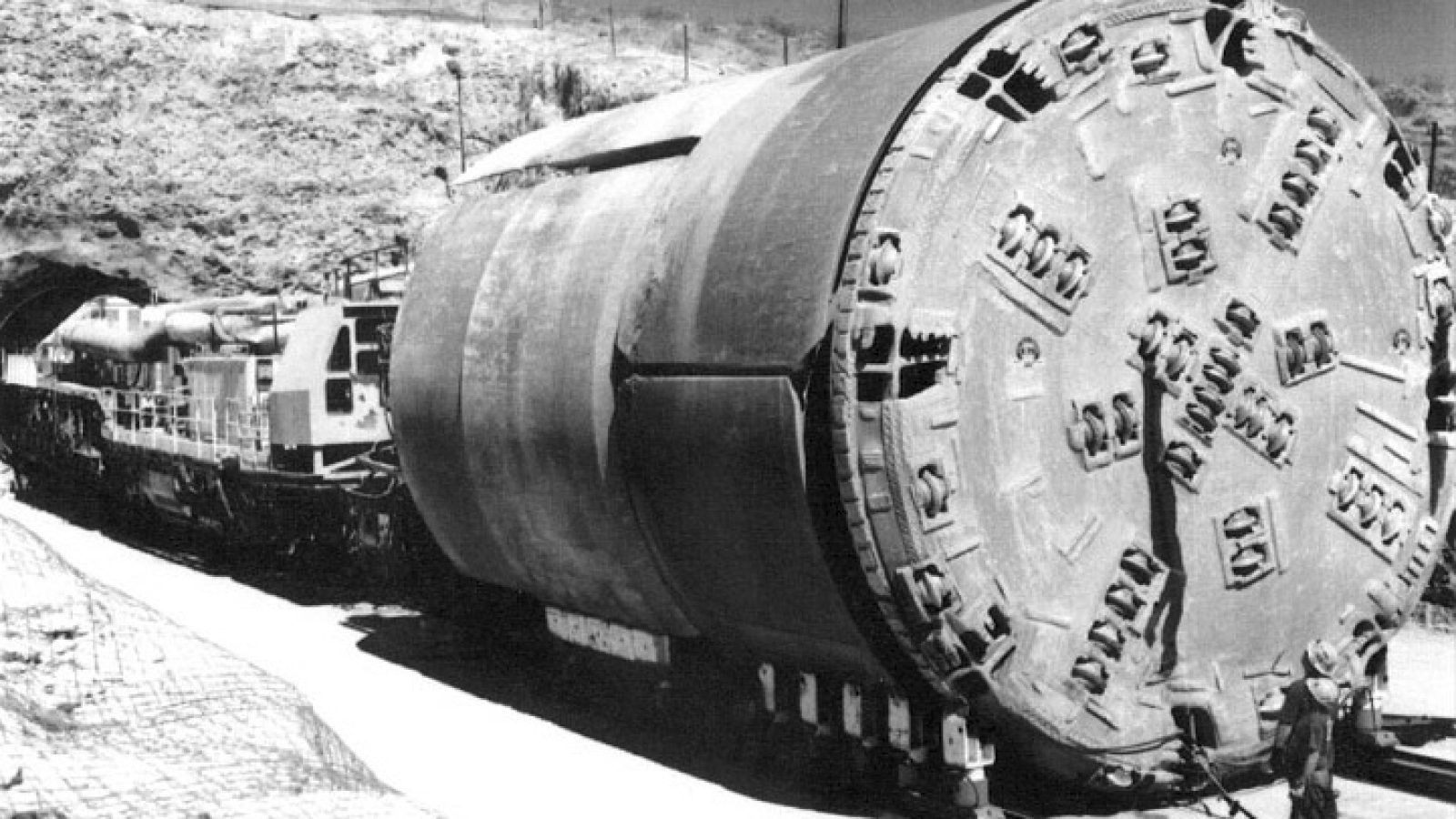
The core idea of this page: drill-and-blast and TBM are two ways to drive a tunnel. Drill-and-blast is cyclical, flexible and cheap to star...
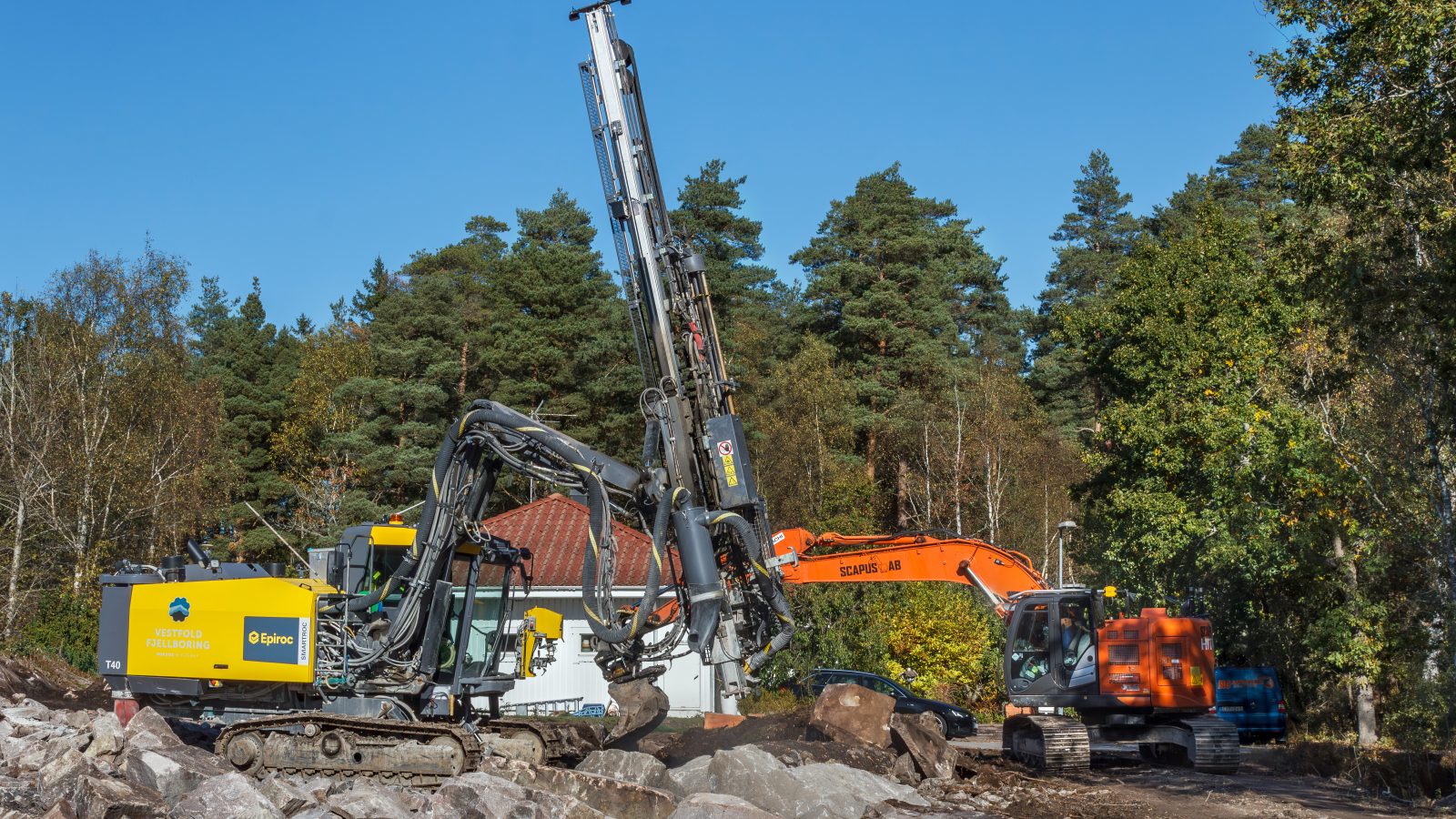
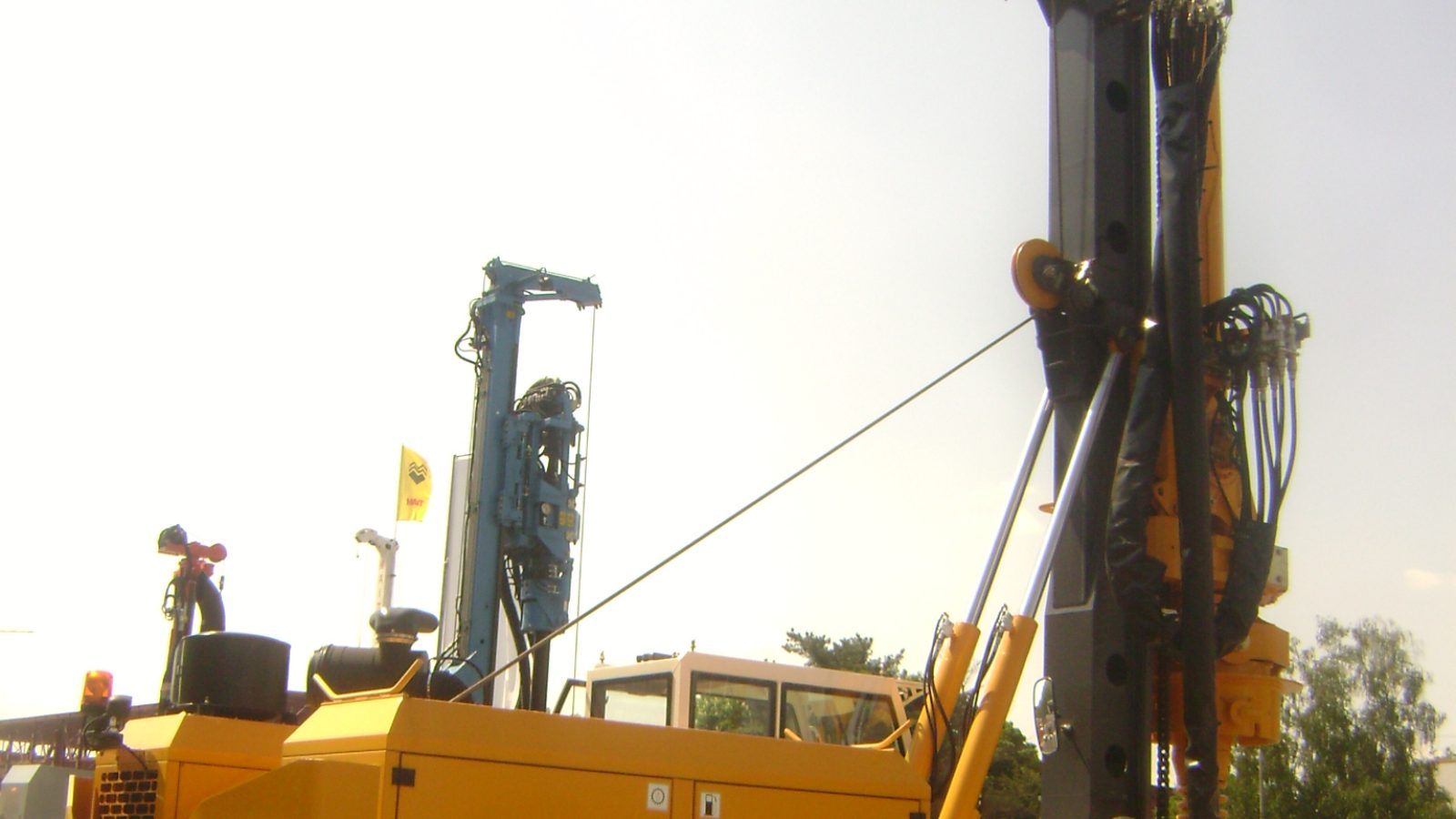
The core idea of this page: top-hammer drilling keeps the hammer on the rig and strikes the rod from above; DTH puts the hammer down the ho...
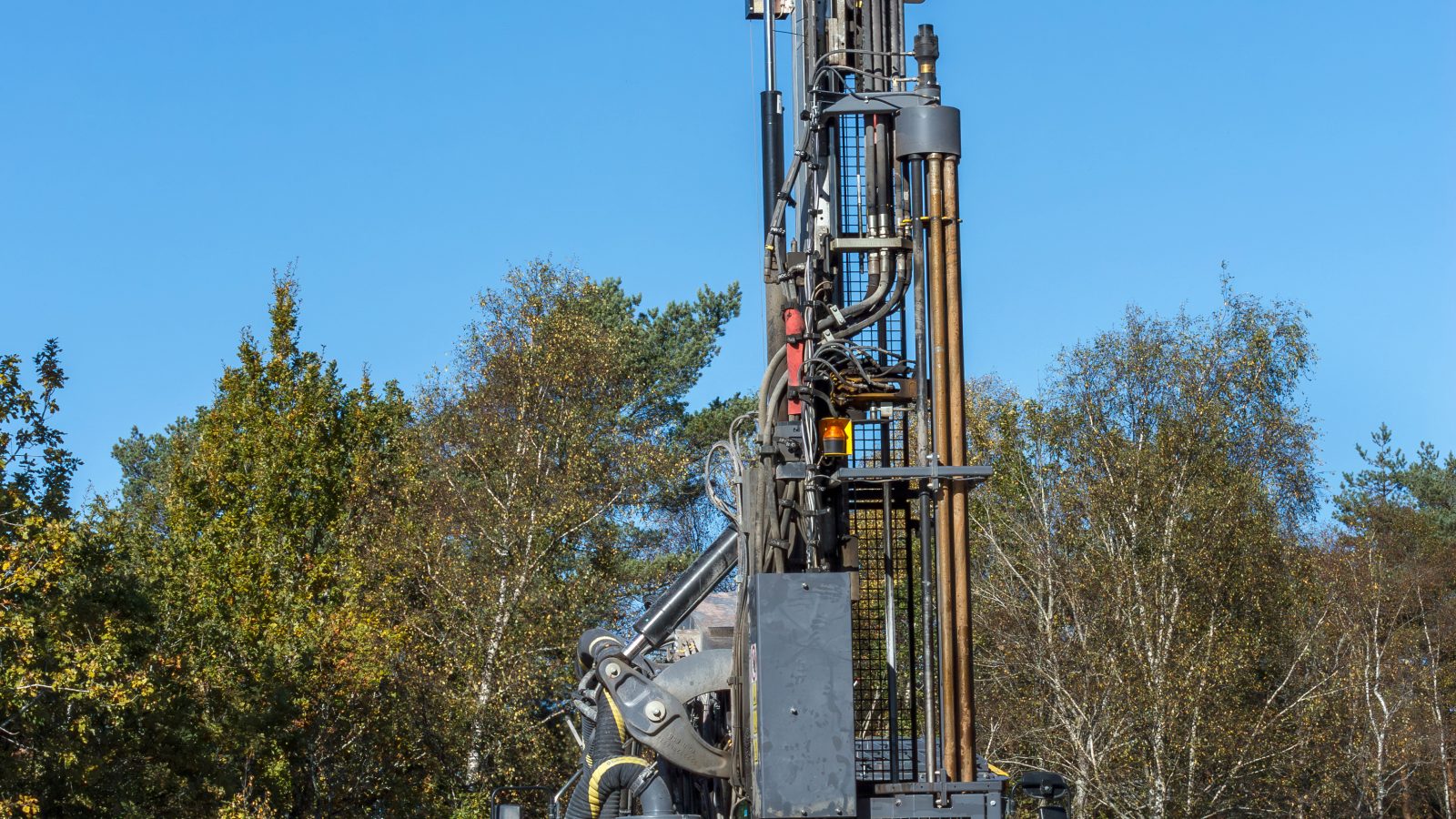
The core idea of this page: new drill rigs give warranty, current safety and automation, and a known wear baseline; used rigs trade a lower...

Swedish maker of surface and underground drill rigs, rock excavation equipment and automation, spun off from Atlas Copco in 2018.

German maker of tunnel boring machines (TBMs), the market leader in mechanised tunnelling.

American maker of tunnel boring machines and raise borers, founded by the inventor of the modern TBM.

Drilling services and equipment maker, one of the oldest names in mineral exploration drilling.

Japanese maker of hydraulic crawler drills and rock drills for quarrying and construction.

American maker of underground drill jumbos and roof bolters for mining.

Chinese maker of tunnel boring machines, a leading TBM supplier for metro and water tunnels.
Chinese maker of TBMs, drill jumbos and railway maintenance equipment.

Chinese maker of rotary drilling rigs and pile drivers for construction.

Chinese heavy-equipment group (founded 1986); SY375H large excavator.

Major Chinese construction machinery group (roots to 1943); XE335C crawler excavator.

Zoomlion Heavy Industry Science & Technology Co., Ltd. is a leading manufacturer of construction machinery and agricultural machinery in...
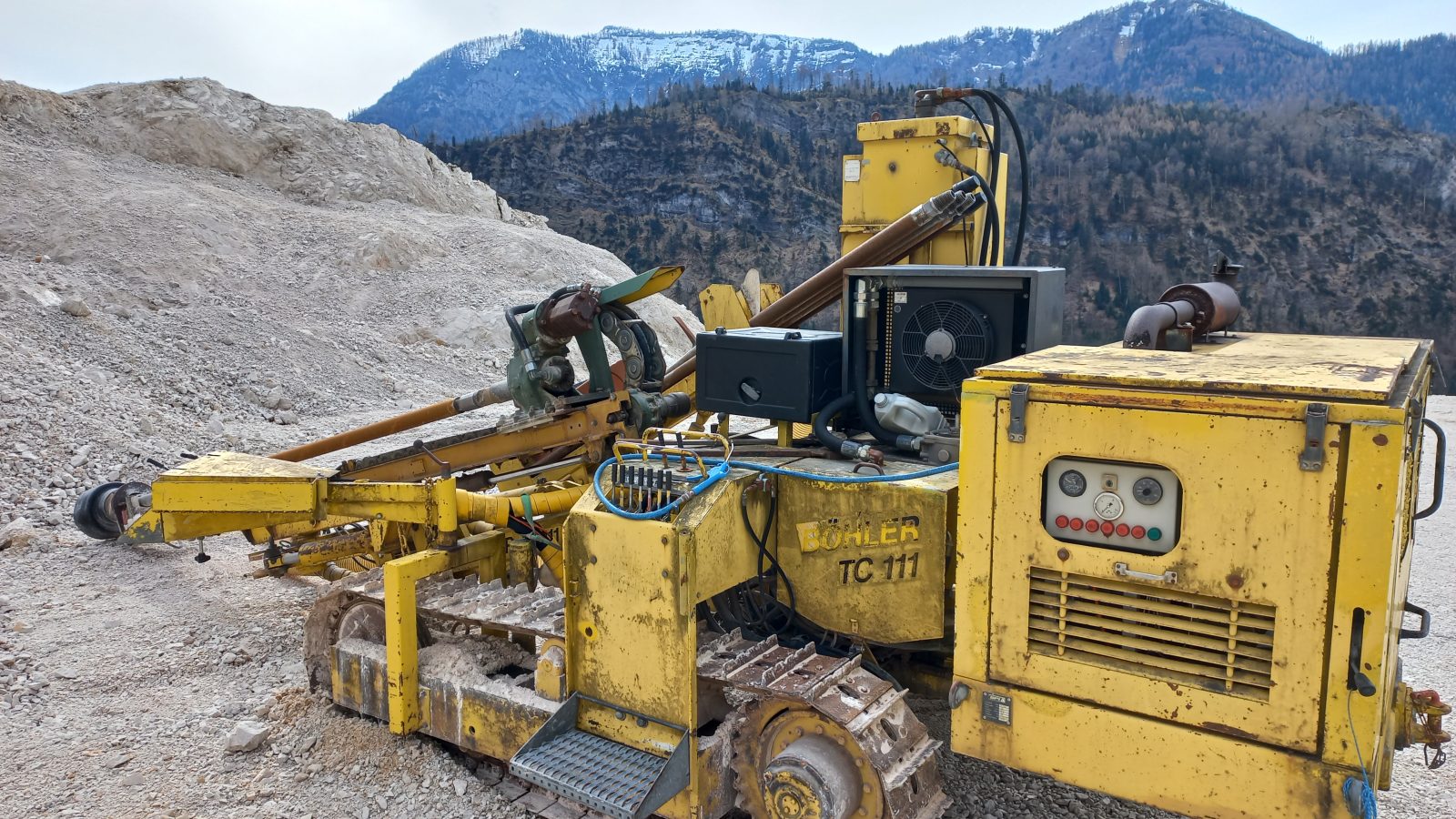
Surface top-hammer drill rig for quarrying and mining blast holes.
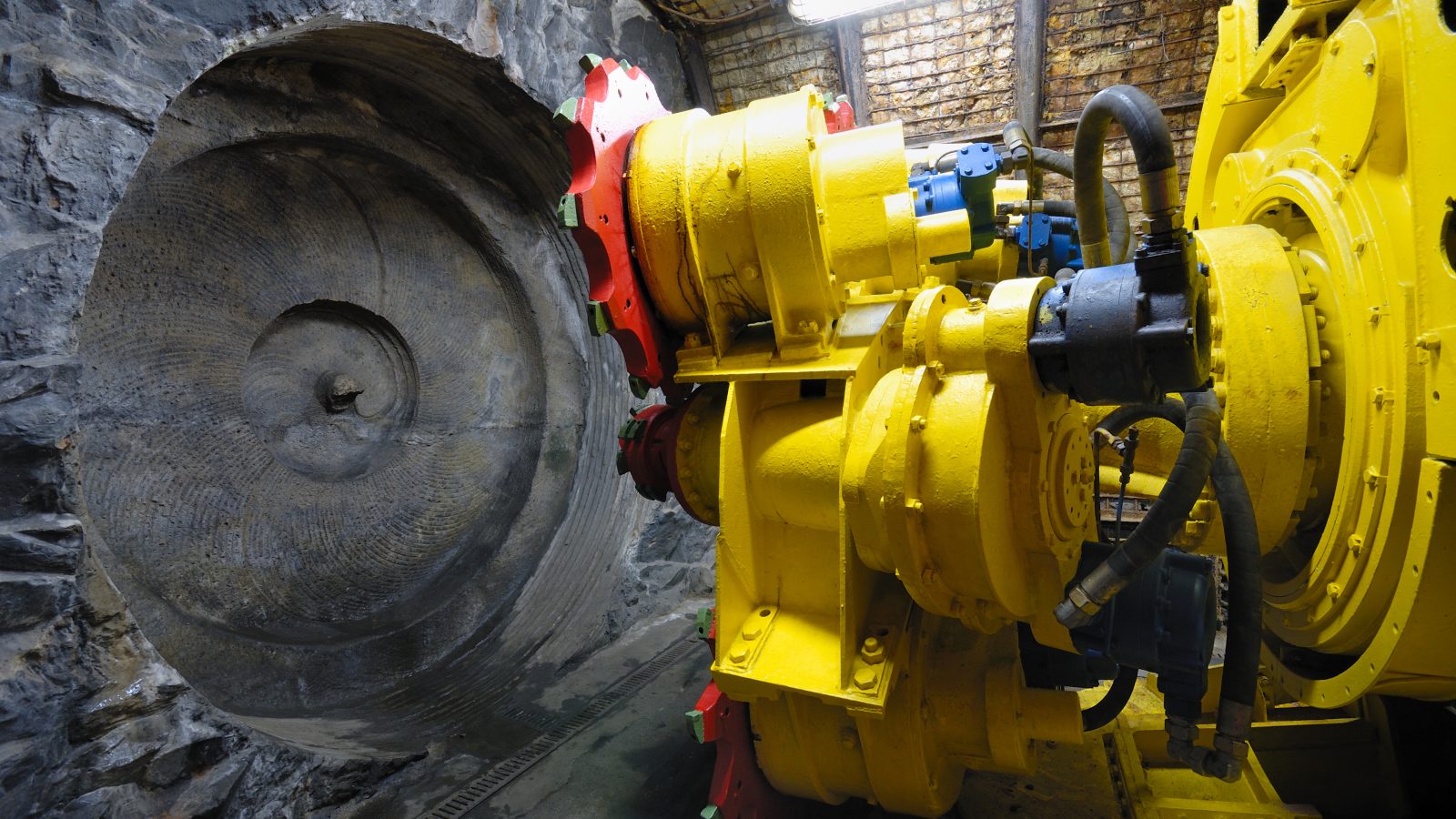
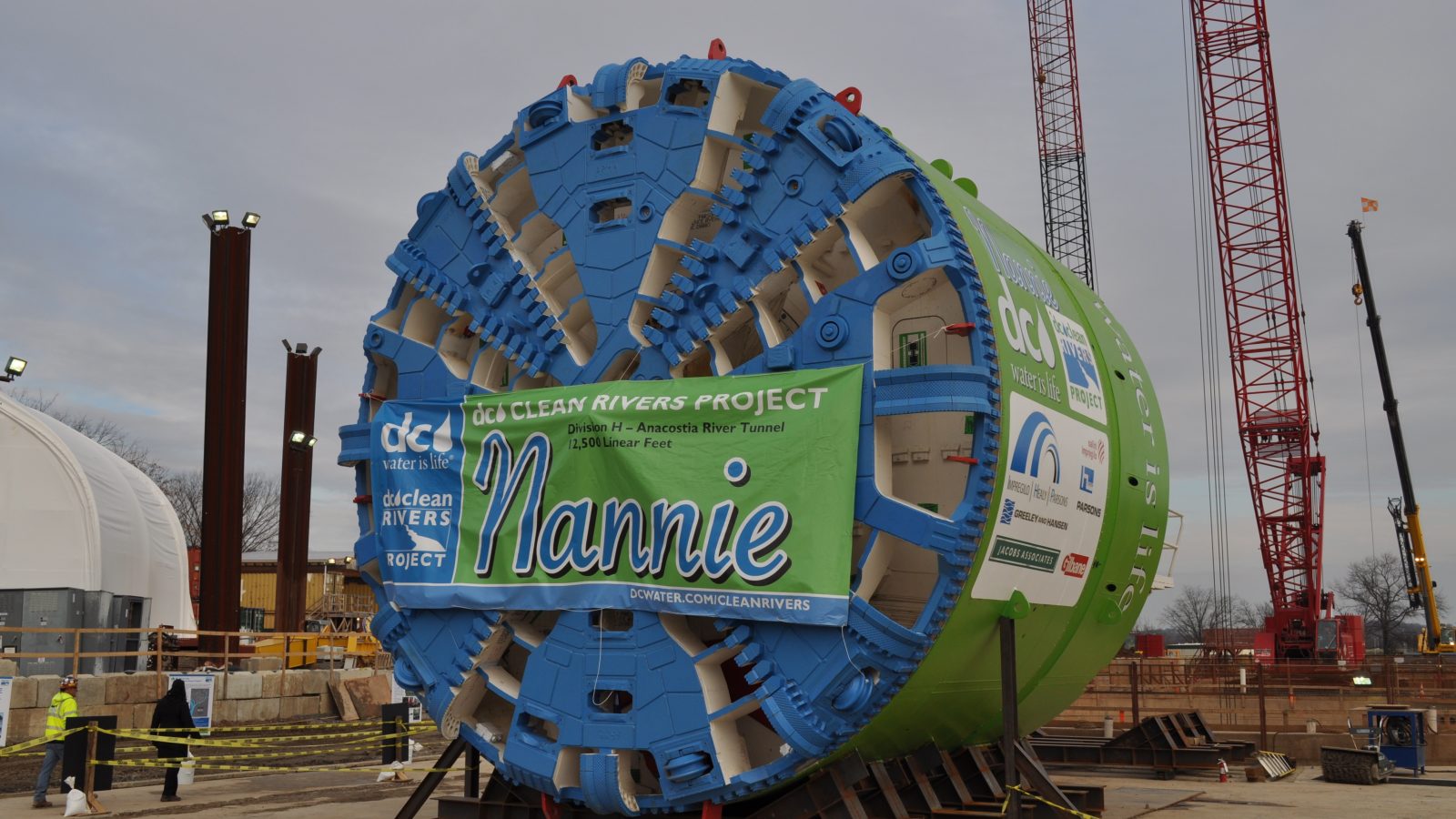
Slurry-pressure tunnel boring machine for soft-ground tunnelling.
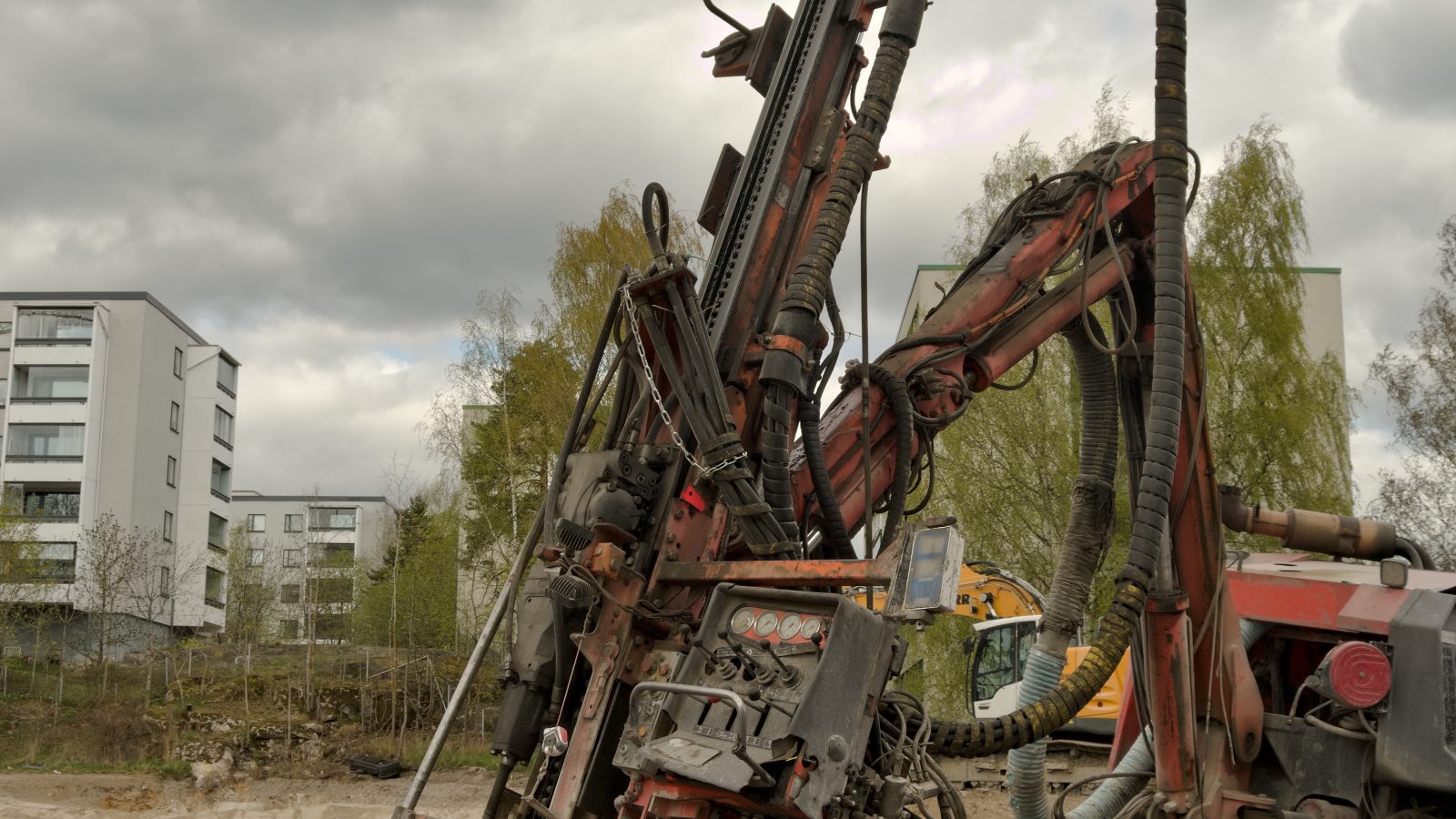
Last updated: October 20, 2026. Drilling and tunneling equipment bores the blast holes, tunnels and foundations that mining and infrastructu...
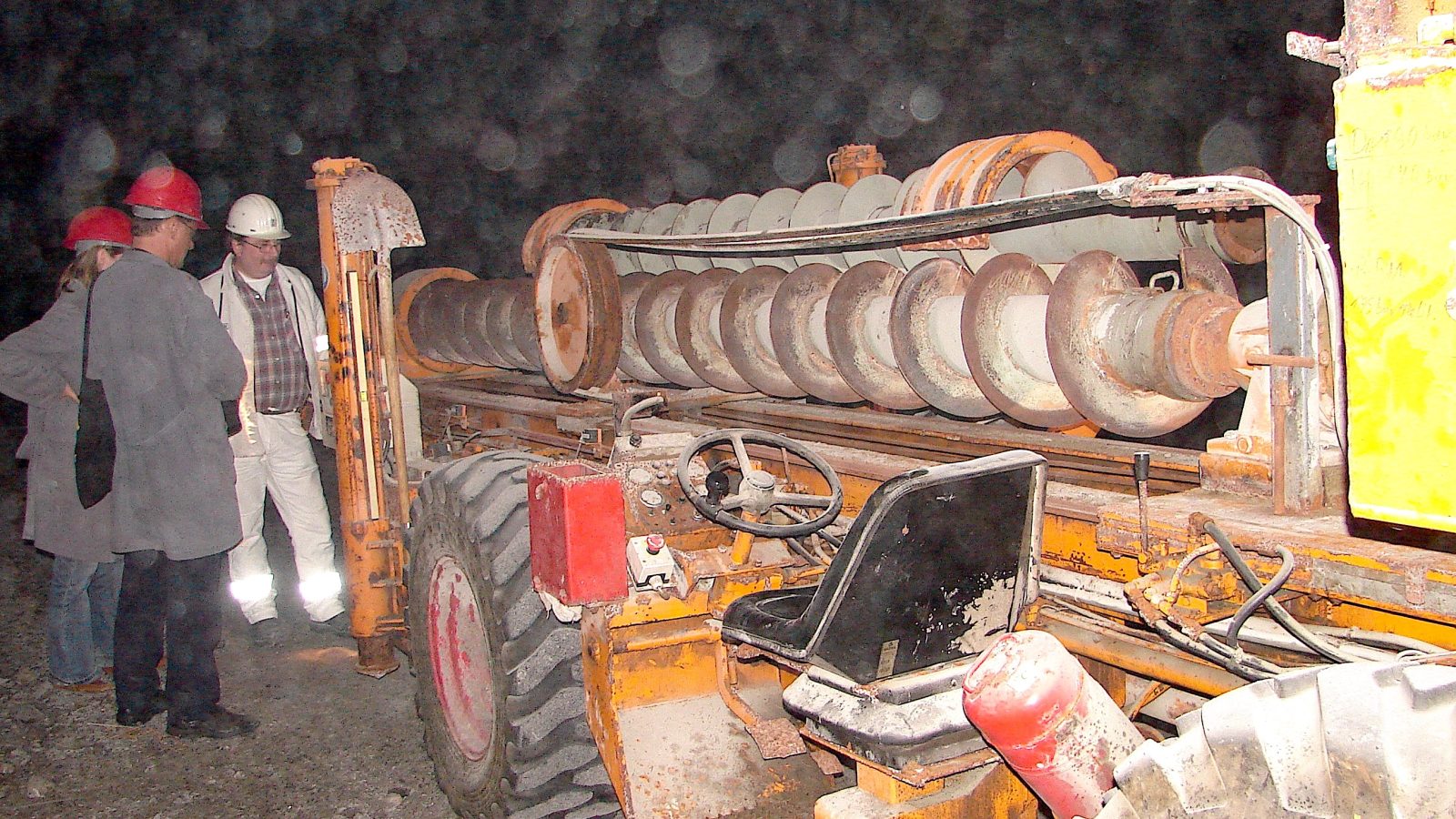
Last updated: October 20, 2026. Drilling and tunneling equipment spans surface crawler drills, underground jumbos, piling rigs and TBMs &mda...
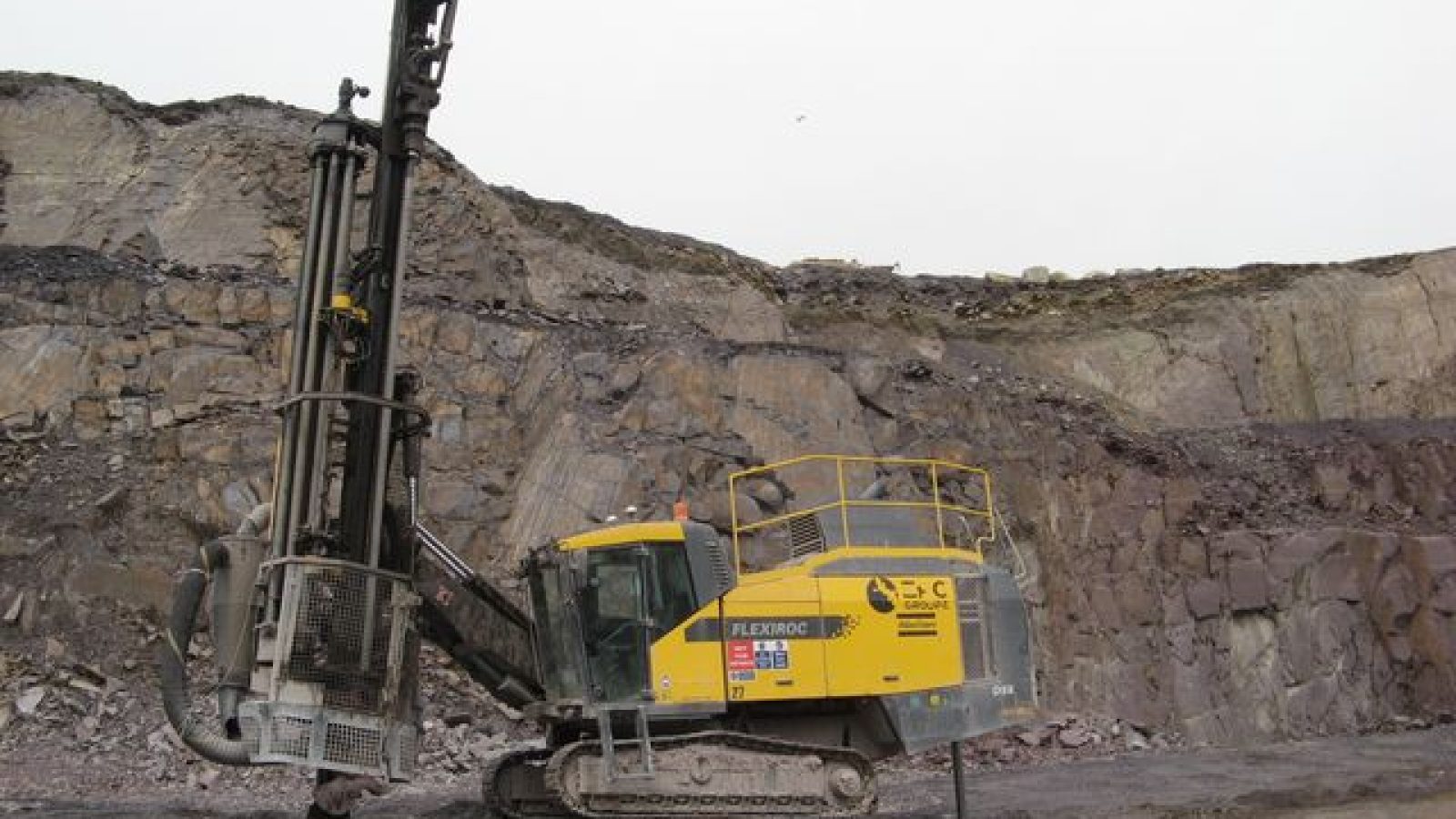
Last updated: October 20, 2026. China has become the world's largest builder of TBMs and a major source of rotary drilling rigs for construc...
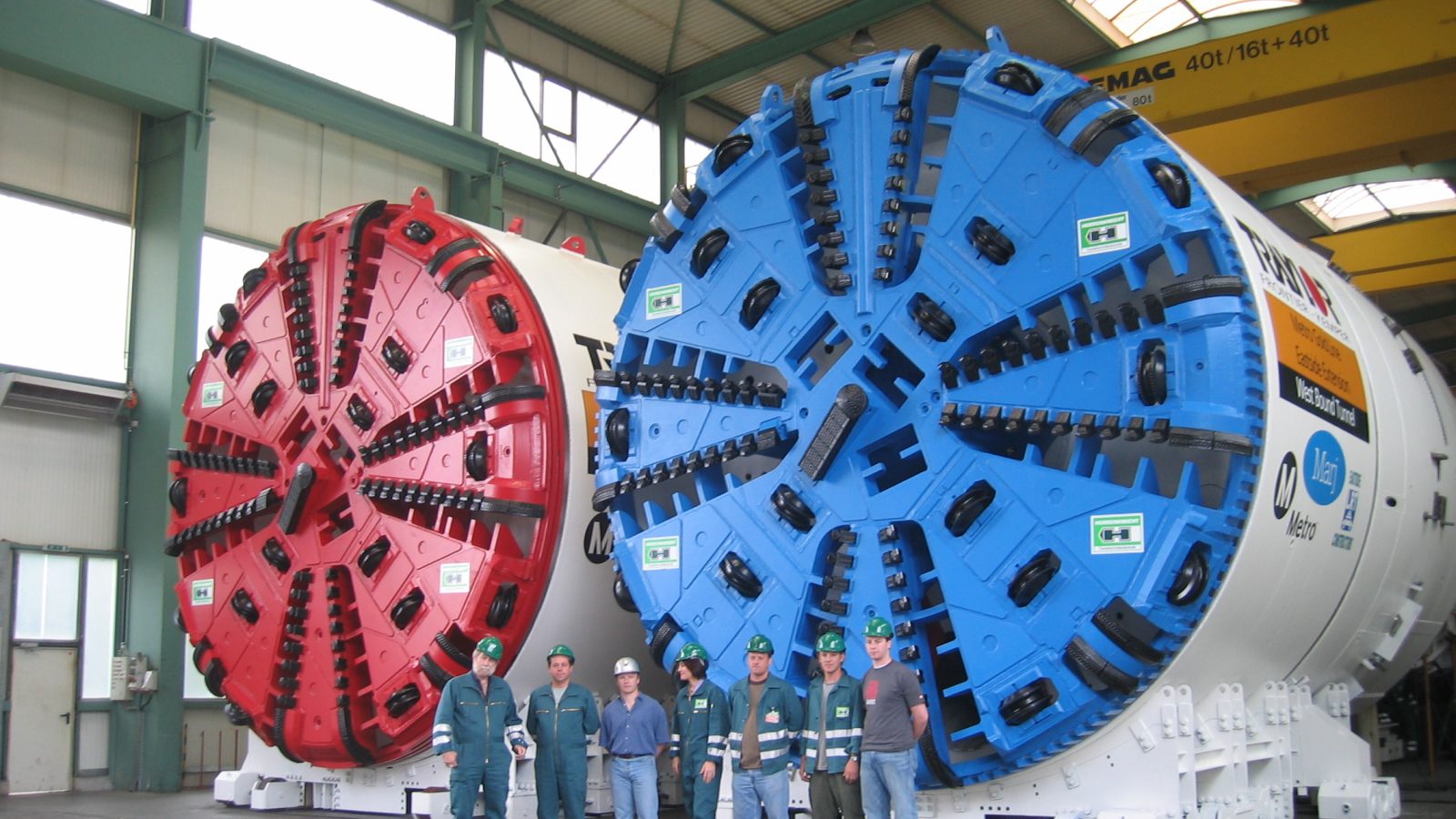
The core idea of this page: a tunnel boring machine bores a full-face tunnel by rotating a cutterhead against the rock face, bracing agains...
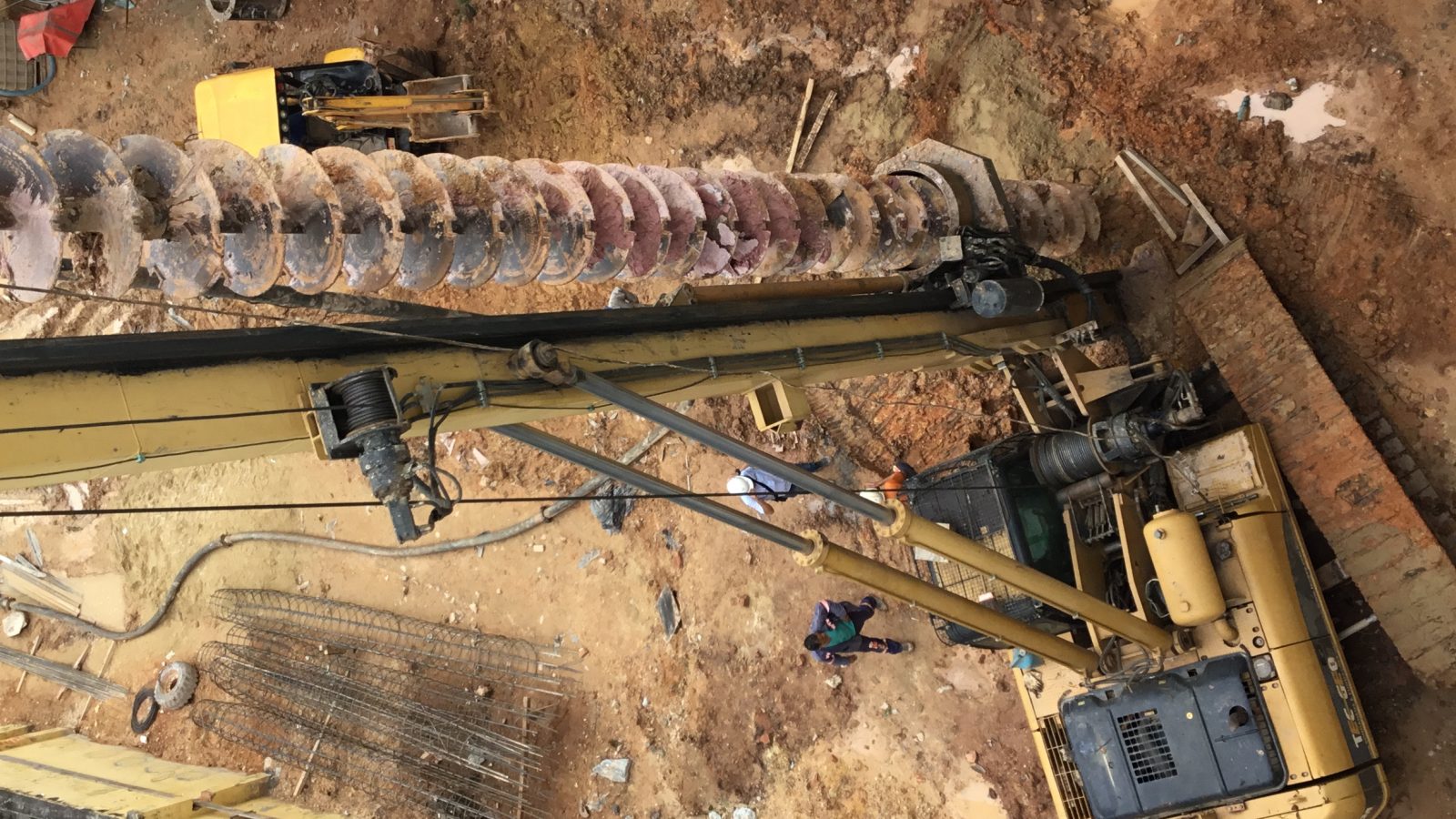
The core idea of this page: choosing a drill rig is choosing the machine that reaches your penetration rate at a cost per metre — fix...