
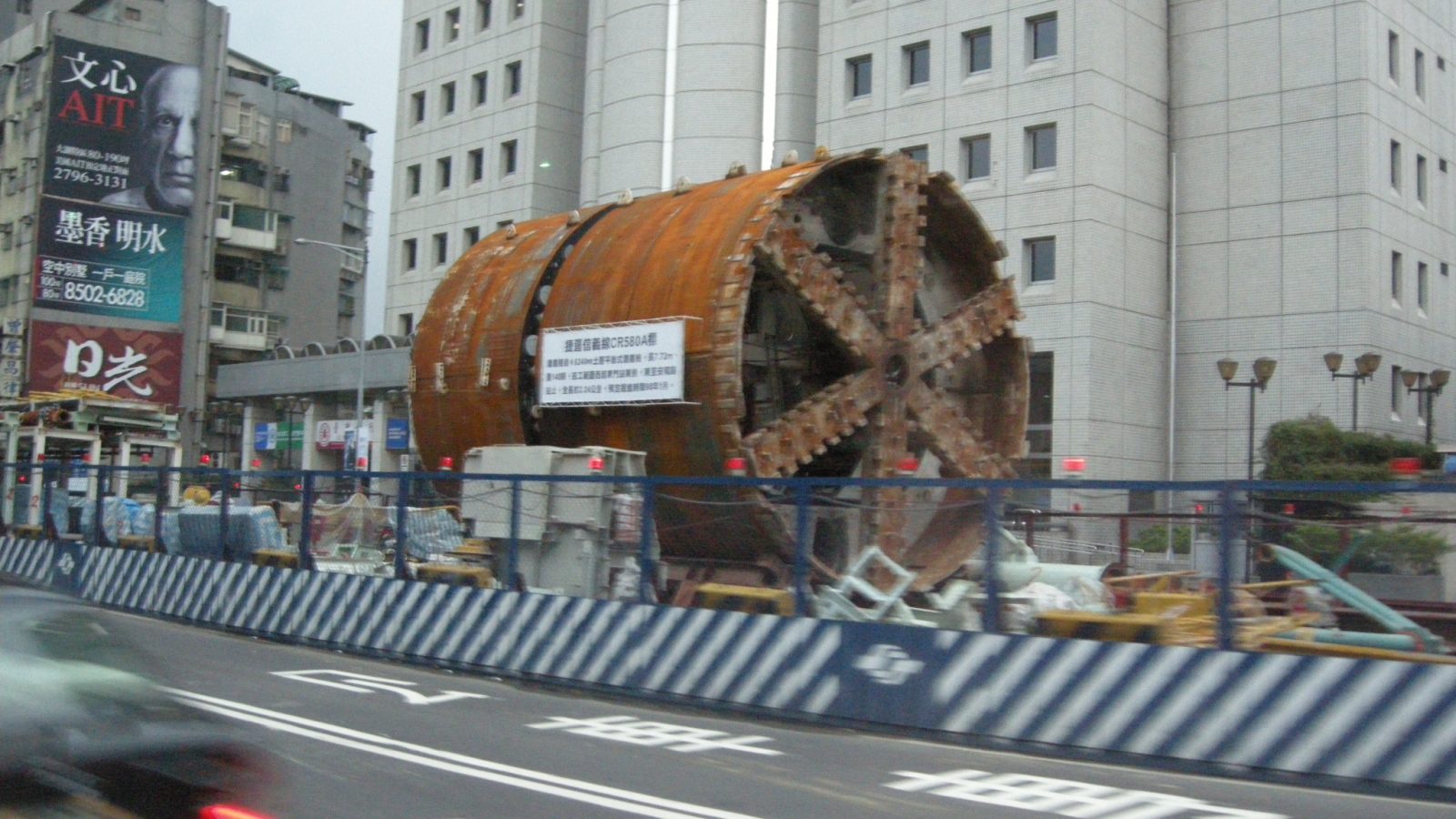
The core idea of this page: drilling and tunneling equipment is specified from three facts — the ground, the hole diameter and the advance rate — then resolved into a machine type: a surface drill rig, an underground jumbo, a piling rig, or a tunnel boring machine. Fix those three facts first and the machine largely follows.
Last updated: October 20, 2026. A drill rig is bought to reach a penetration rate at a cost per metre, not to hit a headline depth. This guide walks the selection path in the order that prevents the most expensive mistakes.
Step 1 — Fix the ground and the hole
Write down the rock hardness and abrasiveness, the hole diameter and depth, and the required advance rate or metres per shift. These four facts decide the drilling method and the machine class before any brand.
Step 2 — Choose the machine type
| Machine type | What it drills | Typical use |
|---|---|---|
| Surface crawler drill rig | Vertical/angled blast holes | Quarries, open-pit mines |
| Underground drill jumbo | Tunnel / stope face holes | Development and production drilling |
| Rotary piling rig | Large-diameter bored piles | Foundations |
| Tunnel boring machine | Full-face tunnel | Long mechanised drives |
Step 3 — Match the drilling method
Top-hammer suits small-to-medium holes in hard rock with fast penetration; down-the-hole (DTH) suits larger, deeper holes with straighter alignment; rotary drilling suits soft ground and large-diameter piles. See Top-Hammer vs DTH Drilling for the crossover.
Step 4 — Size the consumables and support
Drill bits, rods and cutters are the real cost per metre. Confirm the consumable cost per metre for your rock and duty cycle, and the dealer's parts and service coverage at the site.
Step 5 — Budget the cost per metre
Consumables, energy and maintenance dominate drilling cost, not the purchase price. For a TBM, the cutterhead and disc cutters are the largest recurring cost in hard rock.
Where to go next
- Top 10 Drill Rig & TBM Manufacturers — the global shortlist.
- Top 10 China Drill Rig & TBM Manufacturers — the China shortlist.
- Drill Rigs & TBMs: Top 10 Compared — machine-level comparison.
- Drill & Blast vs TBM — the method decision.
- How a Tunnel Boring Machine Works and How to Choose a Drill Rig — the principles.
Frequently asked questions
Drill-and-blast or TBM?
Drill-and-blast suits short, variable or hard-rock tunnels; a TBM suits long, straight drives where its higher capital cost is spread over more metres.
Top-hammer or DTH?
Top-hammer suits smaller holes in hard rock with faster penetration; DTH suits larger, deeper holes with straighter alignment.
Source: Tunnel boring machine — Wikipedia
"A tunnel boring machine (TBM), also known as a "mole", is a machine used to excavate tunnels. TBMs are an alternative to drilling and blasting methods and "hand mining", allowing more rapid excavation through hard rock, wet or dry soil, or sand."
Related guides
- Drill Rigs & TBMs: Top 10 Compared (2026) — Last updated: October 20, 2026. Drilling and tunneling equipment spans…
- Drill and Blast vs TBM: Choosing a Tunnelling Method — drill-and-blast and TBM are two ways to drive a tunnel. Drill-and-blas…
- Top-Hammer vs DTH Drilling — top-hammer drilling keeps the hammer on the rig and strikes the rod fr…
- New vs Used Drill Rig: Which Should You Buy? — new drill rigs give warranty, current safety and automation, and a kno…
- How a Tunnel Boring Machine Works — a tunnel boring machine bores a full-face tunnel by rotating a cutterh…
- How to Choose a Drill Rig — choosing a drill rig is choosing the machine that reaches your penetra…
- Top 10 Drill Rig & TBM Manufacturers (2026) — Last updated: October 20, 2026. Drilling and tunneling equipment bores…
- Top 10 China Drill Rig & TBM Manufacturers (2026) — Last updated: October 20, 2026. China has become the world's largest b…
Last verified: October 20, 2026.