- What is the difference between a jaw crusher and a cone crusher?
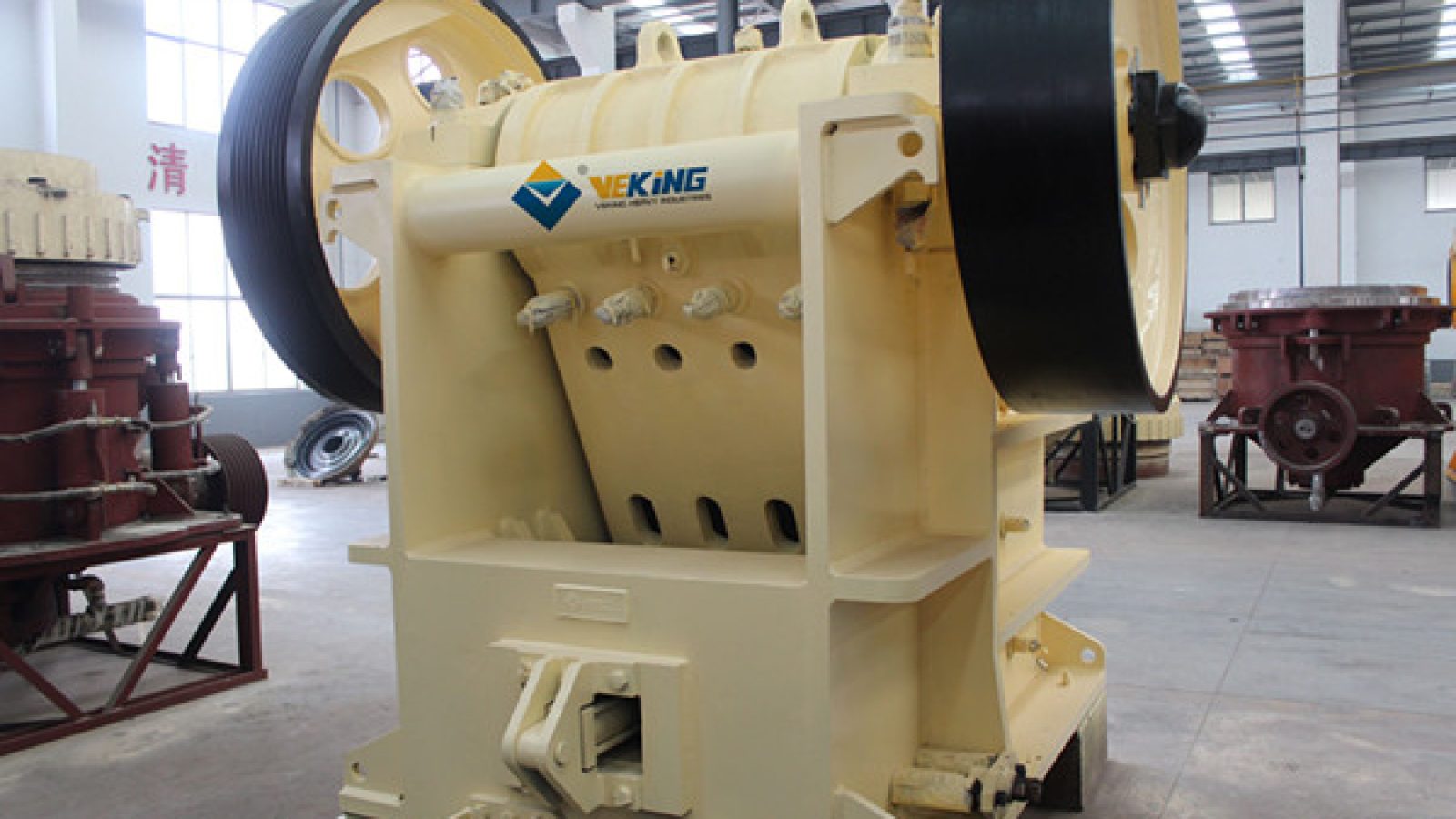
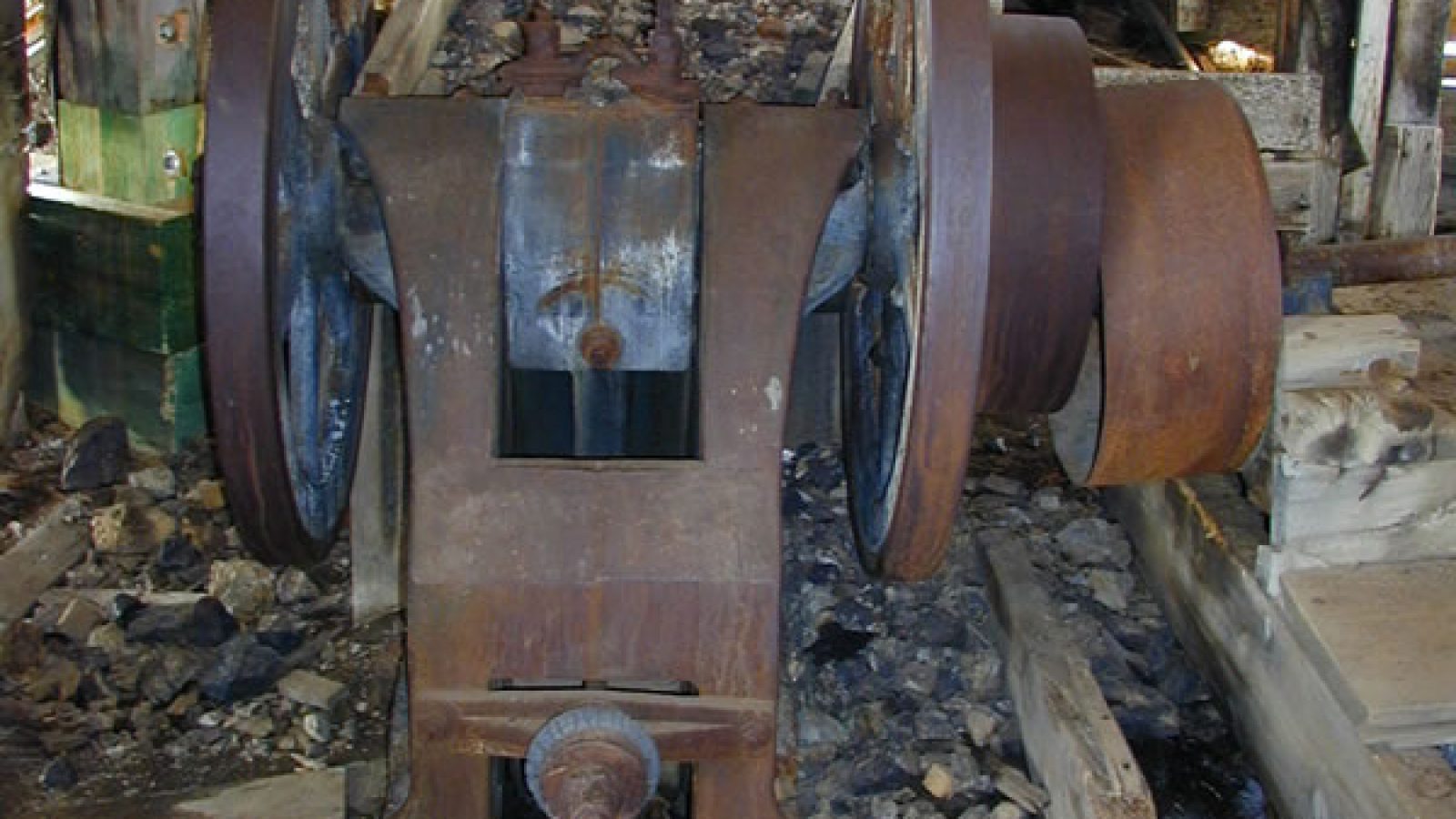
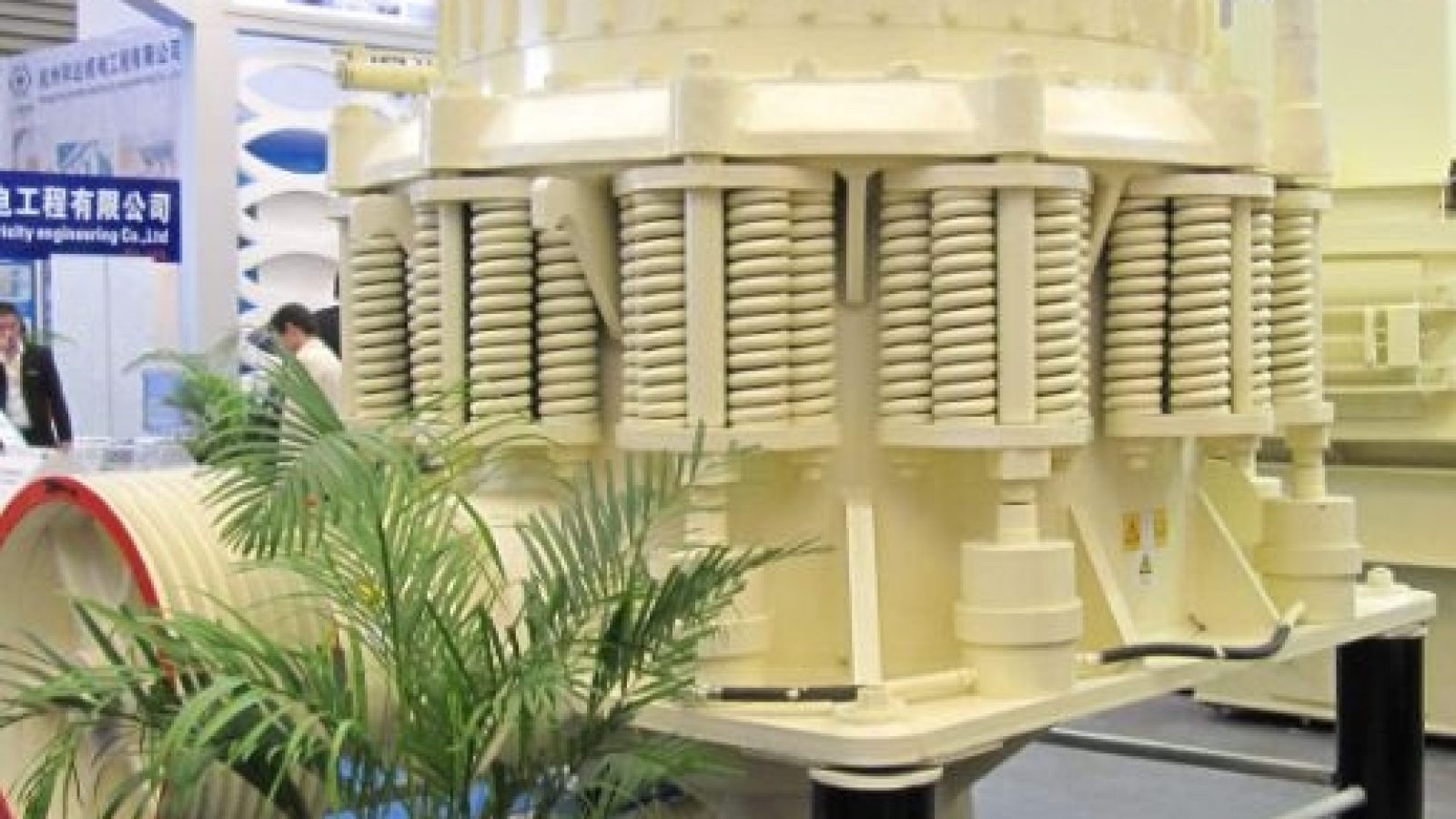
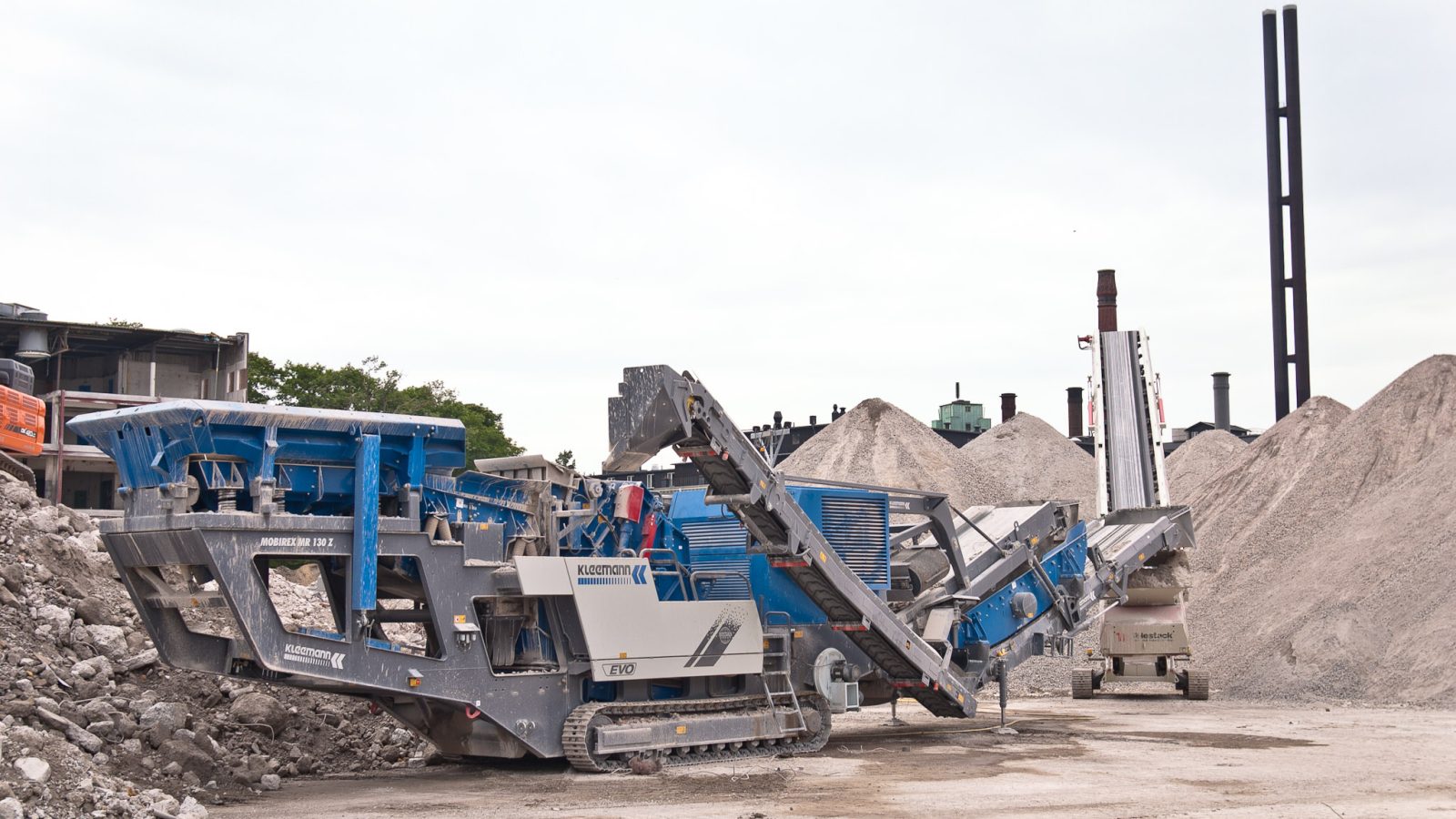
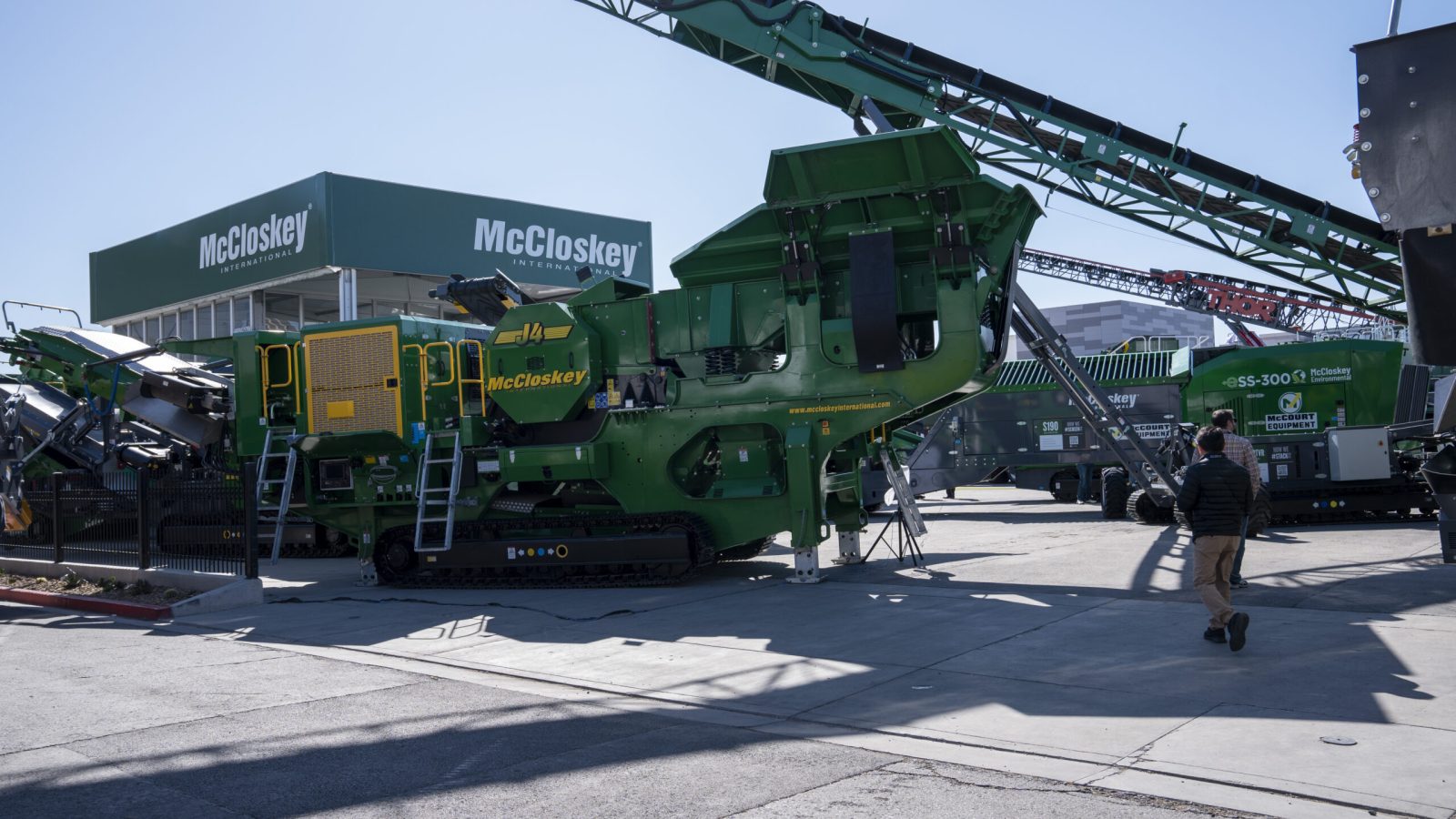
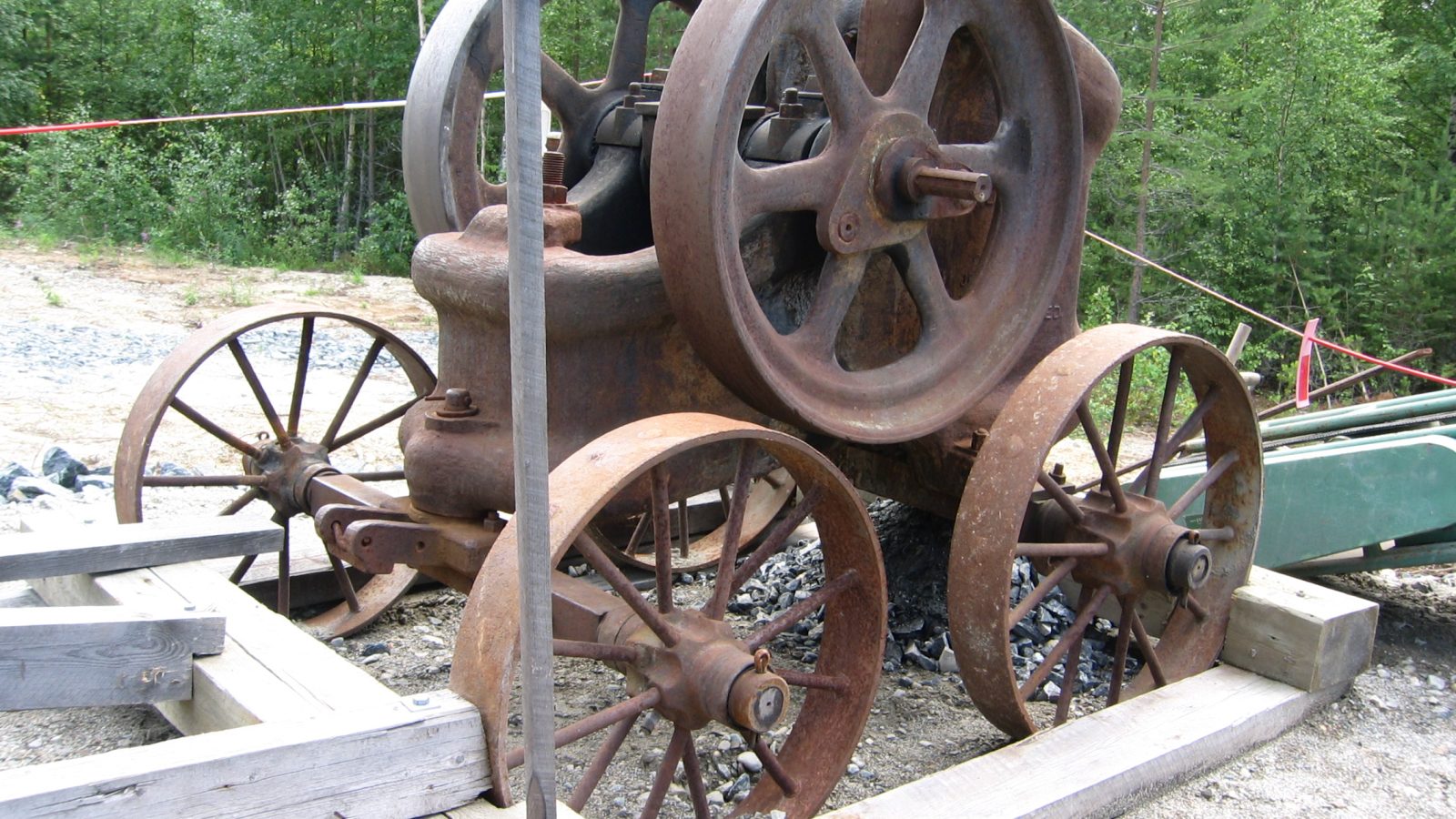
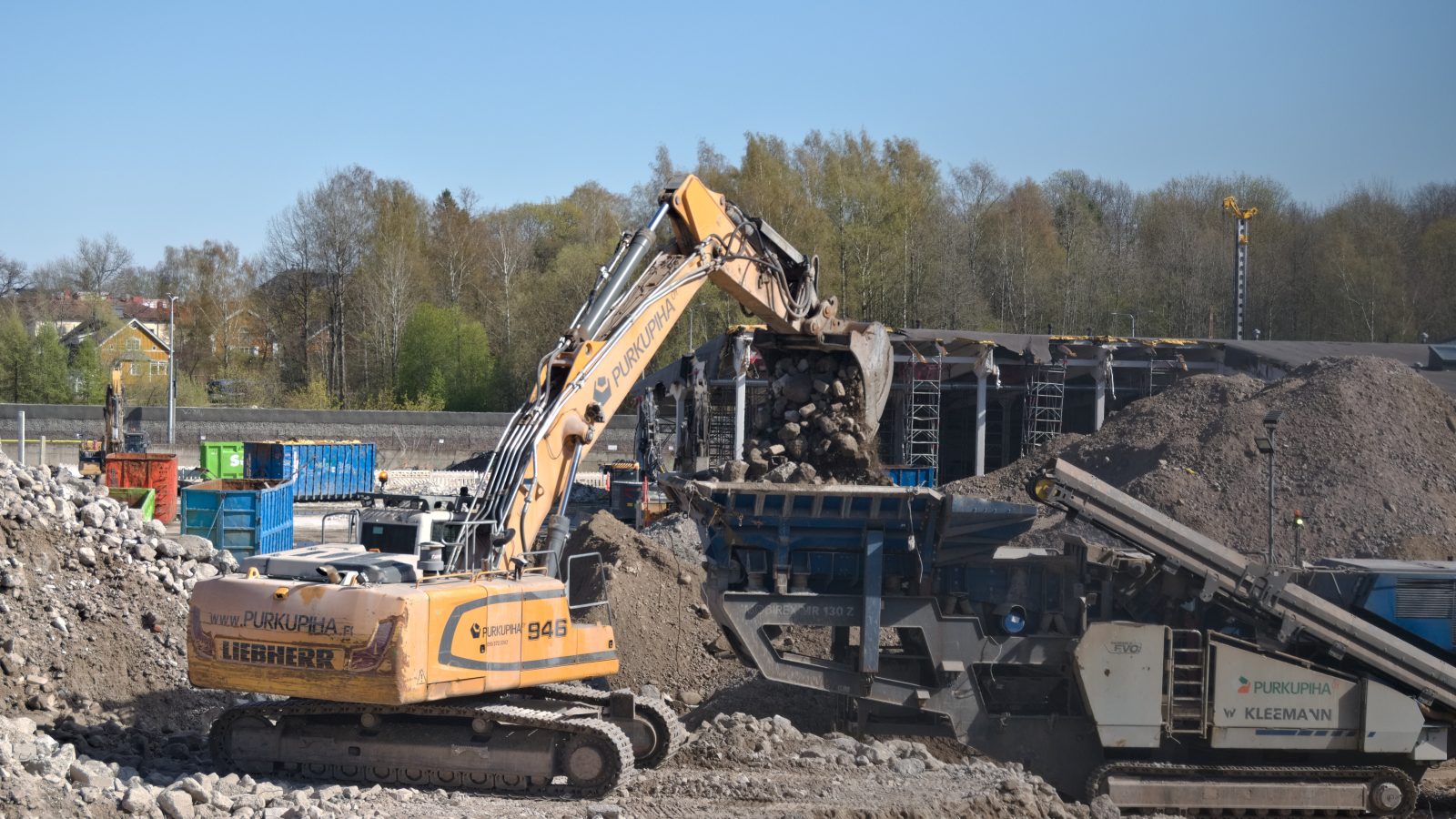
- A jaw crusher is a primary machine that compresses rock between a fixed and a moving jaw, suited to large, hard feed. A cone crusher is a secondary or tertiary machine that crushes between a gyrating mantle and a concave, producing a finer, more cubical product. Jaw first, cone after.
- Mobile or stationary crushing plant — which should I choose?
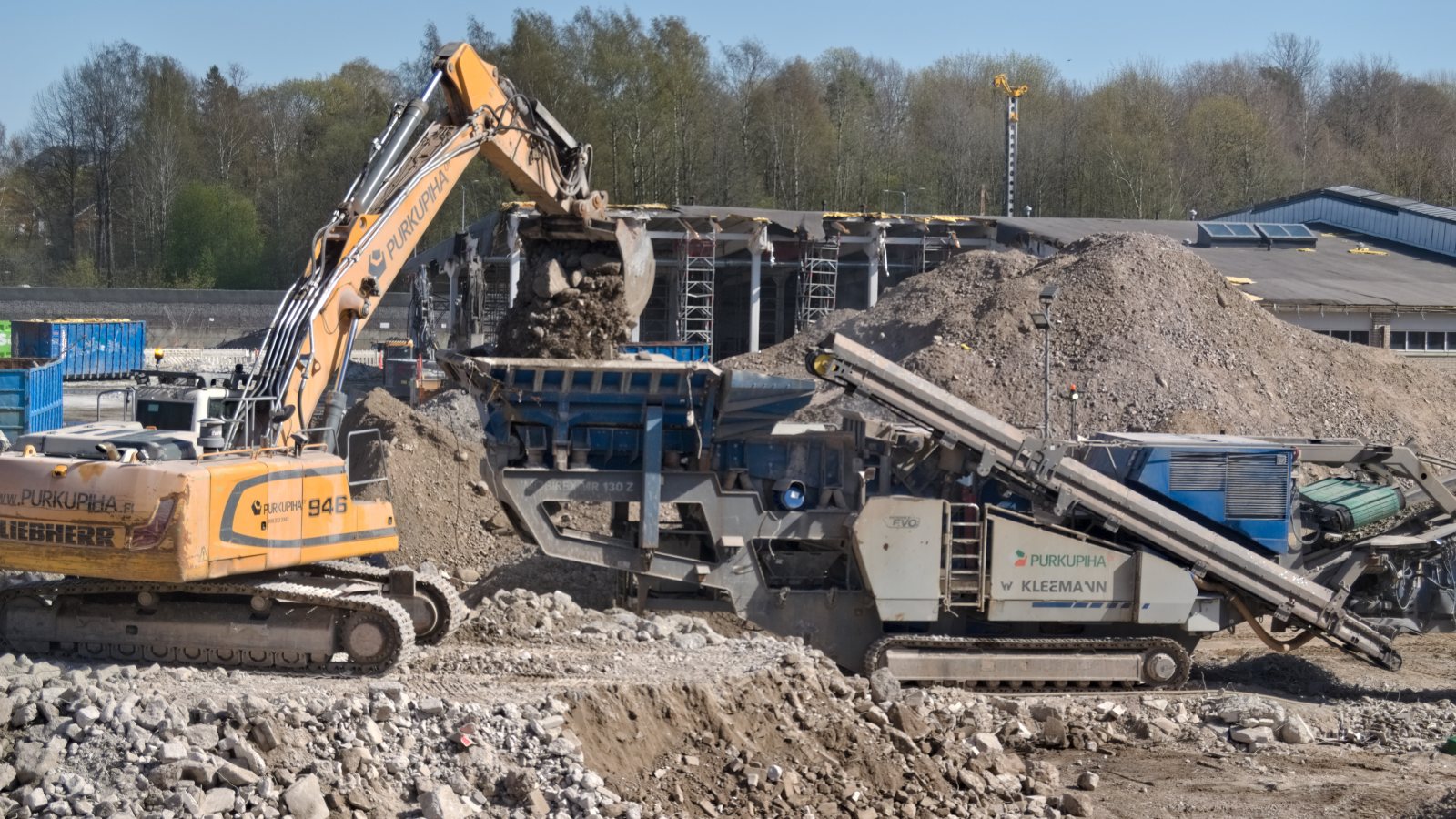
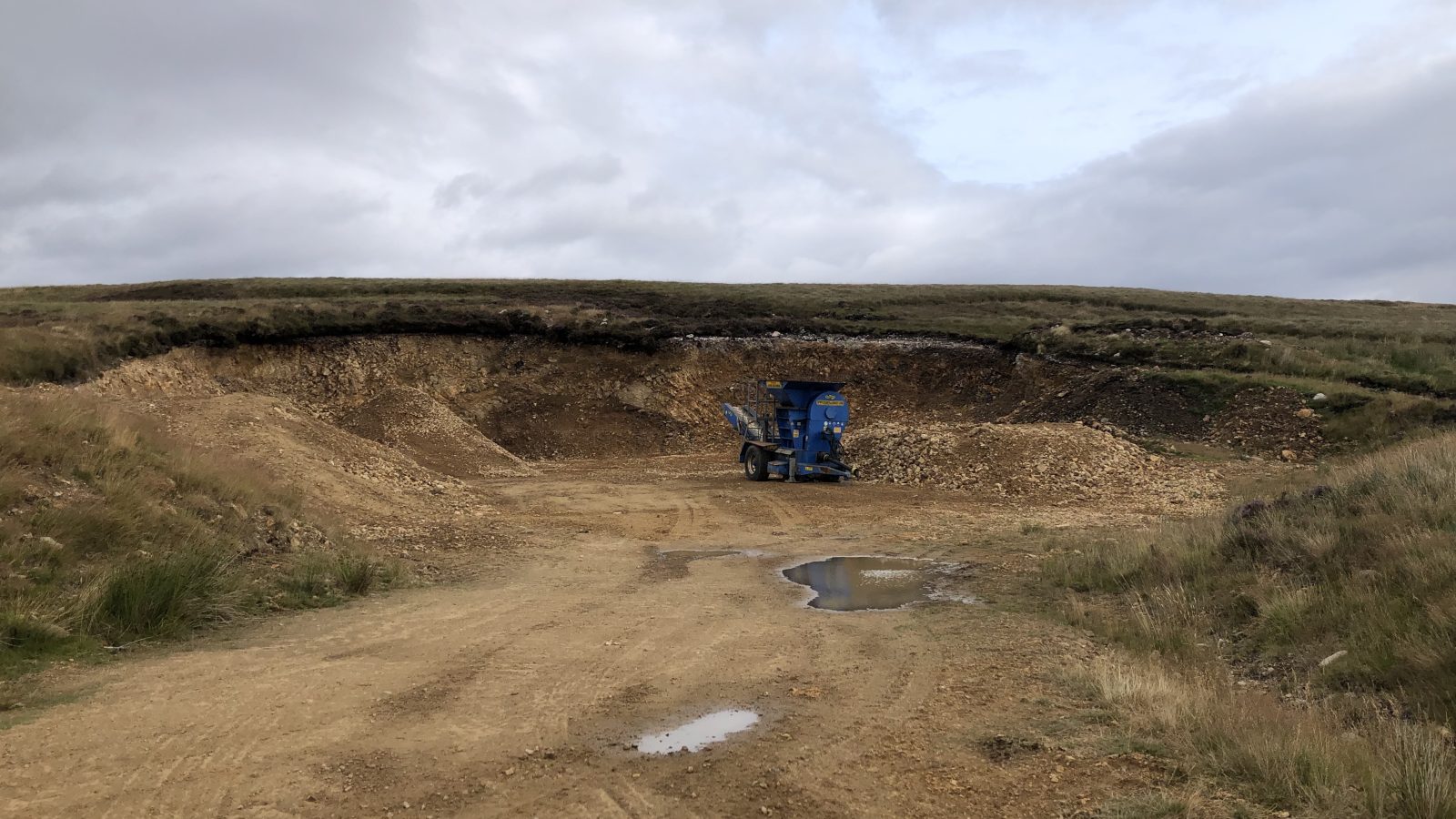
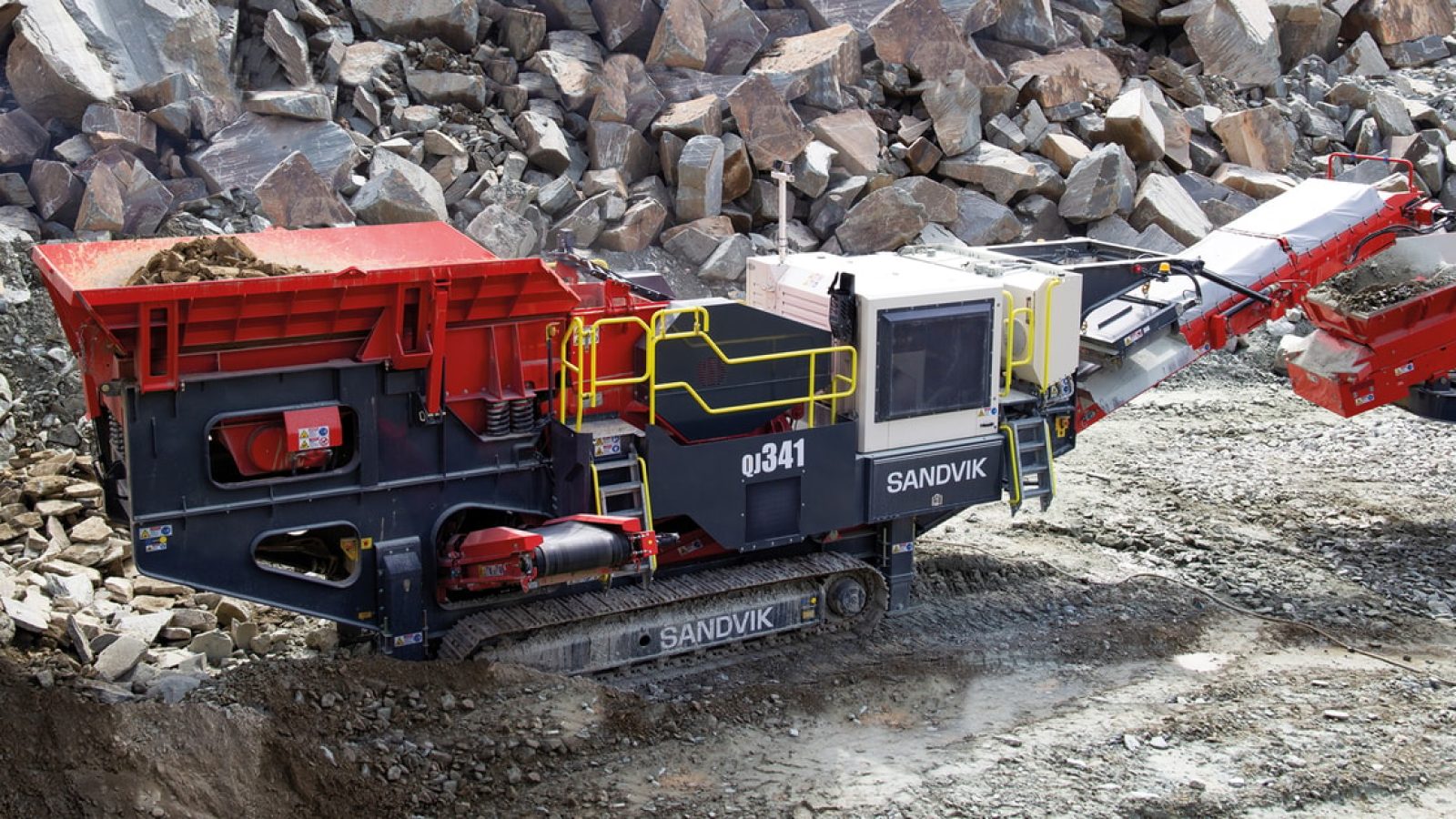
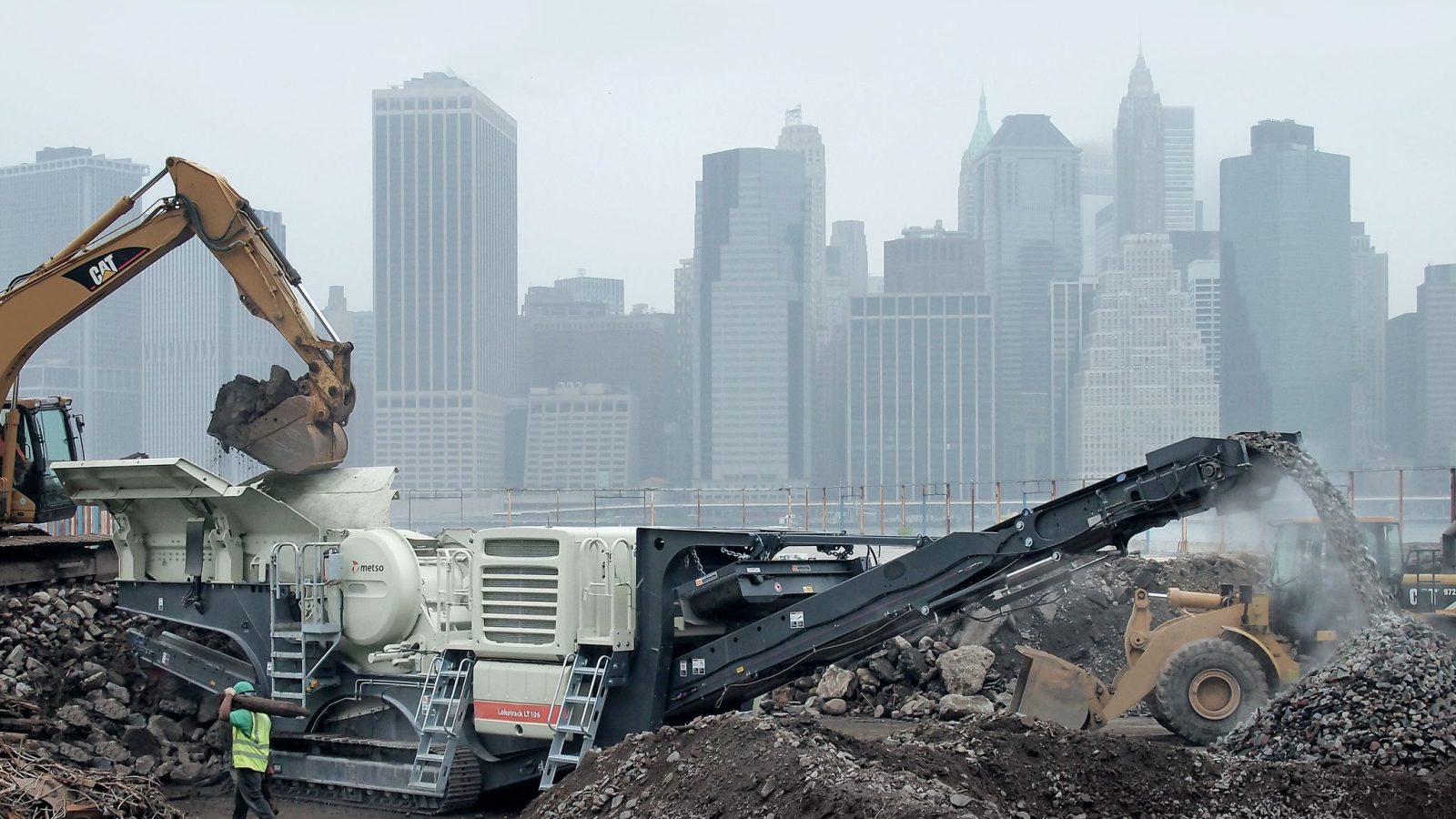
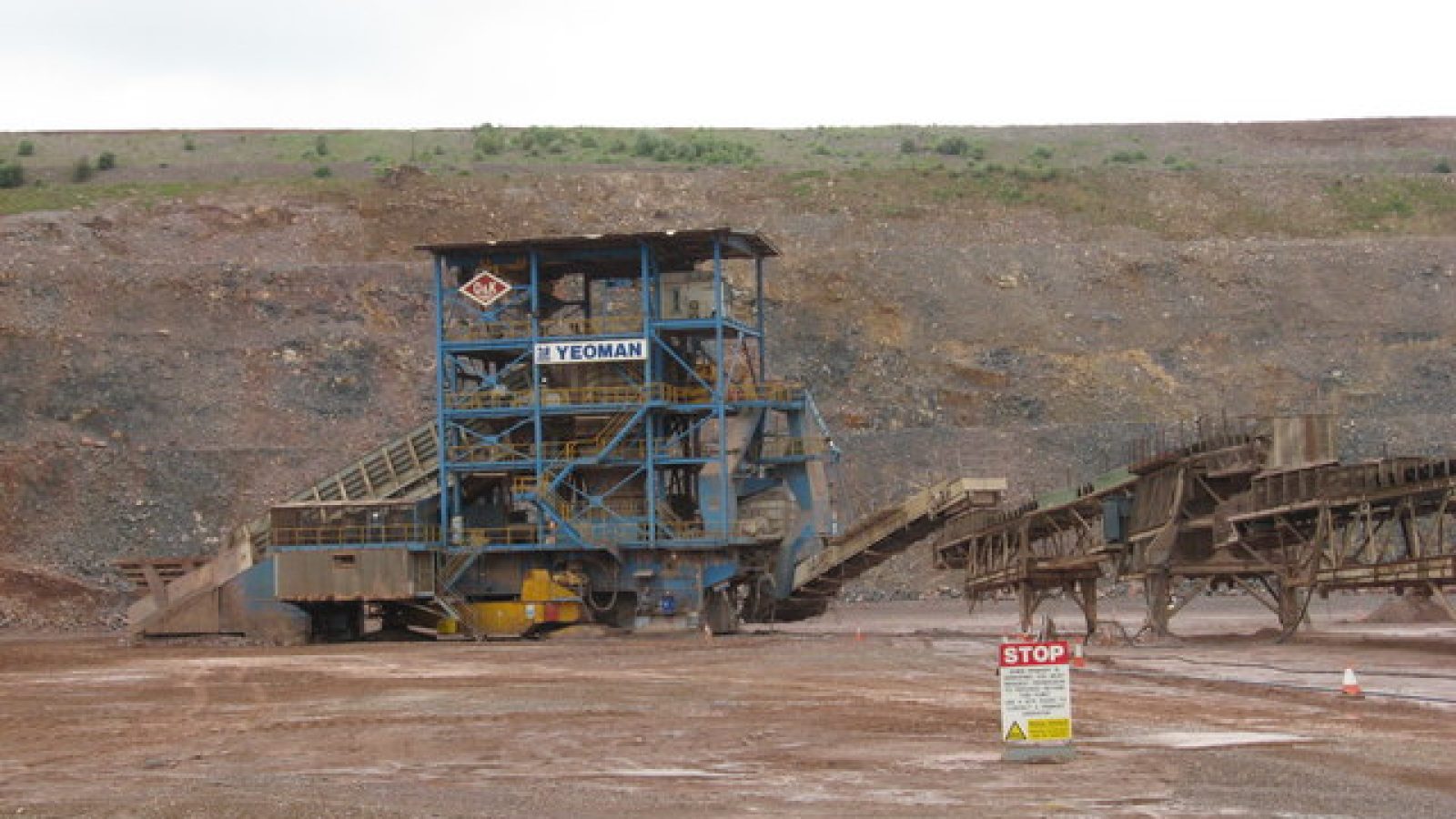
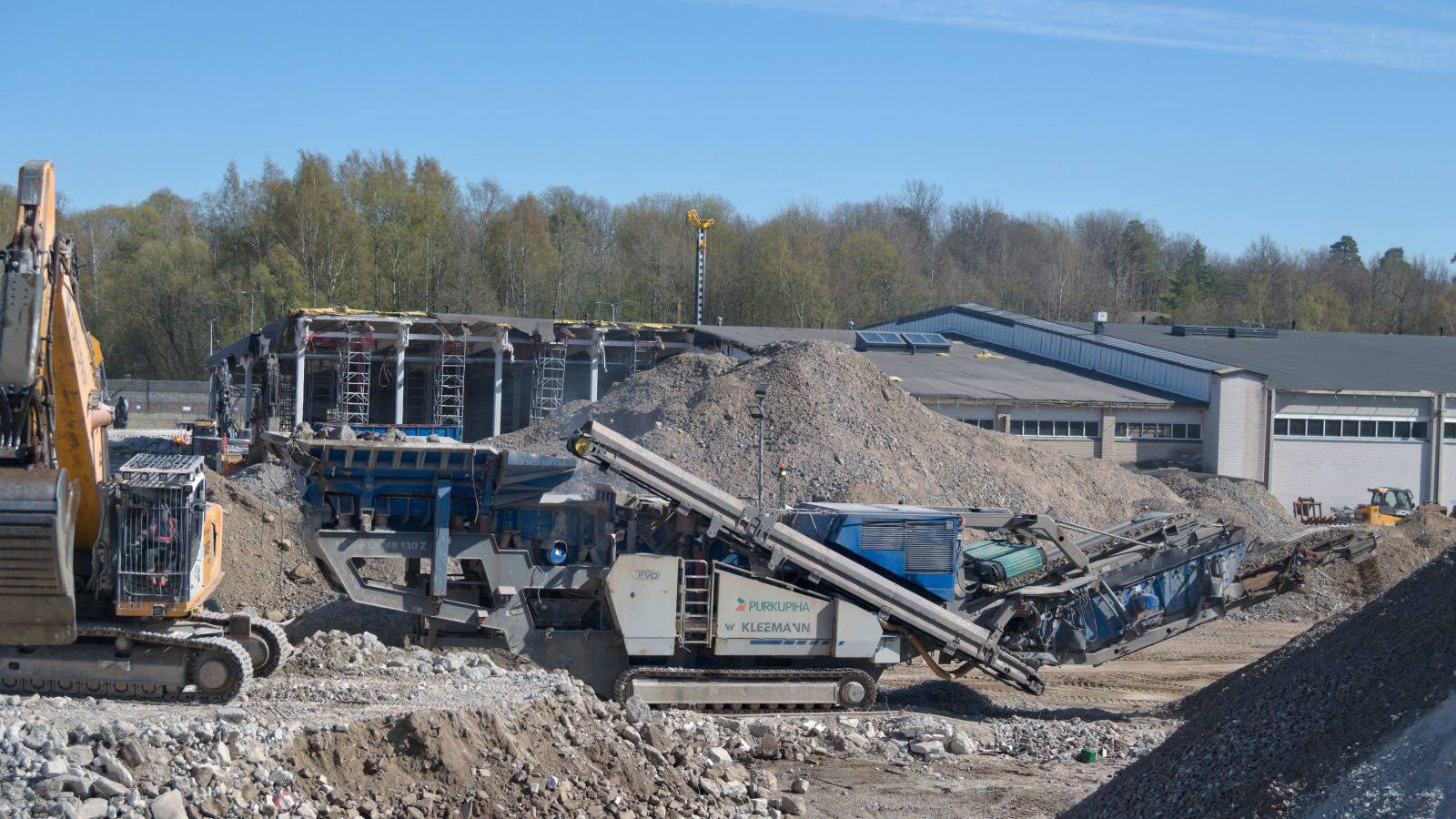
- Mobile plants move between sites and suit contractors and shorter campaigns; stationary plants suit long-life quarries and mines with a fixed product flow. Compare by relocation frequency, feed size, output and the cost of foundations and permits.
- How do I choose the right crusher size?
- Start from the feed size, the required product size and the tons per hour you must produce, then confirm the crusher\u0027s closed-side setting can reach your product specification and the chamber suits your material\u0027s hardness and abrasiveness.
- What affects crusher wear part life?
- Material abrasiveness, feed size, the reduction ratio and the manganese or alloy grade of the liners. Abrasive feed shortens liner life — specify the liner grade for your rock, not a generic part.
- What is a vibrating screen used for?
- A vibrating screen separates crushed material into sized fractions by shaking it across one or more screen decks with different mesh sizes. It is the step that turns crushed rock into saleable, on-spec products.
- New or used crusher — which should I buy?
- New gives warranty, current safety and predictable cost; used trades a lower price for hidden wear — always inspect the liners, bearings, drive and the frame for cracks, and ask for the service history before buying.
- What are the main running costs of a crushing plant?
- Wear parts (liners, screens), energy, and maintenance labour dominate. For abrasive rock, liner replacement is the largest recurring cost — budget it as a cost per tonne, not as an occasional expense.
- What safety and dust controls should I check?
- Confirm guarding on all moving parts, emergency stops, and dust suppression or collection to meet site air-quality limits. Dust control is both a compliance and a maintenance issue — airborne fines accelerate wear on bearings and drives.