
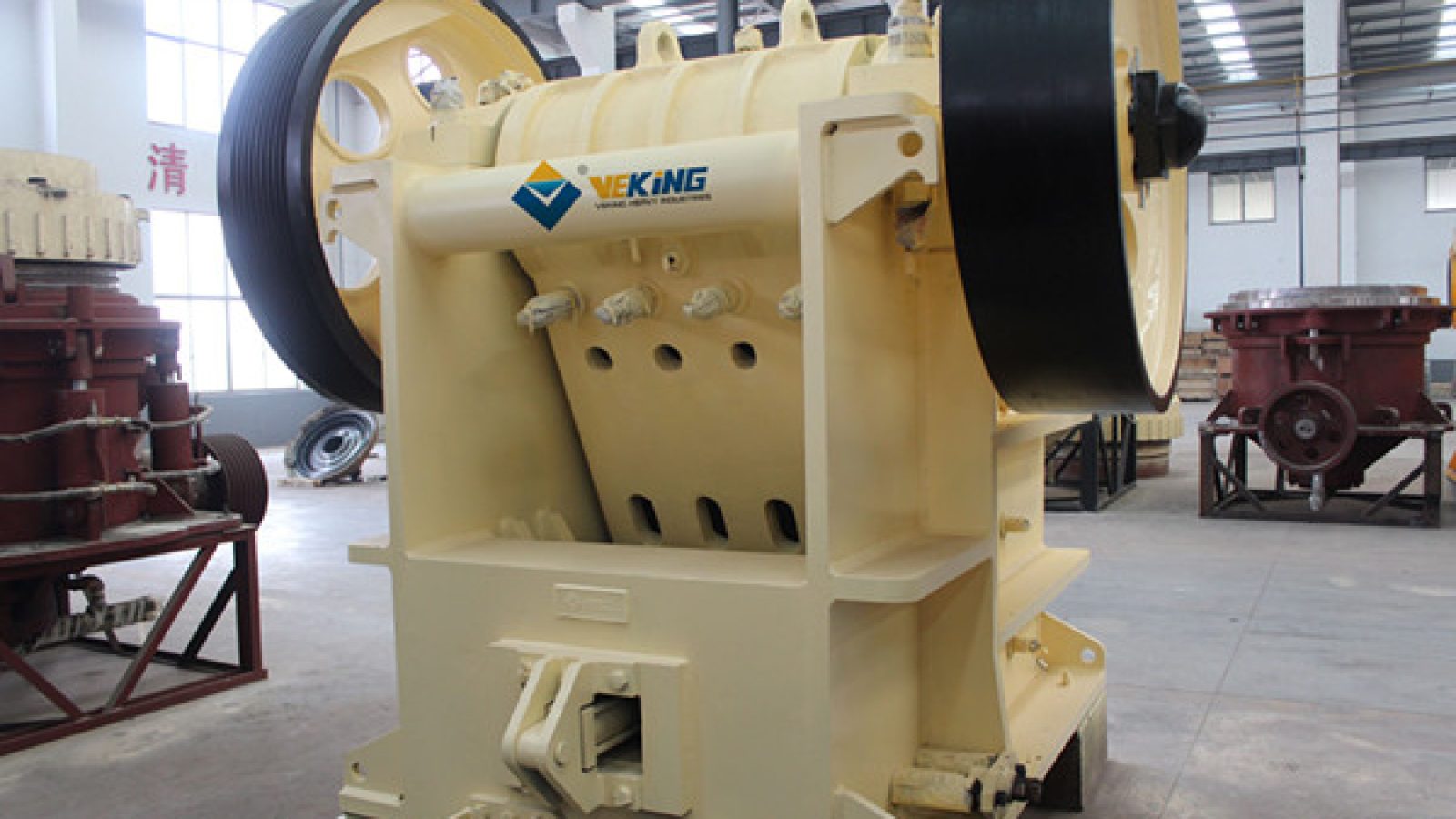
The core idea of this page: crushing and screening is specified from three numbers — feed size, product size and tons per hour — then resolved into a crusher type, a mobile or stationary plant, and a screen deck that sizes the product. Fix those three numbers first and the machine choice largely follows.
Last updated: October 20, 2026. A crusher is bought to reach a product specification at a cost per tonne, not to hit a headline throughput. This guide walks the selection path in the order that prevents the most expensive mistakes.
Step 1 — Fix the feed and the product
Write down the maximum feed size, the required product size (or range of sizes), the material hardness and abrasiveness, and the tons per hour. These four facts decide the crusher type and the number of stages. A primary jaw takes large feed and reduces it; a secondary cone or impactor takes that and produces the final sizes; a tertiary crusher or a vertical-shaft impactor produces fines and manufactured sand.
Step 2 — Choose the crusher type
- Jaw crusher: primary compression crushing for large, hard, abrasive feed. See How a Jaw Crusher Works.
- Cone crusher: secondary and tertiary crushing for hard rock, producing a cubical product. See Jaw vs Cone Crusher.
- Impact crusher: high reduction for softer, less abrasive rock and recycling, producing a good-shaped product.
Step 3 — Mobile or stationary
A mobile plant moves between sites and suits contractors and shorter campaigns; a stationary plant suits a long-life quarry or mine with a fixed product flow. See Mobile vs Stationary Crushing Plant for the full comparison.
Step 4 — Size the screen and the closed-side setting
The vibrating screen separates the crushed material into on-spec fractions, and the crusher\u0027s closed-side setting (CSS) sets the largest product size. Confirm the machine can hold your CSS on your rock and that the screen deck mesh matches the product sizes you must sell.
Step 5 — Budget the cost per tonne
Wear parts, energy and maintenance dominate crushing cost, not the purchase price. For abrasive rock, liner replacement is the largest recurring cost — ask for a cost-per-tonne estimate on your material and duty cycle.
Frequently asked questions
How many crushing stages do I need?
One stage for soft rock or recycling; two stages (jaw + cone/impact) for most hard-rock aggregate; three or more when you need fines, manufactured sand or very high reduction ratios.
What is a closed-side setting?
The CSS is the smallest gap the crusher closes to, and it sets the largest product particle size. It is adjusted by the machine\u0027s setting system and verified against your product specification.
Source: Crusher — Wikipedia
"Typically, crushing stages are followed by milling stages if the materials need to be further processed."
Related guides
- Crushers: Top 10 Compared (2026) — Last updated: October 20, 2026. The mobile crusher market splits betwe…
- Jaw vs Cone Crusher — a jaw crusher and a cone crusher are not alternatives — they are two s…
- Mobile vs Stationary Crushing Plant — a mobile plant buys mobility and a fast start; a stationary plant buys…
- New vs Used Crusher — the decision is total cost of ownership and downtime risk, not the sti…
- How a Jaw Crusher Works — a jaw crusher breaks rock by squeezing it between a fixed jaw and a re…
- How to Choose a Crusher — choosing a crusher means fixing four facts first — the largest feed lu…
- Top 10 Crusher & Screening Manufacturers (2026) — Last updated: October 20, 2026. Crushing and screening turns blasted r…
- Top 10 China Crusher Manufacturers (2026) — Last updated: October 20, 2026. China has become a major source of cru…
Last verified: October 20, 2026.