
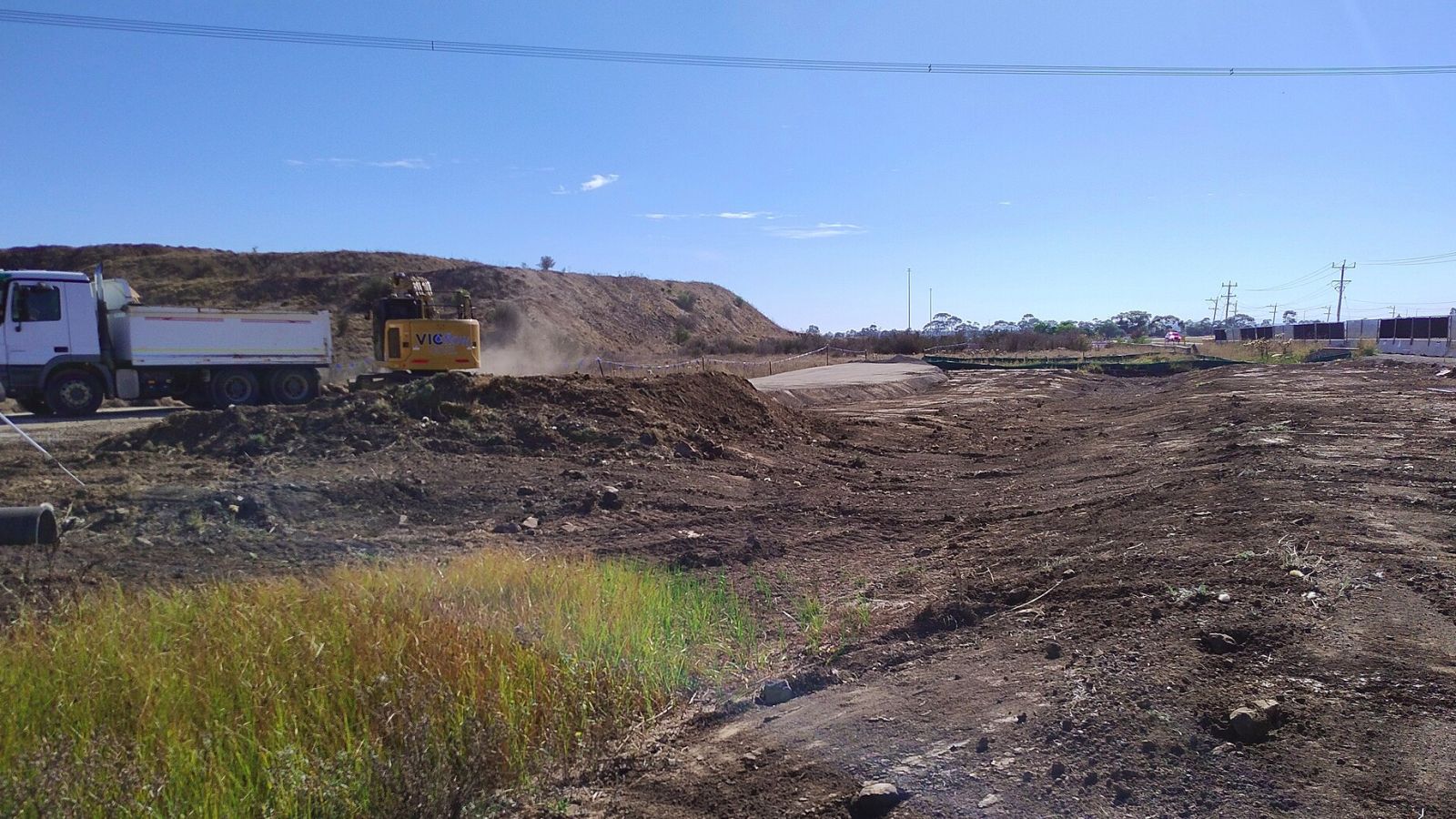
The core idea of this page: a hydraulic excavator turns engine power into pressurised oil that drives the boom, arm and bucket cylinders while a swing motor rotates the cab. Once you understand that "pressure is force, flow is speed", you can read a spec sheet and diagnose slow, weak or jerky digging.
What is a hydraulic excavator?
A hydraulic excavator is a self-propelled digging machine whose upper structure rotates a full 360 degrees on an undercarriage. It evolved from cable-operated steam shovels into today's oil-hydraulic machines, and it is the core earthmoving tool on construction, quarry and mining sites. Its three defining features are the undercarriage, the rotating house, and the front digging attachment.
Anatomy of an excavator
Undercarriage
The undercarriage carries the machine and provides traction. Steel tracks wrap around a drive sprocket, an idler and track rollers; a track frame keeps everything aligned. Two travel motors (one per track) drive the machine and steer it by running each track at a different speed. The undercarriage is the highest-wear area of the machine.
House / upper structure
The house holds the engine, hydraulic pumps, cab, fuel tank and counterweight. It sits on a swing bearing (slewing ring) so the whole upper structure can rotate 360 degrees. The counterweight balances the front attachment so the machine does not tip when the boom is extended.
Front attachment
The front attachment is the boom (mounted to the house), the arm or stick (mounted to the boom), and the bucket. Three hydraulic cylinders move them: the boom cylinder raises and lowers the boom, the arm cylinder crowds the arm in and out, and the bucket cylinder curls and dumps the bucket.
The hydraulic system: the machine's muscle
Hydraulic fluid basics
Hydraulic oil is nearly incompressible, so pumping it into a cylinder pushes the piston with force. The system needs a reservoir, a filter to keep out dirt, and a cooler to keep oil temperature in range. Contaminated or overheated oil is the leading cause of hydraulic failure.
The pump
The diesel engine drives one or more pumps — usually axial-piston pumps that can vary their displacement to match demand. A variable-displacement pump delivers only as much flow as the work needs, which saves fuel.
Valves and the main control valve
Oil flows from the pump through the main control valve, which is a bank of spool valves. Each spool directs oil to one actuator (a cylinder or motor) and meters how much flow it gets. The operator's joysticks command these spools.
Cylinders vs motors
Cylinders produce straight-line motion and force (boom, arm, bucket); motors produce rotary motion and torque (swing and travel). The same oil pressure powers both — the difference is the actuator it is sent to.
Pressure vs flow: force vs speed
This is the single most useful concept for reading a spec sheet. Pressure (bar or psi) equals force: higher pressure means more breakout force and lift. Flow (l/min or gpm) equals speed: more flow means faster boom, arm and bucket movement. A machine with high pressure but low flow is strong but slow; high flow but low pressure is fast but weak. The pump provides flow; the load creates the pressure.
The working cycle, step by step
1. Dig
The operator extends the arm and closes the bucket into the material. Breakout force comes from the bucket and arm cylinders pushing against the material's resistance.
2. Lift and swing
The boom cylinder raises the loaded bucket while the swing motor rotates the house toward the dump point. The swing bearing carries the load through the turn.
3. Dump and return
The bucket cylinder dumps the load, then the operator swings back and resets the arm and bucket for the next pass. A fast, smooth return cuts cycle time.
4. Travel
The travel motors drive the tracks to reposition the machine. Travel happens between dig cycles, and it is where ground pressure and traction matter most.
How the operator controls it
Two joysticks run the boom, arm, bucket and swing; foot pedals or levers run travel. There are two control patterns — ISO and SAE — that swap the boom/arm functions between joysticks, so an operator's preference matters. Newer machines use pilot or electro-hydraulic controls for lighter, more precise operation.
Advanced features that improve performance
Modern excavators add load-sensing (the pump responds to demand), boom-arm flow summation (two pumps combine flow for faster movement), flow priority (steering keeps priority during combined moves), and regeneration (reusing return oil to speed the boom down). Anti-drop and hose-rupture valves are safety features that hold the boom if a line fails.
Diesel vs electric excavators
Diesel remains the default for power density and refuelling, but electric excavators are entering compact and urban segments where zero tailpipe emissions and lower noise matter. The hydraulic system is largely the same — only the prime mover changes.
Safety and maintenance basics
The biggest safety risks are hydraulic hose rupture, tip-over from overloading the extended boom, and striking underground utilities. Daily checks cover oil level, leaks, hoses, tracks and the cab's ROPS/FOPS structure. Read the machine's lift chart before any lift — it tells you how much the machine can lift at a given reach.
Common failure points
Most hydraulic failures trace to contamination (dirt wearing pumps and valves), overheated oil (lost viscosity), and hose or seal leaks. On the mechanical side, undercarriage wear — tracks, rollers, idlers and the swing bearing — accounts for most of a machine's maintenance spend. Catching these early through oil sampling and daily inspection is far cheaper than a rebuild after failure.
Frequently asked questions
Why is my excavator slow but still digs?
Speed comes from flow, not pressure. Low flow (a worn pump or a restricted valve) makes the machine slow even when pressure — and therefore force — is still fine.
Why does the boom drift down when parked?
Boom drift is usually an internal leak in the boom cylinder or its holding valve, not a low oil level.
What is breakout force?
Breakout force is the digging force the bucket or arm can exert, usually quoted in kN (kilonewtons). It is the spec that tells you whether the machine can break through hard material.
See also: Top 10 Excavator Manufacturers and How to Choose an Excavator.
Last verified: September 10, 2026.