Introduction: Changes at Pixelle and the Arrival of US Medical Glove Company in Chillicothe, Ohio
The Chillicothe, Ohio community is experiencing significant changes following the acquisition of the local Pixelle paper mill. Recent discussions on the “Chillicothe Ohio Papermakers” Facebook page reveal updates and speculation about the site’s future, particularly with the arrival of the US Medical Glove Company (USMGC). This article explores confirmed developments, community responses, and what the future might hold for local industry and employment, supported by industry trends and factual insights.
US Medical Glove Company’s Strategic Investment and Facility Updates
US Medical Glove Company has a track record of significant industrial investment. For example, in Cincinnati, USMGC recently announced a $200-$240 million renovation of a former manufacturing facility—part of their broader expansion strategy, which also includes operations in Honea Path, South Carolina. This ongoing investment signals USMGC’s intent to modernize and repurpose legacy sites for advanced manufacturing, specifically for medical gloves and related products. According to public reports, USMGC is the only nitrile glove manufacturer to have met rigorous U.S. government contract requirements, underscoring their operational credibility and expertise.
Potential Impacts on Employment and Local Economy
Community feedback indicates cautious optimism surrounding the transition. There are reports of former employees being selectively called back—not by seniority but based on job performance and recommendations. The initial pay rates at the new facility are estimated to start at $16-$17 per hour, which, according to commenters, compares favorably with other local employers. However, it is expected the glove manufacturing operation will require fewer employees than the original paper mill due to the differences in operational scale and process automation.
Repurposing the Mill: Opportunities for Paper and Glove Production
Many in the community have discussed the versatility of existing paper machines. These machines, previously dedicated to papermaking, could potentially be utilized for products supporting glove manufacturing, such as boxing materials or parchment for separating gloves. Others have raised the possibility of leasing idle equipment to third-party paper companies, which could preserve some traditional mill operations and sustain local industry expertise. However, challenges remain in adapting mill environments—designed originally for bulk paper output—to comply with stringent sterility requirements of medical manufacturing.
Community Observations and Infrastructure Considerations
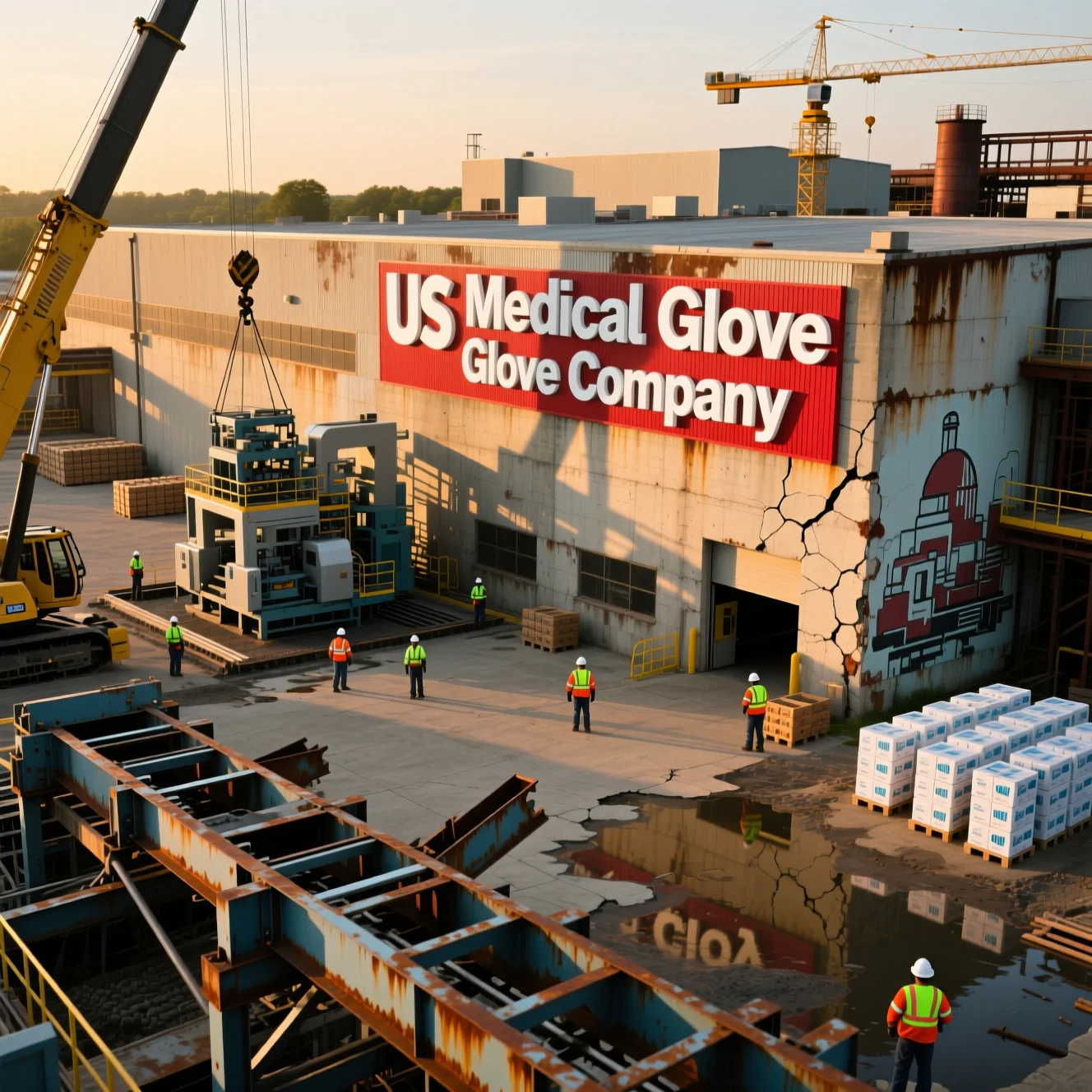
Residents have noted increased activity, with equipment arriving and old Pixelle signs being replaced by USMGC signage. Reports also reference temporary work for returning employees, including cleaning and maintenance, suggesting ongoing site preparation by outside contractors. The mill’s infrastructure—including self-generated power and water supply—gives it a unique operational advantage, especially as many metropolitan areas face utility constraints.
Environmental and Regulatory Factors in Mill Redevelopment
A crucial consideration in the site’s redevelopment is compliance with environmental regulations. Notably, long-standing EPA policies state that certain older pulp processing technologies, if discontinued for an extended period, cannot be restarted due to grandfathered status. This underscores the urgency for continuous operations or careful transitions to retain valuable permitting and the ability to continue industrial activity at the site.
Conclusion: Uncertain but Promising Future for Chillicothe’s Industrial Base
While much about the future of the Chillicothe mill remains unsettled, ongoing investments by US Medical Glove Company and adaptive use of local assets provide reasons for guarded optimism. The involvement of a proven manufacturer, continued community engagement, and infrastructure advantages position the site as a potential hub for both traditional papermaking and advanced medical manufacturing. Residents are right to seek confirmation from official sources, but recent developments highlight the importance of adapting legacy industries to new economic realities, leveraging local strengths to secure sustainable employment and growth for the region.