Introduction
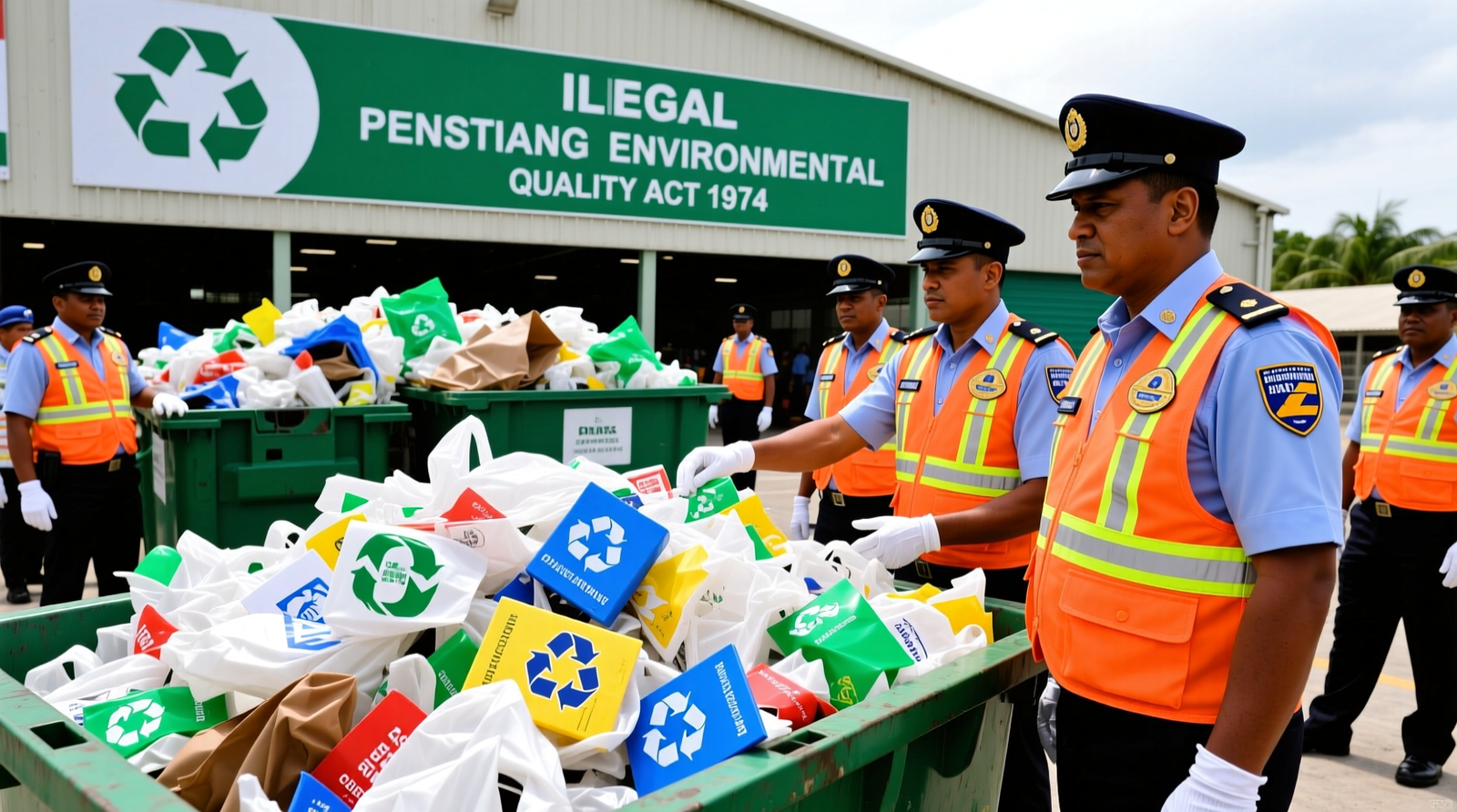
The global off-highway plastics market is estimated to reach USD 13.08 billion by 2030, up from USD 9.44 billion in 2025, implying a 6.8% CAGR (compound annual growth rate) over the forecast window. These figures should be treated as research-provider estimates (methodologies typically blend OEM production outlooks, polymer pricing, and component penetration assumptions) rather than audited financial totals.
Off-highway plastics cover polymer materials and molded/machined components used in construction, agriculture, mining, forestry, and material-handling machines—especially where weight, corrosion resistance, noise/vibration control, and integration of multiple functions into one part improves system cost and uptime.
External reference points: Emissions and engine packaging demands are strongly influenced by regulations such as EU Stage V (Regulation (EU) 2016/1628) and U.S. EPA Tier 4 Final for nonroad diesel engines.
TL;DR: Off-highway plastics demand is tied to equipment build rates and to regulation-driven redesigns (emissions, safety, electrification) that reward lightweight, corrosion-resistant, multifunction polymer components.
Market Overview and Growth Drivers
Demand is being pulled by three concrete forces: (1) higher machine utilization in construction/agriculture fleets (more hours = faster wear-out and more replacement components), (2) packaging complexity created by aftertreatment systems (diesel particulate filters, selective catalytic reduction hardware), and (3) electrification in compact and mid-power segments that increases the number of electrical housings, sealed connectors, and thermal-management parts.
Regulatory milestones are changing designs—not just “encouraging sustainability.” EU Stage V (implemented for new type approvals from 2019 and for many new engines/vehicles from 2020–2021, with category-specific transition rules) pushed OEMs toward tighter engine bays and more heat shielding around exhaust aftertreatment. That has tangibly increased use of high-heat polymers (e.g., glass-fiber reinforced polyamide) for ducting, brackets, and sensor housings and shifted exterior panel materials toward compounds with better heat aging and UV stability where exhaust routing is close to bodywork.
In Asia, China’s nonroad emissions roadmap (China IV for nonroad machinery in the early 2020s, with continuing enforcement tightening) has similarly driven re-packaging of engine compartments and increased demand for chemical/heat-resistant plastics in fluid management and electrical protection. In India, Bharat (CEV/TREM) nonroad emission tightening and safety expectations for operator environments have pushed more robust cabin plastics (impact/UV performance, better fit-and-finish, and improved sealing systems).
Supply chain reality is now part of material selection. OEMs increasingly evaluate polymers vs. metals through the lens of resin availability (e.g., PA 6/PA 66 supply tightness), energy-driven cost swings (resin and aluminum both move with energy markets), and logistics disruptions. When lead times for specialty flame-retardant grades stretch, some programs temporarily revert to metal brackets or simplify polymer grade portfolios to ensure supply continuity across regions.
TL;DR: Growth is driven by redesign pressure (emissions packaging + electrification), higher fleet utilization, and pragmatic supply-chain constraints that affect whether plastics or metals win a specific part.
Rising Demand from Construction and Agriculture Equipment
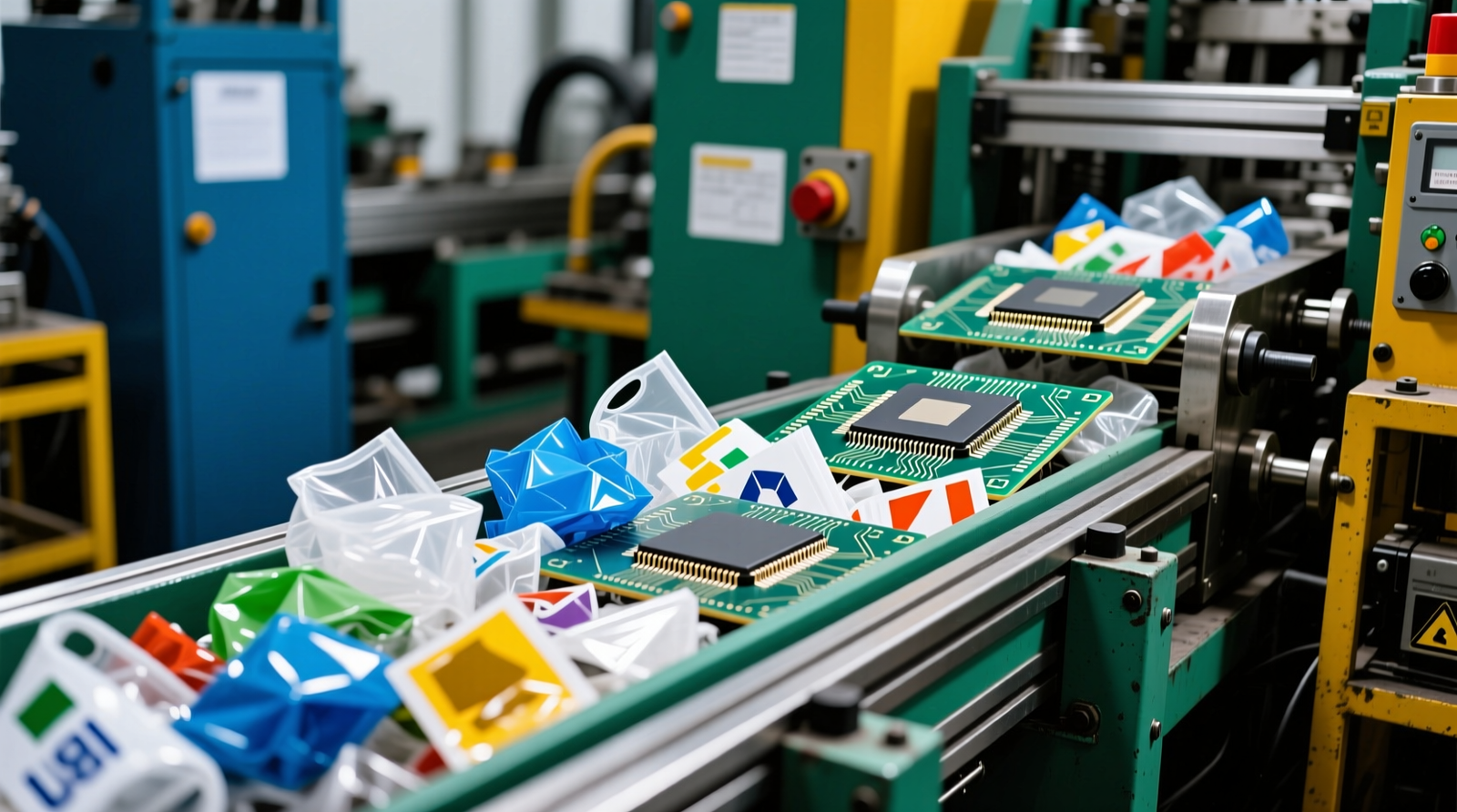
For off-highway plastic components for construction equipment, the highest-volume applications remain cabins/interiors (dashboards, HVAC ducts, consoles), exterior panels (hoods, fenders, side covers), and fluid systems (tanks, reservoirs, lines, clips). These parts face vibration, stone impacts, UV exposure, pressure washing, and chemical contact (diesel, hydraulic fluids, urea solution/DEF, solvents).
In agriculture, high-performance polymer solutions for agricultural machinery are often chosen to survive fertilizers, pesticides, and long-term outdoor UV exposure while keeping surfaces easy to clean. A common substitution pattern is moving from multi-part sheet metal assemblies to molded modules that integrate mounts, ducts, wire routing, and seals—reducing assembly labor and fastener count.
Concrete substitution example (typical ranges): Replacing stamped steel fenders with a molded PP (polypropylene) or PP/EPDM (ethylene propylene diene monomer rubber-modified PP) assembly can reduce fender mass by roughly 20–40% depending on thickness and brackets, while also improving corrosion resistance. In many programs, the bigger “savings” is manufacturing simplification (fewer welds, less paint) rather than raw material cost alone.
TL;DR: Construction and agriculture drive volume because cabins, panels, and fluid systems benefit from corrosion resistance and part consolidation—often cutting 20–40% weight in panel/fender-type substitutions while simplifying assembly.
Shift from Metals to High-Performance Plastics
The metal-to-plastic shift is increasingly targeted—not blanket “lightweighting.” OEMs tend to convert parts where plastics deliver function integration (clips, ducts, bosses, sealing grooves), corrosion immunity (fertilizers, road salts, chemicals), or repeatable aesthetics without secondary paint operations.
Material performance in real operating windows (what engineers actually check)
Engineering choices typically start with temperature, chemical exposure, and fatigue/vibration. Typical guidelines (exact limits depend on grade, reinforcement, and environment):
- PA (polyamide, “nylon”): Common under-hood choice; many reinforced grades operate around 120–150°C continuous with higher short-term peaks; moisture uptake can change dimensions and stiffness, so design allowances and conditioning matter.
- POM (polyoxymethylene/acetal): Used for low-friction precision components (gears, bushings, linkages); commonly suited for -40 to ~100–110°C service with good wear behavior; avoid strong acids/oxidizers depending on grade.
- PP (polypropylene): Excellent chemical resistance and low density; used widely in panels and interiors but needs stabilization for outdoor UV and low-temperature impact performance.
- PC (polycarbonate): High impact strength and transparency for guards/glazing; needs UV-protective coatings or co-extruded caps outdoors to resist yellowing and surface degradation.
For exterior panels and glazing, OEMs pay close attention to UV resistance, stone-impact performance, and appearance retention after pressure washing. Standards and test methods often reference ISO/SAE frameworks; for plastics tensile testing, a common baseline is ISO 527 (tensile properties of plastics).
TL;DR: The metal-to-plastic shift is application-specific; PA and POM dominate functional under-hood/mechanical parts, while PP/PC win on panels and guards when UV/impact and real temperature windows are engineered correctly.
Impact of Environmental Regulations and Sustainability Trends
Regulation affects plastics demand in two practical ways: (1) packaging (aftertreatment and thermal shielding) and (2) lifecycle design rules (recyclability expectations, restricted substances, documentation). EU Stage V and U.S. Tier 4 Final are well-known emissions triggers, but Europe is also steadily tightening expectations around circularity—nudging OEMs to simplify polymer families, label parts, and prefer recyclable thermoplastics over thermosets where feasible.
Europe also shows higher early adoption of bio-based and mass-balance certified polymers in non-structural applications when supply is stable, while some Asia Pacific programs prioritize cost and local sourcing first—leading to more PP/PE-heavy designs unless performance requirements force upgrades.
TL;DR: Emissions rules force tighter, hotter packaging (benefiting heat-capable polymers), while sustainability rules—especially in Europe—push recyclable thermoplastics, clearer material labeling, and fewer polymer “families” per platform.
Growth of Electric and Hybrid Off-Highway Vehicles
Electrified off-highway vehicle plastics demand grows with battery-electric compact loaders, telehandlers, and indoor material-handling equipment, plus hybridization in larger classes. Electrification changes material requirements beyond “flame retardant.” OEMs frequently specify:
- CTI (Comparative Tracking Index) performance for high-voltage (HV) insulation parts to reduce surface tracking risk in humid/dirty environments (important in connector bodies, busbar supports, junction boxes).
- UL 94 flammability classifications (often V-0 targets) for HV housings and battery-adjacent plastics. Reference: UL plastics testing and certification overview.
- Thermal trade-offs in battery enclosures: plastics provide electrical insulation and corrosion resistance, while metals offer higher thermal conductivity; hybrid concepts use metal heat spreaders plus polymer frames/covers for sealing and isolation.
Battery enclosures also must survive stone impacts, underbody abrasion, water ingress, and thermal cycling. As a result, many designs use layered structures—polymer covers plus local reinforcement ribs, gasket channels, and embedded metal inserts where clamp loads are high.
TL;DR: Electrification increases demand for HV-rated plastics (CTI + UL 94 targets) and drives hybrid enclosure designs that balance insulation, heat flow, sealing, and impact/abrasion resistance.
Advantages of Plastics in Off-Highway Applications
Lightweight plastics for construction equipment cabins
Cabin interiors increasingly use scratch-resistant textured PP/ABS (acrylonitrile butadiene styrene) and soft-touch TPE (thermoplastic elastomer) overmolds to reduce squeaks/rattles and improve perceived quality. Plastics also enable integrated air ducts and wire channels that are difficult to stamp in metal.
Durability where corrosion is the real cost driver
Corrosion resistance is often a bigger economic lever than weight. In fertilizer-heavy agriculture or coastal construction environments, polymer fenders, steps, and covers can avoid paint failures that turn into downtime, rework, and appearance claims.
Part consolidation and assembly speed
Injection-molded modules can combine brackets, clips, sealing features, and cable routing into one part—cutting fastener counts and shortening assembly takt time. This matters when OEMs manage multiple variants (engine options, cab options, regional compliance packs) on the same line.
TL;DR: Plastics win when they reduce corrosion-related downtime, consolidate multiple metal parts into one molded module, and improve cabin NVH (noise, vibration, harshness) and assembly speed—not just when they cut weight.
Key Material Types in the Off-Highway Plastics Market
OEM material choices are narrowing around proven families, then upgrading via reinforcement, stabilizers, and flame-retardant (FR) systems when needed:
- PP (polypropylene): Panels, trims, battery covers (non-structural), splash shields; often compounded with UV stabilizers and impact modifiers for outdoor duty.
- PA (polyamide/nylon): Under-hood ducts, brackets, housings; frequently glass-fiber reinforced (e.g., PA6-GF30) for stiffness and creep resistance.
- POM (polyoxymethylene/acetal): Wear parts—gears, bushings, latch components, linkages; valued for low friction and dimensional stability.
- PC (polycarbonate) & PC blends: Guards and glazing alternatives; typically need UV solutions for exterior exposure.
- ABS (acrylonitrile butadiene styrene): Interior trims and housings requiring good surface finish.
- PE (polyethylene): Blow-molded tanks and reservoirs; good chemical resistance and impact performance.
- PVC (polyvinyl chloride): Cable jacketing and flexible protective applications; formulation-dependent weathering and compliance requirements apply.
TL;DR: PP and PA dominate by volume and versatility; POM is a go-to for precision wear parts, while PC and blends serve impact/transparent guarding when UV durability is engineered in.
Composites and Hybrid Structures (Where Plastics Replace Metal Only with Reinforcement)
When parts see high bending loads or must hold shape over long duty cycles, OEMs move beyond “neat” polymers to composites and hybrids:
- Glass fiber (GF) reinforcement: The workhorse for cost-effective stiffness in brackets, housings, and structural frames (common in PA-GF and PP-GF compounds).
- Carbon fiber (CF) reinforcement: Used selectively where maximum stiffness-to-weight is worth the premium (specialty booms, robotic implements, performance-critical structures).
- Natural fiber reinforcement: Used in some interior and semi-structural panels to reduce weight and improve sustainability metrics (more common in Europe where circularity reporting is stricter).
Component-level examples: underbody shields and belly pans often use PP-GF or PE-based composites for impact/abrasion resistance; cab structures may incorporate hybrid metal frames with polymer/composite exterior shells for corrosion protection and styling; certain loader or boom substructures may adopt composite covers or locally reinforced sections to reduce fatigue-sensitive welded joints.
TL;DR: Composites (GF/CF/natural fibers) and metal-plastic hybrids are the practical path for higher-load parts—especially shields, cab structures, and reinforced housings—when neat polymers hit stiffness or creep limits.
Key Manufacturing Processes
Process choice is often dictated by part size, surface requirements, and whether reinforcement is used:
- Injection molding: Best for high-repeatability parts with ribs/bosses and tight tolerances; enables insert molding and overmolding for seals and soft-touch zones.
- Blow molding: Tanks and reservoirs (fuel, hydraulic, DEF) where weld-less hollow geometry reduces leak paths.
- Compression molding: Larger composite panels and higher-fiber-load structures where cycle time and thickness control matter.
- Additive manufacturing (3D printing): Fixtures, prototypes, low-volume service parts, and design validation before committing to tooling.
- Thermoforming/rotational molding: Used for large covers and low-pressure structural shells where tooling economics favor these methods.
TL;DR: Injection molding dominates for engineered modules; blow molding owns tanks; compression/thermoforming fill the gap for large composite or low-volume structural covers.
Plastics vs. Metals in Off-Highway Environments (Practical Comparison)

| Decision factor | Plastics / composites | Metals (steel/aluminum) |
|---|---|---|
| Abrasion & stone impact | Good with the right grade/thickness; underbody needs abrasion-resistant compounds or sacrificial ribs | Often excellent; may dent and corrode if coatings fail |
| Fatigue & vibration | Can be strong but needs ribbing, generous radii, and creep/fatigue validation (temperature-dependent) | Predictable fatigue design methods; welds can become fatigue hot spots |
| Corrosion / chemicals | Typically superior (fertilizers, DEF, salts) depending on polymer | Requires coatings; corrosion can drive repaint/replace costs |
| Heat capability | Grade-dependent; high-heat polymers available but costlier; shielding often needed | Strong baseline heat tolerance |
| Repairability in the field | Some parts replace rather than repair; plastic welding/adhesives possible but skill-dependent | Often repairable by welding/straightening; corrosion repair is recurring |
| Total cost of ownership (TCO) | Often favorable when corrosion, part consolidation, and assembly time dominate | Often favorable when high heat, high stiffness, or easy repair is the priority |
TL;DR: Plastics tend to win on corrosion, part consolidation, and module cost; metals remain strong where heat, stiffness, and field repairability dominate.
Key Challenges / Barriers to Adoption
- Heat aging near aftertreatment: Incorrect polymer selection can lead to embrittlement, warpage, or loss of clamp load.
- Creep under sustained loads: Plastics can relax at elevated temperatures; designs may require metal inserts, larger bearing areas, or different fastening strategies.
- UV and appearance retention: Exterior parts need UV stabilization, coatings, or capped layers; cheap compounds can fade/chalk quickly.
- Supply chain volatility: Specialty FR and reinforced grades can be constrained; OEMs mitigate by dual-sourcing, grade rationalization, or temporary metal carry-overs.
- Qualification time: Off-highway validation cycles can be long due to duty-cycle testing, chemical exposure, and field trials.
TL;DR: Adoption barriers are mostly engineering and supply-chain related—heat/creep/UV performance plus resin availability and qualification timelines.
Major End-Use Sectors (OEM vs. Aftermarket)
OEM demand is driven by new builds and platform redesigns—especially cab modules, engine-bay packaging changes, and electrified variants that add HV housings and sealed electrical distribution components.
Aftermarket demand (replacement panels, fenders, steps, covers, reservoirs, guards) grows with fleet size and utilization. Plastics often perform well in aftermarket because they can eliminate corrosion recurrence; however, impact-damaged parts may be replaced more often than repaired, which shapes stocking strategies.
- Construction: High damage risk for exterior plastics (stone/impact), strong demand for modular replaceable panels and underbody shields.
- Agriculture: High chemical exposure; aftermarket favors corrosion-proof reservoirs, covers, and fenders.
- Mining: Extreme abrasion; plastics used in liners, cable protection, and wear components where replacement is planned and downtime costs are high.
- Material handling: Higher electrification penetration; demand for HV-safe housings, battery-related plastics, and ergonomic cabin plastics.
TL;DR: OEM volumes come from platform redesigns; aftermarket is driven by fleet hours and replacement frequency—especially panels, guards, liners, and reservoirs.
Selection Criteria for OEM Engineers and Purchasing Teams
Material decisions usually succeed when engineering and procurement align early on a shortlist that balances performance, cost, and compliance:
- Mechanical performance: stiffness, impact strength, creep, fatigue, fastening strategy (bosses/inserts), and tolerance stack-up.
- Environment: temperature peaks, UV, chemical exposure (diesel, hydraulic oil, DEF/urea solution, fertilizers), pressure washing, abrasion.
- Compliance: emissions packaging constraints; for electrification, HV insulation needs (CTI) and flammability (UL 94); regional substance and recyclability expectations.
- Lifecycle cost: tooling + part cost + assembly labor + warranty exposure + downtime risk.
- Supply assurance: dual sourcing, regional compound availability, and stable lead times for FR/reinforced grades.
Actionable tip: When converting a metal part to plastic, teams typically model (FEA) rib patterns and fastener loads first, then validate with thermal cycling + vibration + chemical exposure, not just room-temperature static strength.
TL;DR: Best selections balance real duty-cycle performance, regional compliance (especially HV + flammability), lifecycle cost, and supply assurance—not just piece price.
Competitive Landscape and Key Companies
The supply base spans resin producers, compounders, and Tier suppliers/contract molders that deliver finished modules. Differentiation increasingly comes from application engineering (DFM/DFA), multi-material capability, and validated materials for electrified platforms.
Notable participants include Bemis Manufacturing Company, EVCO Plastics, MacLean-Fogg, Gemini Group, Lippert, Mack Molding Co., Röchling, Mitsubishi Chemical Group, Trelleborg AB, and Varroc Group.
TL;DR: Competition is shifting from “who can mold parts” to who can deliver validated modules (multi-material, HV-safe, supply-assured) that reduce assembly and warranty risk.
Company Spotlight: Röchling (Germany)
Röchling supplies high-performance plastics for industrial and mobility applications, including off-highway use cases where wear, chemical resistance, and durability matter. Its off-highway-relevant offering commonly includes semi-finished thermoplastic shapes (for machining), engineered components, and application support for harsh-environment parts.
The company operates across Automotive, Industrial, and Medical business units, with off-highway solutions largely aligned with Industrial plastics and engineered components.
Financial clarity: Röchling’s reported group sales are commonly cited around EUR ~2.7–2.8 billion in recent years; readers should confirm the latest audited figure directly from the company. See Röchling’s official site for corporate updates: https://www.roechling.com/.
TL;DR: Röchling is positioned as an engineered plastics supplier for harsh-duty components and semi-finished materials; confirm latest revenue directly from company disclosures for exact year-by-year values.
Company Spotlight: Mack Molding Co. (US)
Mack Molding is a North American contract manufacturer focused on custom injection molding and integrated manufacturing services that fit off-highway needs (large parts, rugged housings, assembly, and supply chain support). Capabilities such as insert molding, overmolding, and Class A painting are particularly relevant for exterior modules and cabin components where surface durability and appearance are specified.
For readers evaluating suppliers, Mack’s value typically shows up in design-for-manufacturability (DFM) support, tooling/project management, and the ability to deliver assembled modules rather than single molded parts. Company information is available here: https://www.mack.com/.
TL;DR: Mack Molding is primarily a manufacturing/assembly partner—useful for OEMs that want molded-and-finished modules (including inserts/overmolds and painted surfaces) with supply chain coordination.
Regional Dynamics and Outlook to 2030
Asia Pacific: Higher unit growth potential due to infrastructure build-out and mechanization; material choices can be more cost-driven, with selective upgrades (PA-GF, FR grades) where regulation and durability demand it.
Europe: Stronger pull toward recyclable thermoplastics, documented material choices, and earlier trials of bio-based or certified feedstocks. Emissions-driven packaging changes (EU Stage V) continue to influence under-hood polymer choices.
North America: Mature off-highway fleets plus Tier 4 Final compliance and growing electrification in material handling/compact equipment support continued demand for engineered plastics and electrification-ready housings.
TL;DR: APAC leads on volume growth, Europe leads on recyclability/circularity pressure, and North America remains strong on engineered plastics driven by mature fleets and electrification in specific segments.
Conclusion
By 2030, off-highway plastics growth will be less about generic “lightweighting” and more about solving specific engineering and regulatory problems: hotter/tighter engine bays under Stage V/Tier 4 Final, HV insulation and flammability requirements for electrified machines, and corrosion-driven lifecycle cost reduction in aggressive environments.
The most durable winners will be suppliers and OEM teams that can (1) validate polymer performance under real duty cycles (heat + vibration + chemicals + UV), (2) design hybrid structures where needed, and (3) maintain supply assurance for reinforced and flame-retardant grades amid energy and logistics volatility.
TL;DR: Plastics adoption will accelerate where they reduce lifecycle cost and enable packaging/electrification changes—provided materials are validated for heat, creep, UV, and supply continuity.
FAQ
Q: How does lifecycle cost compare between metal and plastic parts in off-highway machinery?
A: Lifecycle cost often favors plastics when corrosion, paint failures, and multi-part assemblies drive warranty and downtime costs. Metals may be cheaper to repair in the field and can be more forgiving near high heat, but plastics can reduce assembly labor (part consolidation) and eliminate recurring corrosion-related rework—two major total cost of ownership (TCO) levers.
Q: What design changes are needed when converting a stamped metal part to injection-molded plastic?
A: Plastic conversions typically require ribs for stiffness (instead of thicker walls), generous radii to reduce stress concentration, controlled wall thickness to avoid sink/warp, and redesigned mounting points (bosses, inserts, larger bearing areas). Engineers also re-check fastener clamp loads for creep/relaxation at temperature and may add metal inserts or hybrid brackets where loads are high.
Q: What are typical qualification tests for off-highway plastic components?
A: Common steps include dimensional and mechanical testing (often referencing methods such as ISO 527 for tensile properties), thermal aging and thermal cycling, vibration and fatigue validation (machine duty-cycle simulation), UV/weathering for exterior parts, and chemical exposure (diesel, hydraulic fluids, DEF/urea solution, fertilizers). For electrified parts, OEMs may add CTI verification and UL 94 flammability classification targets.
Q: Which plastics are most used for under-hood off-highway applications and what limits matter most?
A: Reinforced PA (nylon, often glass-fiber filled) is widely used for under-hood ducts, brackets, and housings because it handles higher continuous temperatures than commodity polymers. Key limits are continuous temperature capability, creep under load, chemical resistance, and moisture-related dimensional change (which must be accounted for in tolerances and testing).
Q: What should OEMs consider when specifying plastics for battery enclosures on off-highway equipment?
A: Beyond impact resistance and sealing, specs often include HV electrical insulation needs (CTI performance), flame retardancy targets (commonly UL 94 V-0 for certain components), and the thermal trade-off between insulating polymers and heat-spreading metals. Many practical designs use hybrid structures—metal where heat must move, plastics where insulation, corrosion resistance, and integration of channels/mounts reduce part count.