Introduction
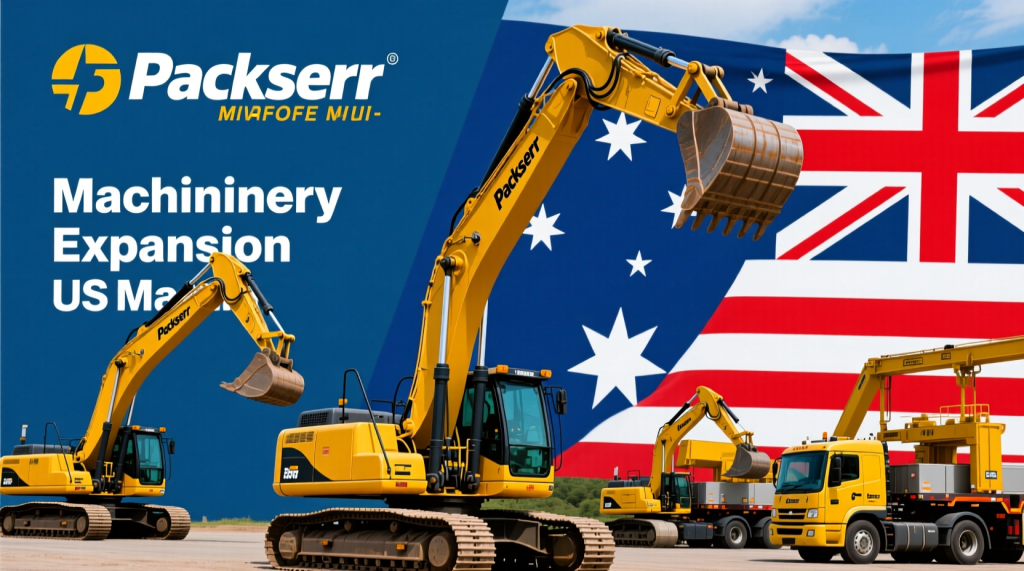
Australian packaging machinery manufacturer Packserv has entered a strategic alliance with US-based FP Developments, expanding access to Packserv equipment across the United States with local sales, engineering, commissioning, and after-sales support. For US manufacturers, the practical impact is shorter support cycles, simpler procurement, and fewer integration and validation gaps compared with importing equipment without a North American service backbone.
The partnership targets manufacturers looking for modular liquid filling lines for short-run production as well as scalable automation for higher-throughput operations in fast-moving consumer goods (FMCG), pharmaceuticals, personal care, and cosmetics.
TL;DR: Packserv equipment becomes easier to specify, integrate, and support in the US through FP Developments—especially for plants needing modular, upgradeable filling and capping automation.
Packserv–FP Developments Partnership: What It Means for US Manufacturers
Under the agreement, FP Developments will represent, distribute, and support Packserv packaging machinery across the US. In operational terms, this typically means:
- Faster engineering response (controls, mechanical, and line integration) in US time zones
- Localized spare parts strategy to reduce mean time to repair (MTTR) and unplanned downtime
- Structured project execution including factory acceptance testing (FAT) and site acceptance testing (SAT) aligned to plant standards
For regulated or quality-driven environments, the ability to execute documented FAT/SAT and qualification support is often as important as the machine itself. Pharmaceutical and OTC (over-the-counter) manufacturers may also require documentation aligned with cGMP (current Good Manufacturing Practice). For reference, see the FDA’s overview of drug manufacturing requirements: FDA cGMP Regulations.
TL;DR: The alliance reduces the risk and friction US plants often face with imported packaging machinery—especially around support, spare parts, and FAT/SAT execution.
Modular Packaging Machinery: Technical Capabilities That Matter on the Plant Floor
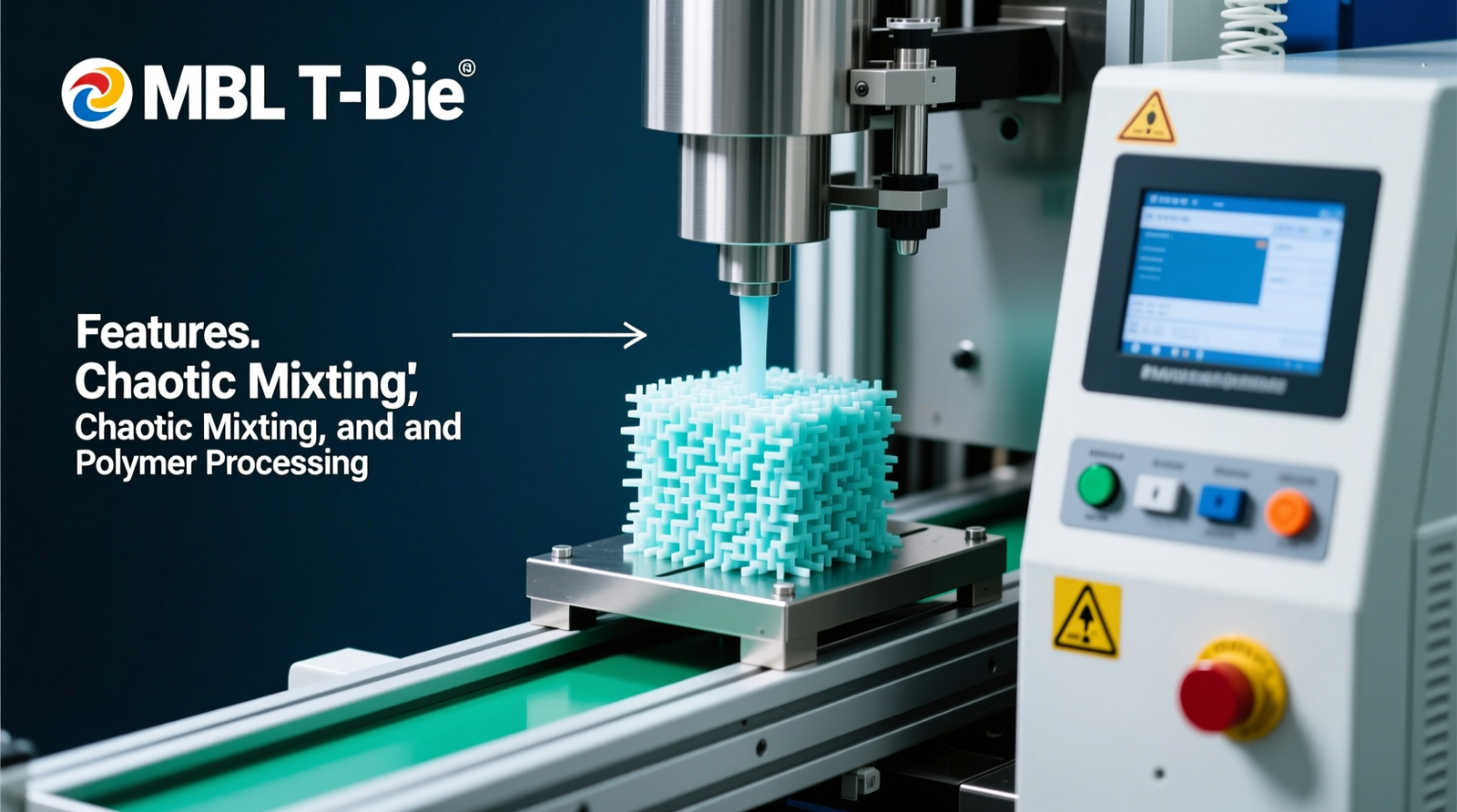
Packserv’s modular approach is built around integrating and scaling functional stations (filling, capping, conveying, inspection, labelling) without forcing a full monobloc replacement. This is particularly relevant for manufacturers managing frequent SKU launches, promotional runs, and packaging refreshes.
Typical functional scope for modular lines includes:
- Liquid filling machines suited to low-to-high viscosity products (e.g., thin liquids through to lotions, gels, and some paste-like products depending on pump/valve selection)
- Capping systems for screw caps, snap caps, pumps, triggers, and specialty closures
- Conveying and container handling designed for rapid format changes (guides, starwheels/rails where applicable)
- Options for in-line inspection (presence/absence checks, reject systems) and integration-ready provisions for labelling/printing
Indicative performance ranges (application-dependent):
- Throughput: many modular filling/capping configurations in this class typically target 20–120 containers per minute (CPM) depending on fill volume, viscosity, number of filling heads, and cap type/torque requirements.
- Fill accuracy: varies by technology (time-pressure, flowmeter, piston, peristaltic). Engineering teams commonly specify accuracy targets from ±0.5% down to ±0.2% for metered systems, subject to product characteristics and container constraints.
- Changeover time: with quick-change tooling and stored recipes, format changes can often be engineered to <30 minutes, and in some cases 10–20 minutes for similar container families (bottles of related diameters/heights).
Controls and automation depth: Systems are typically specified by automation level—semi-automatic (operator-present indexing/actuation) through fully automatic (infeed/outfeed conveying, automatic indexing, no-touch cycles, recipe-driven setpoints). Controls commonly include:
- PLC (Programmable Logic Controller) based control architecture with an HMI (Human–Machine Interface) for recipes, alarms, and batch data
- Servo-driven motion where repeatability and fast format change is required (e.g., indexing, cap application, nozzle positioning)
- Remote diagnostics options (subject to plant cybersecurity rules) to reduce troubleshooting time
Integration protocols: When tying into plant MES/SCADA (Manufacturing Execution System / Supervisory Control and Data Acquisition) or upstream/downstream equipment, common industrial communications include EtherNet/IP and OPC UA (Open Platform Communications Unified Architecture). OPC UA is widely used for secure, vendor-neutral industrial data exchange (overview: OPC Foundation – OPC UA).
Compliance and safety expectations: US manufacturers often require evidence of electrical and machine safety conformity. Depending on the final build and installed configuration, typical targets may include:
- UL (Underwriters Laboratories) aligned electrical panel/component expectations common in North America
- CE (Conformité Européenne) marking alignment for global corporate standards (more common for multi-region manufacturers)
- Hygienic/sanitary design features for personal care, cosmetics, and certain food applications (cleanable surfaces, appropriate elastomers, and washdown-ready design where required)
TL;DR: The modular platform is designed to hit real production metrics—throughput, accuracy, and changeover—while supporting modern PLC/HMI controls and standard integration protocols like EtherNet/IP and OPC UA.
Industry Scope: FMCG, Pharma, Personal Care, and Cosmetics—What Changes by Application
While “liquid filling” is a broad category, industry-specific requirements drive engineering choices in pumps, wetted parts, guarding, documentation, and cleaning strategy:
- Pharma / OTC: higher emphasis on documentation, traceability, controlled change management, and cGMP alignment. Line designs may include reject verification, batch reporting, and support for qualification packs depending on project scope.
- Cosmetics & personal care: frequent fragrance and formulation changes place pressure on cleaning time and changeover repeatability; servo/recipe-driven setup and quick-disconnect product paths can materially reduce downtime.
- FMCG (including household and specialty chemical): SKU proliferation and promotional cycles push manufacturers toward semi-automatic to fully automatic packaging line upgrades that preserve flexibility without sacrificing OEE.
OEE (Overall Equipment Effectiveness) is a common metric used to quantify availability, performance, and quality losses; reducing changeover and minor stoppages is often the fastest route to improvement. Background: Siemens – Overall Equipment Effectiveness (OEE).
TL;DR: The same modular hardware philosophy can be tuned to different industries by adjusting hygienic design, documentation, inspection, and controls depth—especially important for pharma and high-changeover cosmetics lines.
Use Cases: How Modularity Translates into Measurable Benefits
Use case 1: Cosmetics manufacturer scaling from semi-automatic to fully automatic
A mid-size cosmetics producer starts with a semi-automatic filler/capper to validate demand across 10–20 SKUs (varied viscosities from toner-like liquids to lotions). As volumes grow, they add automated infeed/outfeed conveying, an additional filling head/manifold, and a cap handling system. A practical outcome is often:
- Labor reduction: for example, moving from 3 operators on a bench-style operation to 1–2 operators supervising a fully conveyed line (actual staffing depends on inspection/boxing requirements).
- Changeover improvement: recipe-based settings and quick-change parts can reduce format change from ~60–90 minutes to <30 minutes for related SKUs, improving schedule flexibility.
- OEE lift: reducing changeover and minor stoppages can realistically target a +5–15 point OEE improvement over time when combined with standard work and spare parts readiness.
Use case 2: FMCG producer adding SKUs without buying a new monobloc line
An FMCG plant running a fixed monobloc (integrated fill/cap) struggles when a new closure type and bottle geometry is introduced. Instead of replacing the entire line, a modular approach can add a dedicated capper module (or swap capping technology) and reconfigure guides and sensors. Typical measurable benefits include:
- Reduced capital disruption: upgrades can be phased during planned shutdowns rather than a full line rip-and-replace.
- Faster time-to-production: a modular add-on can often be commissioned in days to a few weeks once equipment is on site, versus extended lead times for a fully custom monobloc replacement (project-dependent).
TL;DR: Modularity is not just “flexible”—it can reduce changeovers to under ~30 minutes, lift OEE by single to double digits, and enable phased automation that avoids full-line replacement.
Differentiation vs Typical Alternatives: Why This Matters for US Plants
US manufacturers often compare three paths: (1) fixed monobloc lines, (2) imported systems with limited local service, or (3) modular lines supported by local engineering. The Packserv–FP Developments model is positioned to address common pain points with the first two options:
- Versus fixed monobloc lines: monoblocs can be efficient at a stable SKU with long runs, but they tend to be less forgiving when closure types, viscosities, or containers change frequently. Modular architecture allows targeted upgrades (e.g., swapping a capping module or adding inspection) without reworking the entire machine base.
- Versus imported systems without North American support: “great machine, slow support” is a real operational cost. Local engineering reduces troubleshooting cycle time, helps with line integration, and improves spare parts availability—key for plants optimizing uptime and maintenance KPIs.
- For US compliance expectations: local support helps align documentation, safety reviews, and commissioning practices with typical US plant requirements (including expectations around UL-aligned components and safety validation practices).
This is especially relevant for buyers searching for North American support for Australian packaging machinery—where the technical platform may be strong, but execution success depends on integration, service responsiveness, and lifecycle support.
TL;DR: The advantage is not only the machine design; it’s the combination of modular architecture plus US-based engineering/service—reducing downtime and integration risk compared with fixed monoblocs or unsupported imports.
Engineering, Integration, and After-Sales Support in the US
FP Developments’ role extends beyond distribution into engineering execution. Typical deliverables for a packaging line project include:
- Line specification & URS support (User Requirement Specification) to align performance targets (CPM, accuracy, reject rates) with product and container data
- FAT/SAT plans with measurable acceptance criteria (throughput, fill accuracy, torque verification approach, reject validation)
- Integration with legacy equipment (conveyors, labelers, printers, checkweighers) using standard I/O (input/output) and industrial networks (e.g., EtherNet/IP, OPC UA)
- Training and maintenance readiness (recommended spares lists, preventive maintenance intervals, troubleshooting guides)
For plants with cybersecurity governance, remote diagnostics can be implemented with controlled access methods aligned to plant IT/OT (Information Technology/Operational Technology) policies.
TL;DR: US-based engineering support improves commissioning quality—especially for FAT/SAT, legacy integration, and long-term maintenance planning.
Showcasing the Alliance at PACK EXPO East 2026
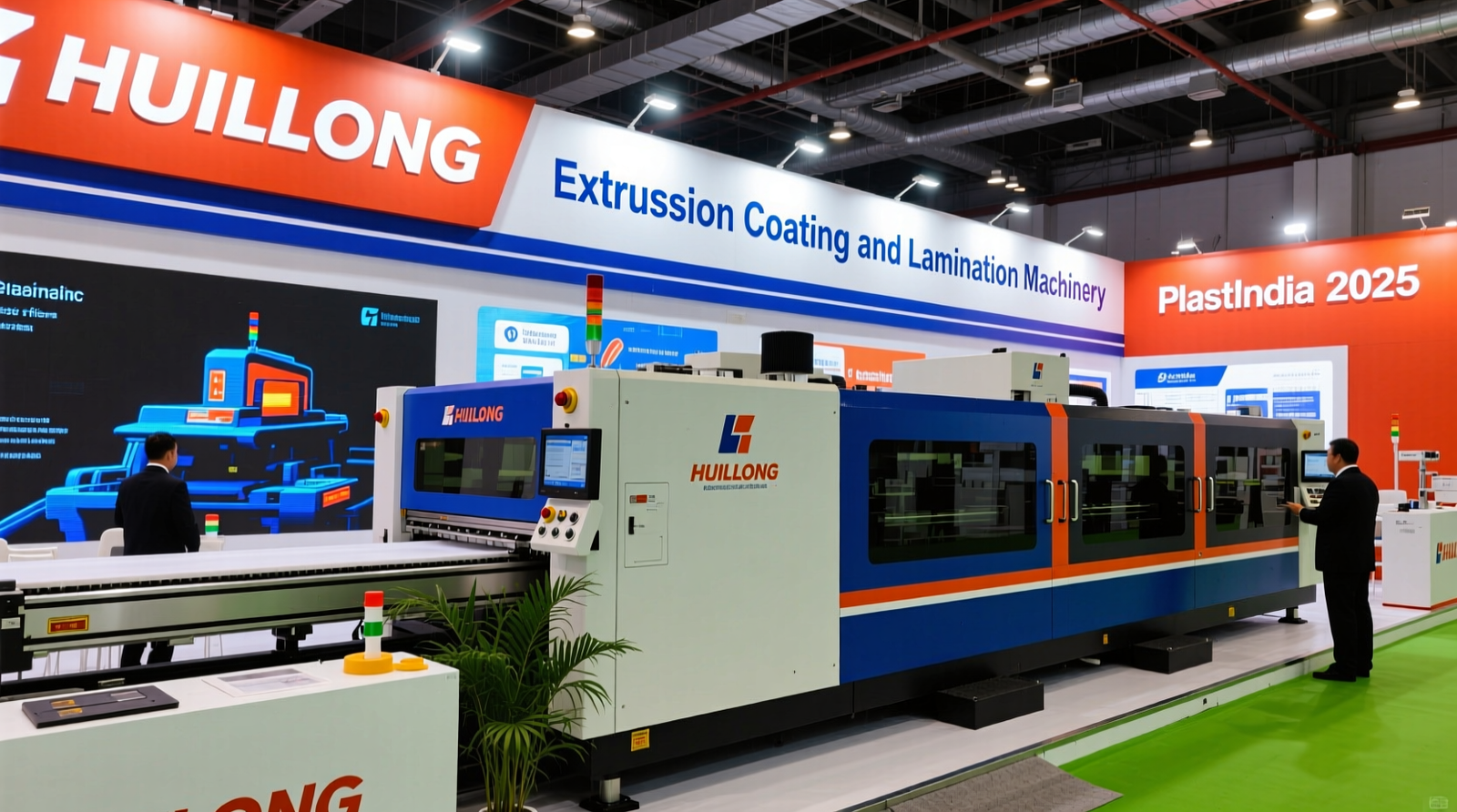
Packserv and FP Developments will showcase their joint capabilities at PACK EXPO East in Philadelphia from 17–19 February 2026. Visitors will be able to review equipment concepts, discuss modular automation strategies, and evaluate upgrade paths—from semi-automatic systems through fully automatic, conveyed packaging lines.
For engineers and operations leaders, this is also a chance to compare modular line architectures against fixed monobloc approaches and discuss practical issues like changeover design, cleaning strategy, torque control, and integration with existing plant standards.
TL;DR: PACK EXPO East 2026 is the hands-on venue to review modular filling/capping concepts and discuss integration, changeover, and automation upgrade roadmaps.
Conclusion
The Packserv–FP Developments alliance brings Australian-designed modular packaging machinery to the US with local engineering, integration, and service—addressing a core purchasing concern: how to maintain uptime and evolve the line as SKUs, volumes, and compliance needs change.
Next steps (based on your role):
- Plant engineers / operations managers planning a line upgrade: request a line audit and provide baseline data (current CPM, downtime drivers, changeover time, reject causes). This enables a targeted modular upgrade plan with measurable acceptance criteria for FAT/SAT.
- New brands launching first production lines: define your initial SKU set, container/closure matrix, and 12–24 month volume forecast to design a phased path from semi-automatic to fully automatic packaging line upgrades without overbuying capacity.
TL;DR: If you need a modular, upgradeable packaging line with US-based integration and service, start with a line assessment (or a greenfield specification) to map performance targets, changeover requirements, and compliance expectations.
FAQ
Q: What throughput range can modular liquid filling lines typically achieve?
A: Throughput depends on product viscosity, fill volume, number of fill heads, and cap type. Many modular filling/capping configurations are engineered in the range of roughly 20–120 containers per minute (CPM), with higher or lower rates possible depending on the application and line design.
Q: Can I start semi-automatic and later upgrade to a fully automatic packaging line?
A: Yes. A common approach is to start with semi-automatic filling/capping to validate the product and SKU mix, then add conveyed infeed/outfeed, cap handling, additional filling heads, and inspection/reject modules. This staged strategy can reduce upfront capital risk and often delivers measurable benefits like reduced labor and faster changeovers.
Q: How do Packserv and FP Developments handle FAT/SAT and validation for regulated industries?
A: Projects can be structured with documented FAT (Factory Acceptance Test) and SAT (Site Acceptance Test) protocols that define measurable criteria such as throughput, fill accuracy, reject validation, and alarm handling. For pharma/OTC environments, documentation support can be aligned to cGMP expectations, with the FDA’s cGMP framework serving as a reference point.
Q: What are typical lead times and customization options for modular filling and capping systems?
A: Lead times vary by configuration complexity, options (inspection, label integration, special guarding), and project schedule. Customization commonly includes nozzle and pump/valve selection for viscosity, cap handling and torque strategy, washdown or hygienic design features, and controls/integration requirements (e.g., EtherNet/IP or OPC UA connectivity).
Q: Can the equipment integrate with my existing conveyors, labelers, and legacy control systems?
A: In many cases, yes. Integration is typically handled through standard industrial interfaces (discrete I/O, safety interlocks) and common communication protocols such as EtherNet/IP or OPC UA, depending on plant standards. A front-end line assessment helps confirm mechanical fit (heights, pitch, container stability) and controls compatibility before installation.