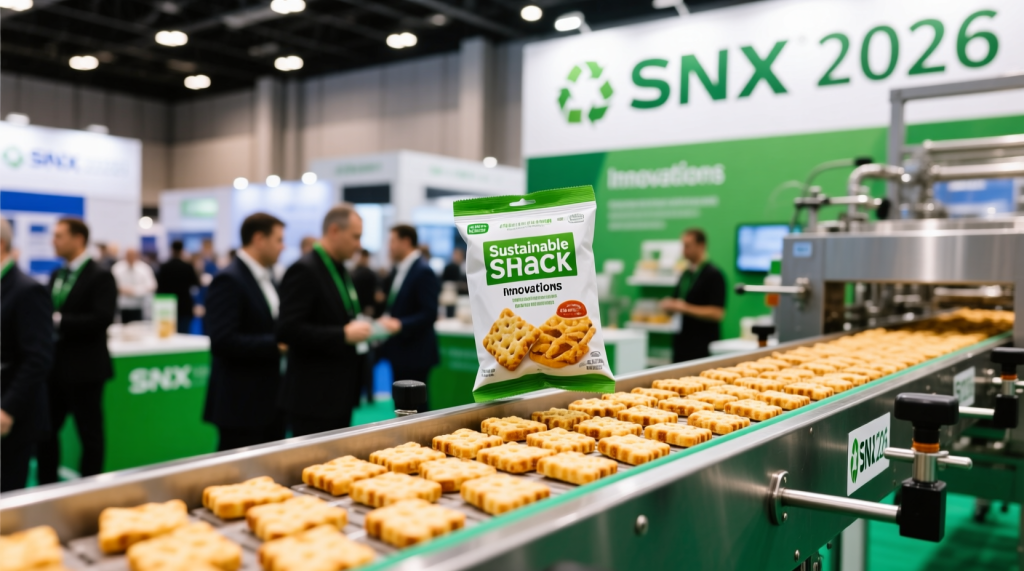
Introduction: SNX 2026 snack equipment exhibitors—Heat and Control, Ishida, and CEIA systems in one integrated line
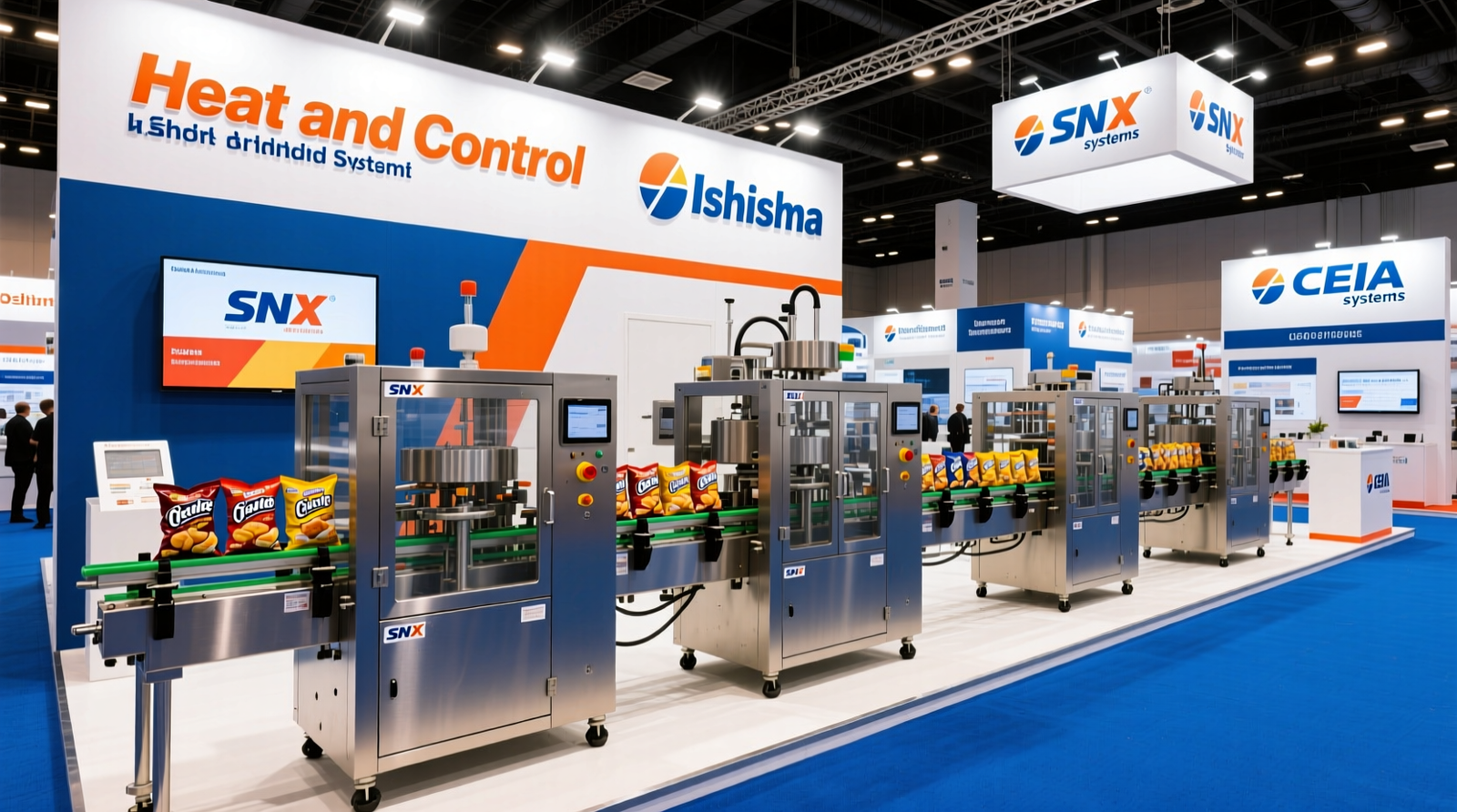
Engineering teams attending SNX 2026 (March 29–31, 2026, Hyatt Regency Dallas, Dallas, Texas) will see how Heat and Control® is combining industrial snack processing equipment with Ishida bagging/weighing and CEIA® inspection to address specific, day-to-day plant problems: seasoning variability that drives rework, packaging weight drift that creates giveaway, sanitation downtime, and rising water costs.
Rather than presenting standalone machines, the focus is on continuous frying and seasoning lines and snack packaging automation that can be configured around existing conveyors, fryers/ovens, and plant utilities—typical of brownfield upgrades where footprint and downtime windows are limited.
External references (context): If you’re benchmarking goals like hygienic design and preventive controls, the FDA FSMA overview (Food Safety Modernization Act) and ISO 22000 food safety management framework provide widely used reference points for risk-based food safety programs.
TL;DR: SNX 2026 coverage centers on integrated snack manufacturing lines—processing, seasoning, weighing/bagging, and inspection—built to reduce waste drivers (giveaway, breakage, sanitation time, and water use).
End-to-end snack manufacturing lines: what “integrated” means on the plant floor
In snack plants, “turnkey” only matters if controls, changeovers, and data handoffs are engineered as a system. Heat and Control’s approach typically links raw product preparation, cooking (frying/oven), seasoning, distribution, weighing, bag making/filling/sealing, and inspection with shared automation standards.
What’s different versus a standard multi-vendor build:
- Unified controls architecture: A single PLC (Programmable Logic Controller) strategy and coordinated SCADA (Supervisory Control and Data Acquisition) screens reduce “gray-zone” troubleshooting between equipment suppliers.
- Recipe management across steps: Product “recipes” can tie seasoning setpoints, distribution settings, and packaging targets together so a changeover doesn’t depend on tribal knowledge.
- Data for OEE improvement: OEE (Overall Equipment Effectiveness) tracking becomes more actionable when loss codes (micro-stops, underweights, seal faults, seasoning rate alarms) come from one integrated event log rather than separate islands of data.
- Line balancing: Packaging speed only helps if upstream systems deliver stable, well-distributed product flow—otherwise the bagger starves or floods, creating weight variability and seal contamination.
Typical pain points this integration targets: inconsistent seasoning pickup (leading to flavor complaints), high “giveaway” from conservative target weights, seal failures from product-in-seal, and avoidable downtime during sanitation or changeovers.
TL;DR: Integration isn’t just mechanical layout—it’s coordinated PLC/SCADA control, shared recipes, and unified data that make a multi-step snack line predictable and easier to run.
Ishida high-speed snack packaging automation: multihead weighing, bagging speeds, and changeover realities
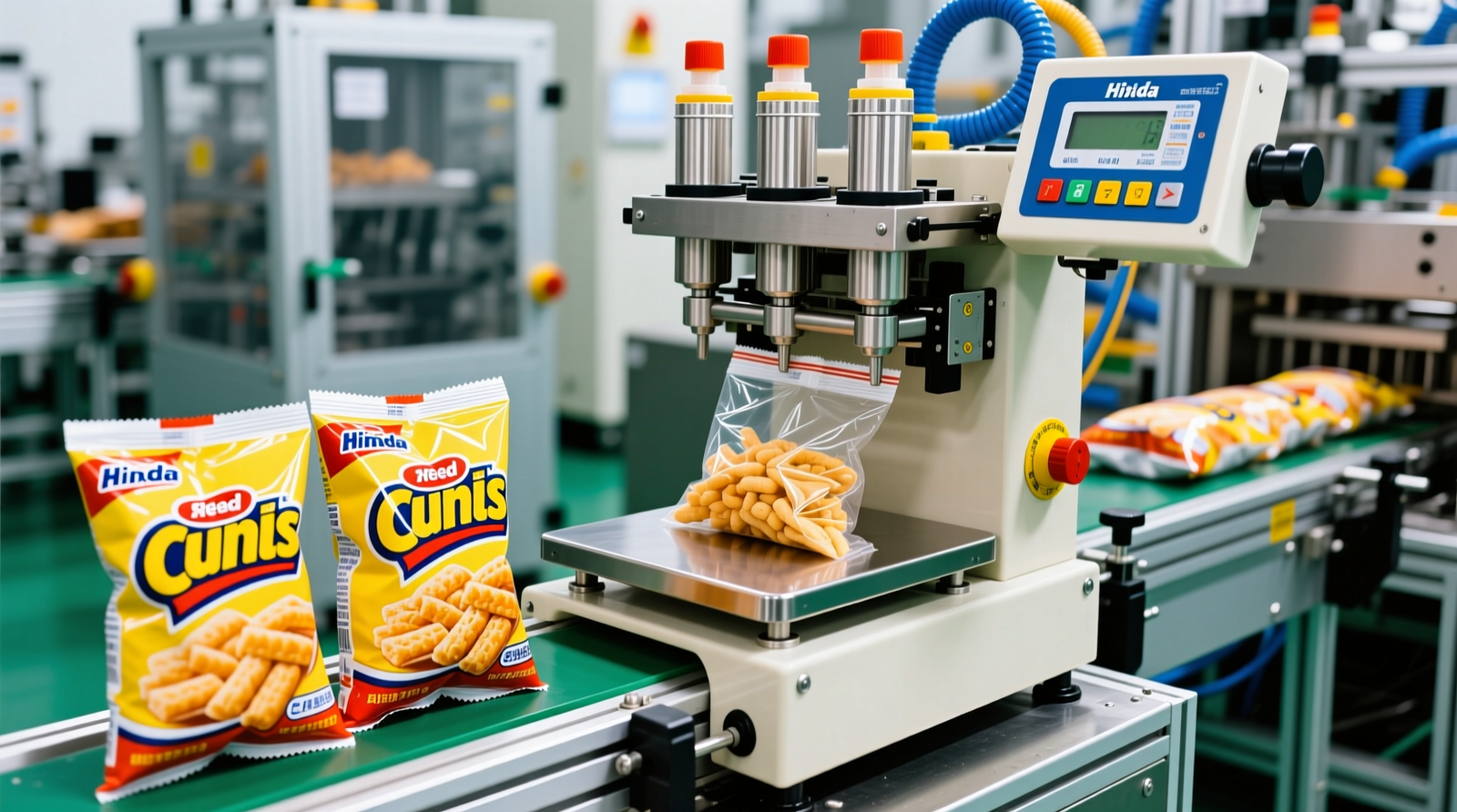
The Ishida high-speed snack packaging system (as integrated by Heat and Control) is typically built around an MW (multihead weigher) feeding a VFFS (Vertical Form Fill Seal) bagmaker for small bags and multi-pack workflows. “Next-generation” here is less about headline speed and more about controlling variability—stable weights at high throughput with fewer operator interventions.
Indicative performance ranges (application-dependent):
- Bagging speed: commonly 80–180 bags per minute for many snack SKUs; higher rates are achievable in some configurations depending on bag size, film, gas flushing, and product flow characteristics.
- Weight control: MW algorithms select optimal combination weights to reduce overfill; plants often target measurable reductions in giveaway once tuning is stable and infeed is consistent.
- Gentle handling: Controlled product distribution into the weigher and smooth discharge reduces chip breakage and fines. In practice, reducing fines helps prevent “product-in-seal” and improves seal integrity.
Automation/integration features that matter to engineering:
- Recipe-driven changeovers: pre-set parameters for different SKUs (target weight, vibration settings, settle time, bag length, seal temperature profiles).
- Upstream/downstream handshakes: coordinated start/stop and permissives with distribution conveyors, seasoning systems, and checkweigh/metal detection to prevent surges that destabilize weights.
- Quality loop closure: feedback from checkweighers can be used to tighten control windows and reduce the tendency to “pad” target weights.
Inspection tie-in (CEIA): CEIA systems are commonly used for metal detection and related inspection tasks. Integrating reject confirmation and event logging into SCADA helps root-cause issues (e.g., metal detector rejects triggered by upstream wear parts) instead of treating rejects as isolated incidents. Reference: CEIA inspection solutions.
TL;DR: Expect multihead-weigher + VFFS systems typically in the ~80–180 bpm range for many snack products, with the real gains coming from reduced giveaway, fewer seal faults, and recipe-driven changeovers tied into line controls.
Symphony seasoning application system: application principle, closed-loop dosing, and coating uniformity
Seasoning is one of the highest-visibility quality steps in snack manufacturing lines because small shifts in oil pickup, product temperature, or seasoning feed rate show up immediately as flavor inconsistency and consumer complaints. Heat and Control’s Symphony seasoning application is positioned to reduce variability by controlling both how seasoning is delivered and how much is applied.
How the system applies seasoning (high-level): Many snack lines use a seasoning drum (tumbling applicator) where product is gently rotated while dry seasoning is introduced at a controlled rate. The goal is repeatable adherence with minimal dusting and minimal “striping.”
Control capabilities that improve repeatability:
- Weight-based dosing: seasoning feed can be metered based on product throughput (kg/min), supporting more stable seasoning-to-product ratios.
- Closed-loop control: when paired with line throughput measurement, the system can adjust dosing automatically to maintain setpoint during normal rate fluctuations.
- Recipe control: seasoning rate, drum speed/angle, and auxiliary settings can be stored per SKU, reducing operator-to-operator variation.
What “better uniformity” looks like in operations: Plants often assess seasoning performance by monitoring customer complaints, in-plant sensory checks, dust accumulation rates, and seasoning usage versus production volume. A practical target is to reduce the spread of seasoning pickup so fewer lots sit near the lower flavor threshold (under-seasoned) or create excessive dust (over-seasoned).
Sanitation and allergen control implications: Reduced fugitive dust helps with allergen containment and cleanup time, particularly when switching between allergen-containing and allergen-free flavors. This supports HACCP (Hazard Analysis and Critical Control Points) and preventive-control programs. For background on HACCP principles, see the FAO HACCP guidance.
TL;DR: Symphony’s value is process control—weight-based/closed-loop seasoning dosing and recipe settings that reduce flavor variability, dusting, and allergen-cleanup burden compared with more manual, open-loop seasoning setups.
Cascade Water Recirculation for snack processing: process flow, filtration stages, and compliance context
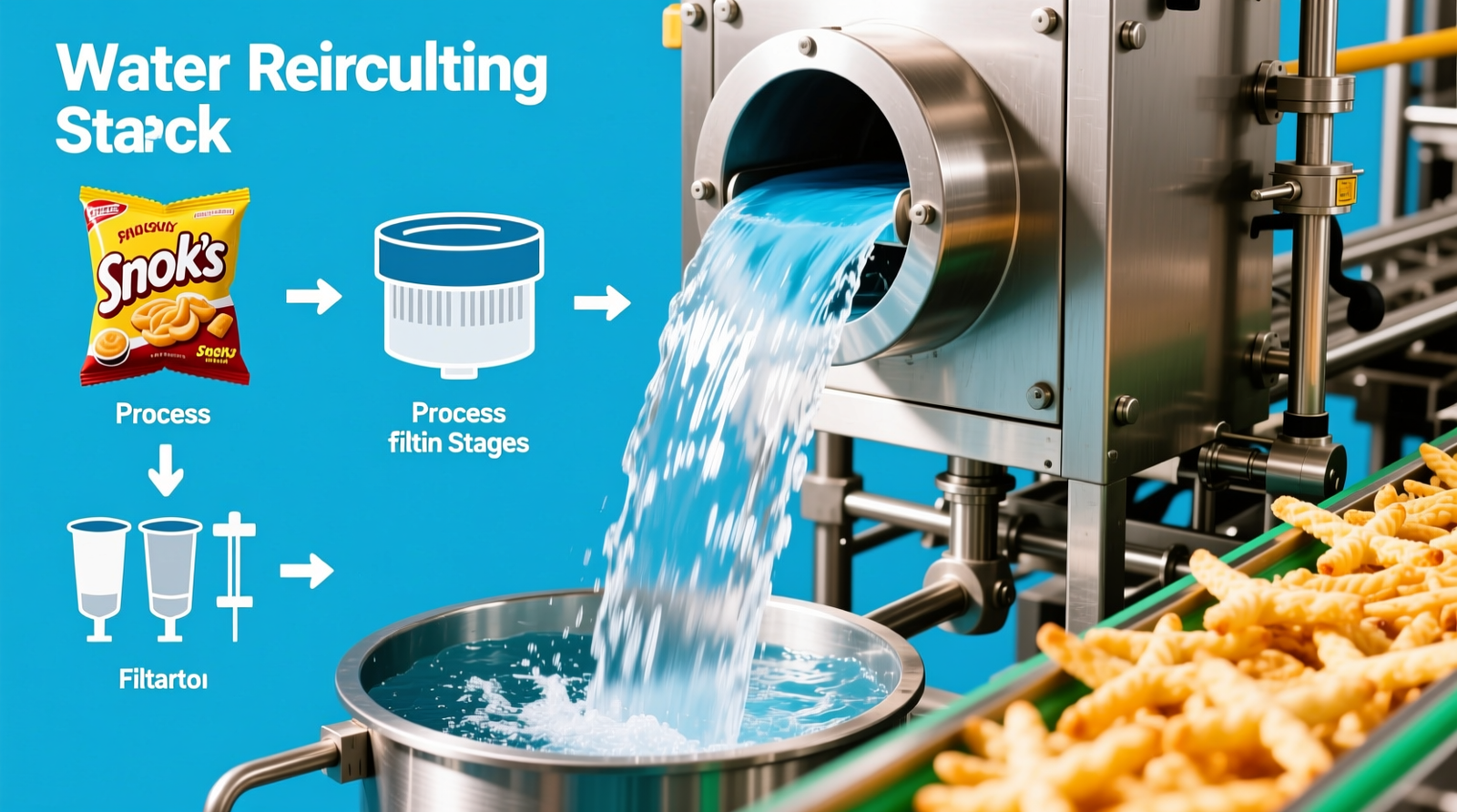
Water systems are often an unglamorous constraint on snack capacity—especially in potato washing, fluming, peeling support processes, and cut/wash steps where water quality affects yield, sanitation, and downstream oil life. Heat and Control’s Cascade Water Recirculation targets the recurring cost drivers: freshwater consumption, sewer discharge volume, and the downtime caused by dirty water systems.
High-level process flow (typical):
- Capture: collect process water from wash/flume points.
- Primary solids removal: screens/strain filters to remove skins, chips, and large particulates.
- Clarification/fines removal: separation stages (e.g., settling/clarification and/or finer filtration) to reduce suspended solids that drive microbial load and equipment fouling.
- Temperature control: where needed, temperature management helps maintain process consistency and can reduce sanitation challenges (application dependent).
- Return: send treated water back to appropriate non-product-contact or controlled product-contact steps based on risk assessment and local rules.
Where it’s commonly applied: potato washing/fluming, pre-processing wash steps, and other areas where water can be reused without compromising product safety when properly designed and monitored.
Benchmarks and constraints to consider:
- Water savings: reductions of up to ~75% are possible depending on product, soil load, and how many steps are suitable for reuse.
- Sanitation risk management: recirculation requires validated cleaning procedures and monitoring points aligned with a plant’s food safety plan.
- Regulatory alignment: requirements vary by jurisdiction; in the U.S., wastewater and pretreatment expectations are often governed locally, while food safety expectations align with FSMA preventive controls. References: U.S. EPA NPDES wastewater permitting overview and FDA FSMA overview.
TL;DR: Cascade-style recirculation is a structured capture–filter–clarify–control–return loop that can materially cut freshwater and discharge volumes, but it must be engineered around sanitation validation and local wastewater rules.
ROI considerations: what plants typically measure (and where payback often comes from)
Capital equipment decisions in snack plants usually clear by tying improvements to measurable losses: giveaway, rework, downtime, labor, utilities, and wastewater fees. While exact results depend on product, run schedule, and baseline performance, the payback narrative for integrated snack processing systems typically comes from a few repeatable buckets:
- Giveaway reduction: improved multihead weighing stability and checkweigh feedback can reduce overfill. Even small reductions (fractions of a gram per bag) compound rapidly at 100+ bags/min.
- Throughput recovery: fewer micro-stops from seal contamination, smoother product distribution, and faster recipe-driven changeovers increase net output without increasing scheduled hours.
- Labor efficiency: centralized recipes and integrated alarms reduce constant manual tweaking; plants often redeploy operators from “babysitting” to quality checks and material replenishment.
- Utilities/water: recirculation reduces freshwater purchase and discharge volume; in some sites, wastewater surcharges drive a large portion of the ROI.
Practical payback framing: many snack projects target payback in the 12–36 month window, depending on whether the driver is giveaway, capacity expansion, or water/wastewater cost exposure. Your best estimate comes from a short baseline study: current giveaway, current micro-stop rate, water use per shift, and sanitation downtime by SKU family.
TL;DR: ROI is usually won on giveaway + downtime + water/wastewater costs, with many plants aiming for ~1–3 year payback depending on baseline losses and line utilization.
Line integration and digitalization: PLC/SCADA, data collection, OEE monitoring, and remote support
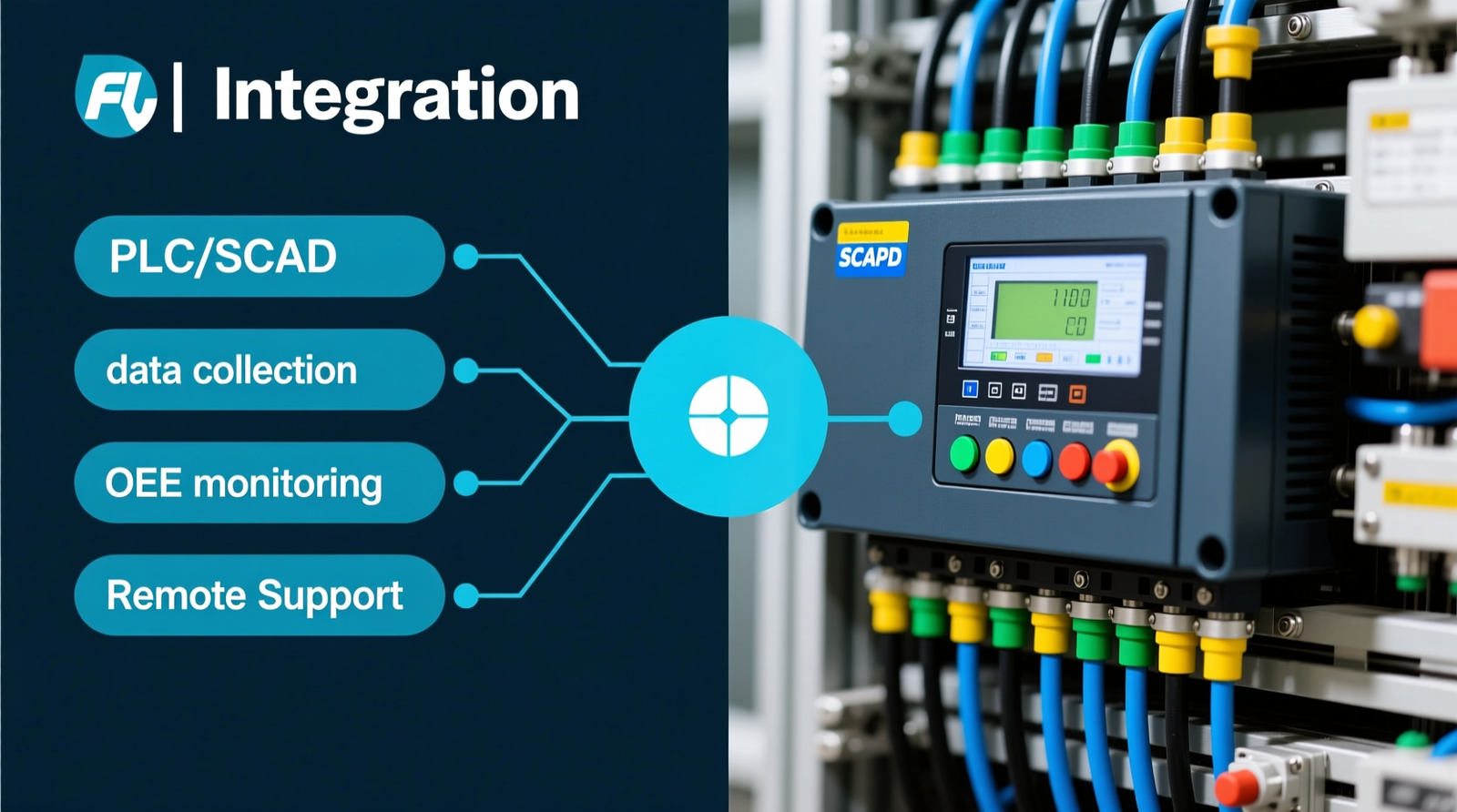
For engineering and operations managers, the integration plan matters as much as the equipment. Heat and Control-coordinated projects typically define interfaces across processing, seasoning, weighing, bagging, and inspection so the line behaves like one system.
What to ask for in an integration scope:
- PLC/SCADA standards: tag naming, alarm philosophy, and common HMI (Human-Machine Interface) navigation across the line.
- OEE and event data: consistent reason codes for stops (e.g., “seasoning low,” “film splice,” “metal detector reject,” “checkweigher out of tolerance”) to enable Pareto analysis.
- Upstream/downstream interlocks: permissives that prevent product surges into the weigher or into bag seal jaws, reducing rework and cleanup.
- Remote diagnostics: secure remote support pathways can shorten troubleshooting time—particularly for intermittent faults that are hard to reproduce during a service visit.
Why this is “next-gen” in practice: the innovation is in reducing the number of manual compensations operators make to keep the line stable—using coordinated controls, recipes, and feedback to keep weights, seasoning rate, and reject rates within target windows at production speed.
TL;DR: A modern snack line upgrade should specify PLC/SCADA standards, unified OEE loss coding, equipment handshakes, and remote diagnostics—these often drive more value than isolated speed increases.
Maintenance, reliability, and sanitation: design details that protect uptime
Snack plants rarely struggle to find a theoretical top speed; they struggle to hold stable output across long runs. Maintenance access and sanitation design are major contributors to real OEE.
Reliability and maintenance considerations to evaluate:
- Access and cleanability: clear access to product-contact zones and crumb/dust collection points reduces cleanup time and missed sanitation areas.
- CIP considerations: CIP (Clean-In-Place) options, where applicable, reduce teardown frequency and variability in cleaning quality.
- Tool-less changeovers: where feasible (guards, chutes, seasoning components), they reduce changeover time and the risk of incorrect reassembly.
- Spare parts strategy: critical spares (seal jaws, knives, belts, sensors) and wear parts planning prevents small failures from becoming multi-hour downtime events.
- Uptime targets: many plants manage to internal goals such as >90–95% runtime on packaging during steady-state production; the design and preventive maintenance plan should support that target.
Food safety alignment: hygienic design and allergen control practices should be built into the equipment specification (materials, cleanability, containment of dust, and validated cleaning steps) and reflected in the site’s HACCP/preventive control documentation.
TL;DR: Uptime is protected by cleanability, access, tool-less changeovers where possible, CIP options, and a realistic spares plan—these details often determine whether a line holds >90–95% runtime.
Meet Heat and Control at SNX 2026: what to bring to get a useful engineering discussion

To make an on-site discussion productive, bring a few numbers and constraints: target bags/min, current giveaway (g/bag), typical micro-stop causes, sanitation window length, water usage and discharge costs, available footprint, and which upstream equipment (fryer/oven/conveyors) must remain.
Registered attendees can locate the team via the SNX Mobile App and schedule a private appointment to review options for integrated inspection and metal detection, seasoning upgrades, or full turnkey snack processing systems that fit phased installation plans.
TL;DR: Bring baseline loss data (giveaway, stops, sanitation time, water costs) and physical constraints—those inputs determine the best configuration far more than generic “capacity” targets.
Conclusion: where these snack processing innovations fit future automation and ESG expectations
For many snack producers, the next wave of competitive advantage will come from lines that are easier to control, easier to verify (food safety and weights), and easier to resource-plan (water, energy, labor). The Ishida packaging platform, Symphony seasoning control, and Cascade water recirculation are most valuable when engineered as one operating system—coordinated recipes, shared data, and inspection feedback that reduces drift over long runs.
That direction aligns with broader plant priorities: digital production management (actionable OEE), risk-based food safety systems, and ESG reporting that increasingly demands real utility reductions rather than generalized sustainability claims.
TL;DR: The long-term play is a more measurable, closed-loop snack line—less manual tuning, better traceability of losses, and verifiable reductions in giveaway, downtime, and water use.
FAQ
Q: What line capacities can Ishida multihead weigher + VFFS snack packaging systems support?
A: Capacity depends on bag size, product type, film, and whether gas flushing or special seals are used. In many snack applications, integrated systems commonly run in the ~80–180 bags per minute range, with configuration and line balancing (stable infeed and distribution) often determining whether the line holds speed without weight drift or seal faults.
Q: How do these solutions integrate with existing fryers, ovens, and conveyors in a brownfield plant?
A: Integration typically uses defined mechanical interfaces (elevation, discharge trajectories, transfer points) plus controls handshakes in the PLC (Programmable Logic Controller) so upstream equipment can pace to packaging demand. A well-scoped project also standardizes SCADA screens, alarm limits, and recipe parameters so seasoning rates and packaging targets change together during SKU changeovers.
Q: What’s the practical difference between closed-loop seasoning control and a basic open-loop seasoning applicator?
A: Open-loop systems often run a fixed feeder setting and rely on operators to compensate as throughput changes. Closed-loop setups can meter seasoning based on measured product flow (kg/min) and adjust automatically to maintain a seasoning-to-product ratio. In practice, this reduces flavor variability, reduces dusting, and lowers the risk of under-seasoned lots that trigger complaints or rework.
Q: Can water recirculation be used in food plants without increasing sanitation risk?
A: Yes—when designed with appropriate filtration/clarification stages, validated cleaning procedures, and monitoring points aligned with the site’s HACCP or preventive controls program. The reuse point must be selected based on risk, and the system needs to comply with local wastewater and water-use rules. References that help frame compliance include the FDA FSMA overview and the EPA NPDES permitting overview.
Q: What service and support items should be planned for commissioning high-speed snack packaging and seasoning lines?
A: A robust plan includes factory acceptance testing (as applicable), site commissioning with documented recipe setup, operator and maintenance training, a critical spares list (seal components, sensors, belts/knives), and a remote diagnostics approach for intermittent faults. Plants also benefit from agreed OEE loss codes and alarm limits from day one so the team can prioritize the top downtime drivers after ramp-up.