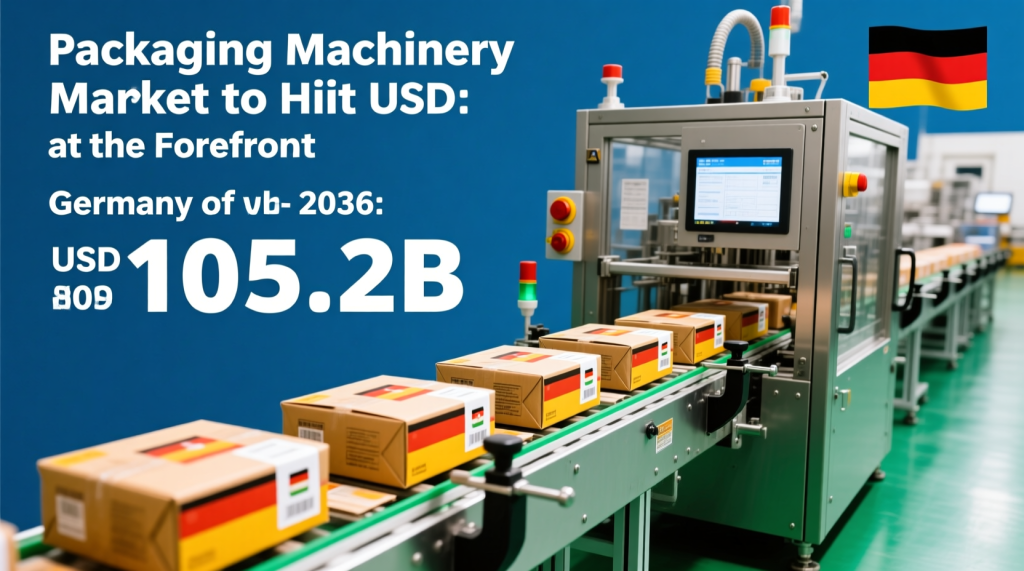
The global packaging machinery market is moving rapidly toward automated packaging systems and intelligent packaging lines that combine robotics, software, and connected controls. In 2026, the market is valued at approximately USD 67.7 billion and is forecast to reach around USD 105.2 billion by 2036, reflecting a compound annual growth rate (CAGR) of 4.5% over the 2026–2036 period. Unless otherwise stated, these figures are typically presented in current (nominal) USD in market research reporting (not inflation-adjusted constant USD).
Key demand catalysts include food and beverage packaging automation, rising pharmaceutical packaging machinery requirements (serialization, contamination control), e-commerce fulfillment growth, and sustainability-driven material shifts (recyclable mono-materials, downgauging).
- Market size (2026): ~USD 67.7B; Forecast (2036): ~USD 105.2B
- Forecast period: 2026–2036; CAGR: ~4.5%
- High-growth demand pockets: Asia (India/China), e-commerce 3PLs, regulated pharma/medical packaging
- Tech shifts with biggest quantitative impact: Predictive maintenance, robotics for end-of-line, right-sizing and material reduction, faster changeovers via modular/servo designs
TL;DR: The market grows from ~USD 67.7B (2026) to ~USD 105.2B (2036) on automation, e-commerce fulfillment, stricter regulation in pharma/food, and sustainable packaging formats.
Introduction
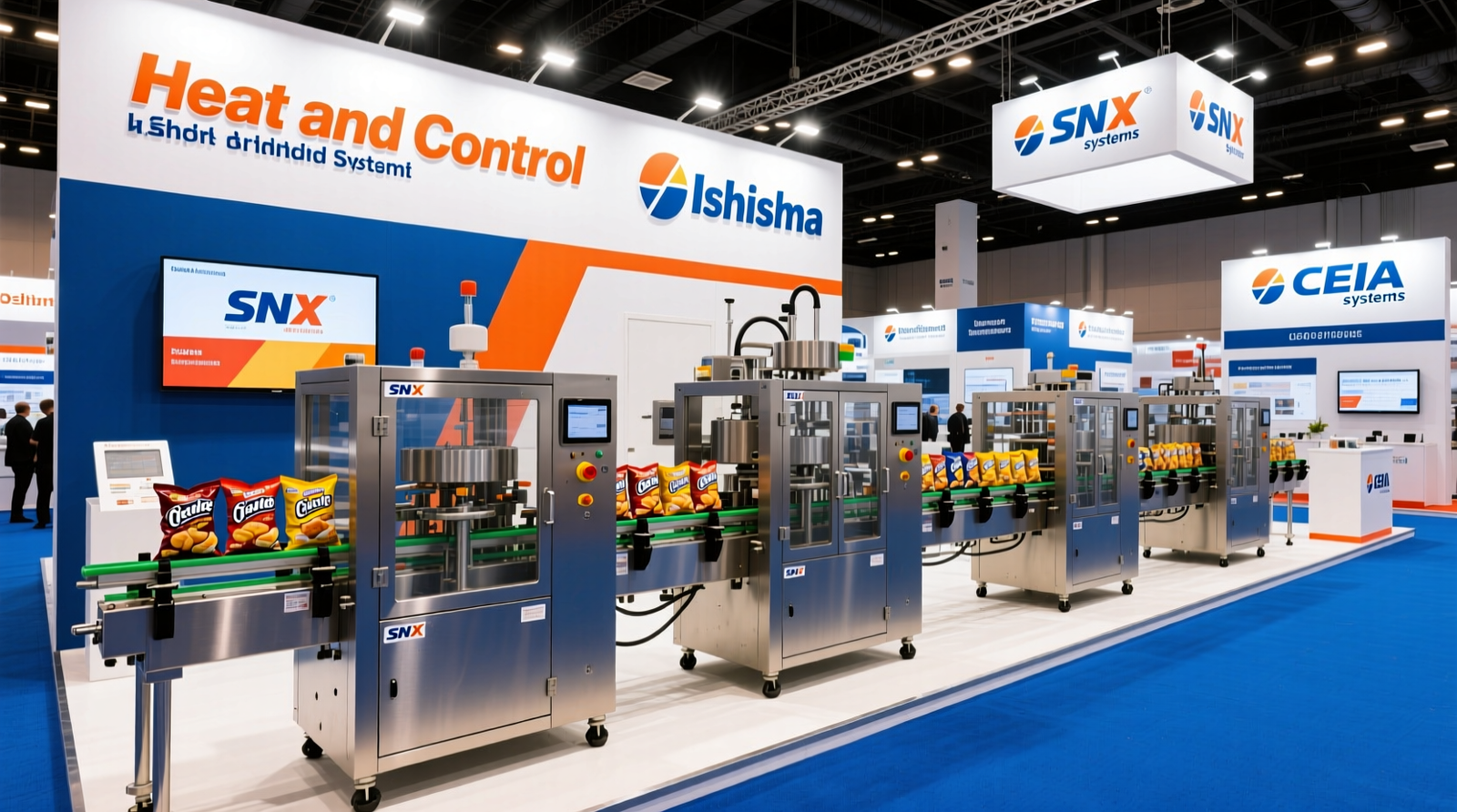
The packaging machinery market is entering a phase defined by intelligent automation, data-driven reliability, and sustainability-focused innovation. Beyond speed, buyers now prioritize connectivity, traceability, and flexibility—especially in regulated sectors like pharmaceuticals and in high-variability environments like e-commerce fulfillment.
Growth is supported by:
- Rising automation across manufacturing industries
- Increasing packaging complexity in pharmaceuticals, food, and personal care
- Rapid expansion of e-commerce and global logistics networks
- Regulatory focus on safety, hygiene, and sustainability
According to Future Market Insights (FMI), an ESOMAR-certified and ISO 9001:2015–certified research firm, the market is shifting from standalone machines to integrated, AI-enabled packaging systems that prioritize flexibility, efficiency, and compliance.
TL;DR: Packaging machinery demand is increasingly driven by automation, e-commerce variability, and tighter pharma/food requirements—accelerating the shift toward integrated, connected lines.
From Standalone Machines to Intelligent Packaging Lines
This growth story increasingly depends on integrated lines, not isolated equipment. Many end users are consolidating suppliers and specifying line-level performance (throughput, quality, uptime), pushing OEMs to deliver complete systems with unified controls and data.
Modern intelligent packaging lines typically combine:
- Filling and dosing systems
- Sealing and capping equipment
- Labeling and coding machines (including serialization where required)
- Inspection and quality control systems (commonly machine vision)
- Cartoners, case packers, and palletizing units (end-of-line automation)
- Centralized digital monitoring and AI control platforms
Grounded technology examples buyers increasingly request:
- Machine vision systems (camera-based inspection) for label verification, print quality, fill-level checks, and defect detection
- Servo-driven motion and sealing modules (servo motors provide precise, programmable control) for repeatability and fast changeovers
- Multi-head weighers (often servo-controlled) for high-speed, accurate portioning in snacks, frozen food, and confectionery lines
- OPC UA (Open Platform Communications Unified Architecture) for standardized machine-to-machine communications in Industry 4.0 environments (frequently paired with PackML state models)
These integrated systems are built to handle:
- Multiple product sizes and SKUs (stock-keeping units)
- Multiple formats (bottles, pouches, cartons, blister packs)
- Mixed materials (plastics, paper, films, mono-material laminates)
They must also deliver:
- High-speed throughput
- Traceability and serialization (particularly in pharma)
- Tight quality tolerances
- Regulatory compliance (hygienic design, contamination control, validation documentation)
Credibility note on regulations: In regulated packaging, requirements often cascade from frameworks such as EU MDR (Medical Device Regulation 2017/745) for medical devices and packaging integrity expectations, plus FDA cGMP expectations such as 21 CFR Part 211 for pharmaceuticals in the U.S. (Current Good Manufacturing Practice).
Mini case example (pharma): A sterile injectable contractor upgrading to an AI-enabled form-fill-seal (FFS) line for unit-dose sachets integrates vision inspection for print/lot verification, OPC UA connectivity into the site MES, and predictive maintenance on sealing jaws. The plant targets a 10–20% reduction in unplanned downtime by moving from reactive maintenance to condition-based interventions—especially on high-wear sealing components and vacuum systems.
TL;DR: Market growth increasingly favors integrated, connected packaging lines (vision + servo + OPC UA) that can run many SKUs/materials while meeting pharma/food compliance and uptime expectations.
Service-Based and Recurring Revenue Models for OEMs
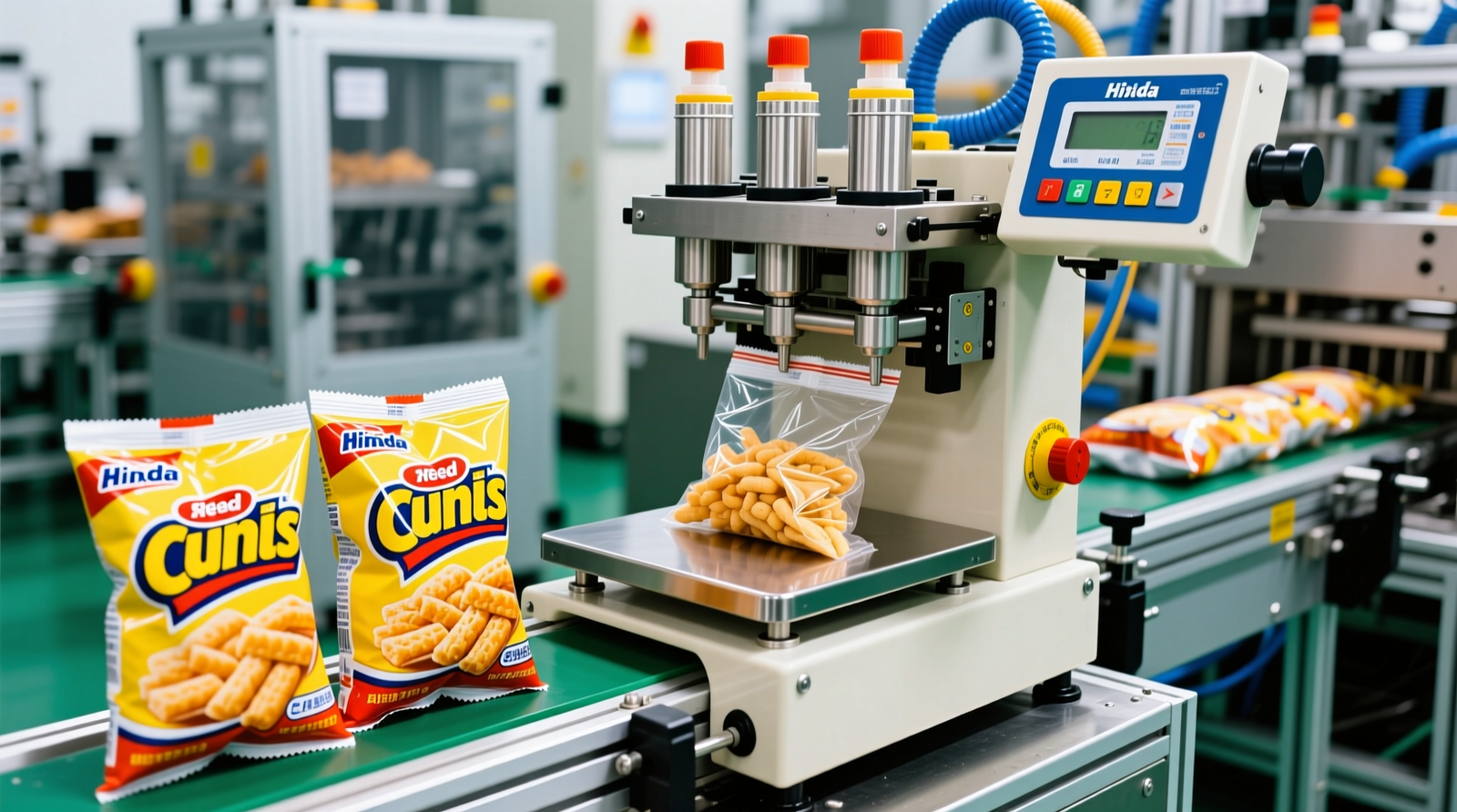
As integrated lines become software-defined, OEMs are shifting from one-time machine sales to lifecycle value. Buyers also benefit because service contracts can stabilize uptime and reduce emergency maintenance.
Common recurring revenue levers include:
- Software licenses and digital platforms
- Predictive maintenance and remote monitoring
- Performance-based service contracts and SLAs (service-level agreements)
- Training, upgrades, and line optimization services
Predictive maintenance (using sensor data to forecast failures) typically monitors vibration, temperature, pressure, current draw, and compressed-air usage. In packaging environments, the most frequent measurable gains come from earlier detection of:
- Bearing wear in conveyors and rotating equipment
- Misalignment in sealing/cutting stations
- Valve performance drift in fillers
- Compressed-air leaks and pressure instability
In practice, many plants report ~10–30% fewer unplanned stops after deploying condition monitoring on critical assets, though results vary by baseline maintenance maturity and sensor coverage.
Digital twin technology (a virtual model of a machine/line) is also expanding via:
- Virtual commissioning (testing PLC logic and motion profiles before installation)
- Changeover simulations for new SKUs
- Throughput bottleneck analysis and line balancing
This supports Lean/Industry 4.0 programs and can shorten commissioning timelines—especially on complex end-of-line systems with robotics and multiple infeed/outfeed conditions.
TL;DR: OEMs are monetizing software, SLAs, and predictive maintenance; end users benefit through fewer unplanned stops (often ~10–30% reduction) and faster commissioning via digital twins.
E-Commerce Expansion and Automated Packaging Systems
E-commerce and omnichannel fulfillment push packaging operations toward high-mix, variable-size orders—an ideal fit for automation designed around rapid changeovers and right-sized packaging.
Fulfillment operations commonly invest in:
- Automated cartoning and case packing systems
- Right-sizing solutions (automated dimensioning + box-on-demand) to reduce void fill and shipping costs
- Automated bagging and mailer systems
- High-speed sorting, labeling, and manifesting
Mini case example (3PL/e-commerce): A regional 3PL handling cosmetics, supplements, and small electronics deploys an automated right-sizing line that creates cartons to order dimensions, plus inline weigh-check and print-and-apply labeling. After tuning pack logic and carton cut patterns, the site targets ~10–25% corrugate savings and measurable parcel cost improvements by reducing dimensional weight charges (results depend heavily on carrier pricing and order mix).
Buyer implication: In e-commerce, the “best” packaging line is often the one that best controls total cost per shipped order (material + labor + parcel cost + damage returns), not simply the highest machine speed.
TL;DR: E-commerce growth accelerates demand for automated cartoning/case packing and right-sizing; many sites pursue ~10–25% material savings plus shipping-cost reductions through dimensional optimization.
Sustainability as a Core Driver of Machinery Innovation
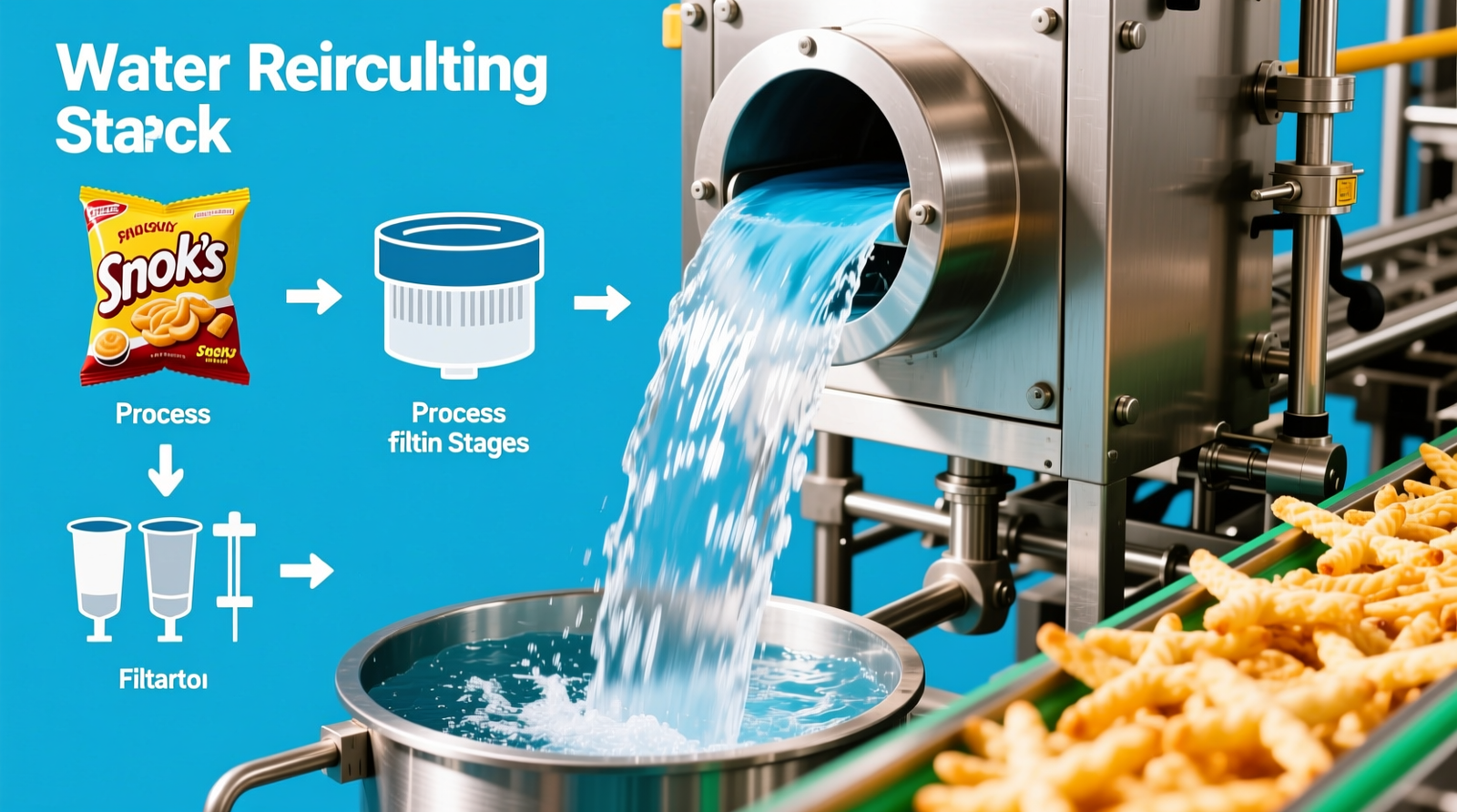
Sustainability is now a primary equipment specification, not a marketing add-on. Brand commitments, retailer scorecards, and environmental regulation are pushing more recycled content, mono-material structures, lightweighting, and recyclability-by-design.
Regulatory and policy signals shaping material choices:
- EU Single-Use Plastics Directive influencing material shifts and packaging design decisions
- EU packaging waste policy direction (recycling targets, design-for-recycling momentum)
To enable sustainable form-fill-seal solutions and other next-generation formats, machinery increasingly must run:
- Recyclable mono-material films (e.g., PE-based structures)
- Downgauged (thinner) films with tighter tension control
- Paper-based laminates and fiber-based structures
- Compostable materials (where appropriate and supported by local infrastructure)
These materials can be less forgiving than traditional laminates. Common engineering upgrades include:
- More precise temperature control for sealing bars
- Improved tension and web-handling control to prevent wrinkling/tearing
- Optimized jaw geometries and sealing dwell profiles via servo motion
- Inline inspection to catch seal defects early (vision + leak detection where applicable)
Practical benchmark: Many lightweighting and right-sizing initiatives aim for 5–15% material reduction on a given package over time; the limiting factor is often machinability and damage rates, not the material concept itself.
TL;DR: Sustainability is driving demand for machines that can reliably run mono-material and downgauged substrates; typical programs target 5–15% material reduction, enabled by tighter servo/web/seal controls and better inline inspection.
Segment Spotlight: Automation, Form-Fill-Seal, and Personal Care
To understand where spending concentrates, it helps to connect macro drivers (regulation, e-commerce variability, sustainability) to the specific machine types and end-use segments most affected.
Form-Fill-Seal (FFS) Machinery
FFS (form-fill-seal) machines form a package from rollstock or a preform, fill it, and seal it in a continuous or indexed process. FFS remains foundational across food, beverage, pharmaceuticals, and homecare—especially for high-speed pouching and sachet applications.
Why buyers choose FFS:
- Integrated forming, filling, and sealing
- High-speed operation with repeatable quality
- Lower labor intensity than manual/semi-automatic methods
- Strong fit for sustainable films when sealing and web control are engineered correctly
Common FFS formats include pillow bags, sachets, stick packs, stand-up pouches, and some thermoformed applications (depending on machine architecture).
Technology examples increasingly specified on new FFS RFQs (requests for quotation):
- Servo-driven jaws for precise dwell and seal consistency
- Multi-head weighers or auger fillers depending on product type
- Vision systems for print registration and seal area contamination detection
TL;DR: FFS remains a core growth engine—especially for flexible packaging—supported by servo control, better web handling, and inspection to run recyclable/downgauged films reliably.
Automated Packaging Machinery
Automated packaging machinery (standardized term used consistently here) refers to equipment that runs with minimal manual intervention using sensors, controls, and sometimes robotics. It is increasingly the baseline in high-volume, labor-constrained environments.
Key characteristics:
- Continuous operation with higher throughput stability
- Integrated sensors and in-process quality checks
- HMI (human-machine interface) for operator control and troubleshooting
- Remote monitoring and diagnostics
Implication for buyers: Automation value is maximized when it is specified at the line level (OEE targets, changeover time, scrap rate) rather than machine-by-machine.
TL;DR: Automated packaging machinery is now a baseline requirement in many sectors; the biggest gains come from line-level specs (OEE, changeovers, scrap), not isolated machine speed.
Homecare and Personal Care End-User Segment
Homecare and personal care demand strong aesthetics, dosing accuracy, and leak-free performance—often across many SKUs and seasonal variants.
Typical product types:
- Cosmetics and skincare
- Haircare
- Household cleaners and detergents
- Hygiene and personal health items
Key machinery requirements:
- Accurate filling for liquids, creams, gels, and viscous products
- Closure integrity (torque control, cap inspection)
- Premium labeling and coding quality
- Fast changeovers for high SKU counts
TL;DR: Personal care/homecare lines prioritize precision filling, leak prevention, premium presentation, and fast changeovers to handle high SKU variety.
Regional Outlook: Mature Hubs and Emerging Growth Markets
Regional demand reflects different mixes of regulation, labor cost pressure, manufacturing growth, and export requirements. Mature hubs tend to lead in high-precision, high-compliance equipment, while emerging markets drive volume growth and modernization.
Germany: Technological Leader
Germany holds a significant share supported by a strong mechanical engineering base and specialist OEM clusters. German suppliers are often associated with high-speed, high-reliability systems for regulated and demanding applications.
- Robotics integration for end-of-line
- Hygienic design for food and pharma
- High-speed FFS, cartoning, and inspection technologies
TL;DR: Germany remains a premium engineering hub for high-speed, hygienic, and high-precision packaging systems.
Asia: India and China Accelerate Expansion
Asia is expected to post the fastest growth through 2036, driven by manufacturing expansion, rising domestic consumption, and faster modernization from semi-automatic to fully automated lines.
India
- Rapid growth in food processing, pharmaceuticals, and FMCG manufacturing
- Expansion of organized retail and e-commerce logistics
- Government manufacturing initiatives (e.g., “Make in India”)
- Higher investment in packaging automation for export readiness and consistency
China
- Large-scale manufacturing ecosystem across multiple sectors
- Ongoing shift toward fully automated packaging systems
- Industry 4.0 adoption and smart factory investments
- Growing emphasis on sustainable packaging and premiumization
TL;DR: India and China are key growth engines through 2036, driven by manufacturing scale-up, modernization, and rising requirements for consistent, export-quality packaging.
United States and United Kingdom: Steady, High-Value Demand
The U.S. and U.K. remain high-value markets with strong adoption of automation to address labor constraints and compliance demands.
- Strong demand for sustainable packaging technologies
- Regulatory pressure in food, pharmaceuticals, and healthcare
- Rapid adoption of automation and robotics to address labor constraints
- High uptake of AI, machine learning, and digital twin approaches
TL;DR: The U.S. and U.K. prioritize high-value automation—especially AI-enabled reliability, sustainability compatibility, and compliance-driven inspection/traceability.
Japan: Precision, Robotics, and Advanced Automation
Japan is expected to grow at around a 4.0% CAGR through 2036, supported by precision engineering and advanced automation culture.
- High adoption of compact, space-efficient line designs
- Strong presence in electronics, food, and pharmaceutical manufacturing
- Emphasis on reliability, uptime, and long lifecycle equipment
TL;DR: Japan’s differentiation is precision, compact automation, and high-uptime packaging lines—particularly relevant for constrained factory footprints.
Competitive Landscape: Innovation and Strategic Partnerships
The competitive landscape is shaped by how effectively suppliers combine mechanics, controls, inspection, and service. Winning solutions typically prove measurable line outcomes: higher OEE, lower scrap, faster changeovers, and improved compliance documentation.
Competition centers on:
- Upgrades in automation, robotics, and motion control
- Integration of AI, IoT (Internet of Things) connectivity, and analytics
- Sustainability compatibility (mono-materials, downgauging)
- Partnerships and M&A to expand line-level capability
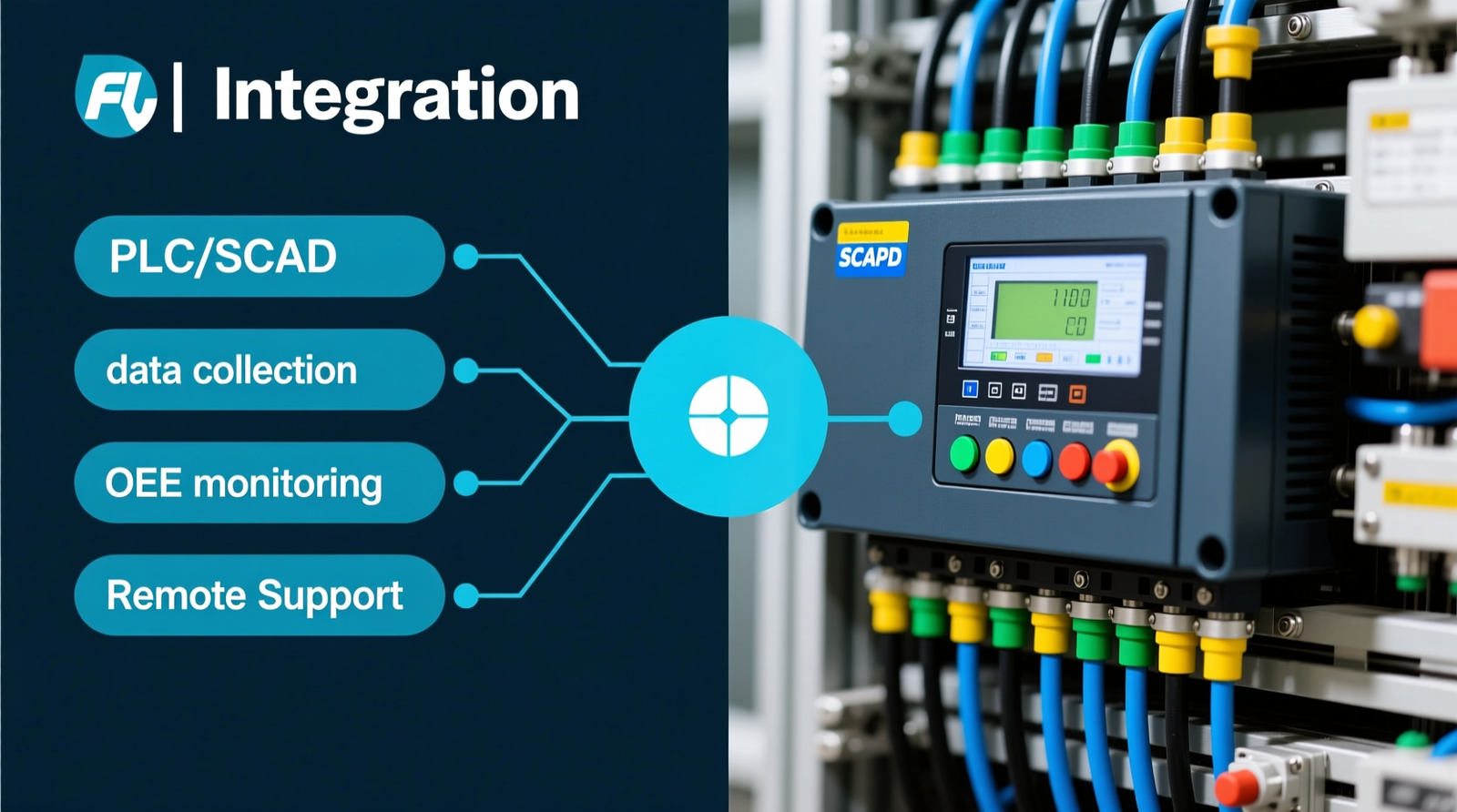
Leading platforms increasingly provide:
- Real-time OEE (Overall Equipment Effectiveness) monitoring
- Vision-based inspection and automated rejection
- Traceability and serialization for regulated industries
- Remote support with performance optimization
Cold chain (temperature-controlled logistics) and biologics packaging requirements are also pushing partnerships across packaging, inspection, and validation ecosystems—especially where packaging integrity and traceability are critical.
TL;DR: Competition is shifting from “best single machine” to “best measurable line outcome,” with OEE analytics, vision inspection, and compliance-ready traceability as key differentiators.
Key Trends Shaping the Packaging Machinery Market to 2036

Several trends will matter, but their quantitative impact differs. In many factories, the largest measurable gains typically come from (1) reliability (predictive maintenance + condition monitoring), (2) labor productivity (robotics/end-of-line), and (3) material reduction (right-sizing/downgauging). AI, digital twins, and hyper-flexibility amplify these gains when deployed with solid data and integration.
AI-Powered Packaging Lines
AI (artificial intelligence) is increasingly embedded in predictive maintenance, inspection, and adaptive line control. In packaging, AI value is highest when it is tied to specific failure modes (seals, label defects, component wear) and connected to a workflow for action.
- Predictive maintenance recommendations (reducing unplanned downtime)
- Automated quality inspection and defect detection
- Adaptive speed optimization and line balancing
TL;DR: AI has the biggest payoff when connected to actionable maintenance/quality workflows—often improving uptime and reducing quality-related stoppages.
Robotics and Collaborative Automation
Robotics adoption continues to expand across pick-and-place, packing, and palletizing. Common robot types include articulated, delta, and SCARA (Selective Compliance Assembly Robot Arm) robots. Cobots (collaborative robots) support flexible tasks where humans and robots share workspaces with safety controls.
In intralogistics, AGVs (automated guided vehicles) and AMRs (autonomous mobile robots) increasingly link packaging with warehousing and kitting.
TL;DR: Robotics delivers major labor and throughput stability gains—especially end-of-line—while AGVs/AMRs connect packaging to intralogistics for smoother flow.
Hyper-Flexible Packaging Systems
Hyper-flexibility is becoming a purchase criterion as SKU counts rise and product life cycles shorten. Core enablers include modular machine frames, quick-change tooling, recipe-driven servo settings, and standardized communications like OPC UA.
TL;DR: Hyper-flexible systems reduce changeover time and help plants profitably run smaller batches without sacrificing OEE.
Sustainable Packaging Compatibility
Compatibility with recyclable mono-material films, paper-based structures, and downgauged substrates is becoming baseline. Increasingly, machines are evaluated on their ability to maintain seal integrity and quality at speed with these harder-to-run materials.
TL;DR: Sustainability is no longer optional—machines must run recyclable/downgauged materials reliably with controlled sealing, web handling, and inspection.
Digital Twin and Virtual Commissioning
Virtual commissioning and digital twins reduce risk and accelerate ramp-up by validating controls logic and line behavior before physical installation. This can be especially valuable for multi-machine lines that must synchronize fillers, sealers, cartoners, and palletizers.
TL;DR: Digital twins and virtual commissioning shorten ramp-up and reduce integration risk—especially on complex, multi-machine intelligent packaging lines.
About Future Market Insights (FMI)
Future Market Insights, Inc. (FMI) is an ESOMAR-certified, ISO 9001:2015–certified market research and consulting organization serving global enterprises. With offices in the United States, the United Kingdom, India, and Dubai, FMI delivers insights across more than 30 industries and 1,200 markets, including packaging machinery.
TL;DR: FMI positions itself as a certified market intelligence provider covering global packaging machinery and related industrial sectors.
Conclusion

The packaging machinery market is transitioning from conventional equipment to intelligent, connected, and sustainable packaging ecosystems. Through 2036, the biggest winners will pair mechanical performance with software, connectivity, and lifecycle services—especially in pharmaceutical packaging machinery, food and beverage packaging automation, and e-commerce fulfillment.
Common implementation challenges (and how leaders address them):
- Integration complexity: Standardize protocols (e.g., OPC UA), define PackML states, and validate data tags early in FAT/SAT.
- Workforce upskilling: Combine OEM training with role-based digital work instructions and maintenance certification paths.
- Cybersecurity for connected machinery: Segment networks, manage remote access, and align with industrial security guidance such as NIST Cybersecurity Framework principles.
Implications for OEMs
- Design for serviceability and data: instrument critical assets, expose clean OPC UA data models, and package monitoring into tiered service plans.
- Prove outcomes: document OEE gains, scrap reduction, and changeover improvements with baseline-to-post metrics.
- Build “sustainable-ready” options: sealing/web-handling kits and qualification support for mono-material and downgauged substrates.
Implications for End Users
- Specify at line level: set targets for OEE, changeover time, scrap, and quality escape rate—not just machine speed.
- Phase in intelligence: start with condition monitoring on top downtime drivers, then expand to AI inspection and digital twin capabilities.
- Plan for validation and compliance: align documentation needs to your sector (e.g., FDA cGMP, EU MDR expectations where applicable).
TL;DR: The largest measurable gains typically come from reliability, robotics-driven labor productivity, and material reduction—enabled by standardized integration, training, and cybersecurity-ready connectivity.
FAQ
Q: What is the expected size of the global packaging machinery market by 2036?
A: The global packaging machinery market is projected to grow from about USD 67.7 billion in 2026 to approximately USD 105.2 billion by 2036, reflecting a CAGR of around 4.5% over the 2026–2036 forecast period.
Q: What machine types are typically included in an intelligent packaging line?
A: Intelligent packaging lines commonly integrate filling/dosing, sealing/capping, labeling/coding, vision inspection, cartoners or flow-wrappers, case packing, shrink-wrapping (where needed), and palletizing—connected via standardized controls and data (often using OPC UA) with centralized OEE monitoring.
Q: What is a typical ROI or payback period for automated packaging systems?
A: Payback varies by labor rates, uptime issues, and throughput needs, but many projects target roughly 12–36 months. Faster paybacks are common when automation eliminates chronic downtime, reduces labor dependency on multiple shifts, or significantly cuts packaging material and shipping costs (e.g., via right-sizing).
Q: How is AI changing packaging machinery and automated packaging lines?
A: AI enables predictive maintenance, automated vision inspection, anomaly detection, and adaptive line optimization. In many plants, AI-driven condition monitoring can reduce unplanned stops (often cited in the ~10–30% range depending on baseline maturity), while AI inspection reduces quality escapes and scrap by catching defects earlier.
Q: How can SMEs approach phased automation investments without overbuying?
A: SMEs can start by automating the most constraint-heavy steps (often end-of-line case packing/palletizing or inspection), selecting modular machines with servo-driven changeovers and standard connectivity (e.g., OPC UA). A practical approach is to define a 2–3 step roadmap: stabilize quality/inspection first, add throughput automation second, then add advanced analytics/digital twins once clean data is available.
Q: Why is sustainability important in the packaging machinery market?
A: Sustainability affects brand commitments, retailer requirements, and regulation, pushing recyclable mono-materials, downgauged films, and paper-based formats. Packaging machinery must maintain seal integrity and throughput while running these more challenging substrates, which drives demand for better web handling, sealing control, and inline inspection.