
Bucher Industries AG is a Swiss industrial group building mission-critical equipment across Kuhn Group agricultural machinery, municipal vehicles, hydraulics, and glass-forming automation (Emhart). For readers researching Bucher Aktie, the core story is how a diversified, engineering-led platform earns through both new equipment sales and long-life service.
Disclosure: This article is for informational purposes only and does not constitute investment advice.
Introduction: Bucher Industries AG in One View (Business Model & Key Divisions)
Bucher Industries AG turns specialized industrial machinery into durable, global businesses serving agriculture, city services, fluid power, and glass container production. Instead of consumer products, it supplies equipment that must perform reliably in demanding environments—fields, city streets, production lines, and OEM (original equipment manufacturer) machines.
For investors and operators, the appeal is straightforward: a portfolio of niche leaders with long equipment life cycles, high aftermarket demand (spare parts, retrofits, service), and a growing layer of automation and software.
For primary source material, Bucher’s latest results and strategy are best verified via the company’s investor relations and reporting pages: Bucher Industries AG – Investors.
TL;DR: Bucher combines niche industrial leadership with long-life equipment and service-heavy relationships—relevant for both operators evaluating total cost and investors evaluating Bucher Aktie quality.
The Core Industrial Problem Bucher Industries AG Solves
Bucher isn’t a consumer brand, but it sits behind systems people depend on daily: food production, clean streets, waste collection, industrial motion control, and automated glass container manufacturing.
The hard problem across these environments is consistent: raise productivity while reducing emissions, labor intensity, and unplanned downtime. Doing that requires more than rugged steel—it requires reliable machines plus controls, sensors, and service capability to keep assets productive for 10–20 years.
Bucher addresses the challenge through a group structure that spans multiple verticals:
- Kuhn Group (agricultural implements and precision farming integration)
- Municipal (sweepers, refuse collection, sewer cleaning)
- Bucher Hydraulics (hydraulic components and systems)
- Bucher Emhart Glass (glass-forming machines, inspection, line automation)
- Specialty technologies (selected niche systems and solutions)
TL;DR: Bucher’s “job” is enabling essential work (farming, municipal services, manufacturing) with reliable, increasingly automated equipment supported over long lifetimes.
Inside the Bucher Industries AG Platform (Divisions, Products, and Aftermarket)
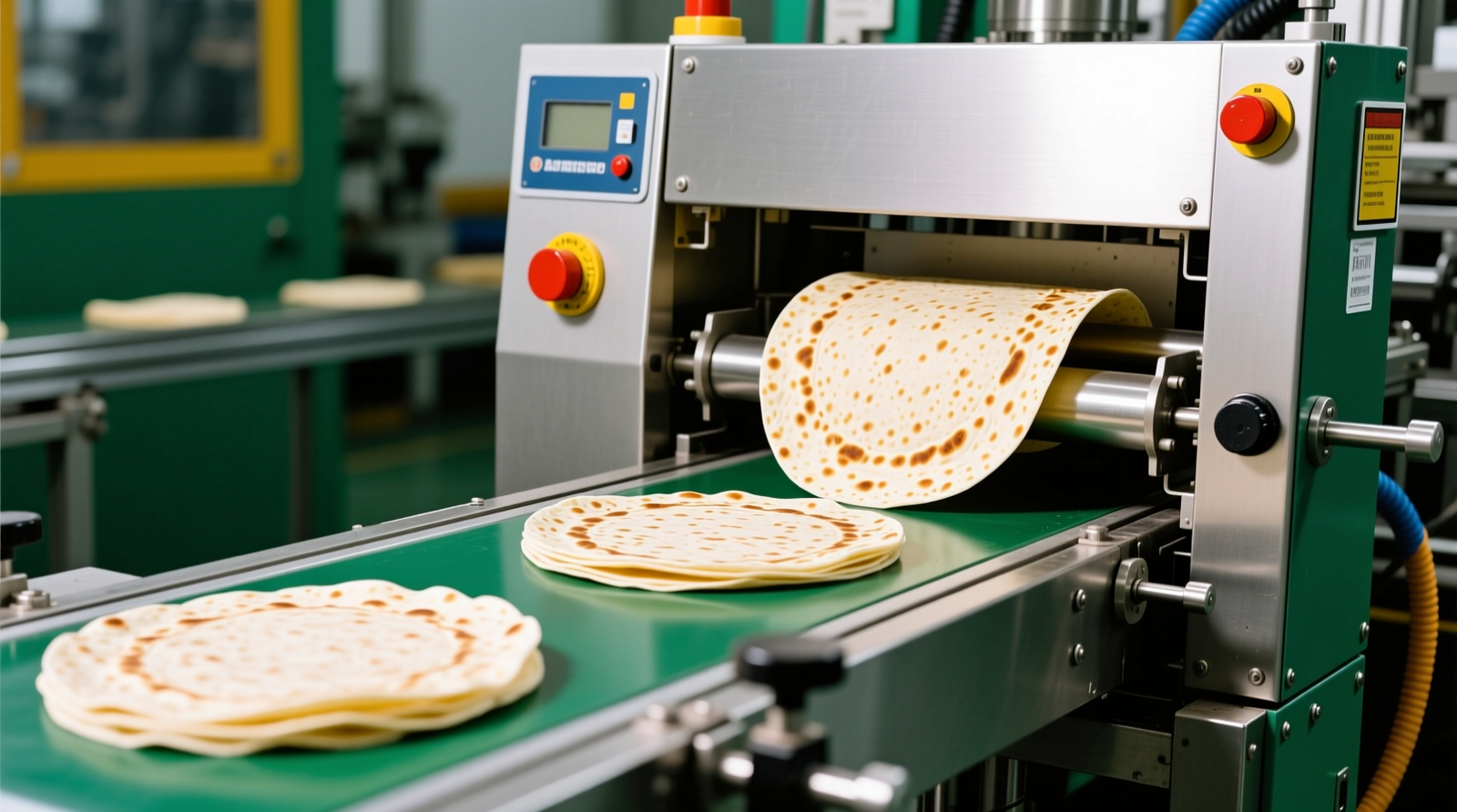
Think of Bucher less as a single manufacturer and more as a collection of specialized platforms. Each division wins by owning a mission-critical workflow and then extending that relationship through parts, service, retrofits, and—more recently—digital tools.
Aftermarket in this context means spare parts, wear parts, preventive maintenance, upgrades/retrofits (e.g., control updates, inspection modules), and service contracts. Operationally, this tends to look like planned service intervals, fast parts availability, and periodic modernization—especially where equipment is expected to stay in operation for more than a decade.
TL;DR: Bucher’s divisions sell equipment, but the durable advantage often comes from keeping installed machines running and improving them over time.
Kuhn Group Agricultural Machinery: Implements, Precision Farming, and Mixed-Fleet Compatibility
Kuhn Group is Bucher’s agricultural machinery division. It builds implements—machines pulled or mounted to tractors—that do the work in the field: tillage, planting/seeding, fertilizing/spraying, and hay & forage operations.
Precision agriculture often hinges on implements, not tractors. For example, a fertilizer spreader with accurate metering and section control can reduce overlap and input waste, even if the tractor is a different brand than the implement.
Where Kuhn tends to stand out is compatibility and specialization:
- ISOBUS integration (a standardized tractor–implement communication protocol; formally defined in ISO 11783). ISOBUS helps implements work across mixed fleets rather than locking farmers into a single brand ecosystem. Reference: AEF ISOBUS Database (Agricultural Industry Electronics Foundation).
- High-throughput hay & forage equipment tailored to contractors (where downtime during short weather windows is costly).
- Precision application features such as variable-rate control (adjusting application rate by field zone) and section control (switching boom/spreader sections on/off to avoid overlaps).
For example, a contractor running multiple tractor brands can prioritize an implement line that “just works” via ISOBUS with different terminals and guidance systems—reducing training burden and simplifying fleet planning.
TL;DR: Kuhn’s edge is implement specialization plus strong standards-based integration (ISOBUS), which matters in real farms with mixed fleets and tight operating windows.
Bucher Municipal Vehicles and Electrification: Sweepers, Sewer Cleaning, Refuse Collection
Bucher’s municipal portfolio includes compact and truck-mounted street sweepers, sewer cleaning/jetting vehicles, and refuse collection equipment—assets that cities operate daily, often under public scrutiny for noise, emissions, and service reliability.
Electrification is becoming more practical in certain duty cycles. For example, compact sweepers that operate in dense urban cores can benefit from battery-electric drivetrains due to predictable routes, stop-and-go operation, and growing low-emission-zone rules. Municipal buyers also increasingly ask for telematics (connected fleet data) to track utilization, maintenance needs, and route performance.
Operationally, this means:
- Telematics (vehicle connectivity for diagnostics and fleet optimization) supports planned maintenance instead of reactive repairs.
- Electrified platforms can reduce local emissions and nighttime noise—valuable for street cleaning in residential areas.
- Serviceability becomes part of the product: parts availability, standardized maintenance procedures, and training for municipal workshops.
For readers who want the broader regulatory context behind municipal electrification, the EU’s clean vehicle procurement framework is a useful reference point (even for non-EU cities benchmarking policy): European Commission – Clean Vehicles Directive.
TL;DR: Bucher municipal equipment competes on uptime and operating economics, with electrification and telematics increasingly shaping purchasing decisions.
Bucher Hydraulics Energy-Efficient Systems: Pumps, Valves, and Electrohydraulics
Bucher Hydraulics supplies hydraulic components and systems used in mobile machinery (construction, agriculture, material handling) and industrial equipment. Hydraulics is “hidden,” but it largely determines controllability, efficiency, and safety.
Key terms, defined:
- Hydraulics: power transmission using pressurized fluid.
- Electrohydraulics: hydraulic actuation combined with electronic control (sensors + controllers + valves), enabling finer control and automation.
- Load-sensing: a hydraulic control approach that adapts pump output to demanded load, improving efficiency versus constant-flow systems.
Practically, Bucher Hydraulics often works with OEMs to co-engineer subsystems—e.g., a compact power unit for an aerial work platform where space, noise, and energy consumption are tightly constrained. These are not “catalog-only” decisions; packaging, heat management, and control tuning matter in real machines.
For background on fluid power technology and industry-standard definitions, see: National Fluid Power Association (NFPA).
TL;DR: Bucher Hydraulics competes by engineering application-specific systems—especially electrohydraulic and efficiency-focused solutions embedded in OEM machines.
Bucher Emhart Glass Automation: IS Machines, Inspection, and Typical Installation Scenarios

Bucher Emhart Glass supplies equipment used in glass container production—bottles and jars for beverages, food, and pharmaceuticals. Glass manufacturing is energy-intensive and quality-sensitive, so automation and inspection are central to profitability.
Key terms, defined:
- IS machine (Individual Section machine): a modular glass-forming machine where multiple sections form containers in parallel for high throughput.
- Installed base: the population of machines already operating at customer sites, which drives long-term parts/service demand.
A typical Emhart installation scenario could involve a glass plant modernizing a forming line by adding upgraded inspection systems and controls first (to reduce scrap and stabilize quality), then later scheduling a forming machine retrofit during a planned shutdown. This sequencing matters: glass producers often prioritize interventions that pay back quickly through yield improvement before committing to larger capex (capital expenditure) steps.
To understand the sustainability drivers behind glass (recyclability, material circularity), this industry resource provides useful context: FEVE – The European Container Glass Federation.
TL;DR: Emhart sells high-automation forming and inspection systems, and the service/retrofit cycle around installed lines is a key part of the business.
Bucher Industries AG Business Model: Revenue Mix, Geography, and Service Economics
Stepping back from the product catalog, Bucher’s business model is built on (1) niche-leading equipment and (2) long-duration customer relationships driven by service, parts, and modernization.
Revenue mix by division shifts year to year, but investors typically see:
- Kuhn (agriculture) as the largest contributor in many years.
- Municipal as a meaningful stabilizer with steady fleet replacement needs.
- Hydraulics tied to OEM cycles across multiple industries.
- Emhart Glass more project/capex-driven, with aftermarket smoothing over time.
Geographic exposure is broadly international (Europe plus North America and other markets), which helps diversify end-market cycles but introduces currency and regional demand risks. For precise figures and segment reporting, rely on the latest annual report and segment notes from Bucher directly: Bucher Industries – Publications.
Aftermarket and service often includes:
- Spare parts programs designed around fast availability for high-wear items (e.g., agricultural wear parts, sweeper consumables, inspection spares).
- Planned maintenance contracts or framework agreements for municipal fleets.
- Retrofits/upgrades (controls, inspection, energy-efficiency modules) for long-lived assets, especially in glass.
TL;DR: The investment logic is not just “sell machines”—it’s “build installed base, then monetize uptime, modernization, and compliance needs over many years.”
Competitive Landscape: Bucher Industries AG vs. Industrial Rivals (Linked to the Platform)

Now that the platform is clear, competition becomes easier to map. Bucher faces best-in-class specialists and diversified giants across each vertical—and its strategy tends to emphasize category depth, standards-based integration, and lifecycle support rather than “one-brand-does-everything.”
TL;DR: Competition is segmented; Bucher’s defenses come from specialization, compatibility, and service intensity rather than consumer-style brand power.
Kuhn Group Agricultural Machinery Competition: Deere, CNH, AGCO
In implements, Kuhn competes with agricultural ecosystems and product portfolios from players such as Deere & Company, CNH Industrial (Case IH / New Holland), and AGCO (Fendt / Massey Ferguson).
For example, John Deere can pair its implements tightly with its own digital platform. Kuhn’s counter-position is often mixed-fleet practicality: farms in Europe and elsewhere frequently operate multiple tractor brands, and ISOBUS-based integration reduces lock-in risk.
TL;DR: Kuhn competes against integrated OEM stacks by leaning into implement specialization and mixed-fleet compatibility via standards like ISOBUS.
Bucher Municipal Equipment Competition: FAUN, Boschung, and Other Specialists
In municipal vehicles, competition includes specialists such as FAUN and Boschung (plus regional players depending on country and procurement rules). The purchasing process is typically formal, specification-heavy, and influenced by local emissions requirements and service capability.
A city fleet manager may compare not only acquisition price, but also downtime history, parts availability, training, and whether telematics data can feed an existing fleet system.
TL;DR: Municipal competition is won in the details—service network, uptime, and fleet integration often matter as much as vehicle specs.
Bucher Hydraulics vs. Bosch Rexroth and Parker: Application Engineering vs. Breadth
In fluid power, competitors include large portfolios like Bosch Rexroth and Parker Hannifin. Where global giants offer breadth and scale, Bucher Hydraulics often emphasizes tailored engineering for specific machine platforms.
Operationally, a smaller, focused supplier can sometimes move faster on packaging constraints, control tuning, and co-development—especially when the customer needs a subsystem designed around real duty-cycle data rather than a generic configuration.
TL;DR: Bucher Hydraulics competes with giants by focusing on application fit and co-engineering rather than maximum product breadth.
Bucher Emhart Glass Competition: Automation Depth and Line-Level Integration
Glass-forming equipment is a more concentrated niche with regional and private competitors. Emhart’s strength is often framed around line-level know-how—forming plus inspection plus controls—and the ability to support modernization over the line’s life.
TL;DR: In glass automation, Emhart’s advantage is integrated forming/inspection/control capability and a service-driven relationship with the installed base.
Why Bucher Industries AG Wins: Operational Advantages That Translate to Financial Durability
Bucher’s edge is rarely about being the loudest or cheapest. It tends to win where customers value reliability, serviceability, and productivity improvements that are provable in the field or on the factory floor.
TL;DR: Bucher competes with engineering depth and lifecycle execution—advantages that show up over years, not in a single sales brochure.
Engineering Leverage Across Divisions (Hydraulics, Controls, Automation)

Although divisions serve different customers, several technology building blocks repeat: motion control, power management, electronics, and diagnostics. Over time, know-how can migrate—e.g., control concepts proven in high-uptime industrial environments can influence reliability approaches in municipal fleets.
TL;DR: Cross-division engineering reuse helps Bucher compound know-how and shorten learning curves across markets.
Software, Telematics, and Digital Services: From Machines to Managed Assets
Bucher increasingly pairs hardware with digital layers: remote diagnostics, usage tracking, and optimization tools. In municipal fleets, that may mean telematics dashboards and maintenance planning. In agriculture, it often means implement control integration and documentation. In glass, it can mean process monitoring and inspection analytics.
A practical example: a connected sweeper fleet can reveal that certain routes cause higher component wear, prompting preventive maintenance scheduling or route redesign—reducing breakdowns during peak demand seasons.
TL;DR: Digital services make equipment more “manageable,” reducing downtime and strengthening customer relationships beyond the initial sale.
Lifecycle Support and Installed Base: How Bucher Monetizes 10–20 Year Assets
Many Bucher machines and systems stay in service for a decade or more. That creates a predictable need for:
- Wear parts and consumables
- Planned maintenance
- Retrofits (controls, safety upgrades, efficiency improvements)
- Training and service documentation
For example, a glass plant may keep an IS machine platform running while upgrading inspection and controls in phases during planned shutdowns—extending life while keeping quality and efficiency competitive.
TL;DR: Long equipment lifetimes create recurring service and retrofit opportunities that smooth the cyclicality of new equipment demand.
Bucher Industries AG Financial Performance: What Typically Matters to Investors
Investors evaluating Bucher Industries AG typically focus on a small set of indicators because they connect directly to the platform described above:
- Order intake and backlog (forward visibility for equipment-heavy divisions)
- Operating margin profile across cycles (pricing power and cost discipline)
- Aftermarket/service share (recurring resilience)
- Cash conversion (working capital discipline in cyclical businesses)
To validate reported figures and segment commentary, use the company’s official reporting: Bucher Industries – Annual Report & Publications.
TL;DR: Backlog, margins, aftermarket strength, and cash conversion are the key “signal metrics” behind Bucher’s long-cycle industrial model.
Bucher Aktie Investment Case: Structural Drivers vs. Cyclical Risks (Illustrative Only)
Linking the business to Bucher Aktie means separating structural tailwinds from cyclicality. Structural drivers include precision agriculture adoption, municipal decarbonization, automation in manufacturing, and efficiency demands in fluid power.
Cyclical swings still matter. Agriculture can cool when farm incomes fall, OEM production schedules can soften hydraulics demand, and glass investments can pause when beverage volumes weaken or energy costs spike.
Important: Any share-price level mentioned on the internet is time-sensitive. If you see references to “mid-to-high triple-digit CHF” or similar, treat them as illustrative, not current. For real-time pricing, check official and major market data sources such as the SIX Swiss Exchange share explorer (Bucher Industries).
TL;DR: The stock’s story mixes durable themes (automation, efficiency, municipal resilience) with real cyclicality—especially in agriculture and capex-heavy segments.
Risks and Limitations: What Could Go Wrong
A balanced view of Bucher Industries AG includes execution and market risks:
- End-market cyclicality: agriculture, industrial OEM demand, and glass capex cycles can all downturn.
- Technology disruption: propulsion shifts (battery-electric, fuel cell, alternative fuels) and competing automation architectures could change cost structures and product roadmaps.
- Software execution: adding digital services to a hardware-centric base requires new capabilities (cybersecurity, data governance, UX, cloud integration) and can be hard to scale profitably.
- Supply chain and cost inflation: components, electronics, and logistics constraints can pressure delivery schedules and margins.
- Regulatory shifts: emissions and safety rules can create opportunity, but also compliance cost and redesign burden.
TL;DR: Bucher’s strengths don’t eliminate risk—cycles, tech shifts, and the complexity of scaling software/services are the main watch items.
Conclusion
Bucher Industries AG is a diversified industrial platform built around essential workflows: farming, municipal services, motion control, and glass container automation. Its differentiation is practical—reliable machines, standards-based integration, and the ability to support and modernize equipment across long life cycles.
For operators, that translates into predictable uptime and serviceability. For investors researching Bucher Aktie, it translates into a portfolio with structural tailwinds and an installed-base economics layer, tempered by normal industrial cyclicality.
TL;DR: Bucher is a “quiet compounder” style industrial—niche leadership plus long-life service economics, with cyclical swings that require patience and risk awareness.
FAQ
Q: What is Bucher Industries AG’s business model in plain English?
A: It sells specialized industrial machines (farm implements, municipal vehicles, hydraulics systems, glass-forming equipment) and then earns additional revenue for many years through parts, service, upgrades, and retrofits for that installed base.
Q: How cyclical is Bucher Industries AG’s revenue?
A: Parts of the group are cyclical—especially agricultural equipment and OEM-driven hydraulics. Municipal fleet demand and aftermarket/service revenue typically provide some stability, but results can still move meaningfully with end-market conditions.
Q: What differentiates Kuhn Group’s precision farming approach from OEM-integrated systems?
A: Kuhn often emphasizes implement specialization and cross-brand compatibility via standards like ISOBUS (ISO 11783). That can be attractive for farms running mixed tractor fleets, versus systems optimized around a single OEM ecosystem.
Q: Where can I find official information on Bucher Industries AG financial performance?
A: Use Bucher’s investor relations publications (annual report, half-year report, presentations): Bucher Industries – Publications.
A: Check a real-time market source such as the SIX Swiss Exchange listing page for Bucher Industries: SIX Share Explorer – Bucher Industries.