
Introduction: Microplastics in Human Brain Tissue and Why Ultra-Processed Foods Matter
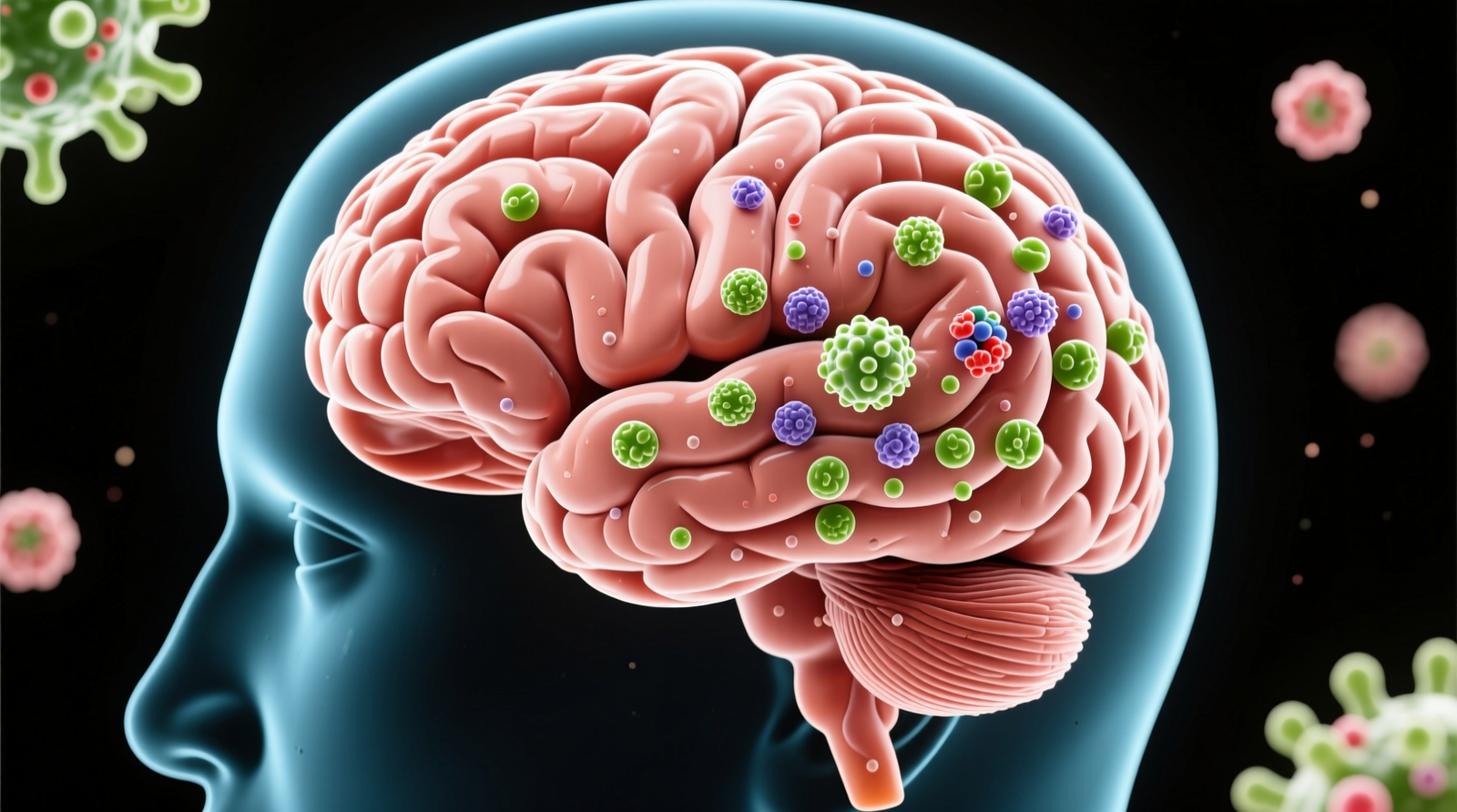
Researchers are now reporting measurable microplastics and nanoplastics in human brain tissue. Microplastics are plastic particles <5 millimeters, while nanoplastics are much smaller particles (typically <1 micrometer), which are more likely to enter cells and interact with subcellular structures.
One of the most discussed recent datasets is a University of New Mexico (UNM) research effort led by Matthew Campen and colleagues, published in Nature Medicine (UNM/Campen et al., 2024). In that work, investigators analyzed postmortem human tissues and reported that plastic-associated signals in some brain samples were substantial. Importantly, the findings come from a defined postmortem sample (i.e., a limited number of donors and a specific geographic catchment), and like many tissue biobanks, the dataset can be affected by selection bias (who donates), regional exposure patterns, and postmortem interval (time between death and tissue preservation), all of which can influence measurements and interpretation.
Methodologically, these studies generally rely on analytical chemistry and materials-identification techniques—such as pyrolysis gas chromatography–mass spectrometry (pyrolysis–GC/MS), Raman microscopy, and/or Fourier-transform infrared (FTIR) spectroscopy—to detect polymer types and quantify plastic-associated markers while attempting to control for laboratory contamination.
Microplastics are widespread in air, water, and soil; diet is increasingly viewed as one important exposure pathway, and ultra-processed foods may be a meaningful contributor because of repeated contact with plastics during industrial processing and packaging. However, dietary exposure is not the only route: inhalation (indoor dust, synthetic textiles) and drinking water can also be significant sources.
- Key takeaways: Microplastics and nanoplastics have been reported in human brain tissue (UNM/Campen et al., 2024).
- Key takeaways: Detection typically uses spectroscopy and/or pyrolysis–GC/MS; contamination control and sampling limitations matter.
- Key takeaways: Ultra-processed foods are a plausible exposure route, but inhalation and water also contribute.
TL;DR: Evidence for microplastics in human brain tissue is emerging (notably UNM/Campen et al., 2024), measured with advanced analytical methods, and diet—especially ultra-processed foods—may be a major (but not exclusive) exposure pathway.
How Ultra-Processed Foods May Increase Dietary Microplastic Exposure
Ultra-processed foods (UPFs) are industrial formulations made largely from refined ingredients and additives, typically requiring multiple manufacturing steps and extensive packaging. UPF intake is high in several high-income countries; estimates suggesting that UPFs contribute ~50% or more of daily calories in places like the U.S. and U.K. are commonly derived from large dietary surveillance and cohort analyses using the NOVA food-classification system (e.g., Monteiro et al., 2019; see overview resources from Harvard T.H. Chan School of Public Health). Exact percentages vary by study design, year, and demographic group.
UPFs can accumulate microplastics through repeated contact with plastic surfaces and components across the supply chain:
- Plastic agricultural films, irrigation lines, and storage materials
- Plastic or polymer-containing feed/water components in animal production
- Food-processing contact materials (tubing, gaskets, conveyor belts, mixers)
- Bulk transport liners, bins, and retail packaging
Food contamination is not limited to UPFs. Some minimally processed foods can also contain microplastics—seafood and sea salt are frequently cited examples due to environmental contamination. That said, UPFs may create higher cumulative exposure because the food typically encounters more processing steps, more machinery, and more packaging.
When comparing “like-for-like” foods (e.g., breaded/reformed products versus fresh cuts), multiple studies have reported higher particle counts in more processed items. For example, one widely cited comparison reported much higher microplastic counts in processed poultry products (e.g., nuggets) than in minimally processed poultry, consistent with the hypothesis that processing and packaging increase contamination opportunities. Exact counts can vary substantially depending on detection method, particle-size cutoff, and contamination controls—so results should be read as indicative rather than universally precise.
TL;DR: UPFs often account for a large share of calories in some countries and may raise dietary microplastic exposure because they pass through more plastic-intensive processing and packaging—though seafood, salt, water, and inhalation can also contribute.
How Microplastics and Nanoplastics Could Reach the Brain (Plausibility, Not Proof)
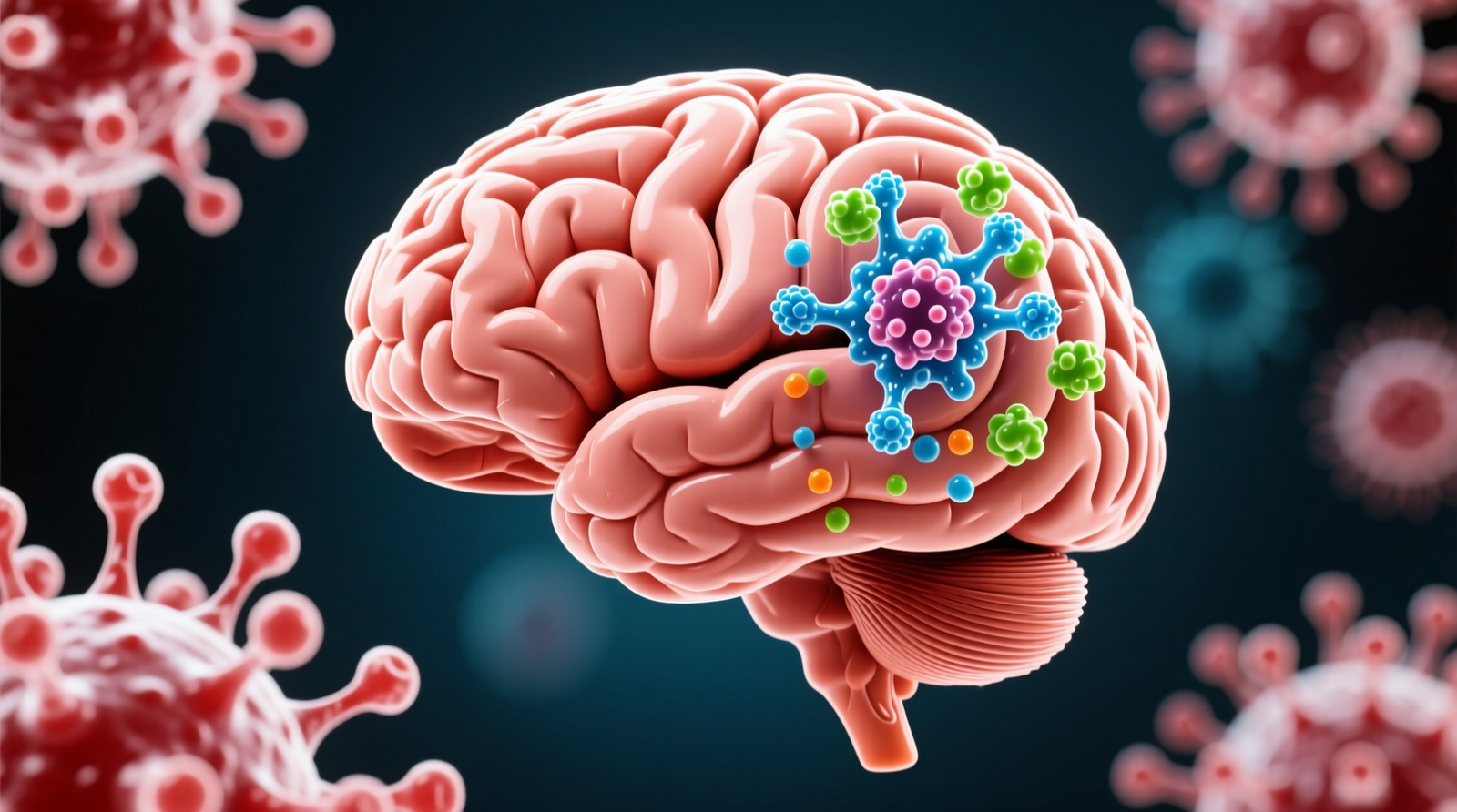
Finding microplastics in the body does not automatically explain how they got there. Mechanistically, researchers propose several plausible transport pathways from the gut to the bloodstream and potentially to the brain.
Crossing the gut barrier: After ingestion, nanoplastics are considered more likely than larger microplastics to cross intestinal barriers because they can be taken up by cells. Proposed mechanisms include:
- Transcytosis (cellular “shuttling” across intestinal epithelial cells, including via M cells over Peyer’s patches)
- Paracellular transport (passing between cells when tight junction integrity is impaired—e.g., during inflammation)
- Association with biomolecules (a “protein corona”) and/or lipoproteins, potentially altering transport and distribution
Crossing the blood–brain barrier (BBB): The BBB is a selective interface that protects the brain. Animal and in vitro studies suggest nanoscale particles may cross via:
- Receptor-mediated transcytosis (binding to transport pathways on BBB endothelial cells)
- Adsorptive transcytosis (driven by surface charge interactions)
- Inflammation-mediated permeability changes that may temporarily weaken barrier function
In general, nanoplastics are considered more likely to enter cells and cross barriers; larger microplastics may be more likely to remain in the gut lumen or extracellular spaces (though fragments can span a range of sizes and shapes). The key point for readers: current evidence supports biological plausibility, but transport pathways in humans—and how often they occur at real-world exposure levels—remain active research questions.
TL;DR: Nanoplastics are more likely than larger microplastics to cross the gut barrier and potentially the BBB via transcytosis and related pathways, but human dose–transport relationships are still uncertain.
Evidence Overview: Microplastics in Human Brain Tissue and the Role of Ultra-Processed Foods
A notable focus in this area is a special issue of Brain Medicine (special issue context, 2024) that assembled multiple papers discussing microplastics and nanoplastics in the nervous system, including diet-related exposure hypotheses and measurement challenges. Within that collection, authors emphasized that ultra-processed foods are emerging as a major route of ingestion because of processing and packaging intensity—while reiterating that inhalation and water exposure can also be important.
For readers who want broader public-health context on plastics and exposure pathways, the World Health Organization (WHO) has published an accessible evidence review on microplastics in drinking water (WHO, 2019): https://www.who.int/publications/i/item/9789241516198. The WHO report highlights uncertainties, including measurement variability and the need for standardized methods.
TL;DR: A 2024 Brain Medicine special issue and WHO assessments emphasize that brain-related concerns are plausible and worth studying, with UPFs as a likely dietary contributor—but the evidence base is still evolving and needs standardization.
Disease-Specific Focus: Microplastics and Dementia Risk (Association, Multifactorial Reality)
To shift from “general evidence” to “disease-specific findings,” it’s important to be explicit: dementia is multifactorial, involving genetics, vascular risk, neuroinflammation, lifestyle, and other exposures. Microplastics are currently best described as a hypothesized contributor, not a confirmed cause.
In the UNM/Campen et al. 2024 postmortem dataset, researchers reported that brain samples from individuals diagnosed with dementia showed higher plastic-associated measurements than those without dementia (reported as roughly 3–5× higher in that dataset). They also reported signal enrichment in lipid-rich regions such as myelin (the fatty insulation around nerve fibers that supports rapid electrical signaling).
Key scientific transparency points:
- Sample size and representativeness: Postmortem brain studies typically involve limited donor numbers and a specific regional donor pool, which can introduce geographic and socioeconomic exposure bias.
- Postmortem interval and handling: Time-to-preservation and collection/processing materials can influence contamination risk and measurements, even with careful controls.
- Directionality: Higher plastic-associated markers in dementia could reflect reverse causation or confounding (e.g., differences in diet, physiology, medication, or BBB integrity), not necessarily causation.
Regarding the frequently repeated “~50% increase in eight years” claim: it should be interpreted as a comparison between sample sets from different years (e.g., 2016 vs 2024) within a similar analytical framework and region, rather than a precise global trend line for all populations. This is an important distinction to prevent overgeneralization.
TL;DR: UNM/Campen et al. (2024) reported higher plastic-associated measurements in dementia brains and an apparent increase between 2016 and 2024 samples, but dementia has many causes and the current evidence is associative with notable postmortem-study limitations.
Potential Biological Effects: Particles, Additives, and “Trojan Horse” Chemistry
Microplastics and nanoplastics can be relevant for two broad reasons: (1) the particles themselves and (2) the chemicals associated with plastics (either additives in the polymer matrix or pollutants that sorb onto particle surfaces).
Plastic-associated chemicals often discussed include:
- Phthalates (plasticizers that make some plastics flexible)
- Bisphenols such as BPA (bisphenol A) and replacements like BPS (bisphenol S)
- Some flame retardants, stabilizers, and pigments
Exposure and regulation are not uniform globally. For example, BPA has been restricted in certain products in multiple jurisdictions, and regulatory positions continue to evolve (see the European Food Safety Authority (EFSA) bisphenols topic page). This matters because “plastic chemical exposure” depends on polymer type, product category, geography, and time period.
Particle-driven effects proposed in experimental systems include:
- Immune activation and chronic inflammation
- Oxidative stress (imbalance between reactive oxygen species and antioxidant defenses)
- Mitochondrial dysfunction (effects on cellular energy production)
Animal and cell studies support plausibility, but translating these findings to human brain outcomes requires careful attention to realistic doses, particle sizes (micro vs nano), polymer chemistry, and exposure duration.
TL;DR: Potential harms come from both the particles and their associated chemicals; some additives are increasingly regulated, and experimental evidence suggests plausible inflammatory/oxidative pathways, but human outcome data remain limited.
Why Nanoplastics Deserve Separate Attention (Microplastics vs Nanoplastics)
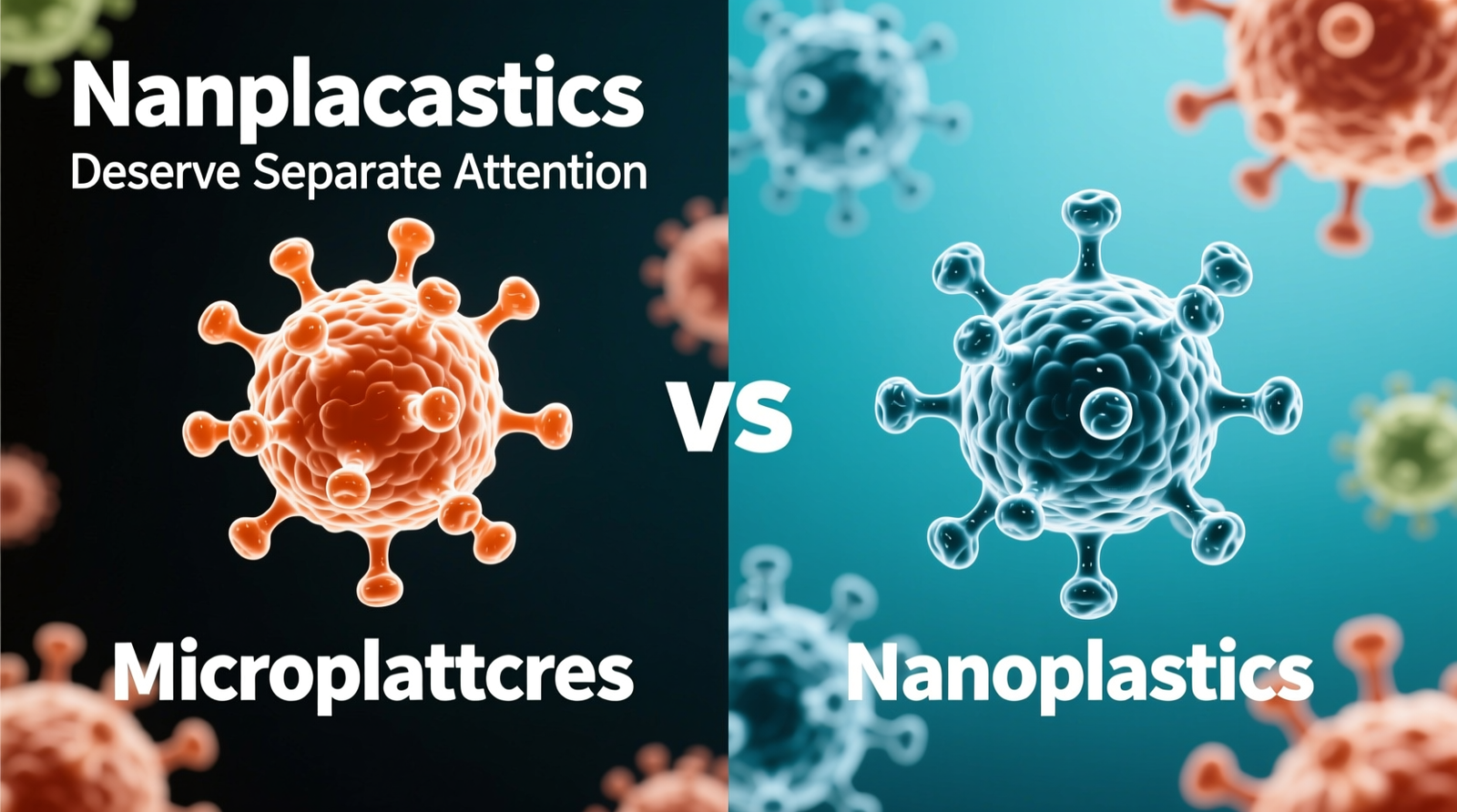
It’s useful to keep terminology consistent: microplastics are larger particles (<5 mm) and often remain extracellular; nanoplastics are much smaller and are more likely to enter cells, cross barriers, and interact with proteins and membranes.
In UNM/Campen et al. (2024), a dominant polymer signal was reported for polyethylene (PE), a common packaging plastic. The authors described morphology consistent with environmentally aged fragments rather than pristine lab material—supporting the interpretation that these signals reflect real-world exposure. Even so, polymer identification and quantification in complex tissues remain technically challenging, and harmonized protocols are still developing across laboratories.
TL;DR: Nanoplastics are more biologically mobile than microplastics; UNM/Campen et al. (2024) reported PE as a dominant polymer signal in brain samples, but measurement standardization remains a key challenge.
Practical Exposure Reduction: Diet, Packaging, and Water (Actionable, Not Alarmist)
Because the science is still developing, the most reasonable personal strategy is risk-reduction, not perfection. Diet is one controllable lever—especially for people with high UPF intake—but it should be viewed alongside indoor air/dust and water exposures.
Choose more minimally processed meals (with concrete swaps)
- Swap: Instant noodles → quick-cooking oats or bulgur + frozen vegetables + canned beans (rinsed) + olive oil/spices.
- Swap: Packaged snack cakes/bars → plain yogurt (preferably in a larger container to reduce packaging per serving) + fruit + nuts.
- Swap: Frozen ready meals → sheet-pan meal (chicken/tofu + chopped vegetables + potatoes) cooked once for 2–3 servings.
These swaps also align with evidence on ultra-processed food health risks such as cardiometabolic outcomes—separately from microplastic exposure—providing “dual-benefit” rationale for many readers.
Reduce plastic contact during heating and storage
- Avoid microwaving food in plastic containers or under plastic wrap; transfer to glass or ceramic first.
- For hot and oily foods (which can increase chemical migration), prefer stainless steel or glass storage.
- If plastic packaging is unavoidable, minimize heat and time-in-contact, especially for hot foods.
Consider water filtration (with realistic expectations)
Some home filtration approaches (often fine-pore filters, depending on design) may reduce particle loads in drinking water, but performance varies widely by filter type, pore size, maintenance, and local water conditions. The evidence base is evolving, and filtration should be framed as a potential exposure reduction step, not a guaranteed solution. For background on drinking-water concerns and uncertainties, see the WHO (2019) microplastics in drinking water report.
TL;DR: The most practical steps are to reduce UPFs, avoid heating food in plastic, and consider well-maintained filtration—while remembering inhalation and water can also contribute to overall exposure.
System-Level Changes: What Industry and Policy Can Do

Individual choices can help, but reducing population exposure also depends on upstream changes:
- Reducing unnecessary plastic use (especially single-use packaging where alternatives exist)
- Improving waste management to limit fragmentation into microplastics
- Safer food-contact materials and stronger oversight of processing equipment
- Standardized testing methods for microplastics and nanoplastics in foods and tissues
Some experimental ideas (e.g., blood-filtration concepts) have been discussed in the research ecosystem, but they are not established clinical approaches and should not be viewed as near-term solutions.
TL;DR: Durable risk reduction requires better materials, better waste systems, and standardized monitoring—not just individual diet changes.
Tools and Metrics: The Proposed “Dietary Microplastic Index” (Clear Attribution)
Within the Brain Medicine special issue (special issue context, 2024), authors proposed a concept termed a Dietary Microplastic Index (DMI) in the context of creating standardized ways to estimate ingestion from diet patterns—especially differentiating ultra-processed versus minimally processed intake and accounting for packaging and processing contact points. In that proposal, the index was framed as a research and public-health tool to:
- Estimate relative microplastic ingestion based on food-category frequency and portion patterns
- Identify high-contribution food categories (often UPFs, but not exclusively)
- Enable clearer comparisons across studies and populations
Because methodologies and detection thresholds vary substantially across laboratories, any index like DMI is best viewed as a work-in-progress framework that will require validation against real measurements (e.g., stool, blood markers, or standardized food assays) and harmonized analytical protocols.
TL;DR: A 2024 Brain Medicine special issue proposed a “Dietary Microplastic Index” as a way to standardize diet-based exposure estimation, but it still needs validation and consistent measurement methods.
Uncertainties and Research Gaps (What We Still Don’t Know)

Despite rapid progress, several key unknowns remain:
- Dose–response: What levels and durations of exposure meaningfully change human health risk?
- Thresholds: Are there “safe” thresholds for brain-relevant exposure, and do they differ by age or health status?
- Long-term cognitive outcomes: Do higher exposures predict cognitive decline in prospective human cohorts?
- Polymer specificity: Do certain polymer types (or shapes/surface chemistries) pose higher biological risk?
- Best measurement standards: How should labs harmonize protocols to make results comparable and reproducible?
Most human evidence at present is cross-sectional (snapshots) or postmortem, which is valuable for detection but limited for proving causality. Stronger inference will likely require prospective cohort studies and standardized exposure biomarkers.
TL;DR: We still lack clear dose–response data, long-term human cognitive outcome studies, and standardized measurement methods—so conclusions about causation should remain cautious.
Conclusion: What the Evidence Supports Today
The detection of microplastics in human brain tissue (including reports from UNM/Campen et al., 2024) is a serious scientific signal that warrants careful follow-up. The most defensible interpretation today is not that ultra-processed foods are “delivering plastic to the brain” in a proven causal way, but that UPFs may be a major dietary route of exposure because of intensive processing and packaging—while inhalation and water remain important co-exposures.
Early postmortem associations, including higher plastic-associated measurements in dementia brains in one dataset, are important and hypothesis-generating. But microplastics and dementia risk remains an open question in a multifactorial disease landscape, and causation has not been established.
- Reduce UPFs where practical and increase minimally processed meals
- Limit heating and long storage of hot/oily foods in plastic
- Consider filtration as a potential (variable) way to reduce drinking-water particle exposure
- Support system-level changes that reduce plastic use and improve monitoring
TL;DR: Microplastics in brain tissue are now being reported with modern analytical methods; UPFs may raise dietary exposure, but causation (including dementia causation) is unproven—so focus on practical exposure reduction and better system-level controls.
FAQ

Q: What’s the difference between microplastics and nanoplastics in terms of health relevance?
A: Microplastics are particles smaller than 5 mm and are often more likely to remain in the gut or extracellular spaces. Nanoplastics are much smaller (often <1 micrometer) and are considered more likely to enter cells and cross barriers (like the gut lining and possibly the blood–brain barrier), which makes them a major focus for mechanisms research.
Q: Do ultra-processed foods contain more microplastics than whole foods?
A: Many studies suggest more heavily processed foods can contain higher microplastic counts, likely due to repeated contact with processing equipment and packaging. However, results vary by food type and measurement method, and some minimally processed foods (like seafood and sea salt) can also contain microplastics due to environmental contamination.
Q: Is there proof that microplastics in the brain cause dementia?
A: No. Postmortem findings (including UNM/Campen et al., 2024) report higher plastic-associated measurements in dementia cases, but dementia is multifactorial and these studies are associative. Prospective human studies with standardized exposure measurement are needed to evaluate whether microplastics contribute to dementia risk.
Q: What are realistic food swaps to reduce ultra-processed food intake and potential microplastic exposure?
A: Practical swaps include instant noodles to quick-cooking whole grains with frozen vegetables, snack bars to yogurt with fruit and nuts, and frozen ready meals to simple batch-cooked sheet-pan meals. These reduce processing steps and often reduce plastic contact, while also improving overall diet quality.
Q: Can a home water filter remove microplastics from drinking water?
A: Some filters may reduce particle loads depending on pore size, design, and maintenance, but performance varies and the evidence base is still evolving. Filtration can be considered a potential exposure-reduction step rather than a guaranteed fix; the WHO’s 2019 report discusses current uncertainties.