
Introduction
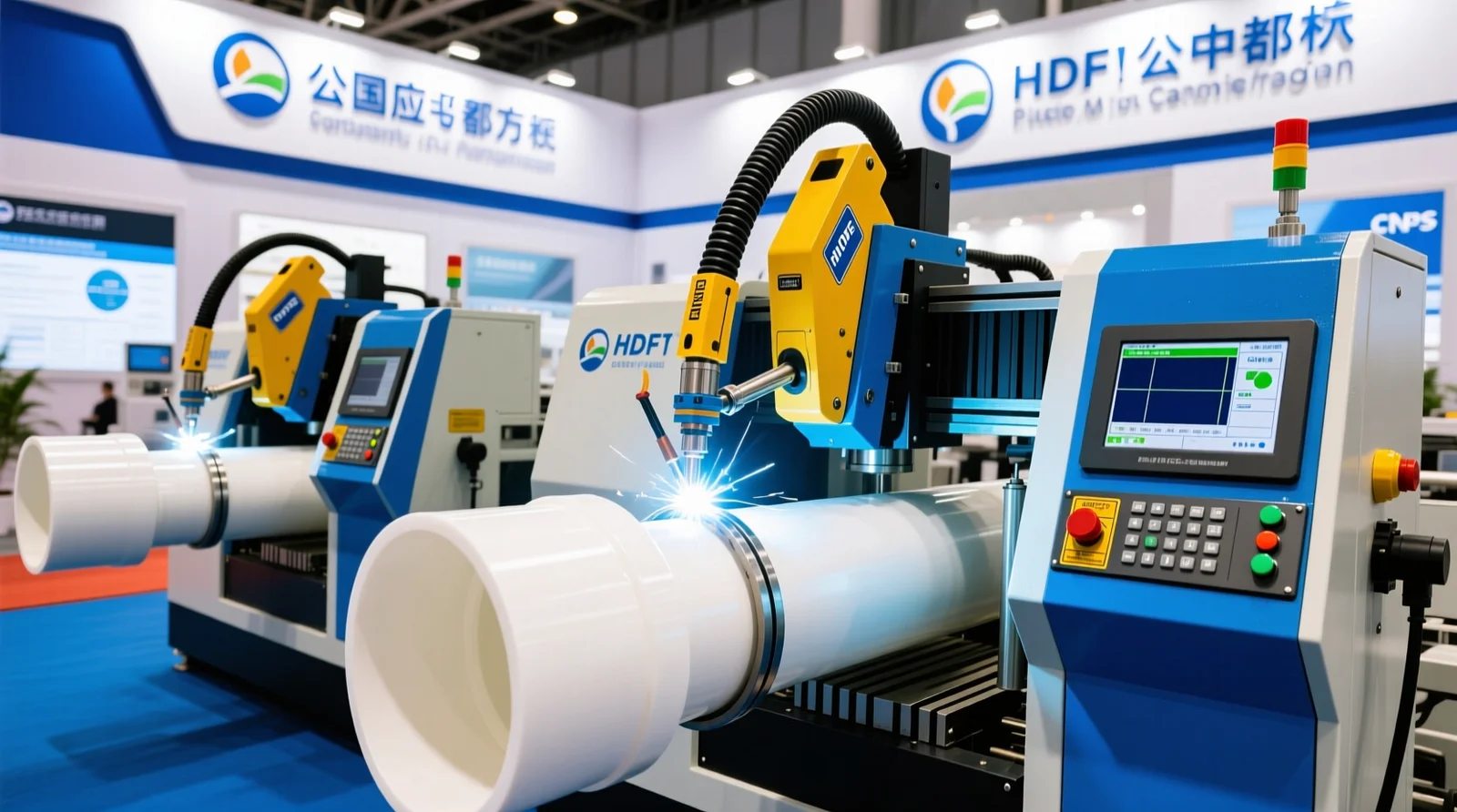
The plastic extrusion machine market is projected to expand from about US$7.6 billion in 2026 to approximately US$10.8 billion by 2033, implying a ~5.1% CAGR over the forecast period. Growth is tied to pipe and profile output for water and building products, higher-performance packaging films, and the accelerating shift toward recycled-content and energy-efficient extrusion lines.
Key Takeaways
- Demand is shifting from “commodity-only” extrusion toward recycling-capable, sensor-rich, lower specific energy lines.
- Twin-screw extruders gain share in compounding, recycled-content upgrades, and complex formulations; single-screw extruders remain the workhorse for stable resin streams.
- Line performance increasingly depends on downstream integration (cooling, haul-off, winding, inline measurement), not just the extruder.
- Regional regulation (EU) and economics (APAC capex sensitivity) are shaping preferred machine configurations.
TL;DR: The plastic extrusion machine market grows to ~US$10.8B by 2033 as processors invest in recycling-ready, energy-efficient extrusion lines and tighter quality control—especially for pipes, films, and specialty profiles.
Market Overview (What’s Really Driving Equipment Decisions)
Across major end markets, extrusion investment is increasingly tied to specific production bottlenecks: unstable recycled feedstocks, tight dimensional tolerances, and energy costs per kg. For example, pipe producers supplying municipal water projects often prioritize long-run stability, high output, and robust melt filtration; film converters supplying food packaging focus on thickness control, gel reduction, and barrier-layer consistency.
Regulation is also becoming a practical engineering requirement rather than a “nice to have.” In Europe, the EU Green Deal and related circular economy policies are pushing recycled-content adoption and energy-efficiency measures, influencing equipment specs and retrofits (e.g., melt filtration, degassing, better gravimetric control). See the European Commission’s overview of the European Green Deal. In packaging, many brand commitments are anchored to recyclability and recycled-content targets promoted by groups such as Ellen MacArthur Foundation (plastics & circular economy).
TL;DR: Equipment purchases are increasingly justified by measurable plant KPIs—scrap, energy per kg, recycled-content capability, and line uptime—plus regulatory and customer requirements.
Typical Extrusion Line Economics and Operating Ranges (Capacities, Power, Capex)
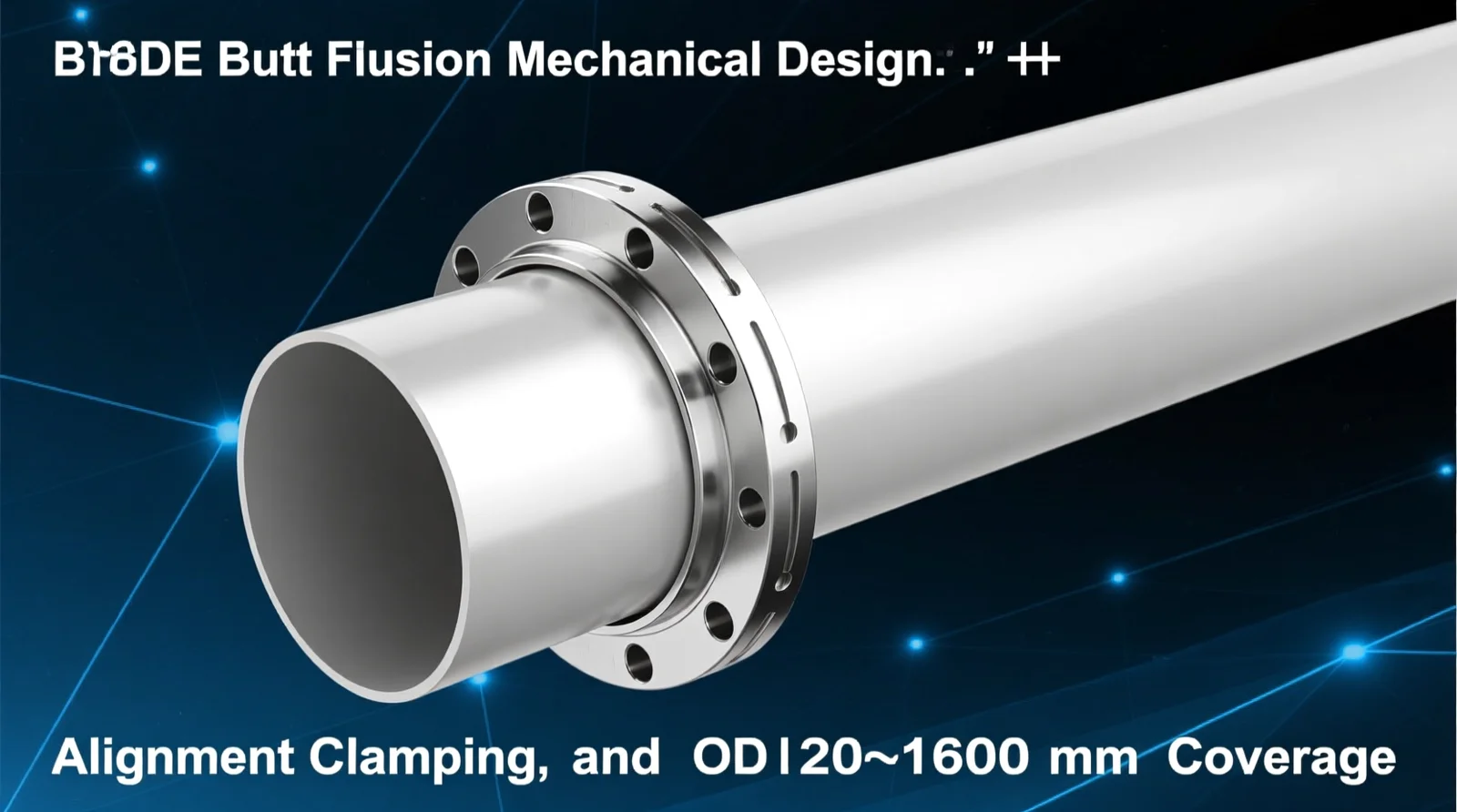
Industrial buyers often compare extrusion lines using three practical metrics: throughput (kg/h), specific energy consumption (kWh/kg), and total installed cost (capex). While actual values depend on polymer, screw design, L/D, die, downstream, and automation level, typical ranges seen in commercial operations are:
- Single-screw extruders (pipe/profile/sheet with stable resin): ~150–1,500 kg/h throughput, main drive often 75–600 kW depending on size and duty. Many plants target roughly 0.18–0.35 kWh/kg specific energy for efficient polyolefin lines (site- and product-dependent).
- Twin-screw extruders (compounding, recycling upgrades, high-fill): commonly ~200–2,500+ kg/h throughput with drive power frequently 200–1,500 kW for large compounding systems; specific energy often higher than single-screw in intensive mixing duties (but can reduce total cost via fewer passes, less scrap, and better property consistency).
- Indicative capex (extruder + key auxiliaries): a basic single-screw extrusion line for commodity outputs is often in the US$0.3–1.5 million range; a twin-screw compounding/recycling line with feeding, degassing, filtration/pelletizing can commonly land around US$1.0–5.0+ million depending on diameter, automation, and pelletizing method.
Utilization trends by sector (what plants try to run): pipe and cable operations often aim for high utilization when project demand is stable; packaging film and sheet lines may run more changeovers and product SKUs (lower effective utilization but higher value per hour); recyclate upgrading lines can be limited by feedstock availability/quality consistency and filtration downtime.
TL;DR: Single-screw lines typically win on capex and efficiency for stable resins; twin-screw lines justify higher capex when mixing, recyclate variability, or formulation complexity drives scrap, downtime, or multi-pass processing.
Single-Screw vs. Twin-Screw Extruders (Technical + Economic Comparison)
Single-screw extruder = one rotating screw that melts and conveys polymer. Twin-screw extruder = two screws (often co-rotating intermeshing) enabling stronger mixing and more controlled compounding. “MFI” means Melt Flow Index (a proxy for melt viscosity/flow); high-MFI recyclates can be more prone to instability and property drift.
| Parameter | Single-screw extruder | Twin-screw extruder |
|---|---|---|
| Best-fit use cases | Pipe, profile, sheet, film with relatively stable resin and additive packages | Compounding, recycled-content upgrading, high-fill formulations, reactive extrusion, demanding dispersion |
| Mixing & dispersion | Moderate (enhanced via mixing sections) | High (configurable screw elements enable distributive & dispersive mixing) |
| Throughput (typical industrial range) | ~150–1,500 kg/h (application-dependent) | ~200–2,500+ kg/h (compounding-grade machines can exceed this) |
| Handling variable recyclate | Possible with filtration and good feed control, but melt quality can fluctuate more | Stronger homogenization; better for stabilizing variable MFI, contamination, and additive dispersion |
| Specific energy (rule-of-thumb) | Often lower for straight extrusion of stable polyolefins | Often higher in intensive compounding duties, but may reduce total cost via fewer rejects and better property control |
| Indicative capex (extruder + key auxiliaries) | ~US$0.3–1.5M for many commodity line builds | ~US$1.0–5.0M+ for compounding/recycling systems with feeding, degassing, filtration, pelletizing |
| Changeover flexibility | Good for stable product families; cleaning can be time-consuming on frequent recipe changes | Excellent for frequent formulation changes (with proper screw build and cleaning strategy) |
| Typical ROI levers | Energy reduction, higher output per shift, automation to reduce scrap | Ability to run higher recycled content, reduce gels/defects, lower scrap and rework, make higher-value compounds |
TL;DR: Choose single-screw for stable, high-volume extrusion; choose twin-screw when mixing intensity, recyclate variability, or formulation complexity is the main profit limiter.
Market Segmentation (Machine Type, Process Type, and End Use)

This market is commonly segmented by machine type (single-screw vs. twin-screw) and by process type (pipe, film, sheet, profile). “Extrusion line” here means the extruder plus die and downstream equipment (cooling, haul-off, winding/cutting, measurement).
Pipe extrusion remains a major equipment anchor because output is heavy and continuous. Common materials include PVC (polyvinyl chloride), HDPE (high-density polyethylene), and PPR (polypropylene random copolymer). In many plants, throughput and uptime are governed by melt filtration, vacuum calibration stability, and haul-off control—more than screw rpm alone.
Film extrusion (blown or cast) is shaped by scrap economics: gels, thickness variation, and contamination quickly translate into waste. The packaging shift toward recyclable structures increases the need for stable processing windows and better online measurement (e.g., thickness gauges).
Sheet extrusion frequently serves thermoforming stock and construction panels; it is sensitive to melt temperature uniformity and roll-stack control.
Profile extrusion spans building products, cable trunking, and technical profiles; dimensional stability depends on calibration, cooling, and puller synchronization.
TL;DR: Process type matters because it determines where quality losses occur—pipes (calibration/haul-off), films (gels/thickness control), sheet (roll-stack stability), profiles (downstream synchronization).
Engineering Challenges That Influence Machine Specs (Recyclate, Gels, PVC Die Build-Up)
Buyers increasingly specify extrusion lines around measurable defect mechanisms:
- High-MFI recyclates (MFI = Melt Flow Index): Higher flow can reduce melt strength and widen output variability. Practical countermeasures include tighter gravimetric dosing (loss-in-weight feeding), better melt temperature control, and enhanced filtration to prevent “surge” events.
- Gel formation in film: “Gels” are unmelted particles or crosslinked specks that show up as optical defects and weak points. Typical mitigations include optimized screw mixing sections, improved screen packs/melt filters, resin handling to avoid contamination, and careful thermal management to prevent degradation.
- Die build-up in PVC extrusion: PVC can be sensitive to shear/temperature history; deposits at the die can cause surface defects and downtime. Plants often address this with optimized die metallurgy/coatings, stable melt temperature profiles, proper venting/degassing, and disciplined cleaning intervals.
These issues explain why “just replacing the extruder” sometimes under-delivers; the limiting factor can be the die, filtration strategy, or downstream cooling/pull control.
TL;DR: Recyclate variability, film gels, and PVC die build-up are real throughput limiters—successful upgrades usually combine extrusion, filtration/degassing, die design, and downstream control.
What OEMs Typically Offer (Metallurgy, Degassing, Filtration, Monitoring)

Modern plastic extrusion machines are increasingly sold as configurable platforms rather than fixed designs. Common upgrade options include:
- Screw & barrel metallurgy: bimetallic barrels, hardened/overlay screws, and wear-resistant coatings for abrasive fillers (e.g., glass, minerals) or contaminated recyclate.
- Degassing systems: atmospheric or vacuum degassing ports to remove moisture, volatiles, and residual monomers—especially relevant for recycled streams and some compounding duties.
- Melt filtration: screen changers (manual, continuous, or backflush) and finer filtration to reduce gels/contamination; essential for PCR (post-consumer recycled) content targets.
- Process monitoring tools: pressure/temperature sensors, melt pump integration, and data logging; many systems align with Industry 4.0 (digitally connected manufacturing) approaches for OEE (Overall Equipment Effectiveness) improvement.
For baseline reference on plastics processing and materials behavior, many engineers consult resources from organizations such as British Plastics Federation (BPF) and technical publications from PLASTICS (Plastics Industry Association).
TL;DR: OEM differentiation increasingly shows up in wear packages, degassing, filtration, and monitoring—not only in screw diameter or motor size.
Practical Decision Guidance (When to Upgrade to Twin-Screw, ROI Levers, Modernization Pitfalls)
When a processor should consider moving from single-screw to twin-screw (or adding a twin-screw compounding step):
- You need higher recycled content but struggle with property consistency, odor/volatiles, or contamination.
- Formulations include higher filler loadings, additives, or masterbatch dispersion requirements that drive defects.
- You’re spending too much on rework because melt quality varies by lot or supplier.
Key ROI levers typically used in capex justification:
- Energy savings: servo/efficient drives, optimized barrel heating, and better process stability reduce kWh/kg.
- Scrap reduction: fewer gels, tighter thickness/dimension control, and faster stabilization after start-up.
- Changeover time: recipe management, faster purging/cleaning strategies, and automated setpoints.
- Uptime: predictive maintenance, robust filtration, and wear-resistant metallurgy reduce unplanned downtime.
Common modernization pitfalls (why upgrades underperform):
- Upgrading the extruder while keeping an undersized downstream (cooling capacity, haul-off force, winder speed), creating a new bottleneck.
- Underestimating utility requirements: cooling water flow/temperature, compressed air, power supply harmonics, and floor layout for maintenance access.
- Insufficient operator training on new control logic, alarm handling, and resin management—leading to avoidable scrap.
TL;DR: Upgrade to twin-screw when mixing and recyclate variability are the core constraints; maximize ROI via scrap reduction, uptime, and downstream de-bottlenecking—not only higher rpm.
Downstream Equipment Integration (Where Quality and Output Are Often Won or Lost)

Extrusion performance is system-level. Even a high-spec extruder can’t compensate for poorly matched downstream equipment:
- Calibration & sizing (pipes/profiles): vacuum calibration tooling and stable vacuum control are critical for dimensional accuracy.
- Cooling tanks/baths: water temperature stability and residence time determine distortion risk and line speed limits.
- Haul-offs/pullers: synchronized traction prevents ovality (pipe) and thickness drift (sheet/profile).
- Winding/cutting: consistent tension control reduces wrinkles and gauge variation in films and sheet.
- Inline measurement: thickness gauges, diameter/ovality measurement, and vision inspection reduce “late discovery” scrap.
In practice, many capacity expansions come from downstream upgrades (cooling and haul-off) that allow the extruder to run closer to design throughput without destabilizing dimensions or surface finish.
TL;DR: Treat the extrusion line as one integrated system—downstream calibration, cooling, pulling, winding/cutting, and measurement often set the real output ceiling.
Regional Insights (Market Size vs. CAGR, Regulation Differences, Preferred Configurations)
Asia-Pacific (APAC) is expected to remain the largest market by absolute volume due to the concentration of plastics converting capacity and broad-based demand in pipes, packaging, and consumer goods. Investment patterns often favor cost-optimized lines with selective automation—though top-tier converters increasingly adopt higher automation for scrap reduction and export-quality consistency.
Concrete demand anchors include India’s multi-year infrastructure push via the National Infrastructure Pipeline (NIP), which supports water, sanitation, and urban development supply chains where extruded pipes and conduits are widely used.
Europe tends to lead in recycling and energy-efficiency-driven specifications. EU policy direction and national packaging waste rules push converters toward higher recycled content, improved traceability, and better energy performance—supporting higher-automation extrusion lines with advanced monitoring, filtration, and degassing. A useful anchor is the EU’s policy framework around packaging waste and circularity (e.g., European Commission resources on sustainability and waste policies) and the broader EU Green Deal.
North America typically shows strong demand for high-output and high-uptime lines, with quicker adoption of digital service models (remote diagnostics, predictive maintenance) and robust aftermarket rebuild programs. Preferred configurations often include higher automation and process monitoring in large converters, alongside pragmatic retrofits in mid-sized plants.
Latin America and Middle East & Africa are smaller in absolute market size but can show higher growth pockets where pipe and packaging capacity is being localized. Machine choices may skew toward durable, serviceable platforms with a strong price/performance ratio and available spare parts support.
TL;DR: APAC leads in size; Europe is regulation-led and automation-heavy; North America emphasizes uptime and digital service; emerging regions often prioritize serviceability and cost-per-ton economics.
Forecast Basis and Method Notes (E-E-A-T)
The market sizing and outlook referenced here (US$7.6B in 2026 to ~US$10.8B by 2033; ~5.1% CAGR) reflect a blended approach typically used in industrial market forecasting: secondary research (public company materials, trade data, policy/regulatory sources), primary interviews with processors/OEMs and channel partners where available, and bottom-up modeling tied to installed base renewal cycles and end-market production volumes. Regulatory anchors (e.g., EU circular economy direction) are used to stress-test adoption rates for recycling-ready lines.
TL;DR: The forecast is grounded in combined primary/secondary inputs and bottom-up equipment modeling, anchored to real regulatory and operating constraints rather than generic macro assumptions.
Polymer and Packaging Trends Shaping Future Extrusion Line Design
- More PE/PP recyclates: Equipment will need better contamination tolerance, stronger filtration strategies, and tighter melt control for consistent properties.
- Shift to mono-material packaging: Replacing complex laminates can increase the need for performance-through-processing (orientation, precise gauge control) and improved surface/optical quality.
- EVOH barrier structures (EVOH = ethylene vinyl alcohol): Even as mono-material designs expand, barrier needs remain; multilayer co-extrusion and layer uniformity will stay important in many food applications.
- Bio-based and biodegradable polymers: Narrow thermal windows and moisture sensitivity can require improved drying, gentler screw designs, and accurate temperature control.
TL;DR: Future extrusion lines will be designed around recyclate stability, better filtration/degassing, and precision control for mono-material and barrier-performance packaging.
Competitive Landscape (How Suppliers Differentiate)
The plastic extrusion machine market remains moderately consolidated with global OEMs and specialized regional builders. Key names include KraussMaffei Group, Milacron, Davis-Standard, Reifenhäuser Group, The Japan Steel Works (JSW), Battenfeld-cincinnati, and others.
For industrial buyers, differentiation often shows up in: commissioning speed, process guarantees, metallurgy and wear packages, filtration/degassing integration, controls usability, and service footprint (spares lead time, remote support, training).
TL;DR: Competitive advantage increasingly comes from application know-how and lifecycle support—plus integrated filtration/degassing/controls—not just machine size.
Outlook and Conclusion (Strategic Implications for OEMs and Processors)
- Recycling-ready capability becomes mainstream: Lines that handle PCR variability with filtration, degassing, and tight dosing will win more bids, especially in packaging and consumer products.
- System integration is the performance multiplier: Output and quality are increasingly determined by downstream cooling/haul-off/winding and inline measurement integration.
- Total cost of ownership (TCO) beats sticker price: Energy per kg, scrap rate, and uptime will dominate ROI models as power costs and quality expectations rise.
- Automation and data shift from optional to expected: plants want faster start-ups, repeatable recipes, and predictive maintenance to protect margins.
TL;DR: Winners will be the OEMs and processors that engineer for recyclate variability, integrate the whole line, and optimize TCO through automation, monitoring, and quality control.
About Persistence Market Research
Persistence Market Research (PMR) is a market intelligence and consulting firm focused on data-driven research across multiple industries. Established in 2012 as a proprietary firm and incorporated in England and Wales in 2023 as Persistence Research & Consultancy Services Ltd., PMR has completed thousands of custom and syndicated projects supporting strategic decision-making for corporates, investors, and public-sector clients.
TL;DR: PMR provides data-driven market intelligence and consulting to help organizations evaluate opportunities, risks, and competitive strategy.
FAQ
Q: What factors should processors consider when selecting a new plastic extrusion line?
A: Start with required throughput (kg/h) and product specs (tolerances, surface/optics), then match the material range (virgin vs. PCR, filler levels, melt sensitivity). Evaluate automation level (gravimetric dosing, recipe control, inline measurement), energy efficiency (kWh/kg targets), downstream capacity (cooling, haul-off, winding/cutting), and service support (spares lead time, local technicians, remote diagnostics).
Q: When does it make sense to upgrade from a single-screw extruder to a twin-screw extruder?
A: Upgrade when mixing/dispersion and feedstock variability are limiting yield or quality—common triggers are higher recycled content targets, frequent formulation changes, higher filler loadings, odor/volatiles, or persistent defects (gels, inconsistent properties). If the job is stable resin-to-product with long runs, a modern single-screw with better controls and filtration may deliver better ROI.
Q: What are typical capex ranges for single-screw vs. twin-screw extrusion systems?
A: Many commodity single-screw extrusion lines fall roughly in the US$0.3–1.5M range (depending on size and downstream). Twin-screw compounding/recycling systems with feeding, degassing, filtration, and pelletizing are often ~US$1.0–5.0M+ depending on output and automation. Actual quotes vary widely by polymer, tooling, and site utilities.
Q: What maintenance and lifecycle expectations should buyers plan for (screw/barrel wear)?
A: Screw and barrel life depends heavily on resin contamination, abrasive fillers, temperature control, and start/stop frequency. Clean polyolefin service can run for years before rebuild; abrasive compounds or contaminated recyclate can shorten life significantly without wear-resistant metallurgy. Preventive maintenance (heater bands, gearbox oil, alignment checks, screen changer discipline, calibration tooling care) is usually the best lever to protect uptime and product quality.
Q: How can extrusion lines reduce defects like gels in film or die build-up in PVC?
A: For film gels, focus on resin cleanliness, stable melt temperature, appropriate screw mixing sections, and effective melt filtration/screen management. For PVC die build-up, prioritize tight temperature control, suitable die metallurgy/coatings, proper venting/degassing where needed, and disciplined cleaning intervals. In both cases, upstream material handling and downstream control also matter.