Introduction: Why Strip Packaging Machines Are Becoming Core Primary Packaging Assets

Global demand for individual-portion packs (e.g., single-serve and unit-dose formats) is reshaping primary packaging—especially where accuracy, hygiene, and traceability are critical. Automatic strip packaging machines (also called strip packaging systems) help manufacturers produce sealed strips of discrete doses at high output while supporting rapid format changes across food, pharmaceuticals, nutraceuticals, and personal care.
This article summarizes key themes and quantified outlook points from the QYResearch report “Automatic Strip Packaging Machine – Global Market Share and Ranking, Overall Sales and Demand Forecast 2026–2032,” while adding engineering-oriented context on performance benchmarks, validation expectations, and regional adoption patterns. Where market numbers are referenced, they are framed as QYResearch estimates/projections with noted assumptions to improve transparency.
TL;DR: Strip packaging machines are gaining strategic importance because they combine high-output primary packaging with dosing precision, compliance-ready controls, and growing compatibility with new materials and connected-factory requirements.
Market Outlook (2026–2032): Growth, Pricing, and What the Numbers Likely Include
According to QYResearch estimates, the global automatic strip packaging machine market was valued at approximately US$ 925 million in 2025 and is projected to reach about US$ 1,646 million by 2032, implying a compound annual growth rate (CAGR) of roughly 8.7% (2026–2032). These figures are best interpreted as market-sizing estimates based on a defined base year and forecast period; depending on the study scope, they may primarily reflect new equipment sales and may or may not include major retrofits, service, tooling, or line integration (buyers should confirm the report’s inclusions/exclusions when using the numbers for budgeting).
Volume and pricing context also matters. QYResearch estimates indicate around 46,000 units sold globally in 2024 with an average selling price (ASP) near US$ 17,500 per unit. Industry gross margin bands are commonly cited around 22%–30% (varying by configuration, validation scope, and service mix), supporting continued investment in higher-speed architectures, digitalization, and material flexibility.
For additional macro context on automation and packaging investment drivers, readers can reference PMMI (The Association for Packaging and Processing Technologies) and OECD trade/industry statistics via the OECD Data portal.
TL;DR: QYResearch projects strong growth through 2032; treat sizing, unit volumes, and ASPs as estimates tied to a specific base year and scope (often new machinery), and validate what’s included (retrofits, service, integration) before using the numbers in a business case.
Technology Architecture: What “High Output” Looks Like in Practice (and Typical Benchmarks)
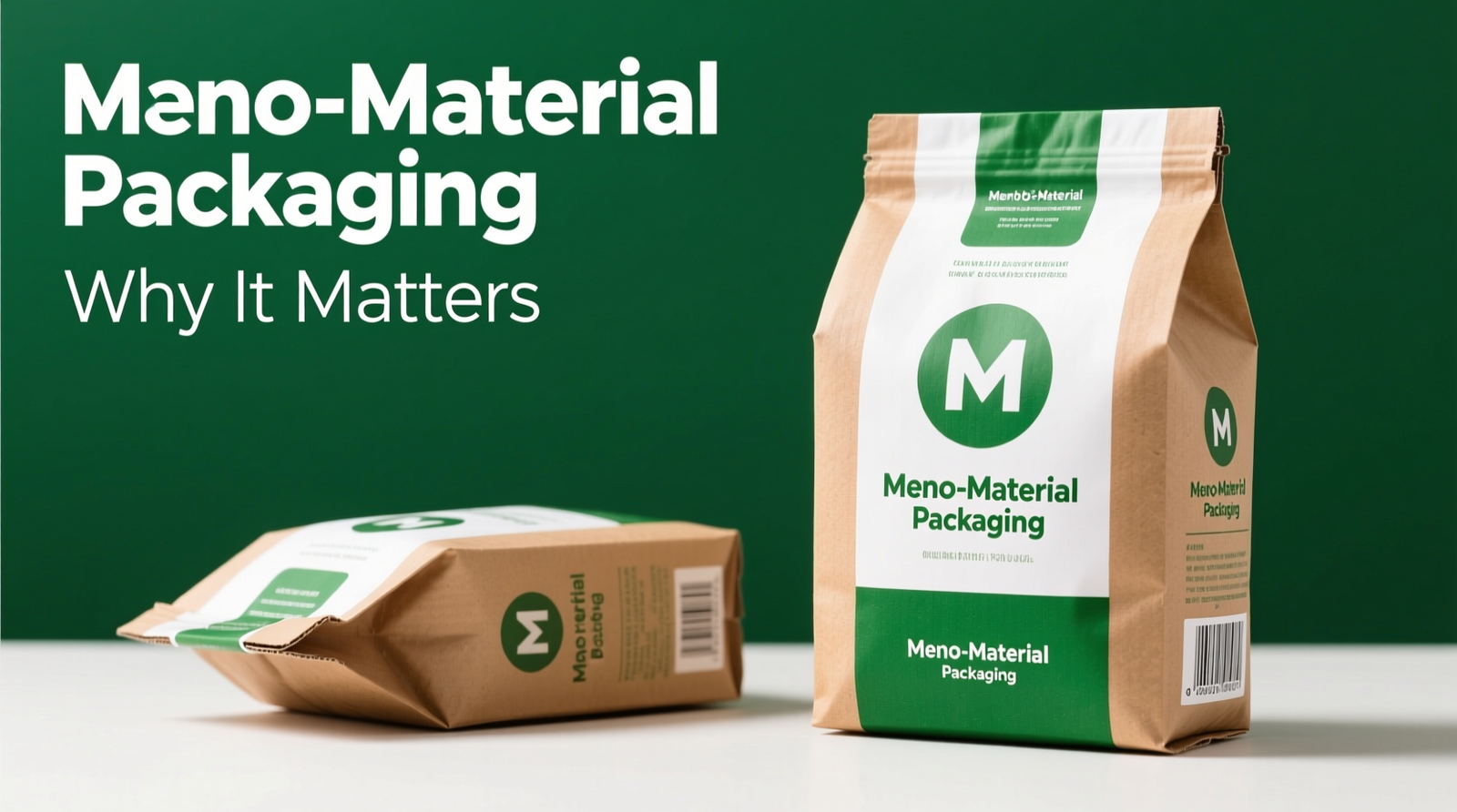
Modern strip packaging machines are mechatronic systems that synchronize feeding/dosing, web handling, sealing, cutting, and inspection. They commonly use servo-driven motion (servo = closed-loop motor control for precise position/speed), PLC-based logic, and recipe management to maintain registration and seal integrity at high cycle rates.
- Machine frame and guarding: Rigid carbon steel and stainless-steel structures reduce vibration and maintain registration at high speeds.
- Servo drives (motion control): Control web indexing, sealing jaw timing, cutting, and product placement for repeatable accuracy.
- PLC and HMI: PLC (programmable logic controller) runs control logic; HMI (human–machine interface) enables recipe selection, alarms, and data logging.
- Dosing systems: Auger fillers (for powders), volumetric cups, vibratory feeders (for granules), pumps/nozzles (for liquids/pastes), or counting tracks (for tablets/capsules).
- Sealing units: Longitudinal and transverse sealing with controlled temperature/pressure/dwell time.
- Registration and web tracking: Photoelectric/vision sensors align print-to-cut and maintain pitch accuracy.
Indicative performance ranges (vary by OEM, lane count, film structure, and product behavior): many multi-lane unit-dose systems operate from ~200 to 1,200+ strips/min on certain SKUs, with higher outputs typically requiring simpler formats, stable products, and highly tuned film runability. Format changeovers (mechanical parts + recipe changes) are often designed to be completed in ~15–60 minutes depending on tooling strategy (tool-less vs. tool-assisted), cleaning requirements, and validation constraints. In regulated environments, the “true” changeover clock may be longer because line clearance and documentation are part of the process.
Semantic note for SEO/internal linking opportunities: many buyers compare strip packaging vs. stick packs, and evaluate whether a form-fill-seal (FFS) approach is preferable for a given product. They may also assess horizontal vs. vertical machine layouts depending on footprint, product flow, and upstream feeding.
TL;DR: High-output strip packaging depends on synchronized servo motion, stable web handling, and controlled sealing; typical outputs and changeover times vary widely by configuration, but multi-lane machines often target hundreds of strips per minute with changeovers engineered into the 15–60 minute range.
Key Application Segments: Granules/Powders, Liquids/Pastes, and Tablets/Capsules
Automatic strip packaging systems are commonly segmented by product form because dosing physics, contamination risk, and quality verification differ significantly by application.
Granule and powder strip packaging: used for instant beverages, seasonings, and nutritional powders. Key technical factors include dust containment (to protect seals and hygiene), dosing accuracy (auger/volumetric/vibratory strategies), and film selection. High output is achievable, but aggressive speed targets can increase dusting, seal contamination risk, and weight variability—so throughput is often balanced against yield and rework.
Liquid and paste strip packaging: used for sauces, gels, syrups, and cosmetic samples. Engineering focus areas include anti-drip nozzle design, cleanability, and seal-area contamination control. CIP/SIP means clean-in-place / sterilize-in-place (automated cleaning/sterilization without full disassembly). Typical outputs can be lower than dry products when viscosity management, foaming, or hygienic constraints limit cycle speed.
Tablet and capsule strip packaging: a major growth driver in pharma and healthcare due to dose accuracy and patient convenience. Systems emphasize gentle handling (to reduce chipping), high-confidence counting, and inspection/traceability. In many designs, the practical bottleneck is not only mechanical speed but also inspection logic, reject handling, and documentation/validation requirements.
TL;DR: Product form dictates the machine design: powders prioritize dust and dosing stability, liquids emphasize hygienic fill and leak-free seals, and tablets/capsules require gentle handling plus inspection and traceability fit for regulated production.
Limitations and Trade-Offs: Speed, Protection, Sustainable Films, and Integration Complexity

Objective equipment selection requires acknowledging trade-offs:
- Maximum speed vs. product protection: pushing output can increase tablet abrasion, powder dusting, or liquid seal contamination—raising scrap and complaint risk.
- Sustainable films vs. runability: recyclable or mono-material films (e.g., PE/PP structures) may have narrower sealing windows, different coefficient of friction, or lower stiffness than legacy laminates, potentially reducing top speed or increasing tuning needs.
- High integration vs. capex and validation effort: adding vision, checkweighing, serialization, and MES connectivity improves quality and data integrity but increases upfront cost, commissioning time, and validation documentation.
TL;DR: The “best” strip packaging machine is often a compromise—higher output, newer films, and deeper integration can each introduce stability, cost, and validation trade-offs that should be quantified during trials and FAT/SAT.
Value Chain and Cost Structure: Typical Ranges (Not Fixed Percentages)
Machine performance and lifecycle cost depend heavily on upstream materials and automation components, plus midstream integration quality. Cost breakdowns vary by region, hygiene level, lane count, and compliance package, but a typical bill-of-materials pattern is often described as:
- Structural metals and fabricated parts: commonly in the ~30%–45% range (carbon steel/stainless steel), depending on frame size and hygienic design.
- Motion components (servo motors/gearboxes/actuators): often ~15%–30%, higher for multi-axis, high-speed architectures.
- Controls and electrics (PLC, drives, HMI, panels, safety): often ~15%–25%, influenced by connectivity, data logging, and validation-ready features.
In regulated environments, “cost” also includes documentation, testing, and service capability. Component choices from established automation suppliers can improve uptime and spare-parts availability, but may raise initial price; buyers typically evaluate this as part of total cost of ownership (TCO).
TL;DR: Treat cost splits as variable ranges—machine complexity, hygiene level, and compliance/connectivity requirements can shift metals, motion, and controls contributions substantially.
Integrated Quality Control and OEE: Why In-Line Inspection Is Becoming Standard
A major differentiator is integrating quality checks directly into the strip packaging line rather than relying only on offline inspection. Common modules include vision systems for seal/print/presence verification, in-line checkweighing, and automated rejection with audit trails.
These capabilities support lower defect escape rates and stronger traceability—especially important in regulated markets—and they can improve OEE (overall equipment effectiveness: availability × performance × quality) by catching drift early and enabling faster root-cause analysis.
For general definitions and best-practice context around OEE, many engineers reference standards-based discussions such as those provided by academic/industry literature summaries and manufacturing best-practice resources; however, plant-specific OEE calculation rules should be standardized internally for comparability.
TL;DR: In-line inspection and automated rejection reduce recall risk and improve OEE—often becoming a requirement, not an option, for high-throughput or regulated strip packaging lines.
Downstream Industries: Food, Pharma/Nutraceuticals, and Personal Care (with Validation Detail)
Food and beverage: According to QYResearch estimates, food-related applications represent roughly ~48% of demand. Buyers prioritize quick SKU turnover, reliable sealing, and compatibility with evolving films. Food safety frameworks often include HACCP (Hazard Analysis and Critical Control Points) and ISO 22000 (food safety management systems). For background on HACCP principles, see the Codex Alimentarius HACCP resources (FAO/WHO).
Pharmaceuticals and nutraceuticals: QYResearch estimates this segment at about ~32% of consumption, typically with the highest compliance burden. In addition to GMP (Good Manufacturing Practice), pharma packaging lines often require CSV (computer system validation) and alignment with 21 CFR Part 11 (US FDA rules for electronic records/e-signatures). A practical validation package commonly includes DQ/IQ/OQ/PQ (Design Qualification / Installation Qualification / Operational Qualification / Performance Qualification), plus risk assessments, traceability matrices, and data-integrity controls. For authoritative references, see the FDA’s 21 CFR Part 11 (eCFR) and ISPE GAMP 5 guidance.
CMO/CDMO expectations: A CMO is a contract manufacturing organization; a CDMO is a contract development and manufacturing organization. These buyers emphasize fast, repeatable changeover, strong batch traceability, and audit-ready documentation—often accepting higher capex to reduce compliance risk and improve client flexibility.
Personal care and cosmetics: adoption is driven by sample packs, travel sizes, and premium print/registration requirements. Liquids and gels demand stable dosing and clean sealing; smaller batch sizes raise the importance of fast setup and low waste.
TL;DR: Food prioritizes flexible SKUs and film handling; pharma/nutraceuticals add CSV, 21 CFR Part 11, and DQ/IQ/OQ/PQ documentation; personal care emphasizes branding precision and liquid/paste handling.
Regional Nuance: How Requirements Differ by Market

Regional dynamics influence spec decisions, supplier selection, and validation scope:
- United States & EU: typically higher emphasis on documented quality systems, data integrity, and audit readiness—driving demand for validation support, electronic records, and robust change-control practices. Sustainability rules and packaging-waste pressure can also accelerate film transitions, which may require new sealing tech and additional line trials.
- Japan: often prioritizes reliability, defect prevention, and mature quality culture; buyers may favor conservative commissioning timelines and strong service support.
- China: broad demand across food/pharma with rapid capacity build-outs; competition can be intense across price tiers, and buyers may balance speed-to-install with increasing expectations for automation and traceability.
- Southeast Asia & Latin America: growth is linked to new factory investments and export-oriented production; cost-sensitive automation is common, with strong interest in modular upgrades (start with core machine + add vision/serialization later).
- Middle East & Africa: greenfield projects and import-substitution strategies can drive demand; after-sales service coverage and operator training are often key differentiators.
TL;DR: US/EU skew toward compliance and data integrity, many emerging regions prioritize scalable automation and serviceability, and local infrastructure/service capacity can be as important as top speed.
Strategic Drivers (2026–2032): Smart Factories, Sustainability, and Line-Level Integration
Three forces continue to shape purchasing criteria:
- Smart-factory connectivity: integration with MES (Manufacturing Execution System) and ERP (Enterprise Resource Planning) to support traceability, electronic batch records, and maintenance planning.
- Sustainability: demand for compatibility with recyclable/mono-material structures and lower energy consumption per pack.
- Turnkey lines: growing preference for suppliers that can integrate upstream feeding/dosing, strip packaging, downstream cartoning/case packing, and data layers.
When sustainability films are introduced, engineering teams increasingly require structured film trials, sealing-window characterization, and documented parameter limits—because “runs on the machine” is not the same as “runs at target speed with stable quality.”
TL;DR: Buyers want connected machines that can prove quality at speed while supporting new film structures—often favoring suppliers with integration and trial/validation capabilities.
Why the QYResearch Report Is Used as a Reference Point (and What Differentiates It)
Market planning is more reliable when it combines macro demand drivers with competitive benchmarking. The QYResearch report “Automatic Strip Packaging Machine – Global Market Share and Ranking, Overall Sales and Demand Forecast 2026–2032” is positioned to support that planning through:
- Market sizing and forecasts with regional segmentation (as estimates/projections tied to stated base years and forecast windows)
- Competitive landscape coverage and OEM ranking views
- Demand-driver analysis across food, pharma/health, and personal care
- Added methodological value (typical for this class of report): structured OEM comparisons and pricing/ASP perspectives that help translate “units” into capex planning and supplier shortlists (buyers should verify the exact methodology and datasets used in the report’s notes)
TL;DR: The report is useful not just for growth rates, but for competitive benchmarking and pricing/ASP context—provided readers confirm scope, base years, and inclusions (new equipment vs. retrofits/services).
Conclusion: Outlook, Headwinds, and How to De-Risk Decisions
Automatic strip packaging machines are increasingly central to high-output primary packaging for individual-portion packs across food, pharma, nutraceutical, and personal care applications. According to QYResearch projections, market growth through 2032 is supported by automation investment, tighter quality expectations, and material innovation.
However, planning should also consider headwinds such as capex cycle volatility, longer regulatory/validation timelines for pharma projects, and raw-material or film-structure changes that can affect runability and sealing windows. Data-driven line trials, clear user requirement specifications (URS), and disciplined validation/change control can mitigate these risks while improving time-to-value.
TL;DR: The trajectory is positive, but real-world success depends on managing capex timing, validation effort, and film/runability risks with structured trials and documented requirements.
FAQ

Q: How do strip packaging machines compare to stick pack machines for powders or granules?
A: Strip packaging machines typically create connected cavities/pouches in a strip format, while stick pack machines form narrow “sticks” (often vertical form-fill-seal). Stick packs can be strong for premium single-serve beverage mixes and high graphics, whereas strip packs can be advantageous for multi-lane dosing, compact secondary packing, or specific dosing/counting workflows. The best choice depends on product flowability, target pack aesthetics, desired output, and film structure.
Q: What are typical speed and changeover benchmarks for an automatic strip packaging system?
A: Outputs vary widely by OEM, lanes, product, and film, but many configurations target roughly 200 to 1,200+ strips per minute for suitable SKUs. Format changeovers are often engineered into a 15–60 minute range, though regulated operations may take longer due to cleaning, line clearance, and documentation.
Q: What validation documents are usually expected when buying strip packaging machines for pharma?
A: Common expectations include DQ/IQ/OQ/PQ documentation (Design/Installation/Operational/Performance Qualification), FAT/SAT protocols (Factory/Site Acceptance Testing), calibration records, software/CSV documentation, and support for data integrity and 21 CFR Part 11-aligned controls where applicable. Requirements should be defined in the URS and agreed with the supplier early.
Q: Can strip packaging machines run recyclable or mono-material films without losing performance?
A: Many can, but performance depends on the film’s sealing window, stiffness, friction, and barrier needs. Some sustainable films may require different sealing jaws, temperature profiles, or web-tension tuning, and top speeds may be lower until the process window is proven through structured trials.
A: Common hidden costs include interface engineering to MES/ERP, serialization or electronic batch record requirements, cybersecurity controls, additional sensors/vision lighting standardization, and validation/change-control labor. Budgeting for commissioning, training, and spare parts is also essential to protect OEE after go-live.