Introduction

The Europe dumper market in this report has a dual scope that is important to clarify upfront: it covers (1) off-highway dump trucks/site dumpers used in construction, quarrying, and mining, and (2) industrial drum dumpers used in manufacturing and processing plants to empty drums safely and efficiently. While these are distinct equipment categories, they are analyzed together because both are “dumping” solutions influenced by similar European forces—regulatory compliance, safety-driven fleet modernization, and productivity-focused automation/telematics—and both serve the broader material movement and discharge value chain across Europe.
Glossary (quick distinction): Off-highway dumpers (also called site dumpers, articulated dump trucks/ADTs, or rigid dump trucks) move loose materials like soil and aggregates on jobsites; drum dumpers are industrial drum handling equipment that lifts and tips drums (steel/fiber/plastic) to discharge powders, granules, or liquids into hoppers, mixers, or reactors.
In 2025 (base year), the Europe dumper market size was valued at USD 604.20 million, is estimated at USD 641.64 million in 2026, and is projected to reach USD 1,037.59 million by 2034, reflecting a CAGR (compound annual growth rate) of 6.19% during the forecast period.
Methodology note (credibility): Market estimates are typically derived from a combination of OEM and dealer shipment signals, secondary research (policy documents, industry publications), and expert interviews across construction and industrial processing value chains.
TL;DR: This report covers both construction/mining dumpers and industrial drum dumpers because both are shaped by Europe’s compliance, safety, and productivity modernization trends; the market grows from USD 604.20M (2025) to USD 1,037.59M (2034).
Europe Dumper Market Overview (Equipment Scope and Use Cases)
The Europe dumper market spans rugged off-highway vehicles and industrial drum dumping systems used to transport and unload bulk materials (soil, aggregates, demolition debris) and process materials (chemicals, powders, excipients). In practice, buyers include contractors, rental/plant-hire companies, chemical and pharmaceutical manufacturers, food processors, and oil & gas operators (especially in downstream/industrial handling environments).
- Compact site dumpers (often ~1–3 tons) for dense urban jobsites and confined access.
- Articulated dump trucks (ADTs) (articulated chassis for traction on rough terrain) and rigid dump trucks (higher payload, mine/quarry use) for high-volume earthmoving.
- Stationary drum dumpers integrated into production lines (high throughput, repeatable containment).
- Portable/mobile drum dumpers for multi-line plants and flexible layouts.
Across both categories, adoption increasingly reflects a shift from “just moving material” to compliant, measurable performance—emissions conformance, documented safety controls, and data-backed utilization.
TL;DR: The market includes both off-highway dump trucks/site dumpers and industrial drum dumpers, with demand split between construction/rental fleets and regulated processing industries.
Market Size Trajectory and Growth Milestones (2025–2034)
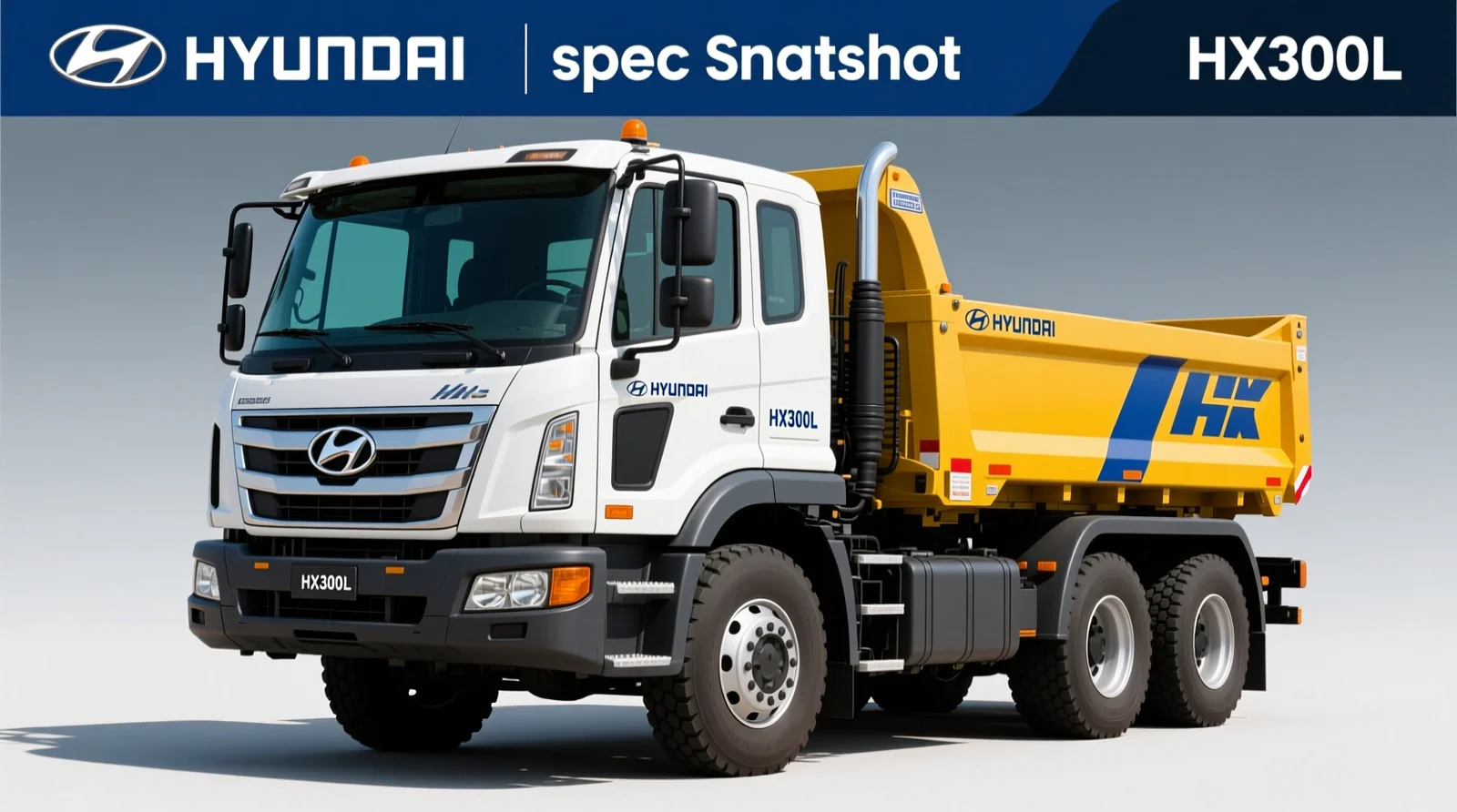
The market expands from USD 604.20 million (2025) to USD 1,037.59 million (2034) at a 6.19% CAGR. To make that trajectory more tangible, the implied milestone path (rounded, based on 6.19% CAGR) is:
- 2025: USD 604.20M (base year)
- 2028: ~USD 723M
- 2031: ~USD 865M
- 2034: USD 1,037.59M (forecast)
Growth is supported by infrastructure renewal and energy transition projects, plus industrial investment where containment, hygiene, and ergonomics are driving drum dumper upgrades.
TL;DR: At 6.19% CAGR, the market rises from USD 604M (2025) to ~USD 723M (2028), ~USD 865M (2031), and USD 1,038M (2034).
Key Market Trends (Digitalization, Powertrains, and Fleet Behavior)
Several trends are reshaping demand across both off-highway dumpers and drum dumpers:
- Connected fleets (telematics): Telematics (remote equipment data for location, hours, faults, and utilization) is increasingly standard on new off-highway dumpers in Western and Northern Europe. Market adoption varies by segment, but it is common to see major contractors and rental fleets targeting ~50–80% telematics coverage on newer assets to reduce downtime and improve utilization.
- Electrification and hybridization: Battery-electric compact site dumpers are expanding in inner-city and municipal work where noise/air restrictions apply. Penetration is still early-stage, often cited in the low single digits to ~10% of new compact purchases in the most progressive city-driven applications, but growing faster than heavy ADT electrification due to duty-cycle and charging constraints.
- Rental vs. ownership mix: In markets with mature plant-hire ecosystems (notably the United Kingdom and parts of Western Europe), rental can represent a substantial share of compact dumper deployments. Depending on country and project type, an estimated ~30–60% of compact site dumpers on active sites may be rented rather than owned, supporting demand for standardized, easy-to-service, high-uptime models.
- Industrial containment and hygiene: In chemicals, pharma, and food, demand increasingly favors drum dumpers with enclosed discharge, dust extraction interfaces, and cleanable designs (particularly where contamination control and operator exposure limits apply).
Note: Regulatory specifics (Stage V, Machinery Directive, ATEX) and safety requirements are consolidated in the dedicated compliance section below to avoid repetition.
TL;DR: Telematics adoption is moving toward mainstream (often 50–80% coverage in newer fleets), electric compact dumpers are growing from a small base (low single digits to ~10% in leading city use-cases), and rental-heavy markets boost demand for standardized high-uptime equipment.
Regulatory Compliance and Certification Requirements (Stage V, Machinery Directive, ATEX)
Compliance is a central buying criterion for Stage V compliant dumpers in Europe and for industrial drum dumping systems installed in regulated plants. Key frameworks include:
- EU Stage V (NRMM): Stage V is the European emissions standard for NRMM (Non-Road Mobile Machinery), covering off-highway engines used in construction equipment. OEM requirements may include DPF (diesel particulate filter) and SCR (selective catalytic reduction) depending on engine class. Reference: the European Commission’s NRMM emissions overview (European Commission – Non-road mobile machinery).
- EU Machinery Directive / Machinery Regulation: This governs essential health and safety requirements for machinery placed on the EU market (risk assessment, guarding, controls, documentation). Reference: European Commission – Machinery Directive.
- ATEX: “ATEX” refers to EU directives addressing equipment used in potentially explosive atmospheres (gas/vapor or dust). This is highly relevant for drum dumpers in chemical, pharmaceutical, and some food applications involving powders. Reference: EU-OSHA – ATEX and explosive atmospheres.
- National safety enforcement: National regulators (e.g., the UK’s HSE) influence jobsite requirements such as operator protection and safe systems of work. Reference: UK Health and Safety Executive (HSE) – Construction.
Practical implication: compliance increases up-front cost and engineering complexity, but it also raises baseline performance expectations and accelerates replacement of older equipment that cannot meet emissions, documentation, or safety standards.
TL;DR: Buying decisions are strongly shaped by EU Stage V (NRMM emissions), the Machinery Directive/Regulation (safety and documentation), and ATEX (explosive atmospheres)—especially for drum dumpers handling powders/solvents.
Market Drivers
Infrastructure and energy-transition spending: EU and national programs continue to support road/rail renewal, utilities, flood defense, and renewables build-out—applications that require hauling, site logistics, and high utilization rates for dumpers.
Fleet modernization and measurable uptime: Contractors and rental companies are replacing older machines to meet compliance needs and to gain productivity through connected maintenance, utilization tracking, and operator assistance. This is particularly visible in Western and Northern Europe where procurement standards and reporting requirements are more mature.
Industrial safety and ergonomics in processing plants: Drum dumpers reduce manual handling and help control exposure to hazardous or sensitizing materials. In regulated environments (chemicals/pharma/food), these systems are increasingly treated as part of an engineered containment and quality regime rather than optional handling aids.
TL;DR: Demand is driven by infrastructure/renewables projects, compliance-led fleet renewal with uptime focus, and industrial safety/ergonomic upgrades in regulated plants.
Market Restraints
Total delivered cost of compliance: Stage V engines and after-treatment, plus required safety and documentation, raise acquisition cost and can increase service complexity—most painful for small and medium-sized enterprises (SMEs) and cost-sensitive rental fleets.
Skills and service capacity constraints: Advanced powertrain controls, diagnostics, and connected systems require trained operators and technicians. In parts of Southern and Eastern Europe, capability gaps can increase downtime and reduce realized productivity.
TL;DR: Higher capex/maintenance complexity and shortages of trained operators/technicians can slow replacement cycles and limit utilization.
Market Opportunities
Telematics-enabled service models: OEM and dealer services can monetize remote diagnostics, predictive maintenance, and utilization analytics—reducing unplanned downtime and improving asset ROI (return on investment). (Telematics details are summarized in the trends section to avoid repetition.)
Urban compact and low-emission equipment: Compact dumpers with narrow widths and improved maneuverability benefit from urban renovation and confined-site workflows, while low-noise electric models win in city-center and municipal procurement contexts.
Flexible manufacturing and portable drum dumping: Multi-product plants and modular lines favor portable drum dumpers that can be redeployed, cleaned, and validated quickly—particularly in specialty chemicals, contract manufacturing, and fast-changing food production.
TL;DR: The biggest upside comes from connected services, urban compact/low-emission dumpers, and portable drum dumping solutions for flexible regulated manufacturing.
Key Considerations When Selecting Dumpers in Europe (Buyer/Specifier Checklist)

- Application fit (construction vs. processing): For construction/mining, prioritize payload, traction, cycle time, and service coverage; for chemical/pharma/food, prioritize containment interfaces, cleanability, validation documentation, and ATEX needs.
- Regulatory compliance: Confirm Stage V engine class (NRMM), Machinery Directive/Regulation documentation, and ATEX classification where explosive dust/solvent risk exists.
- Powertrain choice: Diesel remains dominant for heavy haul; electric/hybrid is increasingly viable for compact, urban, or indoor/near-building use where noise and local emissions are critical.
- Telematics and data ownership: Evaluate whether the platform supports mixed fleets, exports data to your CMMS (computerized maintenance management system), and provides actionable alerts rather than raw data.
- TCO (total cost of ownership) drivers: Compare fuel/energy, planned maintenance, consumables (e.g., after-treatment-related), downtime risk, operator productivity, and residual value—often more important than purchase price alone in rental and high-utilization fleets.
TL;DR: Choose by application + compliance first, then optimize TCO through the right powertrain, telematics, service coverage, and residual value—not just sticker price.
Segmental Insights (Linking Narrative to Segmentation)
This section connects the report’s segmentation to real buying and engineering differences, including forklift-mounted options and steel/fiber/plastic drum handling.
By Type: Stationary Drum Dumper vs. Portable Drum Dumper
Stationary drum dumper held the largest share (62.3% in 2025), favored in fixed process lines where repeatability, robust guarding, and engineered containment matter most (chemicals, pharma, food). These systems are often specified alongside dust collection, filtration, and controlled discharge hardware.
Portable drum dumper is projected to be the fastest-growing type (CAGR ~7.4% from 2026–2034) due to flexible plant layouts, SMEs scaling output, and multi-product changeovers. Battery-powered and push/assist designs can reduce manual handling risk while improving deployment flexibility.
TL;DR: Stationary leads today for fixed regulated lines; portable grows fastest as flexible manufacturing expands across Europe.
By Category: Stationary vs. Mobile vs. Forklift-Mounted Drum Dumpers
Stationary units suit continuous operations and highest containment expectations. Mobile units fit multi-line plants and shared utilities. Forklift-mounted drum dumpers (or forklift-compatible attachments) can reduce capex by leveraging existing forklifts, but require careful risk assessment for load stability, operator visibility, and compatibility with hygiene/ATEX requirements where applicable.
TL;DR: Forklift-mounted options can be cost-effective where forklifts already exist, while stationary/mobile purpose-built systems win in high-containment or high-throughput environments.
By Material: Steel vs. Fiber vs. Plastic Drums

Steel drums dominate in many chemical and industrial contexts due to durability and compatibility with solvents; drum dumpers often need robust clamping and grounding/bonding considerations in sensitive environments. Fiber drums are common for powders and food ingredients but can generate dust and require gentle clamping to avoid damage. Plastic drums are used where corrosion resistance and weight matter, but can be more prone to deformation—so lifter geometry and clamping force control become important.
TL;DR: Drum material changes the engineering requirements (clamping, dust risk, deformation), affecting both safety and long-term operating reliability.
By Power Source: Hydraulic vs. Electric vs. Pneumatic vs. Manual
Hydraulic systems are common for higher-duty lifting and frequent cycles. Electric drum dumpers are attractive for clean indoor environments and can simplify integration with controls. Pneumatic options are relevant where compressed air utilities are standard or where specific risk controls are preferred. Manual solutions fit low-throughput tasks but are increasingly constrained by ergonomic expectations and workplace injury prevention goals.
TL;DR: Power choice depends on duty cycle, utility availability, cleanliness, and ergonomics—electric and hydraulic dominate higher-use cases.
By Application: Food, Chemicals, Pharmaceutical, Industrial, and Oil & Gas
- Chemicals (38.7% share in 2025): strong need for controlled charging into reactors/mixers and compliance with hazardous-area requirements (often ATEX).
- Pharmaceutical (CAGR ~8.9%): demand for cleanability, containment, and controlled transfer to protect product quality and operator safety.
- Food: emphasis on hygienic design, allergen cross-contact prevention, and dust control for powders (e.g., flour, ingredients, additives).
- Industrial: broad segment covering general manufacturing (plastics, coatings, building materials), often balancing throughput with cost and flexibility.
- Oil and Gas industry: drum handling is relevant in downstream and industrial support operations (additives, lubricants, chemicals), with safety compliance and spill control a priority.
TL;DR: Chemicals and pharma drive high-containment drum dumping; food emphasizes hygiene/allergen control; industrial and oil & gas balance safety with flexible operations.
Regional Insights (Country and Sub-Region Context)
Demand varies by infrastructure pipeline, rental maturity, industrial footprint, and the pace of low-emission procurement. Broadly:
- Western Europe (Germany, France, Netherlands, Switzerland): strong compliance focus, high service expectations, and significant industrial processing demand.
- Northern Europe/Nordics (Sweden, Denmark): faster adoption of connected and lower-emission equipment in public procurement.
- Southern Europe (Spain, Italy, Turkey): growth linked to renewables and infrastructure cycles; cost sensitivity can slow replacement in some segments.
- Central & Eastern Europe (Czech Republic and nearby markets): infrastructure build-out and manufacturing expansion support demand; service/training capacity can be a differentiator.
Germany

Germany led with a 23.8% share in 2025, supported by infrastructure renewal, quarrying/aggregates demand, and high standards for compliant equipment and service support. Interest in battery-electric and hybrid options is growing for urban projects where local requirements are strict.
TL;DR: Germany leads through infrastructure renewal + industrial depth + high compliance/service expectations.
United Kingdom
The United Kingdom held 17.1% in 2025, driven by civil engineering pipelines and a mature rental ecosystem that accelerates fleet refresh and standardization. Safety enforcement (HSE) and project requirements also push adoption of modern, well-documented machines.
TL;DR: The UK’s rental-heavy model and major projects sustain strong dumper demand and faster fleet turnover.
France
France benefits from large transport projects (e.g., metro expansion) and steady road maintenance, supporting demand across mid- to large-size construction dumpers. Industrial capacity also supports drum dumper demand in chemicals and food processing.
TL;DR: France combines mega transport builds with steady maintenance and solid industrial demand.
Italy
Italy’s demand is linked to reconstruction, tunneling, and quarrying—applications that value maneuverability and durability in confined or difficult terrain.
TL;DR: Italy is driven by tunneling/reconstruction and quarry applications needing rugged, compact-capable machines.
Spain
Spain’s outlook is supported by renewable energy build-outs and a recovering construction sector. Mining activity tied to critical minerals can further increase off-highway dumper utilization in select regions.
TL;DR: Spain gains momentum from renewables construction and selective mining growth alongside broader building recovery.
Competitive Landscape (European Dump Truck and Drum Dumper Manufacturers)
Competition is shaped less by price alone and more by compliance readiness, service coverage, digital capability, and application-specific design (compact urban dumpers vs. high-containment drum systems). Chinese OEMs can compete on upfront pricing but may face higher hurdles in certification expectations, dealer footprint, and parts/service responsiveness in Western Europe.
Global OEM strategies (balance perspective): Major brands such as Caterpillar, Volvo Construction Equipment, and Komatsu increasingly emphasize connected equipment platforms, dealer-led lifecycle support, and lower-emission product roadmaps to win fleet and public-sector buyers. Their strategies typically combine (1) Stage V-aligned product updates, (2) telematics subscriptions and uptime services, and (3) selective electrification pilots in compact/urban segments.
Naming clarification: The term “ADT” is a machine type (articulated dump truck), not a single company. Where supplier lists reference ADT, it is clearer to describe it as articulated dump truck OEMs/specialists rather than a standalone market player.
TL;DR: Winning in Europe requires compliance + strong service + connected uptime tools; global leaders (Cat/Volvo/Komatsu) push telematics and lifecycle support, while “ADT” should be treated as a truck type, not a company name.
Key Market Players
Major companies operating across relevant dumper segments in Europe include (off-highway dumpers and/or compact site dumpers, plus broader construction equipment ecosystems that influence dumper adoption):
- Caterpillar Inc.
- Komatsu Ltd.
- Wacker Neuson
- Volvo Construction Equipment
- Hitachi Construction Machinery Co. Ltd.
- Liebherr Group
- Deere & Company
- Terex Corporation
- J C Bamford Excavators Ltd. (JCB)
- SANY Group
- XCMG Group
- Bell Equipment Ltd. (articulated dump trucks)
- Rokbak (articulated dump trucks; Volvo Group ownership)
- AUSA (compact site dumpers)
- Kubota Corporation (compact equipment ecosystems)
- Manitou Group (material handling ecosystems)
- Yanmar Holdings Co. Ltd. (compact equipment ecosystems)
- Epiroc AB (mining and quarrying equipment ecosystems)
Note: Drum dumper manufacturing is also served by specialized industrial handling OEMs (often not the same brands as off-highway trucks). Buyers commonly evaluate drum dumper suppliers based on application engineering, ATEX documentation, and integration capability rather than brand scale alone.
TL;DR: The landscape blends global construction OEMs and articulated truck specialists with specialized industrial handling providers for drum dumping and containment applications.
Top Players and Their Strategies
Wacker Neuson
Wacker Neuson is a key European compact equipment manufacturer with articulated and rigid dumpers (often ~1–10 tons) targeted at urban and confined sites. Its positioning focuses on compact machine design, operator ergonomics, and product lines aligned with modern emissions expectations.
- Compact dumper portfolio tuned for Europe’s dense jobsites
- Low-emission and electric model development for city-center requirements
- Fleet tools and service support suited to rental and contractor utilization needs
TL;DR: Wacker Neuson leans into compact specialization, urban-friendly designs, and fleet support for rental and contractor buyers.
Takeuchi
Takeuchi holds a strong position in compact and mid-size equipment across Europe, valued for durability and all-terrain performance in contractor and rental use cases.
- Focus on dependable performance and dealer support
- Alignment with EU safety expectations for compact equipment
- Growth via network strengthening in regions where service coverage drives purchase decisions
TL;DR: Takeuchi competes on rugged performance and support strength in contractor and rental channels.
Aebi Schmidt
Aebi Schmidt (Switzerland) is known for specialized vehicles used in municipal and multi-season operations, where versatility and compliance (noise, safety) are key differentiators.
- Multi-functional platforms for municipal work
- Design emphasis on operational flexibility and local compliance needs
- Innovation partnerships for advanced operating concepts
TL;DR: Aebi Schmidt focuses on niche, multi-function municipal solutions where versatility and compliance matter as much as payload.
Core Strategies Across Leading Participants
- Compliance-first product roadmaps (Stage V for NRMM; documented safety for Machinery requirements; ATEX-ready options for hazardous environments)
- Connected uptime via telematics, remote diagnostics, and planned maintenance programs
- Electrification where duty cycles allow (especially compact urban dumpers and indoor-adjacent applications)
- Service network expansion to reduce downtime and protect residual values
TL;DR: лидирующие OEMs converge on compliance + connectivity + service coverage, with electrification targeted first at compact urban use-cases.
Market Segmentation
The Europe dumper market can be segmented as follows:
By Type
- Stationary Drum Dumper
- Portable Drum Dumper
TL;DR: Stationary dominates today; portable grows fastest as flexible production expands.
By Category
- Stationary
- Mobile
- Forklift
TL;DR: Forklift-mounted solutions can lower capex but must be assessed for stability, visibility, and compliance needs.
By Material
- Steel
- Fiber
- Plastic
TL;DR: Drum material affects clamping design, dust risk, and handling reliability—key for safe, repeatable discharge.
By Power Source
- Hydraulic
- Electric
- Pneumatic
- Manual
TL;DR: Hydraulic/electric suit higher duty cycles; pneumatic/manual fit niche or low-throughput contexts.
By Application
- Food
- Chemicals
- Pharmaceutical
- Industrial
- Oil and Gas Industry
- Others
TL;DR: Chemicals and pharma prioritize containment and compliance; food prioritizes hygiene; industrial and oil & gas emphasize safe, practical handling at scale.
By Country
- United Kingdom
- France
- Spain
- Germany
- Italy
- Russia
- Sweden
- Denmark
- Switzerland
- Netherlands
- Turkey
- Czech Republic
TL;DR: Western/Nordic markets skew toward faster compliance and connected adoption; Southern/Central-Eastern growth tracks infrastructure cycles and service capability.
Conclusion
The Europe dumper market is growing steadily as buyers prioritize compliance, productivity, and measurable uptime across both off-highway dumpers and industrial drum handling equipment in Europe. The strongest growth pockets are expected in portable drum dumpers (flexible manufacturing), regulated end-use demand (notably pharmaceutical and chemicals), and compact urban dumpers that match city constraints and emerging low-emission procurement preferences.
For fleet owners and plant specifiers, the most durable advantage will come from optimizing TCO—fuel/energy, serviceability, downtime, and residual value—while ensuring the right compliance stack (Stage V, Machinery requirements, and ATEX where applicable). OEMs and suppliers that pair compliant platforms with strong service networks and practical digital tools are best positioned through 2034.
TL;DR: Growth is led by portable drum dumpers, pharma/chemicals, and compact urban dumpers; winners will be compliance-ready suppliers who help customers reduce TCO and downtime.
FAQ
Q: What is the Europe dumper market size in 2025 and what is the forecast to 2034?
A: The Europe dumper market size is USD 604.20 million in 2025, estimated at USD 641.64 million in 2026, and forecast to reach USD 1,037.59 million by 2034, implying a CAGR of 6.19% over the period.
Q: Why does this report combine European dump trucks/site dumpers with industrial drum dumpers?
A: The report uses a dual-scope “dumper” definition because both equipment categories are driven by common Europe-wide factors: stricter compliance expectations, safety modernization, and productivity improvements through connected systems and better engineered handling. They also represent complementary “material discharge” solutions across construction and industrial processing value chains.
Q: Which European countries are expected to grow fastest in dumper adoption and why?
A: Faster adoption is typically expected where (1) public infrastructure and renewables pipelines are strongest, (2) rental and contractor fleets refresh quickly, and (3) public procurement favors low-emission equipment—often benefiting parts of Northern and Western Europe (e.g., Nordics, Germany, Netherlands), while Spain and selected Central/Eastern markets can grow strongly when renewables and transport corridors accelerate.
Q: How does rental vs. ownership affect dumper demand in Europe?
A: Rental increases replacement frequency and accelerates adoption of newer, standardized models because plant-hire companies optimize for utilization and uptime. In rental-heavy markets, buyers often prioritize service coverage, telematics-ready machines, and strong residual values—shifting demand toward equipment that minimizes downtime and lifecycle cost rather than just lowering upfront price.
Q: What compliance requirements matter most when buying Stage V compliant dumpers in Europe?
A: For off-highway dumpers, EU Stage V (NRMM emissions) is critical for engine compliance. For drum dumpers and factory-installed equipment, the EU Machinery Directive/Regulation drives safety and documentation requirements, and ATEX compliance may be necessary when handling flammable solvents or combustible dusts. Buyers should confirm documentation, risk assessments, and site-specific national safety expectations before procurement.