Hybrid Heavy Machinery: A Strategic Bridge Toward Decarbonization
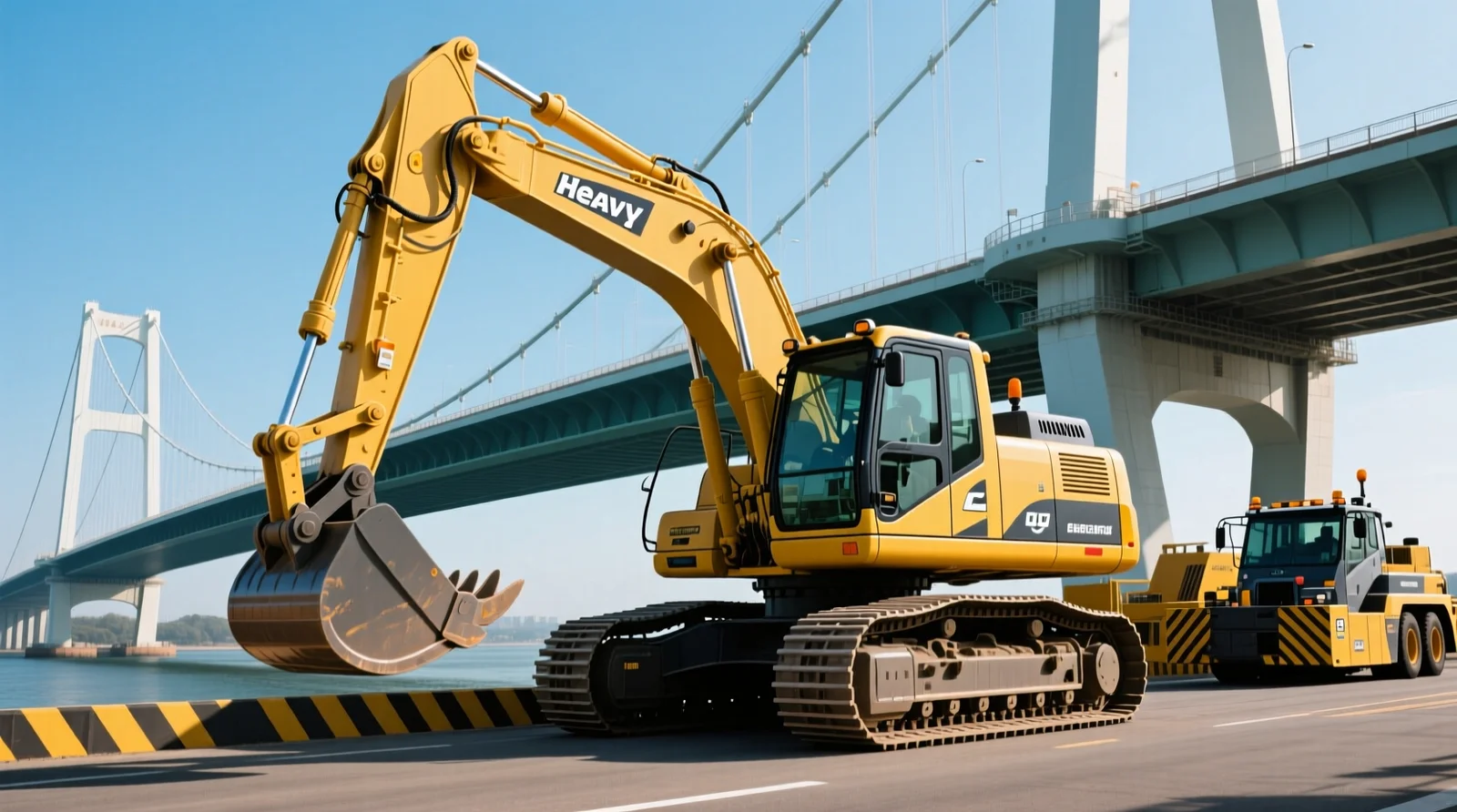
The heavy machinery industry is under growing pressure to reduce greenhouse gas emissions, driven by regulatory mandates, customer expectations, and global sustainability goals. As fully electric solutions continue to evolve, hybrid heavy machinery is gaining traction as an effective transitional technology. By combining internal combustion engines (ICEs) with electric components—usually batteries and electric motors—these machines offer lower emissions, improved fuel efficiency, and enhanced performance across mining, construction, and rail sectors.
TL;DR: Hybrid heavy machinery provides an immediate path to lower emissions and better efficiency, serving as a practical interim solution while full electrification technology matures.
Current Applications: Mining, Construction, and Rail
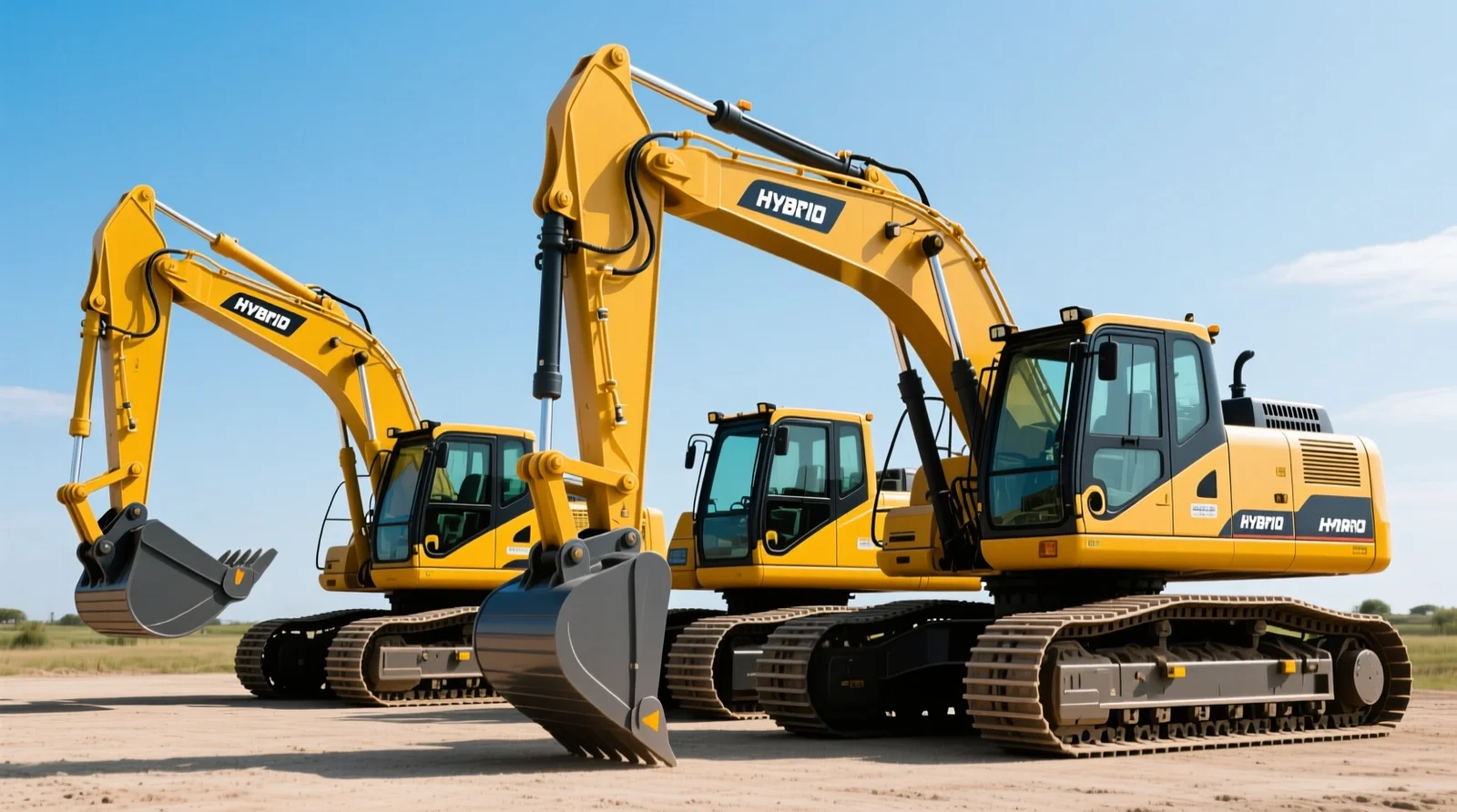
Hybridization has been particularly impactful in high-energy demand environments like mining and rail. Komatsu’s hybrid excavators, for example, have demonstrated fuel savings of up to 40% by capturing and reusing swing energy from the boom (Komatsu Hybrid Technology). In rail, Bombardier’s Coradia iLint hydrogen-electric train showcases how the hybrid model can significantly reduce diesel reliance while maintaining long-range capabilities.
Freight rail, which accounts for about 2% of global transport emissions, benefits from regenerative braking systems paired with diesel-electric drivetrains. Similarly, in construction, Caterpillar’s D7E hybrid dozer illustrates robust performance gains with up to 24% improved fuel efficiency compared to traditional models (Caterpillar Hybrid Dozers).
TL;DR: Hybrid machines are already in action across mining, construction, and rail—offering proven efficiency and emissions reductions through advanced energy recovery systems and electric-assist drivetrains.
Key Benefits of Hybrid Systems
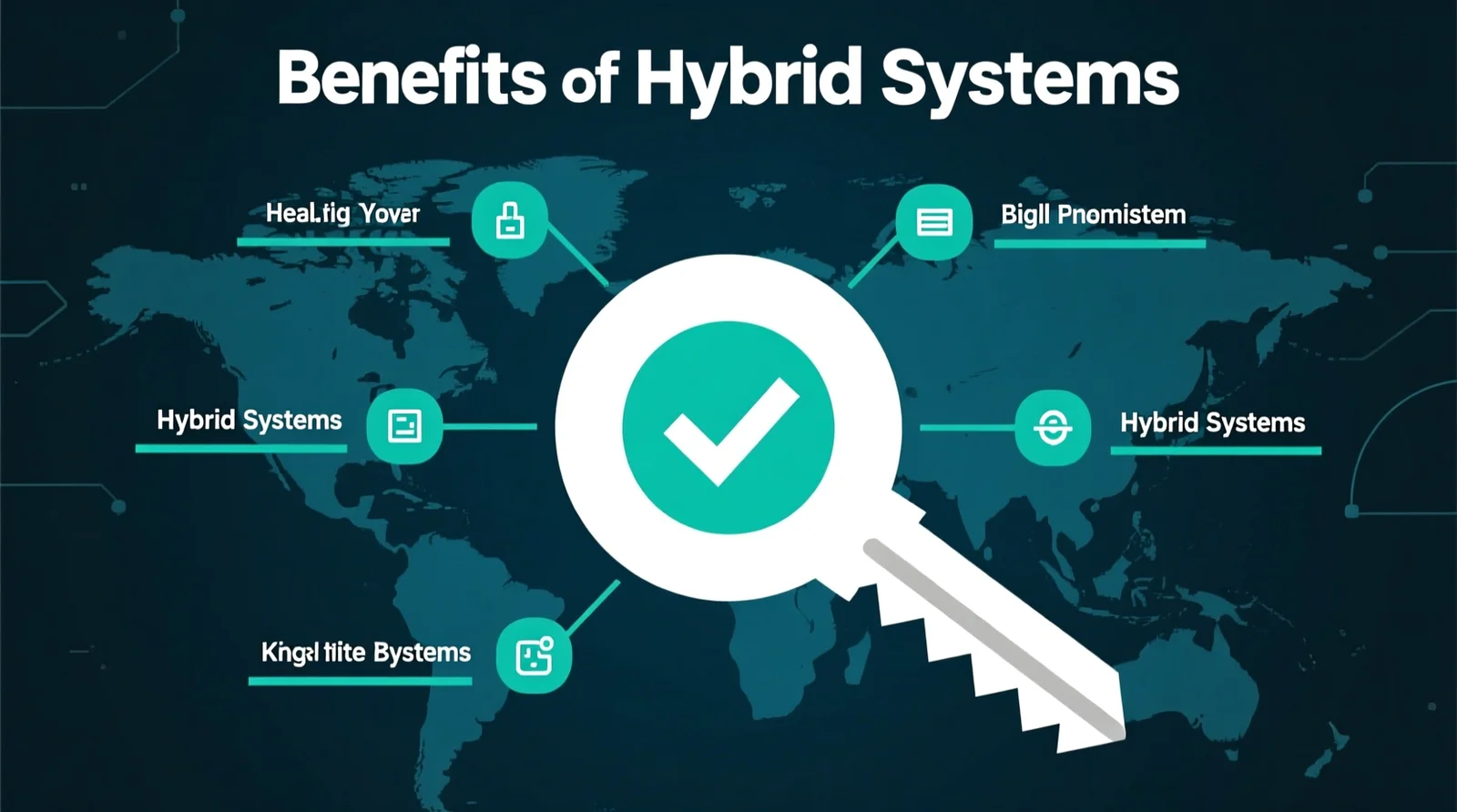
- Fuel Efficiency: Electric motors assist ICEs during high-load situations, reducing fuel consumption.
- Lower Emissions: Fewer engine hours mean less carbon dioxide (CO2) and nitrogen oxide (NOx) output.
- Operational Performance: Instant torque and regenerative braking contribute to smoother, more responsive control.
- Reduced Maintenance: Less wear on engines and brake systems extends service intervals.
According to a 2021 report by the International Energy Agency (IEA), hybrid solutions can reduce fossil fuel dependency significantly without requiring major overhauls to existing infrastructure—highlighting their practicality as transitional options.
TL;DR: Hybrid powertrains offer fuel cost savings, cut emissions, boost machine performance, and reduce maintenance—without needing fully revamped infrastructure.
Challenges in Full Electrification
While battery electric vehicles (BEVs) hold promise, several limitations remain for their large-scale adoption in heavy-duty sectors. Key challenges include:
- Battery Energy Density: Current lithium-ion batteries offer limited energy per unit weight, which restricts runtime in demanding applications. At scale, this can require large, heavy battery packs that are logistically impractical.
- Charging Infrastructure: Remote mining and construction sites often lack access to fast or reliable charging stations, delaying operations and adding cost.
- Downtime Due to Charging: In high-utilization environments, lengthy recharging periods can reduce overall uptime compared to quick refueling of combustion machines.
- Thermal and Performance Limitations: Extreme temperatures affect battery performance, which is especially problematic in outdoor environments where heavy machinery is typically used.
Even next-generation solid-state batteries—heralded for their potential improvements in energy density and safety—are still in early stages of commercialization. Until then, hybrid designs offer a practical blend of ICE longevity with emissions-conscious electric assist.
TL;DR: Electrification faces hurdles like limited battery range, slow charging, infrastructure gaps, and sensitivity to extreme conditions—making hybrids a more feasible near-term solution.
Comparison of Hybrid Heavy Machinery Models
| Manufacturer | Model | Application | Fuel Savings | Notable Features |
|---|---|---|---|---|
| Komatsu | HB365LC-3 | Excavation | ~30% | Regenerative swing motor; ultra-capacitor for power storage |
| Caterpillar | D7E | Earth Moving | ~24% | Diesel-electric drivetrain; improved precision grading |
| Alstom | Coradia iLint | Rail Transport | Up to 100% (Diesel-free) | Hydrogen fuel cell + battery hybrid; zero CO2 emissions |
TL;DR: Compare key hybrid machines—from Komatsu’s energy recovery systems to Alstom’s hydrogen trains—with each showing tangible gains in efficiency and emissions reductions.
The Road Ahead
Hybrid machinery will likely continue to dominate the short-to-mid-term roadmap toward decarbonization in heavy industry. As battery technology improves and regulations tighten, we may see hybrid platforms act as testbeds for full electric technologies. Additionally, original equipment manufacturers (OEMs) are investing significantly in alternative fuel strategies—such as hydrogen, fuel cells, or retrofit systems—to build resilience and flexibility in the decarbonized future.
For instance, Volvo CE has committed to investing heavily in electric and hybrid systems, showcasing prototypes such as the L25 Electric Compact Wheel Loader, while Hitachi and Liebherr are also rolling out hybrid excavator offerings globally.
TL;DR: Hybrid technologies serve as launchpads for deeper decarbonization, setting the foundation for future electric, hydrogen, or other zero-emission machinery platforms.
FAQ

Q: What is hybrid heavy machinery?
A: Hybrid heavy machinery uses both an internal combustion engine and an electric powertrain (battery and/or electric motor) to improve fuel efficiency and reduce emissions without compromising performance.
Q: How does hybrid equipment compare to fully electric machines?
A: Hybrids offer longer runtimes and faster refueling compared to fully electric machines, making them more practical for high-demand or remote operations where charging infrastructure is sparse.
Q: What are the main benefits of using hybrid machines?
A: Key benefits include reduced fuel consumption, lower emissions, decreased maintenance costs, and improved machine responsiveness due to electric assist features like regenerative braking.
Q: Which companies manufacture hybrid heavy equipment?
A: Leading hybrid equipment manufacturers include Komatsu, Caterpillar, Volvo CE, and Alstom.
Q: What limits the adoption of all-electric heavy machinery today?
A: Key limitations include battery weight, limited runtime, long charging downtime, and inadequate infrastructure at off-grid or rural work sites.