Introduction

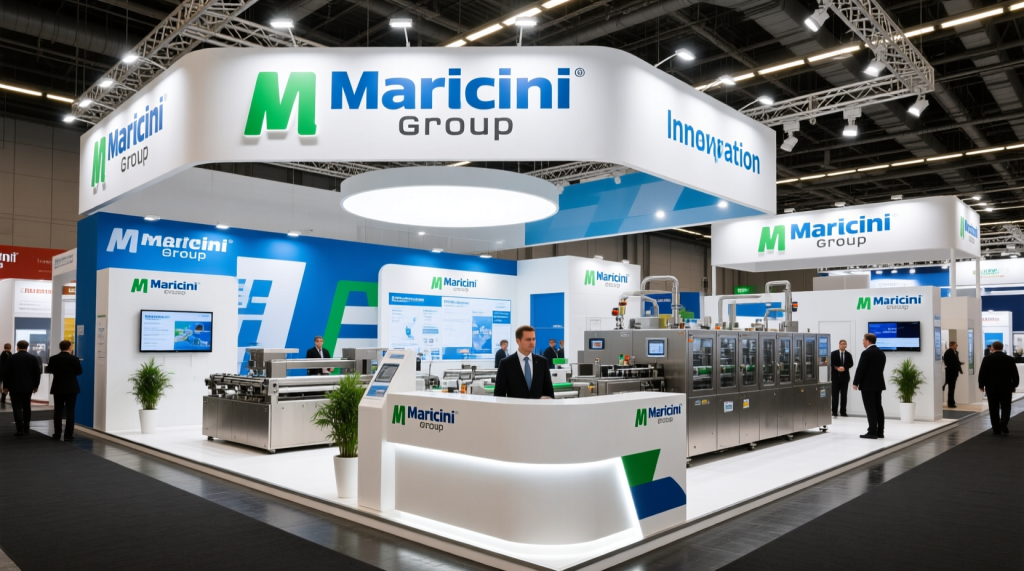
Marchesini Group will take part in Interpack 2026, the leading international trade fair for packaging and processing, held in Düsseldorf from 7 to 13 May 2026. The company will welcome customers, suppliers and partners in Hall 15, Stand A42 1‑6.
The booth will be organised into dedicated areas for sustainability, primary packaging, aseptic filling lines, robotics, digital solutions, artificial intelligence (AI) applications and product traceability. Visitors will follow a guided pathway focused on practical production outcomes—format flexibility, contamination control, batch-to-batch changeover discipline and PPWR‑compliant packaging solutions—across pharmaceutical and cosmetic manufacturing.
Who should visit: operations and maintenance managers (to evaluate OEE gains and downtime reduction), engineering heads (layout, utilities, integration), packaging development teams (materials and machinability), QA/RA (quality and regulatory alignment), and procurement (lifecycle cost and payback assumptions).
TL;DR: Interpack 2026 highlights Marchesini’s latest pharmaceutical packaging machinery and cosmetic packaging automation with a strong focus on measurable efficiency, validation readiness and sustainability compliance.
Interpack 2026: Innovation Driven by Regulation and Measurable Efficiency
“Interpack 2026 will be an important opportunity for Marchesini Group to present its latest innovations, including a machine for filling and capping non‑injectable liquids,” comments Valerio Soli, CEO of Marchesini Group. “We will also showcase several solutions from the Aseptic Business Unit, giving visibility to our ongoing collaboration with AST. Sustainability and robotics will take centre stage as we support our customers in implementing the PPWR regulation, balancing product safety, traceability and material recyclability.”
For regulated industries, innovation must translate into validated performance: lower reject rates, repeatable torque and fill control, shorter changeovers, and audit-ready electronic records. Where applicable, systems are typically designed to support Factory Acceptance Test (FAT) and Site Acceptance Test (SAT) protocols, data integrity principles (ALCOA+: Attributable, Legible, Contemporaneous, Original, Accurate plus Complete, Consistent, Enduring, Available), and 21 CFR Part 11-ready (US FDA guidance-aligned) electronic records/e-signature expectations.
For context on the show and the regulatory landscape shaping packaging choices, see Interpack’s official event information at interpack.com and the European Commission overview of the Packaging and Packaging Waste framework at environment.ec.europa.eu.
TL;DR: The Interpack focus is not “future talk”—it’s packaging technology engineered for auditable compliance, predictable throughput, and faster, cleaner changeovers.
ORBITA‑L: Modular Filling & Capping for Non‑Injectable Liquids (with 100% IPC)
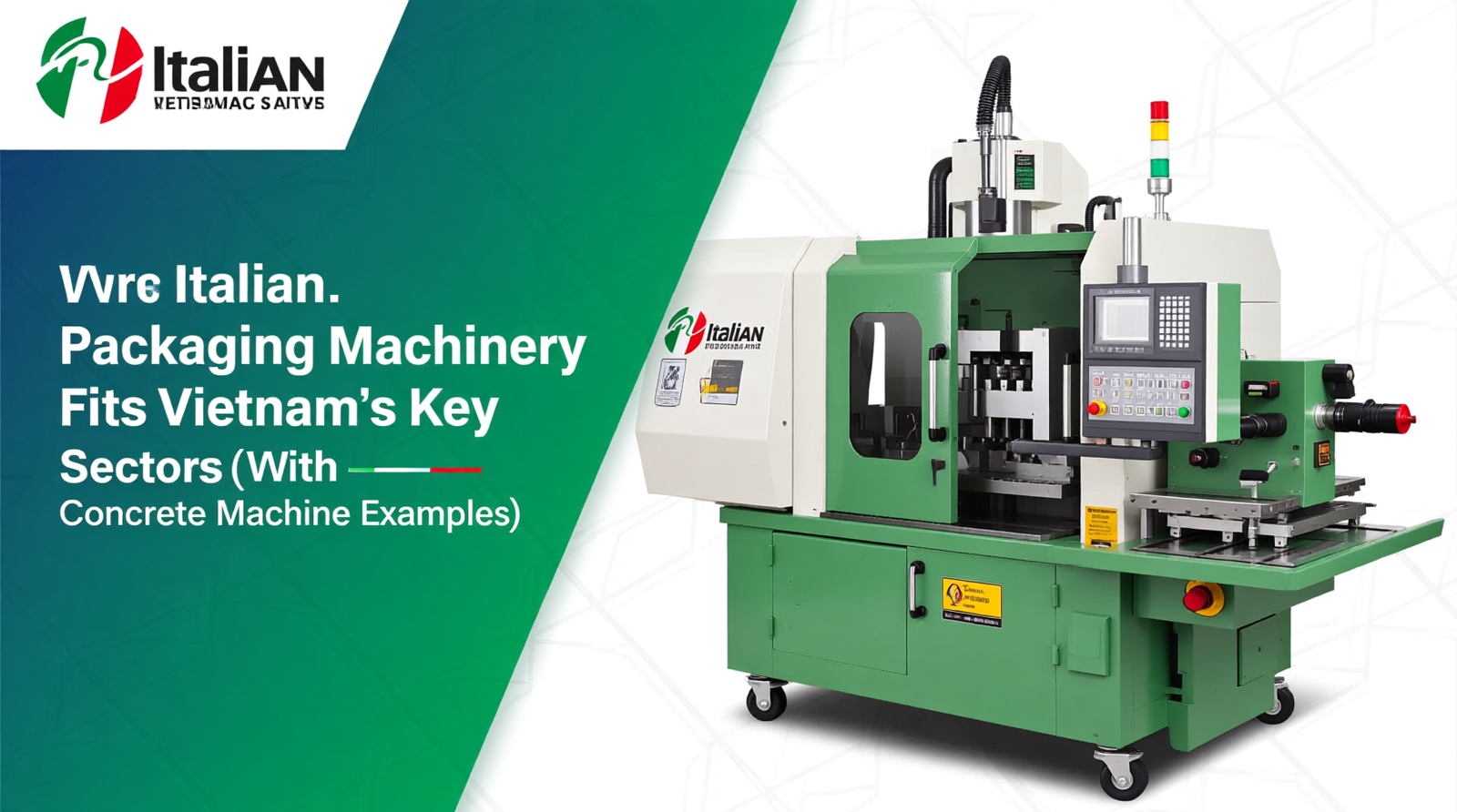
One of the key launches at Interpack 2026 will be ORBITA‑L, a modular machine designed for filling and capping non‑injectable liquid products. Typical applications include oral liquids (e.g., syrups), topical liquids (e.g., antiseptics), and cosmetic liquids (e.g., micellar water, hair serums) where hygienic design, dosing repeatability and fast changeovers directly affect scrap and Overall Equipment Effectiveness (OEE: the combined measure of availability, performance and quality).
Container and closure scope (typical): ORBITA‑L is designed for bottles and jars, commonly within ~20–500 ml (depending on tooling), including round/oval profiles and a variety of neck finishes. Closure handling is suited to frequent-market formats such as screw caps, pump dispensers, trigger sprayers, and dip-tube assemblies used in cosmetics and personal care. Defining these ranges upfront helps engineering and packaging teams evaluate format compatibility during line concepting.
ORBITA‑L introduces two technically relevant advancements:
- Magnetic transport with 100% IPC (In‑Process Control): a magnetic transport system supports controlled container handling through dosing and verification stations. “100% IPC” here refers to 100% in‑process weight control, meaning each filled container is checked in real time rather than via sampling. In production terms, this can reduce overfill (costly for actives/fragrances) and improve batch documentation by linking control results to each unit.
- Servo‑driven dip tube tightening unit: the tightening phase is servo-controlled to apply consistent torque (torque repeatability is a common root cause of leaks, pump misalignment and consumer returns). Servo control can also shorten optimisation time during format changeovers by using recipe-driven parameters rather than manual trial-and-error.
Practical use case: a CDMO (contract development and manufacturing organization) running a mixed SKU schedule—e.g., 50 ml cosmetic serum with pump on Monday, 200 ml personal care cleanser with flip-top on Tuesday, and 100 ml medicated topical on Wednesday—benefits from recipe-driven setup and 100% IPC to reduce release investigations tied to fill variation or closure issues.
The machine will be shown in a reserved stand area, accessible by appointment for customers and partners focused on advanced liquid filling and capping technologies.
TL;DR: ORBITA‑L targets high-mix liquid lines with bottle/jar formats and common closure families, using 100% IPC and servo torque control to reduce overfill, leaks, and changeover variability.
Aseptic Business Unit: Injectable Aseptic Filling Lines with Clear Compliance References
The booth will also host flagship solutions from Marchesini Group’s Aseptic Business Unit, dedicated to sterile manufacturing and aseptic filling lines for injectable products. In practice, these projects are built to align with major compliance expectations such as EU GMP Annex 1 (manufacture of sterile medicinal products) and relevant US FDA sterile processing expectations. For reference, see the European Commission EU GMP portal (EudraLex Volume 4 / EU GMP) and the FDA guidance landing page for sterile drug products produced by aseptic processing (FDA aseptic processing guidance).
From a container-handling standpoint, modern injectable lines must flex between:
- RTU (Ready‑To‑Use) containers: pre‑sterilised tubs (nested) for syringes and cartridges, commonly processed with denesting/renesting systems.
- Bulk containers: vials or syringes in bulk requiring appropriate washing/depyrogenation or other upstream preparation (depending on line design and site strategy).
Key systems presented include:
- Compact filling and closing system: an integrated solution for automated filling and closing of vials, syringes and cartridges. Compact architectures can reduce footprint and shorten changeover paths—particularly valuable in Grade B/C cleanroom layouts—while supporting higher line availability through fewer transfer points.
- Monobloc inspection machine (monobloc = multiple process modules combined in one machine frame): automatic inspection of syringes with integrated denesting and renesting. “100% inspection” typically refers to in-line inspection of every unit, helping reduce downstream rejects and enabling tighter control of critical quality attributes.
Implementation note (transparent view): aseptic projects often face real-world hurdles—material/packaging qualification (RTU tubs, stopper/closure components), media fill planning, operator training for aseptic interventions, and validation documentation load (URS/FDS, IQ/OQ/PQ). Marchesini typically supports these through structured FAT/SAT, documentation packages, and integration-ready digital architectures for audit trails and batch reporting.
TL;DR: The Aseptic Business Unit focuses on injectable container formats (RTU nested and bulk) and aligns design/validation with EU GMP Annex 1 and FDA expectations for sterile manufacturing.
Sustainable Packaging Solutions and PPWR Requirements Mapped to Machinery Capabilities
A dedicated stand area will focus on sustainable packaging materials and the machinery choices needed to run them at industrial speeds. Marchesini Group will demonstrate lines and modules designed to process:
- Paper‑based packaging
- Mono‑material plastics (single-polymer structures designed for easier recycling)
- Recyclable and recycled‑content materials
- Aluminium‑based solutions
PPWR (Packaging and Packaging Waste Regulation): what matters most for decision-makers (summary-level, since requirements are product/market specific):
- Design for recyclability: push toward packaging that can be collected, sorted and recycled at scale (impacts material selection and pack structures).
- Reuse objectives: increased focus on reuse systems in certain categories (drives packaging standardisation and durability requirements).
- Material restrictions and minimisation: pressure to reduce problematic materials and unnecessary packaging weight/volume.
- Recycled content targets (where applicable): drives qualification of recycled-content polymers and tighter incoming material control.
How this maps to the showcased solutions: mono-material blister development (recyclability), equipment able to thermoform alternative films (material flexibility), and robotics/vision to keep quality high when material behaviour changes (e.g., different stiffness, forming windows, sealing sensitivity). For regulatory context, consult the European Commission packaging waste framework overview: environment.ec.europa.eu.
TL;DR: The sustainability showcase links PPWR requirements (recyclability, reuse, material constraints, recycled content) to concrete machine features: alternative-material forming, stable feeding, and inspection/automation to protect quality.
Talks: European Regulations, Material Substitution and Thermoforming Practicalities
To deepen the regulatory and engineering aspects, Marchesini Group will host stand talks focused on EU regulatory direction and the practical trade-offs of new materials—where changes in film stiffness, sealing windows, and forming stability can impact scrap rate, line speed and inspection settings.
Topics will include:
- Progressive replacement of PVC in packaging applications (where technically and product‑compatibility feasible)
- Introduction of recyclable mono‑material alternatives
- Blister and tray thermoforming options using new materials, including commissioning and qualification considerations
These sessions are designed for packaging managers, R&D teams, regulatory affairs specialists and engineering decision-makers who need actionable data to take into internal material approval workflows.
TL;DR: The talks focus on how regulation translates into day-to-day manufacturability—forming, sealing, scrap, and qualification—not just material slogans.
High‑Speed PP Sustainable Blister Line with AI‑Based Line Clearance (SEA Vision)

The sustainability area will feature an integrated, robotised high‑speed line for blister packs made entirely of polypropylene (PP). This mono‑material approach is typically pursued to improve recyclability compared with multi-material structures.
Barrier performance (key technical concern): mono-material PP blister solutions can be suitable for many solid oral dosage forms (SODFs: tablets/capsules), but barrier needs vary widely. For moisture‑sensitive products, teams typically evaluate water vapour transmission rate (WVTR), seal integrity and long-term stability data versus traditional high‑barrier structures. The exhibit is an opportunity to discuss target product profiles and the validation/testing approach required for moisture/oxygen sensitivity.
The line will be paired with a new cartoner equipped with an automatic carton magazine (first-time showcase). In operational terms, automatic feeding can reduce micro-stops linked to manual replenishment and improve ergonomics—often a hidden driver of OEE losses on high-speed blister-cartoner connections.
AI‑based Line Clearance: the line includes an AI-based Line Clearance system developed by SEA Vision. Line Clearance (the documented verification that all components and products from the previous batch are removed before the next batch starts) is critical to avoid mix-ups. AI and Deep Learning (a subset of machine learning using neural networks) can improve detection robustness versus traditional rule-based vision by learning complex visual patterns—useful when lighting, reflections, print variability or background clutter would otherwise generate false accepts/rejects. Learn more about SEA Vision at seavision-group.com.
Expected operational impact (typical): automated line clearance can reduce changeover verification time and strengthen data integrity by creating consistent, time-stamped clearance evidence. Actual results depend on SKU mix, component complexity and site SOPs.
TL;DR: The PP blister line addresses recyclability goals while directly tackling two production pain points—material-driven process stability and changeover risk—using automation, robotics and AI-based line clearance.
Connector: From Material Sustainability to Asset Sustainability (Rinova)
Beyond material choice, many manufacturers now measure sustainability in lifecycle terms—energy, spare parts, and machine service life. This is where remanufacturing can deliver tangible reductions in embedded carbon and capex intensity.
TL;DR: The storyline moves from “what the pack is made of” to “how long the equipment stays productive.”
Rinova: Extending Machine Lifecycle Through Remanufacturing (with On‑Site Build Demonstration)

Rinova, created within the Group, focuses on remanufacturing original Marchesini models—restoring mechanical performance, updating safety systems and modernising controls where needed. Compared with a like-for-like replacement, remanufacturing can shorten the path to improved reliability while reducing waste and the footprint linked to building a new machine.
At Interpack 2026, a refurbished cartoner will be displayed initially assembled to about 60%. During the exhibition, the Rinova team will complete the assembly on-site, replicating a workshop environment at the fair.
The demonstration will show key remanufacturing steps such as mechanical overhaul, replacement of obsolete components, addition of safety and digital features, and final testing. For engineering teams, this is also a chance to discuss documentation, spares strategy and how upgrades can be aligned with current operational standards.
TL;DR: Rinova demonstrates a practical route to extend equipment life through tested upgrades—useful for plants seeking faster ROI than full line replacement.
Cosmetic Packaging Automation: Flexible Lines for Liquids and Tubes (High SKU Variability)
In a dedicated Marchesini Group Beauty area, two complete lines for cosmetic packaging will be presented with an emphasis on format agility—critical where SKU counts are high and batches are short.
Line 1 (liquid cosmetics):
- A compact robotic feeder for automatic and gentle handling of multiple bottle geometries (helpful where scuff marks and cosmetic defects drive rejects).
- A filling machine designed to manage different bottle types and sizes, developed through collaboration between Axomatic and Vibrotech.
Line 2 (tubes + cartoning):
- An automatic tube filling and dosing machine for plastic tubes (creams, gels and semi-solids).
- An automatic cartoner from V2 engineering, designed for format flexibility and integration into higher-volume cosmetic packaging lines.
Practical use case: a cosmetics manufacturer running a weekly mix of 30–100 ml skincare bottles plus seasonal gift kits can benefit from robotic feeding and format-flexible cartoning to reduce changeover friction and maintain presentation quality (print alignment, closure aesthetics, carton squareness).
TL;DR: These cosmetic packaging automation lines are designed for high SKU variety, frequent format changeovers and presentation-critical quality, without sacrificing line integration.
Next Generation Robotics + Vision + Deep Learning: What It Actually Adds on the Line
Another stand area will focus on industrial robotics and AI applied to packaging and processing, especially where product infeed is non-deterministic (random orientation/spacing) and where conventional automation would require extensive mechanical guiding.
Marchesini’s Next Generation Robotics platform is based on modular, high‑performance multi‑axis architectures designed to integrate with machine vision. Deep Learning improves defect detection and object recognition by learning from examples rather than relying solely on hard-coded rules—often increasing robustness when packaging artwork, reflections, or product variability would otherwise cause false rejects.
These technologies enable packaging systems to:
- Handle unstructured infeed and random product presentation with less mechanical constraint
- Maintain precision and repeatability for delicate items (e.g., nested containers, cosmetics with finish-sensitive surfaces)
- Reduce manual interventions that create micro-stops and quality escapes
An interactive installation will demonstrate applications from pick‑and‑place to case packing, palletising, assembly and complex handling tasks.
TL;DR: Robotics plus Deep Learning is positioned as a practical engineering tool—better handling of randomness and better defect recognition—reducing micro-stops and manual touchpoints.
Digital Solutions: Predictive Maintenance, Service Portal and AR‑Guided Changeovers
Digitalisation will play a central role. AI underpins “Morpheus,” the Group’s predictive maintenance solution. Predictive maintenance uses machine data trends (e.g., vibration, cycle counts, temperature, motor current) to anticipate failures and schedule interventions—aiming to reduce unplanned downtime and stabilise OEE.
Visitors can also explore services available through the customer portal, including:
- Online digital machine documentation
- A Service Platform for managing support requests
- An interactive spare parts manual for faster identification and ordering
The stand will also feature an augmented reality (AR) format-change system that guides operators step-by-step through changeover procedures. AR guidance is particularly valuable where format parts are numerous and changeovers are frequent: it standardises the procedure, supports training and helps reduce setup errors that lead to startup scrap.
TL;DR: The digital stack targets fewer breakdowns, faster troubleshooting and more consistent changeovers through predictive maintenance, structured service tools and AR work instructions.
Customer Benefits by Segment (What Decision-Makers Typically Measure)
For technical and procurement teams comparing suppliers, benefits are usually quantified through changeover time, reject rate, downtime, and validation effort. While exact values depend on the product, format range and site practices, the showcased solutions address common drivers by segment:
- Pharma injectables (aseptic filling lines): reduced contamination risk through controlled container handling (RTU nested workflows), stronger inspection coverage, and validation-ready architectures (FAT/SAT, documentation support). Primary benefit: fewer deviations and smoother batch release pathways when aligned with Annex 1 expectations.
- Non‑injectable liquids (pharma + personal care): 100% IPC (In‑Process Control) weight verification and servo torque control to reduce overfill and closure-related rejects. Primary benefit: tighter fill/closure consistency on high-mix schedules.
- Cosmetics: robotic feeding and flexible cartoning to handle frequent SKU changes and presentation-critical quality. Primary benefit: fewer micro-stops and less cosmetic damage during handling.
TL;DR: Benefits are framed around what plants track: fewer deviations (aseptic), less overfill/leaks (liquids), and fewer micro-stops/handling defects (cosmetics).
Conclusion and Next Steps (Interpack Appointments)
At Interpack 2026, Marchesini Group will present targeted solutions across pharmaceutical packaging machinery and cosmetic packaging automation—from ORBITA‑L for non‑injectable liquids to injectable aseptic filling lines, a PP mono‑material blister line with AI-based line clearance, remanufacturing via Rinova, and robotics/digital tools designed to improve changeovers, quality evidence and line availability.
Planning a technical evaluation? Bring your container/closure drawings, SKU list, target speed (units/min), batch size distribution, and material structures (e.g., lidding and forming films). These inputs enable a more accurate discussion of throughput constraints, changeover approach, and validation scope.
Call to action: To schedule a stand appointment or request a technical consultation, use the contact form on marchesini.com and reference “Interpack 2026 – Hall 15 Stand A42 1‑6” in your message.
TL;DR: The exhibit is structured for engineering-level discussions—bring real line data to evaluate fit, compliance approach and measurable performance improvements.
FAQ

Q: How does PPWR affect pharmaceutical blister packaging choices?
A: PPWR pushes packaging toward improved recyclability, reduced problematic materials, and—in some cases—recycled-content targets. For pharma blisters, this often triggers evaluation of mono‑material structures (e.g., PP-based solutions) while still meeting stability needs such as moisture barrier (WVTR), seal integrity and shelf-life requirements validated through product-specific studies.
Q: What is AI-based line clearance, and why does it matter in pharma packaging?
A: Line Clearance is the documented verification that a packaging line is free of previous-batch components to prevent mix-ups. AI-based line clearance uses advanced image analysis (including Deep Learning) to detect residual components more consistently than manual checks alone, supporting faster changeovers, reduced human error, and stronger data integrity evidence for audits.
Q: What does “100% IPC” mean on a liquid filling and capping machine?
A: IPC stands for In‑Process Control. “100% IPC” typically means every container is checked during production (for example, via in‑process weight control), rather than checking only a sample. This helps reduce overfill, detect fill anomalies immediately, and improve batch documentation.
Q: What is the difference between RTU nested syringes and bulk syringes in aseptic filling lines?
A: RTU (Ready‑To‑Use) nested syringes arrive pre‑sterilised in tubs and are processed through denesting/renesting modules, supporting closed and controlled handling. Bulk syringes are supplied differently and may require more upstream preparation steps depending on the site’s aseptic strategy. The choice affects line layout, contamination control approach and validation scope.
Q: What should I bring to Interpack to evaluate a new packaging line realistically?
A: Bring your SKU list and batch sizes, container/closure specifications, target throughput (units/min), current OEE loss breakdown (micro-stops, rejects, changeover time), and packaging material structures. With these, you can compare options for format flexibility, inspection strategy, automation level, and validation/documentation requirements.