Introduction

A Leeds-based plastics manufacturer has been fined following two separate workplace incidents involving finger amputation injuries just 10 days apart. The case is a clear reminder for industrial duty holders that machine guarding, PUWER compliance (Provision and Use of Work Equipment Regulations 1998), and robust training/supervision systems are not optional—especially in plastic manufacturing safety where table saws, sanders, and cutting machinery are routinely used.
According to the Health and Safety Executive (HSE)—Great Britain’s national regulator for workplace health and safety—failings in guarding, training and safe systems of work led to an HSE prosecution and financial penalties for Commercial Lines Ltd, trading as HLN Supplies.
External reference: PUWER overview and employer duties are set out by the HSE here: https://www.hse.gov.uk/work-equipment-machinery/puwer.htm.
TL;DR: This case links finger amputation risk directly to PUWER-driven requirements for suitable equipment, effective guarding, trained operators, and enforceable safe systems of work.
Serious Hand Injury on Sanding Machine (12 August 2024)
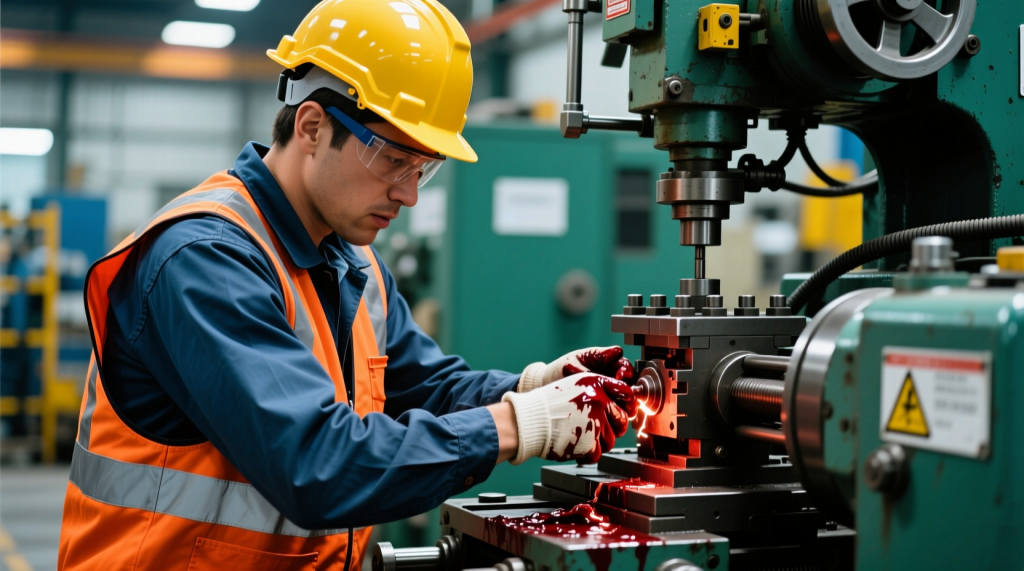
On 12 August 2024, 61-year-old employee Angela Morrison suffered severe hand injuries while working with a sanding machine at the company’s Upper Accommodation Road site in Leeds. She attempted to clear a blockage and her hand was exposed to hazardous moving parts.
The injury resulted in amputation of what remained of her middle finger, with further long-term complications affecting another finger. Morrison—an employee of nearly 30 years—described significant day-to-day functional limitations, including difficulty with ordinary household tasks.
From a safety-management perspective, this type of event often indicates two combined failures: (1) inadequate guarding to prevent access to dangerous parts and (2) lack of a controlled isolation and clearing procedure (for example, safe stop and isolation before intervention). Under PUWER, employers must prevent access to dangerous parts of machinery or stop movement before any person enters a danger zone where reasonably practicable.
External reference: HSE guidance on safeguarding and preventing access to dangerous parts: https://www.hse.gov.uk/work-equipment-machinery/safeguarding.htm.
TL;DR: Blockage-clearing on sanders is a high-risk task; PUWER expects effective guarding and safe isolation methods so hands cannot reach hazardous moving parts.
Second Incident on Table Saw (Late August 2024)
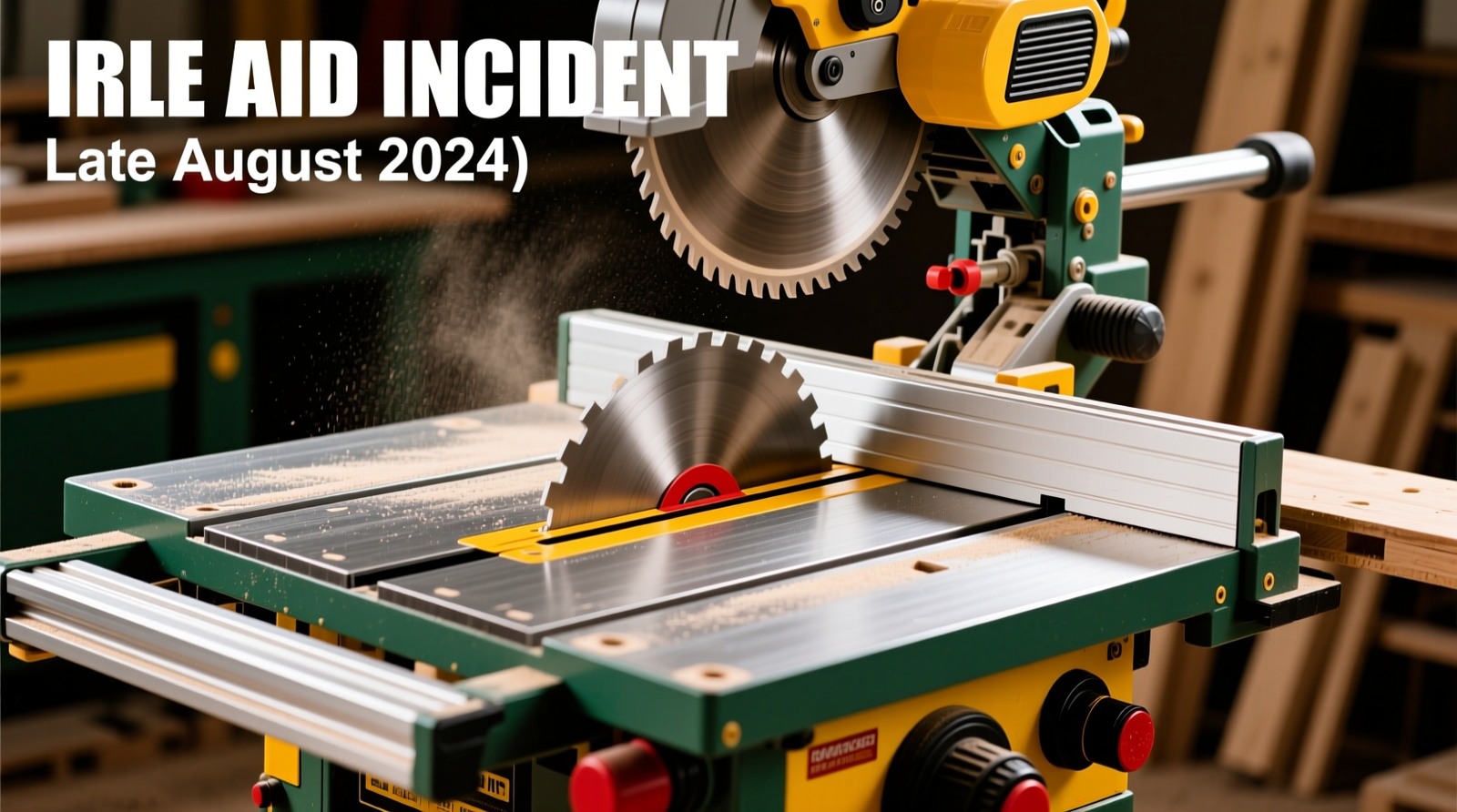
Later in August 2024, a second employee (57-year-old male) was cutting plastic strips on a table saw when his left hand contacted the rotating blade, resulting in the loss of part of his index finger.
Incidents involving small parts on table saws frequently share predictable risk patterns: feeding small workpieces too close to the blade, unstable materials, “freehand” cutting, inadequate push tools (for example push sticks—hand tools designed to keep hands away from a blade), and weak supervision/authorisation controls.
In plastics fabrication, materials can be narrow, flexible, or prone to kickback depending on setup. This elevates the need for a defined SSOW (Safe System of Work) that specifies guarding, tooling, feed methods and minimum dimensions.
TL;DR: Cutting small plastic strips on a table saw needs a specific SSOW with push sticks/jigs and clear “no freehand cutting” rules to keep hands out of the danger zone.
HSE Investigation and Safety Failings in Machine Guarding and Training
According to the HSE investigation, inspectors identified multiple deficiencies that exposed workers to avoidable risk, including:
- Inadequate guarding on the sanding machine, allowing access to dangerous moving parts.
- Insufficient training for safe table saw use.
- No suitable SSOW for cutting small pieces on the saw (a known high-risk scenario).
These findings align with core requirements under PUWER 1998, which places duties on employers to ensure work equipment is:
- Suitable for the intended task and conditions (including material type and size).
- Maintained in an efficient state and in good repair.
- Provided with appropriate guards/protective devices to control access to dangerous parts.
- Used only by those who have received adequate information, instruction and training, and where necessary, by authorised operators.
In addition, the Management of Health and Safety at Work Regulations 1999 (often abbreviated to the Management Regulations) require employers to carry out suitable and sufficient risk assessments and implement preventive/protective measures, including arrangements for planning, organisation, control, monitoring and review.
External references:
- PUWER (HSE): https://www.hse.gov.uk/work-equipment-machinery/puwer.htm
- Risk assessment and management duties (HSE): https://www.hse.gov.uk/risk/
TL;DR: The investigation points to systemic non-compliance with PUWER and Management Regulations: inadequate guarding, insufficient training/authorisation, and weak risk assessment/SSOW controls.
Relevant UK Standards for Guarding and Machine Safety (Regulatory Context)
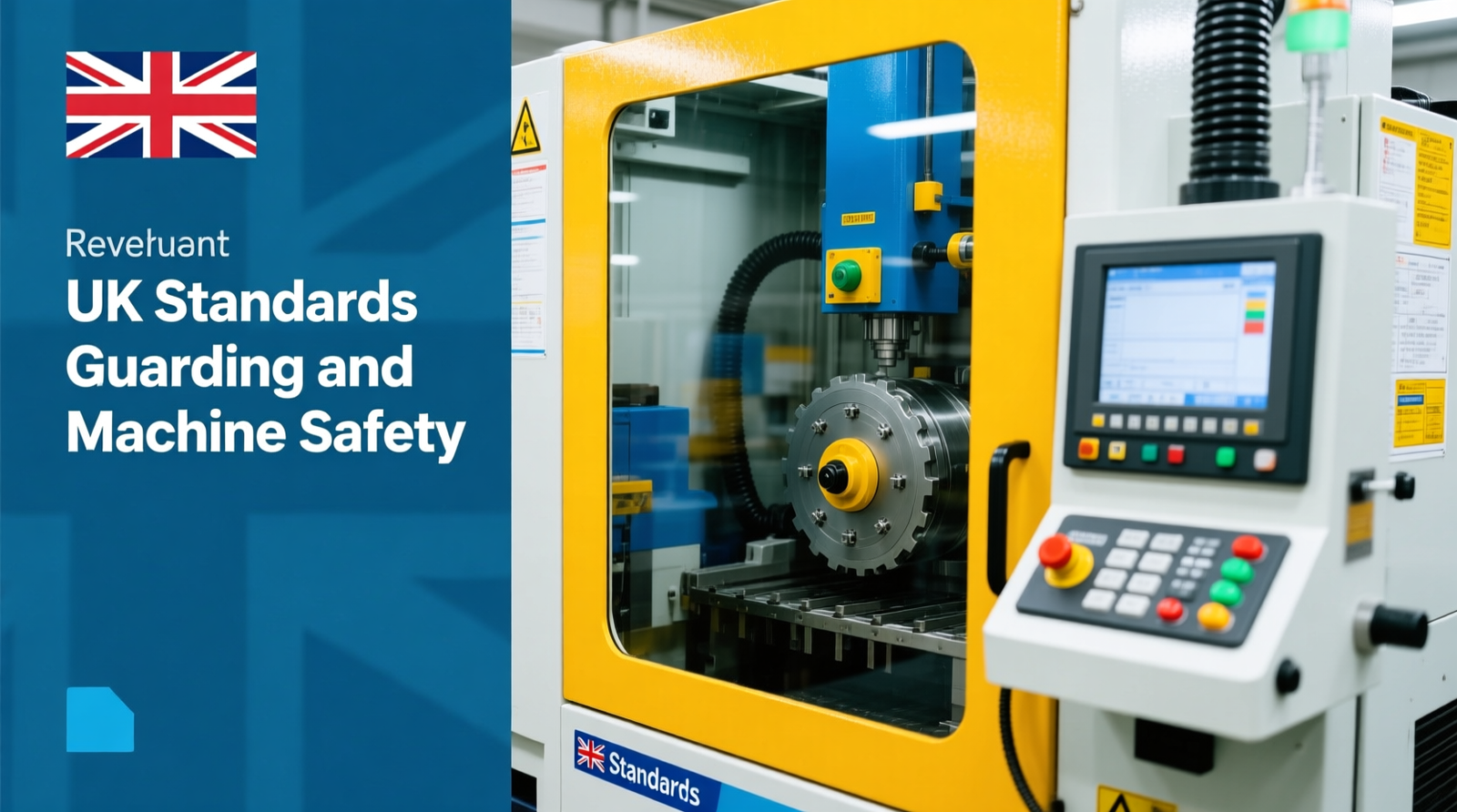
While UK regulations set legal duties, recognised standards help define “good practice” and what is reasonably practicable. Two commonly referenced standards in machinery safety include:
- BS EN ISO 13857 — Safety of machinery: safety distances to prevent hazard zones being reached by upper and lower limbs (used when designing/positioning guards to prevent reach-in).
- BS EN 60204-1 — Safety of machinery: electrical equipment of machines (covers aspects such as emergency stops, isolation, wiring and control systems).
Using standards does not automatically guarantee legal compliance, but they are widely used to demonstrate risk-based design decisions and control measures in line with PUWER expectations.
External reference (standards overview): British Standards Institution (BSI) catalogue: https://www.bsigroup.com/en-GB/standards/.
TL;DR: PUWER sets duties; standards like BS EN ISO 13857 and BS EN 60204-1 help translate those duties into measurable guarding and control-system practices.
Court Outcome: Fine and Costs
Commercial Lines Ltd (trading as HLN Supplies) appeared at Leeds Magistrates’ Court and admitted health and safety offences connected to the two incidents.
The court heard the company failed to ensure adequate guarding, adequate training, and safe procedures for higher-risk operations. Magistrates imposed:
- £16,000 fine
- £6,534.85 prosecution costs
- £2,000 victim surcharge
Beyond the immediate penalties, cases like this commonly trigger additional operational impacts: downtime, remedial engineering, management time, insurer scrutiny, and potential civil claims.
TL;DR: The financial penalty is only part of the cost—prosecutions often lead to unplanned downtime, remediation spending, and longer-term liability and insurance consequences.
Transition: Why This Prosecution Signals Systemic Management Failure
Two serious, similar-severity injuries within 10 days strongly suggests more than isolated operator error. For many manufacturers, this pattern points to systemic gaps: weak risk assessment, unclear authorisation, inconsistent supervision, inadequate inspection/maintenance of guards, and lack of effective management review after the first event (including learning from near-misses and early warning signs).
In practical terms, the key question for leadership teams is not “who made the mistake?” but “what controls failed (or were missing) that allowed hands to reach danger zones during normal work and foreseeable non-routine tasks like clearing blockages?”
TL;DR: Back-to-back amputations usually indicate process and management-control failures—risk assessment, supervision, guarding integrity, and learning/review mechanisms.
Typical Guarding Solutions for Sanders and Table Saws (Practical Controls)
Industrial machinery risks should be controlled using a hierarchy of controls (elimination, substitution, engineering controls, administrative controls, PPE). For sanders and saws, effective measures are usually engineering-led:
- Fixed guards: permanently secured barriers preventing access to dangerous parts (often preferred where routine access is not required).
- Adjustable guards: set as close as practicable to the workpiece while still allowing the operation (commonly used on saws).
- Interlocked guards: guards fitted with a switch so opening the guard stops the machine or prevents start-up (an interlock is a safety device that prevents operation when a guard is not in the safe position).
- Two-hand controls: controls requiring both hands to be engaged, reducing the chance hands are in the danger area during activation (more common in presses, but sometimes used for specific cutting operations).
- Push sticks / push blocks: keep hands away from blades during feeding and finishing cuts.
- Jigs and fixtures: purpose-made holding devices to secure small components and keep hands out of line-of-fire (critical for repeat cutting of small plastic parts).
- Emergency stop (E-stop): a clearly accessible stop device to reduce severity when things go wrong; it is not a substitute for guarding.
Where blockage clearing or adjustment is foreseeable, the SSOW should specify stop, isolation, and verification of zero movement before intervention (often referred to as LOTO—Lockout/Tagout—though UK sites may use different terminology for isolation and lock-off controls).
TL;DR: Practical prevention on sanders/saws is built around engineered guarding (fixed/adjustable/interlocked) plus tooling (push sticks/jigs) and controlled isolation for interventions.
Duty Holder Responsibilities (Directors, Managers, Supervisors)
Preventing machinery amputations requires clarity on “who owns what” in the management system:
- Directors/senior leadership: set safety policy, allocate budget/resources for guarding and maintenance, ensure competent advice, and require management review of performance after incidents/near-misses.
- Managers: implement PUWER assessments, ensure SSOW documentation is current, schedule inspections/maintenance, ensure training matrices and authorisation are enforced, and verify corrective actions are closed out.
- Supervisors/line leads: control day-to-day behaviours—confirm guards are fitted/functional, stop unsafe methods (for example, cutting small strips without jigs), ensure only authorised operators use machines, and escalate defects immediately.
This role clarity is central to effective control, monitoring and review expected under the Management Regulations.
TL;DR: Leadership funds and reviews, managers systemise and verify, supervisors enforce daily controls—machine safety fails when these responsibilities blur or go unchecked.
The Human Impact of Workplace Finger Amputations (and Business Consequences)
Finger amputations and severe hand injuries can permanently reduce grip strength, dexterity and tactile feedback, affecting both work capability and everyday living. Morrison’s comments highlight a common rehabilitation reality: routine tasks (handling heat, coins, keys, packaging, tools) become slower, painful, or impossible without adaptation.
For employers, the human impact has direct business implications: lost productive capacity, overtime or temporary labour to cover absence, training time for replacements, potential compensation claims, increased insurance premiums, and reputational damage—particularly after an HSE prosecution.
HSE-published statistics also show that manufacturing remains a higher-risk sector for non-fatal injuries compared with many other industries, reinforcing why machinery risk controls must be actively maintained rather than assumed.
External reference (data): HSE workplace injury statistics (Great Britain): https://www.hse.gov.uk/statistics/.
TL;DR: Amputations drive long-term functional loss and rehabilitation needs—and create significant operational, insurance, legal and reputational costs for manufacturers.
Key Takeaways (Legal, Financial, Operational)

- Legal: PUWER requires suitable equipment, effective guarding, maintenance, and competent use; the Management Regulations require risk assessment and robust arrangements for control/monitoring/review.
- Financial: Fines and costs are often outweighed by downtime, remediation, legal fees, civil claims and insurance impacts.
- Operational: Small-part cutting and blockage clearing are predictable high-risk tasks—treat them as “special operations” with defined SSOWs, tooling, supervision and authorisation.
- Cultural: Two serious incidents close together typically indicate weak supervision and weak management review/learning, not bad luck.
TL;DR: Compliance is a management system: guarding + training/authorisation + SSOW + monitoring/review—supported by leadership resources and supervision.
Key Compliance Lessons for Plastics Manufacturers (Actionable Policies)
- Standardise PUWER assessments for every machine, including foreseeable non-routine tasks (clearing jams, blade changes, cleaning).
- Define “authorised operator” status with training, practical assessment, and refresher intervals—then enforce it (no informal “watch and learn”).
- Engineer-out hand exposure on repetitive small-part work using jigs/fixtures and adjusted guarding; don’t rely on PPE or warnings.
- Embed shift-start guard checks with sign-off and escalation rules for defects (stop-work authority).
- Investigate near-misses and first injuries with management review and documented learning—especially before returning equipment to service.
- Control procurement changes: new blades, new products, new thicknesses or new speeds trigger review of risk assessment and SSOW.
TL;DR: Turn “lessons learned” into policies with owners, checklists, authorisation rules, and engineered controls—particularly for small-part cutting and non-routine interventions.
Employer Checklist (PUWER- and Risk-Based)
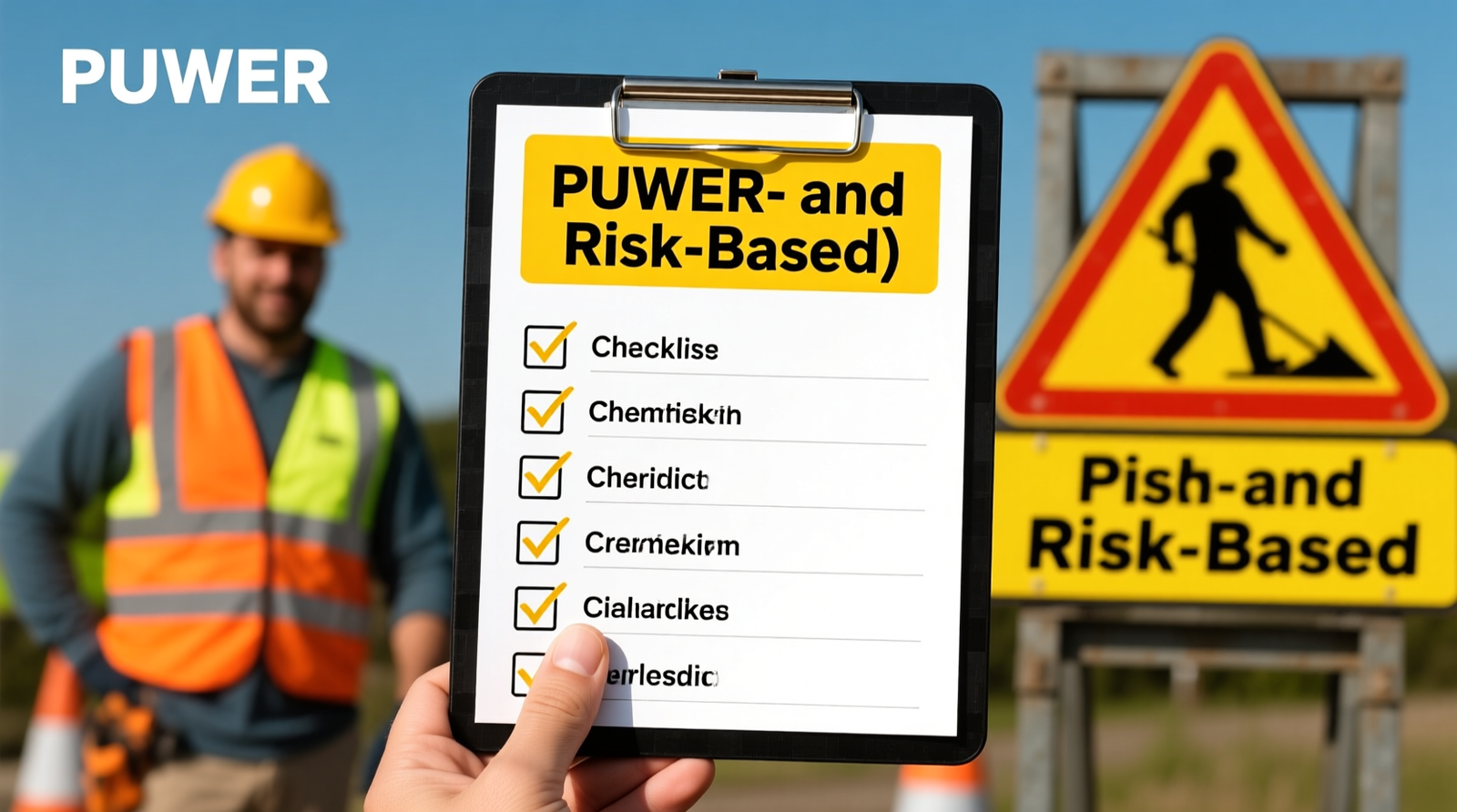
- Has every machine been subject to a documented PUWER assessment (including non-routine tasks)?
- Are guards present, effective, and tamper-resistant—and are they inspected and signed off at the start of each shift?
- Do you have a clear list of trained, tested, and authorised operators for each machine?
- Are SSOWs available at point of use and do they specifically address small components and hand proximity tasks?
- Are supervisors checking that operators use push sticks, jigs, and correct setups (not freehand methods)?
- Are maintenance and guard defects logged, prioritised, and closed out with verification?
- Are near-misses investigated and used to update risk assessments and SSOWs?
- Do you conduct periodic internal audits and, where needed, third-party safety reviews (particularly for SMEs without in-house competence)?
TL;DR: A practical compliance system is auditable: PUWER assessments, guard checks, authorised operators, SSOWs for small parts, near-miss learning, and verified maintenance closure.
Example SSOW: Table Saw Cutting of Small Plastic Components
Below is a concise example of a robust SSOW for cutting small plastic strips (to be adapted to machine type, guarding design, and product):
- Pre-use checks: confirm blade condition, riving knife where applicable, guard integrity, extraction (if fitted), and emergency stop function.
- Set-up: guard adjusted as close as practicable to the workpiece; fence locked; cutting path clear.
- Method control: no freehand cuts; small pieces must be held using a jig/fixture or push block—hands must not pass within a defined minimum distance of the blade (site-specific rule).
- Tooling: mandatory use of push sticks/push blocks for finishing the cut; never reach over or behind the blade to retrieve offcuts until the blade stops.
- Minimum size rule: if the component is below a defined minimum dimension, it must be processed using an alternative controlled method (for example, purpose-built jig, guillotine designed for the material, or outsourced process).
- Non-routine events: for jams or adjustments—stop, isolate, verify zero movement, then clear using a tool (not fingers).
- Supervision: only authorised operators may cut small parts; supervisors perform periodic observations and record findings.
TL;DR: A strong table saw SSOW eliminates freehand cutting, mandates jigs/push tools, defines minimum sizes, and controls non-routine interventions via stop/isolation/verification.
Preventing Machinery Injuries in Plastic and General Manufacturing
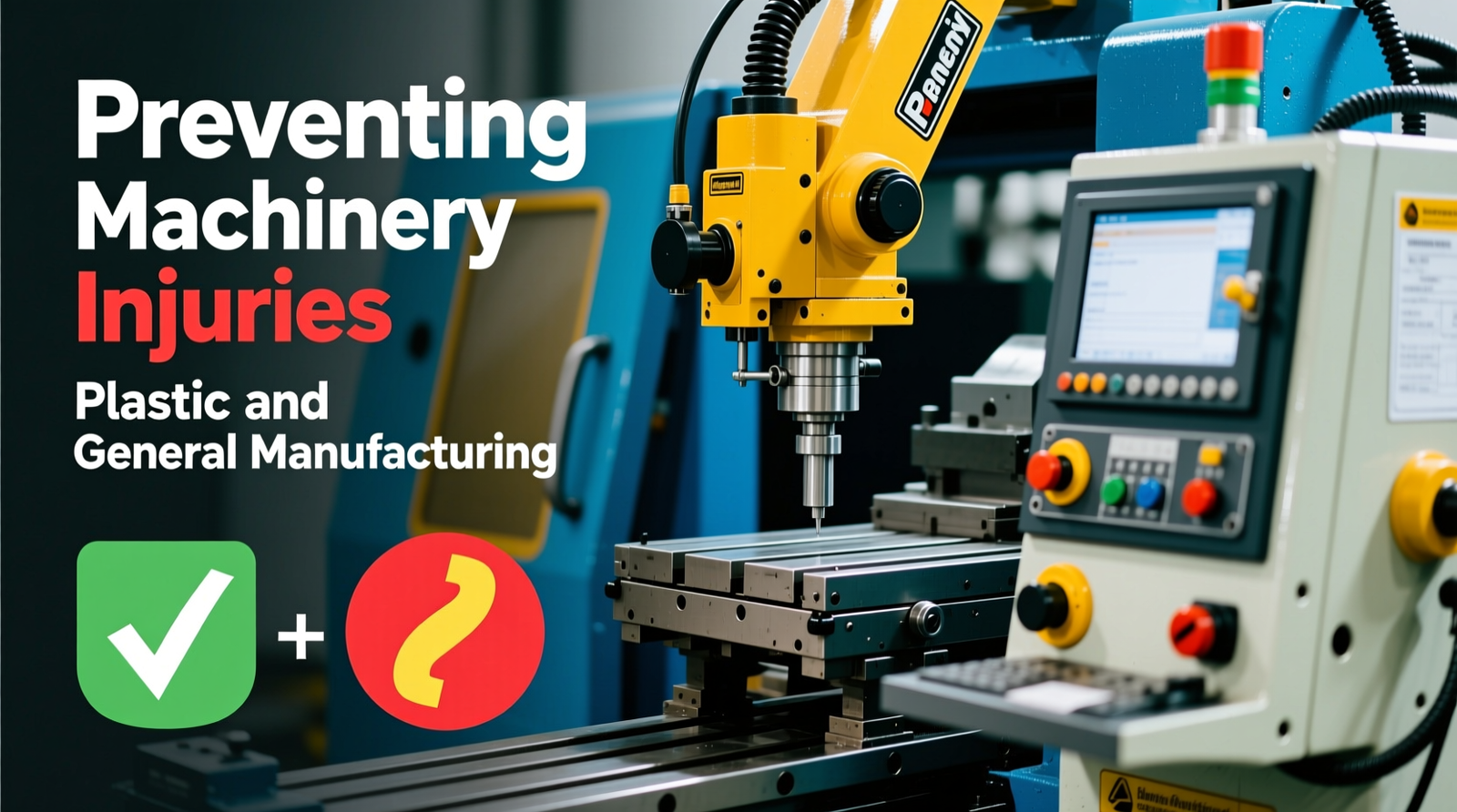
The practical prevention message from this case is that amputations are rarely “unpredictable.” They typically follow known failure modes: reachable hazards, missing or ineffective guarding, undocumented or unrealistic SSOWs, informal training, and production pressure overriding safe methods.
HSE guidance consistently emphasises guarding, risk assessment, competence, and maintenance as foundational controls—particularly where hands can reach dangerous parts. Where a business lacks in-house expertise (common in SMEs), periodic external audits can quickly identify guarding gaps, unsafe cutting methods, and weak authorisation systems before an injury forces change.
External references:
- HSE: Work equipment and machinery safety: https://www.hse.gov.uk/work-equipment-machinery/
- HSE: Managing for health and safety (HSG65 overview): https://www.hse.gov.uk/managing/index.htm
TL;DR: The prevention formula is consistent across manufacturing: engineered guarding + realistic SSOW + trained/authorised operators + active supervision + monitoring and review.
Conclusion
The prosecution of Commercial Lines Ltd (HLN Supplies) after two finger amputation injuries in August 2024 shows how quickly machine-safety weaknesses can translate into severe harm and regulatory action. Under PUWER 1998 and the Management Regulations 1999, employers must ensure machinery is suitable, properly guarded, maintained, and used only by trained and authorised personnel—supported by risk assessments and effective monitoring/review.
For plastics manufacturers, the most actionable lesson is to treat small-part cutting and non-routine interventions (like blockage clearing) as high-risk tasks requiring engineered controls, defined SSOWs, and visible supervisory enforcement.
Source / review note: This article is written for manufacturing managers and health & safety practitioners and is based on publicly available HSE/court reporting and established UK regulatory duties and guidance. Where specialist interpretation is needed, seek competent advice (for example, a chartered safety professional or NEBOSH-qualified practitioner) tailored to your machinery and processes.
TL;DR: Amputations are preventable when PUWER/management duties are implemented as a living system: guard integrity, competent operators, task-specific SSOWs, and management learning after incidents/near-misses.
FAQ

Q: What does PUWER require for machine guarding on sanders and table saws?
A: PUWER requires employers to prevent access to dangerous parts of machinery so far as is reasonably practicable, typically through fixed, adjustable, or interlocked guards and other protective devices. It also requires equipment to be suitable, maintained, and used by trained and competent operators. HSE guidance on PUWER and safeguarding is available at https://www.hse.gov.uk/work-equipment-machinery/puwer.htm and https://www.hse.gov.uk/work-equipment-machinery/safeguarding.htm.
Q: How should plastics manufacturers control the risk of cutting small components on a table saw?
A: Use a documented SSOW that bans freehand cutting, mandates push sticks/push blocks, and requires jigs/fixtures to hold small parts. Set minimum-size rules (below which an alternative method must be used), ensure correct guarding setup, and restrict the task to authorised operators with supervision and periodic observations.
Q: Which UK regulations are most relevant after a machinery amputation incident at work?
A: Commonly relevant duties include PUWER 1998 (suitability, guarding, maintenance, training) and the Management of Health and Safety at Work Regulations 1999 (risk assessment and arrangements for planning, control, monitoring and review). Depending on circumstances, other legal duties may also apply, but PUWER and the Management Regulations are central for machinery control failures.
Q: What are the business impacts of an HSE prosecution for machine safety failures?
A: Beyond fines and costs, organisations often face production downtime, urgent engineering modifications, retraining, increased insurance premiums, reputational damage, and potential civil claims. The management time required for investigations and corrective action can also be substantial.
Q: How often should machine guards and safety devices be inspected in a manufacturing environment?
A: A common and effective approach is a documented pre-use or shift-start check by operators/supervisors, combined with planned maintenance inspections at defined intervals and after any change, defect, or incident. The inspection frequency should be determined by risk assessment, machine use intensity, and history of defects/near-misses.