Executive Key Takeaways (for time-pressed leaders)

- Treat “known African operating conditions” as foreseeable: draft force majeure so load-shedding, unstable power, and connectivity dropouts are operational risks—not liability escapes.
- Update indemnities for autonomous systems: cover harm caused by AI model behaviour, configuration choices, and software updates, even where no human fault is identifiable (core to AI liability in mining contracts).
- Fix the downtime gap: align liability caps, “consequential loss” exclusions, and insurance so AI-caused stoppages without physical damage are not left uninsured and unrecoverable.
- Bring the OEM into the risk chain: secure enforceable back-to-back warranties/indemnities and clear software support obligations from the Original Equipment Manufacturer (OEM).
- Make data rights non-negotiable: guaranteed access to logs/telemetry is essential evidence for incident investigations, MHSA compliance, and claims.
- Do an AI contract audit now: implement a structured checklist across fleet procurement, autonomy retrofits, and support agreements.
TL;DR: Most contracts still assume human-operated equipment. Autonomous systems change liability, downtime exposure, and evidence. Fix force majeure, indemnities, OEM recourse, insurance alignment, and data access before scaling.
Introduction
In August 2025, in Benavides v Tesla, Inc (Benavides) (a product-liability verdict highlighting that marketing + design choices can create liability even when a human is present), a Miami jury awarded US$240 million against Tesla in a wrongful death lawsuit linked to its Autopilot system. The jury found that Tesla’s marketing created a misleading perception of safety and encouraged reliance on technology not designed for certain conditions.
Although Benavides arose in the automotive sector, the liability questions translate directly into mining—particularly for autonomous haul truck risk management and broader autonomous systems:
- When does a manufacturer or supplier answer for what its autonomous system did?
- What must it disclose about system limits and foreseeable failure modes?
As AI-integrated equipment becomes standard across African mines, mining houses, OEMs, and service providers need contracts that match how autonomous systems actually behave in the field—especially under South African operating constraints and emerging South African mining AI regulations (including evolving guidance on safety, data, and cyber risk).
TL;DR: A major autonomy verdict underscores a simple point for mines: if autonomy is oversold or under-specified, liability follows—so contracts must address limitations, failure modes, and disclosure.
AI and Autonomous Systems in African Mining
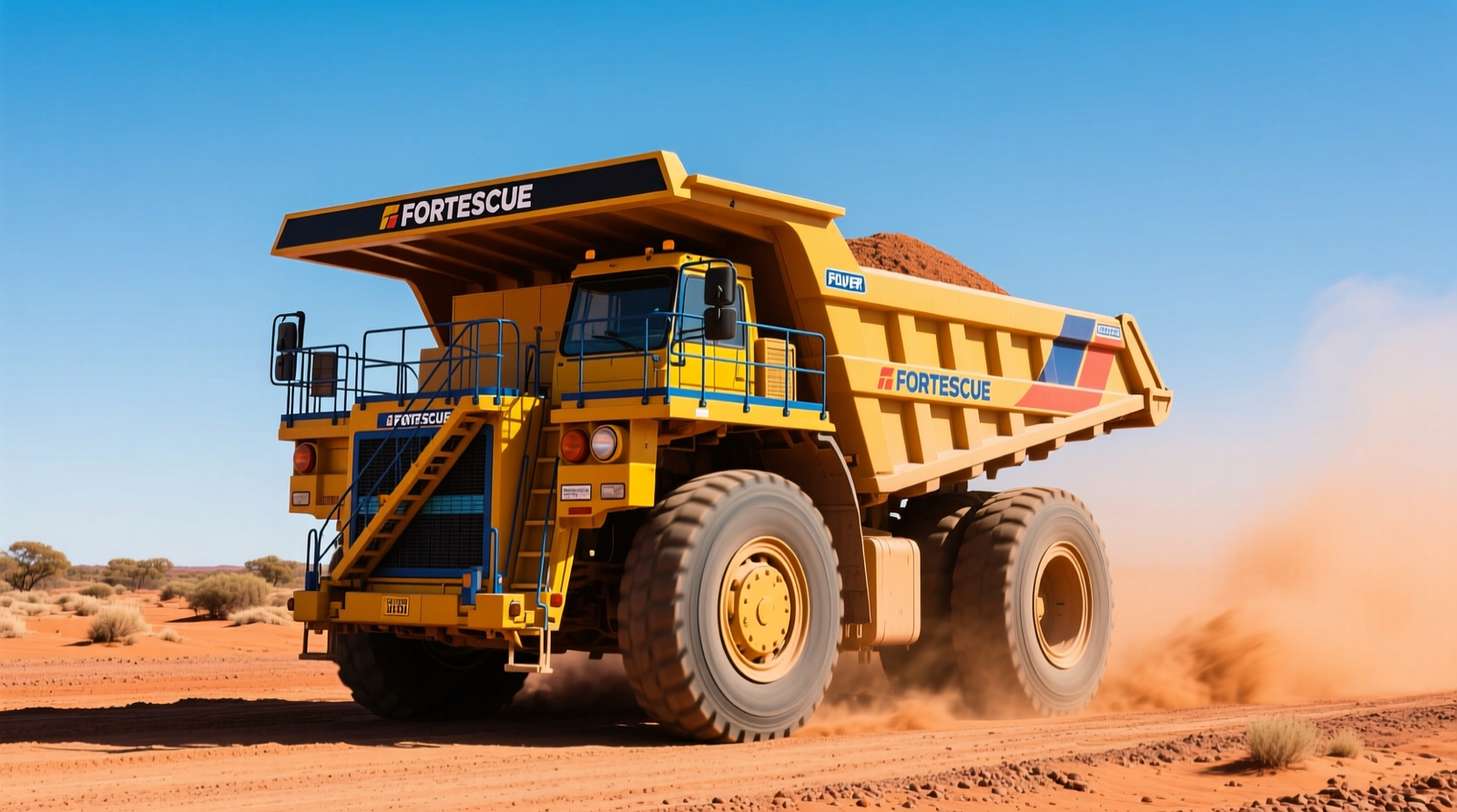
African mining companies are rapidly deploying:
- AI-integrated equipment (equipment where Artificial Intelligence (AI) supports perception, decision-making, or optimisation)
- Autonomous systems (systems that can perform tasks with limited or no real-time human control)
- Remote and semi-autonomous operation centres
- Predictive maintenance and optimisation platforms
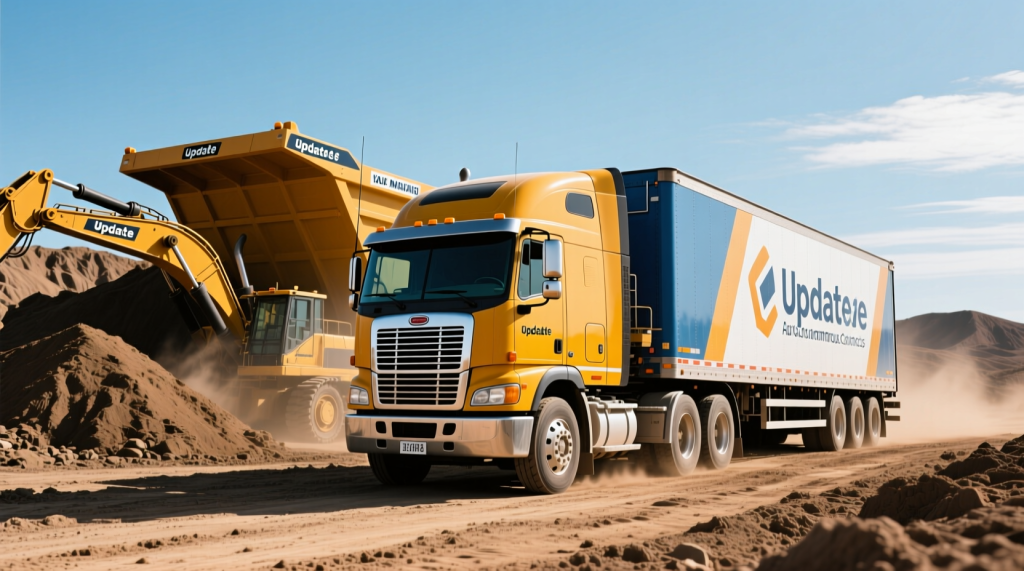
“Yellow plant” (a common mining term for heavy mobile equipment—typically yellow-painted earthmoving machinery such as loaders, dozers, graders, and haul trucks) is increasingly delivered with autonomy features, telematics, and AI-assisted control layers.
However, many current supply agreements still resemble traditional plant hire or equipment purchase contracts. They are often human-centric, vague on autonomous decision-making, and unclear on risk allocation across supplier, OEM, and mine. This misalignment is a practical driver of disputes in AI liability in mining contracts.
TL;DR: Mines are adopting autonomous systems fast, but contracts still assume human-operated machinery—creating predictable gaps in liability, support, and evidence.
Key Contractual Gaps That Could Fuel AI-Related Disputes
Force Majeure vs Foreseeable Operational Risk
Autonomous systems tend to fail at the edges of their operating design assumptions—often in conditions that mines experience routinely, not rarely.
In South Africa (and across many African jurisdictions), operations must contend with:
- Load-shedding (planned power cuts due to supply constraints)
- Unstable power quality and voltage fluctuations
- Chronic connectivity disruptions
- Dust, vibration, and extreme weather
- Aging infrastructure and variable haul-road conditions
These are foreseeable, documented risks—see, for example, Eskom’s load-shedding communications (Eskom) and the energy regulator (NERSA).
Anonymised hypothetical (load-shedding induced AI failure): A mine runs autonomous vehicles on a pit-to-plant route. A load-shedding event causes a brief loss of network synchronisation between the fleet manager and vehicle controllers. Vehicles enter a “safe state” but stop in sub-optimal positions, blocking the haul road. No physical damage occurs, but the plant starves for ore for 6 hours, triggering offtake penalties. The supplier argues force majeure (power outage). The mine argues the system should have been designed/configured for a known South African condition.
Many contracts still contain broad force majeure clauses that let a supplier characterise autonomy failures triggered by power or connectivity loss as unforeseeable events. For African mines, that approach is commercially and operationally unsustainable: endemic conditions should be treated as foreseeable operational risks with explicit resilience obligations and clear disclosure of limitations.
TL;DR: Draft force majeure so load-shedding/connectivity instability are not a liability escape for AI-integrated equipment failures.
Indemnities and the “Absent” Human Operator
Traditional indemnities assume harm flows from identifiable human negligence. With autonomous systems, the supplier may argue the indemnity does not respond because no human act or omission caused the loss.
Benavides is a useful illustration (practical import: even with a human present, liability can attach where system design/limits and how it is presented create foreseeable misuse). Mining contracts should therefore extend indemnities to cover harm arising from:
- AI model behaviour and decision outputs
- Configuration and integration choices
- Software/firmware updates and patches
- Misleading or incomplete documentation, training materials, or marketing that encourages overreliance
Anonymised hypothetical (supervision gap): A mine deploys AI-integrated equipment with “operator supervision” language in the contract. After a near-miss, it emerges that the operator received generic machine training but no autonomy-specific training (e.g., how perception degrades in dust). The supplier points to “operator must supervise”; the mine points to lack of autonomy-specific training and unclear human-machine responsibility boundaries.
TL;DR: Indemnities must be autonomy-aware—covering AI behaviour and supplier/OEM choices, not only human negligence.
Production Downtime and Excluded Consequential Loss

AI-integrated equipment can be an operational linchpin. Failures may halt production without any physical damage—for example, a dispatch logic fault, a perception misread triggering emergency shutdowns, or a fleet-wide software issue.
Two common gaps then collide:
- Contracts: “consequential/indirect loss” exclusions often remove loss of production, profit, or use.
- Insurance: Business interruption (BI) insurance (Business Interruption) often requires physical damage (a “damage trigger”), and cyber/computer systems exclusions may carve out autonomy-related stoppages.
Result: downtime becomes neither recoverable from the supplier nor covered by insurance—exactly the exposure executives care about when autonomy underpins targets and offtake commitments.
TL;DR: Stress-test downtime scenarios—without physical damage—and adjust contract remedies and insurance alignment so stoppages are not stranded losses.
The OEM Who Is Not at the Table
Many agreements are bilateral: mine and local supplier. The OEM (Original Equipment Manufacturer)—often the party that designed the autonomy stack, controls updates, and manages training pipelines—may not be a contracting party.
Section 61 of the Consumer Protection Act 68 of 2008 (CPA s61) (practical import: strict product liability across the supply chain—claimants need not prove negligence) can expose multiple supply-chain participants for harm caused by unsafe, defective, or hazardous goods. The text of the CPA is available via Government of South Africa (CPA).
But where the OEM is offshore with no meaningful local presence and there is no direct contractual route, getting compensation from the true design-and-update decision-maker can be slow and costly. Mines may be left claiming only against an intermediary with limited balance sheet and limited back-to-back recourse.
TL;DR: If the OEM controls autonomy design and updates, your contract structure must make OEM obligations enforceable—otherwise liability and recovery misalign.
Operator Competence and the “Supervisory” Role Over AI
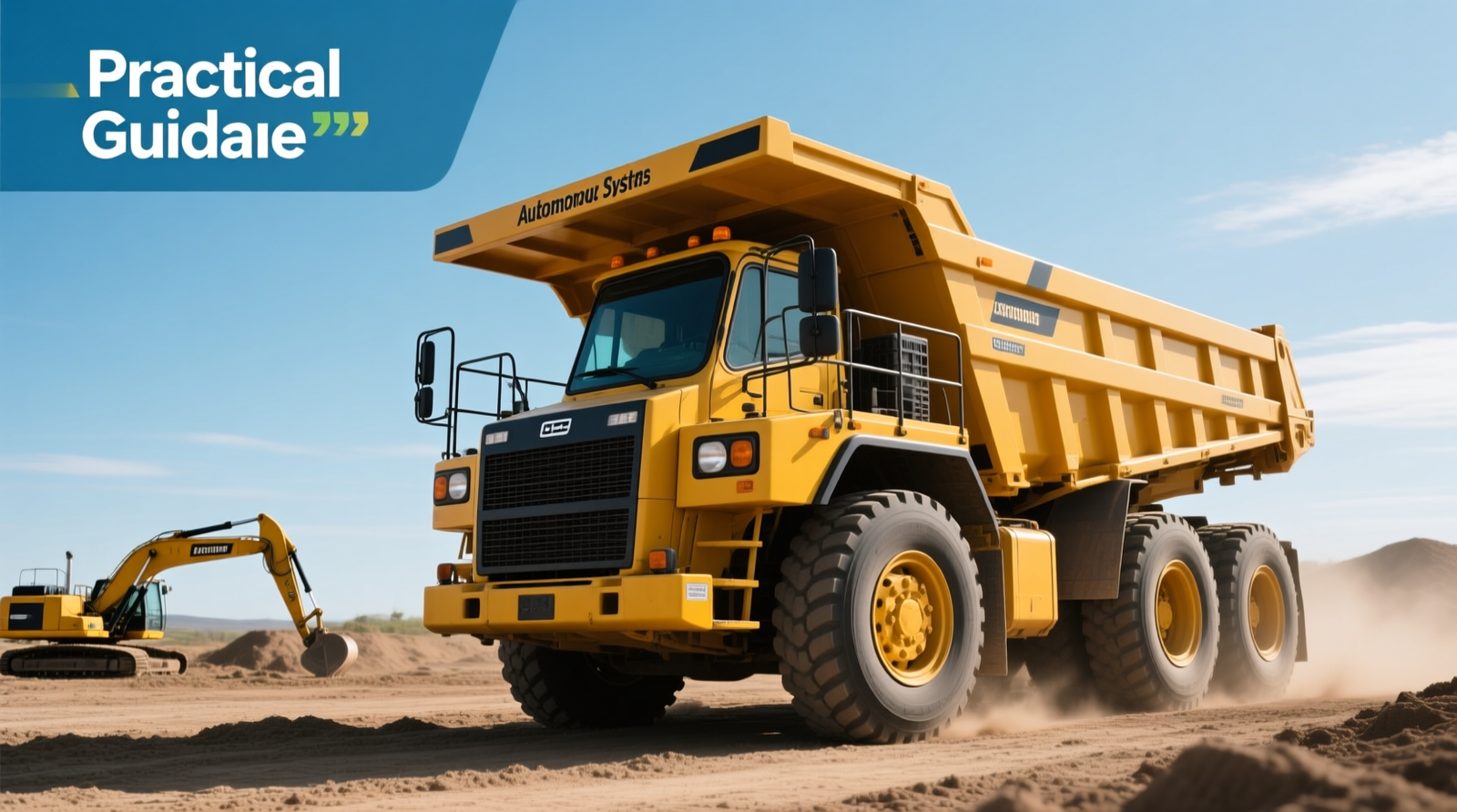
Operator clauses built for manually operated equipment often fail to address what “supervision” means in autonomous systems. Key questions that should be contractually answered include:
- Who designs and delivers autonomy-specific training (mine, supplier, or OEM)?
- What competency standard applies to supervisors of autonomous systems?
- What are the override protocols, escalation steps, and stop-work thresholds?
- Who is responsible for keeping training current as software updates change behaviour?
Without explicit training and competence obligations, post-incident arguments become predictable: operator error versus inadequate training versus unclear autonomy limitations.
TL;DR: “Operator supervision” is not a safety plan—contracts must specify autonomy-specific training, competence, and override responsibilities.
The Statutory Overlay: Mine Health and Safety
Contracts operate under statute. Section 2(1) of the Mine Health and Safety Act 29 of 1996 (MHSA s2(1)) (practical import: the mine employer’s safety duty is non-delegable—you cannot contract it away) requires employers to ensure, as far as reasonably practicable, that the mine is designed, constructed, and operated to be safe and free from health risks. The MHSA is accessible via Government of South Africa (MHSA).
To improve skimmability and implementation, treat the statutory overlay as a checklist item in contracting:
- Contract acknowledgement: expressly recognise MHSA duties and require supplier/OEM cooperation.
- Risk assessment linkage: tie autonomy hazards to risk assessments and mandatory codes of practice.
- Safety-by-design duties: define who owns fail-safes, safe-state behaviour, geofencing, and override mechanisms.
- Incident response: lock in response timelines, reporting, and root-cause participation.
If a mine deploys AI-integrated equipment under a contract that is vague on design/configuration responsibility, training, fail-safes, and incident response, the mine can still face MHSA exposure regardless of contractual allocation.
TL;DR: MHSA duties sit above the contract—so contracts must support safety compliance, not merely shift paper liability.
Data Access, Ownership, and Evidence

AI-integrated equipment generates critical evidence: sensor data, perception logs, intervention records, location/speed traces, and system alerts. In many incidents, this is the only reliable record of what the autonomous system “perceived” and why it acted.
Dense disputes tend to turn on data control. Break this section into implementable contracting points:
Data rights: what to specify
- Ownership vs licence: define who owns AI-generated operational data and what each party may do with it.
- Access rights: guarantee the mine’s right to access, copy, and use logs/telemetry for safety, regulatory, insurance, and dispute purposes.
- Retention and preservation: set minimum retention periods and immediate “legal hold” steps after incidents/near misses.
- Format and usability: require data to be provided in usable formats (not screenshots or proprietary views only).
- Cross-border/cloud: address where data is hosted and rules for cross-border transfer and security.
Evidence readiness: why it matters
- Supports MHSA compliance demonstrations and regulator engagement
- Enables fast root-cause analysis and corrective actions
- Strengthens insurance claims and defences
- Reduces “information asymmetry” where only the supplier/OEM can interpret the logs
TL;DR: If you can’t access and preserve autonomy logs, you may not be able to prove what happened—or recover losses—after an incident.
What Mining Companies and Suppliers Should Do Now
To reduce disputes and improve safety outcomes, update every contract covering AI-integrated equipment and autonomous systems in at least these areas (core to “AI liability in mining contracts”):
1) Tighten force majeure for foreseeable African conditions
- Expressly exclude autonomy failures caused by endemic conditions (load-shedding, unstable power, chronic connectivity issues) from force majeure.
- Replace “unforeseeable” language with explicit operational resilience obligations and disclosure of limitations.
TL;DR: Treat load-shedding/connectivity risk as design and operational risk—not force majeure.
2) Extend indemnities to autonomous system decisions
- Cover loss arising from AI model behaviour, configuration/integration, and software updates.
- Include misleading or incomplete manuals/training/marketing that encourages overreliance.
- Ensure indemnities operate even without identifiable individual negligence.
TL;DR: Indemnities must follow autonomous causation, not only human fault.
3) Stress-test liability caps and “consequential loss” exclusions against downtime
- Model realistic no-damage downtime scenarios (dispatch failure, safe-state stoppage, fleet-wide update fault).
- Consider specific downtime remedies (service credits, liquidated damages, step-in rights) for extended outages.
- Carve out safety-related breaches, gross negligence, and wilful misconduct from caps where appropriate.
TL;DR: If downtime is excluded and uninsured, autonomy ROI can flip into stranded risk.
4) Secure back-to-back OEM warranties and support obligations
- Require enforceable warranties/indemnities from OEMs via back-to-back terms or third-party beneficiary mechanisms.
- Specify update cadence, testing/validation obligations, patch management, and end-of-life support.
- Require OEM participation in root-cause analysis where AI/control logic is implicated.
TL;DR: Put the party controlling autonomy design and updates inside the enforceable risk framework.
5) Confirm AI-specific insurance cover in writing (including captives/alternative risk)
Before deployment, obtain written insurer/broker confirmation on how autonomy risks are treated, especially for interruption without physical damage and for autonomy-related “computer systems/cyber” exclusions.
Also coordinate your approach with any captive insurer (an insurance company owned by the insured group) or alternative risk financing structures where traditional BI cover is limited or expensive. Captives can sometimes fill autonomy downtime gaps—provided the contract and risk appetite align.
TL;DR: Align contracts with real insurance—including captives/alternative risk—so AI downtime doesn’t fall into a no-cover zone.
6) Make data access and preservation non-negotiable
- Define ownership and usage rights for AI-generated operational data.
- Grant unconditional access/copy rights to logs and telemetry for safety, MHSA, insurance, and dispute purposes.
- Impose retention, preservation, and cooperation obligations after incidents/near misses.
TL;DR: No data rights = weak investigations, weak compliance posture, and weak recoveries.
7) Clarify training, competence, and licensing for autonomous systems
- Specify training content, frequency, and competence assessment for supervisors/operators of autonomous systems.
- Allocate training delivery and cost (mine vs supplier vs OEM) and update duties as software changes.
- Require auditable training records suitable for regulators and litigation.
TL;DR: Training must match the autonomy level; otherwise “supervision” becomes a liability trap.
8) Align contract terms with MHSA duties and safety management systems
- Acknowledge MHSA s2(1) non-delegable duties and require supplier/OEM cooperation.
- Integrate autonomy hazards into risk assessments, procedures, and codes of practice.
- Define fail-safe behaviour, override protocols, and incident-response roles.
TL;DR: Draft autonomy terms so they operationalise MHSA compliance—not conflict with it.
9) Build specialist dispute resolution for autonomy disputes
- Mediation led by a mediator with autonomy/complex systems experience.
- Arbitration allowing appointment of an independent AI/systems engineering assessor.
- Pre-agreed competence criteria to avoid post-dispute wrangling.
TL;DR: Autonomy disputes are technical—design dispute clauses for technical truth-finding, not just legal argument.
Conclusion

AI-integrated equipment and autonomous systems will shape the next wave of mining incidents, regulatory scrutiny, and claims across Africa. Today, many standard-form agreements are not drafted for autonomy realities: foreseeable operating constraints, software-driven downtime, OEM-controlled updates, and data-as-evidence.
The gaps are predictable—force majeure scope, indemnities, downtime exposure, OEM participation, competence/training, MHSA alignment, data access, and dispute mechanisms. Each gap will be filled either at the drafting table or after a loss, when positions harden and outcomes become uncertain.
Recommended next step (call to action): run a structured AI contract audit across your autonomy fleet stack (procurement, retrofits, support, data hosting, and operations). Use a checklist that tests: foreseeable-condition resilience, autonomy indemnities, downtime remedies, OEM back-to-back recourse, log access/preservation, and insurance/captive alignment.
TL;DR: Don’t wait for the first autonomy incident to discover your contract can’t allocate liability, prove causation, or recover downtime losses—audit and update now.
FAQ
Q: What does “yellow plant” mean in mining contracts, and why does it matter for AI-integrated equipment?
A: “Yellow plant” refers to heavy mobile equipment such as loaders, dozers, graders, and haul trucks. It matters because many contracts for yellow plant were drafted for manual operation; when AI-integrated equipment and autonomous systems are introduced, clauses on training, supervision, maintenance, downtime, and liability often become inadequate.
Q: How should mines handle AI liability in mining contracts when no operator error is proven?
A: Contracts should extend indemnities and warranty regimes to cover autonomous system decisions, AI model behaviour, configuration/integration choices, and software updates. This helps avoid a gap where the supplier argues there is no liability because no identifiable human negligence caused the incident.
Q: What is the biggest downtime risk with autonomous haul trucks, and how can contracts address it?
A: A major risk is production interruption without physical damage—e.g., a software fault or perception issue triggering safe-state stoppages or blocking haul roads. Contracts can address this through specific downtime remedies (service credits/liquidated damages), carefully drafted consequential loss language, and alignment with insurance (or captive/alternative risk financing) so downtime is not left unrecoverable.
Q: How do MHSA section 2(1) duties affect contracting for autonomous systems in South African mines?
A: MHSA s2(1) imposes a non-delegable duty on the mine employer to ensure safety as far as reasonably practicable. Even if a supplier takes on responsibilities contractually, the mine cannot contract out of MHSA compliance—so contracts should require supplier/OEM cooperation on risk assessments, safe operating procedures, fail-safes, and incident response.
Q: What should a mine demand to ensure it can prove what an autonomous system did during an incident?
A: The mine should require explicit rights to access, copy, and preserve operational data and logs (telemetry, sensor/perception logs, intervention records), plus retention and legal-hold obligations after incidents/near misses. Without these clauses, the party controlling the platform can effectively control the evidence.