Introduction: Australia heavy machinery components market overview (mining, construction, agriculture)

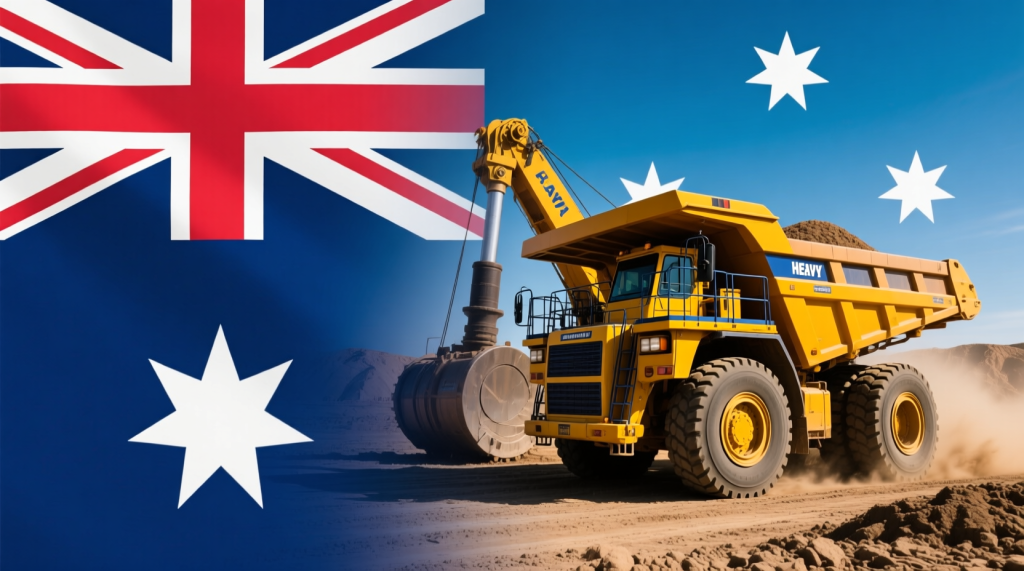
The Australia heavy machinery components market—serving mining, construction, agriculture, manufacturing, and equipment rental fleets—is estimated to reach USD 3,459.7 million in 2025. IMARC Group forecasts the market will grow to USD 6,067.6 million by 2034, at a 6.25% CAGR (compound annual growth rate) from 2026–2034 (study timeframe: forecast period 2026–2034; 2025 presented as an estimated base year). Source: IMARC Group.
Demand is anchored in component-intensive fleets—such as 200–600+ horsepower (hp) class excavators, 300–1,500 hp haul trucks and dozers, and high-duty-cycle loaders—where uptime is often valued more than marginal capex savings. Core components include diesel engines (e.g., 9–16L class), hydraulic systems (typical working pressure bands ~250–350 bar, with higher-pressure circuits in some applications), transmissions, final drives, undercarriage, braking systems, and ECUs (electronic control units).
To keep these assets productive in Australia’s heat, dust, and remote operating conditions, operators increasingly prioritize: (1) parts availability and lead time, (2) durability against abrasive wear and contamination, and (3) condition monitoring to prevent catastrophic failures.
TL;DR: The market’s 2025 estimate and 2026–2034 forecast (IMARC) reflect fleet-intensive sectors where high-duty-cycle machines consume engines, hydraulics, driveline, and electronic components at predictable replacement intervals—especially in mining and construction.
Market segmentation: component types, end-use industries, and OEM vs aftermarket channels
By component type, demand typically clusters into a few high-value buckets:
- Powertrain: engines (turbochargers, injectors, aftertreatment), transmissions/torque converters, axles/final drives, differentials
- Hydraulics: variable displacement pumps, motors, control valves, cylinders, hose & fittings, filtration
- Undercarriage & structures: track chains, idlers, rollers, ground engaging tools (GET), wear plates
- Electrical & controls: ECUs, wiring looms, sensors, alternators/starters, displays, telematics modules
- Safety & braking: service/parking brake systems, retarders, steering components
By end-use industry, the largest volume and severity of wear generally comes from:
- Mining (surface and underground)
- Construction & infrastructure (earthmoving, civil, road, utilities)
- Agriculture (broadacre, livestock, horticulture)
- Rental fleets (high utilization, standardized models, fast turns)
By channel:
- OEM (original equipment manufacturer) parts: typically chosen for warranty alignment, known performance, and integration with OEM telematics/diagnostics
- Aftermarket: includes genuine-equivalent parts, remanufactured (rebuilt to spec) assemblies, and local repair/line-boring/hosing services—often selected to balance cost, lead time, and fit-for-purpose performance
TL;DR: Search intent often maps to “what parts, who buys them, and where they’re sourced.” Segmenting by component type, end-use sector, and OEM vs aftermarket clarifies purchasing drivers and competitive battlegrounds.
Mining-driven demand for heavy machinery components in Australia (WA & QLD fleets)
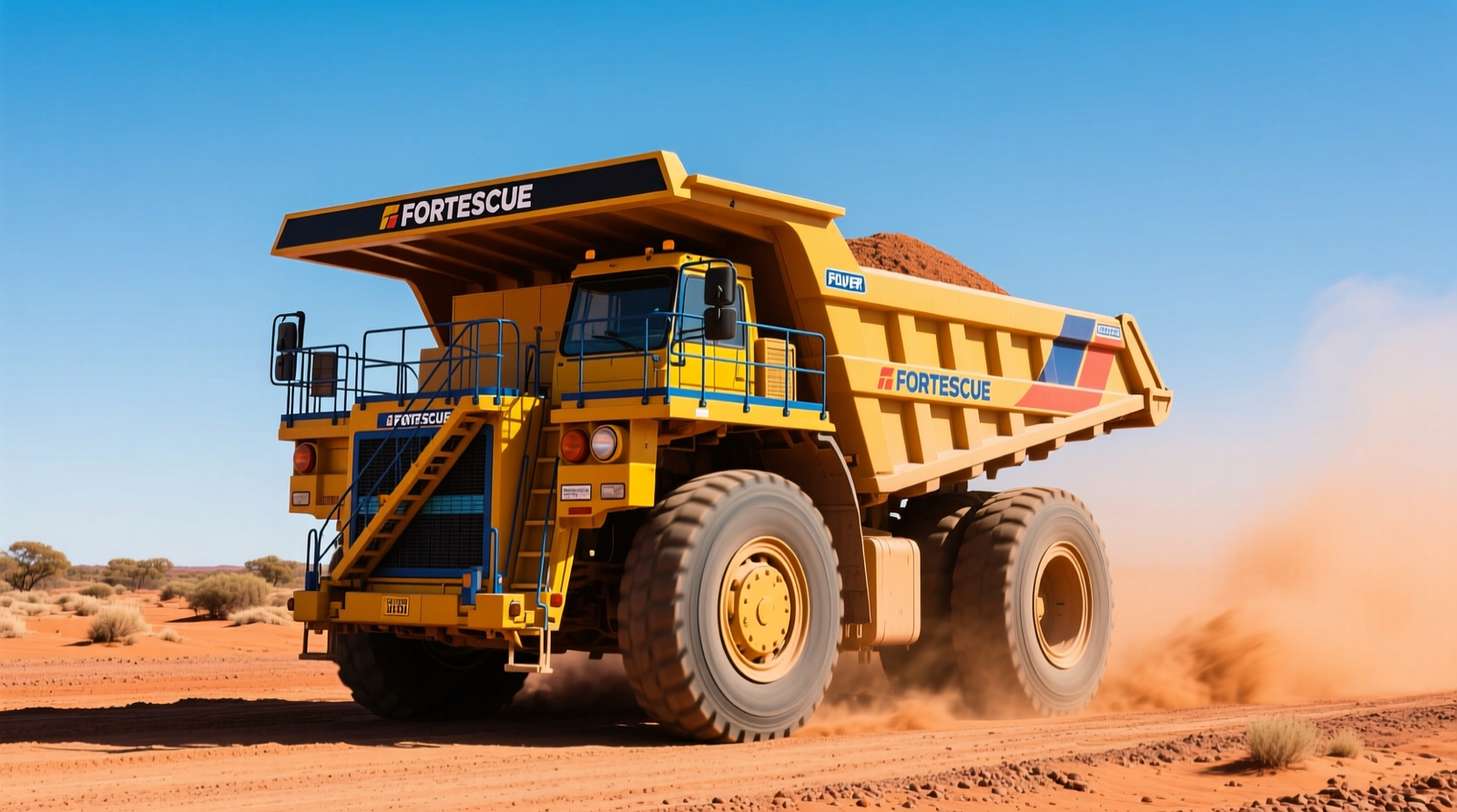
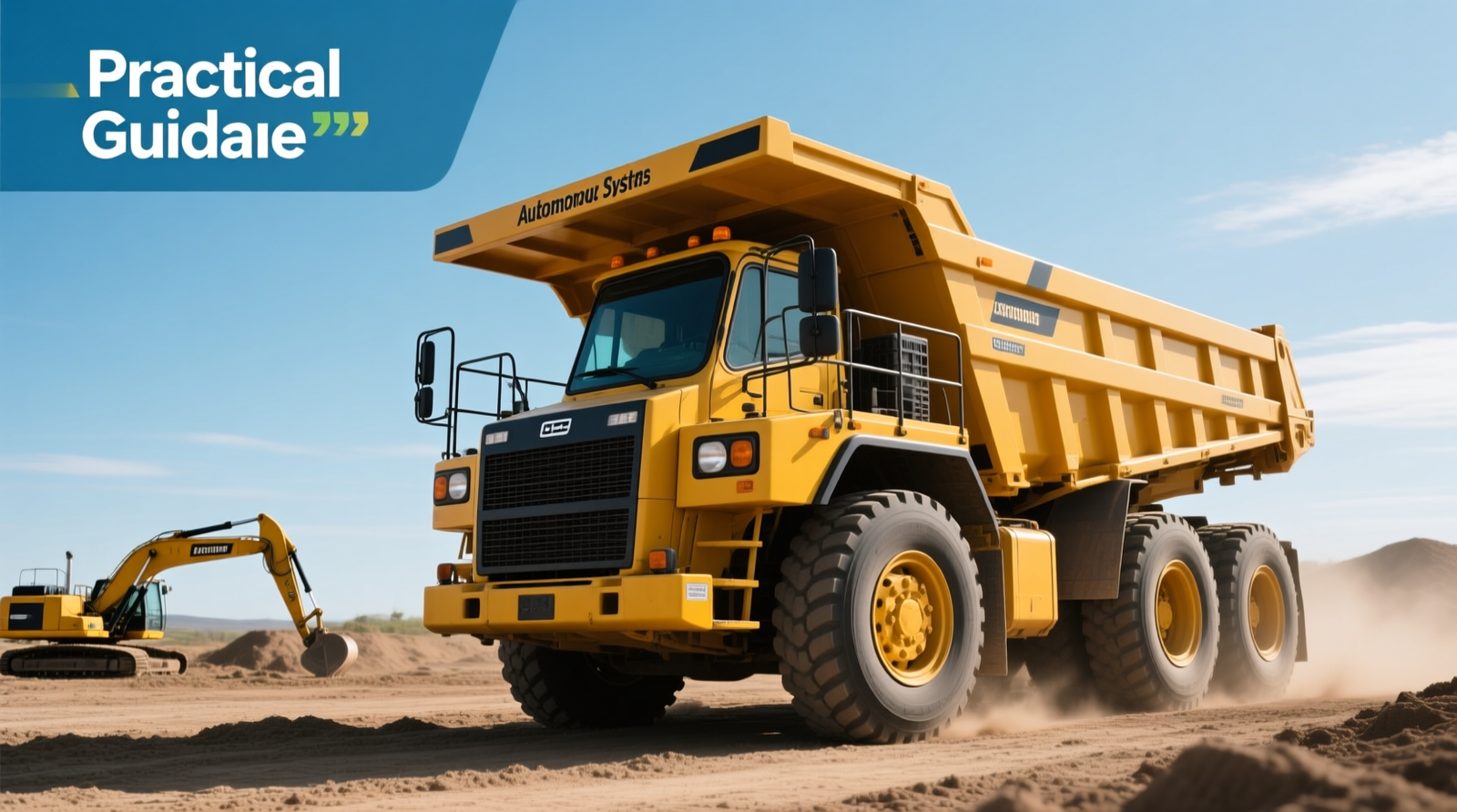
Mining remains the most punishing use case for components because the failure modes are accelerated by abrasive dust, shock loads, and long run hours. In iron ore operations in the Pilbara (WA), for example, high ambient temperatures and fine dust drive up the importance of air filtration efficiency, cooling capacity, and contamination control in hydraulics and driveline assemblies.
Component-level requirements in mining commonly include:
- Thermal tolerance: sustained operation in ~40–50°C ambient conditions (localized higher temperatures around powertrain and hydraulics)
- Ingress protection: sealed connectors and sensor housings (e.g., IP67-rated enclosures where relevant) to reduce dust and washdown failures (IP = Ingress Protection rating)
- Contamination control: high-efficiency hydraulic filtration and breathers; strict cleanliness targets to protect pumps/valves
- Reliability targets: higher MTBF (mean time between failures) expectations for critical systems like pumps, final drives, and alternators because downtime costs scale rapidly with production loss
Case-style example (predictive maintenance): A mid-tier mining operator in Western Australia running a mixed fleet of haul trucks and loaders introduced condition monitoring on wheel-end bearings and hydraulic pumps. By trending vibration signatures (bearing defect frequencies) and oil debris/particle counts (ferrous wear indicators), the maintenance team shifted from “run-to-failure” replacements to planned interventions during scheduled shutdown windows. The practical outcome was fewer secondary damages (e.g., bearing failures cascading into hub and seal damage) and improved equipment availability during peak ore movement weeks.
TL;DR: Mining demand is driven by harsh-duty failure modes—heat, dust, shock, and long hours—so buyers focus on contamination control, sealing, and reliability (MTBF), with growing uptake of condition monitoring to turn unplanned failures into scheduled work.
Infrastructure and construction expansion: earthmoving component demand and uptime pressure
Australia’s infrastructure pipeline keeps large numbers of excavators, graders, dozers, and cranes in active rotation. On civil projects, component demand spikes around hydraulic wear items (pump groups, cylinder seals, valve blocks), undercarriage wear, and electrical faults caused by vibration and water ingress during wet-season work.
Contractors increasingly specify parts and service models that reduce schedule risk, such as:
- Exchange/reman driveline units to shorten turnaround time
- High-cycle seal kits for cylinders exposed to dirty environments
- Upgraded cooling packs where machines run high-load attachments continuously
Where projects are remote or time-critical, lead time and field-service capability can influence sourcing as much as price—especially for high-failure-impact components like hydraulic pumps and final drives.
TL;DR: Construction demand is less about “more machines” and more about keeping machines running under time pressure—driving recurring purchases of hydraulics, undercarriage, reman powertrain units, and field-service-supported parts.
Mechanization of agriculture: reliability-focused components for remote operations
Mechanization and precision agriculture increase the component mix beyond traditional powertrain and hydraulics. Farms operating far from major service hubs often prioritize serviceability and parts commonality to reduce downtime during planting and harvest windows.
Common component needs include:
- Hydraulics for implements (valves, hoses, couplers), particularly where dust and chaff drive contamination risk
- Driveline wear items (clutches, PTO components—PTO = power take-off)
- Sensors and controllers tied to guidance and application systems (yield monitoring, section control), where connector sealing and vibration resistance matter
TL;DR: Agricultural demand increasingly blends “classic” components (hydraulics/driveline) with electronics for precision operations—where serviceability and ruggedized connectors/sensors matter in remote regions.
Equipment rental fleet utilization: faster wear cycles and standardized maintenance
Rental fleets tend to run machines across multiple operators and job sites, which increases variability in operating practice and accelerates wear. Rental businesses commonly standardize models and maintenance intervals to simplify training and spares, which can concentrate demand in a narrower set of fast-moving SKUs (stock-keeping units).
In high-utilization rental use, replacement rates for consumables and wear items (filters, hoses, undercarriage wear parts, bucket GET) can rise noticeably; in many fleets, managers report year-on-year replacement volume increases in the ~5–8% range during periods of strong construction activity and extended operating hours (range indicative; varies by fleet mix and project cycle).
TL;DR: Rental fleets buy for utilization: standardized parts lists, predictable change-outs, and fast availability—often resulting in higher replacement volumes for wear items during busy cycles.
Smart and connected components: what gets monitored and how decisions are made

“Smart components” typically means traditional parts (bearings, pumps, engines) paired with sensors, telematics (wireless machine data systems), and analytics that support maintenance decisions. Instead of only reacting to failures, teams use trends to schedule work around production plans.
Typical monitored parameters include:
- Vibration (RMS levels, spectral peaks) on bearings, gearboxes, and rotating assemblies to detect imbalance, misalignment, and early-stage defects
- Oil condition: viscosity, dielectric, water content, and particle counts to detect contamination and abnormal wear
- Hydraulic health: pressure ripple, temperature, and cycle time drift that can indicate pump/valve wear
- Engine performance: coolant/oil temperature, boost pressure, fuel rate, DTCs (diagnostic trouble codes), and aftertreatment status
How it ties to action: If vibration trendlines cross alarm thresholds, maintenance may plan a bearing change at the next shutdown; if oil analysis flags silicon ingress (dust), teams might escalate filtration checks, breather replacements, or revise washdown practices before a pump group is damaged.
For readers new to the term, predictive maintenance means using condition data to predict failure risk and perform targeted interventions before breakdowns occur.
TL;DR: Connected components turn “invisible wear” into measurable signals (vibration, oil contamination, pressure/temperature drift), enabling planned maintenance and reducing secondary damage from catastrophic failures.
Technological advancements: electrification, hydraulics efficiency, and materials engineering
Technology shifts in Australia’s heavy equipment fleets tend to be practical: reduce fuel burn, cut heat load, extend service intervals, and improve diagnostic speed in remote locations.
Examples with concrete component implications:
- High-efficiency hydraulics: variable displacement pumps and load-sensing systems that reduce wasted flow and heat generation—often paired with improved cooling and filtration to protect tighter-clearance components
- Materials upgrades: use of HSLA (high-strength low-alloy) steels in structural/wear applications; improved heat treatment on pins and bushings; and composite bushings in selected joints to reduce lubrication demands where appropriate
- Electrification: growth in electric-drive systems and hybrid architectures in some segments (e.g., certain haulage and auxiliary systems), shifting demand toward power electronics, high-voltage cabling, thermal management, and electric motor components
For broader industry context on connected equipment and digitalized maintenance, see guidance and references via ISO technical committees covering condition monitoring standards (ISO = International Organization for Standardization).
TL;DR: The tech story is less “futuristic” and more engineering-led: higher-efficiency hydraulics, stronger materials (HSLA, better wear metallurgy), and selective electrification—all of which change spares mix and maintenance skills needs.
Sustainability, ESG, and compliance in Australia: practical component examples and regulatory grounding
Sustainability is increasingly translated into specific procurement specs: lower fuel consumption, reduced leaks, extended rebuild cycles, and improved reporting. ESG stands for Environmental, Social, and Governance.
Concrete examples seen in component selection and upgrades include:
- Leak reduction: higher-spec hydraulic hose assemblies, improved sealing materials, and better contamination control to reduce oil loss and cleanup events
- Efficiency: high-efficiency variable displacement pumps, optimized fan drives, and improved filtration that extends oil life (fewer oil changes, less waste)
- Remanufacturing: expanded use of reman engines, transmissions, and final drives to reduce raw material intensity and shorten lead times
- Lower-emission systems: components supporting newer emissions-compliant engines and, in some operations, evaluating electric-drive haulage and site electrification pathways
Regulatory and compliance themes vary by site and state, but Australia-based references that commonly shape safety and environmental expectations include:
- Safe Work Australia (national guidance on work health and safety—WHS)
- Clean Energy Regulator (frameworks related to emissions reporting and safeguard mechanisms)
- State mining regulators (e.g., WA’s resources safety regulator via Department of Energy, Mines, Industry Regulation and Safety (WA))
TL;DR: Sustainability shows up as specific engineering and maintenance choices—efficient hydraulics, leak prevention, reman programs, and emissions-aligned systems—grounded in WHS and environmental frameworks set by Australian agencies and state mining regulators.
Key market players and value chain roles: OEMs, dealers, distributors, and local service specialists
The Australian heavy machinery components value chain typically includes:
- OEMs (original equipment manufacturers): design platforms, specify parts, provide genuine spares and diagnostic ecosystems; often influence telematics compatibility and warranty policies
- Authorized dealers: parts stocking, field service, rebuild programs, and customer support contracts—critical for remote mining regions
- Independent distributors/aftermarket brands: supply equivalent or specialized components (filtration, bearings, hoses, GET, electrical), often competing on availability and total cost of ownership
- Local repairers and reman shops: hydraulic cylinder repair, pump/motor rebuilds, line boring, machining, and component exchange—often the fastest path to restore equipment when imports are delayed
Examples of prominent OEMs with large installed bases in Australia include Caterpillar, Komatsu, Hitachi Construction Machinery, and Volvo Construction Equipment. Their roles typically span machine supply, genuine parts programs, and increasingly, data-enabled service models.
TL;DR: Market dynamics are shaped by who controls availability and diagnostics: OEMs set system standards, dealers deliver service coverage, aftermarket distributors compete on speed/cost, and local rebuilders keep fleets running when lead times bite.
Key challenges and risks: supply chain volatility, skills gaps, import dependency, and currency exposure

Industrial buyers in Australia commonly manage a set of recurring risks:
- Supply chain volatility: long lead times for high-value assemblies (pumps, transmissions, final drives), especially when global demand spikes
- Import dependency: many critical components are sourced offshore, creating exposure to shipping disruption and supplier allocation
- Skilled maintenance shortages: diagnostics, hydraulics rebuild capability, and high-voltage skills (as electrification grows) can be constrained in regional areas
- Currency risk: AUD/USD movement can materially affect parts landed cost and budgeting for major shutdowns
- Data integration challenges: telematics interoperability and data ownership can limit the value of “smart” components if systems don’t align
TL;DR: The biggest operational risks aren’t abstract—lead times, import exposure, technician availability, and currency swings can decide whether fleets stay productive or sit waiting for parts.
Recent market context (separating 2025 conditions from 2026–2034 forecasts)
To keep timelines consistent: 2025 is treated here as a current/near-term base year estimate for market sizing, while 2026–2034 reflects the forecast window in the cited market outlook.
Within 2025 operating conditions, demand signals commonly reported by fleet operators and service providers include:
- Higher utilization across mining, civil, and rental fleets, increasing consumption of wear parts and service kits
- Rising emphasis on parts availability (local stocking, exchange programs) to prevent downtime from import delays
- Maintenance strategy upgrades (oil analysis, vibration monitoring) to reduce catastrophic failures under heavy run-hour profiles
Where replacement rates rose with utilization, many fleets describe increases in the ~5–8% year-on-year band for selected fast-moving wear categories during strong activity periods (range varies by application and maintenance discipline).
TL;DR: Treat 2025 as the “baseline operating year” and 2026–2034 as the forecast. 2025 conditions point to high utilization and parts-availability focus, with replacement volumes rising in line with run hours in many fleets.
Actionable takeaways by audience: investors, OEMs/suppliers, and fleet operators

For investors (market sizing and where margins tend to sit):
- Aftermarket and service-led models can be more resilient than new equipment cycles because they monetize installed base and run hours.
- Watch exposure to mining vs. civil cycles and the mix of high-value assemblies (powertrain/hydraulics) versus commodity wear items.
- Assess working-capital discipline: stocking availability wins business, but slow-moving inventory can erode returns.
For OEMs and component suppliers (how to win specs and repeat orders):
- Engineer for Australia-specific duty cycles: sealing against dust, heat rejection, and contamination tolerance in hydraulics.
- Pair parts with data: offer clear alarm thresholds, reporting, and integration guidance so “smart components” deliver measurable maintenance outcomes.
- Build exchange/reman and local service capability to shorten downtime—often a bigger differentiator than incremental part price.
For fleet operators (practical cost and uptime levers):
- Segment criticality: apply condition monitoring first to components with high secondary-damage risk (bearings, final drives, pumps).
- Use contamination control as a KPI: filtration, breathers, and oil analysis typically pay back quickly in dusty/high-load environments.
- Balance OEM and aftermarket strategically: align OEM parts with warranty/diagnostics needs, and use qualified aftermarket/reman where lead time and cost drive value.
TL;DR: Investors should track installed-base monetization and inventory discipline; suppliers should localize service and data-enabled offerings; operators should prioritize condition monitoring on critical systems and tighten contamination control to protect hydraulics and driveline.
FAQ
Q: What is the forecast growth for the Australia heavy machinery components market through 2034?
A: IMARC Group forecasts the market will rise from an estimated USD 3,459.7 million in 2025 to USD 6,067.6 million by 2034, at a CAGR of 6.25% over 2026–2034. The base year (2025) and forecast window (2026–2034) should be read as separate periods for clarity.
Q: Which heavy machinery components wear fastest in Australian mining conditions?
A: In many WA and QLD mining applications, high-consumption categories include hydraulic filtration and hose assemblies (contamination and heat), undercarriage and GET (abrasive wear), and driveline/hub components (shock loads and long hours). Sites with fine dust often see elevated risk in air intake and sealing-related failures.
Q: What data do “smart and connected” components typically monitor for predictive maintenance?
A: Common parameters include vibration spectra for bearings/gearboxes, oil particle counts and water content for wear and contamination, hydraulic pressure/temperature trends for pump and valve health, and engine diagnostic trouble codes (DTCs). These indicators help teams schedule repairs before failures create secondary damage.
Q: What safety and compliance considerations affect heavy machinery component selection in Australia?
A: Buyers commonly align practices with Work Health and Safety (WHS) guidance (e.g., via Safe Work Australia) and state mining safety regulators for site-specific requirements. Component selection may be influenced by requirements for guarding, braking performance, electrical safety, and maintenance procedures, particularly in mining and high-risk construction environments.
Q: Should fleet managers buy OEM parts or use aftermarket/remanufactured components in Australia?
A: Most fleets use a mix. OEM parts are often preferred where warranty, software/diagnostics integration, or critical safety systems are involved. Aftermarket and remanufactured options can reduce lead times and lifecycle cost for many hydraulics and driveline assemblies—provided suppliers can demonstrate specification compliance, quality control, and local support for rapid turnaround.