Introduction
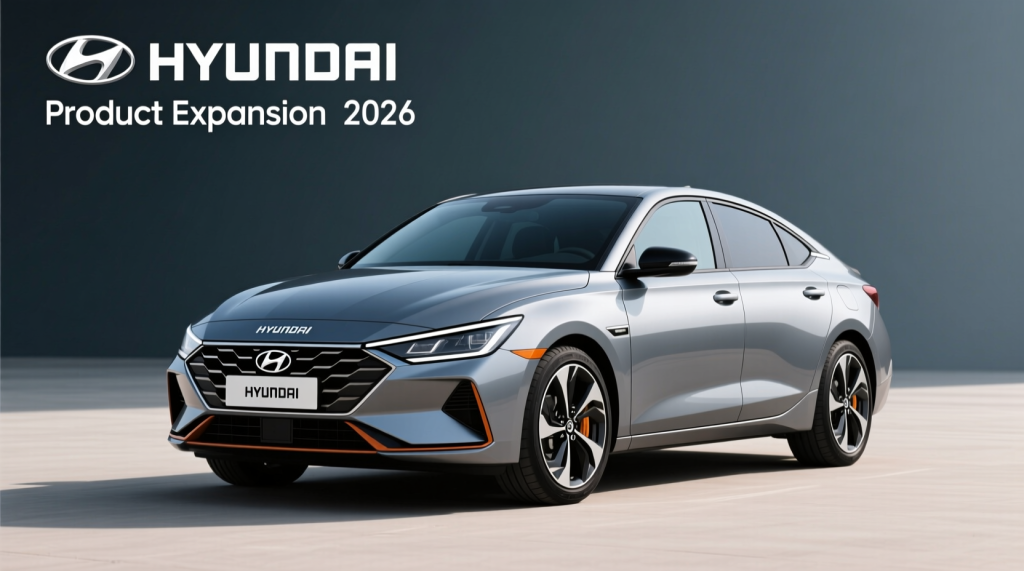
This update is for European contractors, rental companies, quarry operators, and demolition specialists who want a practical view of Hyundai’s 2026 product plans—what’s coming (excavators, Hyundai skid-steer loaders Europe, demolition machines, breakers, and a Hyundai articulated dump truck ADT), how the technology differs from older pilot-hydraulic machines, and what it could mean for total cost of ownership (TCO), uptime, and operator requirements.
Hyundai Construction Equipment has indicated a broader 2026 line-up and a stronger after-sales push following bauma 2025. Several details (final specifications, European homologation, and release timing by country) are still subject to confirmation, but the product direction is clear: more Stage V-compliant machines, more electro-hydraulic controls, and a wider “site solution” approach across earthmoving, quarrying, civil engineering, and demolition.
External references for context: EU non-road emissions requirements are governed by Stage V under Regulation (EU) 2016/1628 (overview at the European Commission: Non-road mobile machinery (NRMM)). ConExpo-Con/Agg event information is available at the organizer site: conexpoconagg.com.
TL;DR: The 2026 Hyundai roadmap targets Stage V compliance, more electronics-based hydraulics, and a broader fleet package (excavators + compact loaders + demolition + ADT + breakers) backed by expanded service/parts.
New CEO of Hyundai Construction Equipment Europe: what changes for customers
Hyundai Construction Equipment’s European leadership change matters to buyers mainly in operational terms: dealer coverage, parts lead times, and service responsiveness. For most fleets, the difference between a good machine and a productive machine is often parts availability and field service speed—especially for high-hour excavators and rental fleets where downtime penalties are immediate.
- Lead time and parts availability: A credible Europe strategy typically includes more regional parts stocking (additional depots or higher local inventory) and clearer “fill rate” targets. Buyers should ask dealers for typical next-day/48-hour parts availability metrics for common service items (filters, undercarriage wear parts, hoses, sensors).
- Service capacity: More field technicians and defined response-time SLAs (service level agreements) can be more valuable than headline machine specs for high-utilization fleets.
- Training and onboarding: With FEH (full electro-hydraulic) control and connected telematics, operator and technician training becomes part of deployment cost—particularly for mixed fleets with multiple brands.
TL;DR: The practical impact of new European leadership should show up in faster parts delivery, stronger dealer service coverage, and better training/support for electronically controlled machines.
Next Generation crawler excavators: HX line expansion (HX360L, HX400L and Hyundai HX230L excavator)
Hyundai’s Next Generation crawler excavators introduced at bauma 2025 (including the HX360L and HX400L) are positioned in the heavy-duty production classes typically used in bulk excavation, quarry overburden, and infrastructure earthworks. A key 2026 addition is the Hyundai HX230L excavator, aimed at the mainstream ~20–25-ton segment that rental fleets and general contractors often standardize on for trenching, drainage, road works, and utility installs.
What to ask for (spec sheet checks that affect jobsite performance): operating weight range by configuration, rated net power (kW), max bucket capacity (m³), lifting charts with radius/height, and fuel burn (L/h) in standardized duty cycles. If you compare bids, ask each OEM/dealer to provide fuel consumption and productivity data using the same assumptions (material density, swing angle, truck position, and cycle time).
Standards and compliance context: Stage V rules cover particulate number (PN) and often require diesel particulate filters (DPF) on many power bands—buyers should confirm aftertreatment layout, regeneration strategy, and ash service intervals to avoid surprises. Reference: European Commission NRMM overview here.
TL;DR: HX360L/HX400L target heavy production; the Hyundai HX230L excavator targets the high-volume 20–25t class—verify power, bucket capacity, lifting charts, and fuel burn using comparable duty-cycle assumptions.
Stage V diesel engines: what “Hyundai engines” means and what to verify
The article references “Hyundai’s own” Stage V diesel engines. Because “in-house” can mean different things (fully Hyundai-designed/manufactured vs. Hyundai-branded engines co-developed with an established engine supplier), it’s worth clarifying with the dealer for each model:
- Design & manufacturing responsibility: Ask whether the engine is Hyundai-developed and produced within Hyundai’s engine operations, or co-developed/produced with a third-party manufacturer. This affects parts sourcing, diagnostic tooling, and long-term parts availability.
- Stage V certification and aftertreatment: Confirm Stage V certification for the exact engine family and power band, and whether the system uses DOC (diesel oxidation catalyst), DPF (diesel particulate filter), and/or SCR (selective catalytic reduction). Define SCR: a system that injects urea solution (often called AdBlue/DEF) to reduce NOx emissions.
- Service intervals: Hyundai has stated engine oil change intervals of up to 1,000 hours on selected models—verify which excavators/configurations and what oil specification and duty cycle the interval assumes (high-sulfur fuel, idle time, and severe dust can shorten intervals).
Buyer concern: fuel burn vs. prior generation: If you are replacing older Stage IIIB/Stage IV machines, request back-to-back fuel burn comparisons (L/h) on similar cycles. When dealers can’t provide standardized tests, ask for real-world references: same job type, same attachment, same operator, logged via telematics. A credible comparison should state working mode, average engine load factor, and idle percentage.
Relevant external reference: For the legal framework behind Stage V engine requirements, see Regulation (EU) 2016/1628 summaries via the European Commission NRMM page: Non-road mobile machinery.
TL;DR: “Hyundai Stage V engine” can imply different supply models—confirm who designed/manufactured it, what aftertreatment it uses (DOC/DPF/SCR), and which machines truly qualify for 1,000-hour oil intervals under your duty cycle.
Full Electro-Hydraulic (FEH) controls vs conventional pilot hydraulics: measurable differences
FEH (full electro-hydraulic) means the joysticks send electrical signals to control valves rather than using pilot hydraulics (small hydraulic lines/pressure that “pilot” the main valve spool). In practical terms, FEH can change how quickly and accurately the excavator responds, and it can enable more flexible control logic.
- Response and controllability: FEH systems can be tuned (software) for different response curves—useful when switching between high-flow attachments (e.g., breaker) and fine grading. Buyers should request a demo that includes a repeatable task (e.g., trench to grade with laser, final trimming, or placing a pipe) and compare the number of corrections or over-digs versus a pilot-control machine.
- Precision and repeatability: Because FEH allows consistent joystick-to-function mapping, it can improve repeatability across operators—valuable for rental fleets and multi-shift work. Ask whether the machine supports multiple operator profiles and whether those profiles can be locked or exported.
- Efficiency potential: Fuel savings are typically indirect: smoother metering and reduced unnecessary flow/relief events can lower wasted hydraulic power. A realistic way to verify is to compare L/h and cycle time on the same task while logging engine load factor via telematics. If a dealer claims a percentage improvement, ask what test method was used (internal testing, customer trials, or instrumented duty cycles).
Noise and vibration expectations: Operator comfort claims are most useful when quantified. Ask for in-cab sound pressure levels (dB(A)) and vibration data, and how they align with EU workplace guidance. For background on vibration exposure and evaluation principles (relevant to whole-body vibration on construction equipment), see EU-OSHA resources: EU-OSHA MSD and vibration-related guidance.
TL;DR: FEH replaces pilot hydraulics with electronic signal control; the real benefits should be verified via demos and telematics logs—look for improved grading repeatability, fewer corrections, and measurable L/h and cycle-time differences.
Hyundai HX230L excavator: where it fits and who should shortlist it
The Hyundai HX230L excavator is positioned in the high-demand 20–25-ton class—often the “core” excavator size for European civil engineering contractors because it balances transport practicality with bucket size and lifting capability.
Who it typically suits:
- Rental fleets: Prioritize easy service access, standardized attachments (quick coupler compatibility), operator profiles (to reduce “learning curve” callbacks), and robust telematics for misuse alerts.
- General civil engineering: Look for auxiliary hydraulic circuit adjustability (flow/pressure), stable lifting charts for pipe/box placement, and fuel burn under mixed cycles (trenching + travel + lifting).
- Utilities and urban work: Check tail swing class (conventional vs reduced tail), in-cab visibility, camera coverage, and noise performance for city restrictions.
Use-case scenario: A road contractor running drainage upgrades can pair a 20–25t excavator like the HX230L with a matched hydraulic breaker for localized rock, then swap to a tiltrotator or grading bucket for finishing—reducing the need to mobilize a larger carrier for short breaker tasks.
Event reference: Hyundai has indicated an HX230L debut around ConExpo in Las Vegas (event details: conexpoconagg.com).
TL;DR: The HX230L targets the “do-most-jobs” 20–25t category—rental and civil contractors should prioritize serviceability, attachment hydraulics, and telematics-verified fuel/cycle performance.
Hyundai skid-steer loaders Europe: HS80V, HS120V and HT100V compact loaders
Hyundai plans to introduce skid-steer loaders (SSL) and compact track loaders (CTL) to Europe in 2026, expanding beyond excavators into high-utilization compact equipment categories. Define terms: SSL (skid-steer loader) is a wheeled compact loader that turns by skidding; CTL (compact track loader) uses rubber tracks for lower ground pressure and improved traction on soft terrain.
Models and approximate operating weights:
- HS80V: ~3.4 t
- HS120V: ~3.8 t
- HT100V (track): ~4.3 t
Specs that matter for rental and site productivity (ask dealers for numbers): rated operating capacity (ROC), tipping load, auxiliary hydraulic flow (L/min) for powered attachments, and hinge-pin height/reach at full height for truck loading. Vertical lift geometry generally improves reach at full height versus radial lift, which can help when loading 3- or 4-axle tippers.
Maintenance practicality: Tilting cabs can reduce daily/weekly service time (hydraulic access, driveline checks). For rental, also ask about track life (for CTL), undercarriage inspection points, and how the machine handles high-idle, short-cycle operation.
TL;DR: Hyundai skid-steer loaders Europe (HS80V/HS120V) and the HT100V CTL should be evaluated on ROC, auxiliary flow, and service access—especially for rental fleets where attachment performance and downtime drive profitability.
Demolition excavator expansion: size class, pairing, and site realities
Hyundai plans a second dedicated Hyundai demolition excavator above the HX400L class. “Dedicated demolition” typically means factory-engineered boom configurations (e.g., high-reach front), reinforced structures, additional guarding, and hydraulics sized for heavy rotating attachments.
What to clarify (demolition buyers should not accept vague claims):
- Tonnage class and reach: Ask for operating weight, maximum pin height, working height, and tool weight limits at height (including 360° rotation if applicable).
- Safety and guarding: Confirm cab guarding options, falling object protective structure (FOPS) level, and debris protection packages suitable for European demolition norms.
- Hydraulics for processors/shears: Request auxiliary flow/pressure and case drain requirements, plus whether the machine has dedicated rotation circuits and tool control presets.
Use-case scenario: A demolition contractor doing mid-rise concrete reduction may run a high-reach configuration for top-down structure removal, then swap to a standard front with a concrete processor for ground-level sorting—minimizing the need for a second base machine if changeover time is reasonable and transport logistics are tight.
TL;DR: For the new Hyundai demolition excavator, the decision hinges on tonnage/reach charts, guarding/FOPS configuration, and auxiliary hydraulics sized for rotating shears/processors—not generic “heavy-duty” claims.
Hyundai articulated dump truck ADT: where it fits in fleet planning

Hyundai has indicated a new heavy articulated dump truck (ADT) for bulk earthmoving and quarry work. Define ADT: an off-road truck with an articulation joint that improves traction and maneuverability on uneven ground, typically used where rigid trucks struggle.
What to pin down immediately once specs are released: payload (tonnes), heaped body volume (m³), engine power (kW), retarder/braking system, tire size options, and fuel consumption under haul cycles. For quarry and infrastructure projects, ADTs often pair with ~30–45t excavators or wheel loaders depending on haul distance and material—so knowing the ADT payload class is essential for matching pass count and cycle balance.
Buyer guidance by segment:
- Quarrying: Prioritize payload, driveline durability, body wear packages, and retarder performance on long downhill hauls.
- Civil engineering (soft ground): Prioritize traction control, ground pressure, and stability on temporary haul roads.
- Rental (large projects): Prioritize ease of daily checks, operator visibility aids, and service intervals that align with weekly utilization patterns.
Use-case scenario: On a road cut-and-fill project, a contractor could pair a 35–40t excavator (e.g., HX360L class) with a mid-to-heavy ADT to keep pass counts efficient (ideally 4–6 passes per load depending on bucket size and swell). That pairing reduces truck queuing and helps maintain steady excavator loading cycles.
TL;DR: The Hyundai articulated dump truck ADT should be evaluated by payload/body volume and haul-cycle fuel burn, then matched to excavator bucket size/pass count to avoid bottlenecks.
Expanded hydraulic breakers: matching carrier size, flow, and warranty implications
Hyundai’s expanded hydraulic breaker range should matter to buyers mainly through correct sizing and hydraulics matching. Define terms: a hydraulic breaker (hammer) uses excavator auxiliary hydraulics to drive a percussion piston; correct matching depends on carrier operating weight, auxiliary flow (L/min), and working pressure (bar).
Practical selection guidance:
- Compact carriers (SSL/CTL and mini excavators): Focus on lower flow requirements, vibration management, and quick tool changes for rental utilization.
- 20–25t excavators (e.g., Hyundai HX230L excavator): Confirm the breaker’s operating flow/pressure range matches the machine’s auxiliary circuit without excessive relief-valve opening (a common hidden fuel-waster).
- Quarry and heavy demolition: Prioritize tool steel options, automatic greasing compatibility, and service support for wear items (bushings, through-bolts, seals).
Buyer concern: one-supplier convenience vs best-fit tool: Bundling machine + breaker can simplify warranty and support, but the breaker still needs to be technically matched. Ask the dealer to provide the excavator auxiliary hydraulic curve/settings and the breaker required range in writing.
TL;DR: Breaker performance depends on correct flow/pressure matching and wear-part support; bundling can help warranty/service, but only if the breaker is properly sized to the carrier’s auxiliary circuit.
After-sales, parts, and ProCare: what to ask about TCO, warranty, and uptime

Hyundai’s after-sales messaging centers on parts availability and ProCare service solutions. For buyers, the value is measurable: planned maintenance cost, unplanned downtime risk, and resale value.
Parts support (what “expanded” should mean):
- Faster fill rates for common parts: filters, sensors, undercarriage wear items, breaker consumables.
- Clear logistics timelines: “stocked locally” vs “stocked in EU hub” vs “factory order.”
- Support for legacy machines: defined coverage for older models helps mixed fleets control TCO.
ProCare (define and de-risk it): ProCare is a packaged service approach that may include preventive maintenance, extended warranty options, and connected support via telematics. Buyers should ask for:
- Warranty duration and what’s covered: base warranty terms, options for extended warranty, and exclusions (attachments, wear items, aftertreatment service).
- Service interval schedule: compare planned downtime hours/year and consumables cost versus your current fleet.
- Uptime commitments: if any uptime guarantee or response-time SLA is offered, get it in writing with definitions (what counts as downtime, parts backorder exceptions, etc.).
- Training and onboarding: FEH and telematics add value only if operators and techs use them correctly—ask what training is included at delivery and whether refresher training is offered for rental turnover.
Regulatory and operator considerations: In Europe, employers must manage noise and vibration exposure at work; machine choices (cab isolation, seat, vibration control) and job planning both matter. EU-OSHA guidance provides a useful starting point: EU-OSHA resources.
TL;DR: Treat ProCare and parts expansion as TCO tools—verify warranty terms, service schedules, written response-time expectations, and training support for FEH/telematics to reduce downtime risk.
Conclusion
Hyundai’s 2026 direction in Europe is a wider equipment portfolio (HX excavators including the Hyundai HX230L excavator, Hyundai skid-steer loaders Europe, a higher-class Hyundai demolition excavator, expanded breakers, and a Hyundai articulated dump truck ADT) supported by a stronger focus on parts and service. The most useful next step for buyers is to turn launch news into procurement questions: certified Stage V configuration, fuel burn in comparable duty cycles, attachment hydraulics compatibility, service/warranty terms, and whether local dealer capacity can meet your uptime targets.
TL;DR: The 2026 line-up looks broader and more electronics-driven; purchasing decisions should be made on verified specs (fuel, hydraulics, payload), documented service/warranty terms, and local dealer support capacity—not announcements alone.
FAQ
Q: When will European deliveries of the 2026 Hyundai machines start, and can I pre-order?
A: Hyundai has indicated 2026 as the target introduction window, but European delivery timing often varies by model and country due to homologation, dealer allocation, and production scheduling. If you need early units, ask your local dealer about pre-order/reservation programs, expected first shipment months, and whether demo machines will arrive before customer deliveries.
Q: Is the Hyundai HX230L excavator a good fit for rental fleets or owner-operators?
A: It can be, because the 20–25t class is widely rented and versatile across trenching, utilities, and general construction. Rental fleets should prioritize easy service access, telematics reporting, and attachment compatibility; owner-operators should prioritize fuel burn (L/h), service intervals, and warranty/ProCare coverage terms aligned with annual hours.
Q: How does FEH (full electro-hydraulic) control compare with conventional pilot controls in day-to-day work?
A: FEH replaces pilot hydraulics with electrical joystick signals, which can enable adjustable response curves, operator profiles, and more consistent control behavior across machines/operators. The measurable difference should be validated via a demo and telematics logs—compare cycle time, grading rework, and fuel consumption (L/h) on the same task rather than relying on general claims.
Q: Will Hyundai skid-steer loaders Europe and the HX excavators work with my existing attachments and quick couplers?
A: Often yes, but compatibility depends on coupler type/geometry, auxiliary hydraulic flow and pressure, case drain requirements (for some attachments), and electrical controls. Before buying, provide your dealer with a list of attachments (model, required flow/pressure, coupler interface) and ask for written confirmation of compatibility and any required plumbing or control kits.
Q: What sustainability improvements should I expect—fuel savings, emissions reductions, or hybrid options?
A: Stage V compliance reduces regulated exhaust pollutants (notably particulates and NOx via aftertreatment), and FEH/updated hydraulics may reduce fuel waste depending on the duty cycle. Actual CO₂ reduction mainly comes from lower fuel consumption, so request telematics-based comparisons on similar work. If Hyundai announces hybrid or alternative powertrain options for Europe, confirm availability by model and whether dealer service infrastructure (high-voltage training, parts) is in place.