What Is an Autonomous Haulage System (AHS)?
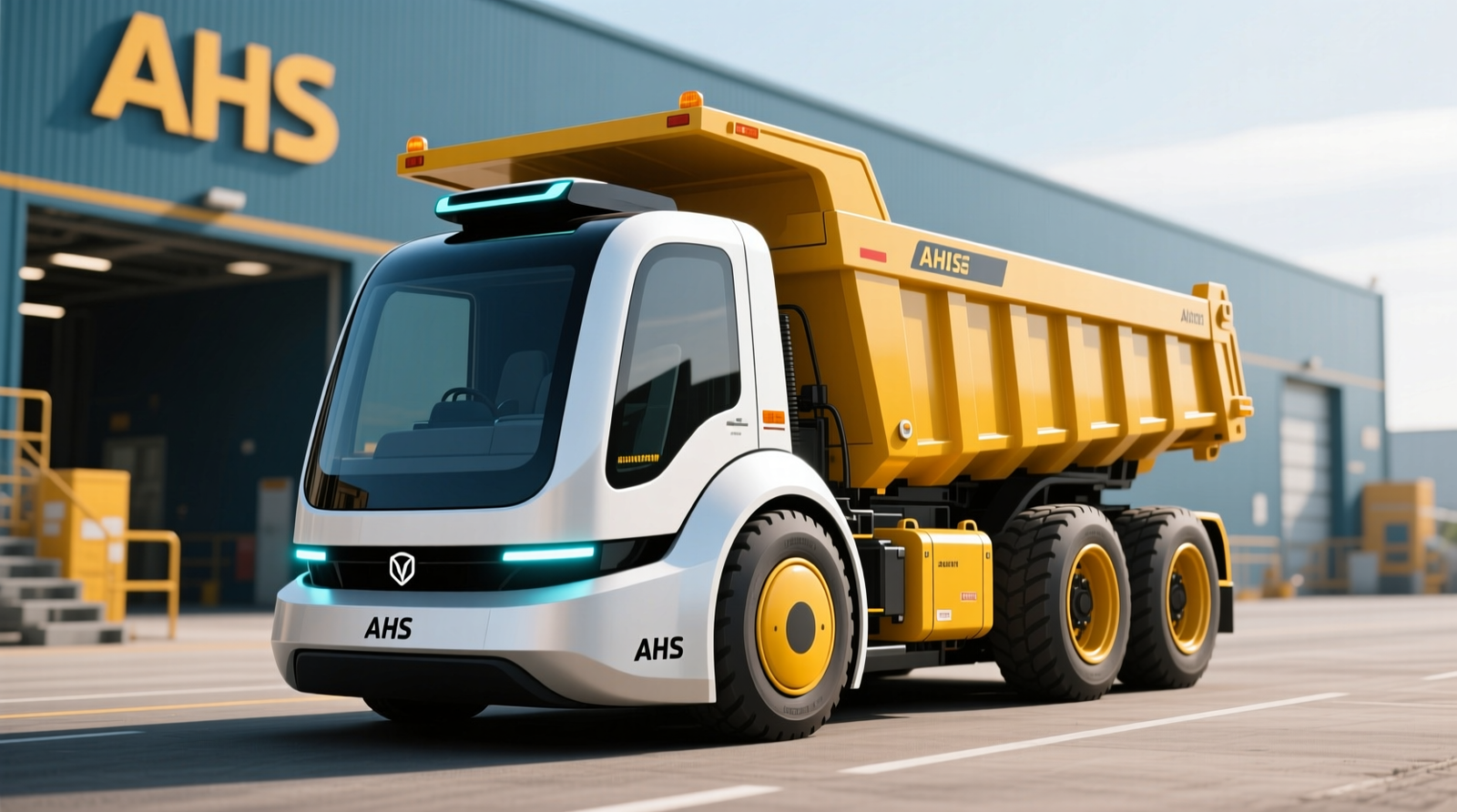
An Autonomous Haulage System (AHS) is a highly integrated solution that enables the fully automated operation of haul trucks used in mining and construction. These systems combine hardware such as LiDAR sensors, GPS modules, cameras, and radar with software that includes machine learning algorithms, route-optimization AI models, and fleet management control. AHS enhances both safety and productivity by minimizing human error and optimizing truck routes and schedules in real time.
Modern systems, such as Komatsu’s FrontRunner AHS or Caterpillar’s MineStar Command for hauling, use deep neural networks (DNNs) for object recognition, reinforcement learning for continuous route optimization, and SLAM (Simultaneous Localization and Mapping) to allow trucks to navigate accurately in dynamic terrain environments.
According to a 2023 report by McKinsey & Company, autonomous mining trucks can reduce operating costs by up to 15% and increase equipment uptime by over 20% due to optimized scheduling and reduced operator fatigue. The technology is evolving quickly, with newer models integrating 5G communication protocols and edge computing modules for highly responsive decision-making.
For more details on current research in mining automation, see this peer-reviewed study on autonomous haul systems.
TL;DR: Autonomous Haulage Systems use AI, sensors, and advanced fleet software to operate trucks without human drivers, improving safety and efficiency in mining operations. They leverage models like DNNs and SLAM for perception and navigation.
The Technology Behind AHS: AI Models and System Architecture
At the core of an AHS is an integrated AI architecture that combines various sub-systems. These typically include:
- Perception Layer: Employs convolutional neural networks (CNNs) to interpret data from LiDAR, radar, and cameras, identifying obstacles, terrain types, and operational hazards in real time.
- Decision-Making Module: Reinforcement learning algorithms determine optimal routing, acceleration, and load management decisions based on historical and real-time data.
- Navigation System: Uses SLAM integrated with RTK-GPS (Real-Time Kinematic GPS) to ensure precise vehicle localization and mapping.
- Fleet Coordination Layer: Handles route scheduling and task allocation using AI-powered dispatch algorithms that balance workload and minimize idle time.
This layered architecture allows for modular scaling and system redundancy, which is critical in high-risk mine environments. Most modern AHS platforms also rely on Vehicle-to-Infrastructure (V2I) communication and use middleware platforms like ROS 2 (Robot Operating System 2) for secure, real-time messaging and inter-process communication.
TL;DR: AHS platforms utilize multi-layered AI systems—combining CNNs, reinforcement learning, SLAM, and RTK-GPS—for perception, navigation, and coordination of unmanned mining trucks.
Application and Advantages of AHS in Mining
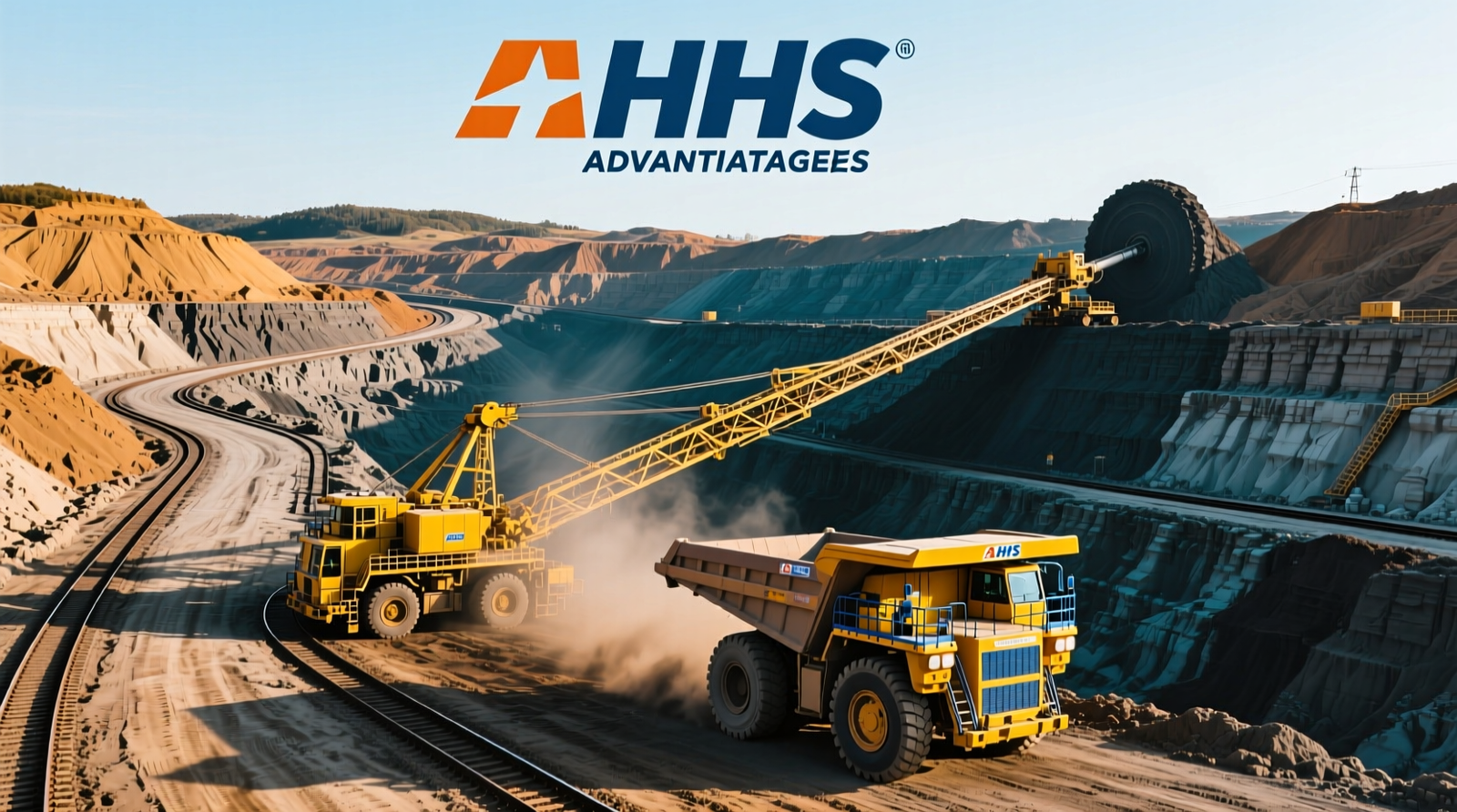
AHS is primarily used in open-pit mining operations with large, repetitive haul routes. By automating these routes, mining companies can reduce operator fatigue, labor costs, and human-related safety risks. AHS-equipped sites have reported:
- Improved Safety: Automated trucks remove risks associated with driver fatigue and miscommunication during shifts.
- Operational Efficiency: AI models optimize route selection, speed control, and dump point coordination, resulting in smoother operations.
- Lower Maintenance Costs: Consistent autonomous driving reduces wear and tear on components due to fewer sudden stops or poor driving habits.
- Optimized Fuel Consumption: Predictive modeling helps avoid terrain and load-condition scenarios that would lead to inefficient fuel usage.
Companies such as Rio Tinto have operated large-scale autonomous fleets in Western Australia’s Pilbara region and reported that autonomous fleets moved over 1.5 billion tonnes of material more efficiently and safely than manual counterparts. Learn more from Rio Tinto’s official site.
TL;DR: AHS significantly enhances mining safety, efficiency, and cost-savings, particularly in routine and high-volume haulage operations, as demonstrated by major operators like Rio Tinto.
Retrofitting Vehicles: Converting to Autonomous Operation
Transitioning from traditional operations to autonomous systems often involves retrofitting existing haul trucks. Retrofit kits typically include:
- LiDAR and radar sensor arrays
- HD video and thermal imaging cameras
- GPS and inertial navigation systems
- Drive-by-wire modules for steering, throttle, and braking
- AI control units equipped with edge computing capabilities
Companies like ASI Mining and Hexagon offer retrofit solutions that integrate with OEM systems, allowing operators to maintain brand equity while benefiting from autonomy. These kits are designed to be modular and scalable, enabling phased deployment across a fleet.
For more technical insight, Hexagon’s Autonomous Mining solutions page provides a detailed breakdown of retrofit integration.
TL;DR: Retrofitting existing trucks with autonomous kits allows mines to gradually upgrade to AHS capabilities. These systems include modular AI sensors, GPS units, and control modules.
Challenges of Implementing Autonomous Haul Systems
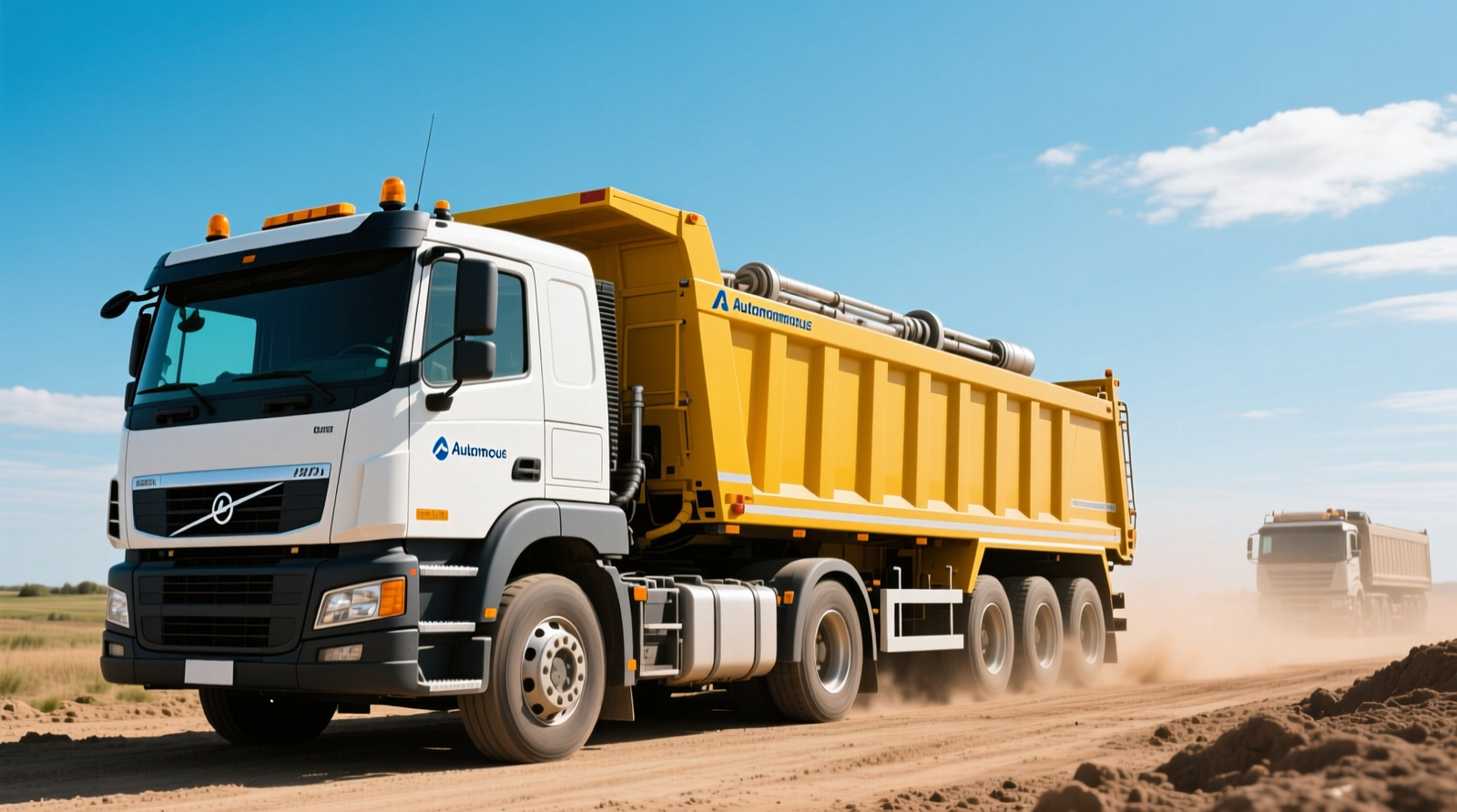
Despite undeniable benefits, implementing AHS solutions presents several challenges:
- High Initial Investment: Costs of hardware, software integration, and site adaptation can be significant upfront.
- Complex Site Environments: AHS struggles in underground mining or terrain with frequent dynamic changes.
- Cybersecurity Risks: V2I and AI systems are susceptible to data breaches if not properly secured.
- Workforce Transition: Existing operators and maintenance crews require retraining in robotics, AI monitoring systems, and new safety protocols.
However, with increased investment and collaboration between OEMs and tech developers, many of these challenges are being systematically reduced. For a policy-oriented perspective, the United Nations Economic Commission for Europe (UNECE) provides safety and implementation guidelines for automated driving systems.
TL;DR: Main challenges of AHS include high costs, operational complexity, data security, and workforce adaptation—but these are increasingly addressed with smarter tech and stronger cybersecurity protocols.
Future Trends in Mining Autonomy and AI Integration
The future of AHS lies in higher autonomy levels beyond haulage—extending to drilling, loading, and real-time site management. Integration with digital twins and centralized cloud platforms will allow virtual modeling of mine operations for predictive maintenance and logistics simulation.
Emerging technologies include:
- AI edge computing for quicker on-board decision-making
- 5G-enabled V2X (Vehicle-to-Everything) communication for ultra-low-latency coordination
- Federated learning models to improve AI perception modules across decentralized fleets without transferring sensitive data
- Blockchain-backed maintenance logs for immutable operational records
Major mining companies are also beginning to experiment with autonomous electric trucks and carbon footprint calculators built into their fleet management software. This reflects a convergence of autonomy, sustainability, and data traceability.
For a forward-looking view, explore the latest Deloitte report on mining innovation trends.
TL;DR: AHS technology is evolving toward site-wide automation, with future innovations focusing on decentralized AI, 5G, and green mining practices.
FAQ

Q: How does an Autonomous Haulage System work in mining?
A: An Autonomous Haulage System (AHS) enables unmanned trucks to operate in mines using GPS, LiDAR, AI algorithms, and fleet management software. It automates navigation, loading, and unloading through real-time data processing and system coordination.
Q: Can existing mining trucks be retrofitted with AHS technology?
A: Yes, existing haul trucks can be retrofitted using modular kits that include AI processors, sensors, and drive-by-wire systems. Companies like ASI Mining and Hexagon specialize in retrofit solutions for various OEM models.
Q: What are the advantages of using an AHS in open-pit mining?
A: Advantages include improved safety, reduced operating costs, higher equipment utilization, and more consistent fuel consumption. Autonomous systems also reduce human error and fatigue-related incidents.
Q: What AI models are used in autonomous mining trucks?
A: Common AI models include convolutional neural networks (CNNs) for image recognition, reinforcement learning for decision-making, and SLAM for navigation. These models enable dynamic and adaptive vehicle control.
Q: Are there cybersecurity concerns with AHS platforms?
A: Yes, cyber threats are a concern due to the reliance on wireless communication and data networks. Robust encryption, real-time intrusion detection systems, and secure architecture designs are essential for protection.