What is Packaging machinery?
Definition and Core Functions of Packaging machinery
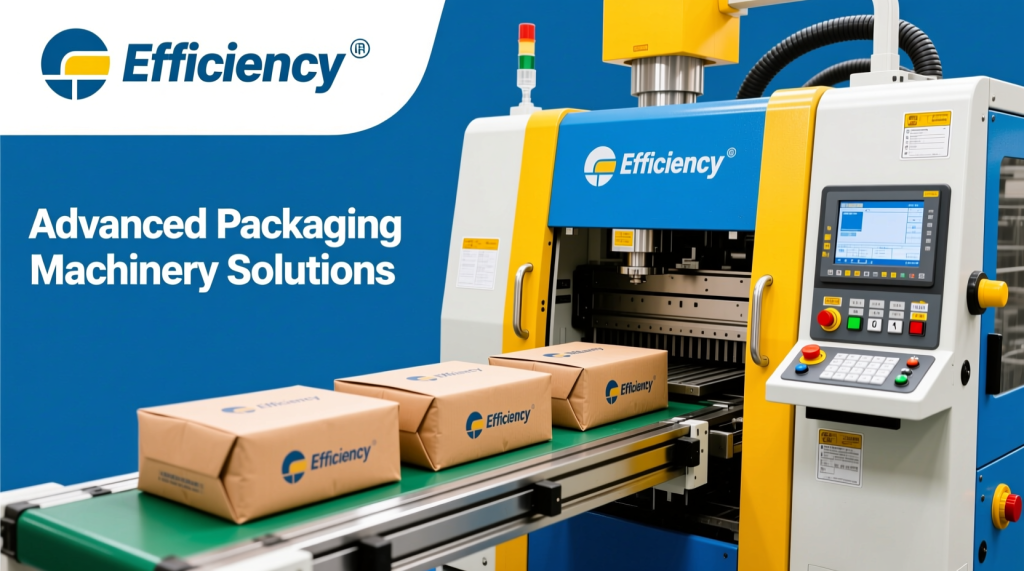
Packaging machinery refers to a diverse range of mechanical equipment specifically designed to automate, assist, or complete the process of enclosing or protecting products for distribution, storage, sale, and use. Much like an assembly line’s final layer of protection, these machines are essential across industries such as food, pharmaceuticals, cosmetics, and logistics where durability, hygiene, and presentation are critical requirements.
At their core, packaging machines perform several key functions to ensure quality control, efficiency, and market readiness:
- Filling: Precisely measures and dispenses product into containers—vital for food and pharmaceutical consistency.
- Sealing: Ensures airtight or tamper-evident closure, maintaining freshness and integrity—especially in medical and food-grade packaging.
- Labeling: Automates label application, streamlining compliance and branding processes across consumer goods industries.
- Wrapping and Bundling: Protects products during transit and optimizes storage; widely used in retail and manufacturing logistics.
- Cartoning and Case Packing: Automates the boxing and casing process, reducing labor and increasing throughput.
These essential functions enhance productivity, reduce human error, and maintain product inconsistency across high-volume manufacturing lines.
Classification of Packaging machinery
Packaging machinery is categorized based on several criteria to align with specific industry functions and production needs. The most common classification methods include:
- Form-Based: Machines for solid, liquid, granular, or powdered products.
- Automation Level: Manual, semi-automatic, or fully automated systems depending on production scale.
- Material Type: Equipment specialized for plastic films, glass, paper, or metal-based containers and wraps.
- Functional Purpose: Whether for primary packaging (direct product contact) or secondary/tertiary packaging (grouping and logistics).
Main categories of Packaging machinery in various industries include:
- Filling Machines: Handle precise dosing and container filling. Common in food and pharmaceutical manufacturing.
- Sealing Machines: Use heat, pressure, or induction to ensure hermetic seals on pouches, containers, and blister packs.
- Labeling Machines: Integrate with coding systems to apply labels and traceability codes on bottles, packets, and boxes.
- Wrapping & Shrink Packaging Machines: Used in logistics and eCommerce industries for protective and tamper-evident wrapping.
Packaging machinery Industry Development History: From Early Stages to the Intelligent Era
Early Technology Stage (Before 1950s)
The roots of packaging machinery technology trace back to manual and rudimentary mechanical devices conceptualized during the Industrial Revolution. Limited mechanization meant high labor costs and inconsistent quality.
- Hand-crank filling devices: Primitive, low-speed solutions used for liquid products.
- Foot-operated sealing machines: Used for waxed paper and tin closures in food storage.
- Counterweight labeling arms: Applied paper labels by leveraging manual edge pressure.
Industry Growth Stage (1950s–1980s)
This period saw rapid industrialization and escalating demand for consumer goods. Automation began replacing manual operations.
Breakthroughs included pneumatic systems and rotary fillers. Materials like cellophane, plastics, and aluminum became common.
- Rotary Bottle Fillers: Ideal for large-scale beverage procedures.
- Automated Cartoners: Used for pharmaceuticals and cosmetics, improving packing speed and hygiene.
- Pouch Sealers: Reliable sealing of early plastic packaging in the food sector.
Modern Innovation Stage (1990s–2010s)
Advent of PLC controls, servo motors, and digital diagnostics revolutionized Packaging machinery. Integration with digital interfaces improved precision and control.
- Vertical Form Fill Seal (VFFS) Machines: Compact and efficient for snacks, cereals, and granular goods.
- Blister Pack Machines: Essential in pharmaceutical unit dosing systems.
- Automatic Shrink Wrappers: Became standard for bottled water and beverage group packaging.
Transition from Manual to Intelligent (2010s–Present)
Industry 4.0 introduced smart sensors, IoT integration, and adaptive systems that reduced downtime and increased quality control through predictive analytics and machine learning algorithms.
- Robotic Pick & Place Systems: Enhanced flexibility for mixed batch assembly and eCommerce customization.
- Vision Inspection Machines: Detect labeling errors, sealing inconsistencies, and foreign elements.
- Modular Packaging Stations: Allow for quick tool-free changeovers across SKUs.
Major Milestone Timeline of Packaging machinery
- 1890: First mechanized paper bag machine patented in the U.S.
- 1930: Cellophane overwrapping machines introduced in cosmetics industry.
- 1955: Fully automatic bottling and capping systems revolutionize beverage filling.
- 1982: PLC (Programmable Logic Controller) integrated in packaging line automation.
- 1995: Introduction of vacuum packing machines in food safety preservation.
- 2010: Robotic sorting arms integrated for high-speed workflows.
- 2022: AI-powered adaptive filling machines launched in pharmaceutical packaging.
Future Outlook and Emerging Trends of Packaging machinery
The future of Packaging machinery is marked by automation, sustainability, and digital convergence. As industries prioritize operational efficiency and sustainability, several trends are emerging:
- Smart Packaging Integration: Connectivity between machines and ERP systems enables real-time monitoring and quality control.
- Sustainable Material Handling: Machines adapted for biodegradable films, recyclable plastics, and compostable containers.
- Modular Machine Design: Scalable machinery that adapts to different SKUs and batch sizes, beneficial in contract manufacturing.
- AI and Predictive Maintenance: AI predicts equipment failure risks, drastically reducing machine downtime and maintenance costs.
- Human-Robot Collaboration (Cobots): Emphasizing safety and productivity in high-mix, low-volume production facilities where flexibility is key.
Packaging machinery Applications Across Industries: The Core Driving Force of Innovation
Food and Beverage Industry
In the food sector, Packaging machinery ensures hygienic and consistent sealing, labeling, and portioning of products. From pouch filling to bottle capping, it solves the challenge of contamination and shelf-life preservation.
Core value: Boosts throughput, reduces manual labor, improves food safety compliance.
Pharmaceutical Industry
High-precision packaging is essential for dosage assurance, tamper evidence, and traceability. Machines handle blister packs, liquid fillers, and serialization systems to meet global GMP standards.
Core value: Enhances regulatory compliance, ensures safety, and improves accuracy and repeatability.
Consumer Electronics
Protective packaging machinery is tailored to handle fragile items using bubble wrap, foam inserts, and smart labeling for global logistics.
Core value: Minimizes product breakage, streamlines global distribution, and improves customer satisfaction.
Automotive Parts Industry
Heavy-duty strapping systems, wrapping machines, and crate sealers ensure heavy parts are safely contained and identifiable during shipment.
Core value: Reduces damage risks, improves traceability, and supports bulk logistics.
Cosmetics and Personal Care
Packaging machinery integrates with branding tools like hot stamping and color labeling for appealing presentation and shelf impact.
Core value: Maintains product aesthetics, speeds up time-to-market, and enhances consumer experience.
Logistics and eCommerce
Automated systems for weighing, dimensioning, and labeling streamline distribution centers and order fulfillment processes.
Core value: Improves last-mile efficiency, reduces fulfillment time, and decreases human error.
| Industry | Main Equipment | Key Functions | Primary Value |
|---|---|---|---|
| Food & Beverage | Filling, Bottling, Vacuum Sealers | Preservation, Portioning | Safety & Shelf Life |
| Pharmaceutical | Blister Packs, Ampoule Fillers | Dose Accuracy, Serialization | Compliance & Safety |
| Electronics | Protective Wrapping Machines | Shock Resistance | Reduced Returns |
| Automotive | Strapping, Crating Machines | Heavy Load Handling | Cost-Effective Shipping |
Packaging machinery and Material Science: A Symbiotic Technological Relationship
How Equipment Influences Material Selection
Material selection is tightly coupled with the functionality of Packaging machinery. Machine design parameters—such as tensile strength, heating elements, and dispensing methods—set limits on what materials can be used. A mismatch can result in tearing, contamination, or system malfunction.
For example, vertical form-fill-seal machines require materials that can withstand heat sealing from the inside without wrinkling or deforming. Similarly, high-speed labeling systems depend on pressure-sensitive adhesives with consistent viscosity and adhesion properties.
Material-Driven Equipment Upgrades
Recent advances in material science, such as the development of recyclable plastics, compostable films, and cellulose-based wraps, have forced Packaging machinery manufacturers to innovate solutions compatible with these alternatives.
New sealing technologies, reduced temperature thresholds, and adaptive tension mechanisms are developed in response to the unique properties of these advanced materials.
| Material | Application Scenario | Machine Adaptation Required |
|---|---|---|
| Polyethylene (PE) | Flexible food pouches | Heat sealing jaws with anti-stick coating |
| Aluminum Foil | Pharmaceutical blister packs | Precision die-cut and cold-forming systems |
| Cellulose Film | Compostable wrapping for dry goods | Lower temperature sealing and static control units |
| Corrugated Board | Shipping cartons | High-power cutting, scoring, and case erectors |
Case Study: Consequences of Improper Material Selection
A mid-sized snack manufacturer adopted a cheaper biodegradable film without assessing its compatibility with existing heat-sealing equipment. The result was poor sealing integrity, leading to air exposure, product spoilage, and a costly market recall affecting brand trust and shelf presence.
Opportunities and Challenges with Advanced Materials
Advanced materials such as bioplastics and multilayer composites offer significant benefits in sustainability and barrier protection. However, they often require recalibration of machine pressure systems, modified feeding paths, or entirely new sealing technologies. The compatibility between process parameters and material performance is critical to delivering functional, eco-friendly packaging solutions.
Packaging machinery manufacturers now face the dual challenge of advancing machine capabilities while ensuring compliance with sustainable packaging trends, a shift shaping the future of both industries.
Types of Packaging machinery and Technical Differences
Packaging machinery plays a vital role in ensuring efficient product handling, improved shelf life, and optimized logistics. These machines vary significantly in design, function, and technical specifications depending on the industry need, product type, and desired packaging format. Understanding the differences in these machines is essential for selecting the right equipment that aligns with your production goals, budget, and compliance requirements. Among the 10 types of packaging machinery most frequently inquired about by customers, how many do you know?
Filling Machines
Definition of Filling Machines
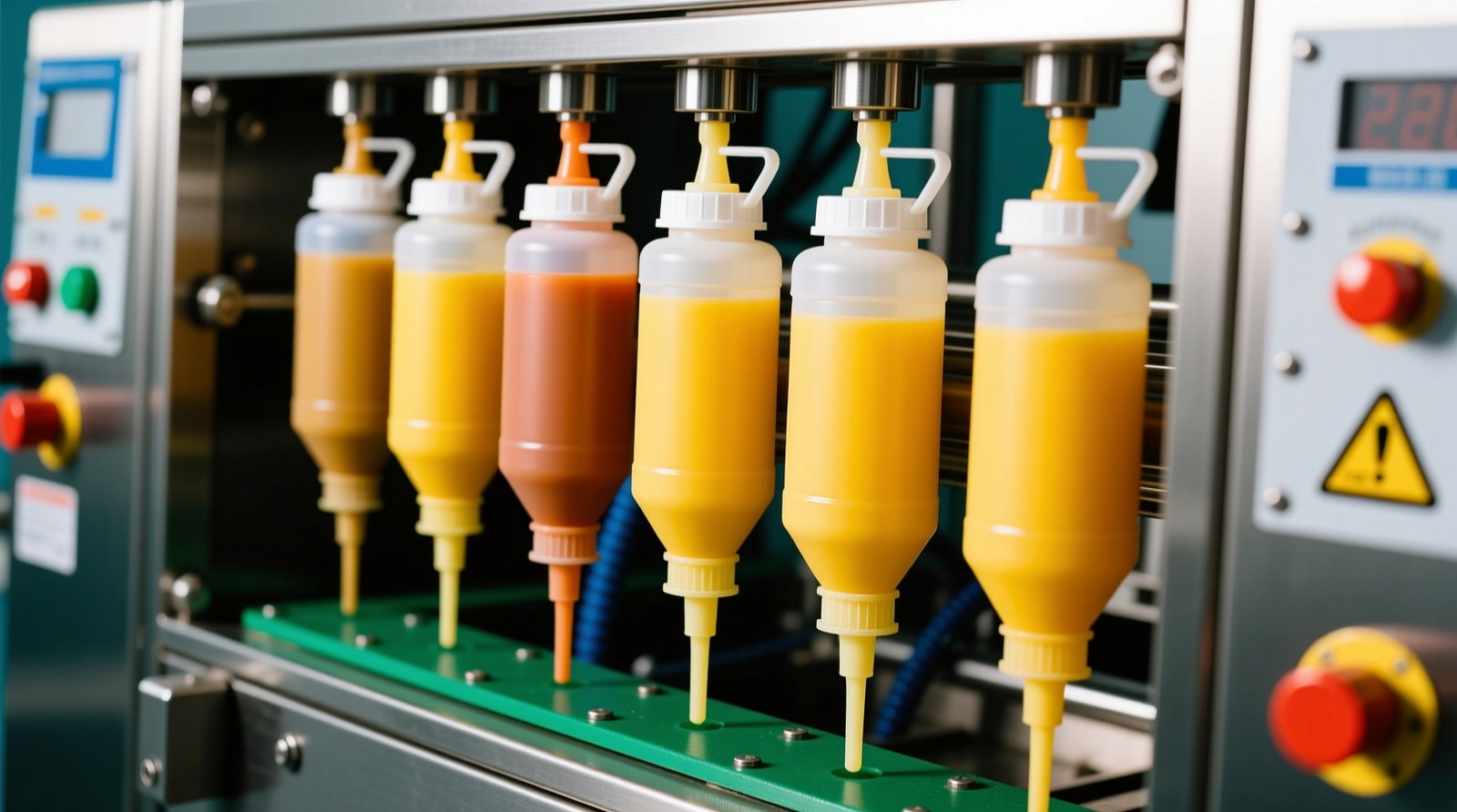
Filling machines are automated equipment used in the packaging industry to accurately measure and dispense a specific volume of products into containers such as bottles, jars, pouches, or cans. These machines play a critical role in ensuring consistency, speed, and efficiency in the filling process, whether for liquid, semi-liquid, powder, or granular products. They are widely used across industries like food and beverage, pharmaceuticals, cosmetics, chemicals, and more.
How Filling Machines Work
Filling machines operate by guiding containers through a sequence of steps that typically include container positioning, product dosing or dispensing, and container discharge. The working principle varies depending on the type of machine and the physical properties of the product. For instance, gravity filling machines rely on gravity to dispense liquid into containers, whereas piston filling machines use a volumetric piston to push the product. Certain automatic filling machines integrate conveyors, sensors, and control software to ensure precise filling levels and reduce spillage or product waste.
Main Features of Filling Machines
- Accurate Volume Control: High precision sensors and volumetric mechanisms allow consistent and repeatable filling.
- Versatility: Adaptable to different container shapes and sizes and capable of handling liquids, pastes, and dry products.
- Automation: Fully or semi-automated operations minimize manual labor and increase production capacity.
- Hygienic Design: Stainless steel construction and easy-clean components meet sanitary standards, especially in food and pharmaceutical industries.
- Integration Capabilities: Can be integrated with labeling, capping, and packaging systems for streamlined production lines.
- Touchscreen Controls: User-friendly interfaces with programmable settings allow for easy adjustments and control.
Application Scenarios of Filling Machines
Filling machines are utilized in a wide range of industrial applications, making them essential for any production line requiring accurate product filling. Common scenarios include:
- Food and Beverage: Bottling water, juices, sauces, oils, dairy products, and condiments.
- Cosmetics: Filling lotions, creams, shampoos, and gels into tubes and containers.
- Pharmaceutical: Dispensing liquid medicines, syrups, and powders with precision under sterile conditions.
- Chemical: Filling cleaning fluids, paint, lubricants, and solvents which may require anti-corrosive setups.
- Agriculture: Packaging fertilizers, pesticides, seeds, and animal feeds.
Advantages of Using Filling Machines
- Increased Efficiency: Automation significantly reduces the time required for product filling compared to manual methods.
- Enhanced Accuracy: Reduces human errors and ensures uniformity in every filled container, vital for quality control.
- Labor Cost Reduction: Minimizes the need for manual labor while maintaining high output levels.
- Product Safety: Hygienic filling processes prevent contamination and comply with industry regulations.
- Versatile Production: Easy changeovers and customization enable versatile production with multiple products or variants.
- Waste Reduction: Optimized dispensing systems minimize product and packaging waste.
Use Cases of Filling Machines and Reasons for Choosing Them
Filling machines are chosen across diverse industries to meet high-volume packaging needs with consistency and speed. Below are some notable use cases and reasons for their selection:
- Beverage Companies: Rely on high-speed liquid filling machines to bottle thousands of units per hour, ensuring each container has the exact product volume as per regulatory standards.
- Pharmaceutical Manufacturers: Use sterile filling systems for precise and contamination-free filling of medications, ensuring patient safety and precise dosing.
- Cosmetic Brands: Utilize piston filling machines for viscous creams and lotions to maintain product integrity and attractive packaging.
- Startups and SMEs: Choose semi-automatic machines for cost-effectiveness while maintaining production quality and scalability.
- Industrial and Chemical Plants: Use robust filling systems with anti-corrosive materials for handling aggressive chemicals and large volumes.
The decision to utilize filling machines is driven by the need for speed, accuracy, product safety, and long-term cost savings. These machines enable manufacturers to meet high customer demands, comply with industry standards, and maintain product consistency and brand trust.
Labeling Machines
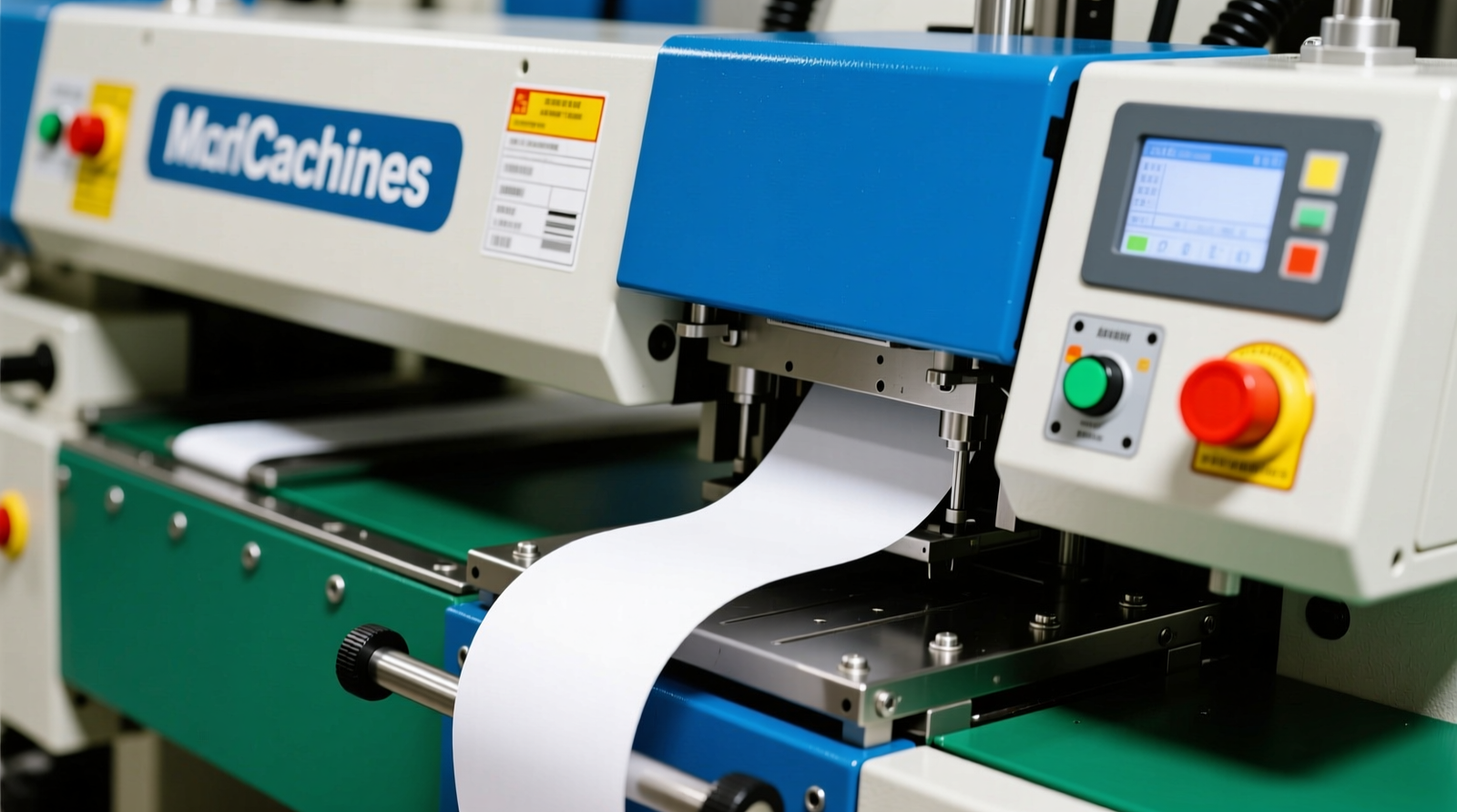
Definition of Labeling Machines
Labeling machines are specialized equipment designed to automatically apply labels onto various types of products, containers, packages, or materials. They are widely used in industrial and commercial sectors to enhance productivity, ensure labeling consistency, and meet regulatory requirements. Labeling machines can handle different label types such as pressure-sensitive labels, glue-based labels, shrink sleeves, and more, adapting to both flat and curved surfaces. Their applications span a wide range of industries, including food and beverage, pharmaceuticals, cosmetics, manufacturing, logistics, and chemicals.
How Labeling Machines Work
Labeling machines work by dispensing labels from a roll or stack and applying them onto products with high accuracy. The process typically starts with the product being fed into the machine—either manually or through an automated conveyor system. Sensors detect the product’s presence and position, prompting the machine to release a label. A roller, brush, or applicator arm then ensures that the label adheres smoothly onto the target surface. Advanced models use servo motors, optical sensors, and integration with packaging lines for synchronized and precise operations. Some machines also feature printing capabilities to include variable data such as batch numbers or expiration dates at the time of labeling.
Main Features of Labeling Machines
Labeling machines offer a wide range of features depending on their design and intended use:
- Automatic and semi-automatic modes: Offers flexibility for different production scales
- Adjustable speed controls: Allows operators to match labeling speed with production speed
- Touchscreen control panels: User-friendly interfaces for adjusting settings and monitoring performance
- High-precision sensors: Ensures accurate label placement and product detection
- Label printing integration: Option to print dynamic information directly onto labels
- Multiple label capabilities: Able to place labels on one or multiple sides of a product (front, back, top, bottom, wrap-around)
Application Scenarios of Labeling Machines
Labeling machines are essential in a variety of industrial and commercial environments:
- Food and beverage: Applying nutritional labels, branding, and barcodes to bottles, jars, cans, and packaging boxes
- Pharmaceuticals: Labeling vials, ampoules, and medication bottles with regulatory and safety information
- Cosmetics: Attaching branded labels and ingredient lists to containers of creams, lotions, and personal care products
- Logistics and warehousing: Labeling cartons and pallets for inventory, tracking, and shipping purposes
- Consumer electronics and manufacturing: Applying compliance labels, model numbers, and QR codes
Advantages of Using Labeling Machines
Implementing labeling machines in a production process offers several advantages:
- Increased efficiency: Automates the labeling process, significantly reducing manual labor and time
- Consistent accuracy: Ensures that each label is placed correctly, enhancing product appearance and reducing waste
- Regulatory compliance: Meets industry standards for labeling requirements, especially in regulated industries like pharmaceuticals and food
- Scalability: Supports both small batch labeling and high-speed, large-scale operations
- Cost-effectiveness: Reduces long-term labor costs and minimizes errors that may lead to rework or fines
Use Cases of Labeling Machines and Reasons for Choosing Them
Labeling machines are chosen by businesses across many sectors for precise, reliable, and scalable labeling solutions:
- Food manufacturers: To ensure compliance with FDA regulations and deliver attractive, retail-ready packaging
- Cosmetic companies: To apply visually appealing labels that enhance brand image while maintaining batch traceability
- Pharmaceutical firms: For high-accuracy labeling of medicine bottles, helping to reduce human error and ensure patient safety
- Online retailers and logistics hubs: To speed up order fulfillment through automated barcode and shipping label application
- Small to medium enterprises (SMEs): For flexibility and cost savings in custom labeling applications with growth potential
These use cases highlight why labeling machines are critical for market competitiveness, branding consistency, and compliance.
Sealing Machines
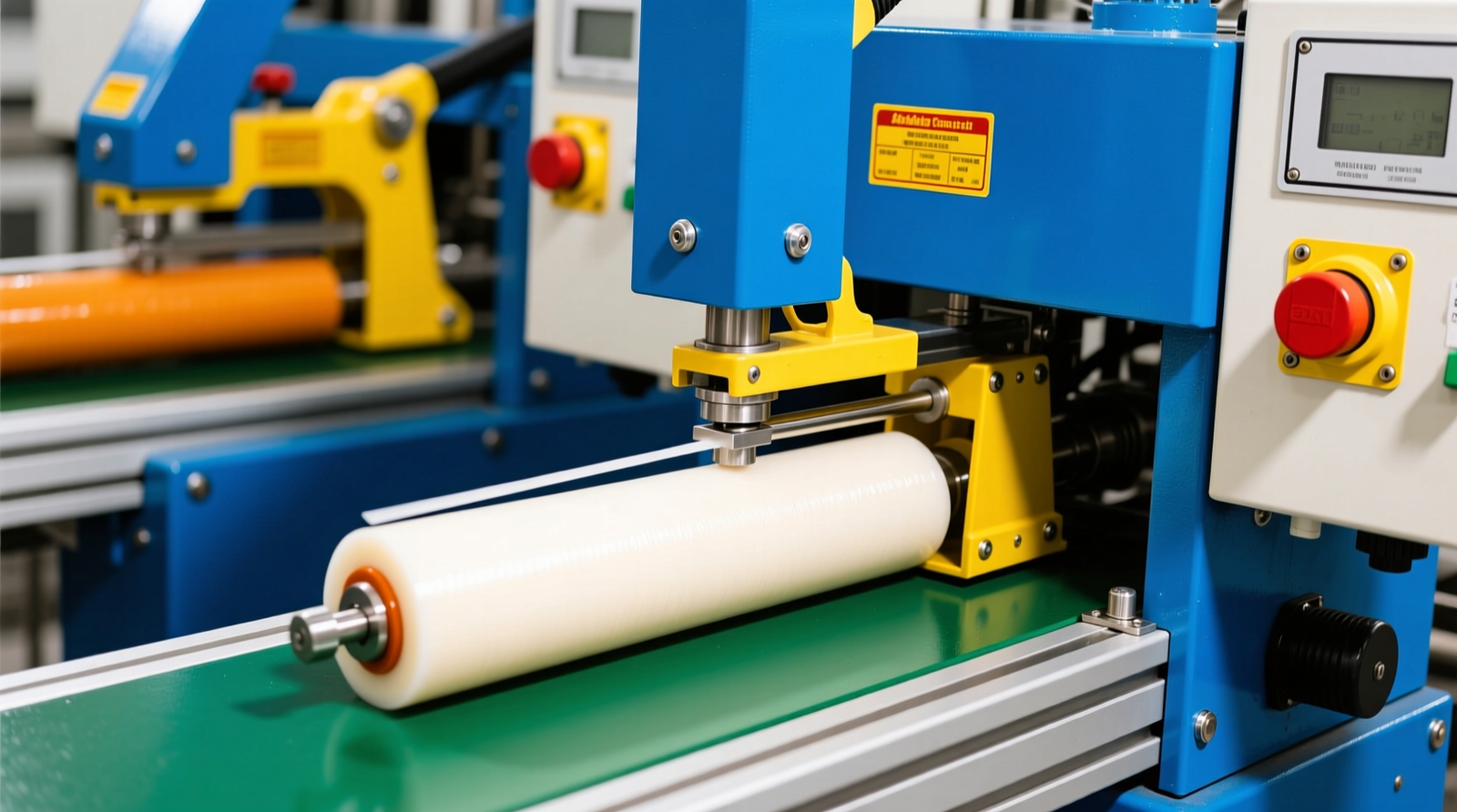
Definition of Sealing Machines
Sealing machines are types of industrial or commercial equipment designed to enclose containers, packages, or products with a secure, often airtight closure. These machines are used in a variety of industries to seal bags, pouches, cartons, and other packaging materials using methods such as heat, pressure, adhesives, or mechanical means. Sealing is an essential stage in the packaging process to ensure product integrity, preservation, protection, and presentation. There are various types of sealing machines including heat sealers, vacuum sealers, induction sealers, and ultrasonic sealers, tailored to specific packaging material and industry needs.
How Sealing Machines Work
Sealing machines function by applying specific techniques — such as heat, pressure, or ultrasonic energy — to form a strong seal between the surfaces of the packaging material. For example, in heat sealing, the machine uses electrically heated elements to melt the packaging material (typically thermoplastics), then compresses the layers to form a solid, leak-proof seal. In vacuum sealers, air is removed from the packaging before the seal is created, which helps preserve perishable products. Some machines may also incorporate conveyor belts and automated cutters for high-speed, continuous operations. The working mechanism depends on the type and intended use of the machine.
Main Features of Sealing Machines
Sealing machines come with various features designed to improve efficiency, precision, and product quality. Key features include:
- Adjustable Temperature Control: Ensures optimal temperatures for different packaging materials.
- Speed Settings: Allows control over the sealing time and line speed for batch or volume needs.
- Automation Capabilities: Advanced machines offer programmable settings, sensors, and automation to streamline production.
- Pressure Control: Ensures consistent sealing results by adjusting the pressure based on material thickness.
- Compatibility with Multiple Materials: Suitable for plastic films, aluminum foil, composite materials, and more.
- Safety Features: Overheat protection, automatic shutdown, and shielding mechanisms to ensure operator safety.
Application Scenarios of Sealing Machines
Sealing machines are widely used across various industries for different packaging needs. Common application scenarios include:
- Food and Beverage Industry: Sealing is critical for extending shelf life, preserving freshness, and preventing contamination in products like snacks, dairy, meat, and beverages.
- Pharmaceuticals: Ensures tamper-evident packaging and protection from external elements such as moisture, air, and UV light.
- Cosmetics and Personal Care: Used for air-tight packaging of lotions, creams, and other liquid or semi-solid products.
- Industrial Goods: Protects components and spare parts from dust, oxidation, and damage during transportation.
- Retail and E-commerce: Ensures secure and clean packaging for consumer goods, preventing tampering during shipment.
Advantages of Using Sealing Machines
Investing in sealing machines offers numerous operational and commercial benefits, including:
- Enhanced Product Protection: Protects products from external contaminants, moisture, and tampering.
- Increased Shelf Life: Particularly important in food and pharmaceutical industries for maintaining freshness and efficacy.
- Improved Packaging Efficiency: Automation leads to faster turnarounds and less manual labor.
- Reduced Waste: Accurate sealing minimizes packaging errors and material wastage.
- Better Aesthetic and Branding: Consistent, high-quality seals improve the look and feel of the final product, enhancing customer trust.
- Cost Savings Over Time: Automation and efficiency reduce labor and operational costs in the long run.
Use Cases and Reasons for Choosing Sealing Machines
Sealing machines are chosen by businesses for their reliability, scalability, and ability to meet packaging standards. Use cases include:
- Small Business Packaging: Manual or semi-automatic sealers are ideal for startups and SMEs engaged in handmade or artisanal products.
- Mass Production Facilities: Fully automated sealing machines integrated into production lines increase output and consistency.
- Export/Shipping Requirements: Vacuum and induction sealers ensure products remain intact and uncontaminated during long-distance transportation.
- Batch Coding and Labeling: Many sealing machines offer integration with labeling systems for batch numbers, expiration dates, and branding.
- Customized Packaging: Machines can be configured for different shapes, materials, and sizes, making them suitable for niche or premium products.
The primary reasons for choosing sealing machines include their ability to improve operational efficiency, maintain consistent product quality, meet regulatory requirements, and enhance package appeal.
Wrapping Machines
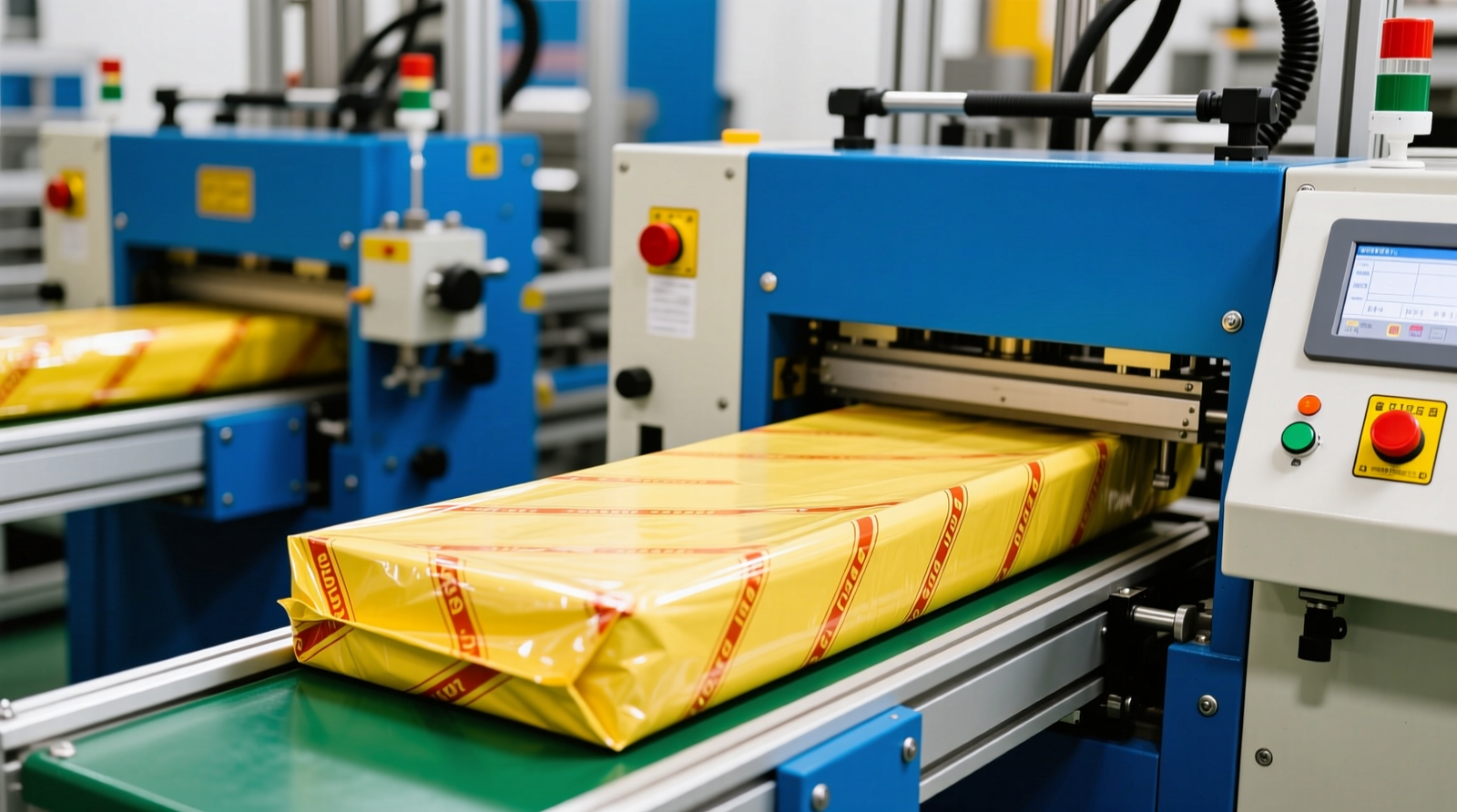
Definition of Wrapping Machines
Wrapping machines are specialized packaging equipment designed to cover, secure, and protect products using various wrapping materials such as plastic film, stretch film, shrink film, or paper. These machines automate the wrapping process, enhancing efficiency, consistency, and protection in packaging operations. Depending on the type and purpose, wrapping machines can be used for bundling products, palletizing goods, or sealing items for retail presentation. They are widely utilized across industries like food and beverage, pharmaceuticals, logistics, and manufacturing.
How Wrapping Machines Work
Wrapping machines operate by applying a flexible material around items to encase or bundle them securely. The specific process varies by type:
- Stretch Wrapping Machines: These machines apply elastic stretch film around products or pallets by rotating the load on a turntable or moving the film carriage around the product.
- Shrink Wrapping Machines: These machines envelop the product with shrink film, which is then heated using a heat tunnel or gun, causing the film to shrink tightly around the item for a secure fit.
- Flow Wrapping Machines: The product enters a horizontal wrapping station where it is encased in a continuous film and sealed at both ends to form a tight package.
Automation, sensor technology, and programmable logic controllers (PLCs) are often integrated to increase precision and reduce manual labor.
Main Features of Wrapping Machines
Wrapping machines come equipped with advanced features tailored to different operational needs:
- Variable Speed Controls: Allows for customization based on product size or volume.
- Automated Film Tensioning: Ensures optimal wrapping without damaging goods.
- PLC and Touchscreen Interfaces: Simplifies machine operation and enhances monitoring capabilities.
- Adjustable Wrapping Cycles: Lets users set parameters like film layers, overlap, and wrapping height.
- Safety Sensors and Emergency Stops: Enhances operator safety during machine operations.
Application Scenarios of Wrapping Machines
Wrapping machines are highly versatile and used across multiple industries:
- Logistics and Warehousing: Used for pallet wrapping to stabilize goods during storage and transport.
- Food and Beverage Industry: Wraps individual food items or bundled products to maintain hygiene and shelf-life.
- Retail Packaging: Provides tamper-evident packaging and aesthetic appeal for consumer goods.
- Pharmaceutical and Medical Supplies: Ensures product integrity and compliance with safety regulations.
- Industrial Manufacturing: Wraps large or irregular-shaped components to protect from dust and moisture.
Advantages of Using Wrapping Machines
Integrating wrapping machines into packaging lines offers significant advantages:
- Increased Efficiency: Drastically reduces packaging time compared to manual methods.
- Consistent Packaging Quality: Ensures uniformity in wrapping, improving product presentation and protection.
- Labor Cost Reduction: Minimizes the need for manual intervention and reduces workforce-related expenses.
- Material Optimization: Uses stretch or shrink film economically, reducing material waste.
- Improved Safety: Automating the wrapping process limits ergonomic risks associated with manual packing.
Use Cases of Wrapping Machines and Reasons for Choosing Them
Businesses across various sectors choose wrapping machines for specific operational goals:
- Fulfillment Centers: To rapidly wrap and stabilize parcels on pallets before shipment, ensuring transit safety and reducing product damage.
- Food Processors: To hygienically package perishables for extended shelf-life and compliance with food safety regulations.
- Retailers: To package multipacks or promotional items in attractive, tamper-evident wraps for store display.
- Pharmaceutical Companies: To meet strict hygiene and serialization standards for packaged drugs and medical devices.
- Automotive and Industrial Parts Manufacturers: To wrap heavy or irregular-shaped parts for safe transport and long-term storage.
Choosing wrapping machines is often driven by the need for higher throughput, better packaging security, and reduced operational costs, making them vital assets in modern production and distribution environments.
Cartoning Machines
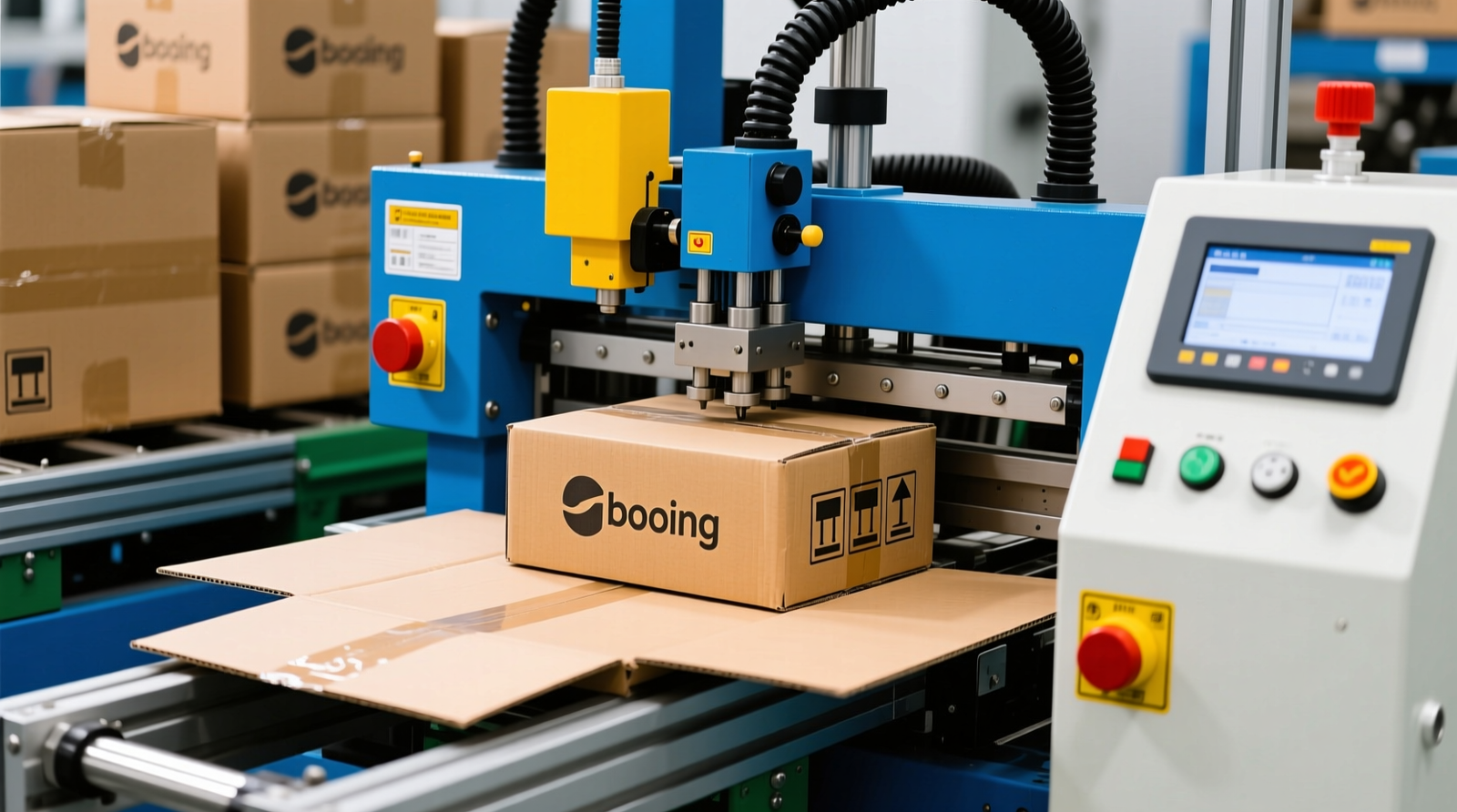
Definition of Cartoning Machines
Cartoning machines are automated packaging machines designed to form, fill, and seal cartons or boxes, typically made from cardboard or paperboard. These machines streamline the packaging process by converting flat carton blanks into folded and sealed cartons that can house products securely. Cartoning machines are commonly used in industries such as food and beverage, pharmaceuticals, cosmetics, and consumer goods for packaging items ranging from bottles and blister packs to tubes and sachets.
How Cartoning Machines Work
The operation of cartoning machines involves several sequential steps. First, the machine picks up a flat, pre-scored carton blank from a magazine or feeder system. This blank is then opened and shaped into a rectangular or square box. Next, the product is inserted into the carton manually or automatically, depending on the machine’s configuration. After product insertion, the machine seals the carton using methods such as tuck-in flaps, hot-melt glue, or mechanical closure. Finally, the sealed carton is discharged and ready for secondary packaging or shipment. High-speed cartoning machines can integrate with upstream and downstream equipment for seamless automation.
Main Features of Cartoning Machines
Cartoning machines offer a variety of features to accommodate different packaging requirements:
- Versatility: Capable of handling a wide range of carton sizes and formats.
- Automation: Automated feeding, forming, filling, and sealing to reduce manual labor.
- Speed and Efficiency: High throughput rates that enhance productivity in large-scale operations.
- Precision: Accurate placement of products and reliable sealing mechanisms.
- Integration: Compatibility with other packaging line equipment, including labeling and inspection systems.
- Control Systems: Advanced PLC and HMI interfaces for easy operation and monitoring.
- Safety Features: Equipped with enclosures and alarms to ensure operator safety.
Application Scenarios of Cartoning Machines
Cartoning machines are essential across multiple industries where consistent and protective product packaging is critical:
- Pharmaceuticals: Packaging blister packs, vials, and bottles for clinical and consumer use with strict hygiene standards.
- Food and Beverage: Cartoning of dry goods, sachets, tea bags, and ready-to-eat meals.
- Cosmetics and Personal Care: Packaging of tubes, jars, and small bottles for retail presentation.
- Electronics: Boxing of small devices, accessories, and components for shipping and retail.
- Stationery and Household Products: Efficient packaging of pens, paper products, and cleaning supplies.
Advantages of Using Cartoning Machines
Implementing cartoning machines in the packaging process offers numerous operational and economic benefits:
- Increased Productivity: Automation reduces cycle time and increases packaging output.
- Consistency: Ensures uniform packaging, which enhances brand appearance and hygiene.
- Cost Savings: Reduces labor costs and minimizes material waste through precision automation.
- Reduced Downtime: Easy maintenance and quick changeovers support continuous operation.
- Enhanced Product Protection: Securely enclosed cartons protect products during handling and transport.
- Scalability: Suitable for both small and high-volume production lines.
Use Cases of Cartoning Machines and Reasons for Choosing It
Cartoning machines are favored by manufacturers looking to increase production efficiency and packaging quality. Common use cases and reasons for their selection include:
- High-volume pharmaceutical packaging: Companies use cartoning machines to comply with safety regulations and increase speed in packaging tablets and blister packs.
- Food packaging lines: Automated cartoners help preserve freshness and facilitate labeling and date coding during packaging.
- Cosmetic product boxing: Businesses in cosmetics opt for these machines to ensure visually appealing and tamper-evident packaging.
- E-commerce packaging fulfillment: Cartoning machines streamline the packing process for small electronics and accessories, supporting rapid order dispatch.
- Private label and contract manufacturing: These machines allow flexible packaging solutions for various clients with different carton formats and branding requirements.
Manufacturers choose cartoning machines primarily to enhance operational efficiency, ensure packaging compliance, and deliver consistent product presentation—factors that are crucial in competitive consumer markets.
Form-Fill-Seal Machines
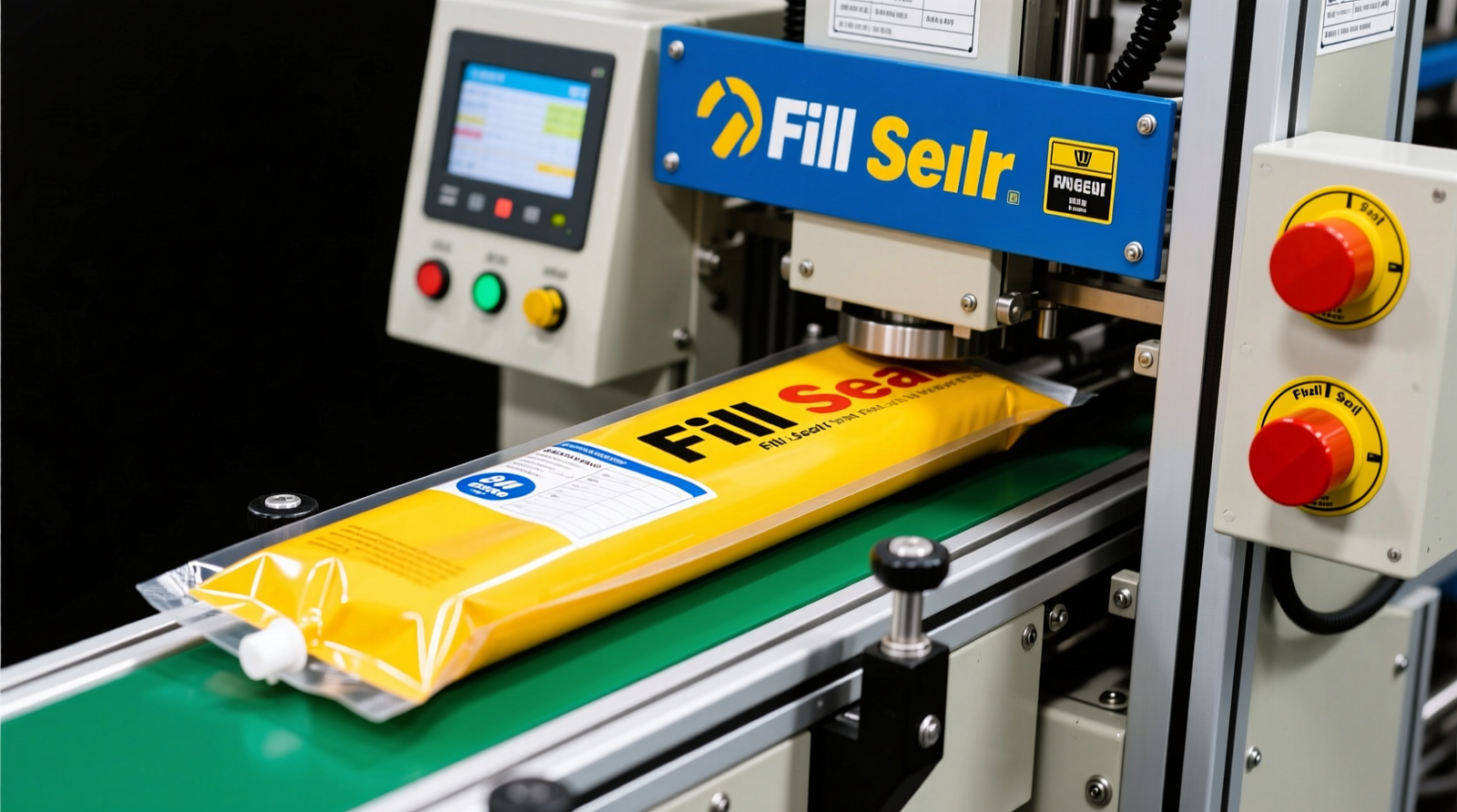
Definition of Form-Fill-Seal Machines
Form-Fill-Seal (FFS) Machines are automated packaging machines used to form packaging containers, fill them with product, and seal them for distribution—all in a continuous and streamlined process. These machines can work with a variety of packaging materials such as plastic films, laminates, and foil. They are designed to create either vertical or horizontal packages depending on the product type and packaging requirements. Commonly used in industries such as food, pharmaceuticals, chemicals, and personal care, FFS machines help improve productivity, reduce manual labor, and ensure consistent packaging quality.
How Form-Fill-Seal Machines Work
Form-Fill-Seal Machines operate through a multi-step automated process:
- Forming: The machine forms a package from a roll of flat packaging material. In vertical FFS (VFFS) systems, the film is shaped into a tube around a product delivery chute, while in horizontal FFS (HFFS) setups, pouches or trays are formed horizontally.
- Filling: The formed package is filled with the product. The filling system varies depending on the product type—liquids, solids, powders, or granules. Various filling mechanisms like auger, piston, or weigh filling are used.
- Sealing: After filling, the package is sealed using heat or ultrasonic sealing techniques. In some cases, a vacuum or modified atmosphere is applied before sealing to improve shelf life.
- Cutting and Discharge: Finally, the sealed product is cut if necessary and discharged for further processing, boxing, or shipping.
Main Features of Form-Fill-Seal Machines
Form-Fill-Seal Machines are known for several key features that enhance packaging efficiency and product safety:
- Automation: High-speed automated operation from film feeding to sealing and discharge.
- Versatility: Compatible with a wide range of films and product types.
- Customizability: Multiple configuration options including intermittent or continuous motion, and vertical or horizontal orientation.
- Advanced Controls: Integration with PLCs and HMIs for precise control of temperature, time, and speed.
- Enhanced Hygiene: Stainless steel design and easy-clean surfaces for food and pharmaceutical applications.
- Optional Add-ons: Date coders, tear notches, zip locks, gas flushing, and other value-adding features.
Application Scenarios of Form-Fill-Seal Machines
Form-Fill-Seal Machines are employed across a wide range of industrial applications:
- Food Industry: Used to package snacks, cereals, sauces, dairy products, coffee, frozen foods, and ready-to-eat meals.
- Pharmaceutical Industry: Employed in packaging tablets, capsules, powders, liquid medications, and single-use sachets.
- Chemical Industry: Ideal for packing agricultural products, fertilizers, household cleaning agents, and industrial chemicals.
- Personal Care Products: Commonly used for filling and sealing shampoos, lotions, creams, and wet wipes.
- Pet Food and Animal Products: Used in the packaging of dry and wet pet foods in various bag formats.
Advantages of Using Form-Fill-Seal Machines
The integration of form, fill, and seal functionalities in one machine offers significant advantages:
- Efficiency and Speed: Allows for faster production rates with minimal human intervention.
- Reduced Operating Costs: Less manpower needed and lower chances of packaging errors.
- Improved Product Shelf Life: Advanced sealing reduces contamination risks and supports MAP (Modified Atmosphere Packaging).
- Consistent Seal Quality: Precise automation ensures uniform packaging and sealing results.
- Lower Material Waste: Optimized film usage reduces excess packaging materials.
- Space-Saving Design: Compact machines support vertical installations in restricted production areas.
Use Cases of Form-Fill-Seal Machines and Reasons for Choosing It
The widespread use of Form-Fill-Seal Machines is evident in various real-world applications due to their reliability and adaptability:
- Snack Food Packaging: Preferred for speed and portion consistency when packing chips, popcorn, and nuts.
- Liquid Sachets Production: Ideal for single-use ketchup, shampoo, and hand sanitizer due to clean filling and leak-proof sealing.
- Powdered Pharmaceuticals: Used in sachet packaging for precise dosing and tamper-evident formats.
- Frozen Goods: Excellent for high-volume packing of frozen vegetables and meat with capability to handle low-temperature environments.
- E-commerce Packaging: Used to produce air cushion bags or pack small products securely for courier delivery.
Manufacturers choose FFS machines for their ability to automate processes, meet hygiene and regulatory standards, and deliver high-speed, high-volume packaging with minimal errors—all of which are critical in today’s competitive production environments.
Capping Machines
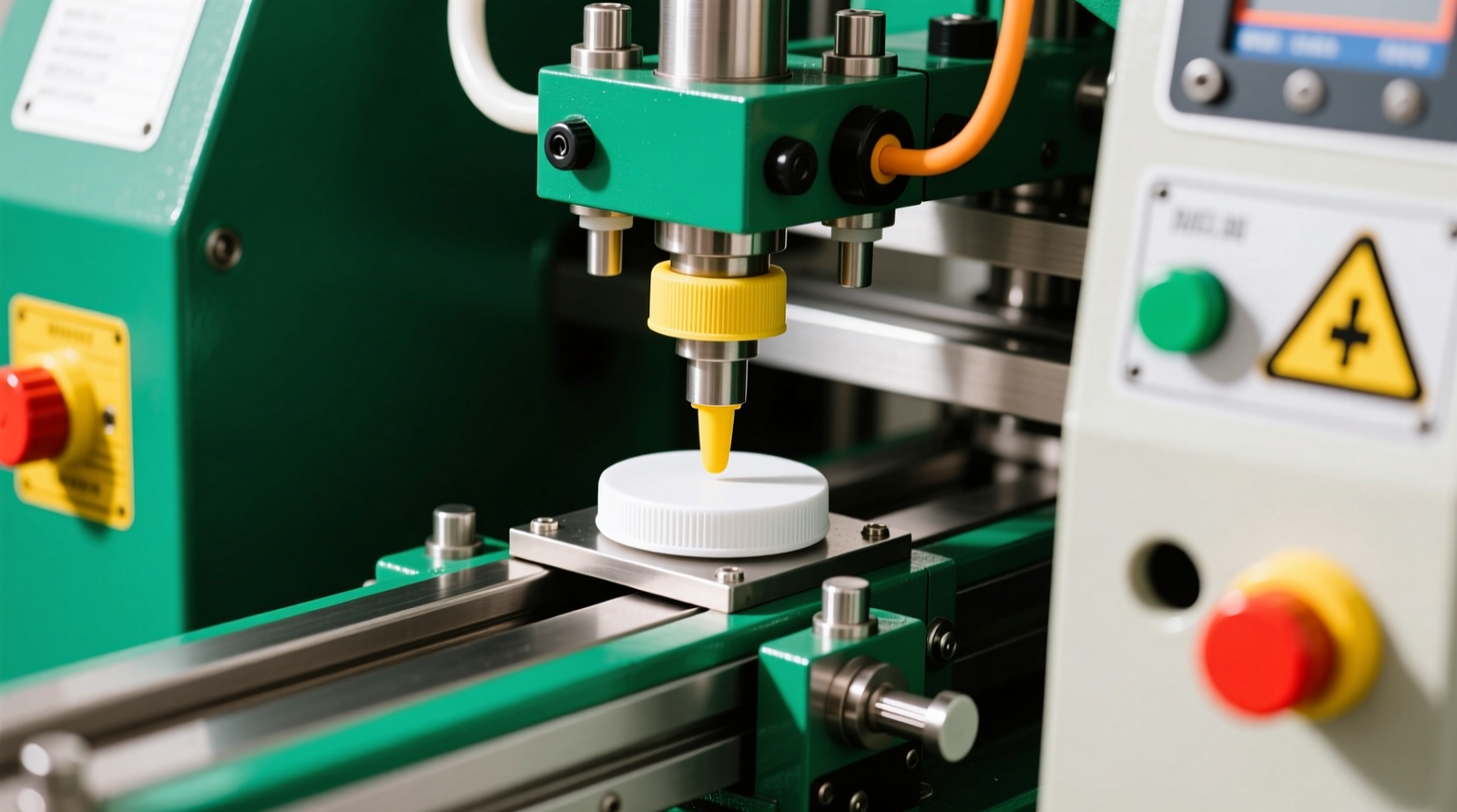
Definition of Capping Machines
Capping machines are specialized industrial equipment designed to automate the process of sealing containers with caps. These containers can be bottles, jars, or tubes used in various industries such as pharmaceuticals, food and beverages, personal care, and chemicals. The primary function of a capping machine is to securely place and tighten caps onto containers to ensure product integrity, prevent contamination, and enhance shelf life. Capping machines are an integral part of packaging lines and can handle a wide variety of cap types including screw caps, snap caps, press-on caps, and more.
How Capping Machines Work
Capping machines operate by aligning, placing, and securing caps onto containers as they move along a conveyor belt system. The process typically begins with cap sorting and feeding mechanisms that ensure a continuous supply of caps to the capping head. Once the container reaches the capping station, precise mechanical or pneumatic systems lower the cap onto the container and torque it to the predetermined tightness. Many modern capping machines use servo motors and sensor systems to ensure accuracy, consistency, and speed. Some machines are fully automatic, while others require manual input for cap placement or torque adjustment.
Main Features of Capping Machines
- High-Speed Operation: Designed for high-volume production lines to maximize efficiency and throughput.
- Torque Control: Advanced models provide precise torque application to prevent leakages or overtightening.
- Interchangeable Cap Types: Can handle various cap sizes and types with quick-change parts or adjustable settings.
- Integrated Conveyor Systems: Seamlessly integrated into existing packaging lines for smooth workflow.
- Touchscreen Control Panels: User-friendly interfaces for easier operation, troubleshooting, and configuration.
- Stainless Steel Construction: Ensures hygiene, corrosion resistance, and compliance with industry standards.
Application Scenarios of Capping Machines
Capping machines are used across multiple industries where precise and secure sealing is essential. In the pharmaceutical industry, they are used to seal medicine bottles with child-proof or tamper-evident caps. The food and beverage industry utilizes them for sealing bottles of water, soft drinks, condiments, and sauces to maintain freshness. The cosmetic and personal care sectors rely on capping machines for a variety of containers including lotion pumps, spray bottles, and cream jars. In the chemical industry, capping machines are critical for sealing containers of cleaning products, lubricants, and other industrial liquids.
Advantages of Using Capping Machines
- Increased Efficiency: Automates the capping process to speed up production and reduce manual labor costs.
- Consistent Seal Quality: Ensures uniform torque and precise placement for each cap, reducing product loss and recalls.
- Versatility: Compatible with a range of cap sizes, shapes, and materials, making it adaptable for various production needs.
- Enhanced Productivity: Capable of handling thousands of units per hour, boosting overall output.
- Improved Hygiene: Reduces the risk of human contamination, essential for food and pharmaceutical applications.
- Cost-Effective: Lowers error rates, increases repeatability, and minimizes downtime, contributing to long-term cost savings.
Use Cases of Capping Machines and Reasons for Choosing It
Bottled Water Plants: High-speed capping machines are used to seal PET bottles with screw-on caps, ensuring hygiene and leak-proof transportation. Chosen for their speed and reliability, these machines meet the high-volume needs of the beverage industry.
Pharmaceutical Manufacturing: Equipped with torque monitoring and tamper-evident features, capping machines seal plastic and glass bottles containing syrups, tablets, and capsules. Their precise control systems make them indispensable for regulatory compliance and product safety.
Cosmetic Packaging Lines: Capping machines handle various closure types including pumps, sprays, and press-fit lids. Their ability to manage delicate packaging components while maintaining aesthetic integrity is a key reason for their selection.
Household Chemical Production: For capping containers of detergents, disinfectants, and oils, these machines offer secure seals and chemical-resistant construction materials. They are chosen for ensuring operator safety and preventing environmental contamination.
Specialty Food Production: In sauces, dressings, and condiment packaging, capping machines deliver clean seals that preserve freshness and flavor. Their flexibility and ease of integration into existing systems are significant benefits for small to medium producers.
Blister Packaging Machines
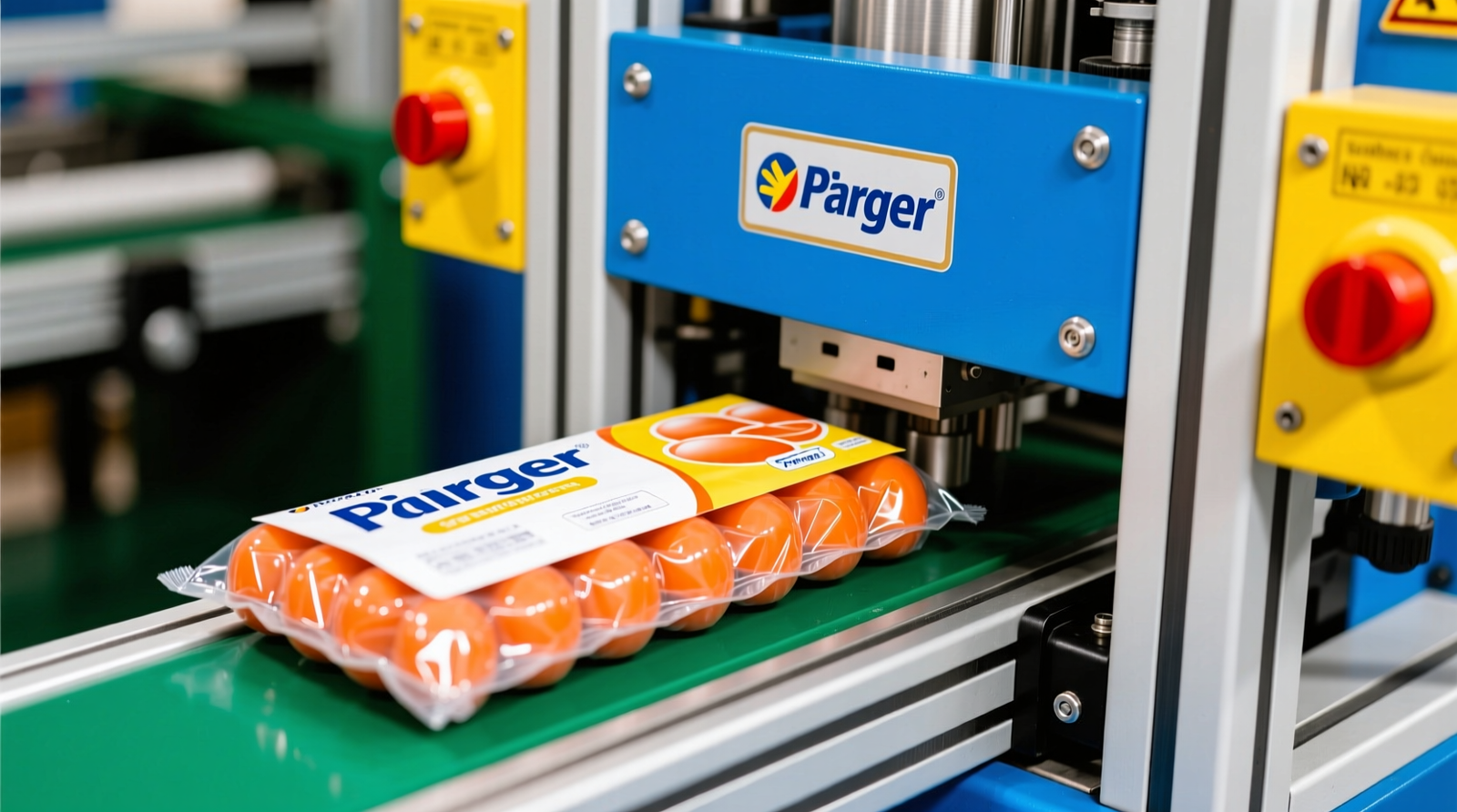
Definition of Blister Packaging Machines
Blister packaging machines are automated equipment designed to create pre-formed plastic packaging used primarily for unit-dose pharmaceuticals, medical devices, and consumer goods. These machines form cavities or pockets (blisters) made from plastic or aluminum foil, which are used to encapsulate and protect individual products. The final blister pack typically consists of a rigid base material, such as PVC or PVDC, and a lidding material that is sealed onto the base to enclose the product securely.
How Blister Packaging Machines Work
Blister packaging machines operate through a multi-stage process involving material feeding, forming, filling, sealing, and cutting. The process begins when the base material is fed into the machine and passed through a heating station. The heated plastic is then formed into cavities using pressure (thermoforming) or a combination of heat and vacuum (vacuum forming). Once the cavities are formed, the product is accurately placed into them using automated filling stations. A lidding foil or film is then applied over the filled blisters and hermetically sealed using heat and pressure. Finally, the sealed blister packs are cut into individual units or specific layouts, making them ready for inspection and secondary packaging.
Main Features of Blister Packaging Machines
- Automated Operation: Reduces manual labor and increases production efficiency.
- Precision Dosing: Ensures accuracy and uniformity in product filling.
- Variable Speed Control: Accommodates different production volumes and product types.
- Material Compatibility: Supports various materials like PVDC, PVC, Aclar, aluminum foil, and eco-friendly alternatives.
- User-Friendly Interface: Equipped with programmable logic controllers (PLC) and touch-screen HMIs for simple operation.
- Integrated Inspection Systems: Detect defects in packaging such as missing products or seal integrity issues.
- Compact Design: Optimized for space-saving installations in production environments.
Application Scenarios of Blister Packaging Machines
Blister packaging machines are widely used across industries that demand safe, tamper-proof, and dosage-controlled packaging. Common application scenarios include:
- Pharmaceutical Industry: For packaging tablets, capsules, and injectable ampoules in unit doses.
- Medical Devices: Packaging of items like syringes, catheters, and diagnostic tools while maintaining sterility.
- Consumer Goods: Used in packaging batteries, chewing gum, toothbrushes, and small electronics.
- Cosmetics Industry: For samples and single-use skincare or makeup products.
- Nutraceutical Manufacturers: Vitamins, dietary supplements, and herbal products commonly use blister packs for security and extended shelf life.
Advantages of Using Blister Packaging Machines
- Product Protection: Protects against environmental elements such as moisture, light, and contamination, extending product shelf life.
- Tamper Evident: Ensures product integrity by providing visible evidence of tampering.
- Improved Dosing Accuracy: Ideal for unit-dosing and facilitating patient compliance in healthcare.
- Cost-Effective: Reduces packaging waste and labor costs through automation.
- Enhanced Branding: Allows for custom printing and packaging designs that appeal to consumers.
- Traceability: Incorporation of batch codes and serial numbers supports regulatory compliance and product recalls.
Use Cases of Blister Packaging Machines and Reasons for Choosing It
Blister packaging machines are chosen in a variety of industrial use cases due to their versatility, efficiency, and compliance with regulatory standards. Key use cases include:
- Pharmaceutical Production: Drug manufacturers use blister packs to maintain hygiene and deliver accurate doses, especially for chronic and over-the-counter medications.
- Clinical Trials: Helps in secure and traceable packaging for experimental drugs, enhancing patient safety and data integrity.
- Over-the-Counter Consumer Products: Manufacturers of vitamins and supplements prefer blister machines for aesthetic appeal and unit dose packaging.
- Export Packaging: Ensures products remain intact and uncontaminated during long-distance transportation by air or sea.
- Retail Sales Applications: Products like batteries and hardware tools use blister packs to deter theft and enhance retail presentation.
Companies choose blister packaging machines because they streamline production, ensure compliance with FDA and GMP standards, reduce contamination risks, and boost consumer confidence through professional, functional packaging.
Shrink Sleeve Applicators
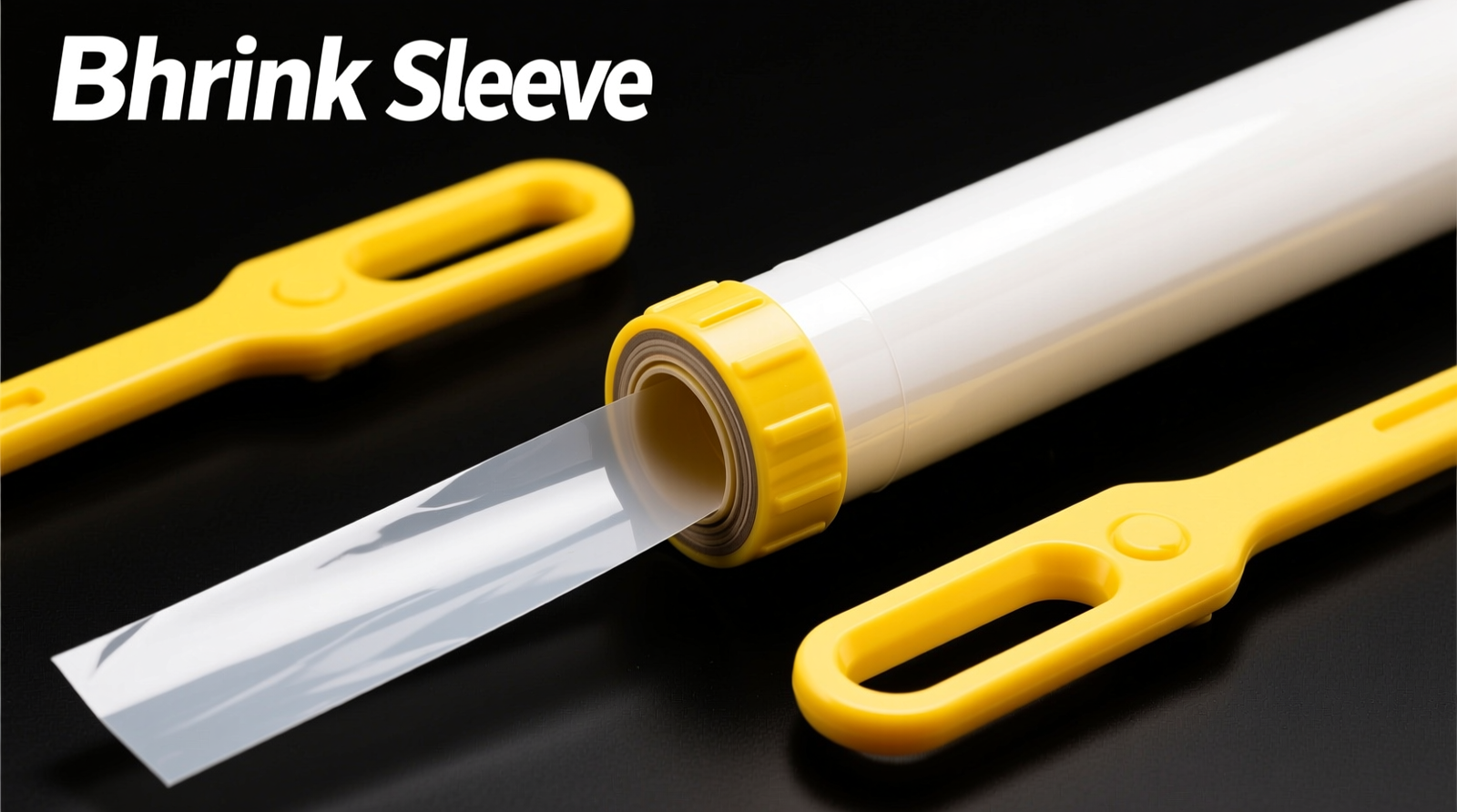
Definition of Shrink Sleeve Applicators
Shrink sleeve applicators are specialized machines used in the packaging industry to apply full-body or partial shrink sleeve labels onto a wide variety of container shapes and sizes. These labels are made from heat-sensitive plastic materials that conform to the contour of the container when heat is applied. Shrink sleeve applicators are key components in automated labeling systems, enabling efficient, high-speed labeling that enhances product appearance, provides tamper evidence, and increases shelf appeal.
How Shrink Sleeve Applicators Work
The shrink sleeve application process begins when a roll of printed shrink film is loaded onto the machine. The film is unwound, cut into individual sleeves, and then opened to create a tube-like shape. Each sleeve is automatically applied over the container as it moves along the conveyor. After application, the container passes through a shrink tunnel where heat (applied via steam or infrared) causes the sleeve to contract and conform tightly around the contours of the container, resulting in a seamless, professional label fit. The entire process is fast, precise, and automated for optimal consistency and throughput.
Main Features of Shrink Sleeve Applicators
Shrink sleeve applicators offer a range of performance-enhancing features that make them essential in modern packaging lines. Key features include:
- High Speed Operation: Capable of handling hundreds of units per minute, suitable for high-volume production.
- Modular Design: Allows for customization and easy integration into existing production lines.
- Servo Motor Control: Ensures precision in sleeve cutting and placement.
- Touchscreen Interface: Offers user-friendly controls and real-time system monitoring.
- Adjustable Mandrels: Facilitate application on various container sizes and shapes.
- Safety and Compliance: Built with safety sensors and compliant with industry standards.
Application Scenarios of Shrink Sleeve Applicators
Shrink sleeve applicators are used across a wide range of industries where high-impact packaging and full 360-degree branding are essential. Common application scenarios include:
- Food and Beverage: Bottles, cans, and jars for juices, dairy products, sauces, and condiments.
- Pharmaceuticals: Medicine bottles requiring tamper-evident sealing and dosage information.
- Personal Care: Shampoos, lotions, and cosmetics containers that need premium branding.
- Household Products: Cleaners, detergents, and aerosols requiring moisture and chemical-resistant labeling.
- Industrial Products: Containers where durability and compliance labeling are crucial.
Advantages of Using Shrink Sleeve Applicators
The use of shrink sleeve applicators offers multiple benefits that improve product presentation, assure safety, and enhance the overall packaging process:
- 360-Degree Branding: Allows full-surface coverage for more impactful graphics and messaging.
- Versatile Container Compatibility: Efficiently labels asymmetric or uniquely shaped containers.
- Tamper Evident Security: Ensures product integrity and meets regulatory requirements.
- Improved Shelf Appeal: Glossy, vibrant labels boost consumer attention and marketability.
- Durability: Resistant to moisture, chemicals, and abrasion, ideal for harsh environments.
- Cost-Effective Automation: Reduces manual labor and increases line efficiency.
Use Cases of Shrink Sleeve Applicators and Reasons for Choosing It
Shrink sleeve applicators are ideal for manufacturers seeking flexibility, efficiency, and superior product presentation. Typical use cases include:
- Beverage Companies: Use shrink sleeves for high-quality printing and brand differentiation on curved bottle surfaces.
- Cosmetic Brands: Opt for shrink sleeves to provide both aesthetic appeal and informational space on small, premium packaging.
- Contract Packagers: Employ shrink sleeve applicators for their adaptability across multiple product lines and container sizes.
- Startups: Leverage the cost-effective scalability of shrink sleeves to maintain a professional image without large MOQ commitments.
- Regulated Industries: Rely on shrink sleeves for tamper evidence and compliance with safety guidelines.
Choosing a shrink sleeve applicator enables brands to enhance visual identity, secure product packaging, and streamline production in a competitive marketplace.
Vacuum Packaging Machines
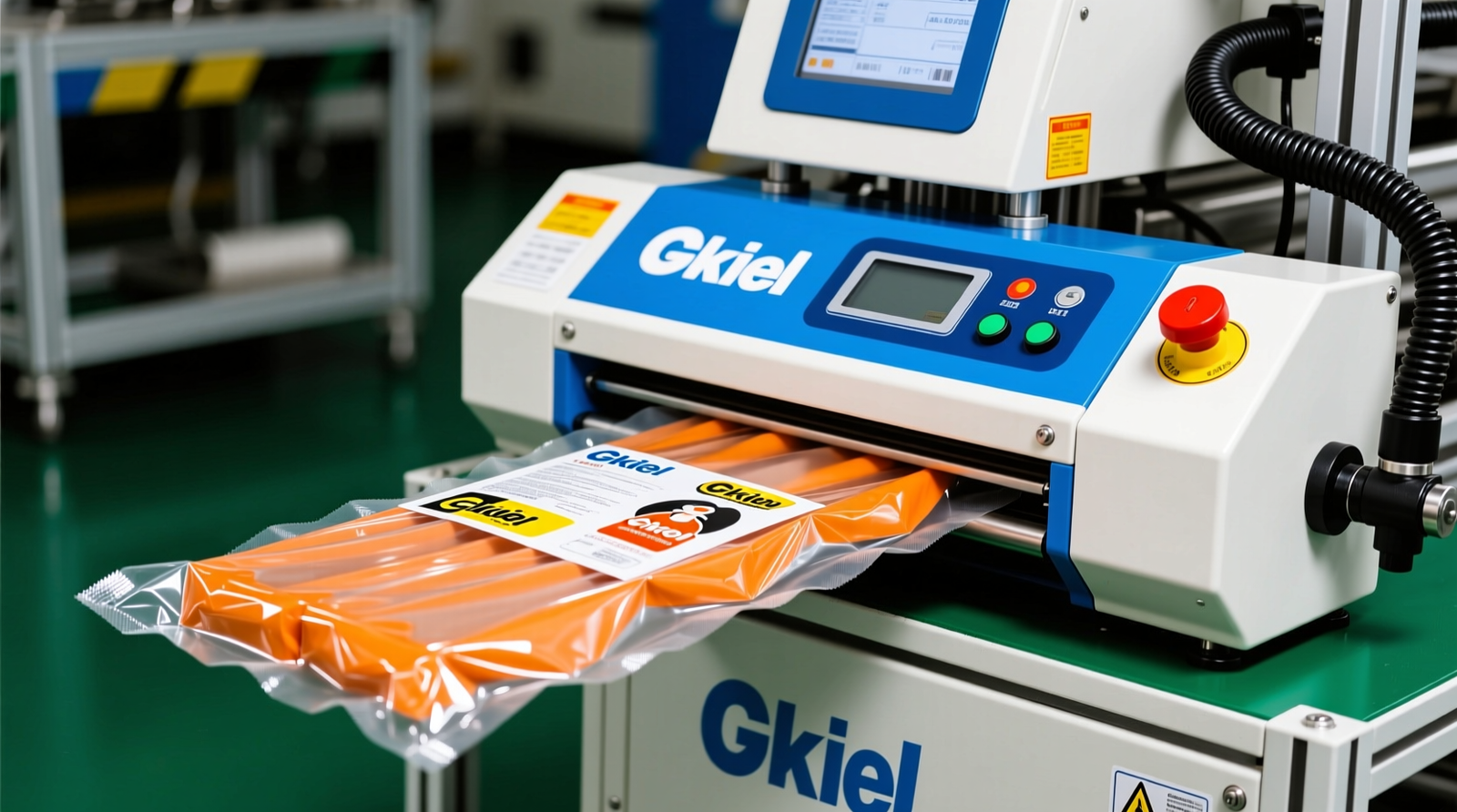
Definition of Vacuum Packaging Machines
Vacuum packaging machines are specialized equipment designed to remove air from the packaging before sealing it tightly around a product. This process creates a vacuum-sealed environment that helps preserve freshness, extend shelf life, and protect items from external elements such as moisture, air, and contamination. These machines are widely used across various industries, including food processing, pharmaceuticals, electronics, and consumer goods.
How Vacuum Packaging Machines Work
Vacuum packaging machines operate by extracting air from the package containing the product, then sealing it with a heat-sealed or pressure-sealed closure. The process typically involves placing the item inside a vacuum bag, loading the bag into the machine chamber, and activating the vacuum cycle. Once the air is evacuated, the machine applies heat to seal the bag tightly, effectively preventing any air from re-entering. Some machines also offer gas flushing features, where inert gases like nitrogen are introduced before sealing to enhance the preservation of delicate products.
Main Features of Vacuum Packaging Machines
- Vacuum Control Settings: Adjustable vacuum pressure settings allow for customization based on product type and sensitivity.
- Sealing Options: Multiple sealing bars or dual seals ensure a secure and leak-proof package.
- Automatic and Manual Modes: Options for both fully automated cycles and manual operation for greater flexibility.
- Gas Flush Capabilities: Some models offer gas flushing to improve product longevity and reduce oxidation.
- Compact or Industrial Design: Available in a range of sizes, from small tabletop units to large-scale industrial systems.
- Digital Controls: Intuitive user interfaces with touchscreens for easy operation and cycle customization.
Application Scenarios of Vacuum Packaging Machines
- Food Industry: Used extensively for meat, seafood, cheese, vegetables, and ready-to-eat meals to extend freshness and prevent spoilage.
- Pharmaceuticals: Packaging sensitive medications and medical instruments to prevent contamination and oxidation.
- Electronics: Protecting electronic components from moisture, dust, and static electricity during storage and transportation.
- Retail and E-commerce: Efficiently packaging goods to improve presentation and prolong shelf life of consumer products.
- Agriculture: Preserving seeds, grains, and dry goods for long-term storage.
Advantages of Using Vacuum Packaging Machines
- Extended Shelf Life: Reduces exposure to air and bacteria, helping products last significantly longer.
- Improved Product Safety: Minimizes the risk of contamination and spoilage by creating a hygienic packaging environment.
- Space Efficiency: Compact vacuum-sealed packages are easier to store and transport.
- Cost Savings: Reduces waste and spoilage, enhancing inventory efficiency and profitability.
- Enhanced Product Presentation: Clear and tight sealing improves visibility and consumer appeal on retail shelves.
Use Cases and Reasons for Choosing Vacuum Packaging Machines
Vacuum packaging machines are chosen for their ability to enhance product quality, safety, and storage efficiency. In the meat processing industry, vacuum sealers are essential to prevent oxidation and bacterial contamination of fresh meat. Catering services use them to portion and preserve precooked meals for convenience and quality assurance. Pharmaceutical companies utilize them to protect sterile products and extend their efficacy. Electronics manufacturers rely on vacuum sealers to prevent moisture damage during long-haul shipments. In all scenarios, the key motivations for using vacuum packaging machines include product longevity, consistent packaging standards, consumer safety, and operational efficiency.
Technical Differences and Optimal Application Scenarios of Various Packaging machinery
Core Technical Parameter Comparison
| Machinery Type | Power Consumption | Packaging Speed (units/min) | Precision | Automation Level |
|---|---|---|---|---|
| Vertical Form Fill Seal (VFFS) | 3 kW | 60 – 120 | ±1% | High |
| Horizontal Form Fill Seal (HFFS) | 4 kW | 40 – 90 | ±0.5% | High |
| Blister Packaging Machine | 2.5 kW | 30 – 60 | ±0.2% | Medium |
| Flow Wrapper | 2 kW | 120 – 200 | ±1% | Medium |
| Cartoning Machine | 3.5 kW | 20 – 80 | ±0.3% | High |
Application Scenario Analysis
- Vertical Form Fill Seal (VFFS): Ideal for packaging granular, powder, and liquid products in vertical pouches. Common in the food, chemical, and pharmaceutical industries.
Advantages: High-speed automation, accurate filling
Limitations: Limited to specific packaging formats
Typical User Profile: FMCG manufacturers with high throughput requirements - Horizontal Form Fill Seal (HFFS): Suited for flat, stable products like cookies, sachets, or sanitary items.
Advantages: Better package shape versatility
Limitations: More complex maintenance
Typical User Profile: Mid- to large-scale food producers - Blister Packaging Machines: Common in pharmaceutical industries for tablets, capsules, and medical devices.
Advantages: High product protection and compliance with regulatory standards
Limitations: High tooling cost for format changes
Typical User Profile: Pharma SMEs and labs - Flow Wrappers: Best for high-volume flow-pack items like chocolate bars or bakery goods.
Advantages: Extremely fast throughput
Limitations: Less suitable for irregular shapes
Typical User Profile: Snack and confectionery manufacturers - Cartoning Machines: Typically used after primary packaging to box products.
Advantages: Improves branding and logistics
Limitations: High footprint and initial investment
Typical User Profile: Businesses wanting to automate final packaging lines
Investment Return Comparison
- VFFS: Low to medium capital investment with high speed, offering fast ROI in mass production environments.
- HFFS: Higher cost but better packaging quality and precision; good for premium products.
- Blister: High initial investment, but essential for regulatory compliance in pharmaceuticals, leading to long-term savings.
- Flow Wrapper: Quick ROI for stable, high-volume products, owing to low maintenance and high speed.
- Cartoning: ROI achieved via labor savings and efficiency in downstream packaging processes.
5-Step Selection Method: How to Choose the Most Suitable Packaging machinery for You
Step 1: Define Production Needs
- Specify daily or monthly output (e.g., 10,000 units/day)
- Determine packaging format: pouch, blister, box, wrap
- Identify materials: plastic, foil, cardboard
- Precision level requirements (weight, shape, seal integrity)
Step 2: Evaluate Technical Parameters
- Packaging speed vs. operational hours
- Power consumption and energy efficiency
- Error tolerance and product loss rate
- Automation level required (semi or full auto)
Step 3: Budget and Cost Analysis
- Initial machinery investment
- Shipping, installation, and training costs
- Consumables and spare parts
- Operating costs: electricity, labor, maintenance
Step 4: Supplier Evaluation Criteria
- Certifications (ISO, CE)
- Reputation & references in your industry
- After-sales support and spare parts availability
- On-site installation and staff training services
Step 5: Testing and Acceptance Standards
- Schedule a Factory Acceptance Test (FAT)
- Verify throughput and defect rate against SLA
- Check format adaptability and software interface
- Validate safety and ergonomic features
- Choosing based solely on price without considering maintenance needs
- Forgetting to test compatibility with packaging materials
- Overestimating automation without evaluating production process
- Ignoring after-sales service agreements
Production Line vs. Single Machine: A Comprehensive Investment Decision Guide for SMEs
Investment Cost Comparison
- Single Machine: Low initial investment ($5,000 – $30,000), minimal training, ideal for budget-conscious SMEs
- Production Line: High investment ($50,000 – $300,000+), includes conveyors, multi-stage packaging, integration cost
- Maintenance: Single machines are easier and cheaper to maintain. Integrated lines require specialized technicians
Production Efficiency Comparison
- Single Machine: Suitable for short runs or product specialization. Lower output of around 500-2,000 units/hour
- Production Line: High throughput (5,000+ units/hour), consistent quality, and reduced human error
- Labor: Single machines may need more manual handling vs automated lines that reduce workforce needs
Flexibility Comparison
- Single Machine: Quick to adapt when switching products; excellent for dynamic product portfolios
- Production Line: Greater scalability but slower to reconfigure and more rigid in handling diverse products
- Upgradeability: Production lines benefit from modular upgrades; single machines require replacement
Risk Analysis
- Technological Risk: Over-reliance on high-tech production lines may lead to downtime due to software/hardware issues
- Market Risk: Startups may face demand fluctuations that are hard to adapt with rigid production lines
- Financial Risk: High capital lock-in with production lines can be risky if ROI is not achieved quickly
Decision-Making Recommendations
Choose a Single Machine if:
- You have limited capital
- You serve a niche or customize product lines often
- Your output needs are flexible or seasonal
- You operate in pilot production or testing phases
- Your staff is not yet trained in automation
Consider a Production Line if:
- You produce high-volume, standardized products
- You aim to reduce labor dependence and improve consistency
- You are scaling up for wholesale or export markets
A Hybrid Strategy:
- Begin with key single machines
- Integrate them via modular conveyors or semi-automated flows
- Phase in full automation once ROI is validated or sales stabilize
Real ROI Calculation Case Study
Case: A cosmetics SME chose to invest in a $15,000 wrapping machine vs. a $100,000 semi-automated line.
- Output increased by 350%
- Product loss reduced by 8%
- Payback period for single machine: 8 months
- Estimated payback for automated line: 24 months
Selection and Procurement Guide
Enterprise Packaging machinery Selection Guide: From Needs Analysis to Final Decision
Step 1: In-depth Internal Needs Assessment
- Production Capacity Requirements: Monthly output volume, shift model, expected growth rate
- Product Type: Solid, liquid, powder, granule, or mixed packaging needs
- Material Characteristics: Temperature sensitivity, corrosiveness, viscosity, fragility
- Packaging Format: Bottles, pouches, blister packs, cartons, etc.
- Automation Level: Manual, semi-automatic, fully automatic
Step 2: Technical Solution Matching Analysis
Compare technical options such as horizontal vs. vertical packaging machines, rotary vs. inline systems, and modular vs. integrated designs. Choose solutions that best match product nature, volume, and desired throughput.
- Horizontal vs. Vertical Machines: Horizontal for solid products; vertical for granules and powders
- Form-Fill-Seal Systems: Best for flexible packaging needs
- Modular Design: Provides upgrade flexibility
- Integrated Lines: Ideal for high-volume, continuous production
Step 3: Supplier Screening Criteria
- Vendor Qualification: ISO certification, manufacturing license, industry awards
- Project Experience: Case studies in similar production environments
- Service Network: Spare parts availability, local after-sales service centers
- Response Capability: 24/7 technical support, remote diagnostics availability
Step 4: ROI Calculation
Use this ROI template to evaluate financial feasibility:
| Item | Cost (RMB) | Annual Benefit (RMB) | Payback Period (Years) |
|---|---|---|---|
| Equipment Price | 800,000 | 670,000 (saved labor + increased output) | 1.2 |
Case Example: A FMCG company reduced labor costs by 40% and boosted throughput by 30% after investing in a high-speed automatic filler, achieving ROI in just 14 months.
Step 5: Final Decision Factors
- Technology (40% Weight): Reliability, automation level, and upgrade potential
- Price (35% Weight): Initial investment, cost-efficiency, value for money
- Service (25% Weight): Warranty terms, technical support system, training offering
- Enterprise Packaging Machinery Selection Checklist:
- Clarify product and packaging material specifications
- Define production volume and growth plan
- Evaluate technical adaptability to product diversity
- Assess supplier service responsiveness
- Calculate ROI and total cost of ownership
Strategy Differences by Enterprise Size
- Large Enterprises: Focus on scalability, system integration, and global support network
- Medium Enterprises: Balance customization capability with budget control
- Small Enterprises: Prioritize affordability and low-maintenance simplicity
Case Studies: Selection Pitfalls
- Case 1: A mid-sized beverage company purchased high-speed imported machinery without verifying power compatibility. Result: Delayed commissioning and added transformer costs.
- Case 2: A cosmetics startup chose the lowest-price semi-auto labeling machine without checking supplier service capacity. Result: Breakdowns without support caused 3 weeks of production loss.
Must-Read Before Purchase: Packaging machinery Core Parameters Explained and Acceptance Standards
Performance Parameters
- Speed: Measured in units/minute or packs/min. Defines capacity and throughput. Test under full-load with standard product samples.
- Accuracy: Filling deviation, sealing precision. Check against compliance limits (+/-0.5% for liquids; +/-2g for solids)
- Stability: MTBF (Mean Time Between Failures). Observe in continuous 24h trial operation
Technical Parameters
- Power Supply: Voltage and frequency standards (China: 380V/50Hz)
- Energy Consumption: Electric (kWh), Air (L/min). Impacts long-term OPEX
- Compatibility: Flexibility to handle various sizes, viscosities, or packaging materials
Configuration Parameters
- Machine Size (L×W×H): Affects plant layout
- Net Weight: Crucial for ground load calculations
- Control Interface: Touchscreen, PLC integration, network connectivity
| Parameter | Economy Level | Standard Level | High-end Level |
|---|---|---|---|
| Speed (packs/min) | 30–60 | 60–120 | 120–200+ |
| Filling Accuracy | ±2% | ±1% | ±0.5% |
| Energy Consumption (kWh) | Low | Medium | High-efficiency / optimized |
Parameter Weight Scoring Table (Example)
| Parameter | Weight (%) | Score (1–10) | Weighted Score |
|---|---|---|---|
| Speed | 30 | 8 | 240 |
| Accuracy | 25 | 9 | 225 |
| Energy Efficiency | 20 | 7 | 140 |
| Compatibility | 25 | 8 | 200 |
Non-negotiable Parameters: Accuracy, basic speed, power standards
Adjustable Parameters: Size, interface type, auxiliary functions
Domestic vs. Imported Packaging machinery In-depth Comparison: Breaking the Selection Dilemma
Technical Performance Comparison
- Imported: Superior stability, higher automation, precision down to ±0.2%
- Domestic: Rapidly improving, good for conventional needs, cost-effective innovations in niche areas
Price and Cost Analysis
- Imported: 40–100% higher initial cost + logistics/tax
- Domestic: Competitive pricing, lower service cost due to local parts supply
After-sales Service Comparison
- Domestic: 24–48h response, better Chinese-language support
- Imported: 1–2 weeks for parts delivery, reliant on agent capability
Lifespan and Depreciation
- Imported: 10–15 years with high residual value
- Domestic: 5–10 years, faster tech obsolescence
Adaptability and Customization
- Domestic brands often more responsive to local environmental, regulatory, or layout concerns
- Imported models more standardized, sometimes harder to customize
Investment Risk Assessment
- Domestic Equipment: Lower financial and supply risk
- Imported Equipment: Higher upfront risk but long-term stability
Choose Domestic When:
- Budget is limited
- Need quick delivery/installation
- Consumables sourcing is localized
- Products do not require ultra-high precision
- Post-sale service responsiveness is a priority
Invest in Imported When:
- High precision or sterile packaging required
- Long-term asset depreciation planning
- Global production line standardization
Hybrid Model Recommendation
Example: Domestic conveyor systems + Imported labeling and sealing system — combining cost-efficiency with accuracy
Real User Feedback
- Domestic: “Great value, quick maintenance response, but need better software UI.”
- Imported: “Flawless operation for 2 years, but long downtime for parts delivery.”
Packaging machinery Procurement Budget Guide: Market Trends and Price Analysis for 2025
Market Overview
In 2025, the packaging machinery market in China remains stable with a slight upward price pressure due to smarter automation and eco-friendly material compatibility. Supply chain disruptions from 2023–2024 have eased, increasing availability but also raising expectations for technical sophistication.
Price Range Analysis
- Economy Models: 100,000 – 500,000 RMB — suitable for batch production, lower speed
- Standard Models: 500,000 – 1,000,000 RMB — balanced features, adaptable to most product types
- High-End Models: 1,000,000 – 3,000,000 RMB — full automation, international compliance, AI-aided control
Hidden Cost Budgeting
- Transport: 5%–8% of equipment cost
- Installation: 2%–5%
- Training: Free or up to 20,000 RMB depending on complexity
- Customs & Tax (imported): Add 13% VAT + import tariffs
Operating Cost Estimation
- Energy: 10,000 – 60,000 RMB/year
- Consumables: 30,000 – 200,000 RMB/year
- Maintenance: 10,000 – 50,000 RMB/year
- Labor: Varies by automation level. Potentially savings of 2–5 FTE
Financing Strategy Recommendations
- Full Payment: Lower total cost, but high cash flow requirement
- Installment: More manageable cash outflow; higher total financing cost
- Leasing: Low initial investment; flexible upgrades, but no asset ownership
Budget Planning Template
| Item | Budget (RMB) |
|---|---|
| Equipment Procurement | 800,000 |
| Infrastructure (installation, layout) | 80,000 |
| Annual Operation Cost | 120,000 |
| Contingency Reserve (10%) | 100,000 |
Configuration Recommendations
- 500,000 RMB: Entry-level flow wrap machine + semi-auto filler for low output
- 1,000,000 RMB: Standard FFS line + rotary labeling, mid volume adaptable
- 2,000,000 RMB: Fully automatic line with SCADA integration & AI quality control
2026 Trends & Purchase Timing Advice
Prices expected to rise 3–5% due to AI integration and material adaptation systems by Q3 2026. Optimal purchase time: Q1–Q2 2025 to lock in pre-inflation pricing and ensure Q3 commissioning.
Installation, Commissioning, and Maintenance
Top 10 Packaging machinery Failure Diagnostics and Repair Guide: Quickly Restore Production
Failure 1: Machine Fails to Start
Description of failure symptoms: Main power is on, but the machine does not start or respond to controls.
Possible causes:
- Emergency stop button engaged
- Disconnected power supply or blown fuse
- Faulty start switch or control panel
- Malfunctioning PLC or input/output module
Emergency handling steps:
- Verify the emergency stop is released
- Check power connections and replace fuses
- Try secondary manual start function
Professional repair plan:
- Use multimeter to verify circuit continuity
- Inspect PLC diagnostics for error codes
- Replace defective I/O modules or control relays
Preventive recommendations: Conduct weekly checks on control interface wiring and test emergency stopping mechanisms monthly.
Failure 2: Product Jams in Conveyor or Sealing Section
Description of failure symptoms: Products get stuck or crushed during transit or sealing
Possible causes:
- Misaligned conveyor guides or rails
- Worn or uncalibrated sealing jaws
- Foreign objects lodged in path
- Incorrect product size or position
Emergency handling steps:
- Stop the machine and clear jam with approved tools
- Inspect product batch for damage
Professional repair plan:
- Adjust rail guides and conveyor belts
- Clean and recalibrate sealing mechanism
- Review product feed consistency and sensors
Preventive recommendations: Perform daily inspection and calibration of sealing areas and product alignment sensors.
Failure 3: Seal Failure or Weak Sealing
Description of failure symptoms: Seals are incomplete, open, or inconsistent
Possible causes:
- Insufficient sealing temperature
- Damaged or dirty sealing jaws
- Incorrect dwell time settings
- Incompatible packaging material
Emergency handling steps:
- Pause production and inspect sealing temperature settings
- Switch to standard material batch if variation found
Professional repair plan:
- Inspect heater elements and replace faulty ones
- Clean or replace seal bars
- Recalibrate temperature and timing parameters
Preventive recommendations: Regularly test seal strengths and review materials used to match sealing specs.
Failure 4: Inconsistent Filling or Dosing
Description of failure symptoms: Variation in product quantity per package
Possible causes:
- Blocked or worn dosing nozzle
- Malfunctioning load cell or sensor
- Incorrect fill settings or recipe
- Viscosity variance in product
Emergency handling steps:
- Stop filling unit and purge dosing head
- Manually inspect recent fills
Professional repair plan:
- Calibrate dosing mechanism and reprogram recipes
- Replace faulty dosing nozzles or valves
- Clean load cells and verify calibration
Preventive recommendations: Conduct regular calibration before each batch and inspect product viscosity changes.
Failure 5: Machine Overheating
Description of failure symptoms: Elevated temperatures trigger machine halt or fire alarms
Possible causes:
- Blocked vents or heat sinks
- Overworked motors or frictional wear
- Cooling fan failure
Emergency handling steps:
- Immediately shut down power supply
- Allow time for cooldown before inspection
Professional repair plan:
- Clean all ventilation points and filters
- Test motor current and temperature sensors
- Lubricate moving parts and replace damaged bearings
Preventive recommendations: Implement thermal condition monitoring and keep all vents clear of dust accumulation.
Failure 6: No Package Detection or Miscounts
Description of failure symptoms: Machine indicates missing packages or displays incorrect pack counts
Possible causes:
- Sensor misalignment or failure
- Reflective interference on packaging
- Broken wiring or loose connections
Emergency handling steps:
- Inspect and clean sensors
- Restart system with manual override
Professional repair plan:
- Reposition and calibrate all optical sensors
- Replace defective sensors or wiring harnesses
Preventive recommendations: Weekly sensor lens cleaning and quarterly detection calibration should be enforced.
Failure 7: Film Alignment Issues
Description of failure symptoms: Film feeding skewed or wrinkled, resulting in mispacked products
Possible causes:
- Incorrect film roll installation
- Tension settings out of range
- Creased or low-quality film
Emergency handling steps:
- Stop machine and reload film
- Adjust tension roller manually
Professional repair plan:
- Inspect film path alignment sensors
- Replace worn rollers or damaged film guides
Preventive recommendations: Proper film loading training and supplier QA checks should be mandatory.
Failure 8: Air Pressure Loss or Pneumatic Malfunction
Description of failure symptoms: Actuators fail or move weakly, seal bars don’t close properly
Possible causes:
- Compressor failure or low tank pressure
- Leaks in pipes or valves
- Faulty solenoids
Emergency handling steps:
- Check air gauge and compressor output
- Temporarily seal leaks with approved tape
Professional repair plan:
- Conduct leak detection using soapy water
- Replace valves or solenoids causing loss
Preventive recommendations: Install inline moisture filters and conduct monthly pneumatic audits.
Failure 9: Motor or Gearbox Noise
Description of failure symptoms: Loud grinding, clinking noises from drive system
Possible causes:
- Worn bearings or gears
- Lubrication failure
- Loose bolts or couplings
Emergency handling steps:
- Cease operation immediately
- Isolate affected drive unit
Professional repair plan:
- Disassemble drive unit and inspect gearset
- Replace worn mechanical parts
- Apply specialized lubricant
Preventive recommendations: Weekly inspection for noise/vibration plus quarterly lubrication schedule.
Failure 10: HMI Touchscreen Unresponsive
Description of failure symptoms: Screen does not register touch or displays incorrect input
Possible causes:
- Loose touch panel connections
- Software glitch or firmware crash
- Physical damage or dirty screen
Emergency handling steps:
- Restart system and observe diagnostics
- Clean screen surface with anti-static cloth
Professional repair plan:
- Reset firmware using programmer device
- Check ribbon cables and reseat connections
- Replace HMI if faulty
Preventive recommendations: Deploy protective overlays and limit untrained access to HMI devices.
Failure Diagnosis Flowchart
Step-by-Step:
- Check power supply > if OK > check emergency stop
- If emergency stop released > check drive motors
- If drive OK > check sensors & communication
- If sensors OK > inspect HMI and controllers
Industry Trends and Innovations
1. Packaging machinery Future Development: 7 Key Trends
The packaging machinery industry is undergoing a significant transformation driven by digital technology, sustainability demands, and evolving market expectations. Key focus areas include automation, modular design, eco-friendly materials, smart integration, predictive maintenance, flexible manufacturing, and human-machine collaboration. As manufacturers adapt, these trends are shaping the roadmap for the next generation of packaging solutions.
2. What Is Smart Packaging machinery?
Smart packaging machinery represents the leap from traditional automation to intelligent systems that perceive, analyze, and respond autonomously. These machines incorporate IoT, AI, and big data analytics to optimize performance, reduce errors, and boost operational efficiency. Smart machinery enhances packaging versatility, personalization capabilities, and overall production agility, marking a significant evolution in Industry 4.0 implementation.
3. Opportunities in the Integration of AI Vision and Packaging machinery
AI vision technologies offer cutting-edge capabilities for real-time quality inspection, precise positioning, and process optimization in packaging environments. By integrating machine vision systems with packaging machinery, manufacturers achieve higher precision, scale customizations, and minimize defects. This synergy also empowers predictive analytics, reducing downtime and ensuring compliance in regulated industries.
4. Packaging machinery Industry Trade Shows & Buyer Focus Insights
Trade shows remain crucial for connecting stakeholders in the packaging machinery sector. With shifting buyer expectations—from price-driven decisions to tech-forward solutions—understanding buyer behavior and selecting the right events is vital. Key exhibitions such as interpack, PACK EXPO, and Chinaplas serve as platforms for innovation engagement, networking, and strategic collaboration evaluation across global markets.
Foreseeing the Future: In-Depth Analysis of 7 Major Trends in the Packaging machinery Industry
Trend 1: Smart Automation and Intelligent Control
Trend Definition: The shift from programmable automation to autonomous machinery capable of decision-making.
Driving Factors: AI advancements, demand for reducing manual intervention, and labor cost pressures.
Manifestations: Self-regulating motion systems, adaptive speed controls, and failure prediction modules.
Impact Assessment: Significantly boosts production uptime, reduces operational errors, and enhances user interfaces.
Time Outlook: Mid-term (3–5 years)
Trend 2: Modular and Flexible Machine Design
Trend Definition: Machines designed in interchangeable modules to allow rapid format changes and scalability.
Driving Factors: Growing SKU diversity, customization demand, and lean manufacturing strategies.
Manifestations: Plug-and-play station architectures, quick retooling, and adjustable conveyors.
Impact Assessment: Increases responsiveness, reduces setup time, and supports small-batch production.
Time Outlook: Short-term (1–2 years)
Trend 3: Integration with AI Vision Systems
Trend Definition: Deployment of machine vision powered by AI for inspection, control, and analytics.
Driving Factors: High quality expectations, AI model advancements, and traceability regulations.
Manifestations: Real-time defect detection, component alignment, and predictive alerts.
Impact Assessment: Improves accuracy, reduces product waste, and ensures quality compliance.
Time Outlook: Short-term (1–2 years)
Trend 4: Environmentally Sustainable Machinery
Trend Definition: Green packaging machines with lower energy consumption and support for sustainable materials.
Driving Factors: Global sustainability policies, ESG investment focus, and consumer preference shifts.
Manifestations: Paper-based material handling, energy-efficient drives, and zero-waste systems.
Impact Assessment: Aligns business practices with sustainability goals and opens paths to green certification.
Time Outlook: Mid-term (3–5 years)
Trend 5: Predictive Maintenance and Digital Twins
Trend Definition: Using analytics and virtual modeling to anticipate failures and simulate performance.
Driving Factors: IoT/edge computing advances, cost of downtime, and need for maintenance efficiency.
Manifestations: Real-time sensors, cloud diagnostics, and simulation dashboards.
Impact Assessment: Reduces unplanned downtime, extends asset life, and lowers service costs.
Time Outlook: Long-term (5+ years)
Trend 6: Human-Machine Collaboration through Cobots
Trend Definition: Integration of collaborative robots (cobots) that augment human workers.
Driving Factors: Workforce aging, safety standards, and ergonomic needs.
Manifestations: Cobots in packaging lines for case loading, palletizing, and part pushing.
Impact Assessment: Improves safety, increases productivity, and addresses labor shortages.
Time Outlook: Mid-term (3–5 years)
Trend 7: Cloud Connectivity and Big Data Analytics
Trend Definition: Real-time cloud data access for production analytics and remote diagnostics.
Driving Factors: IIoT adoption, cybersecurity improvements, and centralized oversight needs.
Manifestations: SCADA-cloud bridges, mobile dashboards, and historical fault logs.
Impact Assessment: Enhances decision-making, supports remote servicing, and fosters global scalability.
Time Outlook: Long-term (5+ years)
Trend Interaction Diagram (described textually):
Smart automation, modular design, and AI vision trends form a core triangle, interacting closely with each other to drive operational agility. Sustainable machinery and predictive maintenance influence long-term asset viability. Cloud connectivity connects the broader digital ecosystem, while human-machine collaboration bridges tech and labor integration. Together, these trends form interlocking feedback loops enhancing adaptability and innovation potential across the packaging machinery landscape.
Data points: According to MarketsandMarkets, the global packaging machinery market is expected to grow from $42.5 billion in 2023 to $56.9 billion by 2027, at a CAGR of 6.1%.
Summary of Opportunities and Challenges:
Opportunities: Competitive differentiation through intelligent systems, new revenue streams from service models, and access to tech-driven buyers.
Challenges: High initial cost barriers, need for tech-savvy workforce, integration complexity, and data privacy considerations.
Redefining Smart Packaging machinery: The Leap from Automation to Intelligence
The Essence of Intelligence: Core Differences Beyond Traditional Automation
- Decision-making: Traditional systems follow fixed logic; smart systems analyze data in real-time to adapt workflows.
- Sensing Capacity: Smart machines use advanced sensors and vision to perceive variables, vs. static triggers in conventional setups.
- Connectivity: Smart equipment integrates into cloud/IIoT platforms; traditional tools operate standalone.
- Learning Capability: AI-enabled systems evolve via data training; automated machines lack learning functionality.
- Flexibility: Smart systems configure themselves for different SKU formats; automation requires retooling.
Technological Foundations: Smart packaging machinery relies on sensory networks (ultrasonic, color, proximity sensors), IoT modules, big data platforms, and machine-learning algorithms for intelligence development.
Six Core Characteristics of Smart Packaging machinery
- Self-perception: Machines detect status via sensors (e.g., Bosch Rexroth’s ctrlX automation platform).
- Self-decision-making: AI engines calculate optimal runtimes (e.g., Siemens’ Edge-based AI controllers).
- Self-execution: Automated material handling based on incoming packaging specs (e.g., KHS’s adaptive systems).
- Self-learning: Machines refine performance through data analysis (e.g., predictive fill-level accuracy).
- Self-adaptation: Adjusting machine flow in response to line fluctuations (e.g., Sidel’s Agile Filler).
- Self-cooperation: Coordination with other smart machines or cobots (e.g., Festo’s AI-driven collaborative systems).
Value Creation System: How Smart Equipment Reshapes Production Efficiency
Efficiency Gains: Up to 35% cycle time reduction via intelligent coordination (ABB analysis, 2022).
Quality Improvement: Real-time defect detection reduces rework costs by 60%.
Cost Reductions: 25% lower operating costs using energy-optimized routines.
Flexible Production: Rapid switchovers allow 40% more format variability per production unit.
Case Study (Nestlé): Implementation of smart packaging lines yielded 22% productivity boost and cut downtime by 45%, resulting in a payback period of just 18 months.
Text-Based Smart Packaging System Architecture:
Layers:
1. Perception Layer (sensors, cameras)
2. Control Layer (PLC, HMI, AI engine)
3. Execution Layer (robot arms, conveyors)
4. Integration Layer (MES, ERP, SCADA)
5. Application Layer (cloud analytics, performance dashboards)
Manufacturer Product Comparison: Bosch (ctrlX), Krones (SynCo), Sidel (EvoDECO), and Ishida (Smart-QX platform) lead smart packaging equipment innovation in adaptability, AI-driven control, and cloud integration.
AI Vision + Packaging machinery: Opening a New Era of Smart Manufacturing
In-Depth Analysis of 5 Core Application Scenarios
- Quality Inspection: AI detects micro-defects in seals, mislabels, and material anomalies at 99% accuracy.
- Precise Positioning: Vision-guided robots achieve sub-millimeter alignment for filling and closure tasks.
- Process Monitoring: Cameras track machine throughput and send alerts upon parameter divergence.
- Safety Protection: Vision systems detect human entrance into robot zones and trigger auto stops.
- Data Collection: Vision logs every unit produced with timestamp, assisting in traceability audits.
Technical Implementation Pathways and Solution Selection
Hardware: Industrial cameras, near-IR lighting, high-speed processors.
Algorithms: Deep learning for complex defect detection; traditional edge detection for repeatable parts.
System Integration: Requires standardized protocols (OPC UA, MQTT), machine control synchronization, and cloud connectivity.
Investment Value and Implementation Recommendations
ROI Analysis: Typical payback under 2 years due to rework reduction and scrap cost savings.
Implementation Roadmap: 1) Identify target process; 2) Pilot program; 3) Train models; 4) Scale deployment.
- Case 1: A beverage plant reduced label misplacements by 94% using AI vision.
- Case 2: Food manufacturer achieved 30% OEE rise with adaptive alignment system.
- Case 3: Medical packaging user ensured 100% defect-free sealing through predictive vision alerts.
Technical Selection Decision Matrix: Cross-evaluate cost, complexity, customization, and vendor support to select optimal AI vision solution.
Packaging machinery Industry Trade Show Guide: Top Exhibitions and Buyer Behavior Insights
In-Depth Review of Global Top Trade Shows
- interpack (Germany): Held every 3 years, 170,000+ visitors; focuses on complete packaging lines, smart tech, and sustainability.
- PACK EXPO (USA): Annual show with 2,000+ exhibitors; emphasis on automation, smart machinery, and AI innovations.
- Chinaplas (China): Asia’s leading event for packaging equipment and plastic technologies; 160,000 attendees.
- All4Pack Paris (France): Known for innovation showcases and eco-design packaging machinery.
- ProPak Asia (Thailand): Southeast Asia’s top event; tailored for regional SMEs and distributors.
Recommendations: Choose interpack for global innovation partnerships, PACK EXPO for automation leads, and ProPak Asia for cost-effective sourcing.
Buyer Behavior Analysis and Engagement Strategies
Buyer Types: End users (brand owners), OEMs, distributors, system integrators, and investors.
Priority Focus: 1) Technology capabilities; 2) Price-to-performance; 3) After-sales service; 4) Brand reputation.
Decision Process: Online research → Trade show visit → Sample testing → Supplier comparison → Final contract.
Booth Strategies: Run live demos; provide QR-accessible digital brochures; equip staff with technical knowledge; and create experiential engagement zones.
Trade Show Value Evaluation Table:
- Lead Generation Rate = (Qualified Leads ÷ Total Booth Visitors) × 100
- Trade Show ROI = (Projected Revenue – Total Costs) ÷ Total Costs × 100
Exhibition Preparation Timeline and Checklist:
- 6 months ahead: Book booth and logistics
- 3 months: Product selection and demo setup
- 1 month: Team training and marketing pre-promotion
- Onsite: Engagement, lead capture tools, feedback collection
- Post-show: Lead follow-up, ROI analysis, content recap
Next Year’s Trade Show Trends:
Increased demand for hybrid virtual booths, eco-friendly construction materials, AI-powered visitor analytics, and niche-targeted micro-events within larger exhibitions will shape the next generation of packaging machinery trade shows.