Meta: At Fruit Logistica 2026, Kronen will spotlight industrial fruit and vegetable processing solutions—from fresh-cut processing lines to hygienic, automation-ready food processing equipment—built to improve yield, hygiene, and line performance in real factories.
Fruit Logistica 2026: Kronen’s focus on industrial fruit and vegetable processing performance
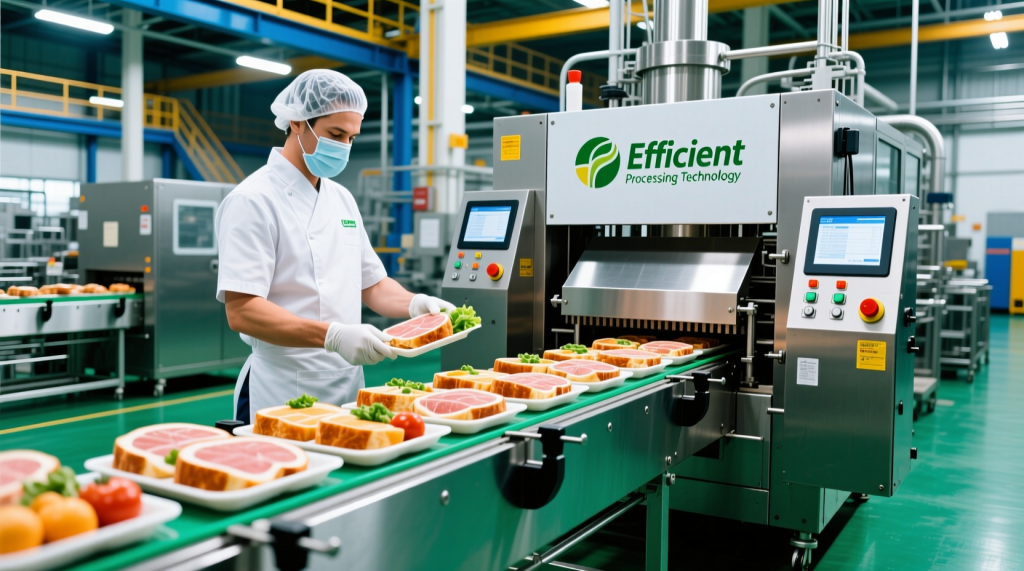
Kronen will present machines and integrated system concepts for processing fruit, vegetables, salad leaves, and other fresh foods at Fruit Logistica 2026 in Berlin (Stand A-20, Hall 1.1). The booth concept is geared toward processors running ready-to-eat salad production and convenience food lines where operational metrics—OEE (Overall Equipment Effectiveness), changeover time, giveaway, and sanitation downtime—directly influence margin.
The exhibit will emphasize how hygienic design, controlled cutting and washing, and automation-ready controls can support higher throughput with fewer operators, more stable quality, and longer shelf life.
TL;DR: Kronen at Fruit Logistica 2026 is positioned around measurable line KPIs (OEE, changeovers, yield, hygiene uptime) for industrial fresh produce and fresh-cut operations.
Flexible fresh-cut processing solutions for industrial fruit and vegetable lines (modular to fully integrated)
Kronen specializes in modular equipment that scales from stand-alone machines to continuous lines. For decision-makers, the advantage is the ability to configure capacity, footprint, and automation level without redesigning the entire factory layout.
- Modular engineering: add or remove steps (cutting, washing, drying, weighing, packaging) as product mix changes.
- Hygienic construction: stainless-steel execution with cleanable surfaces and easy access for sanitation.
- Automation-ready controls: standard industrial control concepts such as PLC (Programmable Logic Controller) and HMI (Human-Machine Interface) support consistent recipes and operator guidance.
Mini use case (changeover KPI): A mixed-vegetable processor running frequent SKU changes (e.g., strips → cubes → slices) typically targets a 20–40% reduction in changeover minutes by standardizing tool-change routines, recipe parameters, and sanitation access points. In practice, faster changeovers translate to more sellable hours per shift and more responsive production planning.
TL;DR: Modular machines and PLC/HMI recipe control help processors scale capacity and reduce changeover time—key drivers for OEE in multi-SKU fresh-cut plants.
Hygiene, efficiency, and standards: reducing contamination risk while saving water and energy
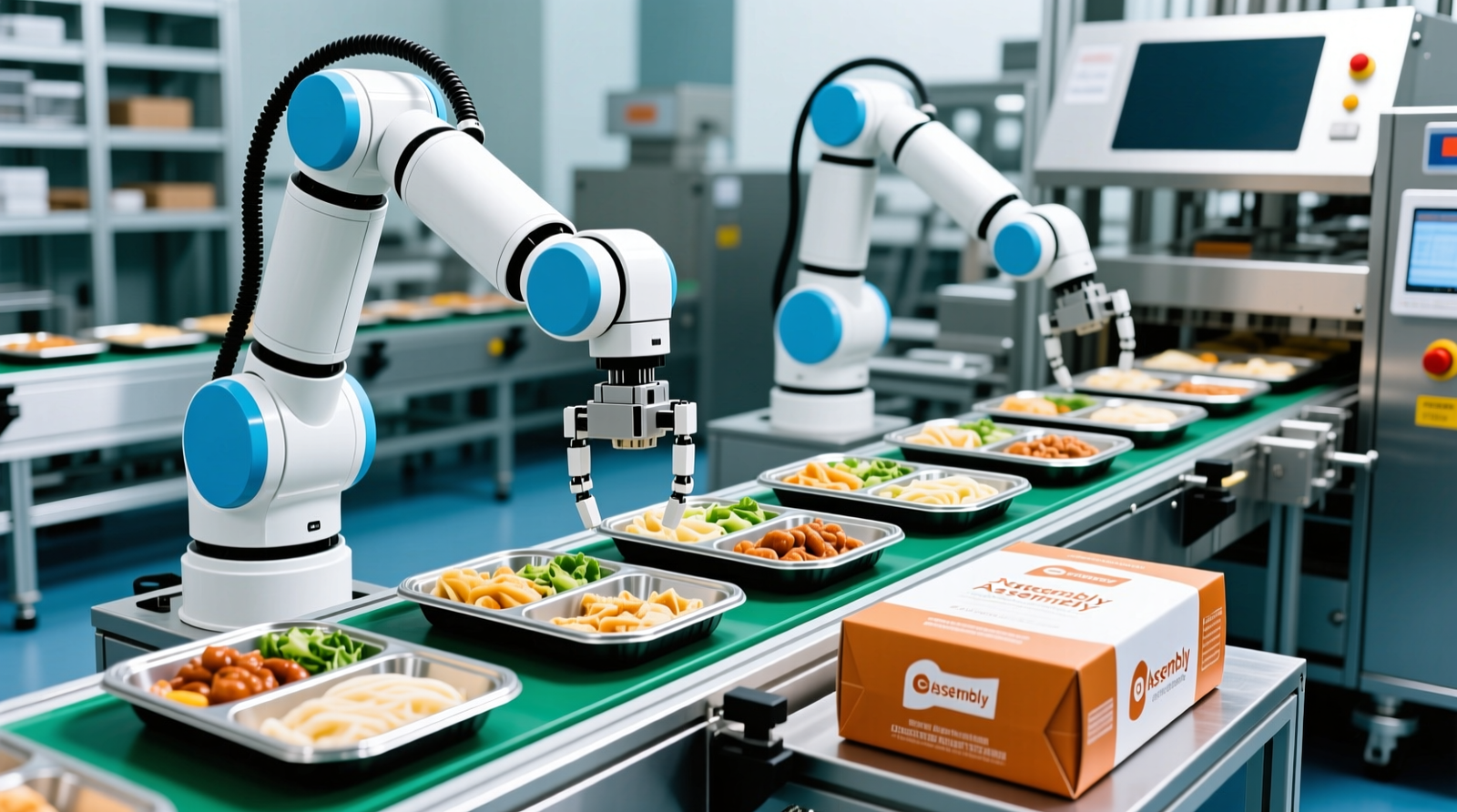
Fresh produce processing faces tightening hygiene expectations and sustainability targets. Effective hygienic design reduces contamination risk by minimizing “harborage points” (hard-to-clean crevices), supporting drainage, and enabling rapid inspection.
In hygienic engineering, buyers often benchmark equipment against recognized guidance and audit expectations such as HACCP (Hazard Analysis and Critical Control Points) and hygienic design frameworks (e.g., EHEDG, European Hygienic Engineering & Design Group; and 3-A Sanitary Standards widely used in sanitary equipment design). While specific certifications depend on model and configuration, using these frameworks helps reduce food-safety risk and supports audit readiness.
Operational KPI translation: hygienic access and tool-less disassembly can cut sanitation and inspection time by 10–25% in many plants, improving uptime. Water and energy savings are commonly achieved through features such as recirculation loops (where permitted by process design), filtration, optimized spray patterns, and VSDs (Variable Speed Drives) for pumps and conveyors to match flow to load.
For additional background on EU hygiene expectations for food businesses, see the European Commission overview of food hygiene rules: https://food.ec.europa.eu/safety/biological-safety/food-hygiene_en.
TL;DR: Hygienic design (accessibility, drainage, fewer dead zones) plus smart utilities (VSDs, optimized water use) improves audit readiness and boosts OEE by reducing sanitation downtime and utility waste.
What’s new at Fruit Logistica 2026: newsworthy booth themes beyond a standard product display
To make the 2026 presentation more than a catalog of machines, Kronen will focus on three innovation themes that reflect where industrial buyers are investing:
- Integrated “Complete Line Concepts” that connect cutting → washing/disinfection → drying → weighing → packaging into a single operational flow with coordinated controls.
- Automation & data readiness for production reporting and quality traceability, including support for line integration concepts such as OPC UA (Open Platform Communications Unified Architecture) for standardized machine-to-system data exchange (implementation depends on project scope and customer system requirements).
- Sustainability-by-design demonstrations: resource-oriented washing concepts and reduced manual handling to lower labor intensity and product giveaway.
What visitors should look for at the stand: ask for practical examples of recipe-driven setpoints, data logging for wash parameters, and quick sanitation access points—features that typically impact shelf life stability and rework rates.
TL;DR: The 2026 booth story is about integrated line concepts, automation/data integration, and measurable sustainability—not just individual machines.
Complete line concepts: integrated fresh-cut processing lines from cutting to packaging
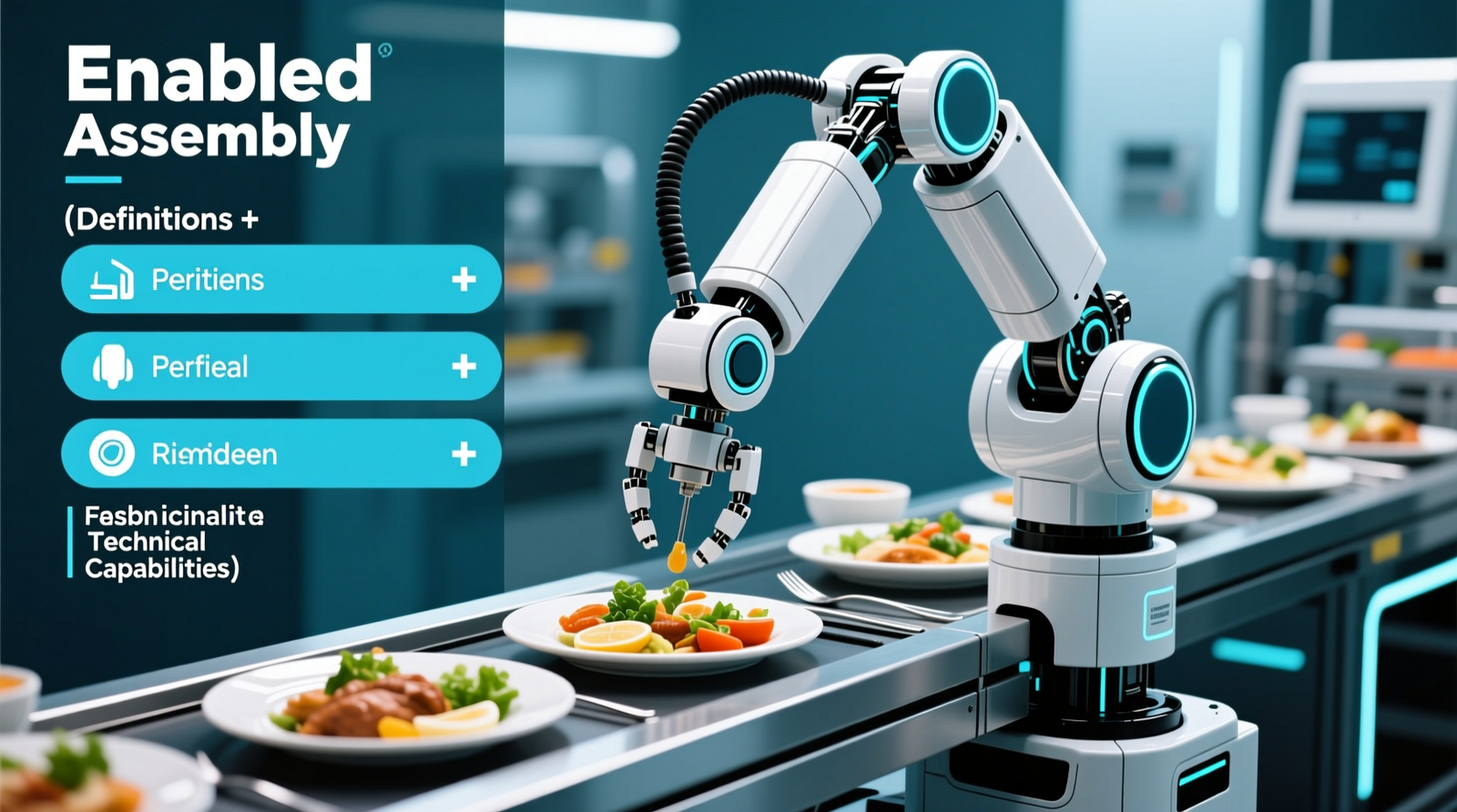
Kronen’s line approach connects the key process steps into an integrated fresh-cut line. In practical plant terms, the goal is to reduce manual transfers, stabilize throughput, and control quality-critical variables (cut size distribution, wash contact time, residual moisture, weight accuracy).
Example integrated flow:
- Cutting: defined cut geometry supports consistent wash performance and pack appearance.
- Washing/disinfection: controlled dwell time, agitation, and dosing support microbial risk management.
- Drying: stable residual moisture improves packaging performance and shelf life.
- Weighing: accurate portioning reduces giveaway and improves label compliance.
- Packaging: consistent infeed and portion control improves pack integrity and line speed stability.
Mini case study (giveaway KPI): A salad processor targeting 200 g retail packs can often reduce “overfill” by 0.5–1.5% when moving from manual portioning to more consistent portion control with calibrated weighing and stable product moisture after spin-drying. Across high volumes, that improvement can represent significant annual raw material savings.
Integration note: In complete lines, buyers should confirm compatibility with upstream sorting/inspection (e.g., optical sorting), downstream checkweighers, dosing systems for wash chemistry, and conveyor interfaces (height, belt width, discharge orientation). Data handshakes to ERP/MES (Enterprise Resource Planning / Manufacturing Execution System) can be scoped for batch reporting and traceability.
TL;DR: Complete line concepts connect cutting, washing, drying, weighing, and packaging to reduce labor touchpoints, stabilize throughput, and reduce giveaway through better control of moisture and portioning.
Cutting technology for ready-to-eat salad production and convenience food lines
This section groups the cutting machines by typical production role—high-throughput belt cutting, high-capacity dicing/slicing, and semi-automatic portioning—so you can quickly match equipment to your step in the process.
GS 10-2 and GS 20 belt cutting machines: continuous cutting with fast format changes
The GS 10-2 and GS 20 belt cutting machines are designed for continuous cutting of fruit, vegetables, herbs, and salad leaves. In industrial operations, belt cutting is often selected to stabilize throughput and cut quality while simplifying infeed and discharge to downstream conveyors.
- Operational differentiators: continuous belt-based product transport supports steady flow into washers and reduces accumulation points.
- Hygienic design features (practical): open, accessible areas for cleaning; surfaces designed for drainage; fewer enclosed zones that can retain product residues.
- Integration: compatible with upstream infeed conveyors and downstream wash infeed systems; recipe-based speed coordination via PLC/HMI can reduce operator variability.
Mini use case (downtime KPI): Plants that standardize belt cutter sanitation routines and tool-change workflows typically target 15–30 minutes less unplanned micro-stoppage per shift caused by build-up, poor accessibility, or inconsistent tool setup—supporting higher OEE without adding labor.
TL;DR: Belt cutting supports stable throughput into downstream steps, and fast, standardized tool-change/cleaning routines can reduce micro-stoppages that hurt OEE.
KUJ V and KUJ-HC 220 dicing/slicing machines: high-capacity, defined cut geometry
The KUJ series is built for producing cubes, strips, and slices—critical for mixed salad bowls, ready-meal ingredients, and foodservice packs where cut uniformity influences appearance, wash efficiency, and pack settling.
- KUJ V: capacity up to approx. 2,500 kg/h (application dependent).
- KUJ-HC 220: capacity up to approx. 8,000 kg/h (application dependent).
- Quality KPI link: tighter cut-size distribution can improve downstream washing uniformity and reduce fines that increase product loss in wash water.
- Integration: designed to feed directly into wash systems; can be paired with inspection/sorting upstream to reduce defects entering high-speed cutting.
Mini case study (yield KPI): In diced vegetable programs, processors often track “fines” and breakage because they reduce sellable yield. A common project goal when upgrading cutting and discharge handling is a 1–3% yield improvement by reducing mechanical stress and stabilizing downstream conveyance (results depend on product and knife setup).
TL;DR: High-capacity dicing/slicing supports consistent cut geometry, which can reduce fines and protect yield—especially when integrated cleanly with washing and conveying.
Tona V semi-automatic cutting: flexible portioning for medium capacity
The Tona V is designed for semi-automatic slicing/segmenting/stick cutting—useful when product variety is high and full automation is not yet justified.
- Best-fit scenarios: medium-capacity snack packs and mixed fruit/vegetable programs where operators handle product presentation while the cut is automated.
- Operational benefit: balances flexibility with repeatability—helpful for seasonal SKUs and frequent product changes.
- Integration: can feed into small buffer conveyors or directly into washing, depending on layout and product sensitivity.
TL;DR: Semi-automatic cutting is a pragmatic step for high-mix operations—improving cut consistency without requiring full automation.
CAP 350 cabbage cutting: continuous shredding for coleslaw and fermentation lines
The CAP 350 supports continuous processing of white and red cabbage for coleslaw, salad mixes, and fermented products.
- Capacity: up to approx. 5,000 kg/h (application dependent).
- Process control: adjustable cutting thickness supports consistent fermentation behavior and uniform texture in coleslaw mixes.
- Integration: continuous feed simplifies line balancing and can reduce manual staging between trimming and washing/mixing steps.
Mini use case (labor KPI): On high-volume coleslaw programs, moving from batch/hand-fed cutting to continuous cutting typically targets 1–2 fewer operator touchpoints at the cutting stage and more stable downstream mixing and packing rates.
TL;DR: Continuous cabbage cutting stabilizes high-volume production and helps reduce labor touchpoints while keeping cut thickness consistent.
Industrial fruit and vegetable washing technology: HEWA 3800
Washing is often the most critical step for food safety and shelf life in fresh produce processing. The HEWA 3800 is designed for pre-wash, wash, and disinfection stages, with an emphasis on controllable process conditions and cleanability.
- Operational differentiators: controlled washing/disinfection parameters help stabilize shelf-life outcomes and reduce batch variability.
- Resource KPI link: well-designed wash systems can target meaningful reductions in fresh-water intake through optimized flow management and reuse concepts where appropriate for the process.
- Integration: interfaces with upstream cutting discharge and downstream drying infeed; dosing systems for wash chemistry can be integrated depending on customer standards.
Mini case study (water KPI): In many ready-to-eat salad operations, upgrading from older open wash designs to newer, better-controlled systems commonly targets 10–30% lower water use per kg of finished product, depending on product load, filtration concept, and plant sanitation requirements.
For additional context on produce washing and cross-contamination risk factors, see the U.S. FDA overview and guidance resources related to produce safety: https://www.fda.gov/food/food-safety-modernization-act-fsma/fsma-final-rule-produce-safety.
TL;DR: The HEWA 3800 targets controllable wash/disinfection performance and improved cleanability—often translating to better shelf-life stability and lower water use per kg.
Drying after washing: KS-100 PLUS and KS-7 ECO vegetable spin-dryers
After washing, controlled drying is key to reducing free water that can accelerate spoilage and compromise packaging. The KS-100 PLUS and KS-7 ECO spin-dryers remove surface moisture with adjustable spin programs to match product sensitivity.
- Quality KPI link: more consistent residual moisture can improve pack appearance, reduce drip in retail packs, and support shelf-life targets.
- Operational KPI link: stable moisture improves portioning accuracy at weighing and reduces film sealing issues in packaging.
- Hygiene: cleanable internal geometry and easy access support faster sanitation routines.
Mini use case (giveaway + packaging KPI): Processors commonly report that stabilizing residual moisture can reduce downstream weight variability, helping cut giveaway by up to ~1% in some high-volume salad programs (results depend on product, specification, and weighing method).
TL;DR: Controlled spin-drying improves shelf-life performance and packaging consistency, and it can reduce giveaway by stabilizing moisture before weighing.
Weighing and portion control: iWEIGH technology for reduced giveaway
For the first time, the Dutch company iWEIGH will participate at the Kronen stand, presenting weighing solutions such as tabletop scales and trolley scales for portioning and QC (quality control).
- Compliance KPI: accurate weights support declared-weight compliance and reduce rework.
- Cost KPI: reducing overfill (“giveaway”) protects margin—especially in high-volume retail pack programs.
- Integration: can be positioned before packaging or combined with packing workflows; checkweigher integration can be discussed for closed-loop control.
TL;DR: Better portion control reduces giveaway and supports label compliance—especially when moisture is stabilized upstream by effective drying.
Packaging step: Flex L and Flex machines from GKS Packaging
Packaging is where upstream process stability becomes visible: irregular cut sizes, excess moisture, and inconsistent portioning often show up as seal failures or pack presentation issues. GKS Packaging will present Flex L and Flex packaging machines as part of the Kronen partner concept.
- Line concept benefit: aligning cutting, drying, and weighing with packaging reduces stops and improves pack quality consistency.
- Integration focus: discuss infeed conveyor configuration, portion presentation, and downstream checkweighing/inspection requirements.
TL;DR: Packaging performance improves when upstream steps deliver consistent cut size, moisture, and portion weights—reducing stops and seal issues.
Post-wash handling automation: automatic basket carousel to reduce labor and handling losses
The automatic basket carousel is designed to streamline workflow after washing by speeding up container changes and reducing manual handling. This is particularly relevant where wet product transfer causes losses, ergonomic issues, or throughput instability.
- Operational KPI link: fewer manual transfer points can reduce handling-related product loss and stabilize line rhythm.
- Ergonomics: less lifting and repetitive motion supports safer operations and easier staffing.
Mini use case (labor + loss KPI): Plants that automate repetitive basket exchange points often target 1 operator redeployed per shift in that area and measurable reduction in transfer losses (often a few tenths of a percent, depending on product and container style).
TL;DR: Automating post-wash container handling can reduce labor intensity and transfer losses while stabilizing throughput.
Live demos and engineering consultations: how to evaluate equipment for your line
At Fruit Logistica 2026, visitors can see machines running and discuss how individual modules connect into continuous fresh-cut processing lines. A trade show chef, Andreas Eigner, will prepare fresh products at the stand, linking processing outcomes (cut quality, moisture, appearance) to finished food concepts for retail and foodservice.
What to bring to make the consultation productive: product list (SKUs), target capacity (kg/h), desired cut sizes, current bottlenecks (changeovers, sanitation time, packaging stops), and site constraints (available length/width, drainage, utilities).
TL;DR: Live demos plus line-level discussions help you validate KPIs (yield, OEE, sanitation time) and define a practical upgrade roadmap.
Recap: why industrial processors should visit Kronen at Fruit Logistica 2026

For processors planning new capacity or modernization, the core value of the Kronen booth is seeing complete line concepts in context and discussing how hygienic design, automation readiness, and resource efficiency translate into operational outcomes—higher OEE, shorter changeovers, reduced manual handling, lower giveaway, and more stable shelf life.
TL;DR: Visit to evaluate integrated line concepts, hygienic design, and automation/data options that impact OEE, yield, and shelf-life consistency.
Visit Kronen at Fruit Logistica 2026 (Berlin) — Stand A-20, Hall 1.1
Kronen invites fresh-cut producers, salad processors, and convenience food manufacturers to visit Stand A-20 in Hall 1.1 to discuss tailored solutions for cutting, washing, drying, weighing, and packaging.
TL;DR: Booth location: Hall 1.1, Stand A-20—focus on integrated fresh produce processing lines and performance-driven upgrades.
Contact information (book a targeted meeting in advance)

To arrange a meeting at Fruit Logistica 2026 or request technical details, contact:
Kronen GmbH
Kira Krollpfeiffer
Tel.: +49 (0)7854 9646 160
E-mail: info@kronen.eu
Website: https://www.kronen.eu
Christina Maier-Streif
Tel.: +49 (0)7854 9646 161
E-mail: info@kronen.eu
To make booth time highly efficient: send your product list, target capacity (kg/h), cut specifications, and—if available—layout drawings and utility constraints in advance, so the team can prepare a line concept and integration proposal.
TL;DR: Share SKUs, capacity, and layout constraints before the show to get a more solution-oriented meeting and a clearer line concept faster.
FAQ
Q: How do I evaluate a complete fresh-cut processing line concept (cutting to packaging) before investing?
A: Start with your target KPIs—OEE, yield, giveaway, sanitation time, and shelf-life claims—then map bottlenecks by process step (cutting → washing → drying → weighing → packaging). Bring your product list, cut sizes, and throughput targets to the supplier so they can propose an integrated line concept with defined interfaces (conveyors, dosing, checkweighing) and a realistic capacity balance.
Q: What hygienic design details should I ask about for fruit and vegetable processing equipment?
A: Ask about cleanability and contamination-risk reduction features such as accessible open frames, sloped surfaces for drainage, minimal crevices (“dead zones”), and tool-less or fast disassembly for sanitation. Also ask whether the design philosophy aligns with hygienic design frameworks like EHEDG or 3-A, and how the machine supports HACCP documentation and routine inspections.
Q: Can washing and drying really affect giveaway and packaging stability?
A: Yes. Inconsistent residual moisture after washing can cause weight variability (leading to overfill), drip in retail packs, and sealing problems. A controlled wash process plus stable spin-drying typically improves portion control and packaging uptime—often reducing giveaway by up to around 1% in some salad programs, depending on product and targets.
Q: What automation or data integration options matter most for industrial fresh produce lines?
A: The most valuable options are recipe management on PLC/HMI, batch logging for critical parameters (e.g., wash settings), alarms for downtime analysis, and standardized interfaces such as OPC UA to connect to ERP/MES when required. These features help with traceability, repeatability, and continuous improvement of OEE.
Q: Which machine stage usually delivers the fastest ROI in a fresh-cut factory upgrade?
A: It depends on your bottleneck, but common fast-ROI areas are portion control (reduced giveaway), drying stability (better packaging uptime and shelf-life consistency), and changeover reduction in cutting (more sellable hours). A quick line audit—measuring changeover minutes, stop reasons, and yield losses—usually identifies the best first investment.