Introduction: Beverage Container Return Scheme Singapore and SG Recycle reverse vending machines
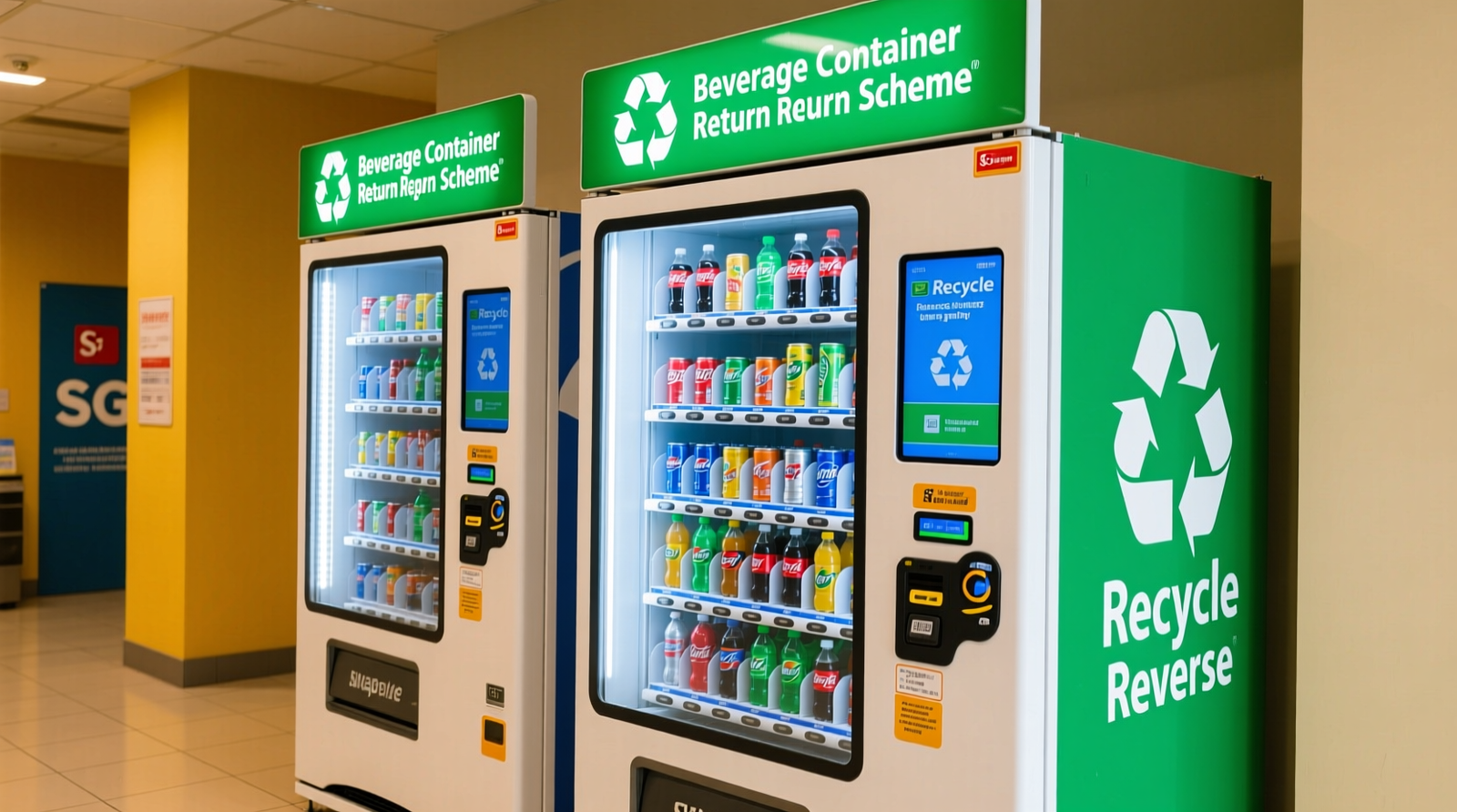
Singapore is scaling up SG Recycle reverse vending machines (RVMs)—reverse vending machines are automated kiosks that accept empty drink containers and issue a refund—to support the Beverage Container Return Scheme Singapore (a national deposit-return system for eligible beverage containers). The scheme is scheduled to start on 1 April, based on government announcements by Singapore’s environmental authorities.
This guide focuses on how to use reverse vending machines in Singapore, what the 10-cent deposit logo means, where you’ll typically find machines (from supermarkets to community nodes), and how Singapore is reducing recycling contamination through both RVMs and segregated recycling bins (bins that separate materials like paper, plastic, and metal at the point of disposal).
- Who: Anyone buying eligible canned/bottled drinks in Singapore
- What: Pay a S$0.10 deposit per eligible container (refundable)
- When: Scheme starts 1 April; logo containers become more common over the following months
- Where to return: RVMs located in many public-facing spots (e.g., supermarkets, transport hubs, community centres, and some HDB areas)
- How to claim: Insert eligible container(s) into an RVM and receive the refund digitally (e.g., to an ez-link card or DBS PayLah!)
Regulatory context: The scheme is administered under Singapore’s national environmental governance—led by the National Environment Agency (NEA)—which oversees waste and recycling policy, including deposit-return frameworks.
TL;DR: Singapore’s Beverage Container Return Scheme starts 1 April, with SG Recycle RVMs helping residents return eligible drink containers for a S$0.10-per-container refund.
Roll-out of SG Recycle reverse vending machines (RVMs): where to find them
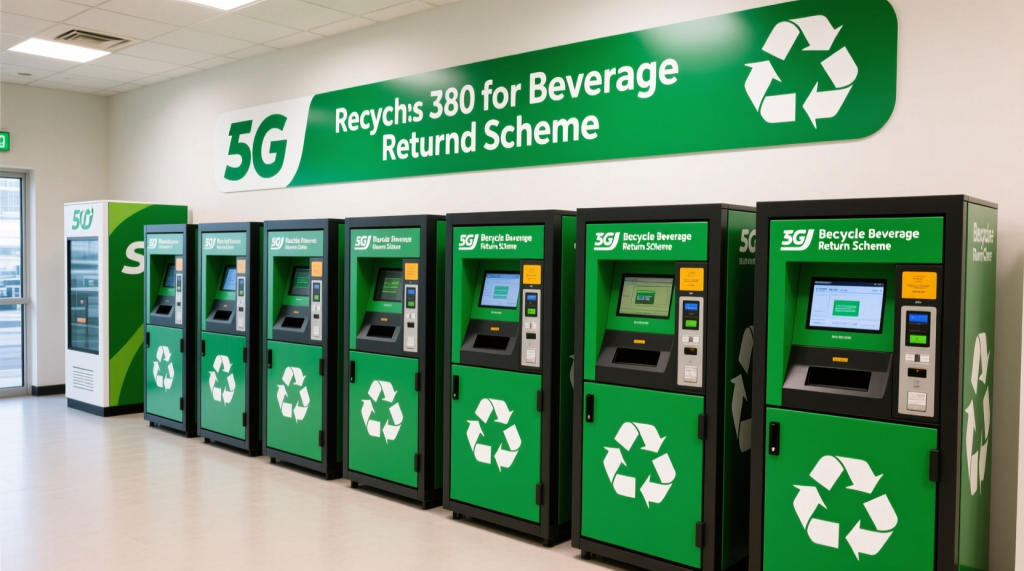
SG Recycle is deploying roughly 380 RVMs across the north and west of Singapore. At the time of reporting, about 200 machines had already appeared in everyday residential touchpoints such as HDB void decks in towns including Jurong, Choa Chu Kang, and Clementi. Each machine is designed to store around 1,000 used containers before collection, which reduces overflow and keeps return points usable.
Nationwide, Singapore is expected to exceed 1,000 RVMs. Besides SG Recycle’s footprint, other operators include Norwegian RVM specialist TOMRA and Sweden’s RVM Systems, both of which have deployed machines in established European deposit systems.
Typical locations & operating hours: In practice, many RVMs are placed where foot traffic is steady—supermarkets/retail nodes, transport-linked areas, and community facilities. Operating hours usually follow the venue’s hours (e.g., a supermarket), while some public-area placements may be accessible longer. Always check the specific site listing or on-machine notices for the exact operating window.
TL;DR: SG Recycle’s RVMs concentrate in the north/west, while TOMRA and RVM Systems support other regions—expect to see machines at retail and community locations, often aligned to venue hours.
How the Beverage Container Return Scheme Singapore works (deposit, logo, refund)
Under the Beverage Container Return Scheme Singapore, consumers pay a S$0.10 deposit per eligible beverage container. The deposit is included in the shelf price (you pay it at purchase), and it becomes refundable when you return the empty eligible container to an RVM.
Eligibility basics: The deposit applies to eligible beverage containers between 150 ml and 3 L that carry the official deposit logo. The logo is the machine-readable “passport” that tells the RVM the container is part of the deposit program.
Refund methods: Refunds are typically issued digitally, such as to an ez-link card (a stored-value contactless card widely used in Singapore) or DBS PayLah! (a mobile wallet by DBS Bank). Exact options can vary by machine operator and configuration.
How Singapore compares to Europe (a practical nuance): Many European deposit-return systems achieve very high return rates, but they don’t all work the same way. For example, Germany strongly emphasizes return-to-retail—consumers often return deposit containers at supermarket RVMs near where they shop. In parts of Norway, retail RVMs are also common, but systems are tightly integrated with national counting/sorting logistics. Singapore’s model is building a hybrid network (residential + retail/community placements) while it ramps up public familiarity and container circulation.
For background on how deposit-return systems typically operate and why they reduce litter, see the OECD overview of deposit-refund systems for beverage containers.
TL;DR: You pay S$0.10 per eligible logo-marked drink container (in the shelf price) and get it back digitally when you return the empty container to an RVM.
Transition period: old stock vs deposit-logo containers (what to expect in the first months)
Even though the scheme starts on 1 April, not every bottle or can on shelves will qualify on day one. The reason is simple: retailers and distributors must sell through existing inventory. As a result, you’ll see a mix of non-logo “old stock” and logo-marked “new stock” circulating together for a period of time.
Industry feedback led to a longer transition window (extended from the originally planned three months to around six months), so consumers should expect that logo containers become much more common later—often cited around August to September as the point when logo-marked containers are expected to be widely seen in everyday purchases.
Concrete examples (what you’ll likely notice): If you regularly buy canned soft drinks, bottled water, or ready-to-drink teas, you may find that the same brand appears in two “versions” during the transition—one label format without the deposit mark (not refundable) and another with the deposit logo (refundable). This can also happen with imported beverages or seasonal packaging runs.
TL;DR: Expect a mixed market for months—only containers with the deposit logo earn the refund, so early rejections are common during the changeover.
Step-by-Step: how to use SG Recycle RVMs (how to use reverse vending machines in Singapore)
- Look for the official deposit logo on the container label before you head to the RVM.
- Empty the container fully (no leftover tea, coffee, or soft drink).
- Do not crush it—keep the bottle/can reasonably intact so the machine can read the barcode and detect shape/material.
- Insert one container at a time as prompted by the RVM’s on-screen instructions.
- Select your refund method (e.g., ez-link or DBS PayLah!) and follow the prompts to complete the refund.
Tip: If you’re returning a lot of containers (e.g., after a family gathering), bring them in a bag but feed the machine steadily. Overstuffing the input can trigger rejection or slowdowns.
TL;DR: Check the logo, keep containers empty and uncrushed, insert them as instructed, then choose a digital refund option.
Common acceptance rules and edge cases (logo, materials, multipacks, imported drinks)
Logo required: RVMs used for the deposit scheme generally accept only eligible containers with the official deposit logo. A recyclable bottle without the logo may still be recyclable—but it’s not refundable under the deposit scheme, so the RVM can reject it.
Plastic & metal are the main focus: The scheme and RVM network highlighted here primarily emphasizes plastic bottles and metal cans. If you’re holding a glass beverage bottle, do not assume it will be accepted by an RVM. Acceptance depends on the scheme’s final material scope and on-machine acceptance settings; if glass is included in the broader policy, it may require different handling or designated return points. When in doubt, check the machine’s accepted-material icons and NEA’s official guidance.
Multipacks and barcodes: If you buy multipacks (e.g., shrink-wrapped cans), return the individual containers, not the outer wrap. If a label is torn, the barcode is scratched off, or the deposit logo is missing/illegible, the RVM may reject it because it cannot confirm eligibility.
Imported drinks without the logo: Some imported beverages may not carry Singapore’s deposit logo, especially during the early months. These typically won’t qualify for the refund until the supply chain updates packaging to the scheme requirements.
Are there limits? Some deposit systems implement per-transaction or daily caps to prevent abuse. If Singapore’s operators apply limits at specific sites, they are usually shown on-screen or on the machine’s decals. Follow the posted guidance for that location.
TL;DR: No logo usually means no refund; keep barcodes/logos readable, return individual containers (not multipack wrap), and don’t assume glass is accepted unless the machine says so.
What happens to returned containers (closing the loop)
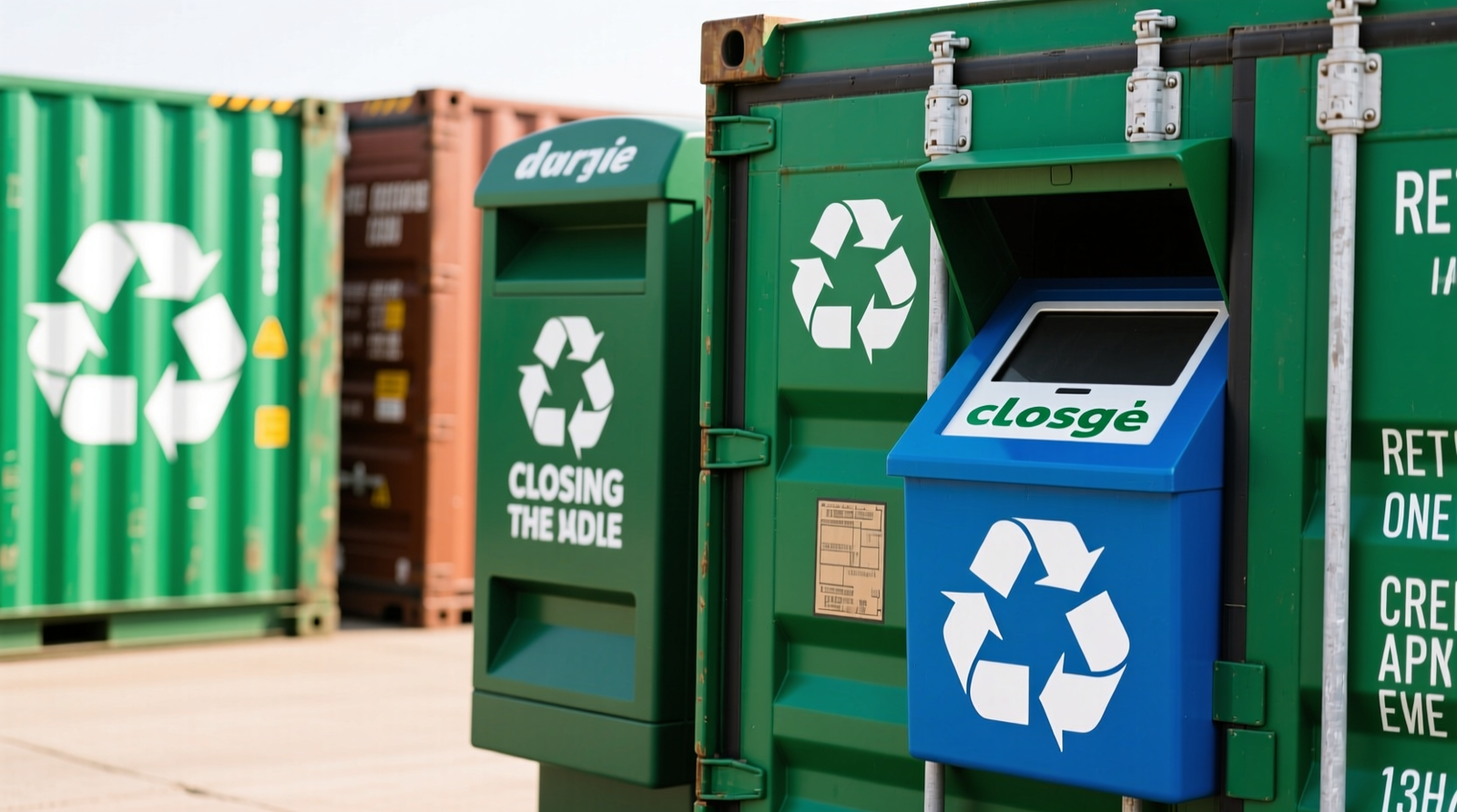
After you return containers, RVMs typically count and store them securely. Many modern machines compact containers internally to reduce volume (compaction methods vary by model and material). From there, operators arrange scheduled collection and transport to sorting and processing facilities—commonly a materials recovery facility (MRF), meaning a plant that sorts recyclable materials into clean streams for recycling.
The main point of a deposit-return system is material quality: by collecting beverage containers separately and keeping them relatively clean (empty, not mixed with food waste), the resulting plastic and metal streams are more likely to be recycled into new products rather than rejected due to contamination.
TL;DR: Returned containers are counted, stored/compacted, collected by operators, then sent to sorting/recycling facilities—deposit systems help keep these material streams cleaner.
Expanding segregated recycling bins in housing estates (and why contamination matters)
Beyond RVMs, Singapore is also tackling household recycling quality through segregated recycling bins. SG Recycle and environmental services company 800 Super have announced additional deployments, including a plan to add 160 more segregated bins in Pasir Ris and Bedok by 2027, building on earlier rollouts in other towns.
Why this matters: Singapore’s blue recycling bins accept mixed recyclables, which is convenient but often leads to high contamination—meaning non-recyclables or dirty items (like food-soiled packaging) mixed into recycling. Contamination can cause entire loads to be diverted from recycling to disposal.
Reportedly, mixed recycling contamination has been around 40%, while segregated systems can reduce contamination to around 5% because materials are separated at the point of disposal. For national context, NEA publishes waste and recycling statistics, including recycling rates and trends: NEA Waste Statistics and Overall Recycling. The article’s cited 11% household recycling rate in 2024 should be interpreted in line with NEA’s official reporting for that year.
TL;DR: RVMs target beverage containers, while segregated bins target broader household recyclables—separating materials reduces contamination and improves real recycling outcomes.
Current network and targets for segregated bins (2026–2027 milestones)
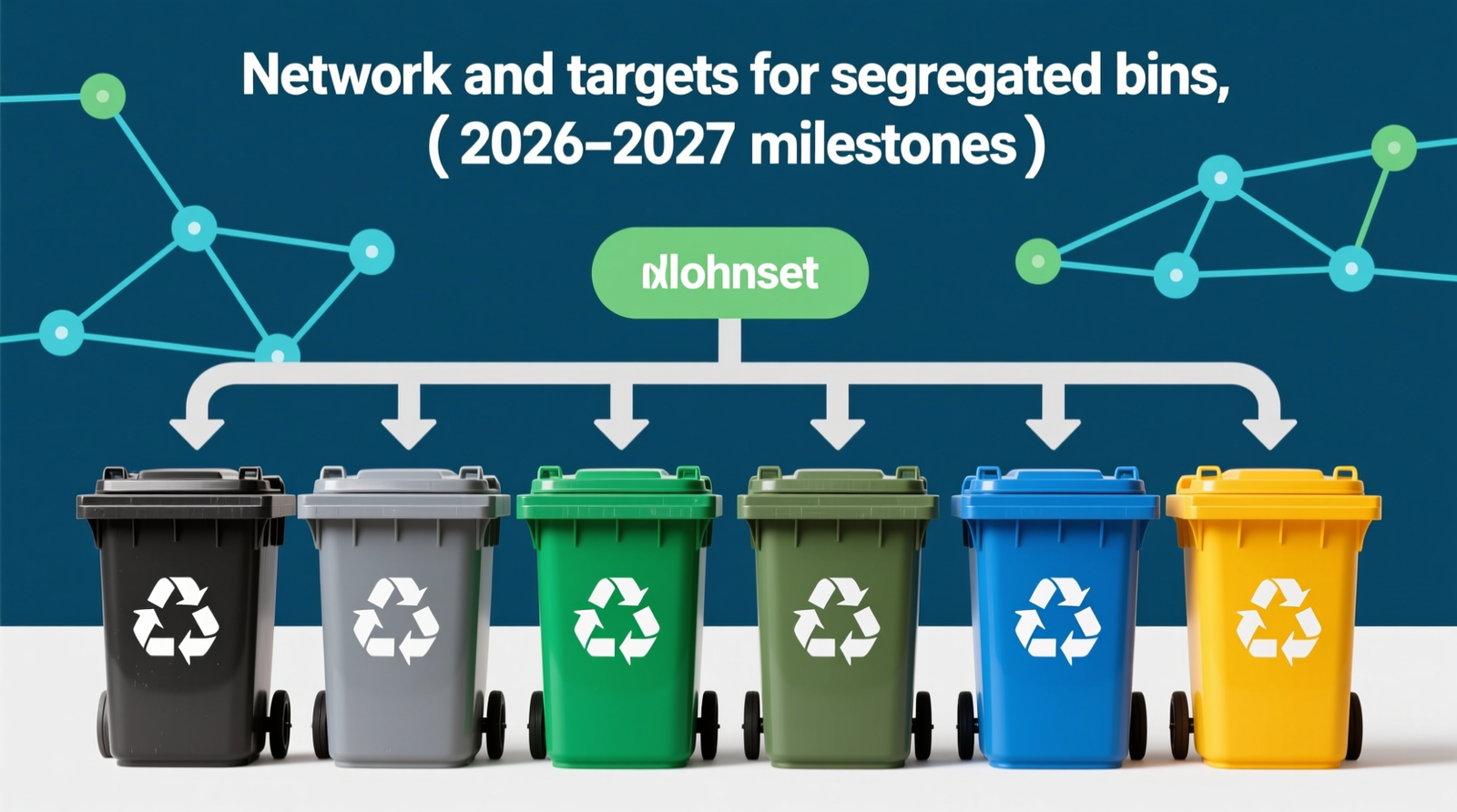
800 Super has described rapid growth in segregated-bin recycling volumes since 2024, with monthly collections across categories such as metal, plastic, paper, glass, and clothes. More than 70 segregated bins supplied by SG Recycle have been installed at HDB void decks in estates such as Bishan, Ang Mo Kio, Serangoon, Jalan Besar, and Marine Parade.
Deployment targets mentioned include reaching about 93 segregated bins by mid-2026 in the current cluster of estates, followed by the planned Pasir Ris and Bedok expansion by 2027. Because deployment timelines can shift due to construction schedules, town council coordination, and operational tuning, it’s best to treat these as stated targets from operator announcements, and check for updated figures from NEA or operator communications over time.
TL;DR: Segregated bins are expanding with milestones cited for mid-2026 and 2027, but treat them as targets and look out for official updates.
Recycle Right @ 800Super app: rewards, monitoring, and reducing misuse
To make correct recycling more “sticky,” 800 Super runs a rewards program through the Recycle Right @ 800Super mobile app. Residents can earn points for depositing the right items into the right segregated bins, then redeem points for rewards such as FairPrice vouchers.
To keep material quality high, the operator also uses monitoring tools such as CCTV (closed-circuit television) on bins and sends in-app advisories when incorrect items are deposited (for example, e-waste in the wrong stream). Repeated misuse can lead to suspension from app-linked rewards, which is intended to protect the integrity of the recycling stream.
TL;DR: The app provides rewards for correct recycling, while monitoring and advisories aim to prevent contamination that would undermine recycling outcomes.
Costs and economics of cleaner recycling systems (why quality isn’t cheap)
Cleaner recycling usually costs more upfront. Segregated recycling bins and RVM infrastructure require additional equipment, servicing, logistics, and monitoring. 800 Super has stated that segregated bins can cost up to twice as much to set up compared with traditional mixed (blue-bin) collection points.
The trade-off is that cleaner, separated recyclables can fetch better prices because they require less downstream sorting and are more likely to meet recycler specifications. Even so, operators have indicated that recycling operations may not always break even, especially when commodity prices for recyclables fluctuate. In practice, some companies cross-subsidise recycling improvements using revenue from broader waste-management contracts.
TL;DR: Better systems cost more to run, but cleaner materials have higher value—financial sustainability often depends on scale, participation, and stable end-markets.
What to expect next (future outlook for RVMs, refunds, and scheme maturity)
As the scheme matures, the biggest visible change for residents will be that logo-marked containers become the norm rather than the exception. That shift—expected around the late-Q3 period cited in early rollout discussions—should reduce “mystery rejections” and make returns feel routine.
Operationally, Singapore’s deposit network is likely to evolve in three practical ways: (1) more convenient locations as deployment increases and underperforming sites are adjusted, (2) refinement of refund options (e.g., additional cashless channels over time), and (3) policy/operations reviews as NEA and operators assess return rates, contamination, and public feedback. For the most current guidance, NEA’s site is the best starting point: NEA.
TL;DR: Expect smoother returns as logo containers dominate, plus ongoing expansion and operational tweaks as regulators and operators refine the system.
Conclusion

Singapore’s RVM expansion—especially the growing footprint of SG Recycle reverse vending machines—is a practical step toward cleaner, higher-quality recycling under the Beverage Container Return Scheme Singapore. The core habit is straightforward: check for the deposit logo, return the container empty and uncrushed, and collect the S$0.10-per-container refund digitally.
At the same time, segregated recycling bins and app-based rewards address a different problem: household recycling contamination. Together, these systems aim to lift both participation and quality—two essentials for real recycling rather than well-intended disposal.
TL;DR: Use RVMs for eligible logo-marked drink containers to get your S$0.10 refund, and use segregated bins to keep other recyclables clean and correctly sorted.
FAQ
Q: How do I know if my container qualifies under the Beverage Container Return Scheme Singapore?
A: Check for the official deposit logo on the bottle or can and confirm it falls within the scheme’s stated size range (commonly referenced as 150 ml to 3 L). If there’s no logo, the RVM will typically reject it even if it’s technically recyclable.
Q: Do I need a receipt or proof of purchase to get my S$0.10 refund from SG Recycle reverse vending machines?
A: No—deposit-return systems are designed to work without receipts. The RVM verifies eligibility using the deposit logo and barcode/recognition checks. If a container has the logo, it should remain eligible even if you bought it earlier, as long as it meets the machine’s acceptance rules and is part of the scheme’s included categories.
Q: What should I do if my refund to ez-link or DBS PayLah! doesn’t show up?
A: First, wait a short period in case the credit is delayed. Then take note of the machine ID/location, the date/time, and (if shown) the transaction confirmation on-screen. Use the operator’s listed support channel on the machine decal (or the operator’s official website) to report the issue. If you can’t find support details, check NEA’s official channels for scheme contact guidance: https://www.nea.gov.sg/.
Q: Why does the RVM reject my bottle or can even though it has the deposit logo?
A: Common causes include the container being crushed, still containing liquid, or having a torn/obscured label that prevents the machine from reading the logo/barcode. Try returning an empty, intact container with a clearly visible logo and barcode.
Q: Can I put non-beverage containers like detergent bottles, shampoo bottles, or milk cartons into SG Recycle RVMs?
A: No. RVMs for the deposit scheme are meant for eligible beverage containers only. Items like detergent bottles or shampoo bottles don’t belong in deposit RVMs, and cartons (e.g., many milk/juice cartons) are a different packaging type and collection stream. Use the appropriate recycling bin system for those materials instead of the RVM.