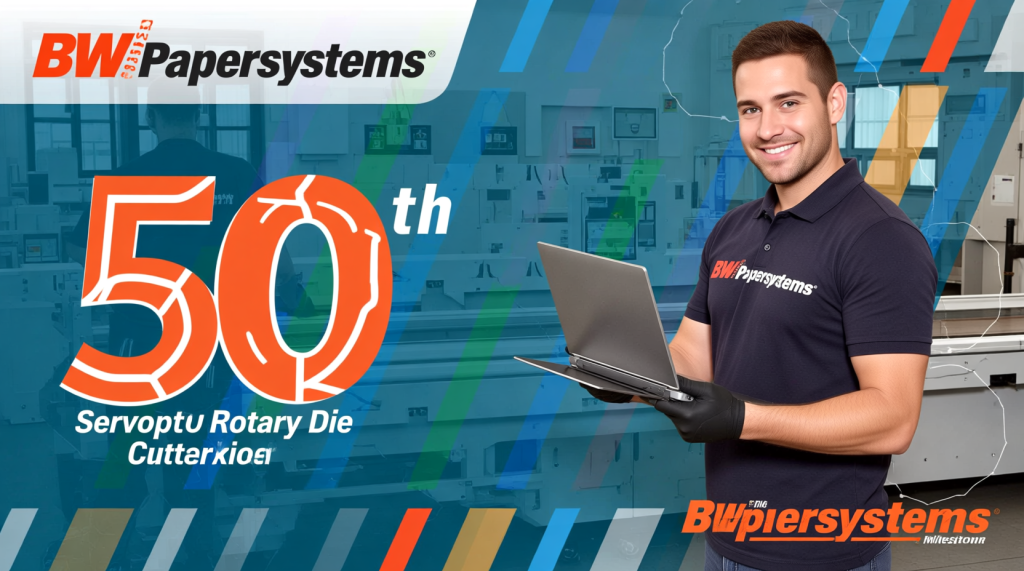
BW Papersystems has announced the installation of its 50th ServoPro rotary die cutter—an important milestone for the brand and a useful moment for converters to evaluate what “servo-driven rotary die cutter” technology delivers in day-to-day corrugated box converting equipment performance.
This article provides a technical overview of ServoPro’s design intent (precision, uptime, and repeatability), typical configuration ranges, and where plants tend to see measurable gains such as reduced changeover time, improved quality, and higher overall equipment effectiveness (OEE—Overall Equipment Effectiveness, a standard metric combining availability, performance, and quality). BW Papersystems’ wider converting portfolio and global installed base also add context for long-term service and support.
TL;DR: The 50th installation is both a milestone announcement and a technical look at how ServoPro’s full-servo control and updated feeding aim to reduce changeover time, stabilize registration, and improve OEE in modern, high-mix corrugated operations.
ServoPro Adoption in Corrugated Box Converting Equipment
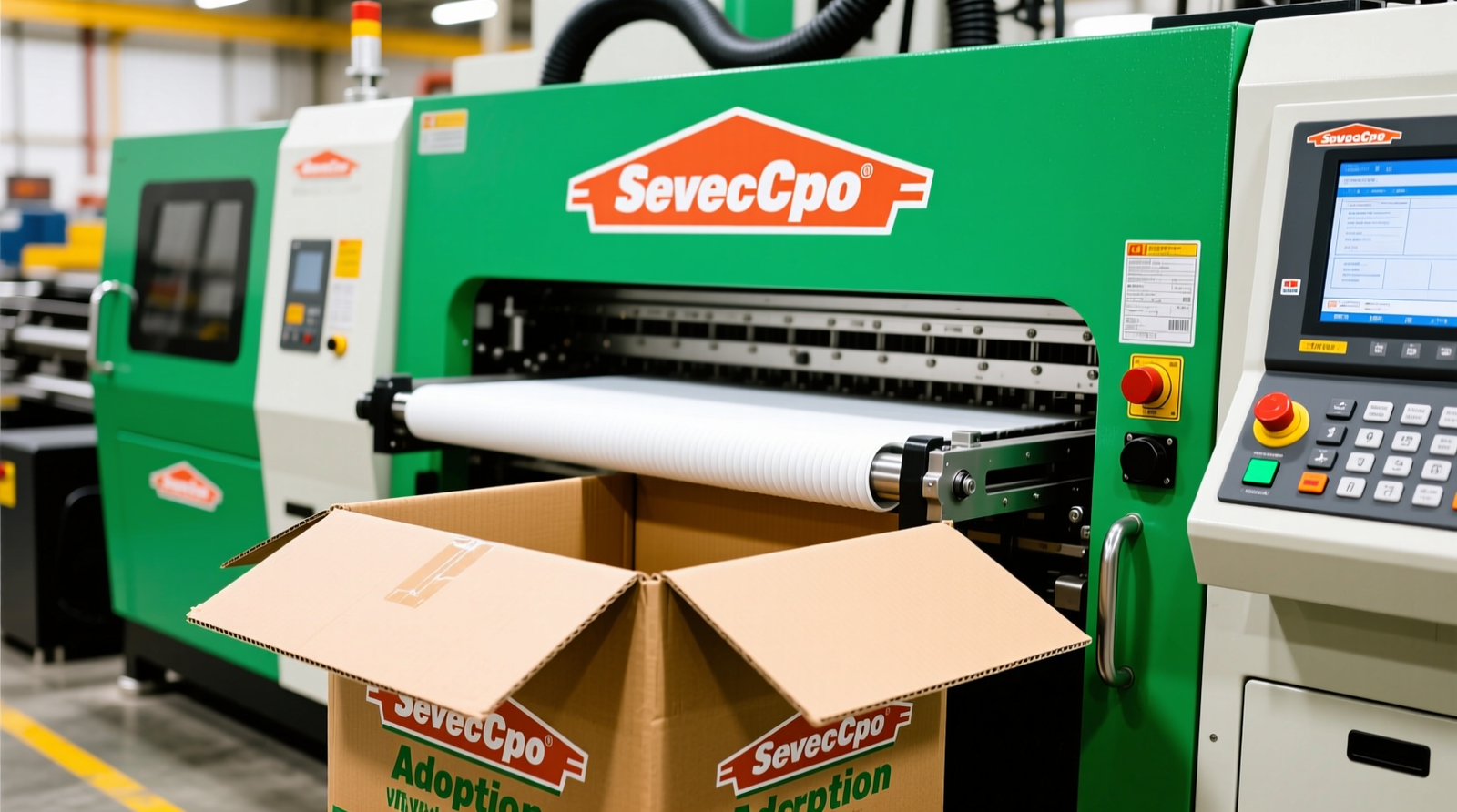
The BW Papersystems ServoPro platform has been adopted by integrated and independent box plants running everything from standard RSC (Regular Slotted Container) production to a rotary die cutter for high-graphic packaging, retail-ready packaging, and e-commerce SKU proliferation (short runs with frequent order changes). BW Papersystems reports installations in 11 countries, with 29 of 50 machines purchased by repeat customers—often a sign that standardizing a platform is helping multi-shift plants simplify training, spares strategy, and process control.
In the broader corrugated market, plants frequently measure success in OEE, changeover time, and scrap rate—especially during seasonal volume spikes when uptime losses are expensive. Industry references commonly use OEE as a plant-floor benchmark; for definitions and calculation guidance, see the overview from OEE.com.
TL;DR: ServoPro’s global adoption and repeat purchases suggest it is being used as a standardized corrugated converting platform, with OEE and setup time as key decision metrics.
What “Full-Servo Open/Close” Means in a Servo-Driven Rotary Die Cutter
In rotary die cutting, “open/close” refers to controlling the engagement between the die cylinder and the anvil (or opposing) cylinder—i.e., the nip (the pressure/contact zone where cutting occurs). A full-servo open/close architecture uses servo motors (servo = closed-loop motor control with feedback for precise position/torque control) to command cylinder engagement and related machine axes. Practically, this can improve:
- Nip control and repeatability: more consistent engagement settings between orders and across shifts, reducing reliance on manual “feel” adjustments.
- Order recall: saved settings/recipes (digital setup parameters) can reduce the trial-and-error typically needed after die changes.
- Registration stability: the ability to synchronize motion profiles can help hold cut-to-print alignment as speed changes.
By contrast, conventional mechanical systems may rely more heavily on cams, mechanical linkages, or manual adjustments for engagement and timing. Those systems can be robust, but plants often report more time spent fine-tuning after changeovers—especially when running lightweight board, high graphics, or tight tolerance die cuts.
TL;DR: “Full-servo open/close” is primarily about servo-controlled cylinder engagement (nip) and synchronized motion, improving repeatability, order recall, and registration versus more adjustment-heavy mechanical approaches.
Key ServoPro Specifications (Typical Configuration Ranges)
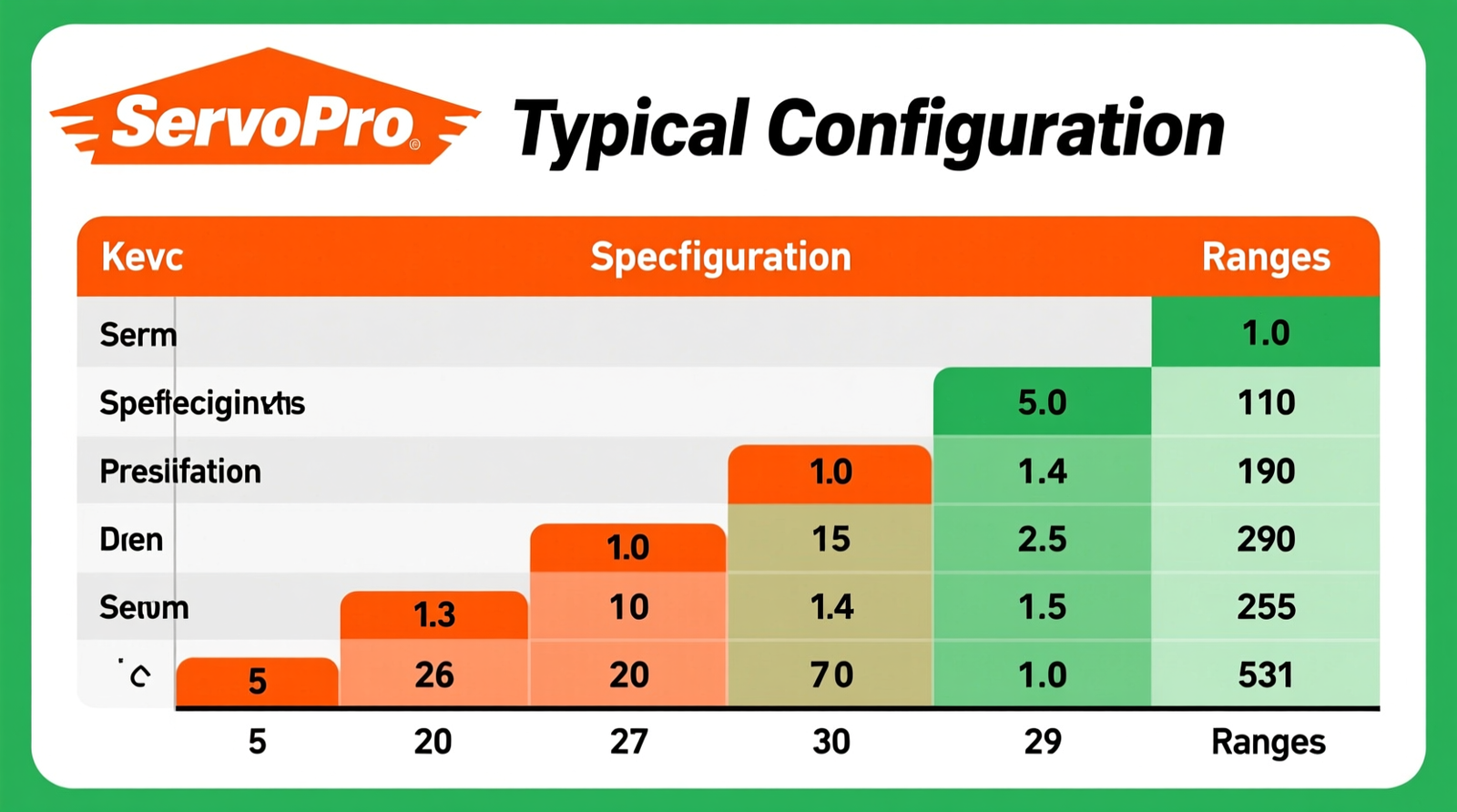
Exact configurations vary by line layout and options, but technical buyers typically evaluate a servo-driven rotary die cutter on usable width, board range, speed rating, print integration, and feed/transfer method. Common evaluation ranges for this class of corrugated converting equipment include:
- Production speed: up to 225 boxes per minute (format-dependent; achievable speed varies with blank size, number of operations, and material handling constraints).
- Sheet/blank widths: commonly configured in wide-format classes suitable for high-volume box plants (final selection depends on plant’s corrugator/sheet plant width and product mix).
- Caliper/board grades: designed to run typical corrugated grades from lighter e-commerce materials through heavier double-wall applications (actual operating window depends on feed/transfer options and downstream constraints).
- Print units: configurable to integrate with inline flexographic printing (flexo—flexographic printing, a relief printing method widely used on corrugated).
- Transfer options: vacuum transfer and/or controlled transfer sections may be used to improve sheet stability and registration at speed.
When evaluating a rotary die cutter for high-graphic packaging, buyers typically ask for a format-specific speed curve (e.g., boxes/min at a given blank size) rather than relying on a single maximum number—because converting speed is usually constrained by order complexity and handling, not only drive power.
TL;DR: ServoPro is positioned as a high-speed, format-dependent platform (up to 225 boxes/min) with configurable width/board-handling and inline print/transfer options typically required for modern corrugated converting lines.
Updated Full-Width, Servo-Driven Feed: How It Supports Board Control
Feeding and registration are frequent root causes of scrap and unplanned downtime in corrugated converting—especially with warped sheets, lightweight liners, or mixed moisture content. ServoPro’s updated full-width, servo-driven feed end is intended to improve board control across wider sheets by using servo-driven timing and controlled sheet handling rather than relying primarily on mechanical timing and manual adjustments.
Depending on configuration, feed and transfer sections in this machine category may incorporate:
- Vacuum-assisted feed/transfer: to stabilize lightweight or warped board and reduce flutter at higher speeds.
- Lead-edge feeding: (a common corrugated feeding method) to improve consistency when sheet quality varies.
- Registration systems: controls and sensors that help align sheet position to print/cut requirements, supporting die-cut registration at high speed.
Operationally, improved feeding tends to show up as fewer missed sheets, fewer skew-related die-cut registration issues, and fewer jam events that trigger downtime. Those drivers matter in real plants running multi-shift schedules with frequent order changes.
TL;DR: Servo-driven feed and controlled transfer (often including vacuum/lead-edge/reg systems, depending on options) primarily target fewer feeding faults and improved registration stability—especially on wide, lightweight, or imperfect sheets.
Quantified Impact: Typical OEE, Setup-Time, and Scrap-Rate Improvements
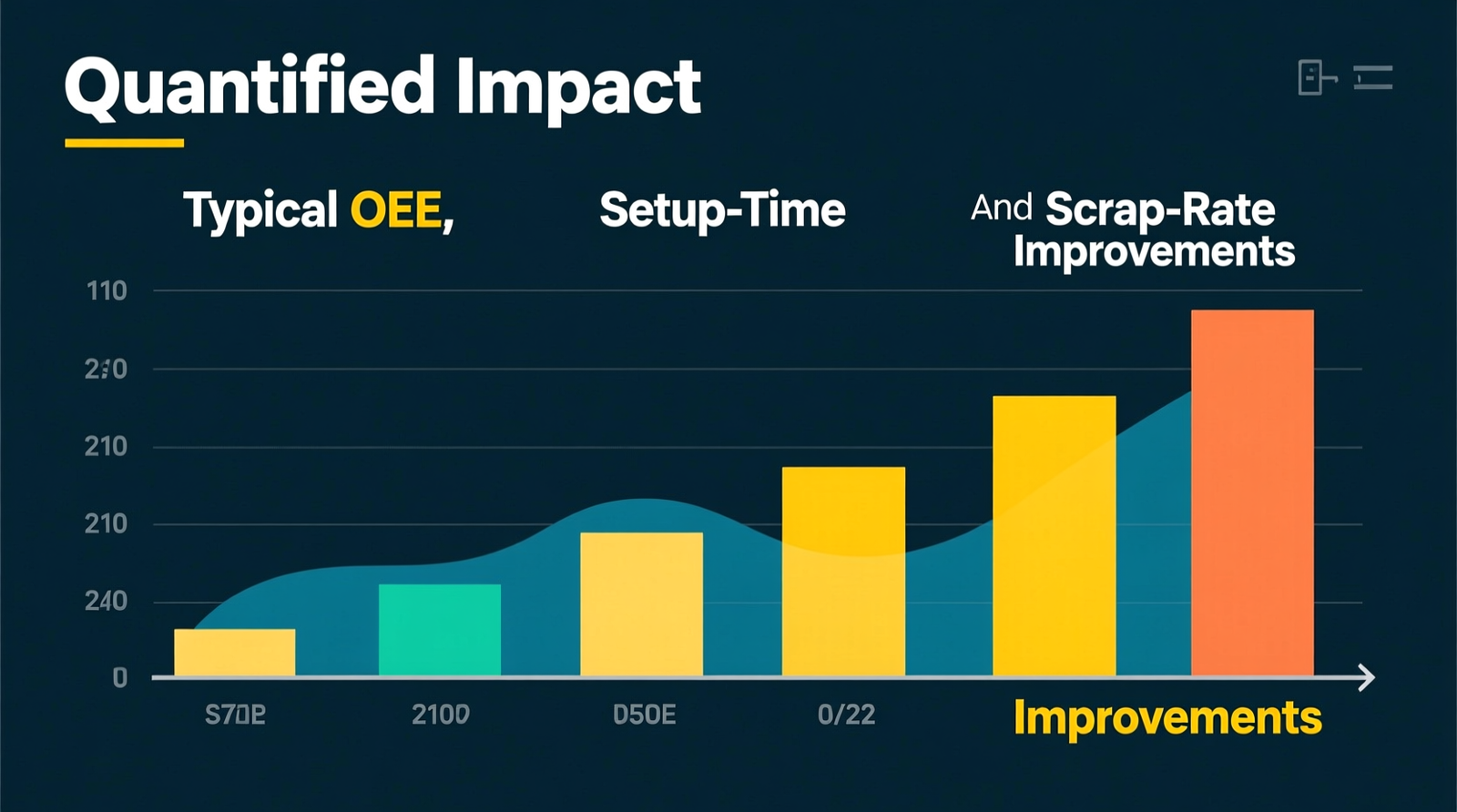
Actual results depend on baseline condition, order mix, and maintenance culture, but BW Papersystems customers and common converting benchmarks typically track improvements in these areas after migrating from older or more adjustment-intensive equipment:
- Changeover/setup time: customers commonly report 20%–50% faster changeovers after adopting recipe-based setups and reducing manual mechanical adjustments (biggest gains typically occur in high-mix/low-volume operations).
- Scrap/waste reduction: plants often target 10%–30% reduction in startup scrap when repeatability improves (less “dial-in” waste) and feeding/registration issues decrease.
- OEE improvement: many installations focus on a practical +3 to +8 OEE points by reducing changeover time (availability), reducing micro-stops (availability/performance), and cutting scrap (quality). For teams standardizing OEE methodology, third-party explanations can be found at OEE.com.
Primary drivers behind these gains are typically straightforward: less time spent on mechanical tweaks, faster order recall, more stable feeding/transfer at higher speeds, and fewer corrective stops tied to registration drift or board control.
TL;DR: Typical customer-reported outcomes are 20%–50% faster changeovers, 10%–30% less startup scrap, and +3 to +8 OEE points—mainly from repeatable recipes, fewer adjustments, and improved feed/registration stability.
Case Snapshots: Real-World Corrugated Converting Scenarios
Case snapshot 1 (e-commerce/high-mix plant): A multi-shift converter running frequent short-run e-commerce SKUs struggled with long changeovers and inconsistent die-cut registration after order recalls. After commissioning a servo-driven rotary die cutter with recipe-based setup and stabilized feed control, the plant reported ~35% faster average changeovers and a ~20% reduction in startup scrap on repeat orders, largely due to reduced trial-and-error adjustments and more consistent sheet handling.
Case snapshot 2 (high-graphic retail packaging): A plant producing rotary die cut retail-ready packaging with tight print-to-cut requirements experienced downtime from feeding-related skew and quality holds at higher speeds. With improved transfer control and repeatable engagement/registration settings, the operation reported a +5 OEE point improvement and fewer quality stops, attributing gains to reduced micro-stoppages and faster stabilization after die changes.
Note: Results shown are representative “case-type” outcomes reported by converters and vary by baseline performance, board quality, and operating discipline.
TL;DR: In high-mix e-commerce and high-graphic packaging scenarios, quantified gains most often show up in faster changeovers, less startup scrap, and higher OEE from fewer micro-stops and more repeatable registration.
System-Level Integration: Upstream/Downstream Equipment and Line Automation
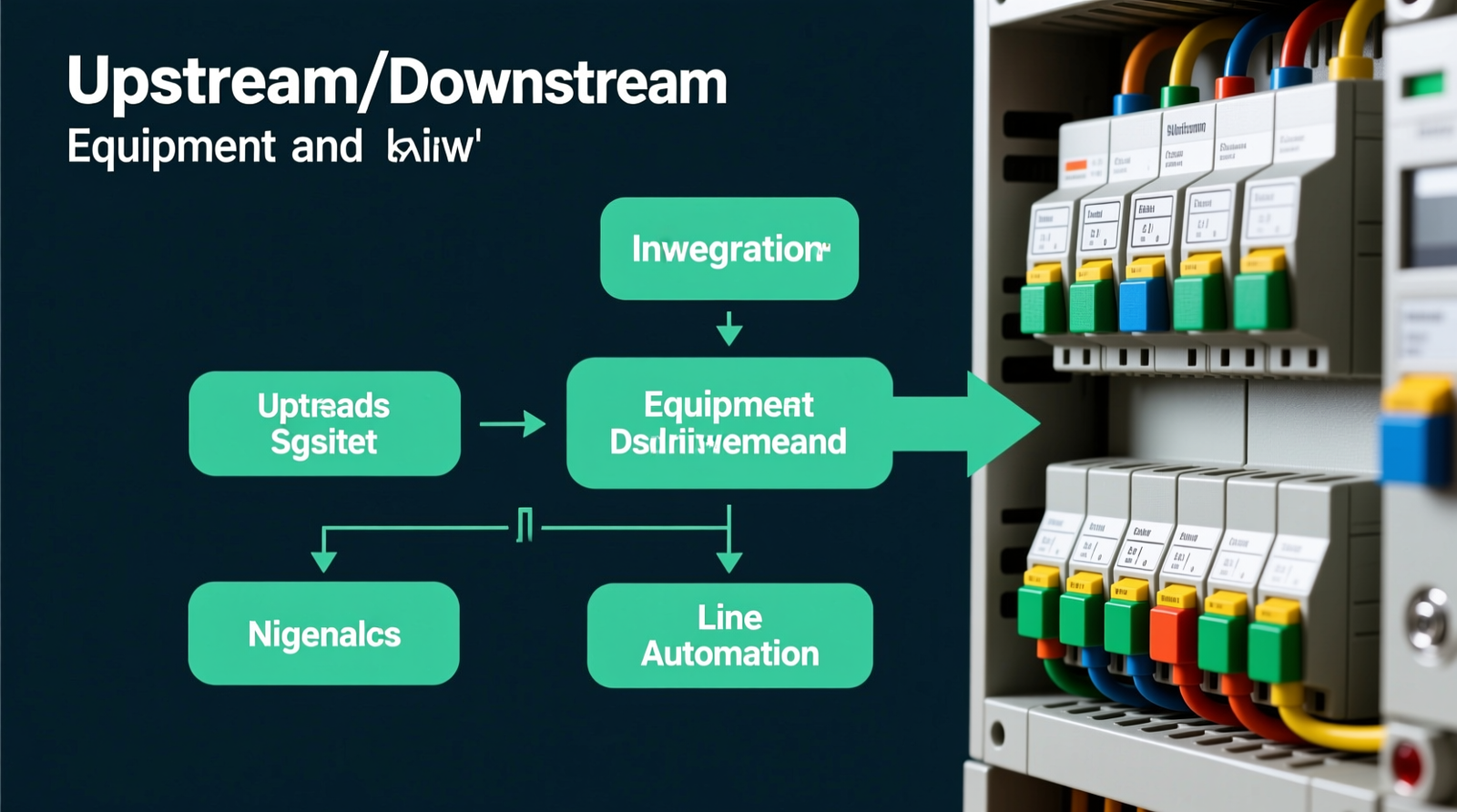
Most converters evaluate a servo-driven rotary die cutter as part of a line, not a standalone machine. ServoPro is commonly specified to integrate with:
- Upstream flexo printers (inline flexographic print sections) where stable registration supports print-to-cut accuracy.
- Downstream stackers/bundlers to maintain throughput without bottlenecks.
- Material handling and conveying (infeed/outfeed conveyors, automatic scrap removal, palletizing cells) to reduce manual touchpoints and improve labor efficiency.
From a controls perspective, modern lines often rely on standard industrial networking and machine-to-line communication. For broader context on industrial communication options (e.g., Ethernet-based protocols), see background from ODVA (ODVA—an industry association that supports industrial Ethernet standards such as EtherNet/IP) at https://www.odva.org/.
TL;DR: ServoPro is typically deployed as part of an integrated converting line (printing, transfer, stack/handling). Line-level connectivity and synchronized control are key to sustaining speed and reducing labor touchpoints.
Lifecycle Support, Remote Diagnostics, and Upgrade Paths
Purchasing teams increasingly evaluate total cost of ownership (TCO—Total Cost of Ownership) beyond initial capital cost. BW Papersystems’ value proposition for long-life corrugated converting equipment typically includes:
- Remote diagnostics: support teams can often troubleshoot alarms, review trends, and guide recovery actions faster than on-site-only approaches (capability depends on plant IT/security policies and machine configuration).
- Training programs: structured operator and maintenance training helps reduce performance variation across shifts and supports faster onboarding.
- Spare parts strategy: platform standardization across a fleet can reduce inventory complexity and shorten mean time to repair.
- Upgrades/retrofits: plants may pursue staged modernization—controls, feeding, safety upgrades, or automation add-ons—when full line replacement isn’t the best ROI.
For readers who want to evaluate layouts, specs, or ROI, BW Papersystems’ ServoPro product resources are available via the manufacturer site: https://www.bwpapersystems.com/.
TL;DR: Beyond performance, ServoPro buyers often prioritize lifecycle support—remote diagnostics, training, spares standardization, and upgrade paths—to optimize total cost of ownership over the machine life.
Energy Efficiency, Safety Features, and Compliance Considerations
Plant managers and engineers also assess energy use, guarding, and compliance practices. While exact implementations vary by region and customer requirements, modern converting lines typically incorporate:
- Safety PLC (Programmable Logic Controller certified/used for safety functions), interlocked guarding, and defined lockout/tagout points.
- Risk assessment alignment with recognized safety frameworks (often aligning with OSHA expectations in the U.S.). For OSHA’s lockout/tagout overview, see https://www.osha.gov/lockout-tagout.
- CE considerations for machines delivered into the European Economic Area (CE—Conformité Européenne marking indicating conformity with applicable EU requirements). For an official overview, see the European Commission guidance: https://single-market-economy.ec.europa.eu/single-market/ce-marking_en.
- Energy efficiency through control and reduced waste: while servo systems can improve motion control efficiency, many plants see the biggest “energy per good box” gains indirectly—less scrap, fewer restarts, and fewer extended idle runs during setup.
TL;DR: Safety (guarding, safety PLCs, lockout points) and compliance alignment (OSHA practices, CE where applicable) are part of the purchasing checklist, while “energy efficiency” often comes from reduced scrap and fewer restart cycles.
Application Fit: Who Benefits Most (and Practical Limitations)
ServoPro tends to be a strong fit for plants where lost time and variability are costly:
- High-mix/low-volume operations: frequent changeovers, many SKUs, and repeat orders benefit from recipe recall and reduced adjustments to reduce changeover time.
- High-graphic packaging and tight tolerances: more demanding print-to-cut registration needs benefit from stable feeding/transfer and repeatable engagement settings.
- Multi-shift, high-utilization plants: uptime and predictable maintenance planning often deliver faster ROI when equipment runs near capacity.
Practical constraints typically come down to format mix, board variability, and downstream bottlenecks. Even if the machine is capable of high speeds, line output can be limited by stacker capacity, material handling, or the complexity of the die-cut/print sequence. The best outcomes usually come from evaluating the full line (upstream print, downstream stack/handling) rather than treating the rotary die cutter as an isolated asset.
TL;DR: Best-fit plants are high-mix, high-graphic, and/or multi-shift operations where changeover time, registration stability, and uptime have outsized impact; the main limitation is often the overall line bottleneck, not the die cutter alone.
About BW Papersystems and the ServoPro Platform
BW Papersystems is a global supplier of corrugated, sheeting, folding carton, and paper converting machinery. ServoPro reflects the company’s long-standing focus on corrugating and finishing equipment—combining heavy-duty mechanical design with servo control for repeatability and speed stability.
For additional technical context and product resources, visit bwpapersystems.com.
TL;DR: ServoPro is positioned as a long-life, servo-driven rotary die cutter platform backed by BW Papersystems’ global converting equipment experience and support infrastructure.
Conclusion
The 50th installation of BW Papersystems’ ServoPro marks more than a shipment count—it reflects how corrugated converters are prioritizing repeatable setups, stable feeding/registration, and serviceability to protect OEE in today’s high-mix packaging environment. For technical and purchasing teams, the most meaningful discussion points are format-specific speed expectations (e.g., up to 225 boxes per minute depending on blank), integration into the full line, and quantified drivers like changeover time, scrap reduction, and reduced micro-stops.
TL;DR: The milestone matters because it correlates with measurable plant-floor outcomes—faster changeovers, less scrap, and improved OEE—when ServoPro is properly configured and integrated into the converting line.
FAQ
Q: What is a servo-driven rotary die cutter used for in corrugated box converting equipment?
A: A servo-driven rotary die cutter converts corrugated sheets into finished blanks by rotary die cutting, creasing, scoring, and slotting. It’s used for products such as RSC boxes, die-cut mailers, retail-ready packaging, and point-of-sale displays—especially where plants want to reduce changeover time and maintain die-cut registration at high speed.
Q: What does “full-servo open/close” mean, and how does it improve die-cut registration?
A: “Full-servo open/close” refers to servo-controlled engagement between the cutting cylinders (nip control). It improves repeatability by using controlled, feedback-driven positioning rather than relying mainly on manual/mechanical adjustments. Plants typically see more consistent cut quality and faster order recall because engagement and timing settings can be repeated accurately across shifts and repeat jobs.
Q: Can ServoPro be integrated with automated material handling or digital workflow systems?
A: Yes. In typical converting lines, ServoPro can be specified to integrate with upstream flexo printers and downstream stackers/bundlers, plus conveyors and automated material handling. From an automation perspective, many plants also plan for standardized industrial connectivity so job data, production status, and alarms can be shared with line controls or plant systems (specific interfaces depend on the final controls package and customer IT/security requirements).
Q: What maintenance practices help optimize total cost of ownership on a rotary die cutter?
A: To optimize total cost of ownership, plants commonly follow scheduled inspections for wear components, lubrication routines, and periodic checks of feed/transfer alignment and cylinder condition. Many converters also value remote diagnostics to reduce troubleshooting time, plus training and standardized spare parts to reduce mean time to repair—especially in multi-shift operations.
Q: What kinds of results do plants typically see when trying to reduce changeover time and scrap?
A: While results vary by baseline performance and order mix, converters commonly report 20%–50% faster changeovers (from recipe-based setups and fewer mechanical adjustments) and 10%–30% less startup scrap (from more repeatable registration and feeding stability). These improvements often translate into a practical +3 to +8 OEE point gain when the rest of the line can support the higher throughput.