Introduction

FPS Food Process Solutions (FPS), headquartered in Vancouver, has expanded its portfolio through the acquisition and operational integration of Southern Fabrication Works (SFW). As part of FPS, SFW’s engineering and fabrication capability strengthens FPS’s offer for industrial potato processing lines, particularly in high-throughput cutting, water management, and waste handling that sit upstream of freezing.
This move matters because potato processors face converging pressures: automation to offset labor shortages, tighter food safety expectations, and rising costs tied to water and wastewater treatment. The broader frozen potato segment also remains a major driver of equipment investment as quick-service restaurants and retail demand consistent french fries and formed potato products at scale. For market context on the importance and trajectory of the potato sector, see FAO’s overview of potatoes in global food systems and production/industry statistics from PotatoPro.
TL;DR: FPS has acquired and integrated SFW to broaden capabilities in potato prep (cutting + water/waste systems), responding to automation and sustainability trends shaping equipment decisions.
About FPS Food Process Solutions (FPS)
FPS is a Canadian manufacturer focused on industrial refrigeration and thermal processing equipment—especially freezing, cooling, and conveying used in large-scale food plants. FPS serves processors across potatoes, vegetables, meat, poultry, seafood, and ready-to-eat categories with an emphasis on hygienic design and energy performance.
In practical terms for project teams, FPS equipment is typically designed to align with common regulatory and hygienic expectations (e.g., cleanable construction, food-grade materials, and sanitation access) that support programs such as HACCP (Hazard Analysis and Critical Control Points) and regulatory oversight in markets like the U.S., Canada, and the EU. For widely referenced guidance on hygienic equipment design, see EHEDG (European Hygienic Engineering & Design Group).
TL;DR: FPS is best known for industrial freezing/cooling systems and designs aligned with modern hygienic and energy-efficiency expectations in global food processing.
About Southern Fabrication Works (SFW)
Southern Fabrication Works (SFW) is a U.S.-based designer and manufacturer of equipment used in potato and root-vegetable preparation. Its core strengths include engineered systems that handle product before freezing—where yield, cut accuracy, and water/solids control directly influence downstream performance (blanching, frying, freezing, and packaging).
Key SFW application areas include:
- French fry lines (straight cut and specialty cuts)
- Hash brown and tater tot preparation systems
- Formed potato products support equipment (prep and trim removal)
- Root vegetable cutting systems (e.g., sweet potato and similar crops)
In this article, hydro-cutting refers to water-driven cutting where high-velocity water streams (or water-assisted knives) guide product through a cutting grid; water knife systems use pressurized water jets to assist product separation and reduce mechanical stress versus purely mechanical cutters.
TL;DR: SFW specializes in upstream potato prep—hydro-cutting/water knife systems plus water recycling and waste handling for high-capacity production lines.
What the Integration Means (Brand, Scope, and Customer Impact)
SFW is now part of FPS as an integrated business under the FPS group. In the market, the SFW name is expected to continue to be used for its specialized preparation and cutting systems, while customers gain access to FPS’s broader project delivery and global support resources.
What changes for existing SFW customers:
- Sales & quoting: coordinated access to both SFW prep systems and FPS freezing/cooling equipment for one project scope (e.g., turnkey french fry production equipment covering prep through freezing).
- Service support: broader field service coverage, improved escalation paths, and standardized commissioning and training practices.
- Spare parts: consolidated parts planning and stocking options for multi-system lines.
- Project engineering: more integrated line-level design (utilities, layout, controls interfaces) to reduce integration risk for plant engineers and OEM integrators.
Geographically, this integration strengthens FPS’s reach in North America—especially in regions with heavy potato processing activity—while also improving FPS’s ability to support multi-site global processors with standardized designs and repeatable performance.
TL;DR: SFW remains the specialist for prep/cutting systems under the FPS umbrella; customers should expect tighter project integration, stronger service coverage, and simpler sourcing for multi-stage potato lines.
Technical Portfolio Expansion for Industrial Potato Processing Lines
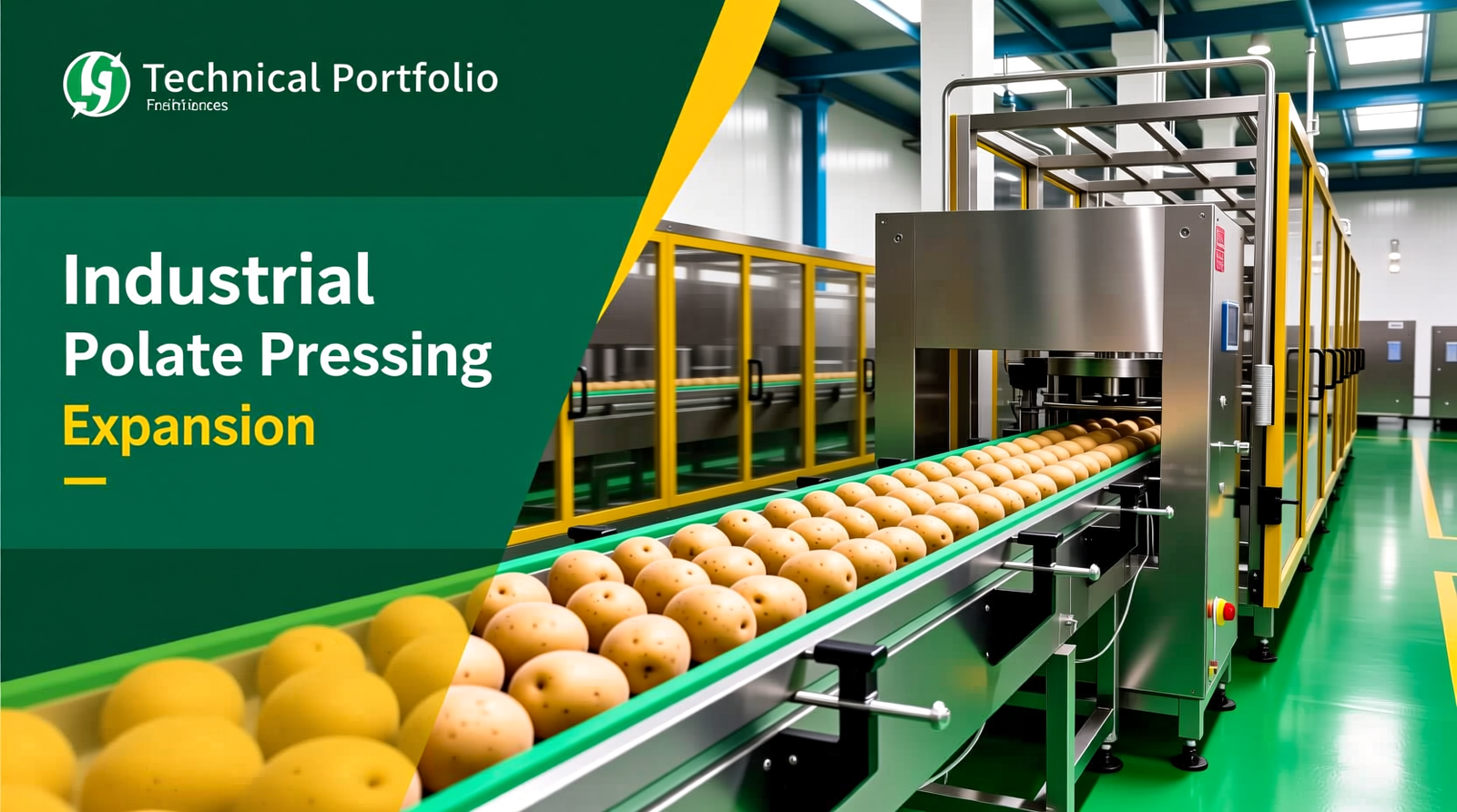
With SFW integrated, FPS can more completely cover the front end of a potato plant—receiving, prep, cutting, water handling, and waste/solids management—then connect that flow into FPS freezing and conveying. This is particularly relevant for projects targeting improved OEE (Overall Equipment Effectiveness), reduced trim loss, and stable downstream loading into fryers and freezers.
For buyers searching beyond general “potato processing equipment,” the combined portfolio fits common long-tail needs such as:
- Water knife cutting systems for potato processors seeking better cut uniformity and fewer breakage fines
- Food-grade water recycling systems to reduce fresh water intake and wastewater load
- Industrial potato processing lines that need coordinated utilities, controls integration, and hygienic design
TL;DR: FPS + SFW closes the gap between upstream preparation and downstream freezing, enabling more unified line engineering for high-output potato plants.
Hydro-Cutting Performance and Yield (Technical Detail)
SFW hydro-cutting and water knife systems are designed for high-throughput potato applications where conventional mechanical cutting can increase breakage, create more fines, and reduce net yield. In typical production environments, these systems are engineered to support multi-ton-per-hour throughput ranges suitable for industrial french fry and formed product lines, with cut sizing controlled by cutter geometry, product alignment, and pressure/flow stability.
Compared with purely mechanical cutters, water-assisted cutting can help:
- Reduce mechanical stress on the product, lowering breakage and improving usable yield
- Improve defect removal when paired with trim and separation steps (less rework and fewer quality downgrades)
- Stabilize cut size by maintaining consistent product feed and controlled water pressure/flow
High-level proprietary differentiators (without disclosing confidential IP) typically include:
- Nozzle and manifold design to deliver stable, repeatable water velocity profiles
- Pressure and flow control strategies to maintain consistent cutting across varying potato solids and temperature conditions
- Recipe management (automated setpoints by product type/cut) to reduce changeover time and operator dependence
- CIP-ready features (Clean-in-Place) such as sanitary access, spray coverage, and drainage for faster sanitation cycles
Example (anonymized): a North American french fry processor upgrading an older mechanical cutting step to a modern hydro-cutting approach reported an approx. 1–3% reduction in trim waste and a noticeable reduction in breakage-related fines, improving downstream fryer/freezer loading stability. Actual results vary by potato variety, incoming defect rate, upstream peeling, and line balance.
For additional background on hygienic design principles that influence cutter and conveyor design (cleanability, drainage, and microbial risk reduction), reference 3-A Sanitary Standards and FDA FSMA (Food Safety Modernization Act) resources for food plant preventive controls.
TL;DR: SFW’s hydro-cutting focuses on high-throughput, stable cut quality, and yield protection—using controlled water delivery, recipe controls, and CIP-oriented design to reduce fines and variability versus purely mechanical cutting.
Water Management and Sustainability (Recycling, Utilities, and Waste Load)
Water is both a processing tool and a cost center in potato plants. SFW’s water systems are designed to reduce fresh water intake and stabilize water quality in cutting and conveying loops—supporting sustainability goals while also improving process consistency for turnkey french fry production equipment and other potato lines.
A typical water recycling approach in potato cutting applications may include:
- Primary separation to remove large solids (peel, trim, starch-heavy fines)
- Filtration (screening and/or media) to reduce suspended solids
- Reuse loops where filtered water is returned to appropriate points (non-product-contact vs. product-contact use depends on design and regulatory expectations)
- Make-up water control to maintain conductivity/solids targets and reduce variability
In many plants, well-engineered reuse loops can reduce fresh water consumption by 20–50%, depending on baseline practices, incoming potato soil load, and local water quality. Beyond water savings, these systems can also lower wastewater treatment loading by pulling solids out earlier and directing them to controlled waste-handling streams.
Integration with existing utilities is typically planned around plant constraints such as available water pressure, pump capacity, drainage, and space for separation/filtration skids. For broader context on industrial water reuse and treatment concepts, see the U.S. EPA water reuse resources.
TL;DR: SFW water recycling systems typically use separation + filtration + controlled reuse loops and can often cut fresh water intake by ~20–50%, while reducing wastewater solids loading and improving process stability.
Implementation, Controls Integration, and Aftermarket Support
For plant managers and project engineers, equipment performance depends heavily on commissioning quality and lifecycle support. FPS and SFW support projects from front-end concept through ongoing optimization, including:
- Process consulting and line design: capacity targets, line balance, and footprint planning
- Project execution: fabrication, factory testing, installation coordination
- Commissioning and training: operator training, sanitation routines, ramp-up support
- Aftermarket: spare parts strategy, preventive maintenance plans, and field service
From a plant performance perspective, typical engineering priorities include:
- Reduced downtime via maintainable designs and improved access for sanitation and wear-part replacement
- CIP (Clean-in-Place) options to shorten sanitation windows and improve repeatability
- Controls integration with plant systems such as SCADA (Supervisory Control and Data Acquisition) and MES (Manufacturing Execution System) to support monitoring, traceability, and OEE improvement initiatives
- Total cost of ownership (TCO) focus through water/energy reduction, yield protection, and predictable maintenance
TL;DR: The combined team supports full project lifecycle delivery and lifecycle service, with practical focus on maintainability, CIP, controls integration (SCADA/MES), and OEE/TCO improvements.
Leadership Perspectives

Neil Justesen, President and Owner of Southern Fabrication Works, emphasized strategic alignment: “The SFW family is super excited to partner with a progressive company such as FPS, which shares a similar ideology. The FPS team has been extremely welcoming and respectful. We appreciate the value they place in all their partnerships and look forward to contributing to their global initiatives,” said Justesen.
Jeffrey Chang, President of FPS Food Process Solutions Corp., highlighted the line-level value: “FPS has always aimed to provide full End-to-End solutions for our customers. The timing was right to join forces. We’re pleased to welcome a trusted and respected name into our group.”
TL;DR: Leadership frames the acquisition as a capability expansion—pairing SFW’s upstream prep systems with FPS’s downstream freezing/cooling to reduce integration gaps for processors.
Contact and Next Steps
Plant managers, project engineers, and OEM integrators can engage the FPS–SFW team for greenfield plants, capacity expansions, or retrofits involving cutting upgrades, water reuse projects, waste/solids handling, and integration into freezing and packaging flows.
Contact:
Shirley Wong
FPS Food Process Solutions
Tel: +1 604 232 4145
Email: shirley.wong@fpscorp.ca
Website: https://www.fpscorp.ca
For a streamlined inquiry path, you can also start from the FPS website contact options here: https://www.fpscorp.ca/contact/.
TL;DR: Reach out for retrofit or new-line support—especially cutting upgrades, water recycling, and integrated potato processing line engineering tied into freezing and conveying.
Conclusion

The acquisition and integration of SFW gives FPS a stronger, more technically complete offering for potato processors—connecting upstream hydro-cutting, water knife cutting, water recycling, and waste-handling systems with FPS freezing and cooling technology. For industrial producers, the practical value is improved line integration, yield protection, water/waste reduction, and project execution support built around hygienic, maintainable designs.
TL;DR: FPS + SFW expands coverage from prep through freezing, adding deeper cutting and water-management capability for modern, high-capacity potato processing plants.
FAQ
Q: Can FPS now supply a full french fry processing line from raw receiving to frozen packaging?
A: FPS can support broader “prep-to-freeze” scopes by combining SFW upstream preparation systems (e.g., hydro-cutting/water knife cutting, water recycling, waste handling) with FPS freezing/cooling and conveying. Final scope depends on your existing assets and whether the project is a greenfield plant or a retrofit/expansion, but the intent is to reduce multi-vendor integration and provide a more unified industrial potato processing line design.
Q: How does hydro-cutting affect yield and defect rates versus mechanical cutting?
A: Water-assisted cutting can reduce mechanical stress on potatoes, which often lowers breakage and fines versus purely mechanical cutting—supporting improved usable yield and more stable downstream processing. It can also improve defect separation when paired with appropriate trimming and solids handling. Actual results depend on potato variety, incoming defect load, peel quality, and whether the line is balanced to avoid overhandling.
Q: What water quality is required for hydro-cutting and food-grade water recycling systems?
A: Requirements depend on where recycled water is reused (product-contact vs. non-product-contact) and the plant’s local regulations and internal food safety program (e.g., HACCP). In practice, systems are engineered around solids loading (starch/fines), filtration targets, and make-up water control to keep cutting performance stable and prevent buildup. Utility integration typically considers pump sizing, pressure stability, drainage, and sanitation/CIP routines.
Q: Can hydro-cutting and water recycling be retrofitted into an existing potato line, or is it only for new plants?
A: Both are possible. Retrofits are common when plants want better cut uniformity, reduced trim waste, or lower fresh water intake without building a new line. Feasibility depends on available floor space, tie-in points to utilities and drainage, and whether upstream/downstream equipment (peelers, sorters, blanchers, fryers, freezers) can accept the new throughput and flow characteristics.
Q: What does service and spare parts support look like after SFW’s integration into FPS?
A: Customers should expect coordinated support through FPS’s broader service organization, with improved project documentation, commissioning practices, and spare parts planning—especially for lines combining SFW prep systems with FPS freezing/cooling equipment. Response times and local technician availability depend on region and site access, but the integration is intended to simplify escalation paths and provide more consistent aftermarket coverage across multi-system installations.