Introduction
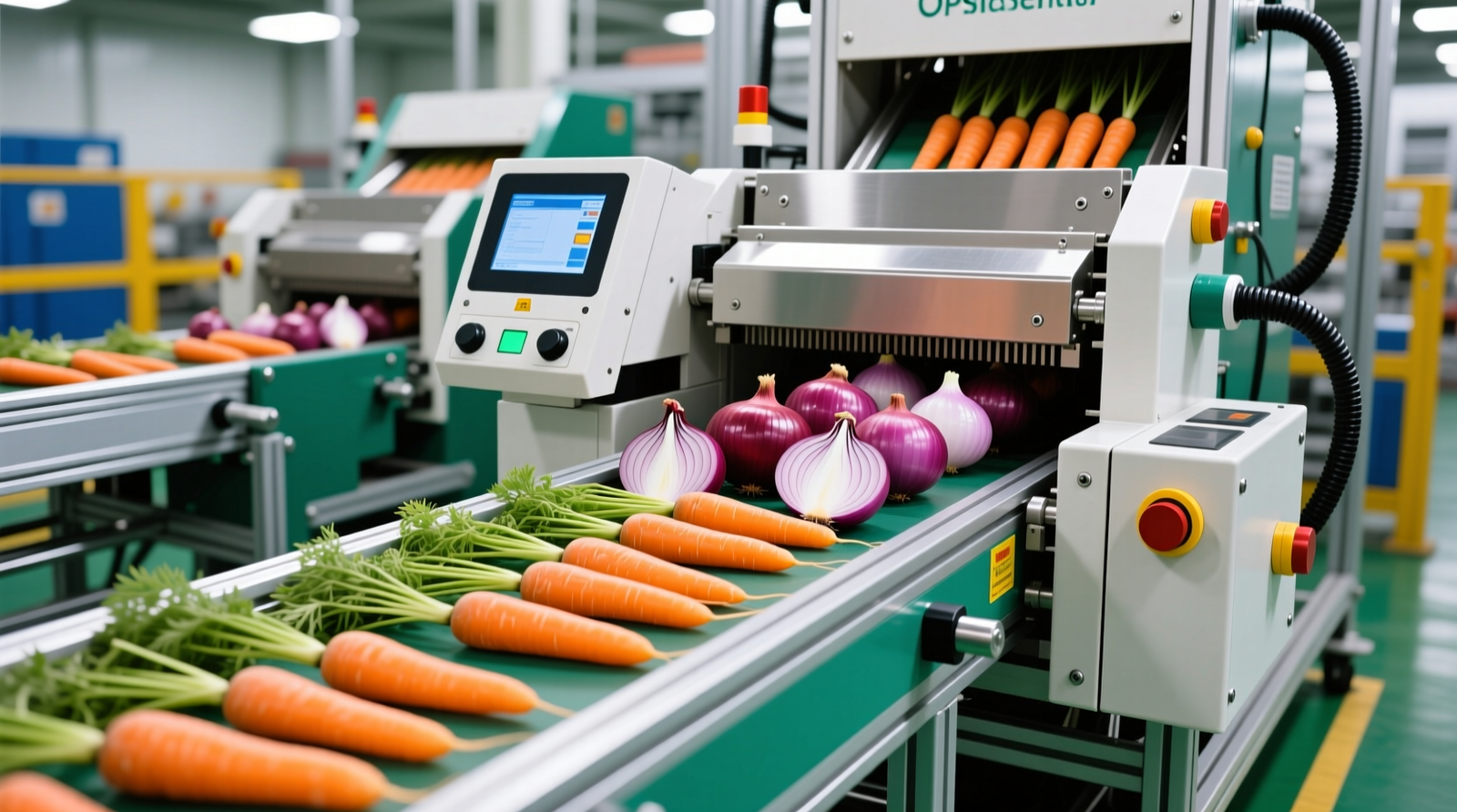
Britannia Industries has installed its first aseptic PET (polyethylene terephthalate) packaging line for ready-to-drink dairy beverages at its greenfield dairy plant in Ranjangaon, Maharashtra. The line is based on Sidel’s Aseptic Combi Predis platform, which integrates container decontamination, bottle blowing, aseptic filling, and aseptic capping in a single block.
For plant managers, packaging engineers, and brand owners, this project is a practical reference point for evaluating aseptic PET packaging for dairy in India: what technical controls are needed, how it compares with alternatives (HDPE bottles and cartons), what compliance and validation look like, and what operational trade-offs to expect when moving from chilled to ambient distribution.
TL;DR: This case illustrates how an aseptic PET line can enable ambient-stable dairy beverages in India—while raising important considerations around validation, product compatibility, cap/barrier choices, and capex/opex vs cartons or HDPE.
Britannia’s Expansion in Aseptic Dairy Beverages (Market Context in India)
India’s value-added dairy beverage segment (e.g., flavored milk, fortified milk-based drinks, and on-the-go nutrition) has benefited from urbanization, premiumization, and broader modern retail reach. Industry reporting commonly indicates that value-added dairy in India is growing at a high single-digit to low double-digit CAGR (compound annual growth rate) over the medium term, with flavored milk and adjacent “functional” dairy drinks often tracking above the core liquid milk growth rate. For market sizing and growth context, refer to data from sources such as India Brand Equity Foundation (IBEF) – Dairy Industry in India and category outlooks published by IMARC Group or Mordor Intelligence (exact figures vary by definition and scope).
From a manufacturing and distribution perspective, aseptic processing supports ambient-stable dairy beverages—reducing dependence on the cold chain for certain SKUs. That can translate into fewer temperature excursions, less spoilage risk in long distribution routes, and lower downstream energy use versus fully chilled distribution (the magnitude depends on route length, storage conditions, and retail mix).
TL;DR: Indian value-added dairy beverages are expanding, and aseptic PET can support wider ambient distribution—especially where cold-chain cost and reliability limit growth.
Why Aseptic PET (and How It Compares with Cartons and HDPE)
Aseptic PET targets a middle ground between traditional formats:
- Compared with cartons (aseptic paperboard packs): PET can offer higher clarity, brand visibility, and recloseability. Cartons often provide excellent light/oxygen protection and strong cost positioning at scale, but recycling pathways can be more complex due to multilayer structures (paper/aluminum/polymer).
- Compared with HDPE (high-density polyethylene) bottles: HDPE is widely used for chilled milk due to robustness and cost, but it is typically paired with refrigerated distribution for short shelf-life products. For ambient-stable UHT (ultra-high temperature) dairy, PET is more commonly used than HDPE because PET can be engineered for better gas barrier performance and stiffness in lightweight designs (depending on resin, preform design, and barrier solutions).
In practical terms, UHT flavored milk PET bottling makes most sense when a brand needs: (1) an ambient SKU strategy, (2) wider distribution radius, and (3) packaging differentiation that remains operationally efficient on high-speed lines.
TL;DR: Aseptic PET is often chosen when brands want ambient stability plus a reclosable, high-impact package—while cartons may win on barrier and cost at scale, and HDPE is more common for chilled short-shelf-life dairy.
System Overview: What an “Aseptic Combi” Line Does
An aseptic combi line integrates multiple steps into a controlled hygienic zone, typically including:
- Preform decontamination (treating PET preforms before blowing)
- Blow moulding (forming the bottle from the preform)
- Aseptic filling (filling a commercially sterile product into a sterile bottle)
- Cap sterilization/sterilisation and capping
The Ranjangaon line is stated to run up to 24,000 bottles per hour, which is relevant for evaluating whether aseptic PET is viable for high-volume SKUs where line utilization and changeover discipline materially affect unit cost.
TL;DR: An aseptic combi integrates decontamination, blowing, filling, and capping into one sterile block—designed for high-throughput dairy beverages with fewer contamination handoffs.
Dry Preform Decontamination Technology (What It Is and Typical Savings)
In “dry preform decontamination,” a controlled dose of H2O2 (hydrogen peroxide) is applied to the PET preform before or during the heating stage, rather than washing bottles with high volumes of liquid chemicals followed by rinsing. This approach is often described as dry preform decontamination technology because it avoids water rinsing steps typical of some “wet” bottle sterilization systems.
Why it matters operationally:
- Water and effluent: Eliminating rinse water can materially reduce water use and wastewater load. In vendor and industry benchmarks for dry preform systems, reductions versus wet bottle sterilization are often cited in the range of ~30–50% lower chemical consumption and near-elimination of rinse water (site-specific results vary by baseline system, sanitation regime, and line design).
- Line availability: Fewer wet stages can simplify maintenance and reduce issues related to rinse-water quality, drainage, and microbial control in wet circuits.
For readers evaluating a resource-efficient aseptic filling line, the key is to quantify savings against your current baseline (water per 1,000 bottles, chemical kg/day, effluent COD/BOD load, and sanitation time). Water stewardship expectations are increasingly visible in Indian manufacturing, and benchmarking against recognized frameworks can help; for example, see UN-Water for broader context on industrial water management.
TL;DR: Dry preform decontamination reduces or eliminates rinse water and can cut chemical usage versus wet sterilization—improving effluent and uptime performance when properly validated.
Food Safety Validation and Compliance in Aseptic PET
Aseptic dairy is not “safe by default”—it is safe when the process is validated, controlled, and routinely verified. Key reference points include:
- FSSAI (Food Safety and Standards Authority of India) requirements for dairy products, hygienic practices, and food safety management systems. Start with the official portal: https://www.fssai.gov.in/.
- ISO 22000 (Food safety management systems) and HACCP (Hazard Analysis and Critical Control Points) principles commonly used in beverage plants to structure hazard control and verification. Overview: ISO 22000 overview (ISO).
For aseptic PET, expert readers typically look for evidence of:
- Microbial performance targets expressed as log reduction (e.g., a “6-log reduction” means a 106 reduction in target organisms) for packaging decontamination, based on risk assessment and validation protocol.
- SAL (Sterility Assurance Level) expectations for the overall system (SAL is a probabilistic measure; beverage aseptic targets are set via validation and regulatory expectations rather than a single universal SAL number).
- Validation and re-validation routines: media fills/aseptic process simulations, sterility tests, container integrity checks, environmental monitoring, and change-control triggers (new SKU, cap/neck finish changes, sanitizer concentration changes, or major maintenance events).
In practice, compliance is a combination of equipment capability and disciplined execution: hygienic zoning, personnel practices, preventive maintenance, calibration, and robust deviation handling.
TL;DR: Aseptic PET credibility comes from validated microbial performance (log-reduction/sterility assurance), disciplined monitoring, and alignment with FSSAI and ISO 22000/HACCP-based management systems.
Critical Process Parameters: What Experts Usually Monitor
Aseptic PET performance depends on controlling a small number of “make-or-break” parameters. Typical controls include:
- H2O2 dosing and distribution on preforms/caps (concentration, application uniformity, contact time).
- Thermal profile through preform heating and blowing (temperature windows that enable both bottle formation and effective decontamination synergy without resin degradation).
- Aseptic zone conditions: filtered air supply, positive pressure differentials, and environmental monitoring (settle plates/swabs/air sampling, depending on site SOPs).
- Filler parameters: product temperature at fill, sterile filtration where applicable (more common for some non-dairy beverages), hold-tube/UHT interface controls, and hygienic design of product contact parts.
- Closure integrity: torque, cap sterilization efficacy, and leak testing. Poor closure control can undermine a strong decontamination step.
Many plants formalize these into CCPs (Critical Control Points) and CPs (Control Points) with defined limits, alarms, and documented corrective actions under HACCP.
TL;DR: Experts focus on dosing/contact time, thermal windows, aseptic air control, filler conditions, and closure integrity—then lock them into CCP/CP limits with strong verification.
Product Compatibility and Limitations (What Works Well—and What Needs Adaptation)
Aseptic PET lines for dairy are typically well-suited to low- to moderate-viscosity products such as UHT flavored milk, fortified milk drinks, and some drinkable dairy beverages. Shelf-life outcomes depend on formulation and process design, but ambient shelf-life for UHT dairy beverages commonly targets ~3 to 9 months in many markets when packaging barrier and light protection are adequate and distribution conditions are controlled.
Important limitations to consider:
- High viscosity (e.g., spoonable yogurt) is generally not a direct fit for standard beverage fillers; it may require specialized filling technology, larger valve paths, or different packaging formats.
- Particles/inclusions (e.g., fruit pieces, grains, nuts) raise sterility and valve-design complexity and can increase the risk of seal/valve fouling; these SKUs may require dedicated validation, modified fillers, or different packaging routes.
- Light/oxygen sensitivity: some dairy formulations (e.g., vitamin-fortified products) can be sensitive to light and oxygen. This pushes decisions on bottle color, UV blockers, oxygen scavengers, or multilayer/barrier solutions, and sometimes makes cartons more attractive for certain SKUs.
TL;DR: Aseptic PET is strongest for UHT flavored milk and similar viscosities; highly viscous or particulate dairy often needs special filler adaptations or alternative packaging formats.
CIP/SIP and Line Availability (Operational Reality)
Routine sanitation drives both food safety and OEE (Overall Equipment Effectiveness). In aseptic beverage plants, sanitation typically includes:
- CIP (Clean-in-Place): automated cleaning of product-contact circuits using defined chemistry, temperature, flow, and time.
- SIP (Sterilize-in-Place): thermal or chemical sterilization of circuits (often hot water/steam where applicable, depending on design) prior to aseptic production.
Typical total turnaround time (CIP + SIP + aseptic start-up checks) varies widely by line design and product type, but many plants plan in the ballpark of ~2 to 5 hours for a full cycle, with shorter “intermediate” cleans possible for compatible products. The practical impact is scheduling: longer production runs and rationalized SKU changeovers usually improve line economics, while frequent flavor switches increase sanitation time and validation burden.
TL;DR: CIP/SIP protects sterility but consumes time; planning fewer, smarter changeovers (and validating product families) is often key to aseptic PET line profitability.
Packaging and Barrier Design Considerations for Indian Distribution
For aseptic PET packaging for dairy in India, packaging choices often need to match heat, light, and distribution handling realities:
- Barrier performance: oxygen transmission rate (OTR) and light protection can affect flavor stability and vitamin retention. Depending on the product, consider tinted PET, additives, or barrier layers.
- Closure system: cap design, liner choice (if used), and torque window influence seal integrity and leak rates—especially in hot climates and long transport.
- Paneling/vacuum management: UHT/aseptic products can develop pressure/vacuum changes with temperature swings. Bottle geometry and lightweighting must be validated to avoid deformation and label issues.
- Label and adhesive performance: heat and humidity can challenge label adhesion and print durability; validation should include transport simulations and storage testing.
These are not cosmetic details—they affect complaints, returns, and spoilage risk at scale.
TL;DR: For India, barrier/closure design and hot-climate logistics validation are as important as the aseptic filler itself—especially for shelf-life and package integrity.
Decision Criteria: When Aseptic PET Makes Sense

When evaluating a move to aseptic PET, decision-makers often use a mix of commercial and technical criteria:
- SKU volume and run length: aseptic PET lines reward high utilization and longer campaigns.
- Route-to-market strategy: ambient distribution can reduce cold-chain dependency and may lower energy use across the value chain, but requires strong shelf-life validation discipline.
- Capex vs opex trade-offs: aseptic PET can require higher upfront investment than non-aseptic lines; operating costs depend on sanitation, utilities, preform/cap costs, and scrap rates.
- Packaging differentiation needs: recloseability and bottle shapes can be an advantage over cartons for certain retail channels.
- Quality risk tolerance: aseptic systems demand mature QA/QC (Quality Assurance/Quality Control) and maintenance culture.
TL;DR: Aseptic PET is typically justified by high-volume ambient SKUs, wide distribution needs, and strong operational discipline—rather than by packaging aesthetics alone.
Implementation Lessons: Timeline, Commissioning, and Training
Moving from non-aseptic to aseptic PET is a change-management project, not just an equipment installation. Common lessons from aseptic deployments include:
- Project timeline realism: beyond installation, allocate time for utilities readiness, aseptic zoning, validation protocols, shelf-life studies, and performance ramp-up.
- Commissioning challenges: early losses often come from micro-stoppages, torque/closure tuning, hygiene discipline gaps, and packaging material variation (preforms/caps/labels).
- Staff capability building: operators and maintenance teams need training on aseptic behaviors (gowning, interventions), CCP adherence, and troubleshooting without compromising sterility.
- Change-control discipline: even “small” changes (cap supplier, label spec, resin IV changes) should trigger documented risk assessment and, where required, re-validation.
TL;DR: Successful aseptic PET adoption depends on validation planning, disciplined commissioning, and strong operator/maintenance training—not only line speed specs.
Sustainability and End-of-Life: PET vs Multilayer Cartons
From an end-of-life standpoint, PET is widely collected and recycled in many markets when collection and sorting systems are in place. For technical background on PET recycling and design considerations, see PETCORE EUROPE and WRAP resources on packaging recyclability.
By contrast, multilayer cartons can be recyclable but typically require specialized facilities to separate layers; real-world recycling rates depend heavily on local infrastructure. A practical sustainability assessment should therefore consider local collection, recycled content availability, bottle light-weighting limits (while maintaining performance), and label/adhesive compatibility with recycling streams.
TL;DR: PET often benefits from simpler, more established recycling pathways than multilayer cartons, but real sustainability outcomes depend on local collection, design-for-recycling choices, and lightweighting limits.
Relevance of Broader PET Innovations (What Dairy Producers Can Take from It)
Not all PET innovations in water or soft drinks translate directly to dairy, but they can still offer useful direction for dairy producers:
- Lightweighting: structural design and controlled dosing approaches used in other categories can inform how to reduce PET resin while preserving top-load strength—important for secondary packaging efficiency.
- Shape and shelf impact: distinctive shapes may help premium dairy drinks, but only if validated for paneling, label stability, and line handling at target speeds.
- System thinking: improvements often come from optimizing the bottle + cap + label + process as a single system, not from changing one element in isolation.
TL;DR: Broader PET innovations are most useful to dairy when they translate into validated lightweighting, better handling, and system-level packaging/process optimization.
Conclusion

Britannia’s Ranjangaon installation shows how an aseptic PET line can support ambient-stable dairy beverages at industrial throughput in India. The main takeaway is not that aseptic PET is universally “better,” but that it is a strong option when a brand’s portfolio strategy aligns with ambient distribution, when packaging differentiation matters, and when the plant can execute aseptic validation and hygiene discipline consistently.
For teams assessing similar investments, the highest-value evaluation areas are: product compatibility (viscosity/particles), barrier and closure specifications, CIP/SIP scheduling impacts, and compliance/validation readiness under FSSAI- and ISO-aligned food safety systems.
TL;DR: Aseptic PET can unlock ambient dairy growth in India, but success depends on rigorous validation, product/pack fit, and operational discipline—plus a clear business case versus cartons and HDPE.
FAQ
Q: How does aseptic PET compare in cost versus cartons or HDPE for dairy beverages in India?
A: Aseptic PET often has higher upfront equipment cost (capex) than non-aseptic HDPE lines, while cartons can be cost-competitive at very high volumes. Total cost depends on run length, sanitation time, preform/cap costs, scrap rates, and whether ambient distribution reduces cold-chain spend. The best comparison uses a full model: capex amortization + utilities + consumables + logistics + quality losses.
Q: What shelf-life is typical for UHT flavored milk in aseptic PET bottles?
A: Many UHT dairy beverages target roughly 3–9 months ambient shelf-life, but the actual result depends on formulation (fat content, vitamins, flavors), UHT process controls, aseptic validation, and PET barrier/light protection. Shelf-life should be confirmed through stability studies under expected Indian storage and distribution conditions.
Q: Is aseptic PET packaging recyclable, and how does it compare with multilayer cartons?
A: PET is widely recyclable where collection and sorting infrastructure exists, and it often has more straightforward recycling pathways than multilayer cartons (which require layer separation). Real outcomes depend on local collection rates and design-for-recycling choices like label material, adhesives, and use of colorants or barrier layers.
Q: What barrier and closure specifications matter most for aseptic PET dairy bottles?
A: Common focus areas include oxygen transmission rate (OTR), light protection (tint/UV blockers), cap seal integrity (torque window and liner/plug design), and bottle performance under temperature cycling to prevent paneling or leaks. Specifications should be selected based on product sensitivity and validated at target distribution conditions.
Q: Which dairy products are not a good fit for a standard aseptic PET filling line?
A: Highly viscous products (spoonable yogurt) and beverages with significant particulates (fruit pieces, grains) may require specialized fillers or alternative packaging formats. These products increase risks around valve fouling, cleaning effectiveness, and consistent sterile performance, so they typically demand additional engineering and validation.