Meta summary (for OEMs, converters, brand owners, recyclers): This article explains what BASF plans to bring to PlastIndia 2026 in New Delhi and how its “Make–Use–Recycle” approach supports sustainable plastics solutions for India—from faster part design (Ultrasim simulation) and durable additives (Tinuvin NOR, Irgastab) to circularity enablers like digital material identification (trinamiX PAL Two). It also links the technologies to India-specific regulatory and infrastructure realities such as EPR (Extended Producer Responsibility) for plastic packaging and the need to improve collection and sorting.
Introduction
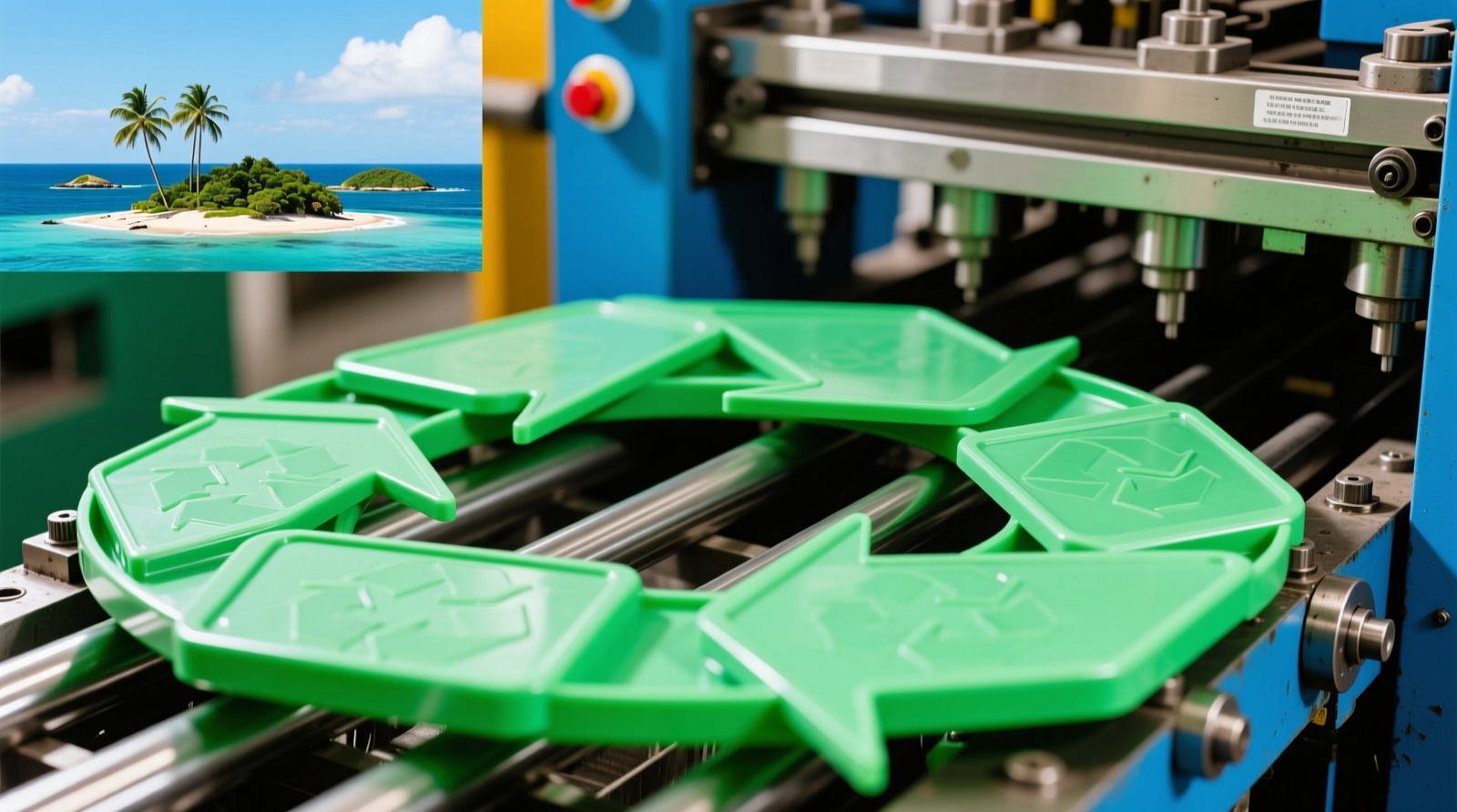
BASF will participate among PlastIndia 2026 exhibitors (5–10 February, New Delhi), presenting plastics innovations aligned with “Bharat Next plastics innovations” and the practical needs of Indian processors and product manufacturers.
The exhibit is organized around the plastics lifecycle—Make (design & manufacture), Use (performance in service), and Recycle (circularity)—to help customers reduce material use, extend product life, and improve recyclability without sacrificing cost or performance targets.
India context: India’s plastics value chain is expanding alongside infrastructure, mobility, healthcare, and consumer goods demand. At the same time, regulatory pressure is increasing through EPR (Extended Producer Responsibility) rules for plastic packaging and restrictions on selected single-use plastics (SUP). These drivers push brand owners and converters to improve design-for-recycling, raise recycled content where feasible, and reduce leakage and waste. For official policy references, see India’s Central Pollution Control Board (CPCB) and the Ministry of Environment, Forest and Climate Change (MoEFCC).
TL;DR: BASF’s PlastIndia 2026 message is “Make–Use–Recycle” for India—optimize designs, extend lifetimes, and enable better sorting/recycling under tightening EPR/SUP expectations.
Bharat Next: Supporting India’s Plastics Growth with Circularity-Ready Design
“Bharat Next” connects industrial growth with resource efficiency—especially relevant in India where rapid urbanization can outpace waste-management infrastructure. BASF’s focus is to help customers meet performance needs while improving circular outcomes (less material per part, longer life, and cleaner recycling streams).
Regulatory and market pull in India: EPR requirements encourage traceability, collection, and processing of packaging waste; SUP policies and state-level enforcement are accelerating material redesign; and brand-owner sustainability commitments are raising expectations for recyclability and recycled content. These changes shift demand toward circular economy plastics in India—not just “green materials,” but solutions that work with India’s collection/sorting realities.
BASF footprint and technical support (how it matters for India): For industrial buyers, local technical service and application development can be as important as the polymer itself. BASF supports customers via application and technical service teams in India and leverages global R&D networks for simulation, additive selection, and design-for-recycling concepts. (For company-wide sustainability direction, see BASF’s sustainability overview: https://www.basf.com/global/en/who-we-are/sustainability.html.)
TL;DR: “Bharat Next” is a practical lens—BASF positions materials + engineering support to help Indian manufacturers meet EPR/SUP-driven redesign and circularity goals.
Make: Engineering Plastics Solutions “Right First Time” for Bharat Next
Make (lifecycle framing): In the Make phase, the biggest sustainability gains often come before tooling—by reducing part mass, avoiding overdesign, preventing scrap, and selecting additive packages that protect performance over time.
BASF Creation & Application Collaboration: From Concept to Process-Ready Parts
BASF’s co-development approach connects designers, CAE (computer-aided engineering) specialists, and material experts to shorten development cycles and reduce trial-and-error on the shop floor.
Practical India example (anonymized): An Indian appliance component supplier redesigning an internal bracket moved from a metal-to-plastic concept to a manufacturable injection-molded part by aligning rib geometry, weld-line risk, and creep targets early in development. By iterating digitally before cutting steel, the team reduced prototype loops and avoided late mold rework—an important cost lever in India’s high-mix, cost-sensitive conversion ecosystem.
Trade-off note: Faster development via simulation and co-engineering can require upfront engineering time and data sharing; however, it often reduces total program risk and scrap compared to “build-and-fix” approaches.
TL;DR: The Make phase is about preventing waste early—co-engineering helps Indian converters and OEMs reduce rework, scrap, and overdesign.
Ultrasim: Simulation-Driven Lightweighting and Fewer Prototypes
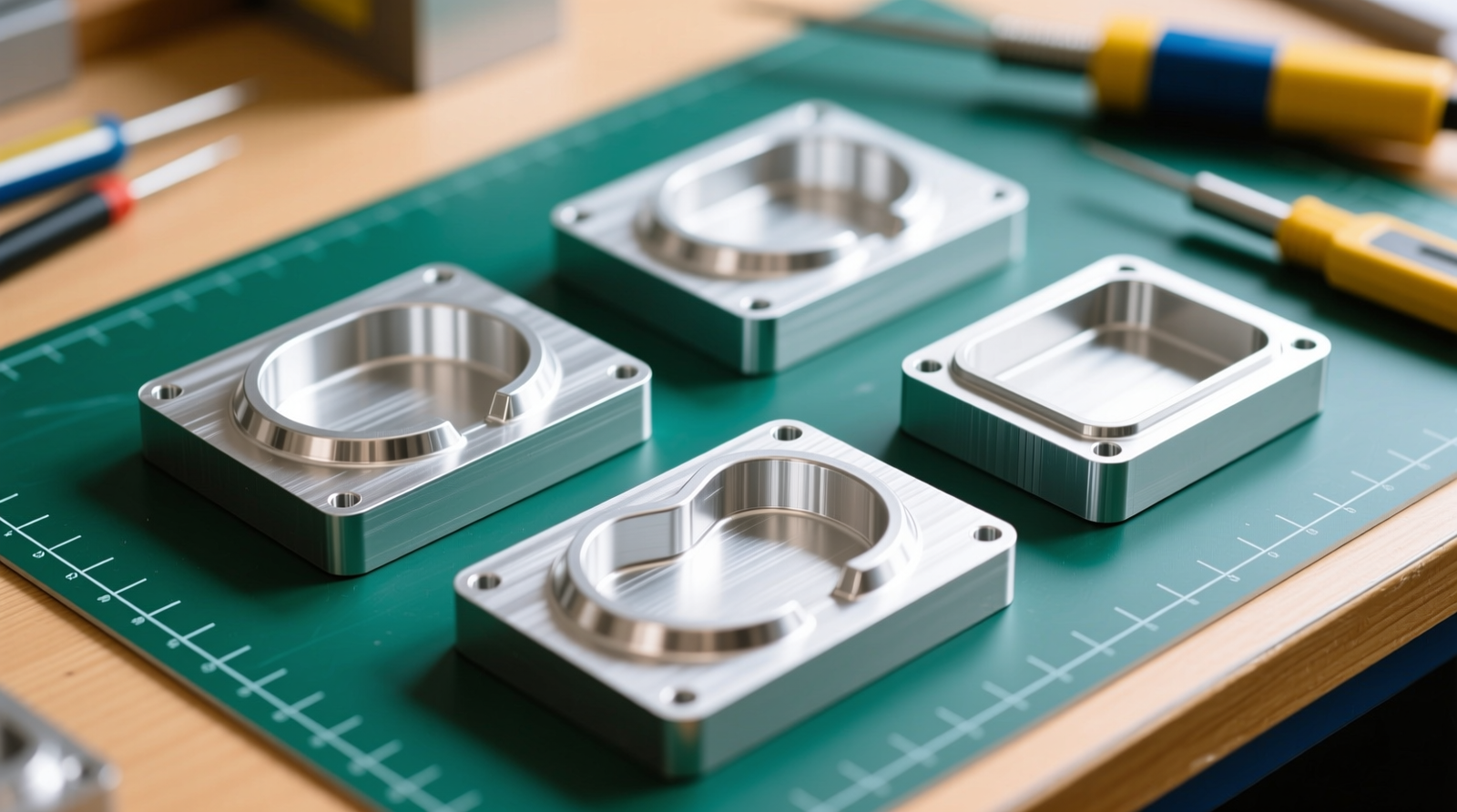
Ultrasim is BASF’s simulation toolset for predicting polymer and elastomer behavior in real applications (e.g., flow, warpage, crash, fatigue). It helps engineers compare designs and materials before physical prototyping.
- Material savings: In typical lightweighting programs, digital optimization can enable ~5–15% part weight reduction versus conservative baseline designs, depending on safety factors and load cases.
- Development speed: Many programs target reducing physical prototype iterations by 1–2 loops, saving weeks in development—especially valuable for India’s fast product refresh cycles.
- Compared to conventional “test-only” development: Simulation reduces the risk of discovering warpage, sink marks, or fatigue failures late in the program when tooling changes are expensive.
India use case (anonymized): A tier supplier for two-wheelers evaluated a plastic cover and mounting geometry under vibration and thermal cycling. Using simulation-led iterations, the team improved stiffness-to-weight and reduced local stress peaks at fastener points, targeting fewer warranty returns from cracking in high-heat summer usage.
TL;DR: Ultrasim supports “lighter and right-first-time” parts—often translating into ~5–15% mass reduction and fewer prototype loops versus test-only workflows.
Bio-Based Elastollan N (TPU): Durable Covers and Consumer Goods with Renewable Content
TPU (thermoplastic polyurethane) is a tough, flexible polymer used for abrasion-resistant, impact-resistant parts. Elastollan is BASF’s TPU family; Elastollan N refers to grades with renewable (bio-based) content.
At PlastIndia 2026, BASF will show bio-based mobile phone cover concepts using Elastollan N, targeting durability and aesthetics while reducing reliance on fossil feedstock.
- Compared to conventional PP (polypropylene) or PC (polycarbonate) covers: TPU can offer better drop/impact resilience and improved grip, but may come at a higher raw-material cost and requires attention to mold design and demolding.
- India use case (anonymized): A consumer-accessory converter in India evaluated TPU covers to reduce cracking complaints in high drop-rate environments (delivery riders, field technicians). TPU helped improve impact robustness and cosmetic retention over time.
TL;DR: Bio-based Elastollan N targets durable consumer products with renewable content—often improving impact resistance versus rigid plastics, with design/processing considerations for TPU molding.
Use: Higher Lifetime Value from Plastics in India’s Real Service Conditions
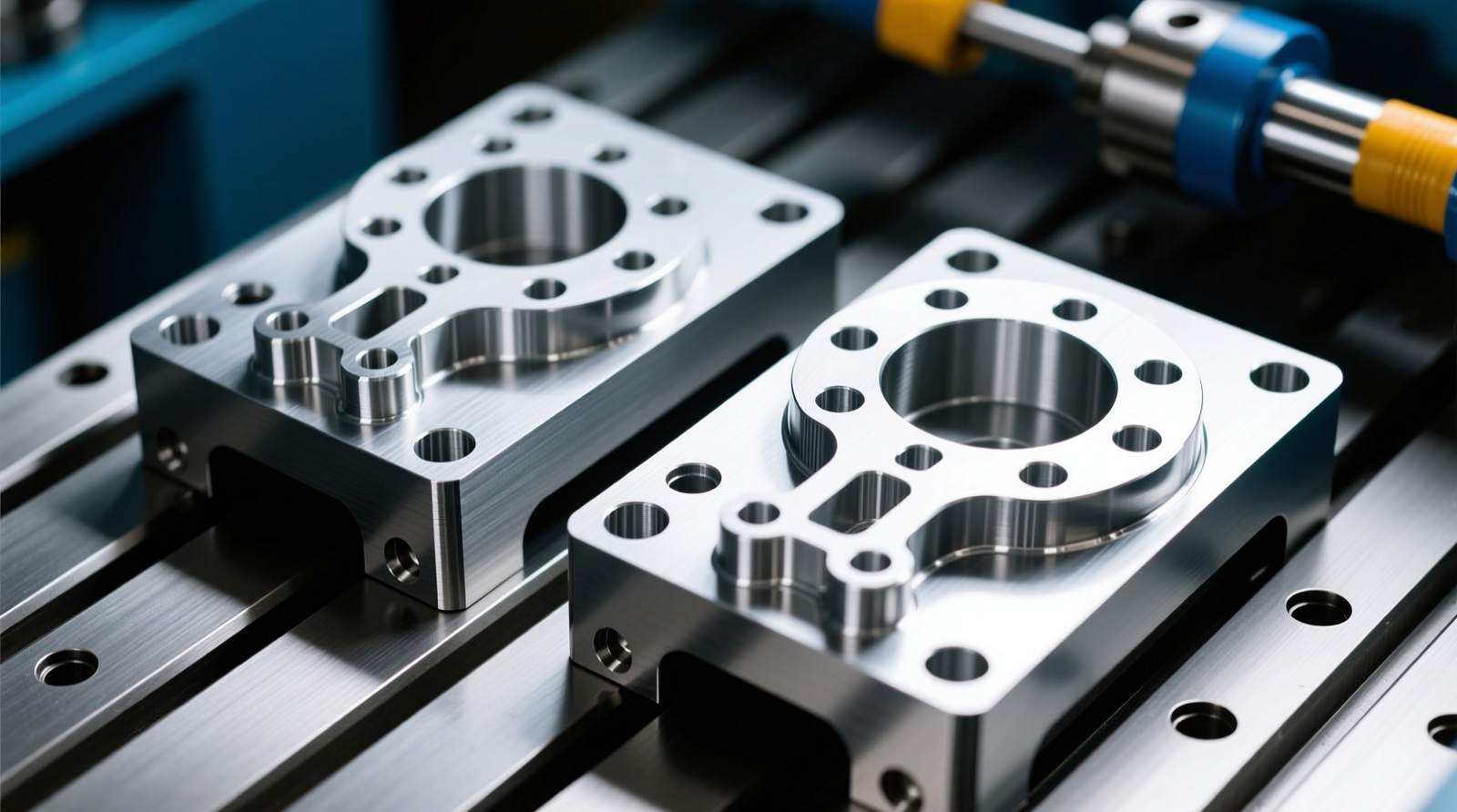
Use (lifecycle framing): In the Use phase, India-specific stressors—UV exposure, heat, humidity, dust, chemical contact, and variable power quality—make durability and stabilization critical. Extending service life directly reduces replacement demand and waste.
Automotive & eMobility: Heat, Safety, and Lightweighting Under Indian Duty Cycles
Pain point (India): EV and hybrid platforms face thermal loads, compact packaging, and safety requirements—while suppliers must control weight and cost. Components also experience harsh ambient temperatures and stop-go traffic duty cycles.
BASF mapping: Engineering plastics, adhesives, and thermal-management solutions can support battery packs, e-drive housings, and power electronics by balancing stiffness, electrical insulation, and heat resistance.
- Compared to metal housings: engineered plastics can reduce mass and integrate functions (clips, ducts, channels), though designs must be validated for creep, thermal aging, and flame-retardant performance where required.
- Standards note: EV and electrical components commonly reference IEC/ISO and OEM-specific requirements; for general electrical safety frameworks, see International Electrotechnical Commission (IEC).
India use case (anonymized): A supplier developing an EV auxiliary electronics housing explored polymer designs to reduce part count and improve sealing robustness in monsoon conditions. The program focused on dimensional stability and thermal cycling reliability compared to legacy multi-part designs.
TL;DR: For India’s EV growth, BASF emphasizes lightweight integration plus thermal/electrical robustness—often reducing part count versus metal assemblies but requiring careful validation for heat aging and safety requirements.
Medical & Healthcare: Elastollan TPU for Patient Comfort and Device Durability
Pain point (India): Hospitals and device makers need materials that combine flexibility, durability, and consistent quality—while managing sterilization methods and regulatory expectations.
Elastollan TPU in medical: Medical-grade TPU solutions are used for tubing, catheters, wound-care films, and wearable-device components where softness, tear strength, and transparency matter.
- Standards note: Medical polymer selection often considers biocompatibility testing under ISO 10993. Reference: ISO 10993 overview (ISO).
- India use case (anonymized): A medical consumables manufacturer evaluated TPU films for wound dressing structures to improve flexibility and handling, targeting longer shelf stability and reduced leakage risk compared to a baseline film construction.
Trade-off note: Medical applications may require controlled formulations, documentation, and change control—raising qualification time and cost compared to general-purpose grades.
TL;DR: Elastollan medical TPU targets flexible, durable devices and wound-care—often aligned with ISO 10993 expectations, with higher qualification rigor than general-purpose materials.
Comfort & Durable Goods: Recyclable TPU 3D Mesh Concepts
TPU-based 3D mesh structures (often produced via specialized extrusion/processing routes) can improve airflow and washability in comfort products.
Pain point: Conventional comfort constructions can be hard to clean and may combine materials that complicate recycling.
BASF mapping: A monomaterial-leaning TPU concept can simplify end-of-life options compared to multi-material foam/textile laminations—while maintaining resilience and comfort.
TL;DR: TPU 3D mesh concepts aim to improve hygiene and recyclability versus multi-material comfort builds.
Additives for Longer Service Life: Tinuvin NOR and Irgastab in India-Facing Applications
Additives (definition): Polymer additives are performance chemicals blended into plastics to improve resistance to UV light, heat, oxidation, and processing stress—often extending product life and reducing failure rates.
Business reality: Additives add cost per kg, but can lower total cost of ownership by extending replacement intervals, reducing downtime, and preventing premature cracking or embrittlement—especially in India’s high-UV and high-heat outdoor environments.
TL;DR: Additives are a “small % of formulation” lever that can deliver large gains in outdoor durability and lifecycle cost—important in Indian climate conditions.
Agricultural Films: Tinuvin NOR for Plasticulture Durability
Plasticulture (definition): Use of plastics in agriculture (e.g., mulching films, greenhouse covers, drip irrigation components) to improve yield and water efficiency.
Tinuvin NOR (definition): NOR stands for nitroxyl radical technology; Tinuvin NOR stabilizers help protect polymers against UV-driven degradation, including in demanding agricultural environments where agrochemicals may accelerate aging.
Pain point (India): Farmers and agri-film producers face film embrittlement and tearing from UV exposure, heat, and pesticide contact—driving frequent replacement and waste.
BASF mapping: Tinuvin NOR stabilization can extend the usable life of greenhouse and mulching films. In many outdoor polymer applications, stabilization can deliver ~25–50% longer service life compared to unstabilized or under-stabilized formulations (actual results depend on film thickness, resin type, and exposure conditions).
India use case (anonymized): A North Indian greenhouse-film converter optimized a stabilization package to reduce early brittleness complaints during peak summer UV. Field feedback targeted longer film integrity through the crop cycle, reducing mid-season replacement risk.
TL;DR: Tinuvin NOR helps agri-films last longer under UV/agrochemical stress—often enabling ~25–50% lifetime extension versus under-stabilized films, depending on conditions.
Floating Solar Pontoons: UV Stabilization for Multi-Decade Outdoor Life
Pain point (India): Floating solar is growing where land is constrained, but polymer pontoons face intense UV exposure, heat, and water contact that can accelerate aging and cracking.
BASF mapping: Tinuvin light stabilizers can help outdoor polymers retain mechanical properties longer. With appropriate material selection and stabilization, float systems can be designed for long lifetimes; many projects target 20–30+ years depending on design loads and exposure assumptions.
Authoritative context: For India’s renewable energy direction and targets, see the Ministry of New and Renewable Energy (MNRE).
TL;DR: UV stabilization is central to floating solar polymer durability—often aiming at 20–30+ year design lifetimes under harsh outdoor conditions.
Power Cables: Irgastab Cable KV 10 for Thermal-Oxidative Stability
Pain point (India): Grid expansion and industrial electrification increase demand for reliable MV (medium-voltage) and HV (high-voltage) cables. Thermal aging and oxidation can reduce insulation life, especially with higher operating temperatures.
Irgastab Cable KV 10 is an additive solution designed to improve thermal and oxidative stability of cable insulation compounds, supporting longer service life.
- Compared to less-protected insulation formulations: improved stabilization can reduce brittleness and property loss over time under heat exposure.
- Standards note (general): Cable systems are commonly designed and tested against IEC standards (requirements vary by voltage class and construction). Reference organization: IEC.
India use case (anonymized): A cable compounder supplying industrial projects evaluated improved stabilization to reduce variability in long-term heat-aging tests and target longer maintenance intervals for installed cables.
TL;DR: Irgastab Cable KV 10 targets longer-lasting MV/HV cable insulation by improving thermal-oxidative stability, supporting reliability goals as India expands electrification infrastructure.
Rotomolded (Rotationally Molded) Tanks: Irgastab for Processing Robustness and Outdoor Durability
Rotomolding (definition): Rotational molding is a process where polymer powder melts and coats the inside of a rotating mold, commonly used for hollow tanks.
Pain point (India): Water storage and chemical tanks are often used outdoors in high UV/heat. Process variability can also cause inconsistent wall thickness, pinholes, or early cracking.
BASF mapping: Irgastab stabilization and processing aids can support better processing robustness and durability, potentially reducing scrap and improving consistency.
- Compared to formulations with weaker stabilization: improved outdoor resistance can reduce chalking and embrittlement over time.
- Practical note: Rotomolding performance depends heavily on powder quality, cycle control, and design (corner radii, inserts). Additives help, but cannot compensate for severe process control issues.
TL;DR: Irgastab solutions can help rotomolded tanks last longer outdoors and improve process consistency—while good powder and cycle control remain essential.
Recycle: Circular Economy Plastics in India—Design, Upcycling, and Digital Detection Working Together
Recycle (lifecycle framing): In the Recycle phase, circularity improves when products are designed for recyclability, recycled materials are upgraded into higher-value uses, and sorting quality is improved to reduce contamination—critical for India where collection and segregation can be inconsistent.
How the pillars connect: Design for recyclability reduces mixed-material complexity, upcycling creates stronger end markets for recycled feedstocks, and digital identification improves sorting purity—together enabling a more functional circular system rather than isolated pilots.
TL;DR: Circularity works best as a system: design + end-market value + accurate sorting—especially important in India’s evolving recycling infrastructure.
TPU Concept Shoe: Design for Recycling and Lower-Emission Manufacturing Choices
The TPU Concept Shoe combines TPU-based components to improve material compatibility for mechanical recycling.
VOC (volatile organic compounds) definition: VOCs are organic chemicals that can evaporate at room temperature; some adhesive-based processes can contribute to VOC emissions.
By avoiding conventional adhesive-heavy constructions, the concept aims to reduce VOC-related concerns and simplify end-of-life material recovery.
SCF direct injection (definition): SCF (Supercritical Fluid) direct injection uses a supercritical gas (commonly CO2 or N2) to create microcellular foams during injection, enabling lightweight cushioning structures.
- Compared to conventional solid injection parts: SCF foaming can reduce part density; in many foamed polymer applications, designers target ~10–20% weight reduction depending on hardness and performance constraints.
- Trade-off note: Foamed structures may require tighter process control and can affect surface appearance—important for premium footwear aesthetics.
TL;DR: The TPU shoe concept emphasizes monomaterial compatibility and SCF lightweight cushioning—often targeting ~10–20% weight reduction versus solid parts, with processing/aesthetic trade-offs.
Upcycled Product Concepts: Building Demand for Recycled Engineering Plastics
Upcycling demonstrates how post-industrial and post-consumer plastics can be turned into durable, higher-value items rather than downcycled into low-performance products.
Pain point (India): Recyclers and converters need stable demand and better margins to justify investments in sorting, washing, and compounding.
BASF mapping: By showcasing high-quality upcycled concepts (e.g., consumer or lifestyle items made from recycled engineering plastics), BASF reinforces the business case for higher-grade recycled streams.
TL;DR: Upcycling helps create stronger markets for recycled plastics—supporting investment in better recycling quality and capacity in India.
trinamiX PAL Two: On-Site Identification to Improve Sorting Quality
trinamiX (a BASF subsidiary) will demonstrate PAL Two, a portable system for identifying plastics and textiles.
NIR spectrometer (definition): NIR (near-infrared) spectroscopy analyzes how materials reflect/absorb near-infrared light, enabling rapid polymer identification.
- Handheld NIR device + mobile app + cloud analytics for classification
- Identification of 25+ plastic types (including selected compostables) to reduce sorting errors
- Compared to manual sorting: better accuracy can reduce contamination, improving recycled pellet quality and value
India use case (anonymized): A materials recovery facility (MRF) operator exploring higher-value recycling streams assessed handheld identification to reduce cross-contamination between visually similar polymers—an issue that can lead to brittle recycled compounds and rejected lots.
TL;DR: trinamiX PAL Two supports cleaner recycling streams by improving on-site polymer identification—helping reduce contamination versus manual sorting.
Conclusion
For PlastIndia 2026, BASF links “Bharat Next” to practical, India-relevant outcomes across the lifecycle: lighter and more manufacturable parts in Make, longer-lasting products in Use, and better circularity enablers in Recycle. The emphasis is on solutions that work under Indian climate, infrastructure, and regulatory realities—especially EPR-driven accountability and the push to reduce plastic waste leakage.
For additional context on circular economy principles that underpin many recycling initiatives globally, see the Ellen MacArthur Foundation’s circular economy overview.
TL;DR: BASF’s PlastIndia 2026 approach is lifecycle-based—optimize designs, extend service life, and improve recycling quality to support sustainable plastics solutions for India under EPR and circular economy expectations.
FAQ
Q: How do BASF’s PlastIndia 2026 solutions help companies comply with EPR in India?
A: EPR (Extended Producer Responsibility) increases pressure to design packaging and products that are easier to collect, sort, and recycle. BASF’s approach supports this through (1) design tools like Ultrasim to reduce material use and avoid complex assemblies, (2) additives like Tinuvin NOR and Irgastab that extend service life and reduce premature waste, and (3) sorting support such as trinamiX PAL Two to improve identification and reduce contamination in recycling streams. For regulatory direction, companies should reference CPCB/MoEFCC updates and applicable state enforcement.
Q: What is Tinuvin NOR, and what temperature/UV conditions is it typically used for in India?
A: Tinuvin NOR is a nitroxyl-radical-based light-stabilizer technology used to protect polymers from UV-driven degradation, particularly in outdoor applications like agricultural films. It is typically selected for harsh outdoor exposure and can help retain properties under high-UV, high-heat conditions common in many Indian regions. Final selection depends on polymer type, film thickness, agrochemical exposure, and target lifetime.
Q: How does Irgastab Cable KV 10 relate to cable standards used in India?
A: Irgastab Cable KV 10 is designed to improve thermal-oxidative stability of cable insulation compounds, supporting longer life under heat exposure. Cable qualification typically references IEC frameworks and customer/OEM specifications depending on voltage class and construction. Additives are one lever among many (compound formulation, cleanliness, processing control, and testing protocols) to meet required electrical and aging performance.
Q: Can Elastollan TPU be used on existing injection molding or extrusion lines in India?
A: In many cases, yes—TPU (thermoplastic polyurethane) can be processed on standard injection molding and extrusion equipment, but it often requires attention to drying, melt temperature settings, and tooling design because TPU is sensitive to moisture and can behave differently than PP/PE. Converters should validate shrinkage, demolding, and surface requirements and consider that some TPU grades may have different cycle times and cost structures versus commodity plastics.
Q: How can visitors engage with BASF at PlastIndia 2026 for technical consultations or live demonstrations?
A: Visitors can typically engage via scheduled meetings with BASF technical teams at the BASF booth and request discussions on simulation-driven lightweighting (Ultrasim), additive selection (Tinuvin NOR, Irgastab), TPU application development (Elastollan), or recycling identification tools (trinamiX PAL Two). For the most accurate booth location, demo schedules, and appointment options, use the official PlastIndia 2026 exhibitor listings and BASF’s event communications closer to the show dates.