Introduction: Circular Manufacturing for Islands Using Recycled Plastic Injection Molding
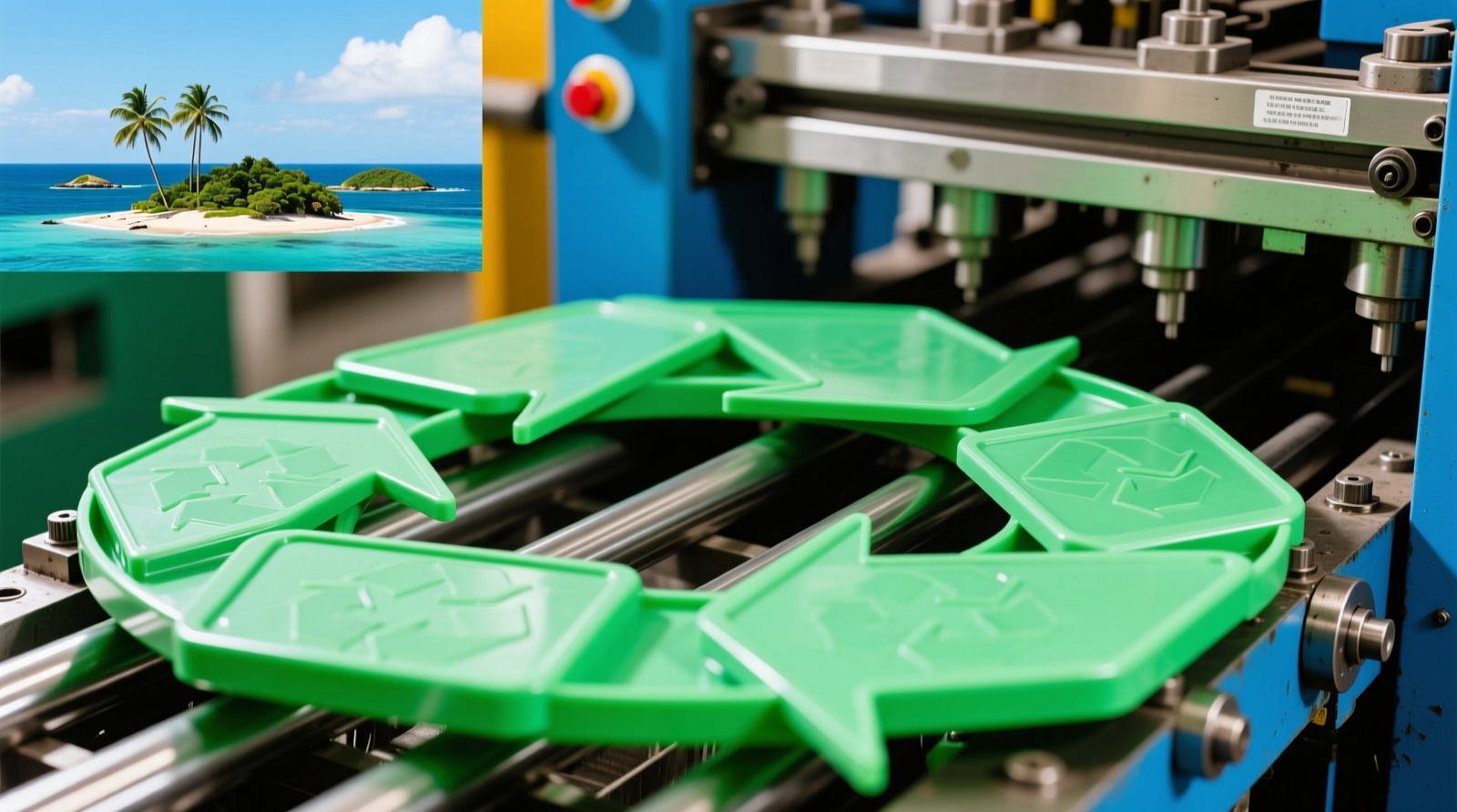
Limpi is a Curaçao-based example of small-scale plastic recycling and circular manufacturing for islands: collected plastic waste is sorted by polymer type, cleaned, shredded, remelted, and converted into products using recycled plastic injection molding and compression/casting methods. What makes the operation notable for manufacturing and process engineers is the integrated workflow—CAD (computer-aided design) + CAM (computer-aided manufacturing) + CNC (computer numerical control) machining—used to iterate CNC machined aluminum molds quickly and run short-to-medium production batches reliably.
Plastic pollution is also a measurable global issue. The UN Environment Programme and the OECD both document the scale of plastic leakage and the need for circular economy interventions—particularly in regions with constrained waste infrastructure, such as islands.
TL;DR: This case study explains how Limpi combines polymer sorting, melt processing, CNC tooling, and injection molding to build an island-ready, closed-loop product design workflow in Curaçao.
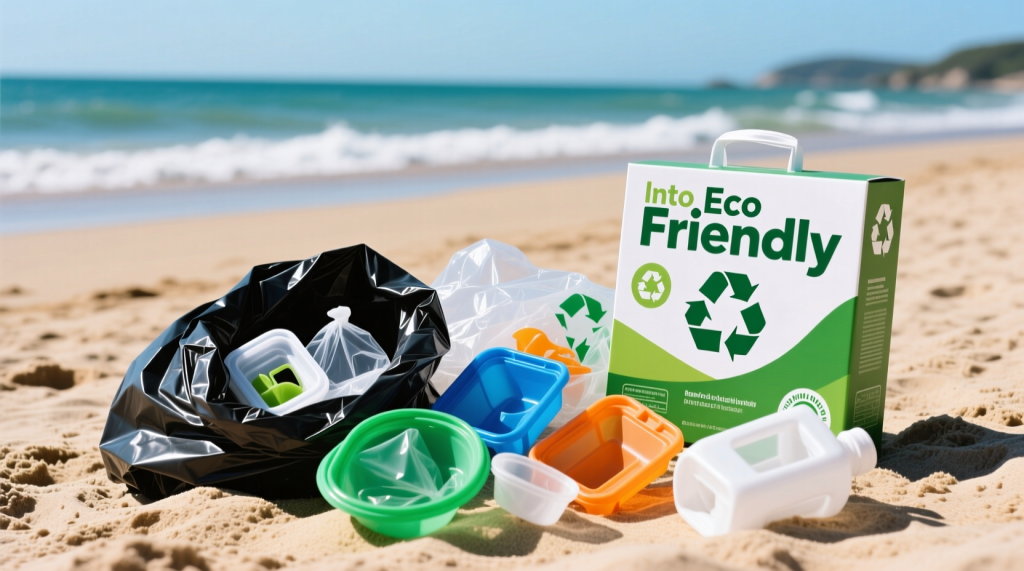
From Beach Plastic to Closed-Loop Product Design
When product designers Mitchell Lammering and Debrah Nijdam returned to Curaçao after studying in the Netherlands, they saw a persistent island waste management problem: mixed plastic streams on beaches and in public spaces with limited local end-markets.
Rather than treating it as an awareness campaign only, Limpi approached plastic as feedstock. That required building a practical processing chain that could tolerate variability while still producing consistent parts—an especially hard constraint when your inputs include sun-degraded, saltwater-exposed plastics.
Limpi’s early approach—collecting motors, steel, and components locally—aligns with the broader maker ecosystem inspired by Precious Plastic (open-source recycling machine designs and community know-how). Limpi then adapted and engineered equipment for local conditions and higher repeatability.
TL;DR: Limpi framed beach plastic as a manufacturing input and built a closed-loop product design workflow around local collection constraints and variable feedstock.
Material Types Processed (HDPE, PP, PET) and How Limpi Handles Polymer Sorting
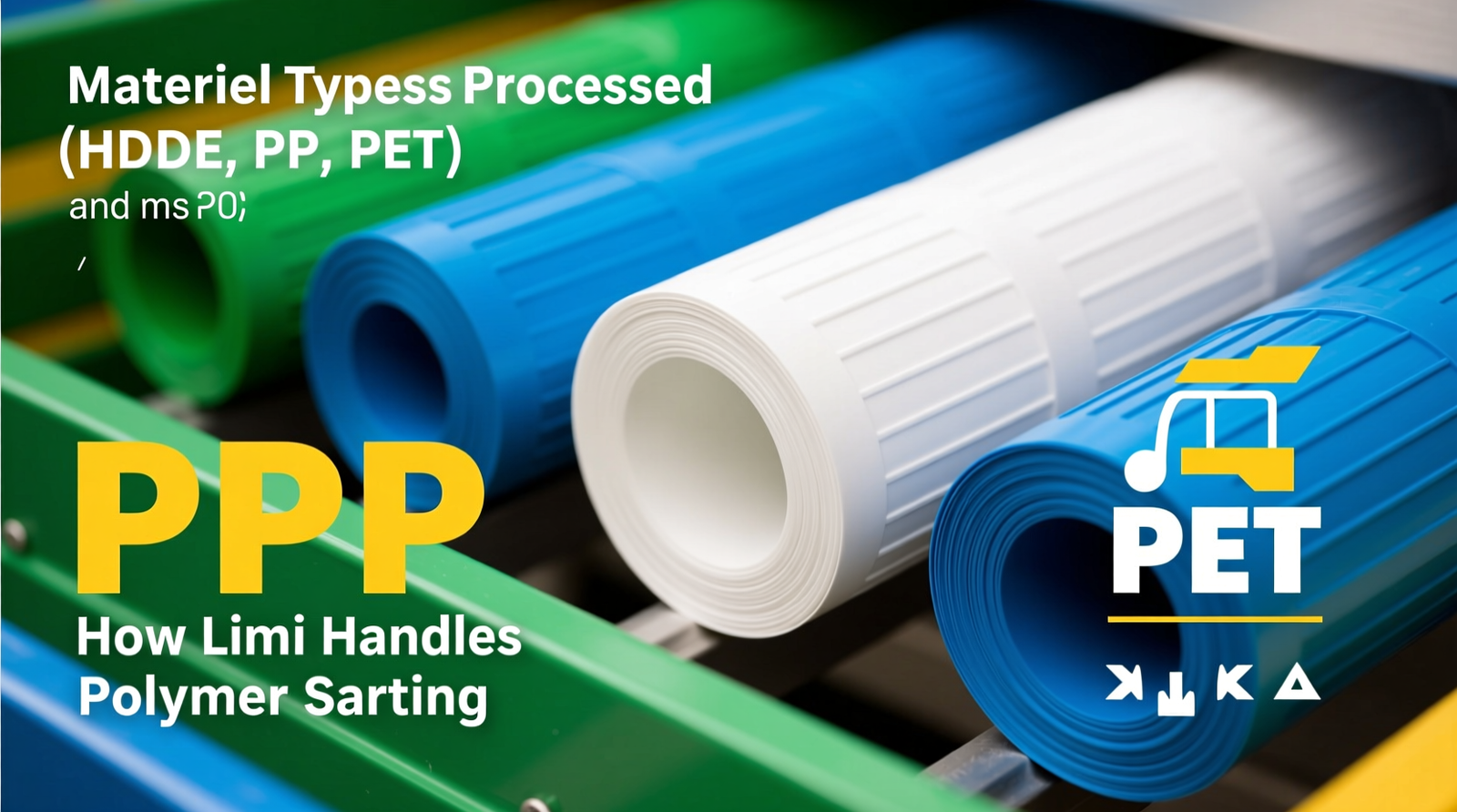
For consistent molding and mechanical performance, Limpi sorts plastics by polymer (plastic type). The most common target materials in community recycling streams are:
- HDPE (high-density polyethylene): often from bottle caps, detergent bottles, crates. Benefits: tough, forgiving in processing. Challenges: shrinkage/warpage control, and surface cosmetics can vary with contamination.
- PP (polypropylene): often from caps, food containers, hinges. Benefits: good fatigue resistance. Challenges: can be more sensitive to oxidation if overheated; mixed grades may cause inconsistent flow and weld lines.
- PET (polyethylene terephthalate): typically beverage bottles. Benefits: strong, widely available. Challenges: requires drying before melt processing; can degrade (hydrolysis) if processed wet, leading to brittleness. PET is also less forgiving for simple “garage-style” melt workflows than HDPE/PP.
Sorting approach (high-level): Limpi relies on a combination of resin identification codes (RIC #2 HDPE, #5 PP, #1 PET), visual/feel checks, and controlled “known streams” from partners. For higher quality parts, they avoid mixing polymers in a single batch—because even small percentages of an incompatible polymer can cause delamination, poor weld strength, and unstable shrink behavior.
Contamination reality: Beach plastic can contain sand, salt, organics, labels, and UV-embrittled fragments. That drives two decisions: (1) invest time in washing/drying and (2) select product designs that tolerate recycled aesthetics (speckle, color variation) without compromising function.
For general polymer compatibility and recycling constraints, the Plastics Industry Association and materials guidance from sources like Encyclopaedia Britannica (polyethylene overview) can be useful references when educating non-specialists on why mixing plastics is problematic.
TL;DR: Limpi prioritizes HDPE and PP for molded products, treats PET with extra process controls (especially drying), and avoids polymer mixing to protect flow, strength, and quality.
Step-by-Step Process: Collection → Sorting → Cleaning → Shredding → Melt Processing → Molding → Finishing → QC
- Collection: beach cleanups plus partner collection points (hospitality, schools, community bins).
- Sorting: separate by polymer (HDPE/PP/PET) and remove obvious contaminants (metal, paper, heavily degraded pieces).
- Cleaning: wash to remove sand/salt/organics; remove labels when feasible. Drying is critical—especially for PET.
- Shredding/granulation: convert to flakes suitable for consistent melting; screen out fines/dust when possible.
- Melt processing: melt in an extruder/injection barrel; filter/screen if the setup allows to reduce particulates.
- Molding: injection molding for repeatable parts; compression/casting for thicker items or lower-pressure processes.
- Finishing: trimming gates/sprues, deburring, sanding, and occasional polishing for display-grade parts.
- Quality control (QC): check fill completeness, sink/voids, warpage, critical dimensions, and cosmetic consistency by batch.
Limitations to plan around: maximum part size is constrained by shot volume and clamp force; color control is inherently variable with recycled inputs; mixed or UV-degraded plastics can reduce impact strength and increase brittleness, affecting outdoor suitability.
TL;DR: The process is a classic recycling-to-manufacturing chain, but the main engineering constraints are polymer separation, dryness/contamination control, and size limits tied to machine tonnage and shot capacity.
Early Prototyping: Simple Aluminum Molds and What They Taught
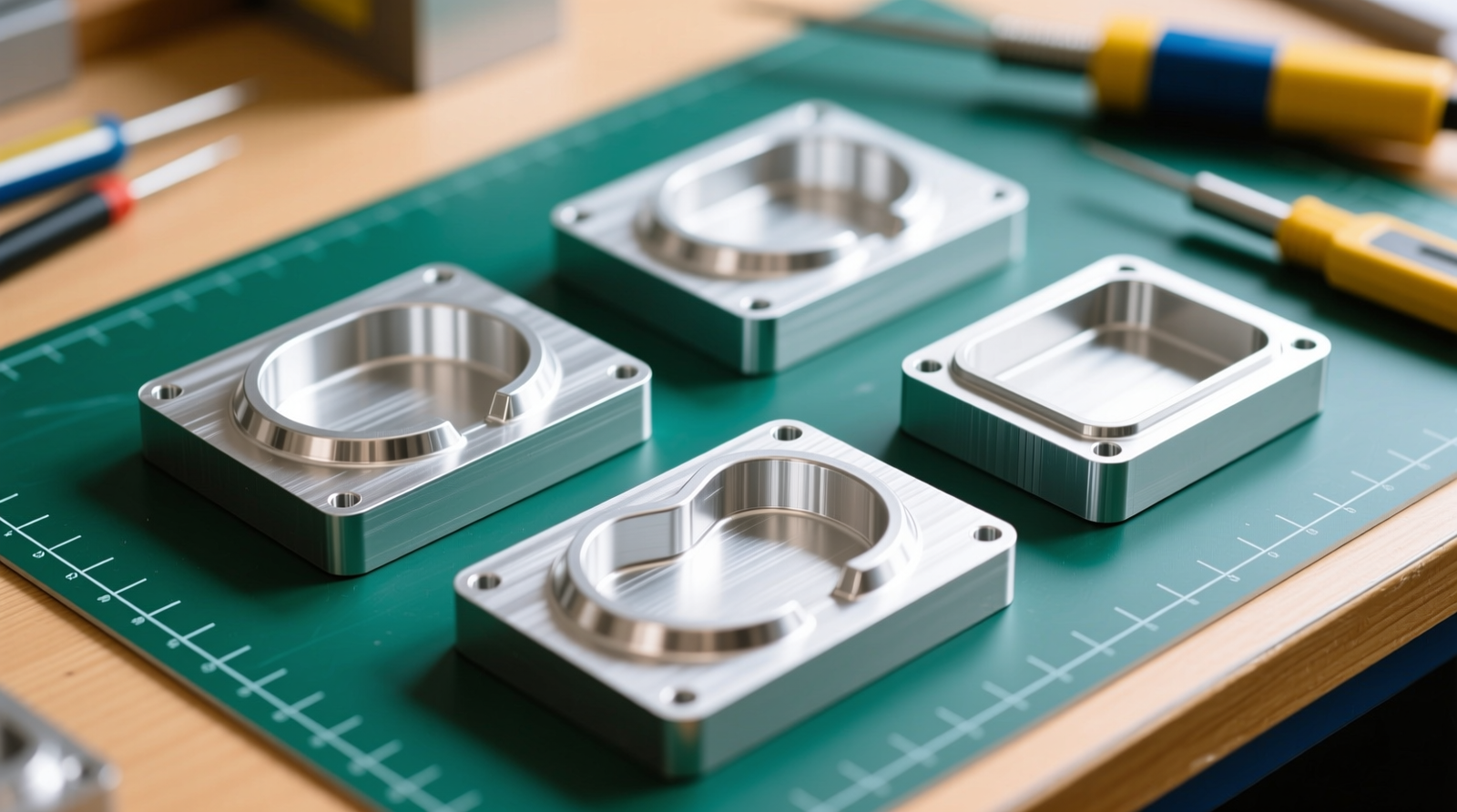
Limpi’s first molds were basic aluminum blocks made with hand tools. That approach was enough to prove feasibility with low tooling cost, but it also exposed typical early-stage failure points:
- Gating mistakes: gates too small can freeze off; gates too large increase trimming time and cosmetic defects.
- Insufficient venting: trapped air causes short shots (incomplete fill) and burn marks.
- No draft angles: draft (a slight taper) is required for reliable part ejection without scuffing.
- Wall thickness swings: uneven thickness creates sink and warpage, especially in HDPE and PP.
Those lessons drove the shift toward engineered molds, better repeatability, and more predictable product quality—important for B2B orders where every part must match customer expectations.
TL;DR: Simple tooling proved the concept, but gating, venting, draft, and wall thickness had to be engineered to reach repeatable B2B-quality output.
CAD/CAM and Design-for-Manufacture (DFM) for Recycled Plastics
Limpi moved from basic methods to a professional CAD/CAM workflow (Autodesk Fusion is the tool cited by the team). The key point for engineers is not the brand—it’s the single-source-of-truth workflow: design geometry, revise based on trial parts, generate toolpaths, machine the mold, and close the loop quickly.
DFM (design for manufacture) is especially important with recycled polymers because melt flow and shrink can vary more than with virgin resin. Limpi’s mold iterations focused on:
- Draft angles: commonly ~1–3° on textured surfaces to support clean ejection.
- Fillets/radii: reduce stress concentration and improve flow.
- Venting: micro-vents at parting lines to reduce short shots.
- Wall thickness: targeted uniformity to reduce sink/warp; thicker parts may be better suited to compression molding.
- Alignment features: dowel pins/keys for multi-part molds to protect tolerances.
Typical tolerance targets (small-shop recycled molding): for decorative and utility goods, practical targets are often in the ±0.2 to ±0.5 mm range depending on part size, polymer, and mold temperature stability. Tight tolerances are possible, but they require stable feedstock, robust tooling, and controlled processing windows.
TL;DR: Fast CAD/CAM iteration plus DFM fundamentals (draft, venting, uniform walls, alignment) is what enables consistent parts from variable recycled plastics.
CNC Machined Aluminum Molds: Machine Specs and Tooling Considerations
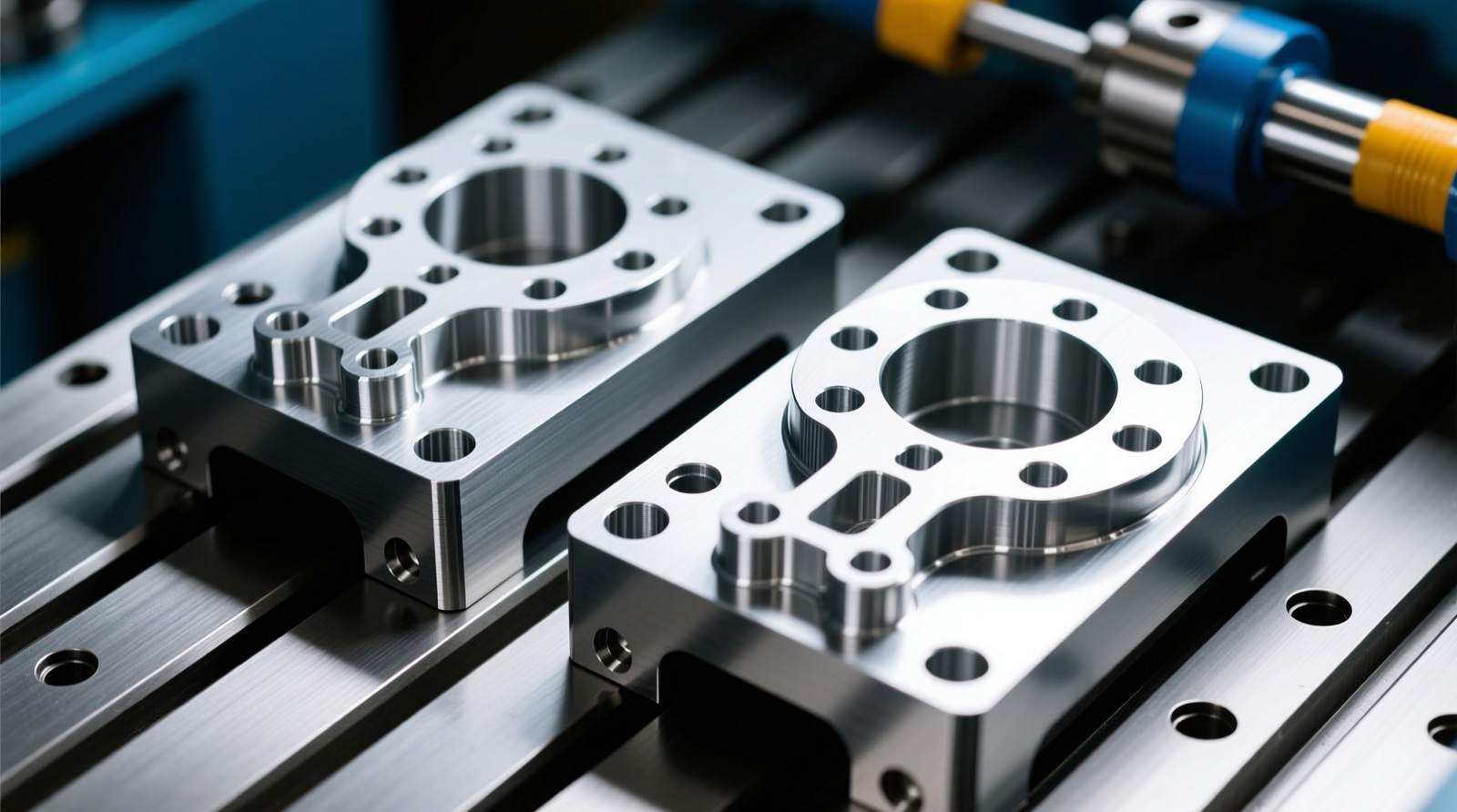
Limpi machines aluminum molds in-house. For engineers evaluating feasibility, the practical considerations for CNC machined aluminum molds include:
- CNC machine type: a 3-axis CNC mill is sufficient for many plates, cavities, and inserts; 4th-axis capability improves efficiency for multi-sided features.
- Spindle power (typical range): many small industrial CNC mills run ~2–7.5 kW spindles; higher power supports larger tools and faster roughing, but aluminum can be machined effectively with moderate power and correct chip evacuation.
- Aluminum tooling materials: common mold aluminums include 6061-T6 for prototypes and 7075 or dedicated mold aluminums for longer life. Aluminum molds machine quickly but can wear faster than steel under abrasive recycled feedstock.
- Tooling: carbide end mills, attention to chip evacuation, and conservative finishing passes for better surface quality. Textures can help hide recycled color variation and minor swirl marks.
- Mold life considerations: contamination (sand, glass fines) can accelerate cavity wear; screening/filtration upstream extends mold life.
If you want an external reference for aluminum machining fundamentals and feeds/speeds concepts, see Sandvik Coromant milling knowledge (general machining guidance).
TL;DR: A capable 3-axis CNC mill and appropriate aluminum grades can produce fast-turn molds, but recycled feedstock cleanliness strongly affects mold wear and surface finish.
From Manual Injection to Hydraulic Injection: Parameters, Cycle Time, and Consistency
Limpi initially used a manual injection setup for small parts. Manual injection can work for prototyping, but it typically limits throughput and repeatability because injection pressure and speed vary operator-to-operator.
After completing an order of 2,500 manually injected keychains, Limpi designed a custom hydraulic injection machine using a CAD/CAM workflow. For process engineers, the value is straightforward: hydraulic force provides more stable pressure and more repeatable fills, especially when working with recycled HDPE/PP that may have variable melt flow.
High-level machine specification targets (typical for small hydraulic injection setups):
- Clamp force (tonnage): small-format molded items are often feasible in the ~10–50 ton range depending on projected area and injection pressure.
- Screw/plunger diameter: commonly ~20–40 mm for small shot sizes; chosen to match required shot volume and recovery time.
- Barrel temperature (typical ranges): HDPE ~170–220°C; PP ~180–240°C; PET often ~250–280°C and requires drying control to avoid degradation. Actual setpoints depend on grade, contamination, and part geometry.
- Cycle time (typical ranges): small parts may run ~30–120 seconds depending on cooling and part thickness; recycled polymers often need conservative settings to prevent burn, flash, and warpage.
Before/after operational impact (typical outcomes when switching to hydraulic): cycle time becomes predictable, labor intensity drops sharply, and defect rates (short shots, inconsistent fill) generally decrease because pressure/shot control is repeatable.
TL;DR: Moving from manual to hydraulic injection improves repeatability and reduces labor fatigue; stable pressure and temperature control are especially important with recycled polymer variability.
Island Waste Management and the Circular Economy: Visible, Public-Facing Production
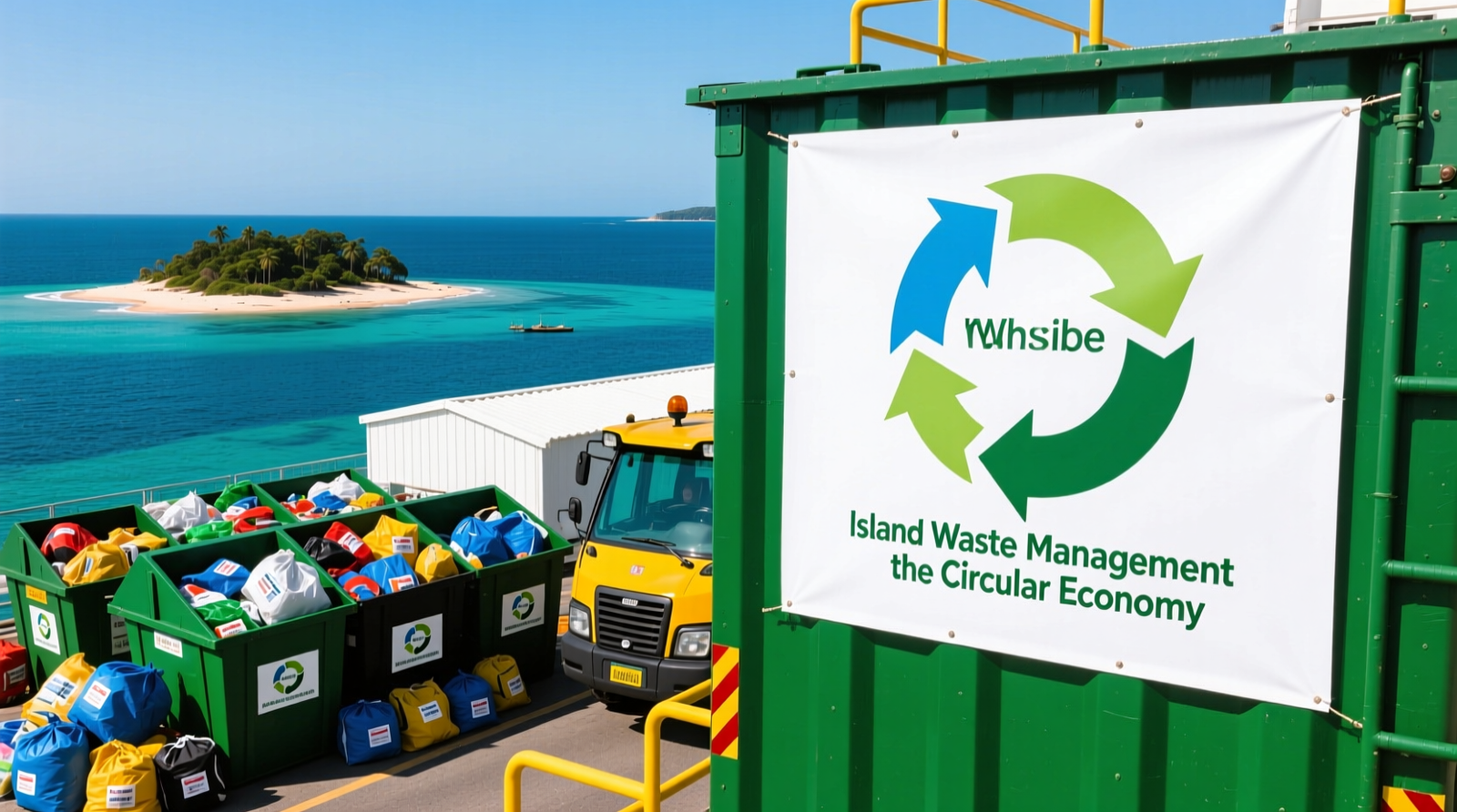
Limpi operates in a 500 m² facility inside Curaçao’s Sambil Mall, turning manufacturing into a public demonstration of the circular economy (keeping materials in use through reuse, recycling, and remanufacturing). For island waste management, visibility matters: it builds trust in recycling outcomes and helps stabilize supply by motivating sorting behavior.
Visitors can observe the end-to-end process—sorting, cleaning, shredding, melt processing, molding, finishing, and QC—making the “what happens after collection” story concrete rather than abstract.
TL;DR: A public-facing micro-factory supports circular economy adoption by showing the full recycling-to-product chain and improving community participation in sorting and collection.
Production Throughput and Quantitative Impact (What to Track and Why)
For industrial credibility, recycling operations should track throughput and quality metrics consistently. Limpi already cites quantified program outcomes (e.g., Future Goals), and the same approach applies across product lines. The most decision-useful metrics include:
- Monthly throughput: kg/month of incoming plastic collected vs. kg/month of molded product shipped.
- Yield and scrap rate: % rejected due to contamination, short shots, warpage, or cosmetic defects.
- Batch traceability: polymer type, source stream (beach vs partner), processing conditions, and defect notes.
Practical benchmark ranges for small recycling operations: many micro-recycling shops operate at tens to hundreds of kilograms per week initially, scaling toward multiple tons/month as collection networks and machine uptime improve. Actual rates depend on sorting labor, dryer capacity (critical for PET), and mold/changeover time.
Recommendation: If Limpi publishes (or updates) verified numbers such as “total plastic diverted to date” and “% beach cleanup vs partner collection,” those figures will strengthen procurement confidence for hotels and corporate clients and improve ESG reporting alignment.
TL;DR: Track kg in/kg out, scrap %, and traceability by polymer and source stream; publishing verified totals and source percentages strengthens B2B credibility.
Hospitality Applications: Recycled Plastic Art and Short-Run Manufacturing

For hotels, Limpi produces décor and functional items that align with sustainability commitments while remaining locally made. One cited example is Marriott Curaçao ordering 400+ wall-art pieces featuring marine themes.
Operationally, this is a short-run manufacturing model: rapid design approvals, prototype validation (often via 3D printing), CNC machining of aluminum tooling, then repeatable molding/casting runs.
Lead times: With integrated CAD/CAM and in-house CNC, mold iteration cycles can drop from weeks to days—especially for simpler single-cavity tools and non-cosmetic-critical parts.
TL;DR: Hospitality orders are well-suited to short-run recycled plastic manufacturing—fast prototyping, quick aluminum tooling, and controlled batches with traceable local feedstock.
Future Goals Program: Measured Outputs and Regional Replication
Limpi participates in the Future Goals program with the Sandals Foundation and Ajax Football Club, converting recycled plastic into soccer goals and school equipment across the Caribbean. Limpi reports that the program recycled ~6,500 lb (≈2,950 kg) of plastic (around 1.5 million bottle caps) and produced 70+ goalposts for schools.
For replication, this program demonstrates a practical model: a defined product (goal components), a predictable polymer stream (caps are frequently HDPE/PP), and strong partners for collection and distribution.
TL;DR: Future Goals validates repeatable, partner-backed circular manufacturing with measurable outputs (≈2,950 kg recycled; 70+ goalposts) and a replicable playbook for other islands.
Common Challenges and Failure Points (and How Small Plants Resolve Them)

Small-scale recycling and recycled plastic injection molding frequently fail for reasons unrelated to “recycling intent.” Typical failure points Limpi-like operations must engineer around include:
- Inconsistent feedstock: mixing HDPE/PP/PET or unknown plastics causes unstable flow and weak parts. Solution: stricter sorting, “known-source” partner streams, and conservative product specs.
- Moisture (especially PET): wet PET degrades in the barrel, causing brittle parts and fumes. Solution: dedicated drying and moisture discipline.
- Contamination wear: sand/glass fines wear screws and cavities. Solution: better washing, screening, and preventive maintenance schedules.
- Mold design errors: inadequate venting, no draft, or poorly placed gates cause scrap. Solution: iterate with test shots, document revisions, and standardize DFM checklists.
- Maintenance and uptime: small operations live or die by uptime. Solution: spare heaters/sensors, planned downtime, and simple, modular machine designs.
TL;DR: The biggest risks are feedstock inconsistency, moisture control, contamination wear, and mold design errors—solved through disciplined sorting, drying, screening, DFM checklists, and preventive maintenance.
Key Lessons for Small Recycling Operations (Actionable Takeaways)
- Start with a stable polymer stream: bottle caps and known HDPE/PP sources typically give faster success than mixed beach fragments.
- Use integrated CAD/CAM to shorten iteration cycles: faster tooling changes reduce scrap and make custom B2B projects viable.
- Standardize DFM rules for recycled polymers: draft, venting, and uniform walls should be non-negotiable.
- Design for variability: embrace speckle and color variation in product aesthetics; reserve “tight cosmetic” products for controlled streams.
- Keep production visible (where appropriate): transparency improves community sorting behavior and strengthens partner relationships.
Replication guidance (rough tiers):
- Space: ~50–150 m² for a starter workshop; ~200–600 m² for separated zones (dirty sorting/wash vs clean molding/QC).
- Team skills: at minimum: a process tech/operator, a mechanic/electrician for uptime, and a CAD/CAM + CNC-capable maker for tooling.
- Starting budget: rough ranges often fall into €10k–€50k (basic shredder + manual/low-pressure molding), €50k–€250k (hydraulic injection + CNC + washing/drying), and €250k+ (higher throughput, better filtration, multiple molds, redundancy).
TL;DR: Prioritize stable feedstock, rapid CAD/CAM iteration, disciplined DFM, and practical facility planning (space, skills, budget) to make small recycling operations reliable—not just inspirational.
FAQ

Q: What plastics does Limpi process, and why does polymer sorting matter?
A: Limpi focuses on common post-consumer polymers such as HDPE (high-density polyethylene) and PP (polypropylene), with PET (polyethylene terephthalate) requiring stricter drying and process control. Sorting matters because mixed polymers melt and shrink differently, which can cause weak parts, poor surface finish, and inconsistent molding results.
Q: What processing temperatures and cycle times are typical for recycled plastic injection molding in a small facility?
A: Many small recycled molding operations run HDPE roughly around 170–220°C and PP around 180–240°C, with cycles often in the 30–120 second range for small parts depending on thickness and cooling. PET generally runs hotter (often ~250–280°C) and must be dried to avoid degradation and brittleness.
Q: How durable are products made from recycled ocean or beach plastic—are they suitable outdoors?
A: Durability depends on polymer type, contamination level, and UV exposure history. HDPE and PP can be tough for everyday use, but beach plastics may be UV-degraded, which can reduce impact strength. Many items perform well indoors; for outdoor use, designs should allow for higher safety factors, and consistent “known-source” feedstock typically improves service life.
Q: For hotels or corporate clients, what are typical order sizes and how does pricing usually work?
A: Orders are often either standard products (lower unit cost, faster delivery) or custom-branded/custom-shaped items (higher cost due to design and tooling). Minimum order quantities (MOQs) commonly depend on mold type and setup time—small runs may be feasible, but per-unit pricing drops significantly as batch size increases (e.g., hundreds vs. thousands of parts).
Q: Can other islands or organizations replicate Limpi’s model—do they offer consulting, training, or technology licensing?
A: Replication is realistic if an island can secure a stable collection stream, basic sorting/cleaning capability, and a skilled team for maintenance and tooling. Organizations typically replicate through a mix of open-source references (e.g., Precious Plastic) plus local engineering and training. For Limpi-specific partnerships (consulting, training, or equipment replication), the practical next step is to contact Limpi directly to confirm what programs or collaborations are available.