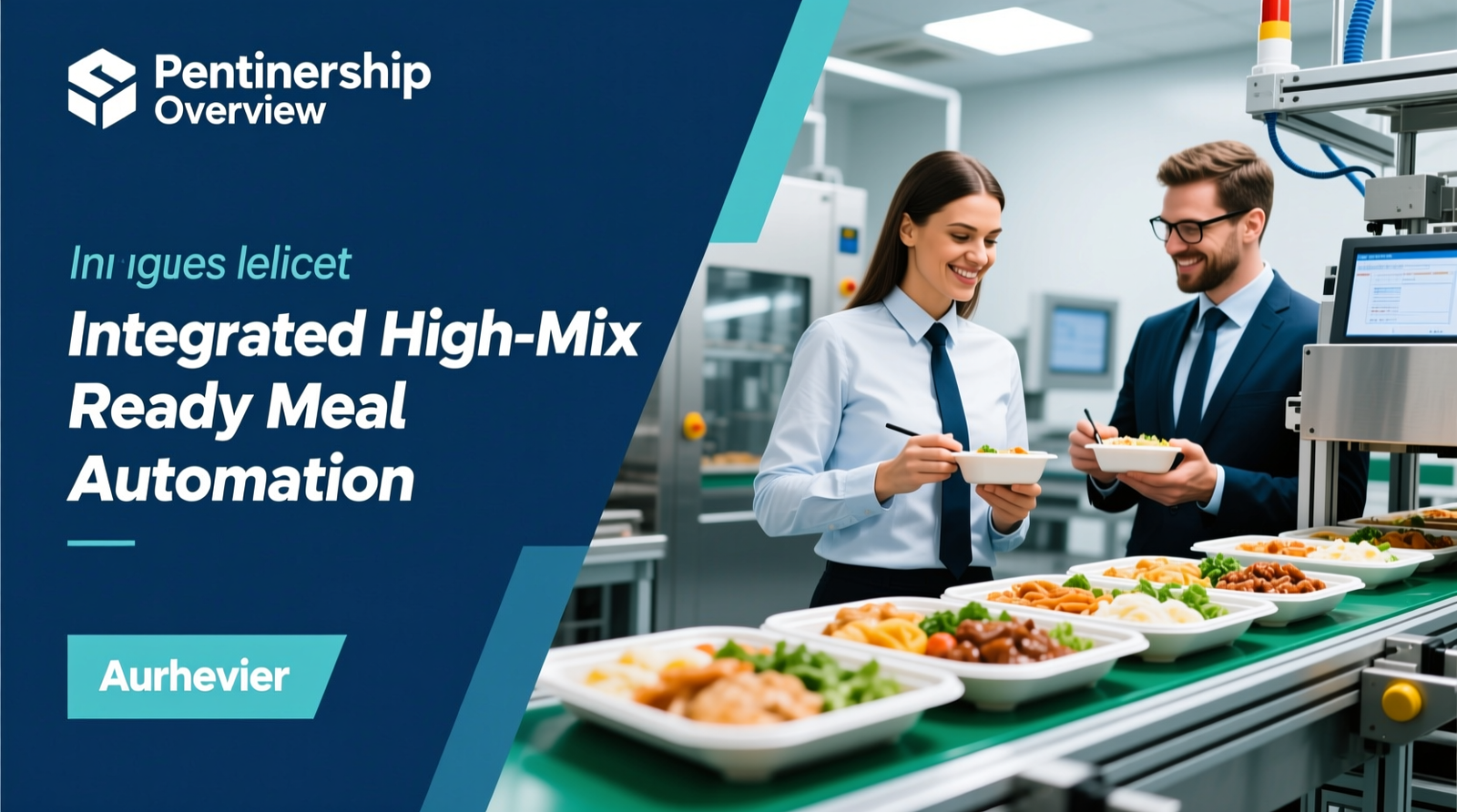
Partnership Overview: Integrated High-Mix Ready Meal Automation
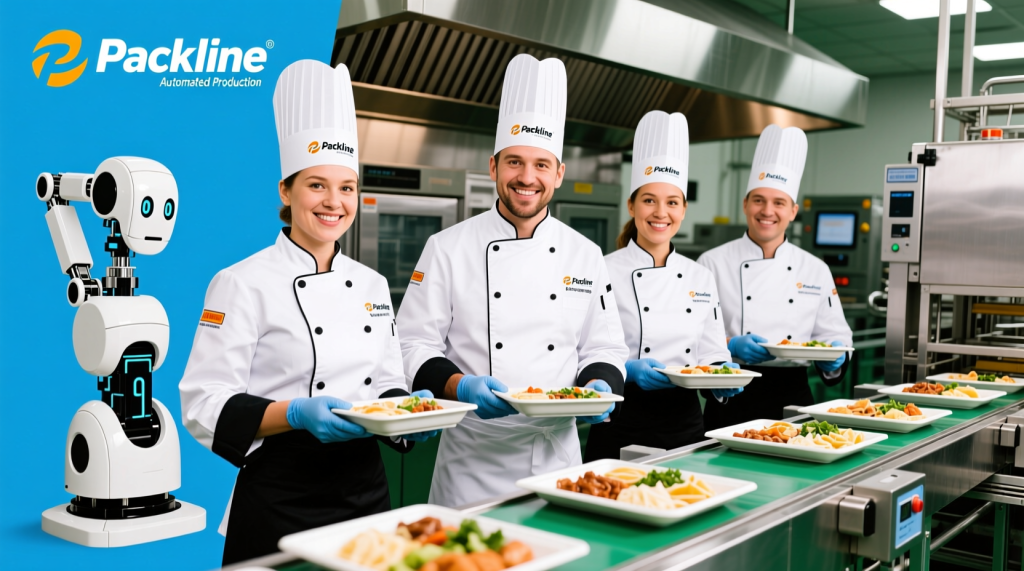
Chef Robotics and Packline Solutions Group have formed a strategic partnership to deliver end-to-end food packaging automation that connects AI-enabled robotic portioning and placement with industrial tray handling and sealing. The goal is a single, coordinated solution for high-mix ready meal automation—where dozens of SKUs, frequent changeovers, and strict hygiene requirements are the norm.
The combined system is designed for prepared foods, chilled ready meals, and other complex assembly applications where manufacturers need higher throughput, reduced labor dependency, and repeatable quality while meeting regulatory and retailer audit expectations (e.g., FDA/USDA-aligned food safety programs and GFSI-recognized schemes such as BRCGS).
TL;DR: This partnership combines AI food assembly robots with a robotic tray sealing line approach to help high-mix manufacturers automate assembly + sealing as one integrated line.
Challenges Facing High-Mix and Ready Meal Manufacturers
High-mix operations often run dozens of SKUs per day with variability across ingredients, portion weights, tray footprints, compartment geometries, and presentation requirements. This drives frequent changeovers and makes stable, high-speed operation difficult—especially when manual labor is the primary “flexibility mechanism.”
Traditional automation approaches—such as fixed depositors, mechanical change parts, or dedicated tooling—can be effective in high-volume/low-mix environments, but they typically struggle when changeovers occur multiple times per shift. Mechanical adjustments can also introduce setup variability that impacts yield and seal integrity downstream.
Manual assembly in cold rooms adds further constraints:
- Ergonomics: repetitive reaching, scooping, and twisting in low temperatures increases fatigue and repetitive strain risk (relevant to OSHA-aligned ergonomic best practices).
- Labor volatility: staffing and retention challenges can reduce schedule adherence and increase overtime.
- Quality drift: portion variability can increase “giveaway” (overfill) and rework.
- Food safety: more human touches can increase contamination risk and training burden.
After assembly, packaging adds its own complexity: tray de-nesting, conveyance control, seal integrity, and compatibility with lidding films and tray materials—all while meeting sanitation and audit requirements. Understanding packaging material performance and sealing windows is as important as the machine itself.
TL;DR: High SKU variability + frequent changeovers make manual labor and traditional fixed automation costly—driving downtime, quality variation, and packaging bottlenecks.
Benefits of Integrated Robotic Meal Assembly and Packaging
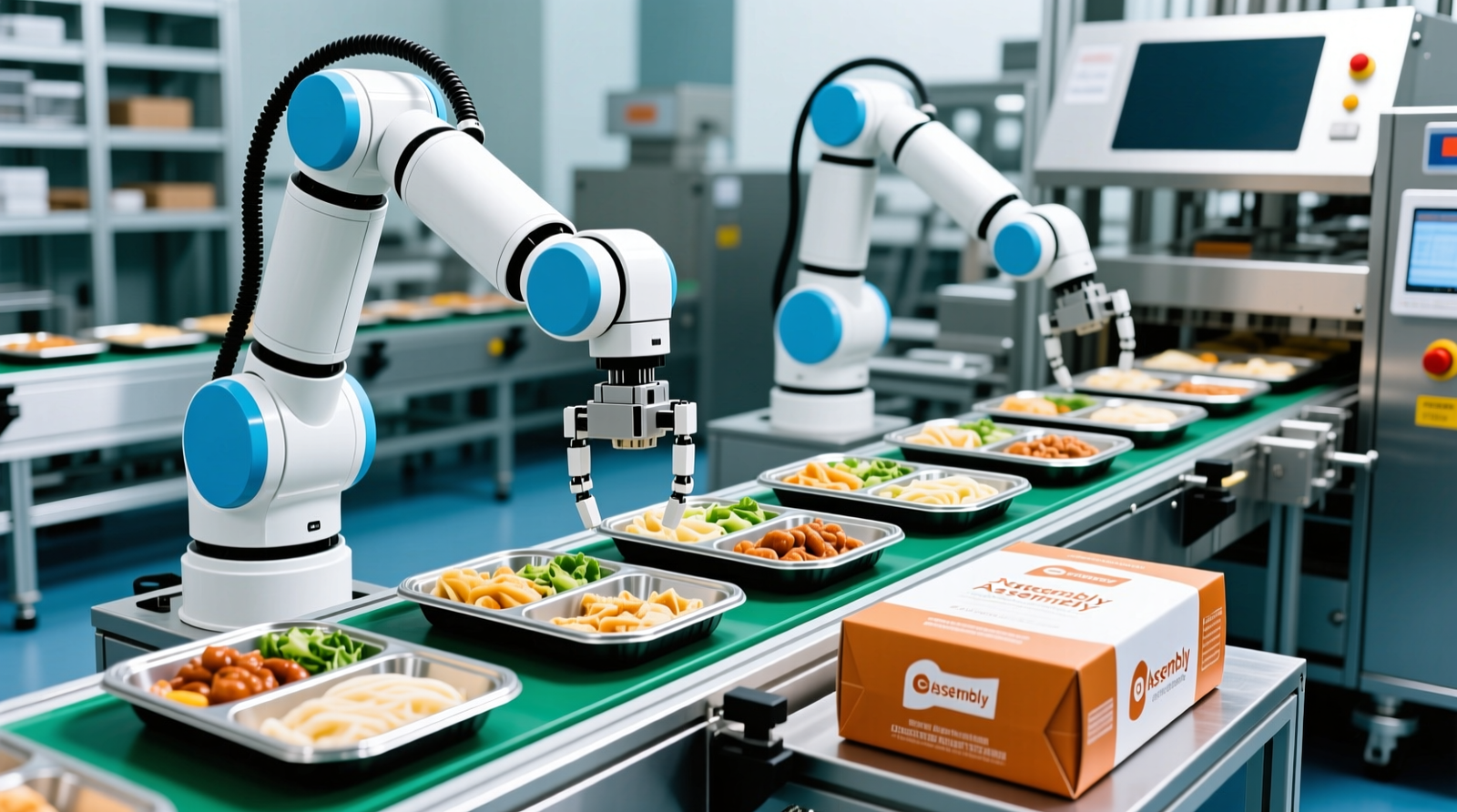
Integrating assembly robots with tray handling and sealing equipment is increasingly preferred over piecemeal automation because it reduces “handoff losses” between islands of equipment and enables consistent control strategies from tray infeed through sealed output.
For engineering and operations teams evaluating ROI, typical benefit categories include:
- Efficiency/OEE: improved OEE (Overall Equipment Effectiveness—availability × performance × quality) by reducing micro-stops, manual interventions, and changeover downtime.
- Uptime: higher sustained uptime through coordinated fault handling, buffering logic, and standardized sanitation procedures.
- Yield: reduced spillage and portion “giveaway” through repeatable robotic placement and portion control—often yielding measurable reductions in ingredient overuse.
- Quality + shelf life: consistent sealing parameters can reduce leakers and rework; compatible packaging and seal validation supports shelf-life consistency (especially in MAP applications).
- Workforce + safety: fewer repetitive manual tasks in cold rooms and fewer touches at the product interface, supporting EHS goals.
In practice, many plants target improvements such as OEE gains of 5–15 points after stabilizing an integrated line (actual results depend heavily on upstream variability, sanitation windows, and SKU change frequency). Manufacturers also commonly report meaningful reductions in rework and seal-related scrap when sealing is tuned as part of the integrated control strategy rather than treated as a standalone machine.
TL;DR: Integrated automation can lift OEE, uptime, yield, and seal quality—while improving ergonomics and reducing manual touches across the line.
An Integrated Solution for AI Food Assembly Robots + Robotic Tray Sealing Line
The joint solution combines Chef Robotics’ AI-enabled meal assembly with Packline’s tray de-nesting, conveyance, and sealing systems. Rather than operating as separate “cells,” the approach is designed to function as an end-to-end food packaging automation line with shared performance targets and coordinated control.
AI-Enabled Robotic Meal Assembly (Definitions + Technical Capabilities)
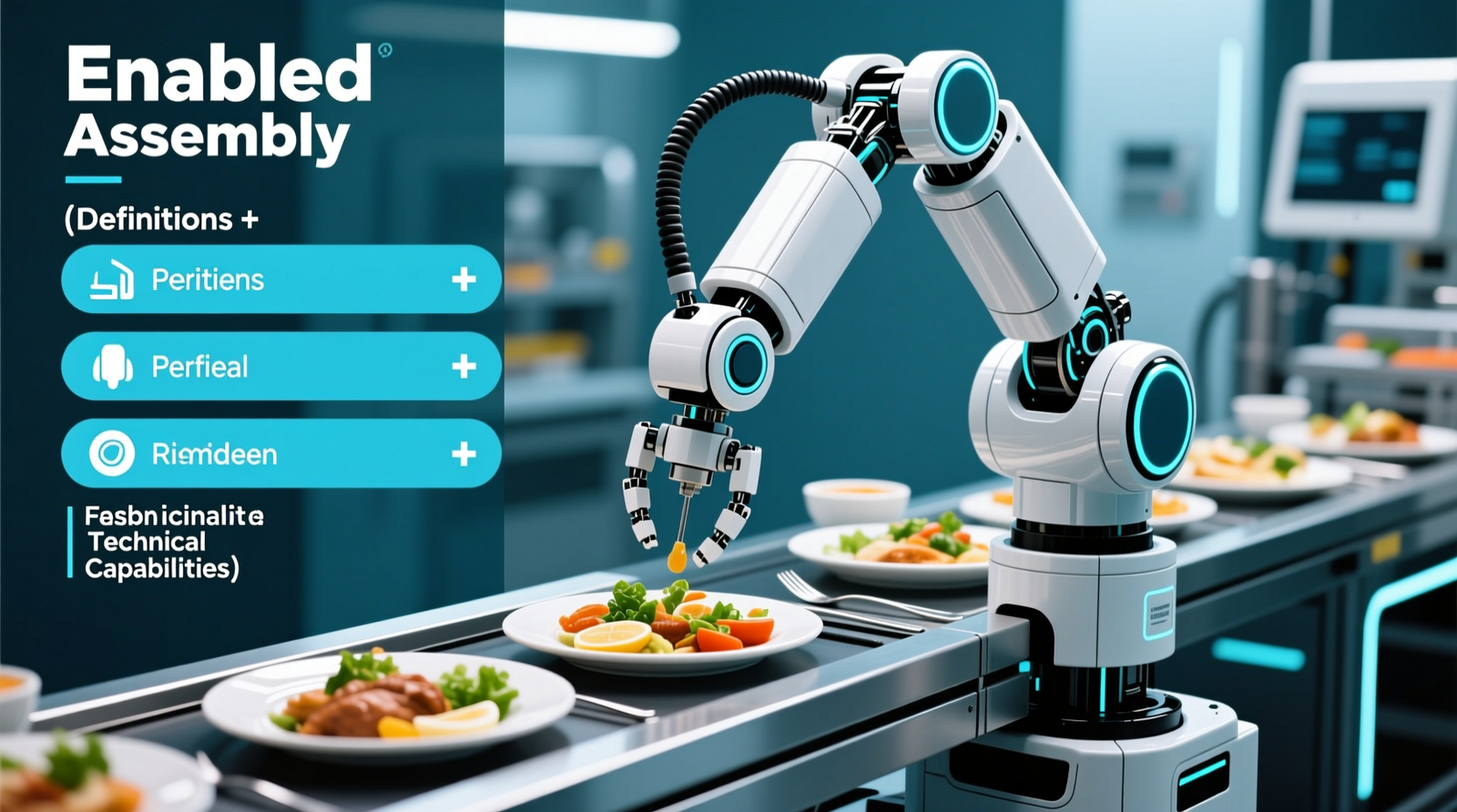
Chef Robotics provides AI-enabled robotic systems for food assembly. AI (Artificial Intelligence) and computer vision (camera-based perception used to detect position/orientation) enable the robots to adapt to product and tray variability in real time. Chef reports the systems have assembled 83+ million servings in production environments.
Key capabilities for high-mix ready meal automation include:
- Rapid recipe and SKU switching: changeovers reported at < 1 minute for many recipe/format changes where mechanical tooling changes are minimized.
- Dynamic tray tracking: vision-based tracking aligns deposit actions to moving conveyors, supporting consistent placement even with small conveyor speed variations.
- Portion and placement repeatability: reduces spillage and overfill variability versus manual assembly, supporting yield improvement and more predictable nutrition/label compliance.
- Line balancing: robotic cycle times can be tuned to match downstream sealing throughput, reducing starvation/blocking.
From a controls standpoint, these systems typically interface with plant automation via industrial signals and data exchange so they can participate in coordinated start/stop logic, fault management, and performance reporting.
TL;DR: Chef’s robots use AI + vision to maintain accurate placement with fast changeovers—key for high-mix operations trying to reduce spillage and variability.
Advanced Packaging, Tray Handling, and Sealing (Materials + Formats)
Packline Solutions Group focuses on packaging equipment and materials, supporting flexible packaging configurations often required in ready meals and prepared foods. Packaging formats can include:
- Tray types: CPET (crystallized PET), PP (polypropylene), and other rigid trays; some operations also evaluate compostable trays where seal performance and barrier requirements allow.
- Packaging methods: standard heat sealing and MAP (Modified Atmosphere Packaging—gas flushing to extend shelf life) where applicable.
- Film types: peel/reseal lidding films, barrier films, and recyclable structures depending on shelf-life and sustainability targets.
Core capabilities typically include:
- Automatic tray de-nesting, indexing, and controlled conveyance
- Sealing parameter control (temperature, dwell time, pressure) to reduce leakers
- Material selection guidance to align tray/flange geometry with film seal layers and barrier requirements
- Modular scalability to add lanes, add seal stations, or reconfigure for new tray footprints
TL;DR: Packline supports multiple tray materials and seal/film options (including MAP) and focuses on reliable tray handling and seal integrity—critical for shelf life and rework reduction.
System Integration Details: Controls, Data Interfaces, and Hygiene Design
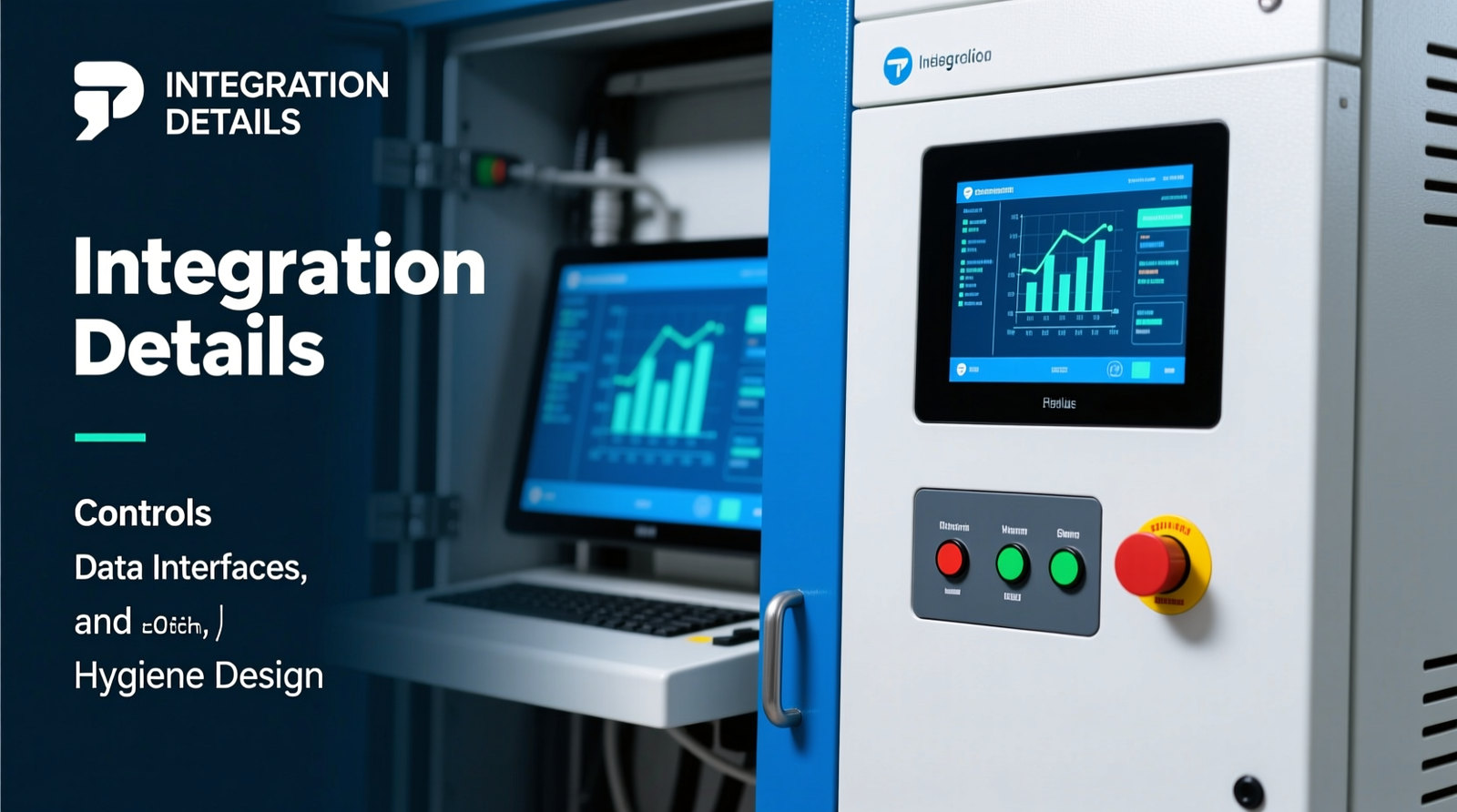
For engineering teams, integration is less about “connecting machines” and more about ensuring the line behaves as one system—controls, data, sanitation, and safety included. A typical integrated architecture may include:
- PLC (Programmable Logic Controller) coordination for conveyors, tray indexing, safety interlocks, and upstream/downstream handshakes.
- SCADA (Supervisory Control and Data Acquisition) and/or MES (Manufacturing Execution System) connectivity for recipe management, production tracking, downtime codes, and electronic batch records where required.
- Industrial protocols: common options include EtherNet/IP and PROFINET for real-time control networks, and OPC UA (Open Platform Communications Unified Architecture) for standardized, secure data exchange to higher-level systems.
- Data logging: time-stamped events for changeovers, downtime reasons, and reject causes to support OEE analysis and continuous improvement.
Hygienic design is also central in ready meal and prepared food environments. Depending on zone classification and sanitation approach, equipment is commonly designed with washdown in mind (e.g., smooth surfaces, minimized harborage points, appropriate gasket/material selection). Washdown robustness is often expressed via IP ratings (Ingress Protection—dust/water resistance). For example, IP66 indicates protection against powerful water jets; actual washdown suitability depends on the full system design, not only an IP label.
Food safety compliance is program-driven, and manufacturers typically align automation projects to requirements under the FDA’s FSMA framework (FSMA = Food Safety Modernization Act) and retailer audit expectations under BRCGS (a GFSI-recognized standard). For broader benchmarking, see the Global Food Safety Initiative (GFSI).
TL;DR: Integration typically spans PLC/SCADA/MES connectivity, industrial protocols (e.g., EtherNet/IP, PROFINET, OPC UA), hygienic design for washdown (IP ratings), and alignment with FSMA + GFSI/BRCGS audit expectations.
Wireless Integration Explained (Industrial Controls Perspective)
Chef Robotics and Packline Solutions Group have co-developed a wireless integration to coordinate their systems. In practical industrial terms, “wireless integration” is usually used for non-safety-critical data exchange and supervisory coordination—while deterministic motion/safety functions often remain hardwired or on real-time industrial Ethernet.
From an industrial controls perspective, wireless coordination may support:
- Line-state synchronization: run/stop/blocked/starved signals shared between assembly and sealing to reduce accumulation issues.
- Recipe/format change triggers: changeover metadata (tray type, lane configuration, seal program) shared so the line changes together.
- Performance telemetry: throughput, downtime events, and reject counts forwarded to SCADA/MES dashboards for remote monitoring.
Common manufacturer concerns include latency (time delay), reliability (packet loss/interference), and security. Industrial best practices typically include network segmentation, authenticated access, encryption where supported, role-based permissions, and minimizing wireless use for time-critical control loops. For a high-level reference on industrial cybersecurity practices, NIST provides widely used guidance such as NIST SP 800-82 (Industrial Control Systems Security).
TL;DR: Wireless integration typically shares supervisory and performance data (not safety-critical motion), with controls best practices addressing latency, reliability, and security (e.g., segmentation and NIST-aligned controls).
Real-World Results: Cafe Spice Case Study (ROI Metrics for Engineers)
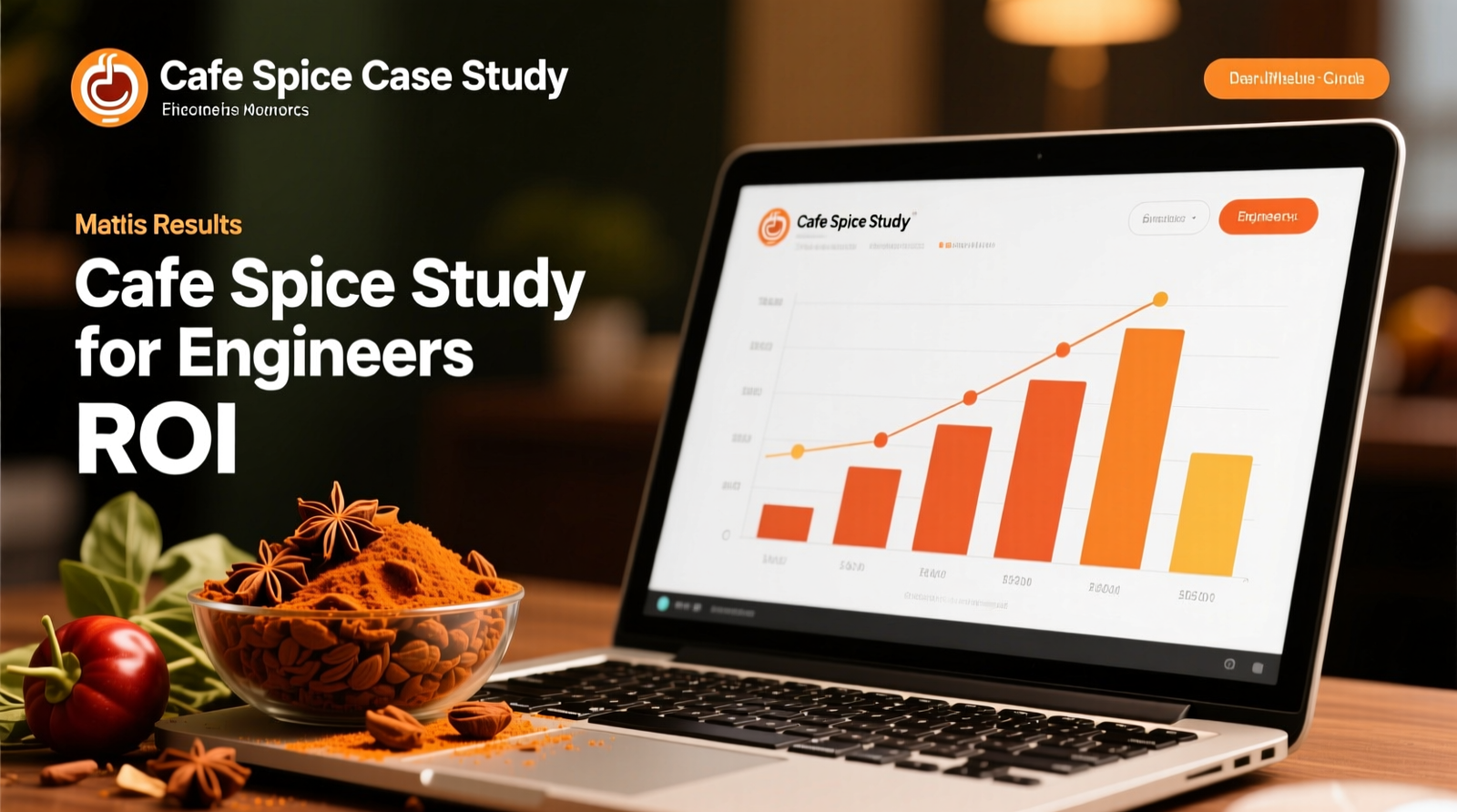
Cafe Spice operates Chef Robotics’ assembly robots and Packline packaging equipment in an integrated configuration, establishing two nearly fully automated lines.
System roles in the integrated line:
- Packline: tray de-nesting, conveying/indexing, and sealing
- Chef: vision-guided ingredient depositing into multi-compartment trays and insert-based formats
Reported outcomes from the deployment include:
- ~60% increase in labor productivity
- Reallocation of 5–6 staff per line to other operations
- 2–3× increase in line output versus the prior manual process
For ROI evaluation, plants commonly translate these outcomes into operational KPIs such as:
- OEE uplift: driven by fewer micro-stops and faster changeovers (especially when multiple changeovers occur per shift)
- Yield gains: reduced spillage and portion giveaway, particularly on high-cost ingredients
- Higher schedule attainment: fewer labor-driven line stoppages and more predictable run rates
TL;DR: Cafe Spice reports significant labor and throughput gains; for ROI, the same improvements typically map to OEE, yield, and schedule-attainment benefits.
Neutral Comparison: Integrated Robotics vs Traditional Automation (and Limitations)
Integrated robotics and packaging is not the only route to automation, and a balanced evaluation helps teams pick the right approach:
- Conventional depositors + mechanical change parts: often excel at consistent, single-SKU production with high throughput, but may require longer changeovers and more tooling for high-mix menus.
- Cobots (collaborative robots designed to operate near people): can be useful for semi-automated tasks at lower speeds, but may be constrained by payload, reach, sanitation methods, and required guarding in wet/food environments.
- Dedicated assembly lines: can achieve very high rates, but flexibility is limited when trays, compartments, or ingredients vary frequently.
Potential constraints to plan for in AI-driven meal assembly and sealing include:
- Ceiling throughput: extremely high-speed lines may still favor dedicated tooling depending on product and presentation complexity.
- Product constraints: very delicate, sticky, or highly variable ingredients can require additional end-effector design work and validation.
- Sanitation windows: washdown requirements and allergen changeovers must be engineered into the line layout and SOPs.
- Minimum viable volumes: ROI improves when changeovers are frequent and labor/quality costs are material; very small volumes may not justify automation unless growth is expected.
TL;DR: Integrated robotics shines in high-mix flexibility, but throughput ceilings, product handling constraints, and sanitation/changeover needs should be evaluated against traditional automation options.
Expanded Use Cases and Packaging Formats
Beyond standard ready meals, integrated robotic assembly and packaging can be applicable to other high-mix prepared food segments, including:
- Salads and composed bowls
- Chilled ready meals and meal kits
- Ethnic meals with multi-component plating requirements
- Airline catering and institutional foodservice (where consistent portioning and rapid menu changes matter)
Packaging flexibility is often a deciding factor for adoption. Depending on product and shelf-life targets, lines may be configured for:
- MAP trays (Modified Atmosphere Packaging) for shelf-life extension
- CPET trays for heat resistance, PP trays for versatility, and other rigid formats
- Multiple lidding film structures (peelable, high-barrier, recyclable where feasible)
TL;DR: The approach can extend beyond ready meals into salads, bowls, ethnic meals, airline/institutional foods, and multiple tray + film formats including MAP.
Implementation and Project Lifecycle (From Assessment to Ongoing Support)
To reduce adoption risk, many manufacturers follow a structured project lifecycle:
- 1) Assessment: SKU mix analysis, changeover frequency per shift, target run rates, sanitation constraints, and packaging specs (tray/film/MAP).
- 2) Line design: layout, buffering strategy, hygienic zoning, utilities (air, power), guarding, and integration points with existing conveyors/depositors.
- 3) Controls + data integration: PLC/SCADA/MES interfaces, recipe parameters, downtime taxonomies, and acceptance criteria for data logging.
- 4) Installation + commissioning: factory acceptance testing (FAT) and site acceptance testing (SAT) to validate throughput, changeover time, and seal quality targets.
- 5) Validation + food safety readiness: sanitation validation, allergen changeover workflows, and audit documentation aligned to plant programs (FSMA/HACCP plans and GFSI-recognized standards).
- 6) Operator training: standard work for changeovers, cleaning, fault recovery, and quality checks.
- 7) Ongoing support: preventive maintenance, spares strategy, performance tuning, and continuous improvement using OEE and downtime analytics.
TL;DR: Successful deployment typically follows assessment → design → integration → FAT/SAT → validation → training → ongoing maintenance and performance tuning.
Workforce, Ergonomics, and Safety Considerations

Automating repetitive assembly tasks can improve ergonomics by reducing manual scooping/placing and minimizing time spent in cold-room environments. It also helps reduce pinch points and unpredictable manual interactions around moving conveyors when the line is designed with appropriate guarding, interlocks, and safe access for sanitation.
In addition to productivity, many plants value:
- Reduced repetitive strain exposure and fatigue-related errors
- More consistent staffing models (redeploying labor to higher-value roles such as QA, material handling, or line support)
- Clearer safety controls via standardized lockout/tagout (LOTO) procedures and machine safety circuits
TL;DR: Integrated automation can reduce cold-room repetitive work, improve safety predictability through engineered guarding/interlocks, and support more stable staffing and training.
Trust Signals: Standards, Compliance, and Certifications
In food manufacturing, trust is built by engineering to recognized requirements and audit expectations. Integrated systems are commonly designed to support:
- Regulatory alignment: FDA/FSMA-aligned food safety programs and, where applicable, USDA-regulated environments based on product category.
- Retailer audit readiness: GFSI-recognized schemes such as BRCGS.
- Electrical/market compliance: equipment certifications such as UL (Underwriters Laboratories) and/or CE (Conformité Européenne) where required by region and scope (certification applicability should be confirmed per project configuration).
TL;DR: The solution targets audit-ready design (FSMA + GFSI/BRCGS) and commonly aligns with regional electrical compliance expectations (e.g., UL/CE where applicable).
Future-Proofing: Scaling, Data, and Continuous Improvement

Future-proofing often depends on modularity and data connectivity. Integrated lines can be expanded by adding robots, adding lanes, enabling additional tray footprints, or integrating new packaging methods (e.g., expanding MAP capability) as product portfolios evolve. With PLC/SCADA/MES connectivity and structured downtime data, teams can also build toward predictive maintenance and continuous improvement programs using trend analysis of stops, rejects, and seal quality indicators.
TL;DR: Modular equipment and connected data make it easier to scale capacity, add new formats, and use analytics for maintenance and continuous improvement.
Availability and Regions Served
The integrated solution is available to manufacturers in the United States, Canada, and the United Kingdom. Producers can work with Chef Robotics or Packline Solutions Group to evaluate fit, line constraints, and a phased deployment plan aligned to capex/opex goals.
TL;DR: The integrated automation offering is available in the US, Canada, and the UK.
About Chef Robotics
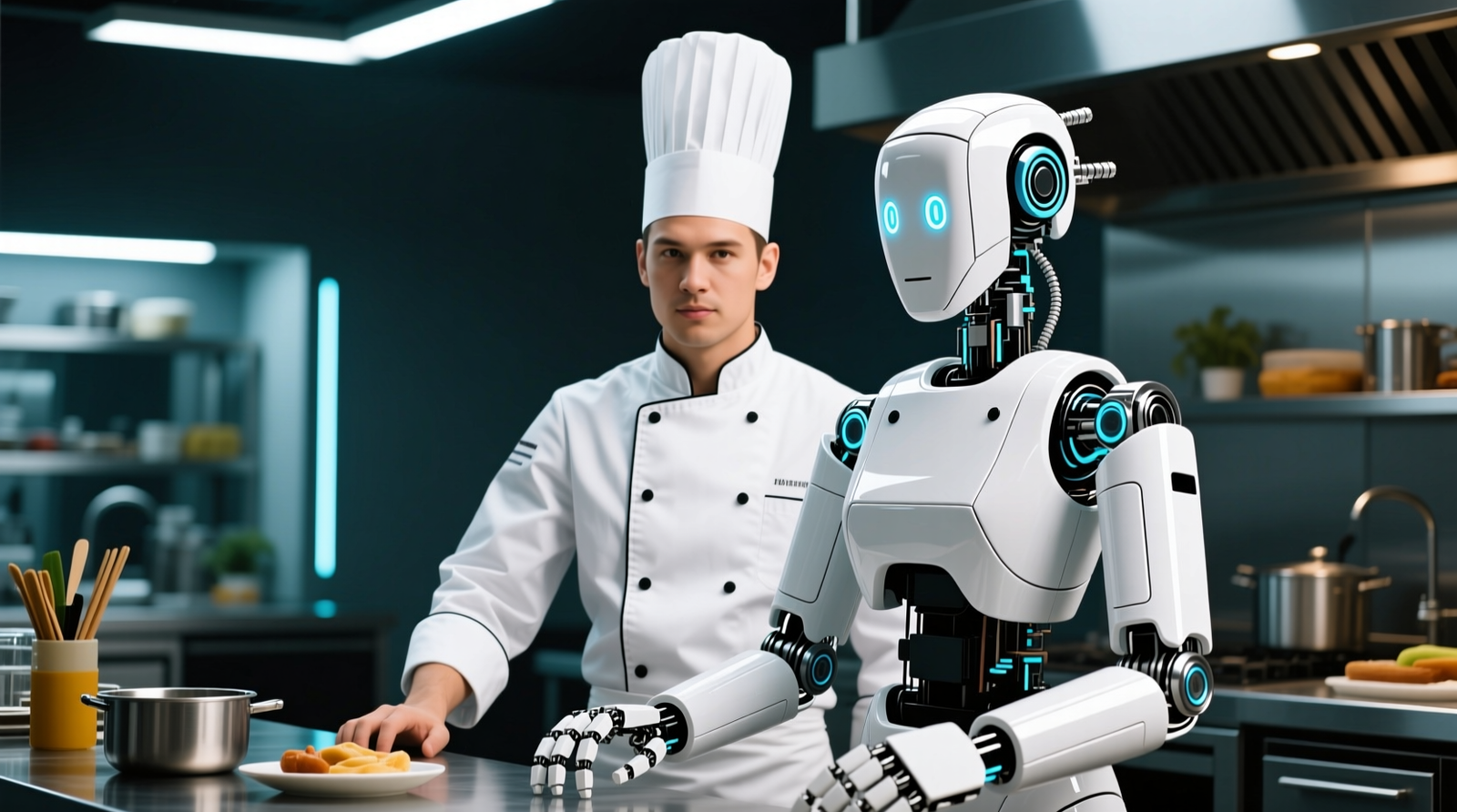
Chef Robotics develops AI-driven robotic systems for industrial food assembly and offers an AI platform called ChefOS for food manipulation and robotic control. The company offers a RaaS (Robotics-as-a-Service—subscription-style commercial model) option, which some manufacturers use to reduce upfront capital burden and align costs to throughput.
Learn more at https://www.chefrobotics.ai.
TL;DR: Chef Robotics provides AI food assembly robots and a RaaS commercial model for manufacturers seeking flexible automation.
About Packline Solutions Group
Packline Solutions Group provides packaging equipment and materials expertise spanning tray handling, conveyance, and sealing—aimed at improving seal integrity, throughput, and material optimization across rigid and flexible packaging applications.
TL;DR: Packline focuses on packaging machinery + material compatibility to improve sealing reliability and scalable packaging performance.
Conclusion

For manufacturers seeking high-mix ready meal automation, the Chef Robotics + Packline Solutions Group partnership presents an integrated approach that connects AI-driven assembly with packaging and sealing into a coordinated, data-capable line. The value proposition is not only labor reduction and throughput—it is also the potential for better OEE, more consistent yield, improved seal quality, and safer, more ergonomic operations.
As with any automation investment, performance depends on product characteristics, sanitation/changeover requirements, and integration scope. A structured project lifecycle—assessment through validation and ongoing support—helps ensure predictable commissioning and long-term line stability.
TL;DR: This is an end-to-end automation approach for high-mix food production that targets OEE, yield, and quality gains—while supporting compliance, safer work, and scalable expansion.
FAQ
Q: What typical line capacities (trays per minute) can an integrated robotic meal assembly and tray sealing line achieve?
A: Capacity depends on recipe complexity, number of deposits per tray, tray indexing time, and sealing dwell time. Many high-mix lines are engineered around a target range (commonly discussed in TPM—trays per minute) that balances flexibility with speed; the best practice is to validate a representative SKU set during FAT/SAT to confirm sustained rate, not just peak speed.
Q: What payback period or ROI range should manufacturers expect from high-mix ready meal automation?
A: ROI is driven by labor displacement/redeployment, OEE improvement, reduced giveaway/spillage, and lower rework/leakers. Many projects are evaluated with a payback target in the 12–36 month range, but actual payback varies significantly based on labor costs, SKU changeover frequency, sanitation time, and current scrap/rework rates.
Q: Can the system integrate with existing conveyors, depositors, PLCs, or SCADA/MES platforms?
A: Yes in many cases—system integration is typically planned around PLC handshakes, industrial Ethernet networks (e.g., EtherNet/IP or PROFINET), and higher-level data exchange via OPC UA where needed. The practical requirement is a clear interface definition: signals, recipes, alarms/downtime codes, and responsibility boundaries between upstream/downstream equipment.
Q: How does sanitation and allergen changeover work with AI food assembly robots and packaging equipment?
A: Sanitation workflows are engineered into the design through hygienic materials, cleanable geometries, and validated SOPs. Allergen changeovers typically add requirements for disassembly/cleaning, verification steps, and documented sign-offs. The automation design should support quick access, safe cleaning (including washdown where applicable), and repeatable post-clean startup checks.
Q: How reliable and secure is wireless integration in a production environment?
A: Wireless is generally best suited for supervisory coordination and data logging rather than safety-critical control. Reliability is managed by network design (coverage, interference mitigation, redundancy where appropriate), and security is addressed with segmentation, authentication, access controls, and monitoring aligned to industrial cybersecurity guidance such as NIST SP 800-82.