Understanding the Global Appeal of Plastic Tube Manufacturing
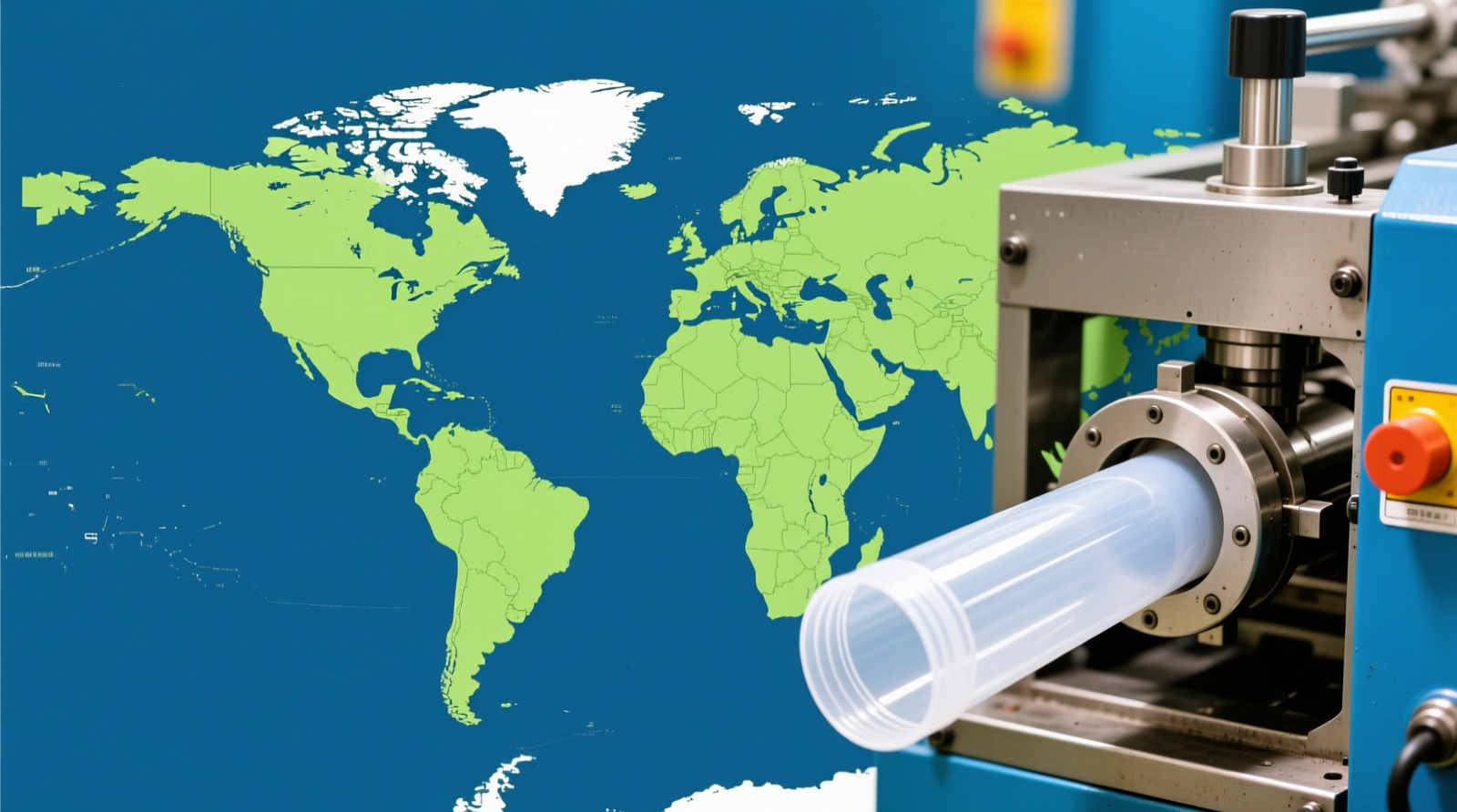
Plastic tube manufacturing continues to draw investment enthusiasm across global markets due to its versatile applications in packaging solutions for cosmetics, pharmaceuticals, food, and industrial products. The sector thrives on evolving consumer preferences and sustainable packaging innovations.
According to a recent [IMARC Group study](https://www.imarcgroup.com/plastic-tube-packaging-market), the global plastic tube packaging market reached a value of $10.2 billion in 2023 and is projected to grow at a CAGR of 6.1% through 2028. This expansion is fueled by rising demand for lightweight, durable, and recyclable packaging alternatives.
In Taiwan, a mid-size manufacturer recently pivoted from general plastics to specialized cosmetic tube production. By introducing eco-friendly polyethylene (PE) laminates and meeting stringent EU packaging directives, they increased export volumes to Europe by 30% year-over-year.
TL;DR: Global demand for plastic tube manufacturing is rising due to versatile industry applications and sustainability trends, with substantial opportunities for region-specific customization and innovation.
Key Market Drivers and Regional Dynamics
Rather than a one-size-fits-all surge, regional regulations and consumer behaviors play pivotal roles in shaping plastic tube investments. For instance:
– In the European Union, regulations like [Directive 94/62/EC](https://eur-lex.europa.eu/legal-content/EN/TXT/?uri=CELEX:31994L0062) enforce strict packaging recyclability standards. Manufacturers investing in Europe need ISO 14001 environmental certification to remain competitive.
– The United States market prioritizes FDA compliance for pharmaceutical tube use. Materials must meet Title 21 CFR standards, pushing companies toward high-grade HDPE (High-Density Polyethylene) and PP (Polypropylene).
– In Southeast Asia, lower manufacturing costs and government incentives in countries like Vietnam and Thailand are attracting companies looking to diversify their supply chains.
A South Korean firm investing $5 million in a Thai production facility managed to cut operational expenses by 25% due to regional tax holidays and reduced labor costs, illustrating how local incentives significantly affect capital planning.
TL;DR: Local regulations, certifications, and market incentives play a decisive role in shaping where and how plastic tube investments succeed globally.
Cost Scenarios: What It Takes to Build a Plant

The financial outlay for establishing a plastic tube manufacturing plant varies widely based on production scale, automation, and product specialization.
– **Small-scale plant (entry-level production)**
– Capacity: 2 million tubes/year
– Footprint: ~5,000 sq. ft.
– Cost Estimate: $600K–$1M
– Typical Applications: Local cosmetics and toiletries
– ROI Timeline: 3–5 years
– **Mid-scale semi-automated plant**
– Capacity: 10–20 million tubes/year
– Footprint: ~20,000 sq. ft.
– Cost Estimate: $3M–$5M
– Typical Applications: National or regional pharmaceutical/food clients
– ROI Timeline: 3 years on average
– **Large-scale fully automated plant**
– Capacity: 50+ million tubes/year
– Footprint: 50,000+ sq. ft.
– Cost Estimate: $10M–$20M
– Typical Applications: Global FMCG companies
– ROI Timeline: 2–4 years
Each cost scenario must also factor in the price of meeting technical standards like [GMP](https://www.who.int/teams/health-product-and-policy-standards/standards-and-specifications/gmp) (Good Manufacturing Practices), as well as automation technologies like robotic welding and vision inspection systems.
TL;DR: Plant costs range from under $1M to over $20M, depending on scale and automation, with ROI typically realized in 2–5 years. Compliance and technology investments shape final budgets.
Innovations Shaping the Industry Today
Gone are the days of generic plastic tubes. Today’s leading manufacturing setups cater to niche markets thanks to customized technology:
– **Biopolymer Integration**: Firms are adopting PLA (Polylactic Acid) tubes which reduce carbon footprint by up to 65% compared to traditional plastics.
– **Digital Printing**: On-demand customization via high-resolution digital printing allows batch-specific branding for e-commerce clients.
– **Smart Tubes**: Embedded QR codes and anti-counterfeit graphics are growing in pharmaceutical tubes—especially in highly regulated markets like the EU and Japan.
Case in point: A Swiss pharmaceutical supplier rolled out serialized printing on 20% of its tube output, cutting counterfeit risk by 40% and complying with [EU Falsified Medicines Directive](https://health.ec.europa.eu/medicinal-products/pharmaceutical-legislation/european-legislation/falsified-medicines_en).
TL;DR: From biodegradable materials to smart features, plastic tubes are evolving quickly, opening new value streams in packaging tailored for eco-conscious and regulated markets.
Operational and Logistics Considerations

While manufacturing is core, location choices increasingly prioritize logistical connectivity to raw materials and target markets. Access to regional ports, proximity to suppliers of plastic resins like LDPE (Low-Density Polyethylene), and availability of skilled labor all play a role.
An Indian facility in Ahmedabad, for example, benefited from proximity to petrochemical hubs and major rail lines, reducing resin inbound costs by 12% and improving delivery times by 24% to key domestic distributors.
Additionally, outsourcing aspects like cap and head production to certified [OSATs (Outsourced Semiconductor Assembly and Test vendors)](https://semiwiki.com/semiconductor-services/osat/) is gaining traction among mid-sized producers managing seasonal output fluctuations.
TL;DR: Site logistics, resin sourcing, and smart outsourcing to local suppliers are essential to maintaining a lean and responsive plastic tube manufacturing operation.
Key Certifications and Compliance Essentials
Global buyers increasingly require documented proof of quality and sustainability. Key standards include:
– **ISO 9001**: Quality management systems
– **ISO 14001**: Environmental impact and sustainability
– **FDA Title 21 Part 177**: U.S. material compliance for food-grade plastics
– **EU REACH Regulation**: Controls on chemical components used in packaging
Achieving these certifications requires both time and capital. Many firms work with third-party auditors like SGS or Bureau Veritas during plant setup to fast-track CV qualification.
TL;DR: Industry certification is a non-negotiable for global competitiveness. ISO, FDA, and REACH compliance help build buyer confidence and enter regulated markets.
Sustainability and Circular Economy Potential
What separates future-ready manufacturers from their peers is their approach to sustainability. European countries like Germany and the Netherlands now enforce Extended Producer Responsibility (EPR) schemes. Under these rules, companies must track, recycle, or reclaim their tube packaging once it reaches consumers.
Forward-looking firms are responding by investing in closed-loop production models. South Africa-based EcoPack Tubes, for instance, recycles 40% of its post-consumer plastic waste into new cosmetic tube outputs, a move that has both strengthened retail partnerships and earned national sustainability awards.
TL;DR: Sustainability isn’t a trend—it’s a licensing fee for tomorrow’s market. Firms that embrace closed-loop systems and EPR frameworks gain both environmental credit and client loyalty.
FAQ
Q: What is the typical return on investment (ROI) for a plastic tube manufacturing plant?
A: ROI varies by scale, but most plants see payback in 2–5 years. Automating processes and targeting high-margin niches like cosmetics or pharma can accelerate profitability.
Q: What certifications are essential for exporting plastic tubes globally?
A: Key certifications include ISO 9001 for quality, ISO 14001 for environmental responsibility, FDA compliance for U.S. food/pharma clients, and REACH for European chemical safety.
Q: How eco-friendly is plastic tube manufacturing today?
A: More manufacturers are turning to biopolymers, closed-loop recycling, and reduced-weight designs. Compliance with EPR and sustainability standards is rapidly becoming a global norm.
Q: Which countries are the best for setting up a plastic tube plant?
A: Thailand, Vietnam, and India offer favorable infrastructure and cost advantages, while countries in the EU enforce more regulations but open access to premium consumer markets.
Q: What’s the difference between LDPE, HDPE, and PP in plastic tube manufacturing?
A: LDPE (Low-Density Polyethylene) offers flexibility and softness, ideal for cosmetic tubes. HDPE (High-Density Polyethylene) provides rigidity for pharmaceutical uses. PP (Polypropylene) adds durability and is often used in caps and closures.