Understanding Sustainable Packaging Alternatives to Plastic
Meta Description: Discover eco-friendly packaging alternatives to plastic, including biodegradable, compostable, and innovative materials aiding the shift toward sustainable manufacturing.
Primary Keywords: sustainable packaging, alternatives to plastic, eco-friendly packaging materials
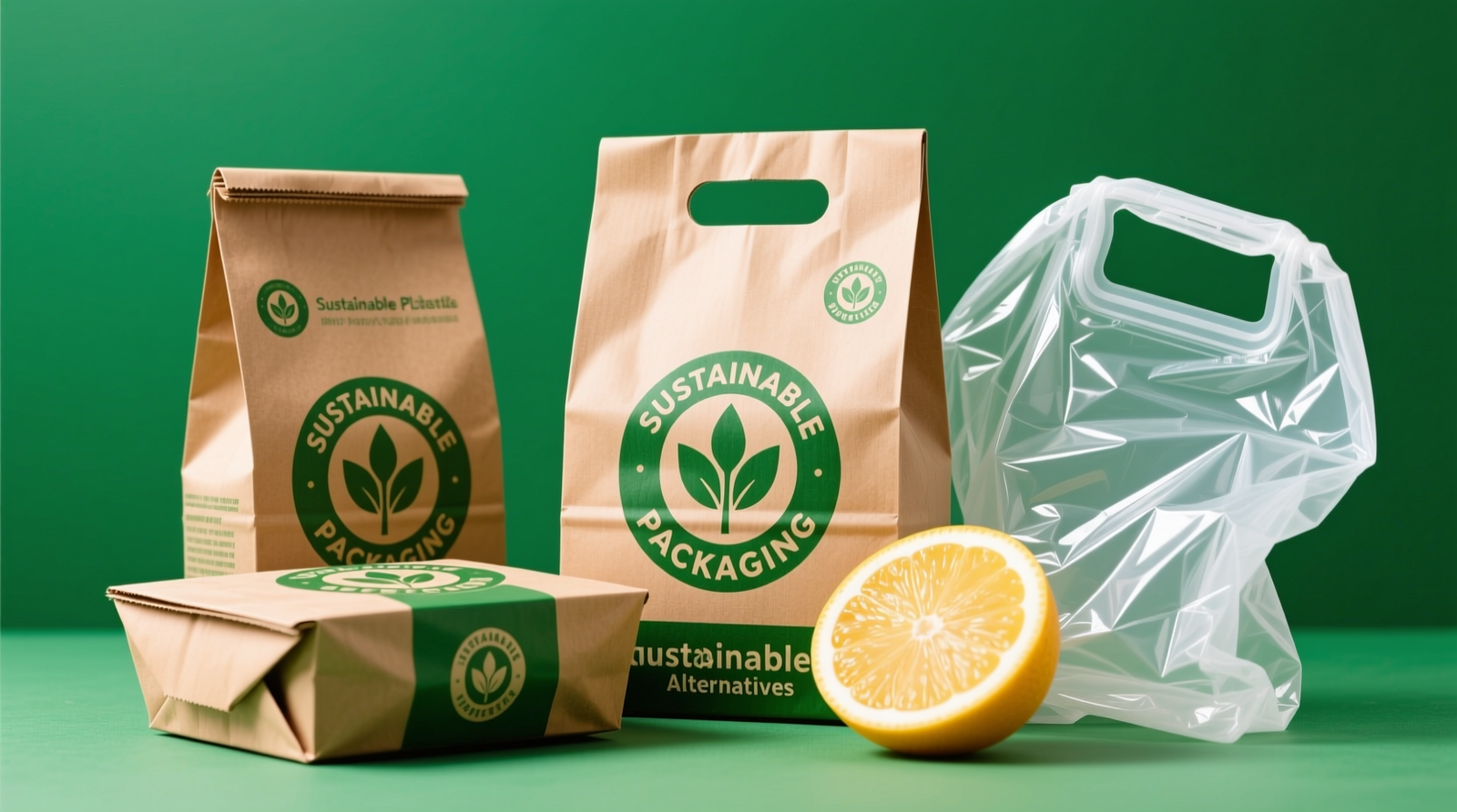
As environmental concerns mount over the long-term effects of plastic waste, industries are under pressure to adopt more sustainable packaging practices. Traditional plastic, derived from petrochemicals, contributes to pollution, microplastics in oceans, and long degradation timelines. In response, manufacturers and packaging designers are exploring durable, scalable, and sustainable alternatives.
According to the United Nations Environment Programme (UNEP), transitioning to sustainable alternatives could reduce plastic pollution by 80% by 2040 if coupled with reuse and recycling policies. Businesses today must not only comply with rising regulatory standards such as the EU’s Single-Use Plastics Directive but also address growing consumer demand for environmentally friendly products.
Key sectors—including food packaging, e-commerce, and industrial applications—are increasingly using biodegradable, compostable, and recyclable solutions that minimize environmental impact without compromising on function.
TL;DR: Industry is shifting away from petroleum-based plastic packaging due to environmental concerns and regulations. Emerging sustainable solutions include biodegradable and compostable materials, tailored for both regulatory compliance and eco-conscious consumers.
Bioplastics: Bio-Based and Biodegradable Solutions
Meta Description: Learn how bioplastics made from renewable resources are helping replace conventional plastic in sustainable packaging applications.
Target Keywords: bioplastics, biodegradable packaging, PLA, PHA
Bioplastics are a broad category of plastics derived at least partially from biological sources such as corn starch, sugarcane, or cellulose. These materials can be biodegradable or non-biodegradable, depending on the polymer structure.
Among the most common types of biodegradable bioplastics are PLA (polylactic acid) and PHA (polyhydroxyalkanoates). PLA is produced from fermented plant starch and is ideal for cold food and beverage packaging, while PHA is created using bacterial fermentation, offering higher biodegradability and marine compostability.
Global production capacity for bioplastics is projected to grow from 2.4 million tons in 2021 to over 7.5 million tons by 2027, according to the European Bioplastics Association.
Bioplastics work well in specific applications but can require specialized industrial composting facilities to fully degrade, which presents collection and infrastructure challenges in some regions.
For more on how bioplastics align with closed-loop systems, see our related article on circular economy manufacturing principles.
TL;DR: Bioplastics like PLA and PHA offer renewable, biodegradable alternatives to traditional plastics. However, widespread adoption depends on infrastructure for composting and regional waste management capabilities.
Molded Pulp and Fiber Packaging
Meta Description: Molded pulp packaging made from recycled paper or agricultural fibers offers a sustainable and compostable plastic alternative used in various industries.
Target Keywords: molded pulp, fiber-based packaging, recycled paper materials
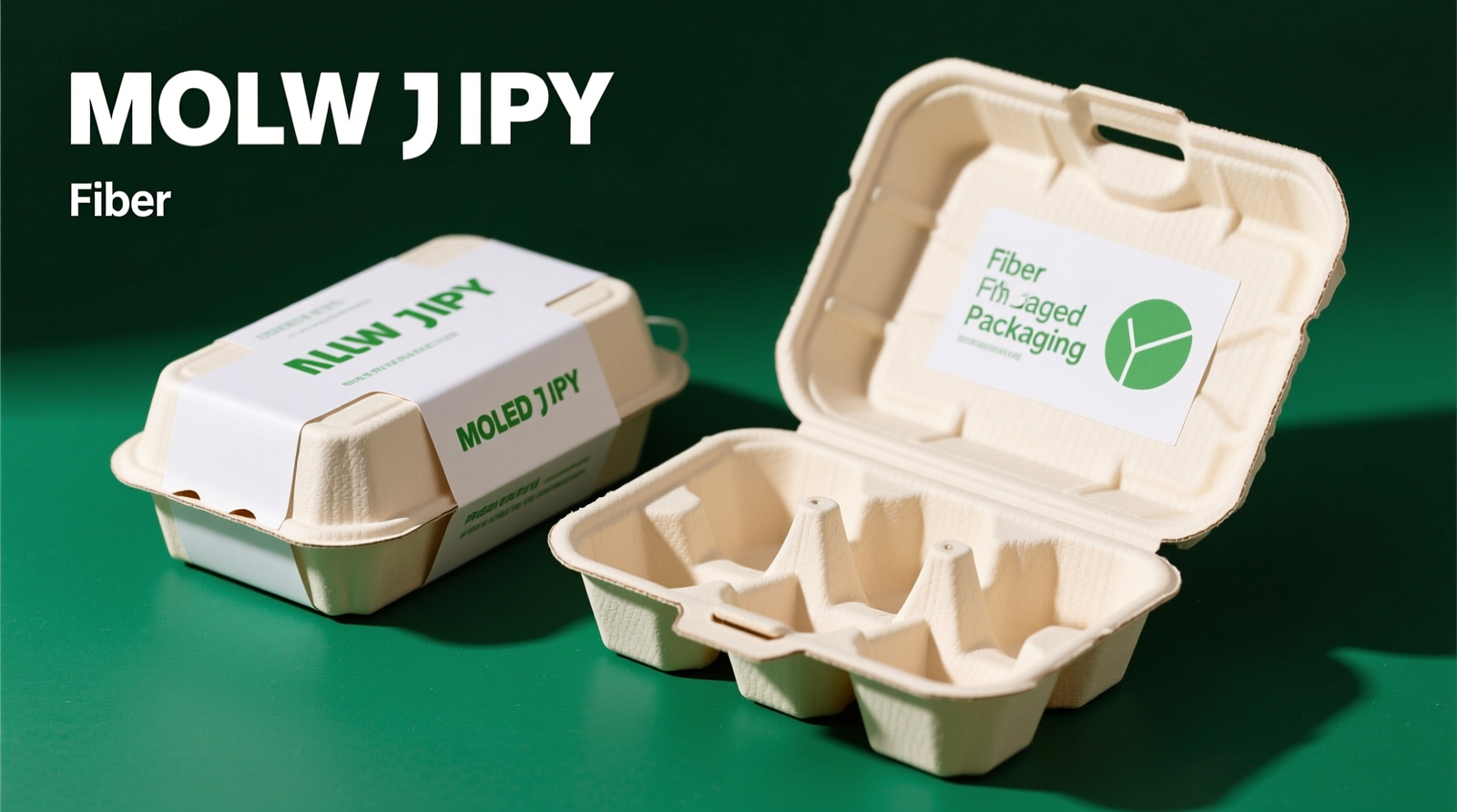
Molded pulp packaging is made by blending recycled paper, cardboard, or agricultural residues such as wheat straw or sugarcane bagasse with water. The slurry is then molded and dried to form protective packaging pieces, trays, or containers.
This method is commonly used for egg cartons, electronic product packaging, and takeout containers. Not only is molded pulp easily recyclable and compostable, but it also typically requires less energy to manufacture compared to plastic. Studies like the Journal of Cleaner Production’s lifecycle assessment confirm lower emission averages for pulp-based systems than polystyrene.
Manufacturers are enhancing these materials with hydrophobic coatings made from plant oils or bio-based resins to replace plastic liners in food applications, making them suitable for liquids or greasy substances.
TL;DR: Molded pulp offers a compostable, recyclable alternative to plastic packaging with a lower carbon footprint, adaptable for protective and food-grade use cases.
Edible and Water-Soluble Films
Meta Description: Explore edible and water-soluble packaging films made from seaweed or protein-based films as future-proof alternatives to plastic packaging.
Target Keywords: edible packaging, water-soluble films, seaweed packaging
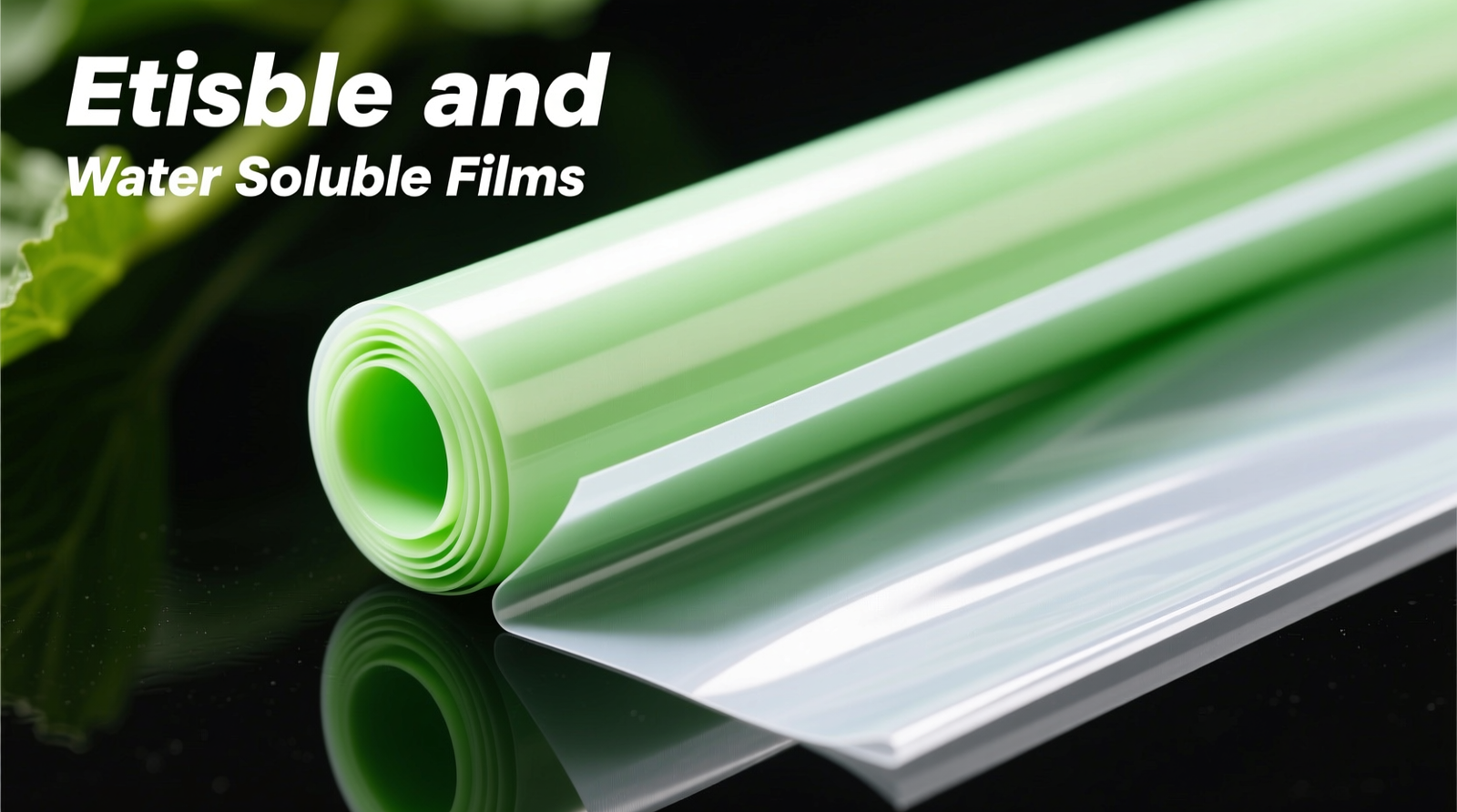
Innovative companies are developing edible and dissolvable packaging materials aimed at single-use applications. These typically use seaweed extracts (such as agar or carrageenan), starches, or even milk proteins like casein to form thin films suitable for dry goods, condiments, and beverage pods.
Startups like Notpla and Lactips are commercializing seaweed- and milk protein-based films that are biodegradable, edible, and capable of dissolving in water without harming marine ecosystems.
Despite high sustainability rankings, these materials face barriers related to cost, moisture sensitivity, and niche application scalability. However, they are gaining traction in zero-waste retail formats and closed-loop systems.
TL;DR: Edible and water-soluble films made from seaweed, starch, or proteins provide intriguing options for unit-size packaging, especially in zero-waste environments—though limited by moisture resilience and production cost.
Mycelium and Other Biomaterials

Meta Description: Learn how biomaterials like mycelium—grown from fungi—are disrupting plastic-based foam packaging with renewable, compostable solutions.
Target Keywords: mycelium packaging, fungi-based materials, sustainable foam alternatives
Mycelium is the root structure of fungi, which when grown in engineered molds with agricultural waste like corn husks or hemp hurds, can produce sturdy, foam-like packaging. This natural material is compostable, lightweight, and customizable for protective packaging applications.
Companies such as Ecovative and Mushroom Packaging have pioneered scalable mycelium-based products for everything from electronics cushioning to wine shipping crates.
Aside from packaging, mycelium is also emerging in the construction and fashion industries as an alternative material, aligning with broader sustainability trends.
For manufacturers concerned with zero-waste production, mycelium’s closed-loop production cycle significantly reduces input waste and energy consumption compared to expanded polystyrene (EPS) foam.
TL;DR: Mycelium offers a low-impact, compostable alternative to EPS foam packaging. It’s moldable, lightweight, and integrates seamlessly in closed-loop packaging systems—though production timelines are longer than with synthetic foams.
Metal and Glass Reusables
Meta Description: Durable materials like stainless steel and glass offer long-lasting, refillable packaging options for single- and multi-use applications.
Target Keywords: reusable packaging, stainless steel containers, glass alternatives to plastic
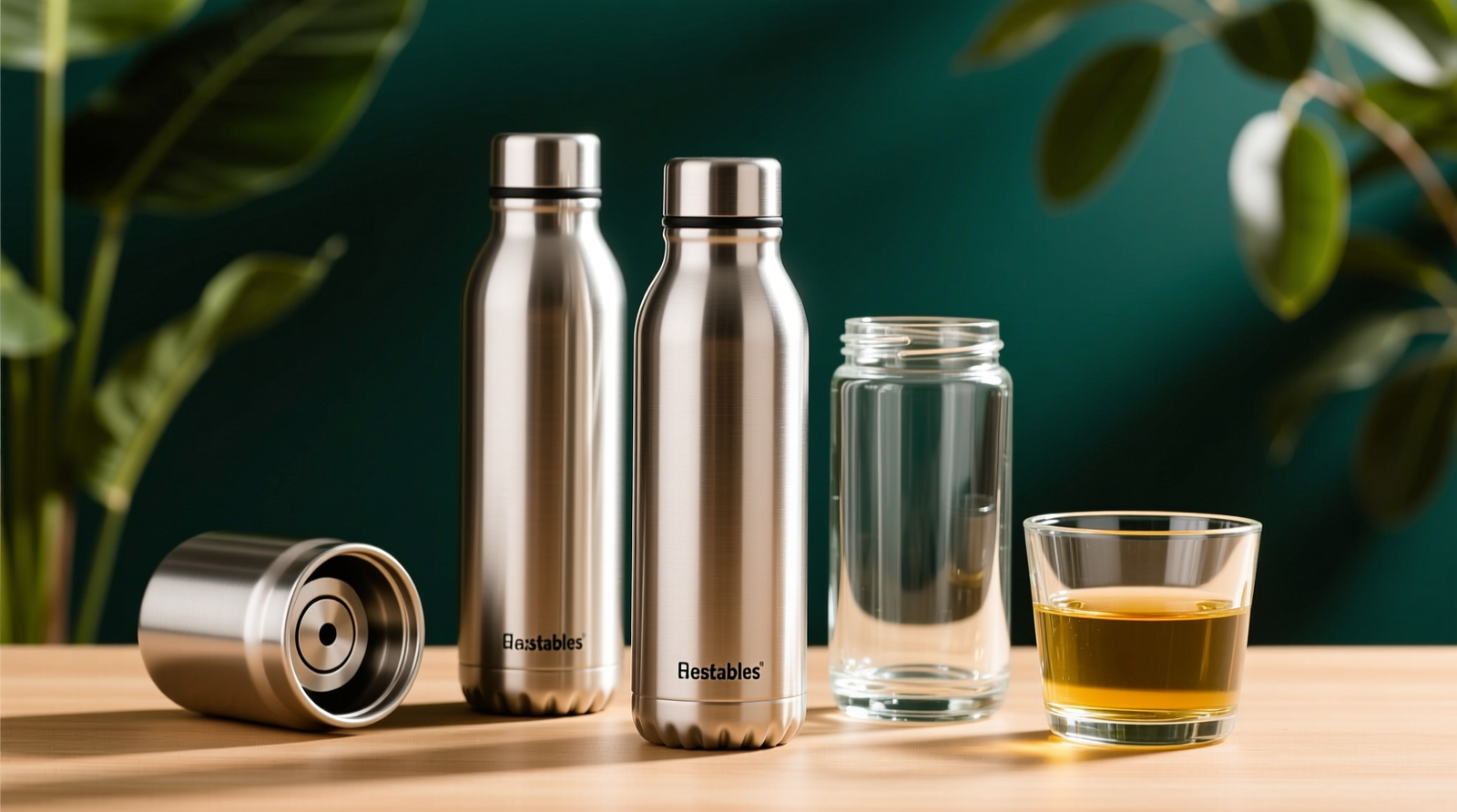
Although not compostable, materials such as stainless steel and glass significantly reduce the environmental impact of packaging through their reusability and recyclability. Glass is inert and infinitely recyclable without quality loss, while stainless steel is corrosion-resistant, hygienic, and used in higher-end durable packaging products such as insulated food containers or refill stations.
A 2020 report from the Ellen MacArthur Foundation emphasized reuse systems could reduce the need for single-use plastic packaging by at least 20% globally.
These materials are ideal in sectors like beauty, beverages, and foodservice where repeated use over an extended product lifecycle yields strong environmental benefits.
TL;DR: Though heavier, metal and glass offer unparalleled reuse value and recyclability. They’re best suited to product lines aiming for long-life cycle strategies or refill infrastructure.
Downloadable Resources and Supporting Tools

To assist packaging engineers, brand managers, and procurement teams in exploring viable eco-packaging alternatives, we’ve compiled a set of resources:
FAQ: Frequently Asked Questions

What is the most sustainable packaging material available?
There’s no one-size-fits-all solution. The most sustainable material often depends on the application, local waste infrastructure, and lifecycle impact. Mycelium, PLA, and recycled pulp rank high on various sustainability indices.
Are bioplastics industrially compostable or backyard compostable?
Most bioplastics like PLA require industrial composting facilities that maintain high temperatures. Backyard composting for these materials remains limited due to slower degradation rates.
Can plastic alternatives match the durability of traditional polymers?
Alternatives like stainless steel, glass, and certain biopolymers provide robust performance, but typically at higher cost and sometimes with different durability profiles (e.g., mycelium vs. EPS foam).
How can brands transition operationally to sustainable packaging?
Companies should begin with audits of current packaging materials, collaborate with sustainability experts, and pilot alternative materials in specific product lines. Establishing partnerships with certified suppliers, implementing LCA (Life Cycle Assessment), and upgrading supply chains for compostable or returnable options are key first steps.
Is there a regulation roadmap driving adoption of these materials?
Yes. Government mandates such as the EU’s Single-Use Plastics ban and extended producer responsibility (EPR) laws directly incentivize the shift to alternatives through taxes or packaging recovery obligations.
Final Thoughts

Transitioning to plastic-free or low-waste packaging systems isn’t just an environmental gesture—it’s a prerequisite for modern manufacturing resilience and regulatory compliance. As bioplastics, fiber-molded products, and mycelium-based packaging continue to scale, early adopters across food, beauty, electronics, and logistics industries can build a competitive edge rooted in responsible innovation.
Stay informed with our monthly sustainability insights newsletter to track new materials and policy shifts shaping tomorrow’s packaging solutions.